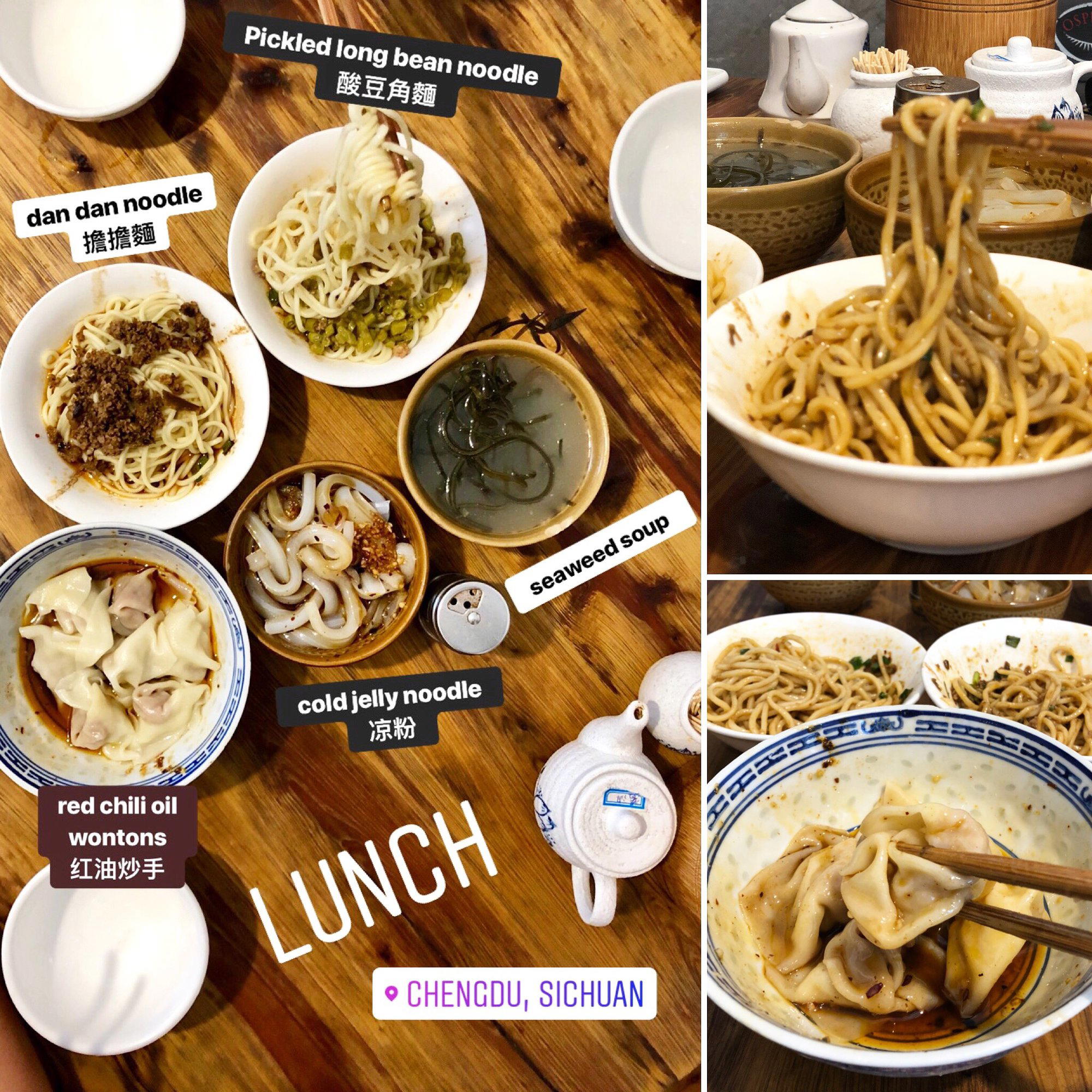
Chuan Yang Guan Noodle Shop sits inside Chengdu's dense, competitive noodle culture, where a bowl of dan dan or zhong shui jiao can define a neighbourhood's identity. The shop operates in the city's lower price tier, where volume, consistency, and recipe integrity matter more than atmosphere or credentials. Visitors to Chengdu's street-level noodle scene regularly include it on their circuit.
 Discover on Pearl
Pearl is the En Primeur Club membership app — saves, bookings, and concierge access live there. Same editors, same standards.
Chengdu's Noodle Culture and Where Chuan Yang Guan Fits
In Chengdu, noodles are not a category so much as a civic institution. The city's relationship with wheat and rice noodles runs parallel to its more photographed mapo tofu and hot pot traditions, and in some neighbourhoods it runs deeper. Stalls and shops serving dan dan mian, zhong shui jiao, and suo mian operate from early morning into the late afternoon, functioning less like restaurants and more like infrastructure. Chuan Yang Guan Noodle Shop belongs to this tier: the street-level, high-frequency end of Chengdu's food culture, where the competitive pressure is local and the measure of success is whether the regulars come back the next day.
Chengdu's noodle shops do not compete with the city's formal dining addresses. Properties like Yu Zhi Lan and Xin Rong Ji (Taizhou) operate in an entirely different register, priced at ¥¥¥¥ and oriented toward tasting formats and imported credentialing. A noodle shop like Chuan Yang Guan prices against the neighbourhood, not against those rooms. That is a feature, not a gap.
The Scene at Street Level
Chengdu's lower-tier noodle shops share a recognisable physical logic: narrow storefronts, communal or close-set seating, the sound of broth being ladled and bowls being stacked. The transaction is quick and the expectation is consistency. Diners are not coming for novelty; they are coming because the ratio of chili oil to sesame paste in the sauce was right last time and they expect it to be right again. That demand for repeatability is what separates functional noodle culture from casual dining, and it is what the leading shops in Chengdu train for across years of service.
Sichuan noodle tradition relies on a layered approach to flavour that is easy to misread as simple. The base sauces involve fermented black bean, aged vinegar, sesame paste, chili oil rendered from specific pepper varieties, and sometimes ya cai, the preserved Yibin mustard greens that add a sharp, briny counterpoint to fat and heat. The noodles themselves, whether hand-pulled or machine-cut, are calibrated to hold sauce rather than slide free of it. Getting that calibration consistent across hundreds of bowls per day is a kitchen discipline that deserves more attention than it typically receives from critics focused on the formal end of the city's dining scene.
Team Dynamics in a High-Volume Format
In formal dining rooms like Fang Xiang Jing or Fu Rong Huang, the collaboration between chef, floor staff, and service sequence is visible and deliberate. At a noodle shop, the equivalent dynamic is compressed into a few square metres and a much faster cycle. The person managing the broth pot, the person assembling the bowl, and the person handling the front counter operate as a small team under constant throughput pressure. The absence of a formal brigade does not mean the absence of coordination; it means the coordination has been absorbed into muscle memory and station design.
At Chuan Yang Guan, as with the best of Chengdu's noodle operations, that internal rhythm is part of what a visitor is actually observing. The speed at which a correct bowl arrives, without a ticket system or a lengthy exchange, is evidence of a practiced team working a format they know well. That form of service intelligence tends to get overlooked in critical frameworks built around fine dining, but it is no less skilled for being compressed.
This contrasts sharply with how collaboration functions at destination restaurants elsewhere in China. At 102 House in Shanghai, or at Chef Tam's Seasons in Macau, front-of-house choreography is an explicit part of the proposition. At a Chengdu noodle shop, that choreography is invisible precisely because it works.
Positioning Within Chengdu's Price Tiers
Chengdu's dining culture spans a wider price range than most Chinese cities of comparable size. At the formal end, there are addresses with international recognition and multi-course formats. At the street level, where Chuan Yang Guan operates, the pricing is among the most accessible in any major Chinese city. This lower tier is not a consolation bracket; it is where the most frequently eaten, most technically specific food in Chengdu actually lives. The city's own residents index heavily toward these formats for everyday eating, while the formal rooms serve a different social function.
For comparison, noodle shops in Chengdu's ¥ tier sit well below the entry point for addresses like Hokkien Cuisine in the city, and far below the ¥¥¥¥ tier represented by the city's credential-heavy rooms. That gap in price does not map to a gap in knowledge or craft; it maps to a different relationship with scale and service overhead.
Visitors building a broader picture of Chinese regional dining should also note that the noodle-shop format in Chengdu has no real equivalent in coastal cities. The precision of Sichuan flavour layering applied to a ten-minute, counter-service bowl is a specifically inland, specifically Sichuan phenomenon. It does not translate directly to what you find in Hangzhou at Ru Yuan, or in Guangzhou at Imperial Treasure Fine Chinese Cuisine, both of which operate inside entirely different culinary frameworks.
Planning a Visit
Chuan Yang Guan Noodle Shop operates in the way most Chengdu noodle shops do: arrive during peak service hours, expect a short wait if the room is full, and order at the counter or with minimal formality. Chengdu's noodle shops cluster in several neighbourhoods, and proximity matters more here than advance planning. No booking system applies at this price tier, and dress code is irrelevant.
Readers tracking Sichuan cooking at its formal ceiling will also find useful comparison material at Dingshan·Jiangyan (Xiangcheng) in Suzhou and Dai Yuet Heen in Nanjing, both of which demonstrate how classical Chinese kitchen discipline translates into formal dining rooms rather than street-format shops.
Price Lens
Comparable venues nearby, for context on price, style, and recognition.
| Venue | Cuisine | Price | Awards | Notes |
|---|---|---|---|---|
| Chuan Yang Guan Noodle ShopThis venue — the venue you are viewing | $ | , | ||
| Xiaomingtang Dandantian Shuimian | Chengdushi, Traditional Sichuan Noodles | $ | , | |
| Cloud Restaurant | $$ | , | Business District/The area around the Twin Towers, Sichuan Cuisine | |
| çèå ° | Chengdushi, Sichuanese Restaurant | , | , | |
| Member | Chengdushi, Traditional Chengdu Noodles | $ | Michelin Plate | |
| YouYun•LuHuiTianFu | $$$ | , | Tianfu 1911, Sichuan Cuisine |

At a Glance
- Hidden Gem
- Iconic
- Rustic
- Lively
- Casual Hangout
- Solo
- Open Kitchen
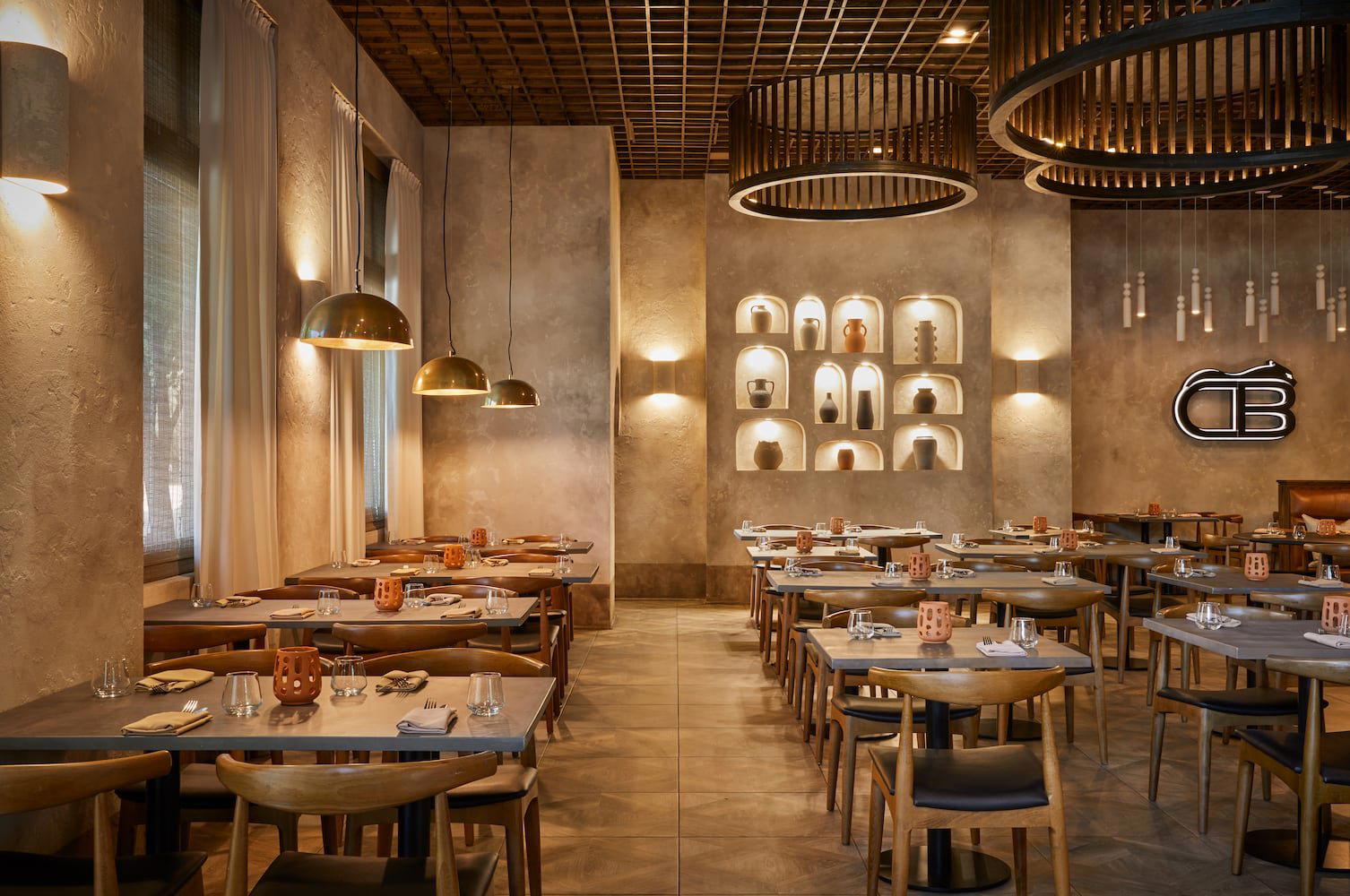
Cramped, bustling street-level atmosphere with open-air seating, packed with locals during lunch and dinner; humble setting between construction and apartment buildings with contagious energy and celebratory vibe.