Bainian Fenzheng Beef occupies the Wuhou District of Chengdu, a neighbourhood where Sichuan's everyday cooking traditions run deep alongside its more formal dining scene. The restaurant's name signals a specialisation in fenzheng, a steamed beef preparation with roots in the region's broader repertoire of slow-cooked, spice-layered techniques. For visitors tracking Chengdu's street-level cooking culture, it sits in a different tier than the city's fine-dining rooms.
Pearl is the En Primeur Club membership app — saves, bookings, and concierge access live there. Same editors, same standards.
- Address
- J3VH+5W5, Zhimin Rd, 小天竺 Wuhou District, Chengdu, Sichuan, China, 610047
- Phone
- +8613693466931
- Directions
- Get directions
 Saves & bookings on Pearl
Wuhou's Everyday Culinary Gravity
Chengdu's Wuhou District carries a different character from the polished corridors of Taikoo Li or the tourist-facing stalls around Jinli Street. This is the part of the city where residents actually eat, where the cooking speaks to habit and repetition rather than occasion, and where a restaurant's reputation travels by word of mouth across the neighbourhood rather than through review aggregators. Bainian Fenzheng Beef, situated on Zhimin Road within this district, is a casual Chengdu restaurant serving Traditional Sichuan Beef at about US$8 per person.
The broader context matters here. Chengdu operates on multiple dining registers simultaneously. At the summit of the formal tier, you have rooms like Yu Zhi Lan and Xin Rong Ji, both positioning against Sichuan's most serious fine-dining standards. Further along, places like Fang Xiang Jing and Fu Rong Huang occupy a middle-formal space. Then there is the stratum where Bainian Fenzheng Beef operates, defined not by ceremony but by craft applied consistently to a narrow subject.
Fenzheng: A Technique with Specific Logic
The term fenzheng refers to a steaming method in which the protein is coated in seasoned rice flour before cooking, a preparation used across Sichuan and neighbouring Hubei in different forms. The rice flour absorbs the cooking liquids and spices during steaming, developing a dense, textured exterior while the meat inside remains tender and deeply flavoured. It is a technique that rewards patience and precise spice calibration rather than high heat or quick execution.
Within Sichuan cooking, fenzheng beef represents one of the slower, more considered applications of the region's spice vocabulary. The canonical Sichuan flavour profile, the interplay of doubanjiang, Sichuan peppercorn, dried chillies, and fermented black bean, finds different expression in a steamed preparation than it does in a wok-fried or braised one. The heat in a steamed dish is more integrated and less immediate, the numbing quality of the peppercorn (mala) tends to linger rather than spike, and the overall effect is richer in aromatic depth than in direct intensity. This places fenzheng beef in an interesting position within the Sichuan repertoire: it shares the region's flavour architecture but operates at a different tempo.
For visitors who have spent time at the more internationally visible end of the Sichuan dining scene, at tasting menus, at regional fine dining rooms like those found across China in cities such as Guangzhou or the technically rigorous Chinese restaurants of Nanjing, a specialist like Bainian Fenzheng Beef offers a different data point about how the cuisine actually functions at street level.
The Wuhou Frame
Location in Wuhou rather than in the city centre carries practical and cultural implications. The district is home to the Wuhou Shrine, one of Chengdu's most visited historical sites, but the area around Zhimin Road sits away from the immediate tourist radius of that landmark. This means the clientele at a neighbourhood restaurant here skews residential rather than transient. The cooking adjusts accordingly: portion logic, pricing, and the degree of ambient formality all reflect a room feeding its regular community rather than presenting Sichuan cuisine to an outside audience.
That distinction shapes the experience materially. Chengdu's neighbourhood eating culture operates on an informal but consistent set of expectations: dishes arrive quickly, tables turn, and the assumption is that you know what you want before you sit down. For first-time visitors, this can read as abrupt by the standards of restaurants oriented toward tourists or international diners. In practice, it reflects how the city's everyday food culture organises itself, and it is worth approaching with that frame rather than the expectations one might bring to a room like Fu He Hui in Shanghai or Chef Tam's Seasons in Macau.
The full Chengdu restaurants guide covers the city's broader range from casual to formal, and it is worth reading in sequence with visits to places like Bainian Fenzheng Beef to understand how different the registers feel on the ground. A day that includes both a neighbourhood specialist and a formal Sichuan room produces a more complete picture of the city's cooking than either alone.
Planning a Visit
The restaurant is walk-in friendly. Pricing is about US$8 per person.
Wuhou District is accessible from central Chengdu by metro (Line 3 serves several nearby stations) and the neighbourhood is well-covered by the city's ride-hailing services. Zhimin Road itself is a residential-commercial corridor rather than a tourist strip, so the surrounding area warrants some orientation before arrival. For visitors also planning meals at the city's formal end, Hokkien Cuisine in Chengdu, or restaurants requiring advance bookings, it makes sense to schedule the neighbourhood visits around those fixed reservation times.
Across China's broader restaurant scene, the contrast between specialist neighbourhood cooking and fine-dining rooms is productive to explore deliberately. The same is true whether you are tracking Hangzhou cooking via Ru Yuan, following Fujian technique at Fleurs Et Festin in Xiamen, or reading the Suzhou food scene through Pingjiangsong. The neighbourhood restaurant is often where the actual technique lives, stripped of the framing that a formal room adds around it.
A Lean Comparison
Comparable venues nearby, for context on price, style, and recognition.
| Venue | Cuisine | Price | Notes |
|---|---|---|---|
| Bainian Fenzheng BeefThis venue — the venue you are viewing | Chengdushi, Traditional Sichuan Beef | $ | Not listed |
| Laochengdu Sanyang Noodles | Chengdushi, Authentic Sichuan Noodles | $ | Not listed |
| Cloud Restaurant | Not listed | $$ | Business District/The area around the Twin Towers, Sichuan Cuisine |
| Tan Jia | Not listed | $ | Chengdushi, Authentic Chengdu Small Plates |
| Drunk Whaft Hot Pot | Chengdu, Chengdu Hot Pot | $$ | Not listed |
| Tan Jia (Wuhou) | Not listed | $ | Chengdushi, Authentic Chengdu Small Plates |

At a Glance
- Rustic
- Classic
- Casual Hangout
- Group Dining
- Family
- Courtyard
- Historic Building
- Local Sourcing
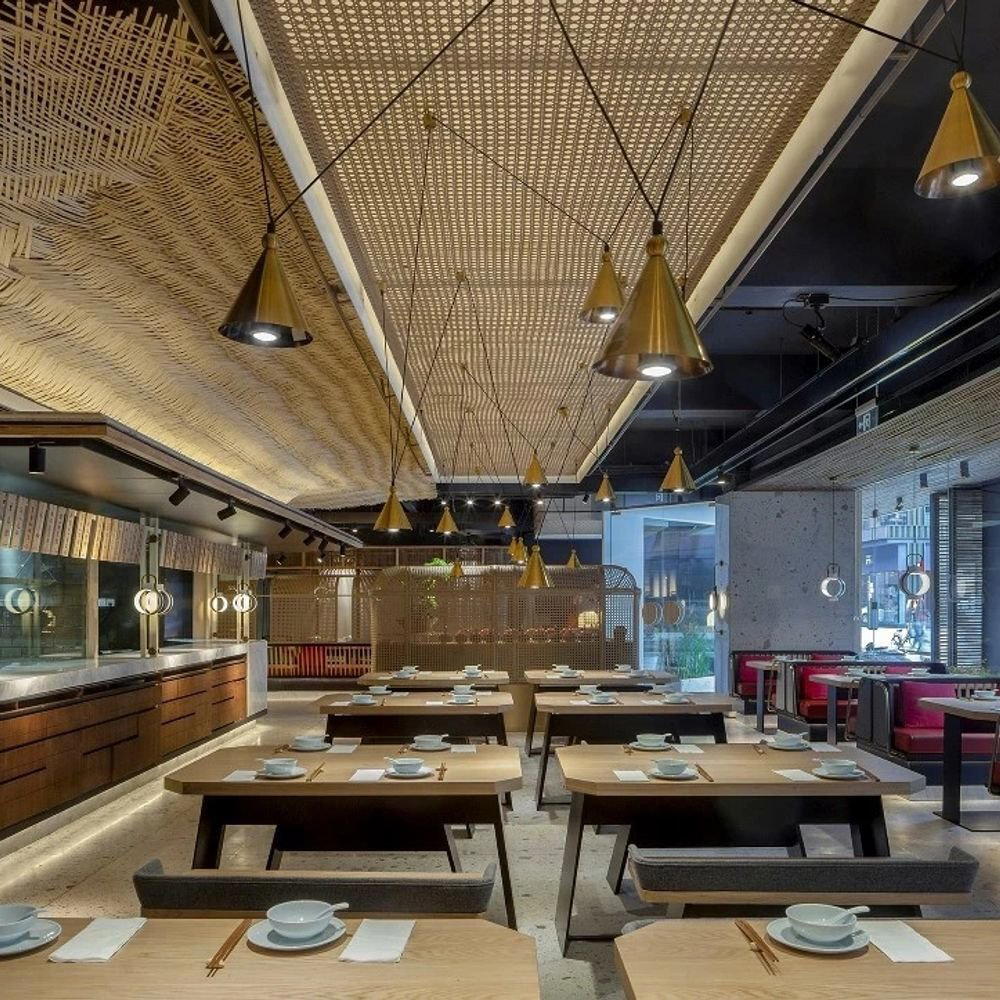
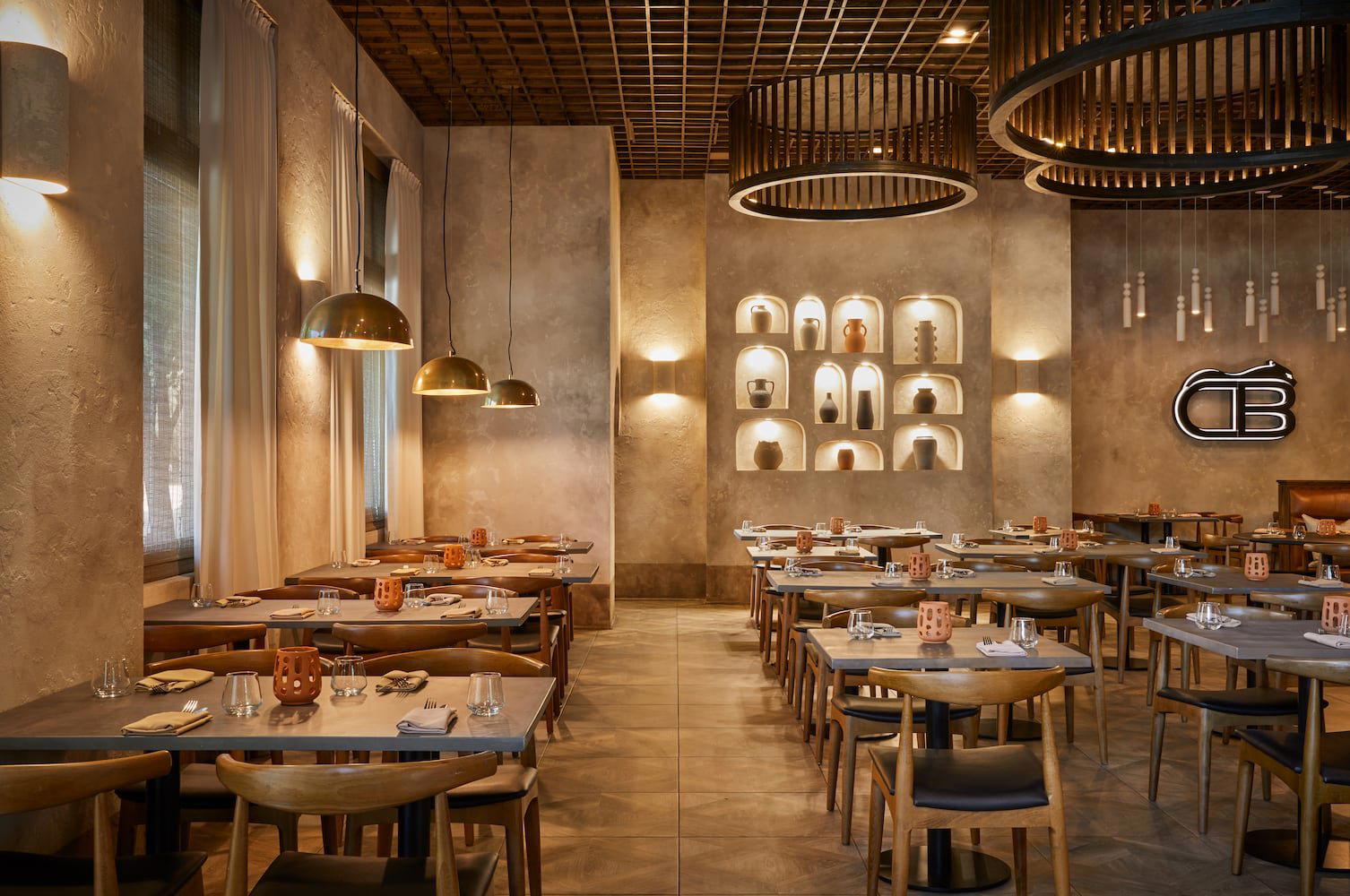
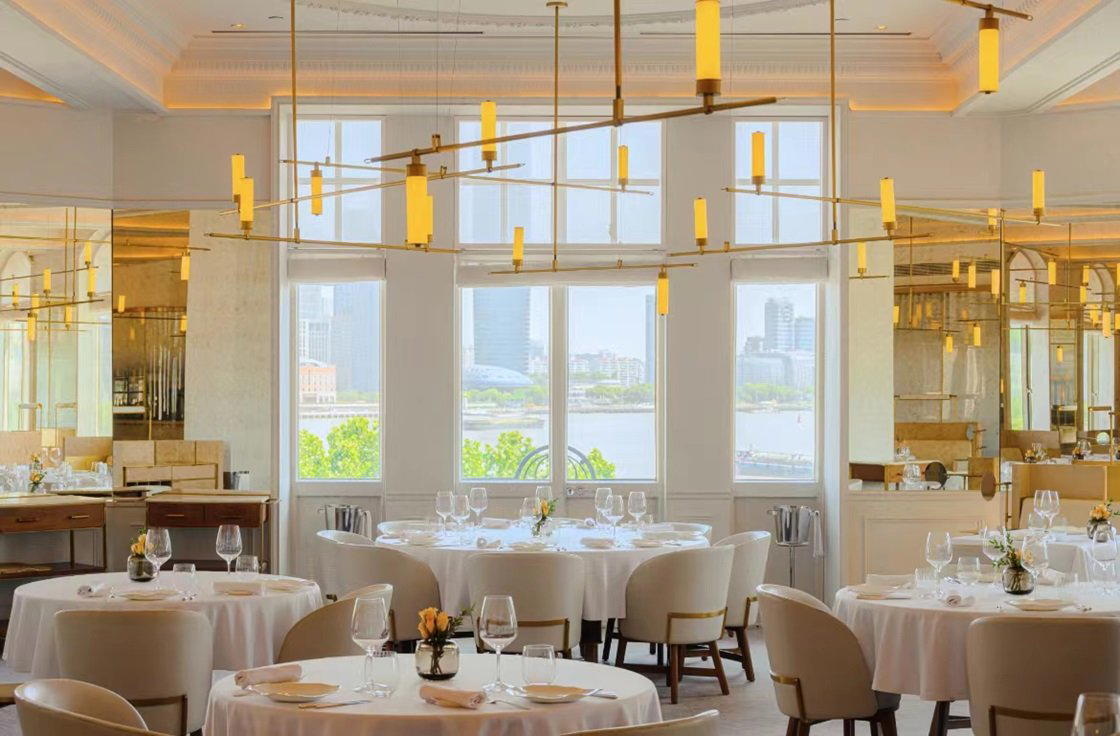
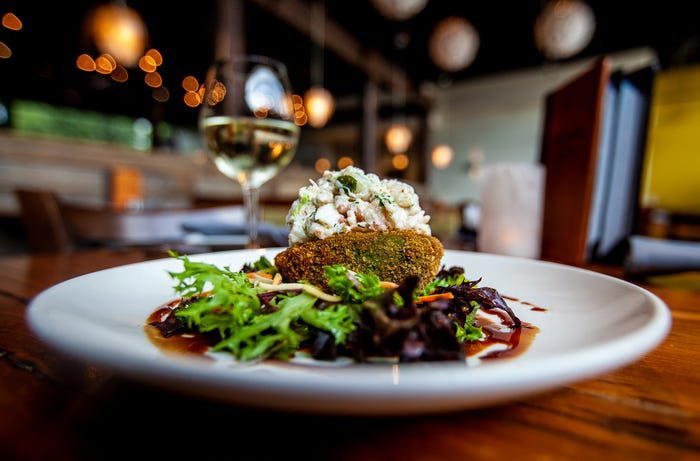
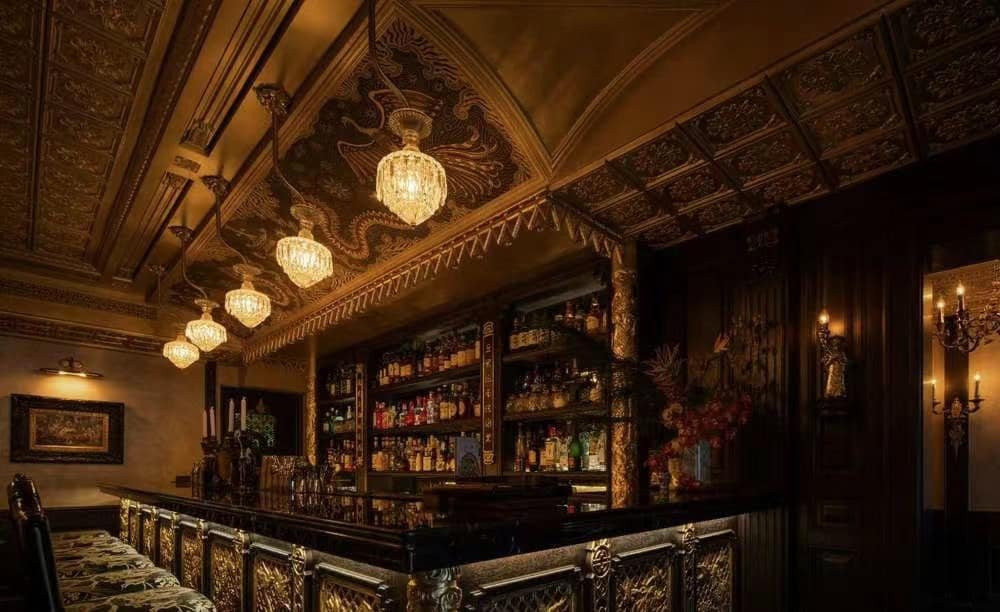
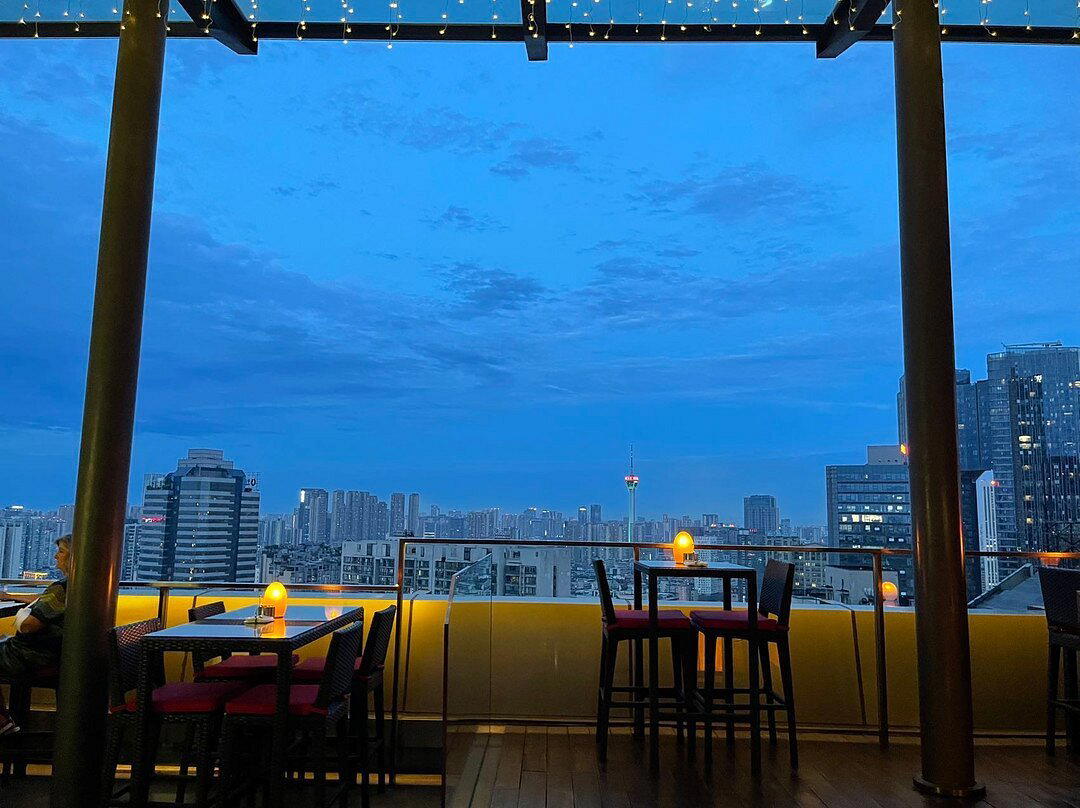
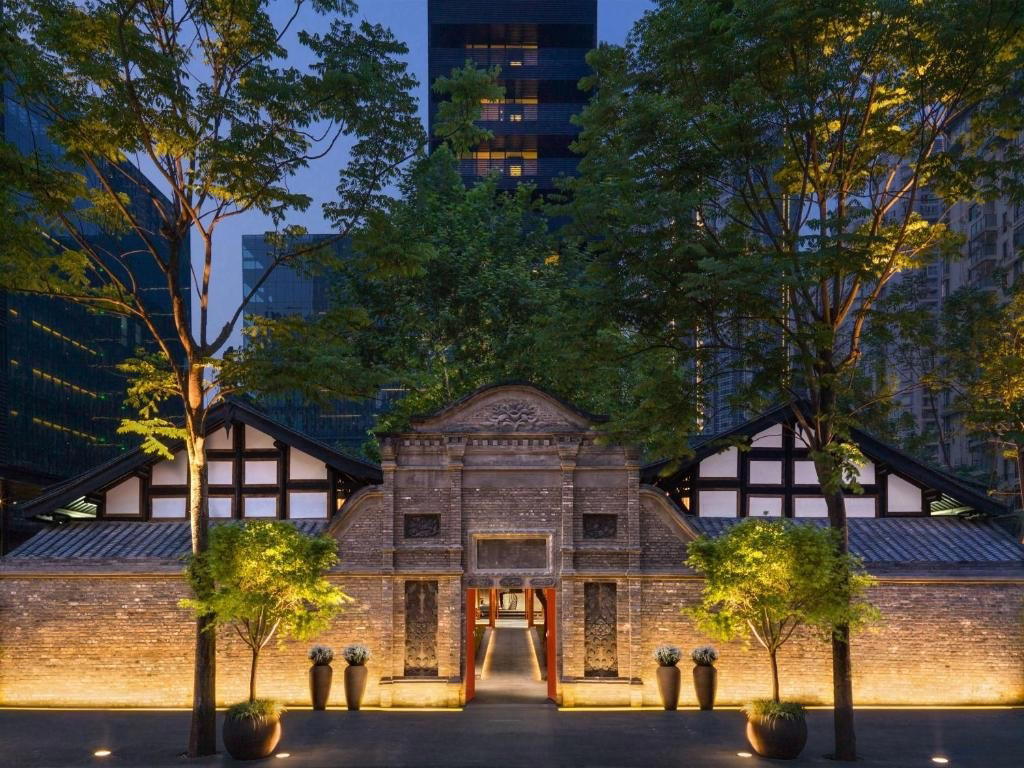
Intimate courtyard setting with warm, traditional Sichuan atmosphere; casual and unpretentious with focus on authentic local dining experience.