
A Michelin Bib Gourmand-recognised French brasserie in Shinagawa, Brasserie Poisson Rouge delivers regional French cooking at a price point that sits well below Tokyo's haute French tier. Chef David Dellai's menu moves through France's culinary regions, with cassoulet, salad Niçoise, and roast lamb anchoring a programme built around generosity rather than architectural plating.
Pearl is the En Primeur Club membership app — saves, bookings, and concierge access live there. Same editors, same standards.
- Address
- 1 Chome-53-8 Ōi, Shinagawa City, Tokyo 140-0014, Japan
- Phone
- +81 3-3775-1660
- Website
- twitter.com
- Directions
- Get directions
 Saves & bookings on Pearl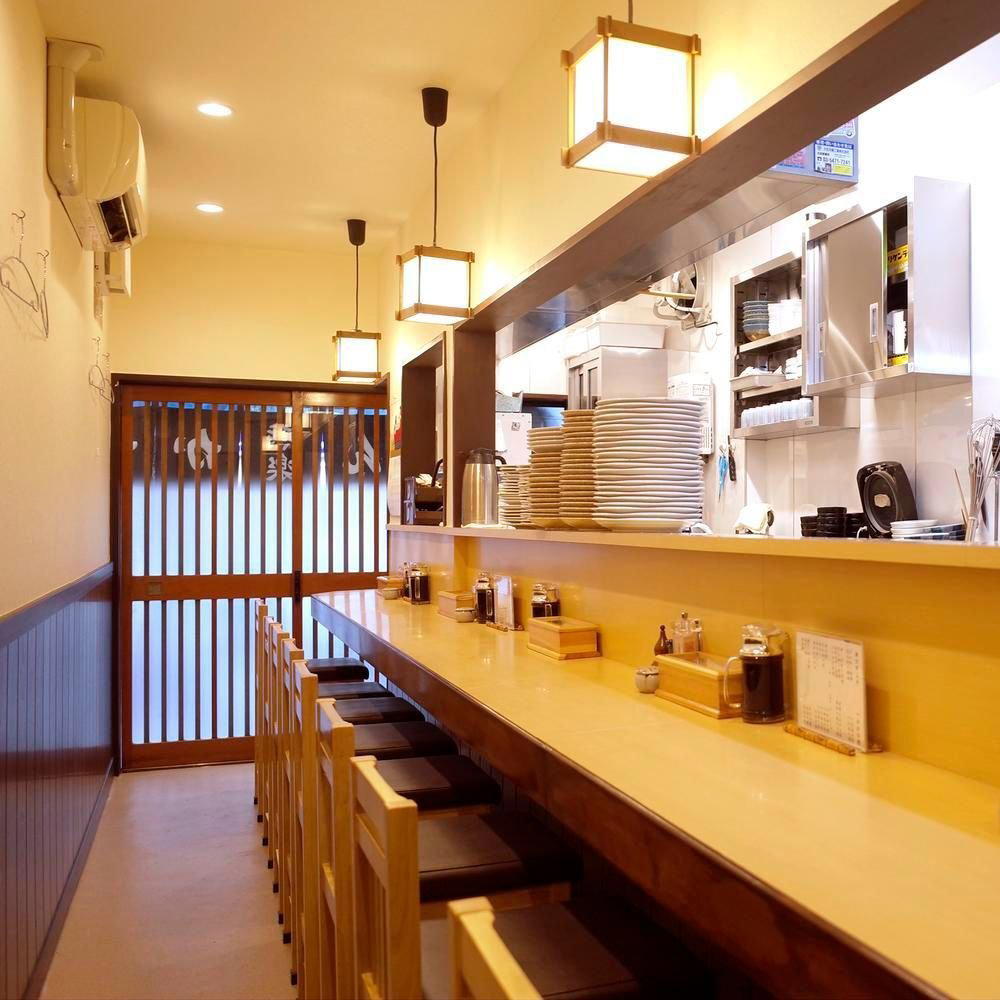
The Brasserie Tradition in a City That Takes It Seriously
The grand brasserie is one of France's most durable dining institutions. Unlike the tasting-menu restaurant, which imposes sequence and ceremony, or the neighbourhood bistro, which trades on informality and brevity, the brasserie occupies a middle register: generous plates, wine at the centre of the table, and a menu that covers enough ground to make the choice genuinely interesting. Tokyo has absorbed this format with characteristic precision. The city hosts French restaurants at almost every price tier, from three-Michelin-star houses like L'Effervescence and Château Restaurant Joël Robuchon to counter-format neo-bistros and, at the accessible end, places where the cooking is honest and the portions are sized for appetite rather than photography.
Brasserie Poisson Rouge sits in that last category, and it wears the distinction without apology. Located in Ōi, Shinagawa, a ward not typically on the French-dining circuit, the restaurant draws a following that comes for the food rather than the postcode..
A Menu That Moves Through France's Regions
French regional cooking is a discipline that requires commitment. The temptation in any ambitious French kitchen is to collapse the menu toward Parisian techniques and modern plating conventions, smoothing over the rougher, more characterful edges of regional tradition. What makes Brasserie Poisson Rouge's approach notable is the deliberate geography of its menu. The dishes reference specific places: salad Niçoise anchors Provence; fish purée soup traces back to the bouillabaisse corridor of Marseille and the southern coast; cassoulet de Toulouse carries the weight of a Gascon tradition that takes the bean, the duck confit, and the sausage with equal seriousness.
Alongside these are the brasserie fundamentals that transcend region: roast lamb, duck in sauce, preparations where the quality of the primary ingredient and the depth of the accompanying reduction are the only criteria that matter. The Michelin inspectors' own description of the restaurant frames this directly, noting that each plateful expresses a simple message: French cuisine satisfying to both belly and soul. That is a harder target to hit than it sounds. Portion generosity at this price point is easy to replicate; cooking that actually satisfies, where the sauce is reduced properly, the lamb is rested, the cassoulet has been given real time, is not.
Wine is listed as a companion to the food, which is broadly true of any serious French meal, but it signals something specific here: the kitchen is cooking to drink alongside rather than to showcase technique in isolation. That orientation places Brasserie Poisson Rouge clearly within the brasserie tradition rather than the restaurant tradition.
Shinagawa and the Geography of Accessible French Dining
Tokyo's French dining map is heavily weighted toward Minami-Aoyama, Ginza, Marunouchi, and the hotel districts. The concentration of high-end French restaurants in those areas is partly historical and partly practical: they cluster where international business travellers and expense accounts provide a reliable customer base. Shinagawa, by contrast, is primarily a transit hub and residential ward. It does not carry the same cachet as a dining destination, which partly explains why a restaurant of this calibre can hold a ¥¥ price range rather than inflating to match its surroundings.
For the reader building a Tokyo itinerary, that geography is a practical advantage. Shinagawa is one of the city's best-connected stations, serving the Shinkansen network, the Keikyu Line toward Haneda Airport, and multiple JR lines. A meal at the restaurant fits logistically around a wider Tokyo schedule without requiring a detour into the central dining districts.
For a broader survey of where French cooking sits in Tokyo's current dining scene, our full Tokyo restaurants guide covers the range from Bib Gourmand level through to the three-star tier. Those interested in the upper end of the French spectrum in Tokyo will also find depth at Sézanne and ESqUISSE, where the cooking operates at a different scale and price point but within the same broad tradition. Florilège offers a third reference point, with a more contemporary French vocabulary.
Where the Bib Gourmand Places This Restaurant
Michelin's Bib Gourmand designation was created specifically to acknowledge restaurants that deliver quality above what their price would predict. It is not a consolation prize below the star tier; it is a distinct recognition with its own rigorous criteria, and in a city like Tokyo, where the Bib Gourmand list includes particularly competitive slots in global dining, holding that designation in 2024 is a meaningful signal. The restaurant is one of the few French brasserie-format restaurants in Tokyo to carry it, which positions it as a reference point for the category rather than simply a local option.
For context on how French cooking travels across Japan, the the guide network includes akordu in Nara, which applies European technique to Japanese ingredients in a different format, and further afield, Les Amis in Singapore and Hotel de Ville Crissier in Crissier represent different expressions of French cooking at the formal end. HAJIME in Osaka and Gion Sasaki in Kyoto round out a view of how Japan's non-Tokyo cities handle ambitious cooking at a different register, while Goh in Fukuoka, 1000 in Yokohama, and 6 in Okinawa extend the map further.
Those planning a wider Tokyo stay will find useful context in our full Tokyo hotels guide, Tokyo bars guide, and Tokyo experiences guide. For those interested in Japanese wine, our Tokyo wineries guide covers that separately.
Know Before You Go
- Address: 1 Chome-53-8 Ōi, Shinagawa City, Tokyo 140-0014, Japan
- Cuisine: French (regional brasserie format)
- Price range: ¥¥, mid-range, accessible by Tokyo French dining standards
- Chef: David Dellai
- Recognition: Michelin Bib Gourmand (2024);
- Nearest transport: Ōimachi Station (JR Keihin-Tōhoku Line) and Shinagawa Station are both within reach via local connections
- Booking: Contact details not listed, visit in person or check current channels directly
- Hours: Confirm directly before visiting; not listed
Similar Picks
Comparable venues nearby, for context on price, style, and recognition.
| Venue | Cuisine | Price | Notes |
|---|---|---|---|
| BRASSERIE POISSON ROUGEThis venue — the venue you are viewing | French Bistro | $$ | Not listed |
| caillou | Seasonal French Haute Couture Bistro | $$$ | Meguro |
| Alternative | Modern French Fusion | $$$$ | Minato |
| BISTRO GLOUTON | French Bistro | $$$ | Setagaya |
| Le Nougat | French Bistro | $$$ | Chūō |
| Chukasoba KOTETSU | Classic Shoyu Chukasoba | $$ | Setagaya |
Recognition history
Dated appearances from independent guides and award organizations, with the underlying list record or original source where available.
Michelin Bib Gourmand
Michelin
Michelin Bib Gourmand
Michelin









At a Glance
- Cozy
- Classic
- Intimate
- Date Night
- Group Dining
- Casual Hangout
- Private Dining
- Extensive Wine List
Current opening hours
- Monday
- Closed
- Tuesday
- 11:30 AM–1:20 PM, 5:30–10:30 PM
- Wednesday
- 11:30 AM–1:20 PM, 5:30–10:30 PM
- Thursday
- 11:30 AM–1:20 PM, 5:30–10:30 PM
- Friday
- 11:30 AM–1:20 PM, 5:30–10:30 PM
- Saturday
- 11:30 AM–1:20 PM, 5:30–10:30 PM
- Sunday
- Closed
Hours can change for holidays and private events. Last verified .
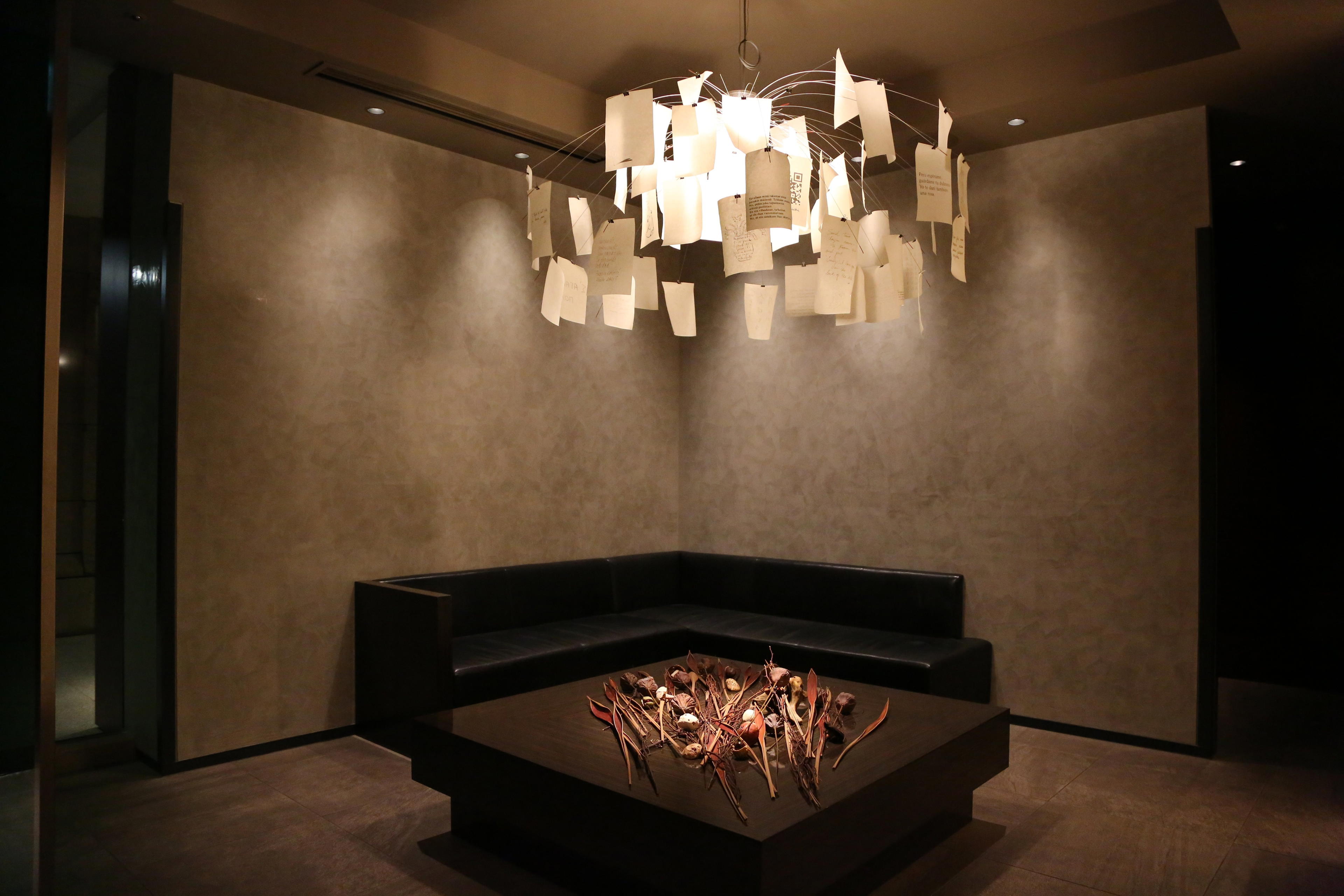
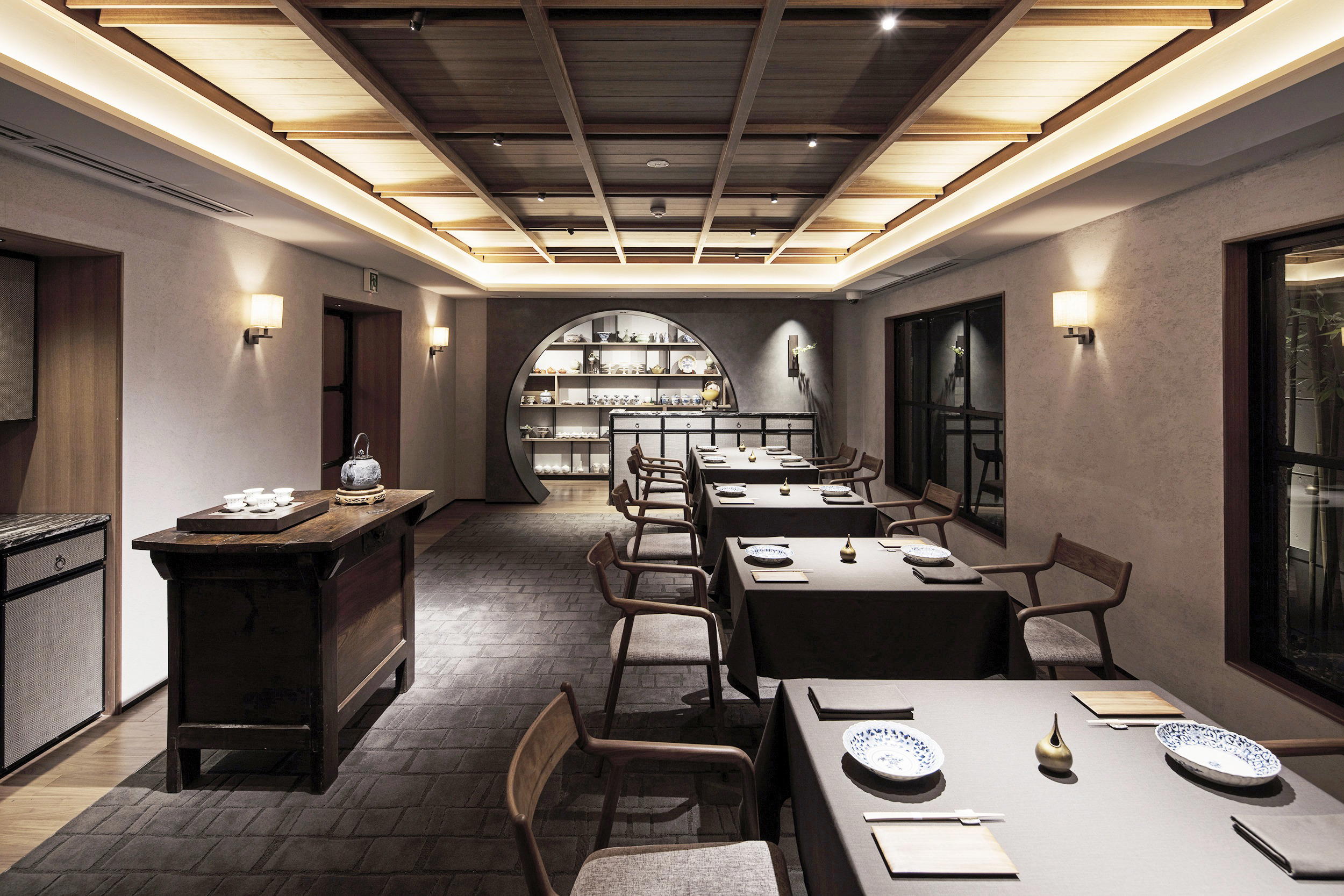
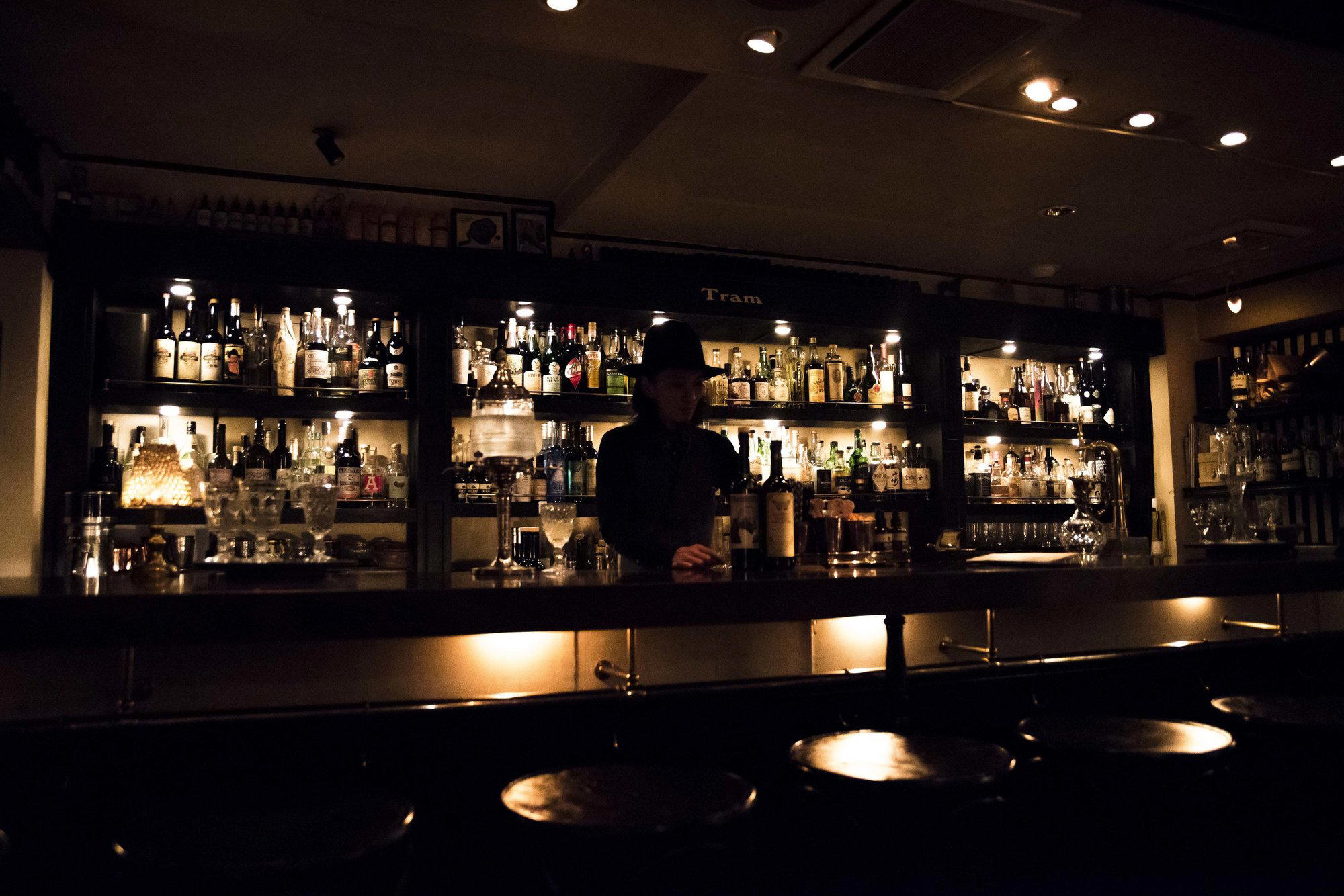
Warm wooden interior with a nostalgic Paris bistro feel, cozy and bustling atmosphere.