Brasserie du Château

A Michelin Plate recipient in both 2024 and 2025, Brasserie du Château sits at Schlossgasse 9 in Bottmingen, within reach of Basel's broader dining circuit. Its classic cuisine format and mid-range pricing position it as a reliable choice for those who want serious cooking without the formality of the region's starred tables.6 across 657 reviews points to consistent execution rather than occasional brilliance.
Pearl is the En Primeur Club membership app — saves, bookings, and concierge access live there. Same editors, same standards.
- Address
- Schlossgasse 9, 4103 Bottmingen, Switzerland
- Phone
- +41 61 421 15 15
- Website
- weiherschloss.ch
- Directions
- Get directions
 Saves & bookings on Pearl
A Courtyard, a Castle, and the Case for Classic Cooking
Bottmingen is not a city that announces itself. A compact municipality in the canton of Basel-Landschaft, it sits just southwest of Basel proper, close enough to the city's cultural and culinary pull that it draws from the same ingredient networks and dining expectations, yet separate enough to operate at a different register. Schlossgasse 9 is a telling address: the Schloss it references is Schloss Bottmingen, one of the few intact water castles remaining in the Swiss Mittelland, and the physical setting of Brasserie du Château gives the restaurant a sense of architectural permanence that most urban brasseries can only approximate. Approaching along the Schlossgasse, the transition from residential street to château forecourt is abrupt and deliberate. The environment does the first editorial work before any food arrives.
That physical grounding matters more than it might appear. In Switzerland's dining conversation, the discourse tends to cluster around high-concept kitchens: the three-Michelin-star ambition of Schloss Schauenstein in Fürstenau or Memories in Bad Ragaz, the sharing formats of IGNIV Zürich by Andreas Caminada in Zurich, or the creative precision of focus ATELIER in Vitznau. Brasserie du Château operates in none of those registers. It is a Michelin Plate holder for 2024 and 2025, a recognition that signals good cooking rather than transformative ambition, and its pricing sits at the €€ tier, placing it well below the region's starred tables. That positioning is not a consolation; it is a choice about what kind of restaurant to be.
What Classic Cuisine Means When It's Done Properly
Classic cuisine, in the Swiss and broader European context, draws from a canon that predates modernist intervention: sauces built from reduced stocks, proteins handled with technique rather than theatre, vegetables treated as complements rather than afterthoughts. The tradition has French roots that run through the Escoffier codification and into the brasserie format as it spread from Alsace across the Rhine into German-speaking Switzerland. What distinguishes a well-executed classic kitchen from a merely traditional one is the quality of its sourcing, because without the novelty of technique or the theatre of tableside performance, the ingredient itself carries the argument.
The Basel region benefits from geography here. The tri-border area, where Switzerland meets France and Germany, sits within reach of Alsatian produce, Black Forest game, and the market networks of both countries. Classic kitchens in this corridor have historically drawn on that proximity in ways that modernist venues often don't prioritise in the same way. A brasserie operating at the €€ price point in this region that holds a Michelin Plate for consecutive years is almost certainly doing something consistent and honest with those materials,
For comparison: across the border in Basel city, Cheval Blanc by Peter Knogl in Basel represents the upper end of what classic French cooking can achieve in this region, holding three Michelin stars with a price point to match. Brasserie du Château occupies a different tier entirely, making the case that recognisable cooking traditions can deliver at accessible price points when the sourcing discipline is present.
The Brasserie Format and Why It Holds
The brasserie as a dining format has survived longer than most trend cycles because it answers a specific need: the desire for a full meal, properly cooked, without the choreography of a tasting menu or the informality of a bistro. It tends toward generous portions, a legible menu, and a room designed to absorb conversation rather than silence it. In European cities with strong classic-cooking traditions, the brasserie tier has often acted as a corrective to both fine-dining austerity and fast-casual convenience.
Switzerland's relationship with this format is particular. The country's higher labour costs and regulatory environment tend to push restaurant prices upward across the board, which means that a Michelin Plate-level kitchen at €€ pricing is genuinely harder to maintain here than in France or Germany. Venues that manage it tend to run tight, focused operations rather than sprawling menus. The restaurant's castle setting adds a layer of hospitality logic to that focus: a château-adjacent restaurant with a local following and a Michelin recognition does not need to compete on novelty. It competes on reliability.
For those assembling a broader picture of the Basel-area dining scene, the contrast with neighbours is instructive. Gourmet Louis, also in Bottmingen, approaches the classic French format at a different register. At the city level, venues like Hotel de Ville Crissier in Crissier and Einstein Gourmet in Sankt Gallen show where the Swiss classic tradition reaches its more formal expression. The restaurant sits between those poles, which is precisely the position that makes it useful to a wider range of diners.
The castle setting also places the restaurant at a slight remove from Basel's urban dining rhythm, which is dominated by the Museum Quarter and Kleinbasel's growing food scene. Getting to Bottmingen from central Basel takes roughly fifteen to twenty minutes by tram or car. That distinction affects how the experience lands: the surrounding water castle and its grounds absorb the meal into something more deliberate than a weeknight restaurant visit in a city centre.
Visitors planning a broader Switzerland itinerary might cross-reference the restaurant with other regional highlights. The creative tasting formats at Colonnade in Lucerne, the alpine Italian precision of Da Vittorio - St. Moritz in St. Moritz, or the mountain-adjacent minimalism of 7132 Silver in Vals all represent Switzerland's higher-priced creative tier. The restaurant argues for a different value: that classic cooking, anchored in a historically significant setting and priced accessibly, is its own valid category of dining experience. For classic cuisine in comparable European contexts, KOMU in Munich and Maison Rostang in Paris offer useful reference points for how the tradition performs in larger cities at different price positions.
Comparable Spots, Quickly
Comparable venues nearby, for context on price, style, and recognition.
| Venue | Cuisine | Price | Awards | Notes |
|---|---|---|---|---|
| Brasserie du ChâteauThis venue — the venue you are viewing | Classic French Brasserie | $$$ | Michelin Plate | Not listed |
| Gourmet Louis | Classic French Fine Dining | $$$$ | Michelin Plate | Bottmingen |
| Notre-Dame | Swiss Bistronomy Brasserie | $$$ | Michelin Plate | city center |
| Du Cheval Blanc | French Gastronomic Fine Dining | $$$ | Michelin Plate | City Center |
| Bad Schauenburg | Classic French Fine Dining | $$$ | Michelin Plate | Liestal, Basel-Landschaft |
| Zum Zähringer | Classic French-Swiss Bistro | $$$ | Michelin Plate | Matte |
Recognition history
Dated appearances from independent guides and award organizations, with the underlying list record or original source where available.
Michelin Plate
Michelin
Michelin Plate
Michelin
Continue exploring
More in Bottmingen
Restaurants in Bottmingen
Browse all →
Bars in Bottmingen
Browse all →
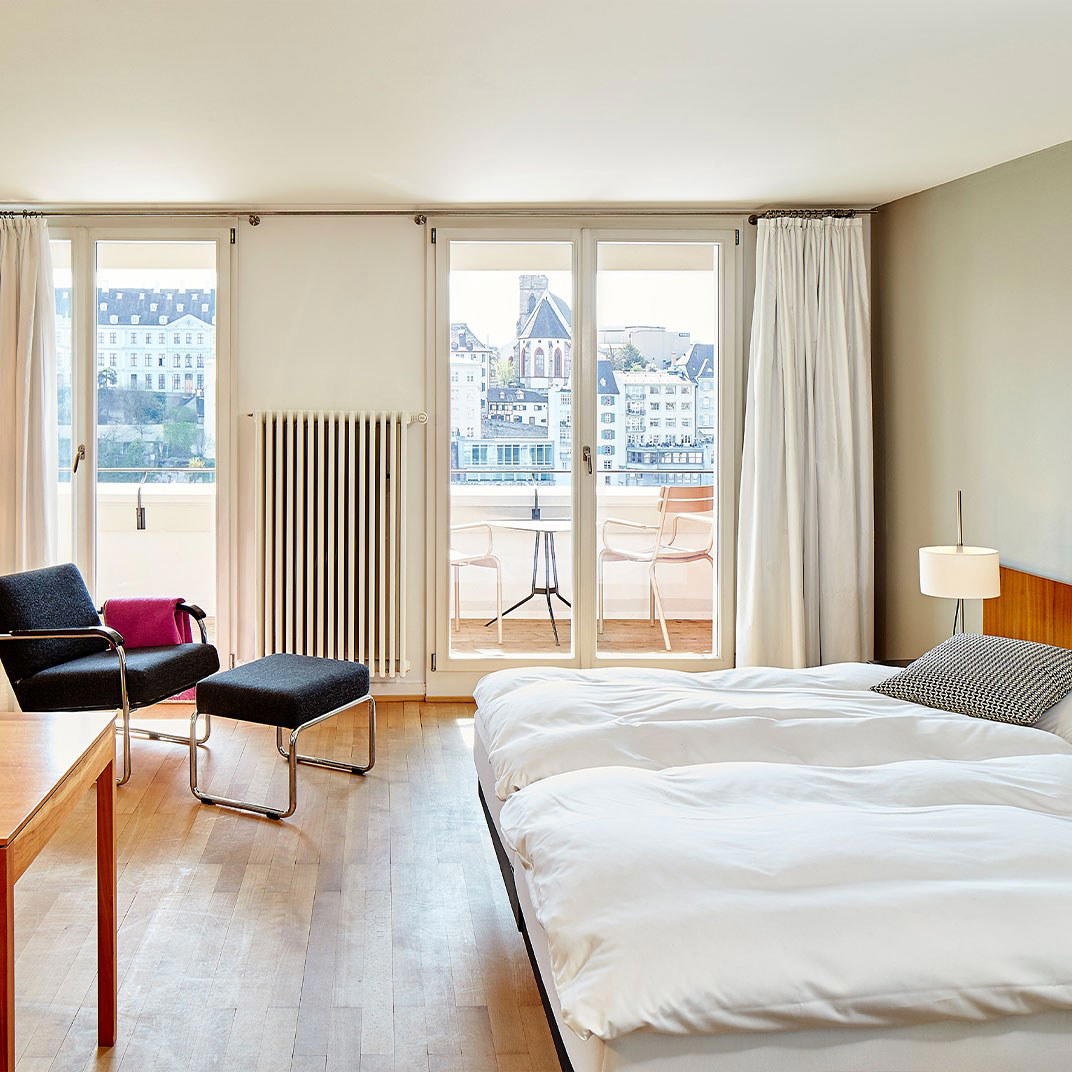
Hotels in Bottmingen
Browse all →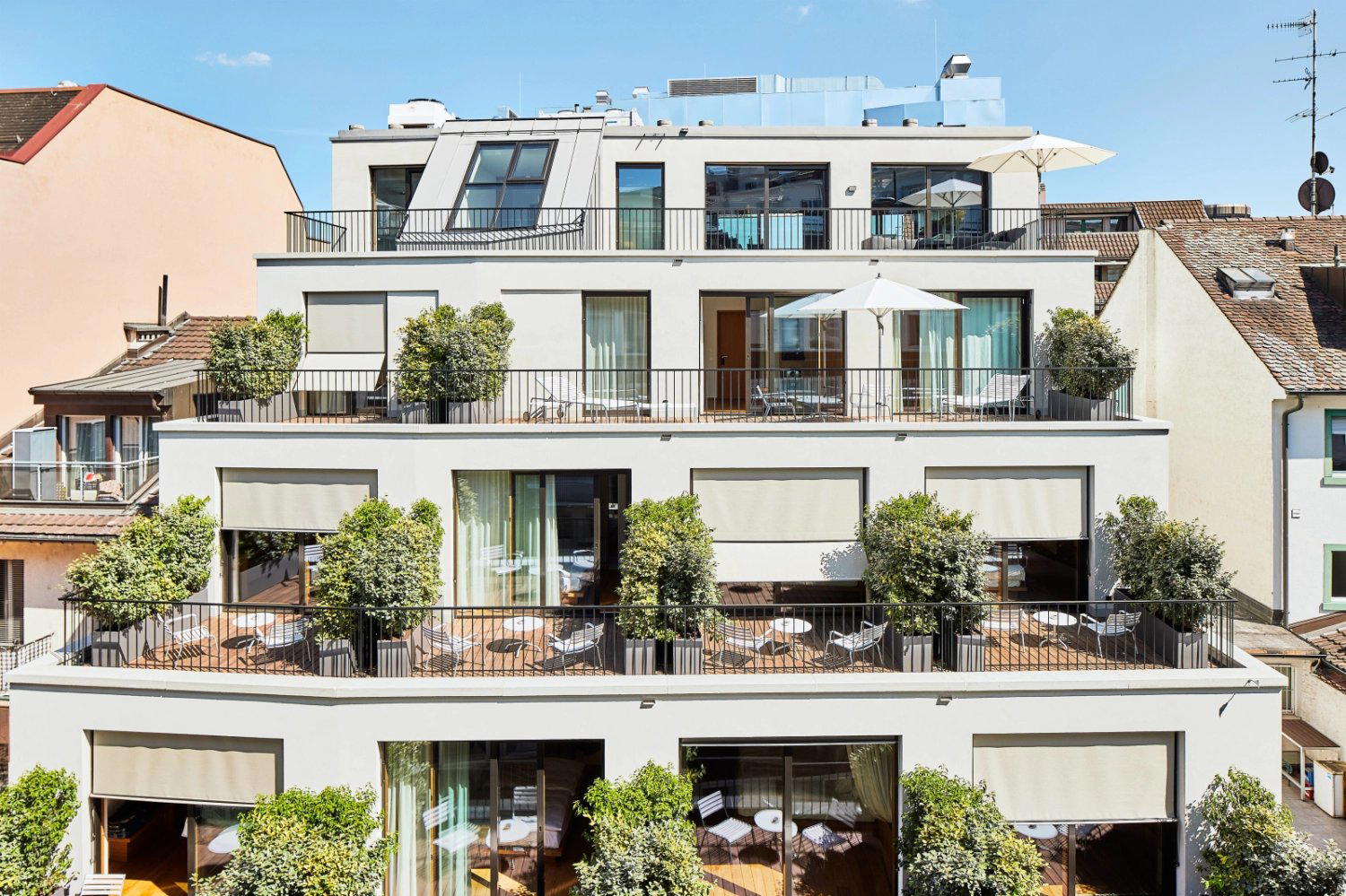
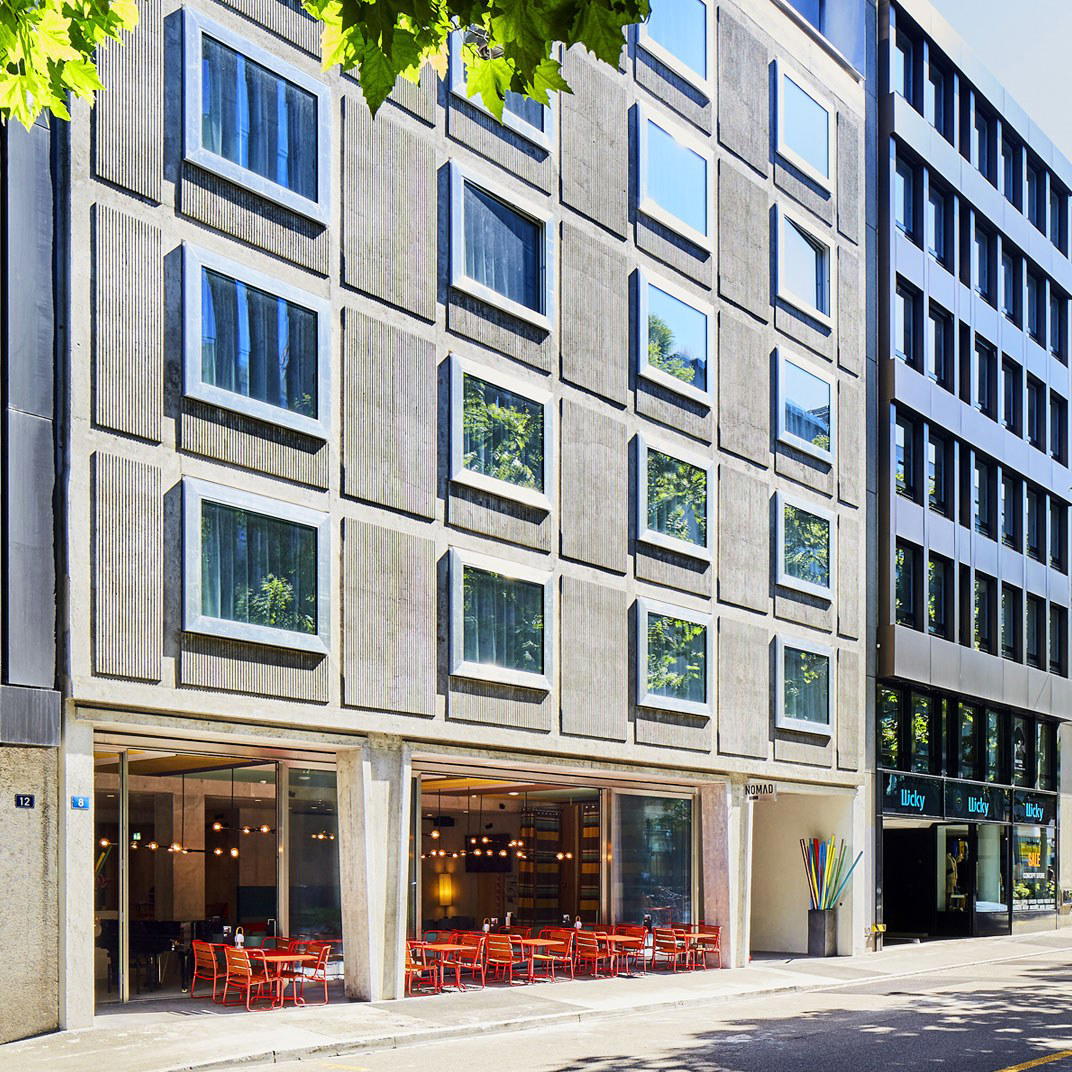
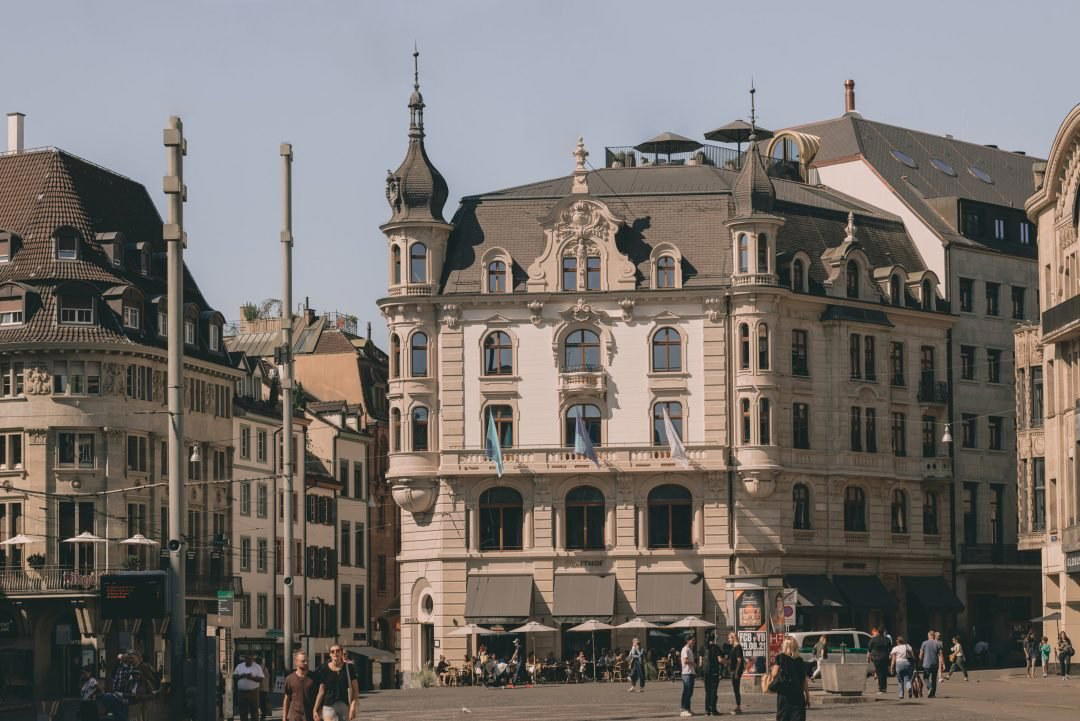
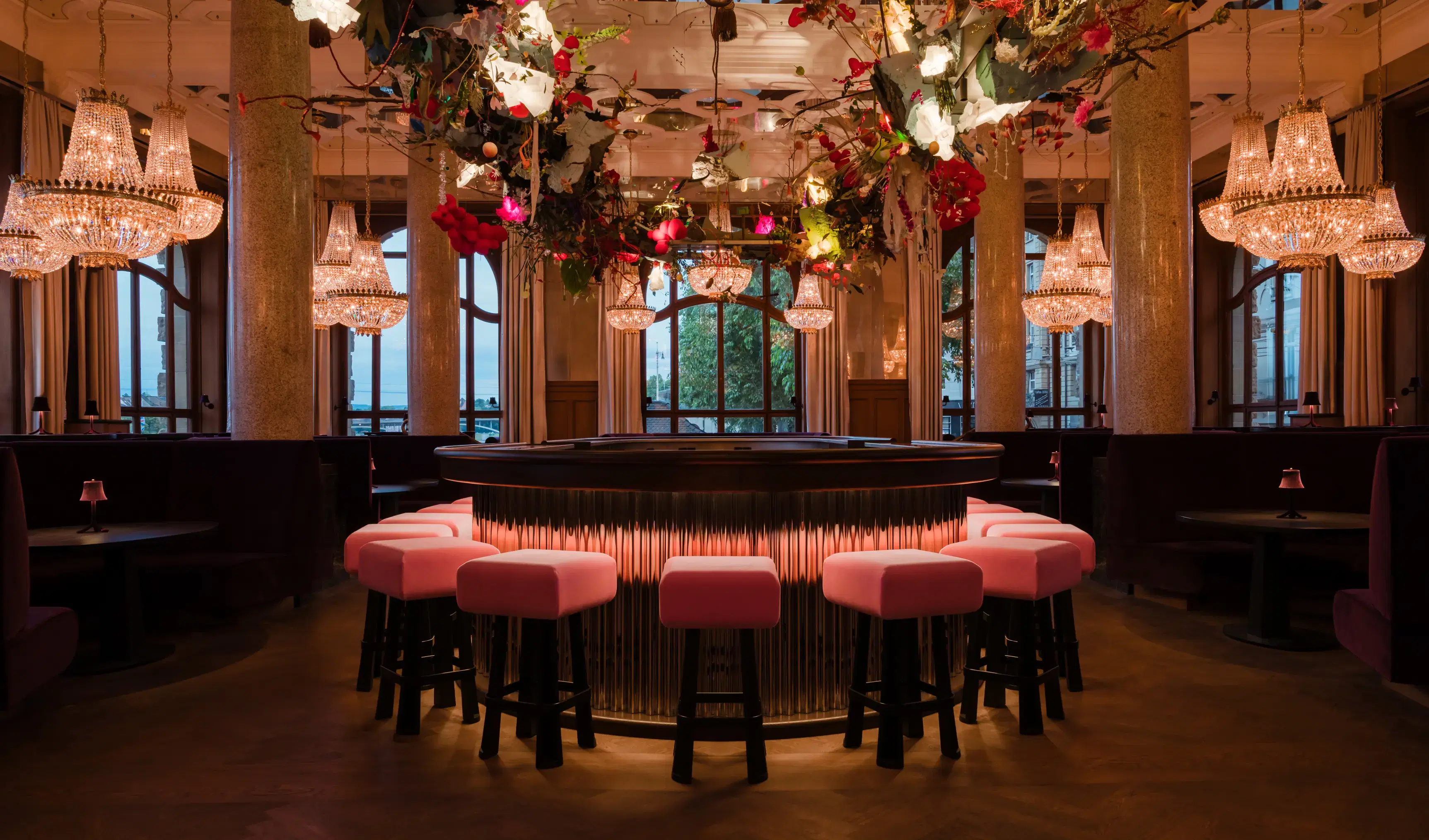
Wineries in Bottmingen
Browse all →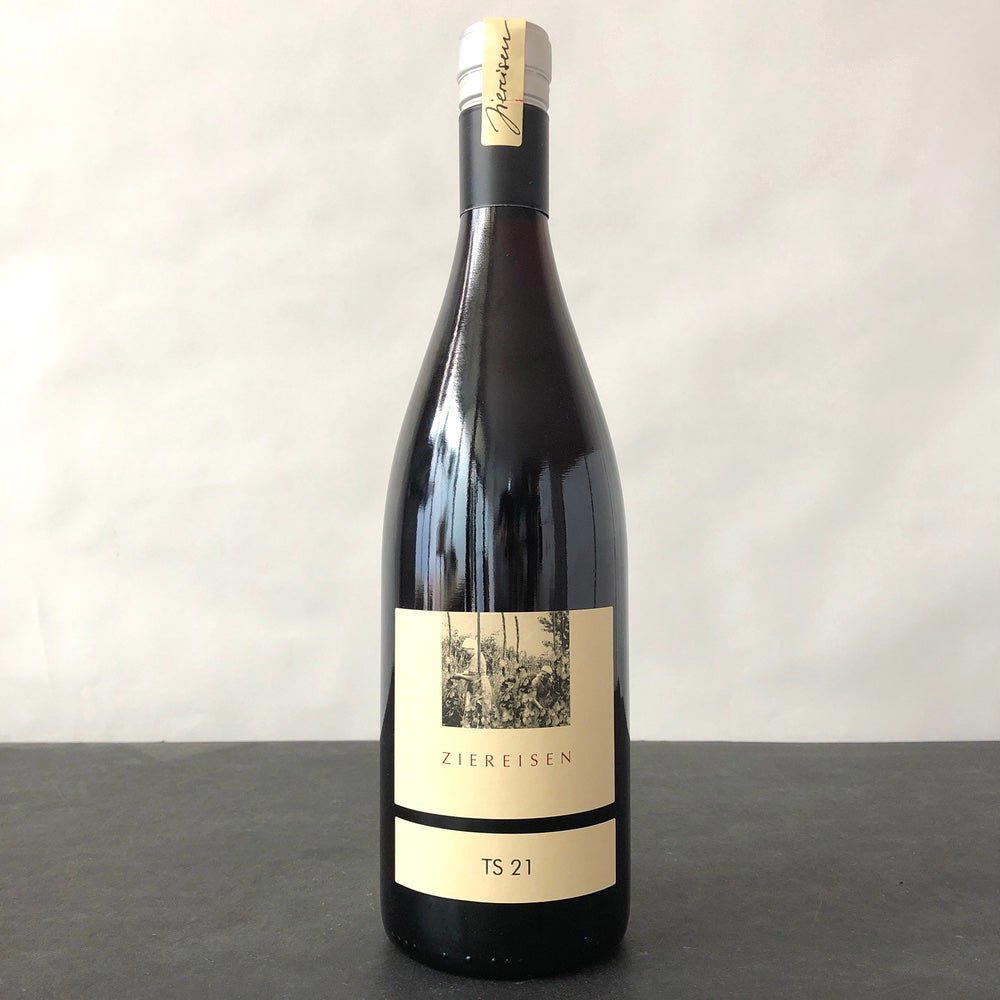
At a Glance
- Classic
- Elegant
- Romantic
- Cozy
- Historic
- Date Night
- Special Occasion
- Group Dining
- Terrace
- Historic Building
- Courtyard
- Extensive Wine List
- Garden
Current opening hours
- Monday
- Closed
- Tuesday
- 11:30 AM–3 PM, 6–11 PM
- Wednesday
- 11:30 AM–3 PM, 6–11 PM
- Thursday
- 11:30 AM–3 PM, 6–11 PM
- Friday
- 11:30 AM–3 PM, 6–11 PM
- Saturday
- 11:30 AM–3 PM, 6–11 PM
- Sunday
- 11:30 AM–3 PM, 6–11 PM
Hours can change for holidays and private events. Last verified .
Classic and elegant atmosphere in a magical historic castle setting with warm, noble lighting and courtyard charm.