Positioned in Frogner, one of Oslo's most quietly confident residential quarters, Bono at Niels Juels gate 25 occupies the kind of address that signals intent without announcing itself. The restaurant sits within a city where the gap between neighbourhood bistro and formal tasting-menu destination has narrowed considerably, making address and context as telling as any award. For visitors reading Oslo's dining scene, Bono belongs to the conversation about what comes after the headline names.
Pearl is the En Primeur Club membership app — saves, bookings, and concierge access live there. Same editors, same standards.
- Address
- Niels Juels gate 25, 0257 Oslo, Norway
- Phone
- +4798687691
- Website
- facebook.com
- Directions
- Get directions
 Saves & bookings on Pearl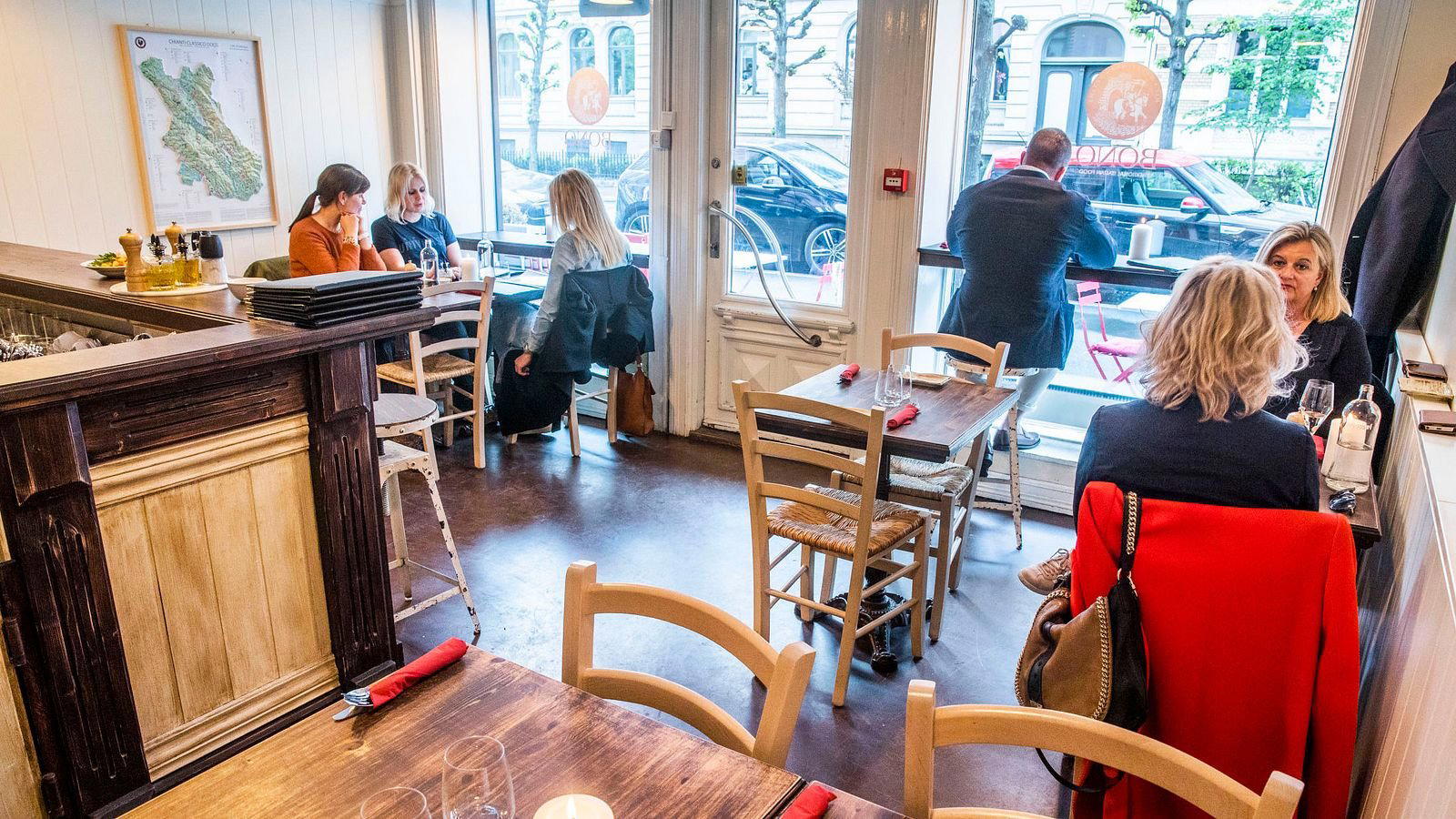
Frogner's Dining Logic and Where Bono Sits Within It
Oslo's west side has developed a dining character distinct from the harbour-facing renovation projects around Aker Brygge or the denser, more competitive cluster of Grünerløkka. Bono is a Traditional Italian Osteria in Oslo's Frogner district, priced at about $35 per person. Frogner operates on a different register: tree-lined streets, pre-war apartment buildings, embassies, and a resident population that eats out regularly without needing the validation of a Michelin flag above the door. The neighbourhood's restaurants tend toward the considered rather than the theatrical, and Bono at Niels Juels gate 25 occupies that geography in a way that shapes what you expect before you arrive.
This matters for how you read the room. Frogner's better addresses attract kitchens that serve food serious enough to hold attention without constructing elaborate narrative around it. The neighbourhood itself provides a kind of editorial frame: you are not in a destination district engineered for tourism, and the restaurant reflects that. What Oslo's west side offers, and what venues in this quarter tend to deliver, is dining that assumes a guest who already knows what they want rather than one who needs to be sold on the concept.
Among Oslo's more formal options, the €€€€ tier is anchored by places like Maaemo and Kontrast, both of which carry Michelin recognition and operate with tasting-menu formats that compress the full arc of New Nordic cooking into a single sitting. Bono's Frogner address places it in a different kind of conversation: neighbourhood-anchored, less event-driven, and accessible to the kind of regular use that destination restaurants, by definition, cannot sustain for most visitors.
Oslo's Broader Dining Moment and the Mid-Tier Question
Norway's dining culture has shifted over the past decade in ways that make the middle of the market more interesting than it once was. The country's premium tier is well-documented: RE-NAA in Stavanger and FAGN in Trondheim demonstrate that Michelin-level cooking is no longer exclusive to the capital, while Oslo itself hosts internationally referenced rooms that draw visitors who have already worked through the major Nordic cities. Elsewhere in Norway, addresses like Under in Lindesnes and Hardanger House in Jondal have built reputations on the intersection of setting and sourcing. In Bergen, Gaptrast operates in its own coastal register.
Oslo's strength, however, is that it now sustains a wide enough range that a single visit need not be structured around the major tasting menus. The city has developed a confident mid-register, where the food is technically accomplished and the format is less demanding on both time and budget. Venues like Hot Shop and Bar Amour occupy that space, alongside more classically-framed options such as Mon Oncle. Bono's Frogner placement suggests it belongs in a similar tier: serving a local repeat clientele and visitors who want something substantial without a three-hour commitment.
For comparison, the New Nordic format practiced at the highest Oslo level demands significant advance planning. Maaemo, for instance, operates on allocation logic that places it closer to a fine-wine release model than a conventional reservation system. The Frogner dining tier that Bono inhabits operates on considerably shorter lead times, which makes it a practical option for travellers building itineraries with some flexibility.
What the Address Tells You About the Experience
Niels Juels gate is a residential street in the diplomatic quarter of Oslo's west end, a few blocks from the Royal Palace grounds and within walking distance of the major cultural institutions along Drammensveien. The area has none of the deliberate F&B clustering that characterises Oslo's waterfront or the Youngstorget area. Restaurants here survive on neighbourhood loyalty and word of mouth, not on foot traffic from tourists following a map.
That physical context shapes the dining experience in concrete ways. The room is unlikely to be performing for an audience of first-time visitors; the service rhythm is calibrated to guests who return. This is the version of Oslo dining that residents know better than most travel coverage reflects, and it sits within a city that has, across the last decade, become one of Europe's more interesting places to eat without always attracting the coverage that its food quality would suggest.
Internationally, the Frogner dining model has rough equivalents in cities where residential neighbourhoods host technically serious kitchens without the apparatus of destination dining. In New York, for instance, the distance between a room like Le Bernardin and a well-regarded neighbourhood address reflects the same kind of split Oslo has developed: one tier is built for occasion and reputation, the other for consistency and proximity. Atomix represents the extreme of New York's tasting-menu ambition, just as Maaemo does for Oslo; both exist at a remove from what a neighbourhood restaurant does.
Planning a Visit: Practical Notes
Bono is located at Niels Juels gate 25, 0257 Oslo. The address sits in Frogner, accessible by tram from the city centre in under ten minutes, with the closest stop within a short walk. For visitors staying near the Palace Park or along Bygdøy allé, the restaurant is within comfortable walking distance. Given the neighbourhood's character, booking ahead is advisable, particularly on weekend evenings.
Frogner's dining cluster also includes other addresses worth pairing into a longer Oslo stay. Visitors planning multiple evenings in the city might build an itinerary that moves between the neighbourhood west-side register represented by this address and the more structured tasting formats available further east or at the waterfront. For Norwegian dining beyond Oslo, the archipelago of serious addresses across the country, from Anita's Sjomat in Lofoten to Fiskekrogen in Henningsvær, Aurora Restobar in Kirkenes, and Børsen Spiseri in Svolvær, and Underhuset Restaurant in Reine, shows how far Norway's serious dining has distributed beyond the capital.
The Quick Read
Comparable venues nearby, for context on price, style, and recognition.
| Venue | Cuisine | Price | Notes |
|---|---|---|---|
| BonoThis venue — the venue you are viewing | Briskeby, Traditional Italian Osteria | $$ | Not listed |
| Rugantino Oslo | Youngstorget, Authentic Roman Trattoria | $$ | Not listed |
| Mamma Pizza | Not listed | $$ | St. Hanshaugen, Authentic Neapolitan Pizza & Italian Trattoria |
| Ruffino | Ruselokka, Authentic Italian Trattoria | $$$ | Not listed |
| Baltazar Ristorante e Enoteca | Not listed | $$$ | St. Hanshaugen, Classic Italian Trattoria |
| Prima Fila | Not listed | $$$ | Vika, Authentic Italian with Norwegian ingredients |
At a Glance
- Cozy
- Intimate
- Classic
- Date Night
- Group Dining
- Casual Hangout
- Open Kitchen
- Extensive Wine List
- Local Sourcing
Current opening hours
- Monday
- Closed
- Tuesday
- 6–10:30 PM
- Wednesday
- 6–10:30 PM
- Thursday
- 6–10:30 PM
- Friday
- 6–10:30 PM
- Saturday
- 1–5 PM, 6–10:30 PM
- Sunday
- Closed
Hours can change for holidays and private events. Last verified .
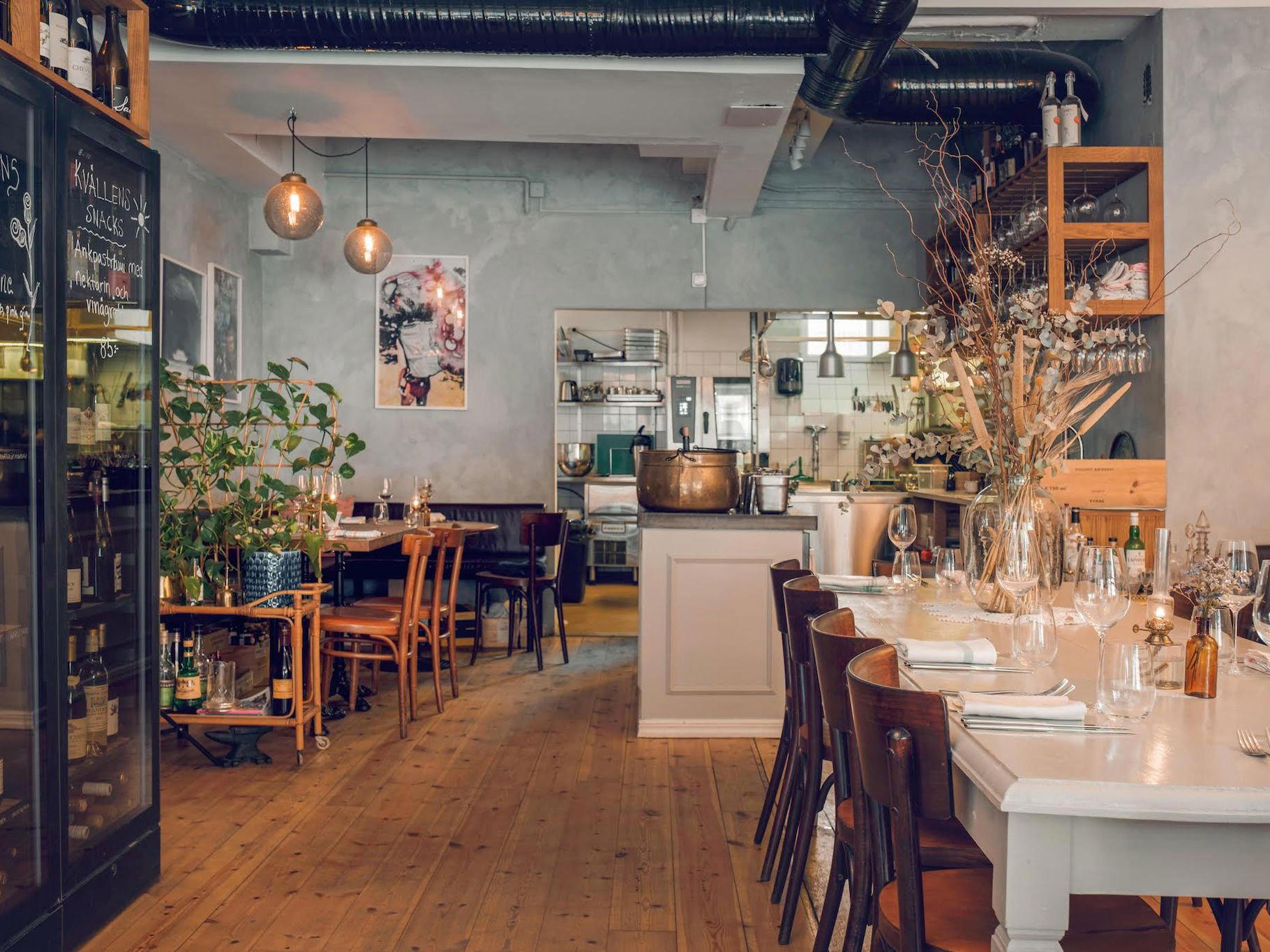
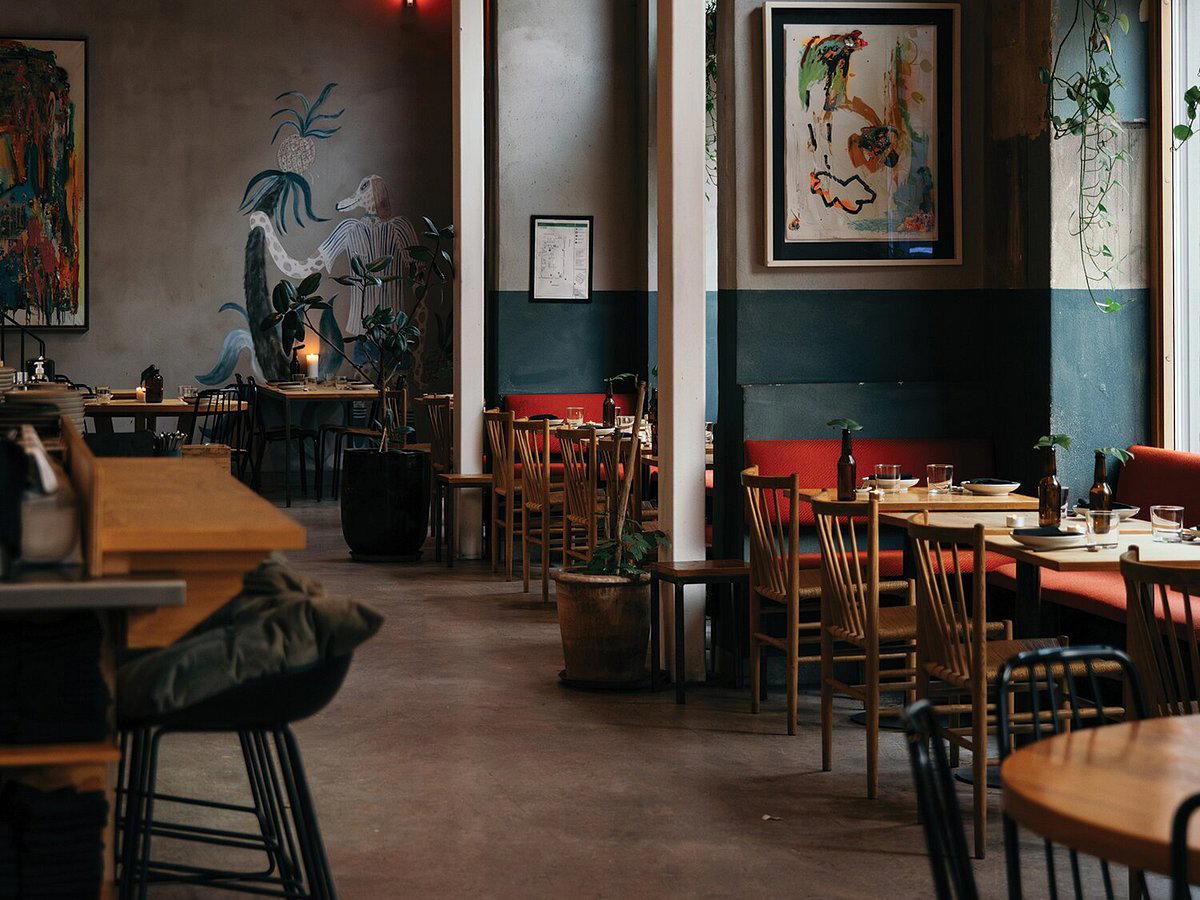
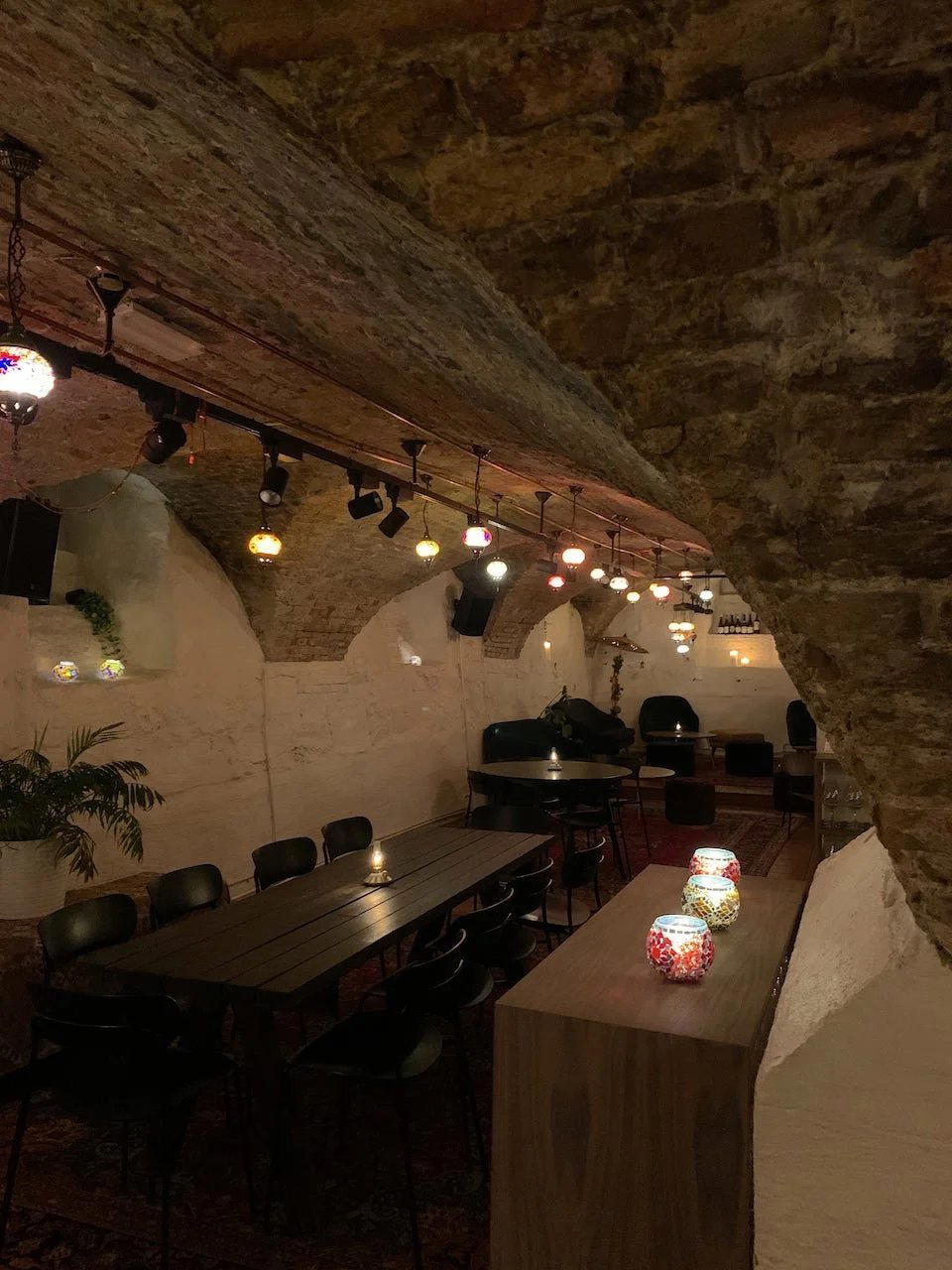
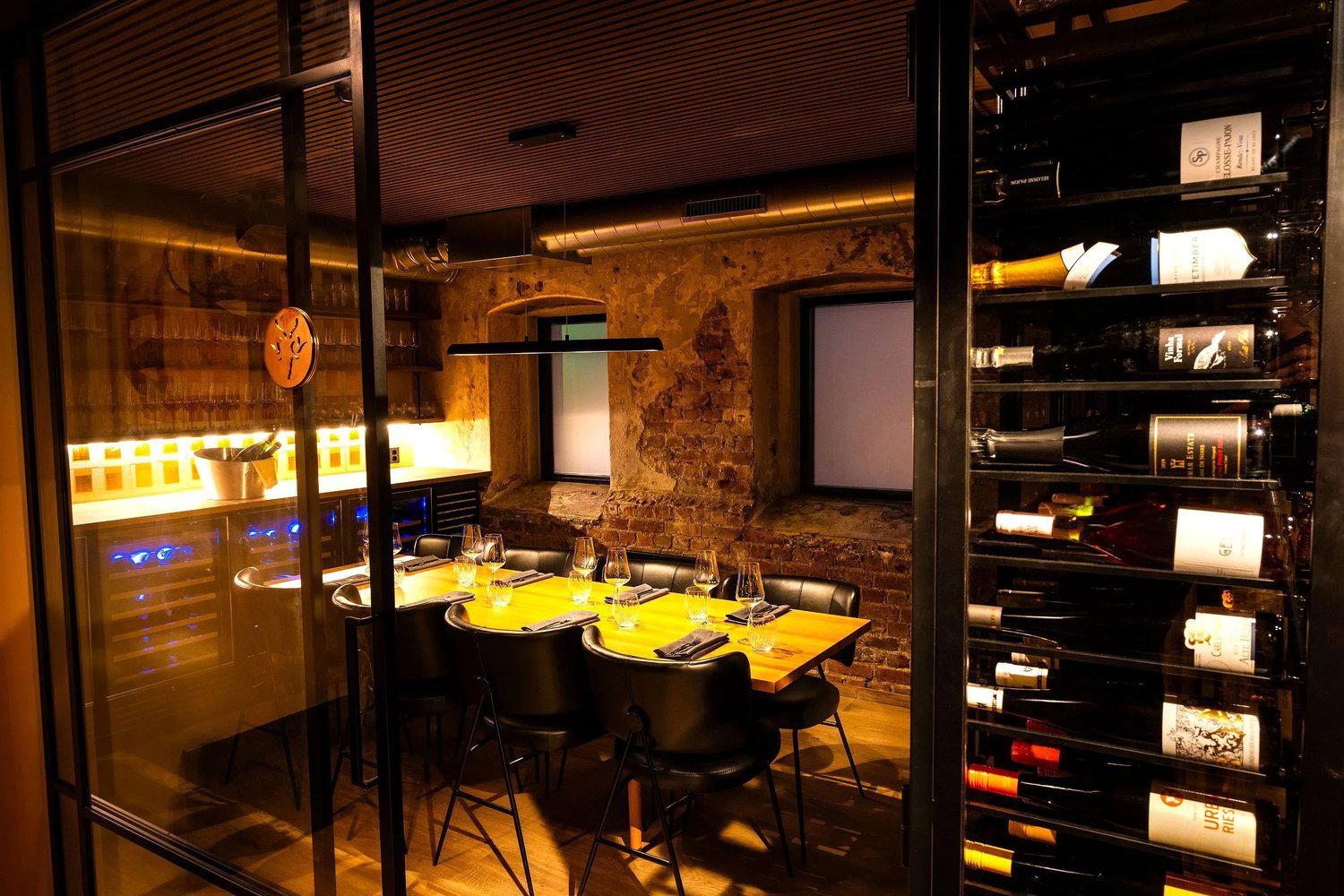
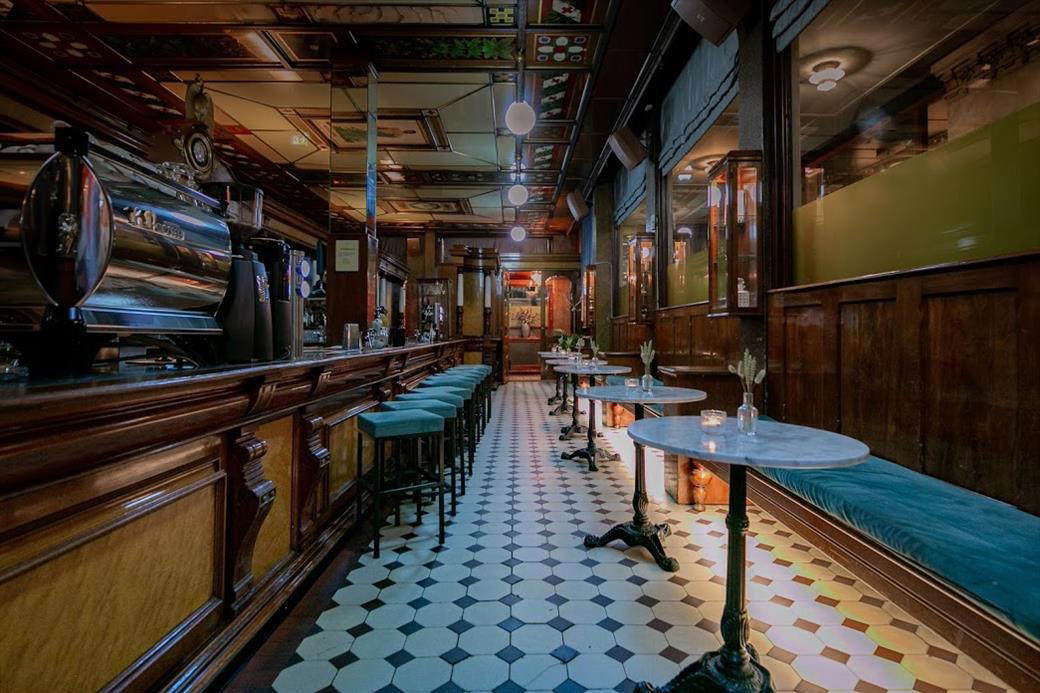
Warm and cozy with a friendly family atmosphere, chequered tablecloths, and well-spaced tables.