
Baltazar Ristorante e Enoteca sits on Dronningens gate in central Oslo, occupying a confident space in the city's Italian dining tier. Recognised by Star Wine List with a White Star award in May 2022, it draws attention as much for its wine program as for its food. For Oslo diners looking beyond Scandinavian tasting menus, Baltazar offers an Italian-inflected alternative with serious cellar credentials.
Pearl is the En Primeur Club membership app — saves, bookings, and concierge access live there. Same editors, same standards.
- Address
- Dronningens gt. 27, 0154 Oslo, Norway
- Phone
- +47 23 35 70 60
- Website
- baltazar.no
- Directions
- Get directions
 Saves & bookings on Pearl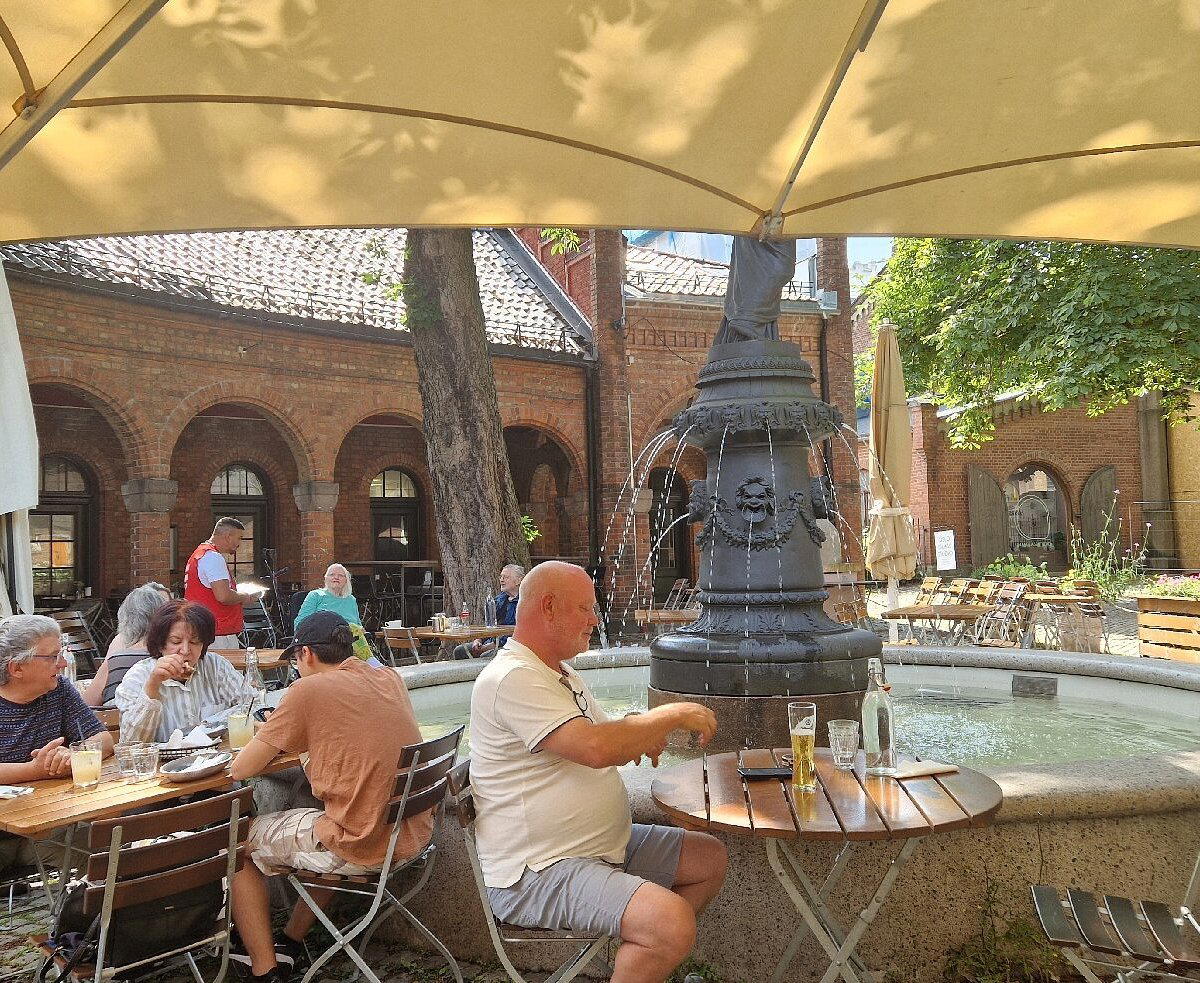
Where Italian Dining Ritual Meets Oslo's Wine-Serious Culture
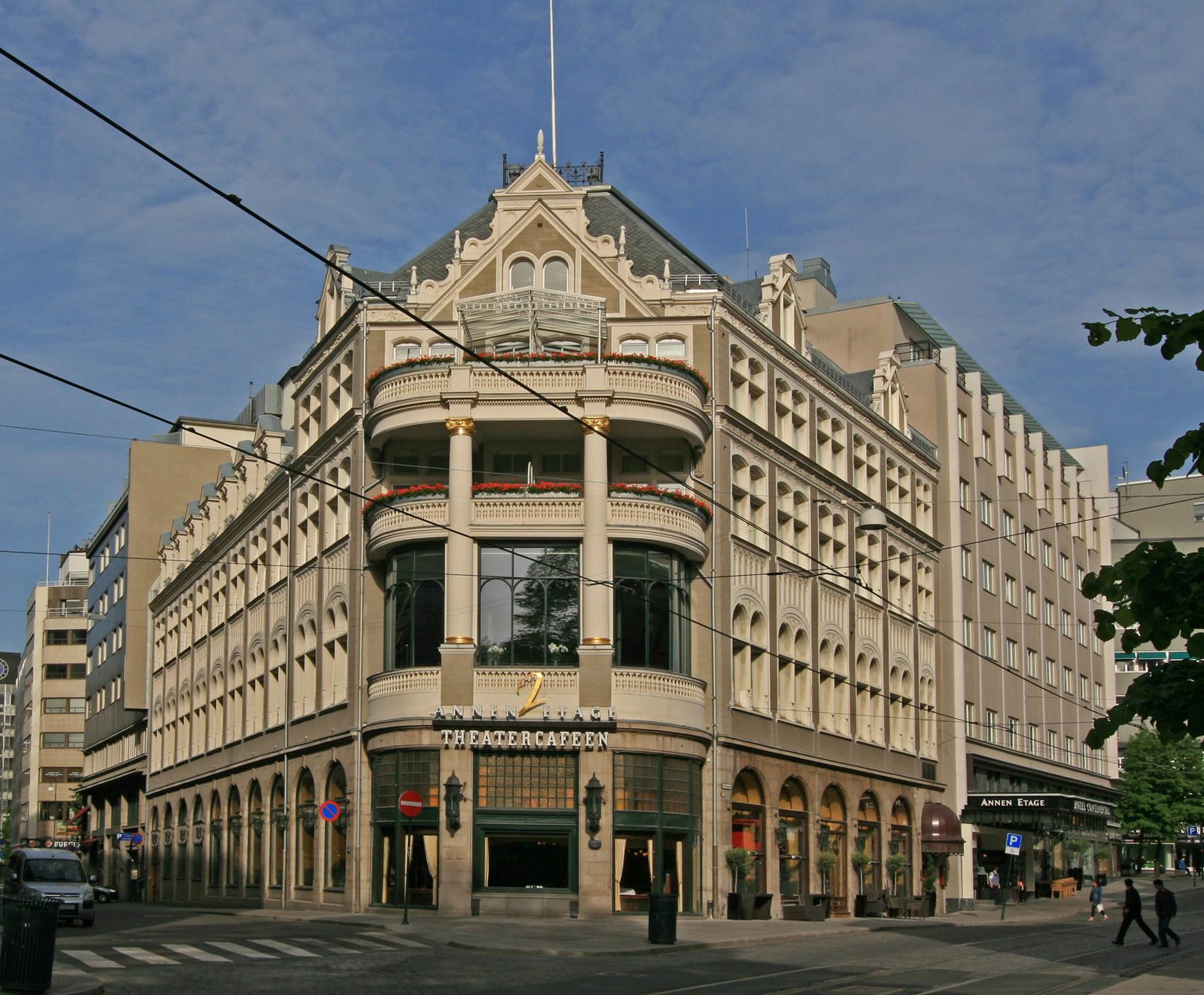
Dronningens gate runs through the older civic core of Oslo, a stretch of the city where the architecture carries some weight and the street-level restaurants tend to attract a local professional crowd rather than tourists working through a sightseeing list. It is in this context that Baltazar Ristorante e Enoteca operates, positioned as one of the few Oslo addresses where the Italian dining model, with its particular logic of sequence, pace, and wine pairing, is taken seriously as a cultural framework rather than adapted into something more Nordic in temperament.
Italian restaurants outside Italy exist on a wide spectrum. At one end, the format collapses into a delivery of familiar comfort dishes with little attention to structure or provenance. At the other, a small cohort of restaurants abroad commit to the full dining ritual as Italians actually practice it: the unhurried progression from antipasto through to secondo, a wine list that treats regional Italian producers as the primary reference point, and a room paced to allow conversation across two or more hours. Baltazar positions itself at that more committed end of the spectrum, which in a city dominated by New Nordic tasting menus at venues like Maaemo and Kontrast, represents a deliberate counterpoint.
The Wine Program as the Defining Credential
Star Wine List's White Star recognition is the clearest public signal of where Baltazar sits in Oslo's dining market. Star Wine List evaluates wine programs specifically, and a White Star designation places a venue in a comparable set defined by the depth, sourcing discipline, and presentation quality of its cellar rather than by its food alone. That credential matters in a city where wine culture has grown considerably over the past decade but where serious Italian wine lists remain relatively rare.
The Italian enoteca model, from which Baltazar draws part of its identity, is built on the premise that wine is not an accompaniment to the meal but a structural part of it. In Italy, an enoteca functions as a wine shop, a bar, and often a restaurant simultaneously, with the cellar as the organizing principle and the kitchen arranged around it. Transplanting that logic to Oslo means the wine list should anchor the experience, and the Star Wine List recognition suggests that is the case here. For diners whose habit is to let the wine selection shape the food order rather than the reverse, that orientation is the deciding factor.
Oslo's wine scene has broadened enough that several addresses now compete for the wine-serious diner. Bar Amour operates in creative territory where natural wine intersects with a more casual format. Baltazar occupies a different register: the enoteca format implies a more structured service cadence and a list organized around depth of Italian regional coverage rather than a curated selection of lo-fi producers.
The Dining Ritual at This Address
The Italian dining ritual has its own internal grammar, and it is one that Norwegian diners have not historically been trained to follow in the way that French or Spanish dining cultures have shaped expectations in those countries. Oslo's dominant fine-dining mode runs through the Nordic tasting menu, a format with its own strict pacing logic, where the kitchen controls the sequence entirely and the diner moves through a chef-determined progression at the room's tempo. The Italian model is structurally different: the diner constructs their own meal from a menu of discrete courses, the sequence is traditional but flexible, and the meal's length is determined largely by the table rather than the kitchen.
At a restaurant like Baltazar, that means the meal rewards a certain kind of engagement. Arriving with a plan to eat quickly and leave early works against the format. The experience is calibrated for tables that will order across multiple courses and treat the wine list as a document worth spending time with before the food arrives. In a city where the alternative Italian offer tends toward the casual, Baltazar's positioning in the more formal register of the market is a considered choice.
Norway's broader restaurant scene has invested heavily in the New Nordic framework. Across the country, addresses like RE-NAA in Stavanger, FAGN in Trondheim, and Under in Lindesnes have built international reputations on local-ingredient tasting menus. Oslo's own Hot Shop and the French-inflected Mon Oncle add further variety to a dining market that has matured considerably. Against that backdrop, a venue anchoring its identity in Italian dining tradition and a wine-first philosophy occupies a distinct and relatively uncrowded niche.
Location and Practical Considerations
Baltazar is at Dronningens gate 27, 0154 Oslo, in the city centre, accessible from most of Oslo's central hotels and transport points without significant effort. The address puts it close enough to the Aker Brygge waterfront and the government quarter that it attracts both after-work and dinner-occasion trade. For visitors using Oslo as a base, the central location makes logistics direct, and those exploring the wider Norwegian dining scene can use our full Oslo restaurants guide alongside destination-specific coverage of places like Gaptrast in Bergen, Iris in Rosendal, and Boen Gård in Tveit.
The dress code is smart casual.
For international reference points, the Italian dining model Baltazar operates within has parallels at serious Italian-American institutions like Le Bernardin in New York City, where the wine program and service structure carry as much weight as the kitchen, or at landmark addresses like Emeril's in New Orleans, where a strong regional identity shapes the full dining proposition. The underlying point is that a wine list serious enough to earn external recognition tends to reflect a broader commitment to getting the full ritual right, not just the cooking.
What It’s Closest To
Comparable venues nearby, for context on price, style, and recognition.
| Venue | Cuisine | Price | Notes |
|---|---|---|---|
| Baltazar Ristorante e EnotecaThis venue — the venue you are viewing | Classic Italian Trattoria | $$$ | Not listed |
| Trattoria Popolare | Rustic Italian Trattoria | $$ | Enerhaugen |
| Campo Osteria | Authentic Italian Osteria | $$$ | Gimle |
| Vino al Vino | Italian | $$ | Homans Byen |
| Tranen | Modern Italian Pizza | $$ | Fredensborg |
| Bettola | Italian Aperitivo Bar | $$ | Enerhaugen |
Recognition history
Dated appearances from independent guides and award organizations, with the underlying list record or original source where available.
Star Wine List
Star Wine List
Continue exploring
More in Oslo
Restaurants in Oslo
Browse all →

At a Glance
- Cozy
- Rustic
- Elegant
- Intimate
- Date Night
- Business Dinner
- Terrace
- Wine Cellar
- Extensive Wine List
- Local Sourcing
- Garden
- Street Scene
Current opening hours
- Monday
- 11 AM–10 PM
- Tuesday
- 11 AM–10 PM
- Wednesday
- 11 AM–10 PM
- Thursday
- 11 AM–10 PM
- Friday
- 11 AM–10 PM
- Saturday
- 11 AM–10 PM
- Sunday
- Closed
Hours can change for holidays and private events. Last verified .
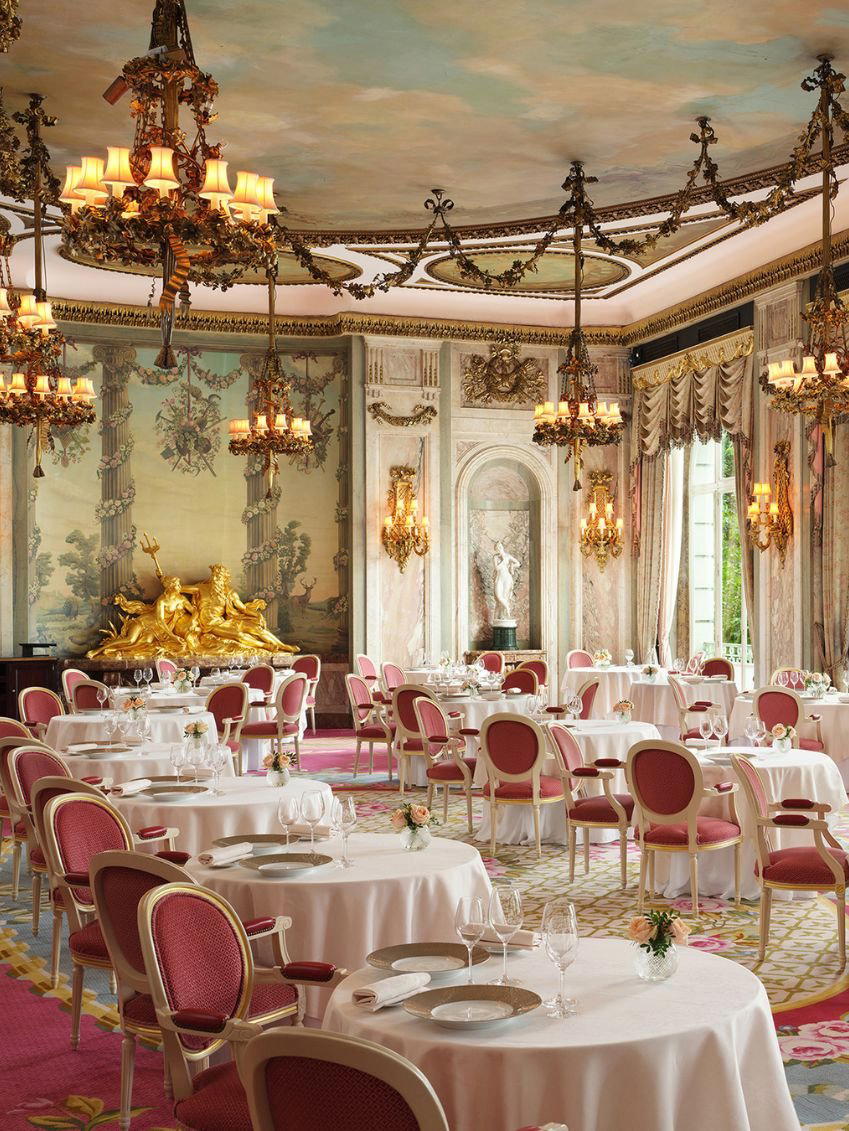
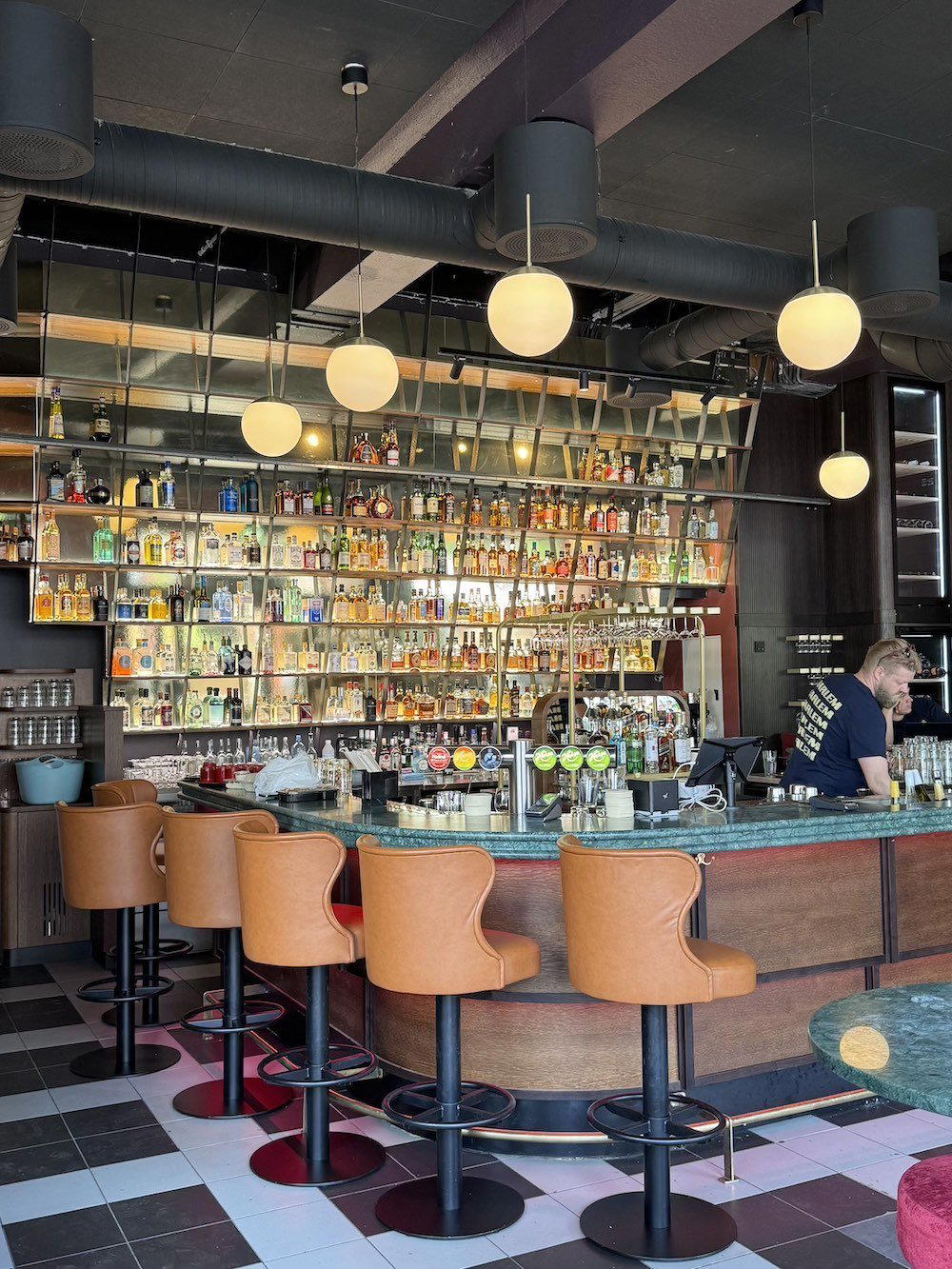
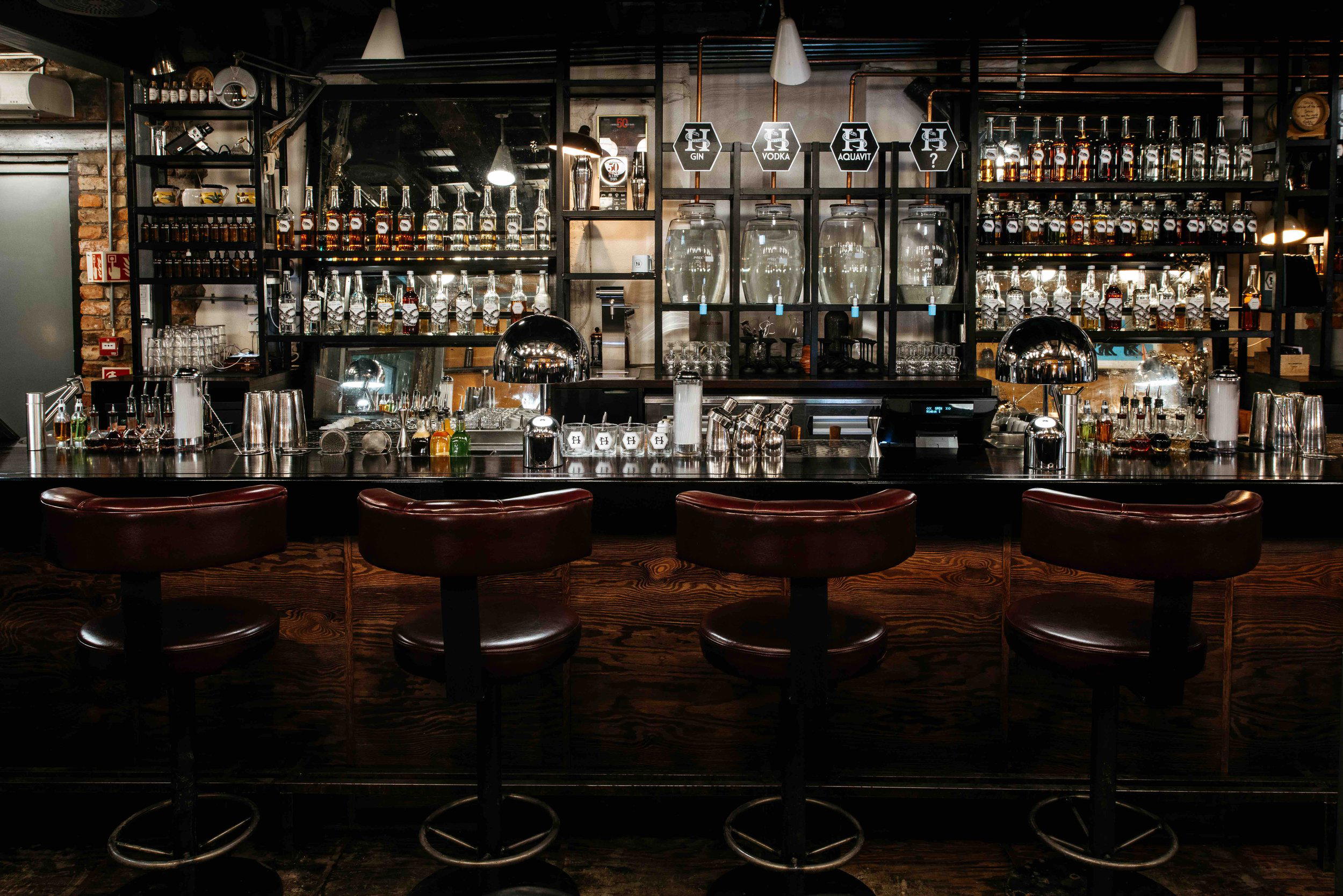
Cozy rustic atmosphere in historic Basar halls with warm lighting, providing an oasis-like courtyard setting.