




À L'aise holds a Michelin star for 2024 and 2025, placing it firmly within Oslo's serious modern cuisine tier. Chef Ulrik Jesper's cooking draws on classical discipline and Nordic product, set in a residential Frogner address that keeps the room intimate rather than performative..
Pearl is the En Primeur Club membership app — saves, bookings, and concierge access live there. Same editors, same standards.
- Address
- Essendrops gate 6, 0368 Oslo, Norway
- Phone
- +47 21 05 57 00
- Website
- alaise.no
- Directions
- Get directions
 Saves & bookings on Pearl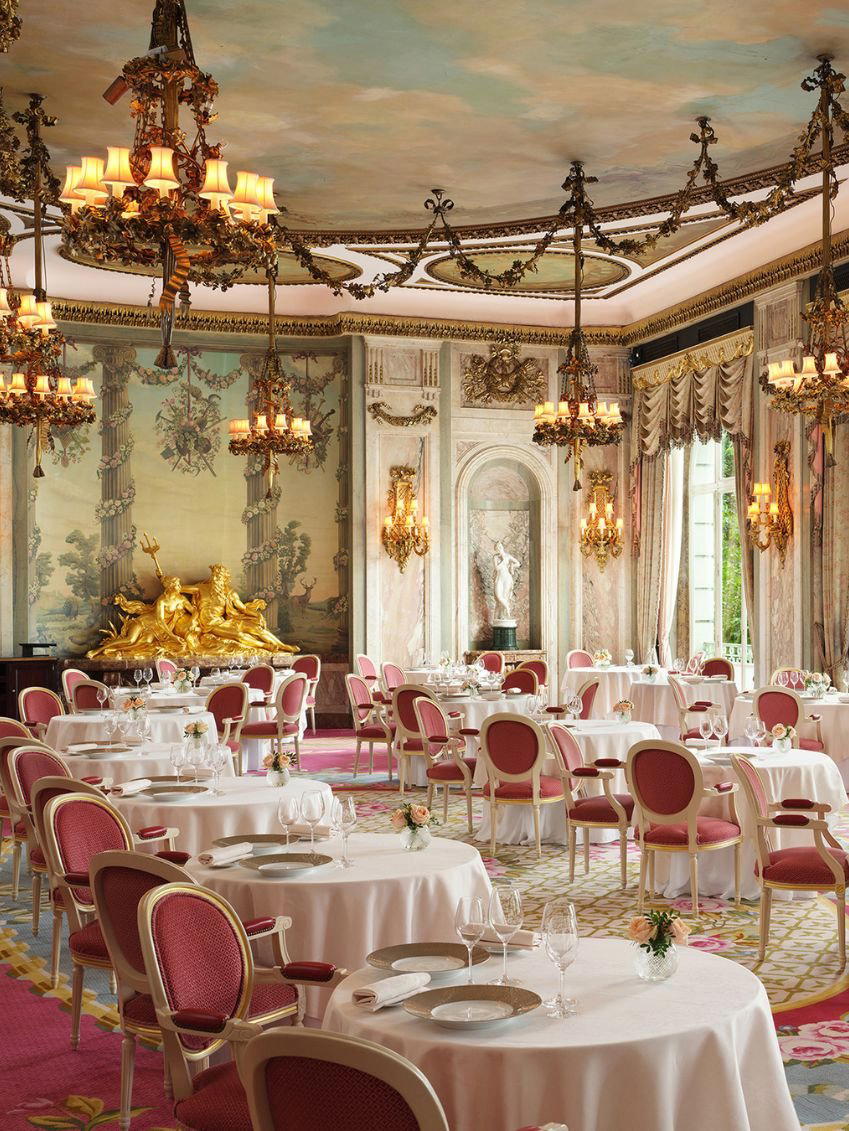
Where Oslo's Fine Dining Pulls Back from the Spectacle
À L'aise is a one-Michelin-star restaurant in Oslo, serving modern French with Norwegian influences at the city's top price tier. The city's older residential quarter, running west of the Royal Palace along wide tree-lined streets, has long housed the kind of local institutions that thrive on regulars rather than passing trade. Essendrops gate sits squarely in that register, and the address alone signals something about À L'aise: this is a room that earns its place through the plate, not through location theatre. Oslo's starred tier has grown more varied in recent years, with Maaemo anchoring the extreme end at three Michelin stars and Kontrast holding two in a more accessible but still rigorous format. À L'aise holds one Michelin star and sits in Oslo's single-star bracket alongside Statholdergaarden and Hot Shop, though its modern cuisine positioning sets it apart from the classic European register of the former.
The Scene Inside Oslo's One-Star Bracket
Single-star restaurants in Oslo operate in a more complex competitive environment than their counterparts in Paris or Copenhagen, partly because the Norwegian capital's fine dining infrastructure is still relatively compact, and partly because the city's food culture has shifted decisively toward product-led, technique-visible cooking over the last decade. The restaurants that have survived and grown within that shift tend to share a few traits: supplier relationships that function as editorial decisions, menus that change with the agricultural calendar rather than the marketing one, and rooms that prioritise focus over grandeur.
The restaurant fits that profile. That gap between the average and the actual score is rarely arbitrary: it tends to reflect kitchens where the experience is consistent enough that even first-time visitors feel the competence in the room. For context, the comparison venues in Oslo's upper tier draw strong reviews on the basis of well-defined concepts, and the restaurant appears to generate the same kind of loyalty without the marketing infrastructure of a restaurant group.
Chef Ulrik Jesper and the Grammar of Modern Cuisine
Ulrik Jesper leads the kitchen. It matters that Ulrik Jesper's name appears on consecutive Michelin star awards because that sequence, 2024 followed by 2025, is the practical demonstration of kitchen consistency that inspectors weight heavily. A first star can arrive on the back of a strong year or a well-timed visit. A retained star is evidence of a system, not a moment. Nordic fine dining has seen enough single-year stars fail to retain to know that the two-year run is the more meaningful credential.
What the Michelin record does not tell you, but the cuisine type does, is the orientation of the cooking. Modern cuisine in Oslo's starred restaurants tends to sit at the intersection of classical French structure and Nordic ingredient philosophy. The two are not always comfortable together, but the restaurants that resolve the tension well, rather than simply toggling between registers, tend to be the ones that earn sustained recognition. The restaurant appears to operate in that resolved space, where the grammar of classical technique is the vehicle for ingredients that are emphatically of this region and this season.
That positions the restaurant differently from the New Nordic restaurants in Oslo's starred tier, Kontrast and Maaemo, which have made the rejection of classical French convention more explicit in their identity. It also separates the restaurant from Statholdergaarden, where the classical tradition is the point rather than the method. In this sense, the one-star modern cuisine tier in Oslo is doing something architecturally distinct from either of its neighbors in the Michelin guide.
Frogner as Dining Context
The neighbourhood matters. Frogner's restaurant population is not defined by the kind of clustering that shapes, say, Grünerløkka's bar-heavy eating culture or Aker Brygge's tourist-facing waterfront operations. Frogner restaurants tend to serve a local population that expects quality without event, which creates a different set of pressures on a kitchen than a central city location does. The room at Essendrops gate 6 is likely to have regulars in it most evenings, and regulars are harder to impress than first-timers. That the Michelin inspectors have returned twice suggests the kitchen performs at the same level for both.
Within the immediate area, dining options run from the neighbourhood practicality of Kolonialen Bislett to the more formal register of Brasserie Hansken, and restaurants like Festningen and FYR Bistronomi & Bar extend the west-side dining conversation in different directions. Betong adds another register to the mix. The restaurant sits above most of these in price tier (€€€€) and ambition, but they share the Frogner and near-west geography that shapes the clientele.
Planning a Visit
The €€€€ price bracket in Oslo is the city's most expensive tier, which at current Norwegian restaurant pricing means dinner for two will typically run into four figures in NOK before wine. That positions the restaurant against Maaemo, Kontrast, and Statholdergaarden in cost terms, though the format, likely a set tasting menu given the style and Michelin context, will differ from the multi-course marathon of Maaemo's three-star programme.
Reservations are essential, and weekend tables are best booked well in advance. The single-star tier fills faster than the star count alone might suggest, partly because the room sizes in this bracket tend to be small and partly because Oslo's hotel visitor population has grown while the number of leading tables has not. Planning three to four weeks ahead is a reasonable baseline; for weekend tables, extend that to six weeks or more, particularly in the autumn season when Oslo's dining culture tends to peak.
At-a-Glance Comparison
Comparable venues nearby, for context on price, style, and recognition.
| Venue | Cuisine | Price | Awards | Notes |
|---|---|---|---|---|
| À L'aise | Modern French with Norwegian influences | $$$$ | Michelin 1 Star | Majorstua |
| Statholdergaarden | Classic Norwegian-French Fine Dining | $$$$ | Michelin 1 Star | St. Hanshaugen |
| Stallen | Modern Nordic Fine Dining | $$$$ | Michelin 1 Star | Homans Byen |
| Sabi Omakase Oslo | Edomae-Style Japanese Omakase | $$$$ | Michelin 1 Star | Vika |
| Hot Shop | Modern Nordic Tasting Menu | $$$$ | Michelin 1 Star | Torshov |
| Mon Oncle | Modern French Bistro with Nordic Influences | $$$$ | Michelin 1 Star | Sentrum |
Recognition history
Dated appearances from independent guides and award organizations, with the underlying list record or original source where available.
Falstaff Restaurant - 94 Falstaff Points
Falstaff
Michelin 1 Star
Michelin
Opinionated About Dining Top Restaurants in Europe Recommended
Opinionated About Dining
White Guide Nordic Restaurants - Masters Level
White Guide
Michelin 1 Star
Michelin
The Best Chef One Knife
The Best Chef
Michelin 1 Star
Michelin
Continue exploring
More in Oslo
Bars in Oslo
Browse all →
At a Glance
- Elegant
- Sophisticated
- Intimate
- Classic
- Date Night
- Special Occasion
- Business Dinner
- Chefs Counter
- Extensive Wine List
- Sommelier Led
- Local Sourcing
Current opening hours
- Monday
- Closed
- Tuesday
- Closed
- Wednesday
- 6 p.m.–1 a.m.
- Thursday
- 6 p.m.–1 a.m.
- Friday
- 6 p.m.–1 a.m.
- Saturday
- 6 p.m.–1 a.m.
- Sunday
- Closed
Hours can change for holidays and private events. Last verified .
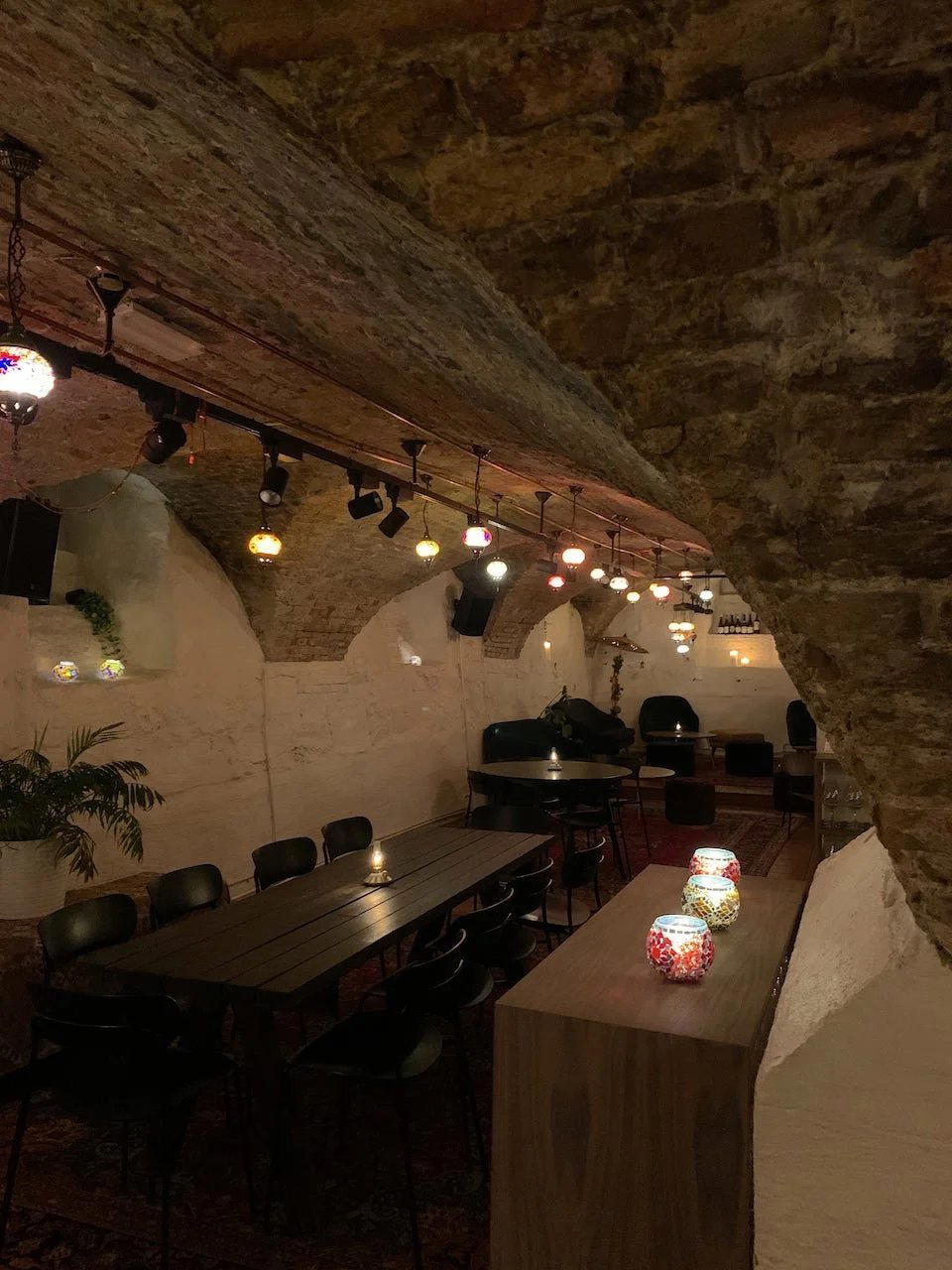
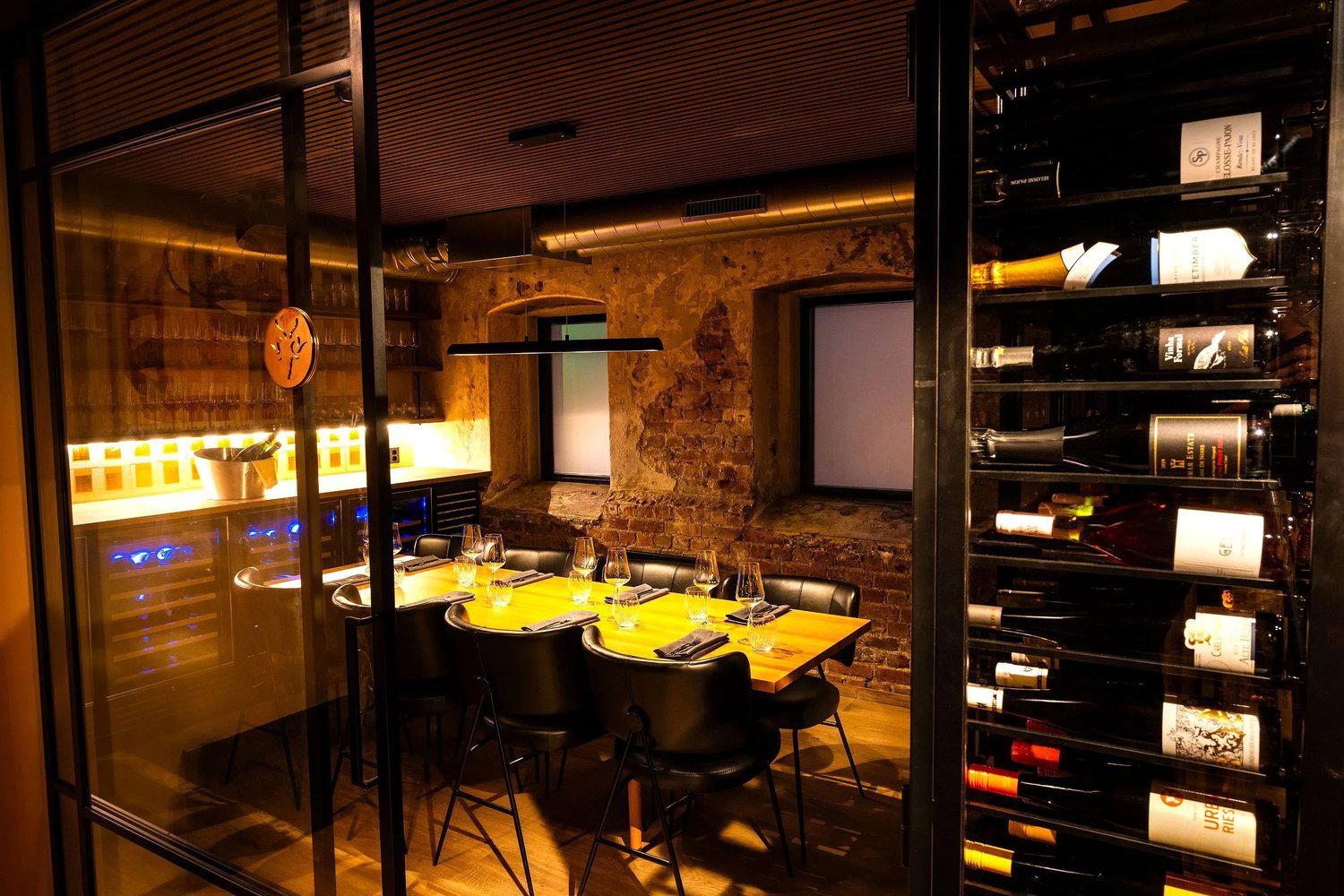
Sumptuous and elegant with classic decor, peaceful and harmonious atmosphere, lots of space between tables for privacy.