Officina occupies a quietly authoritative address on Ulitsa Zabelina in central Moscow, where the city's more considered dining options have consolidated around a mode of hospitality that values coordination between kitchen, floor, and cellar. The room reads as a serious proposition rather than a spectacle, placing it closer to the deliberate end of Moscow's expanding modern restaurant spectrum.
Pearl is the En Primeur Club membership app — saves, bookings, and concierge access live there. Same editors, same standards.
- Address
- Ulitsa Zabelina, 1, Moscow, Russia, 101000
- Phone
- +74993910857
- Website
- officina.moscow
- Directions
- Get directions
 Saves & bookings on Pearl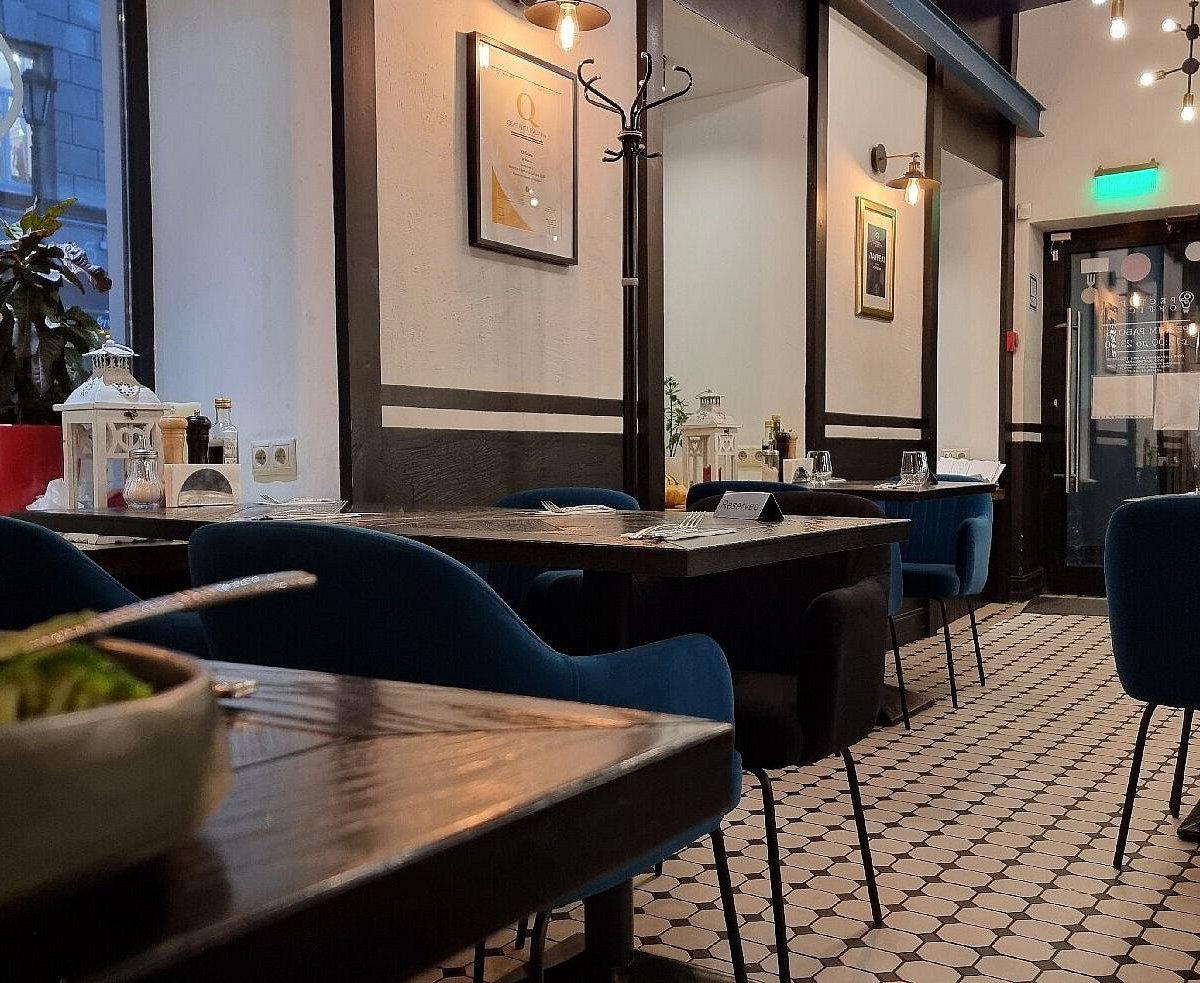
Where the Room Sets the Terms
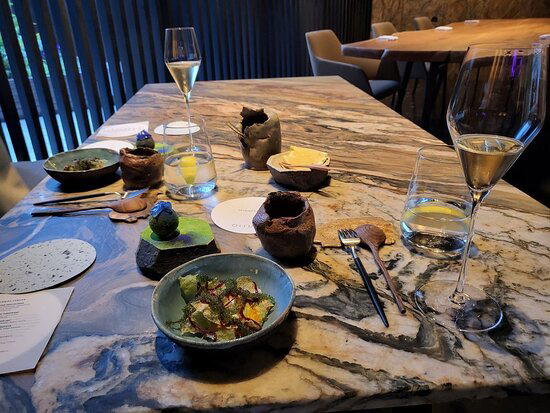
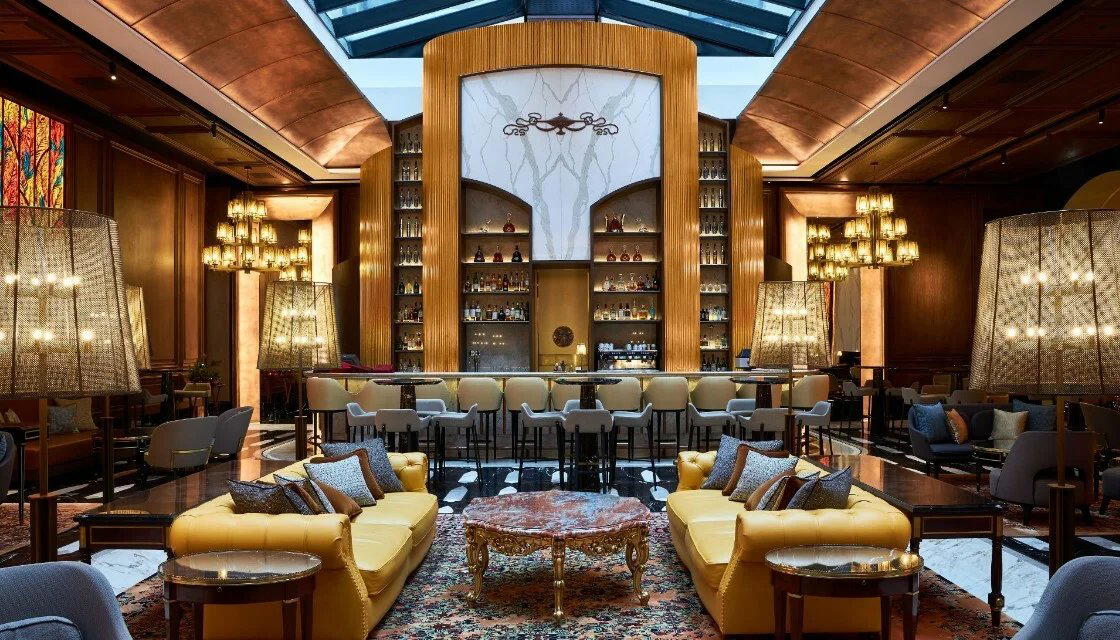
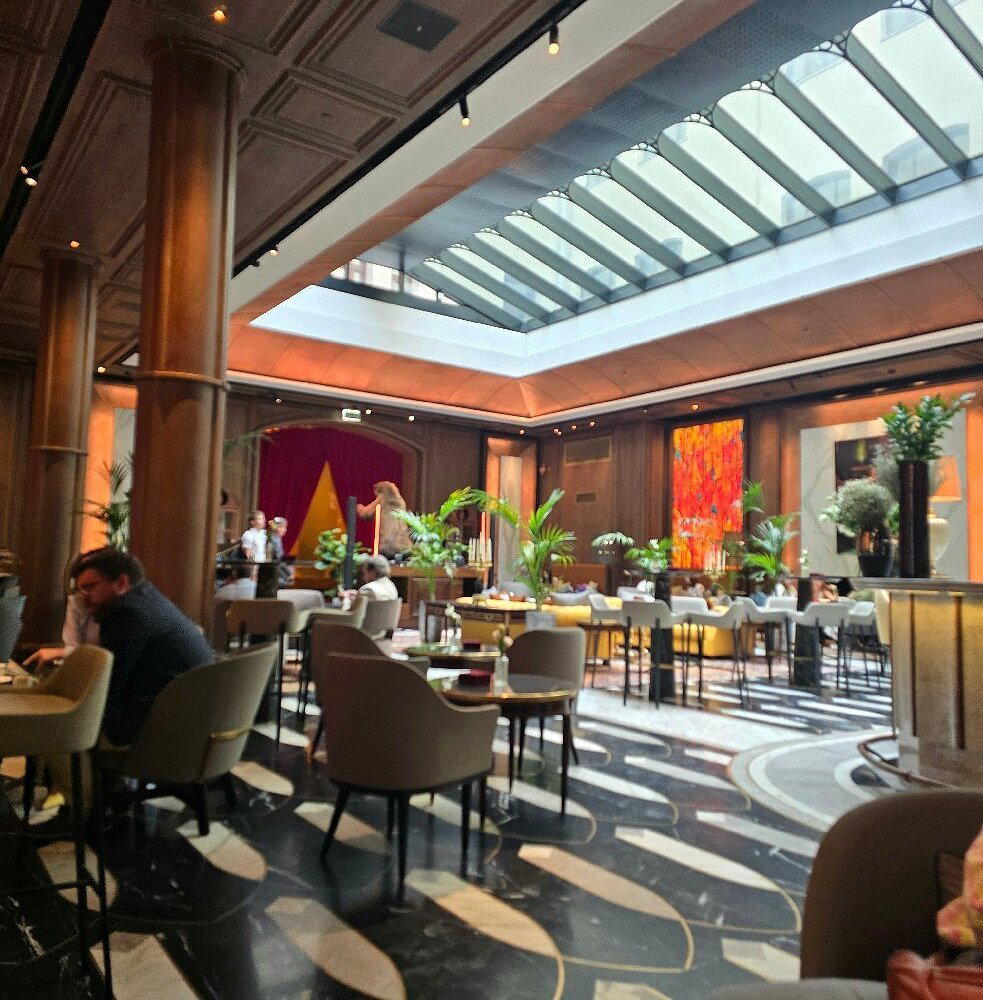
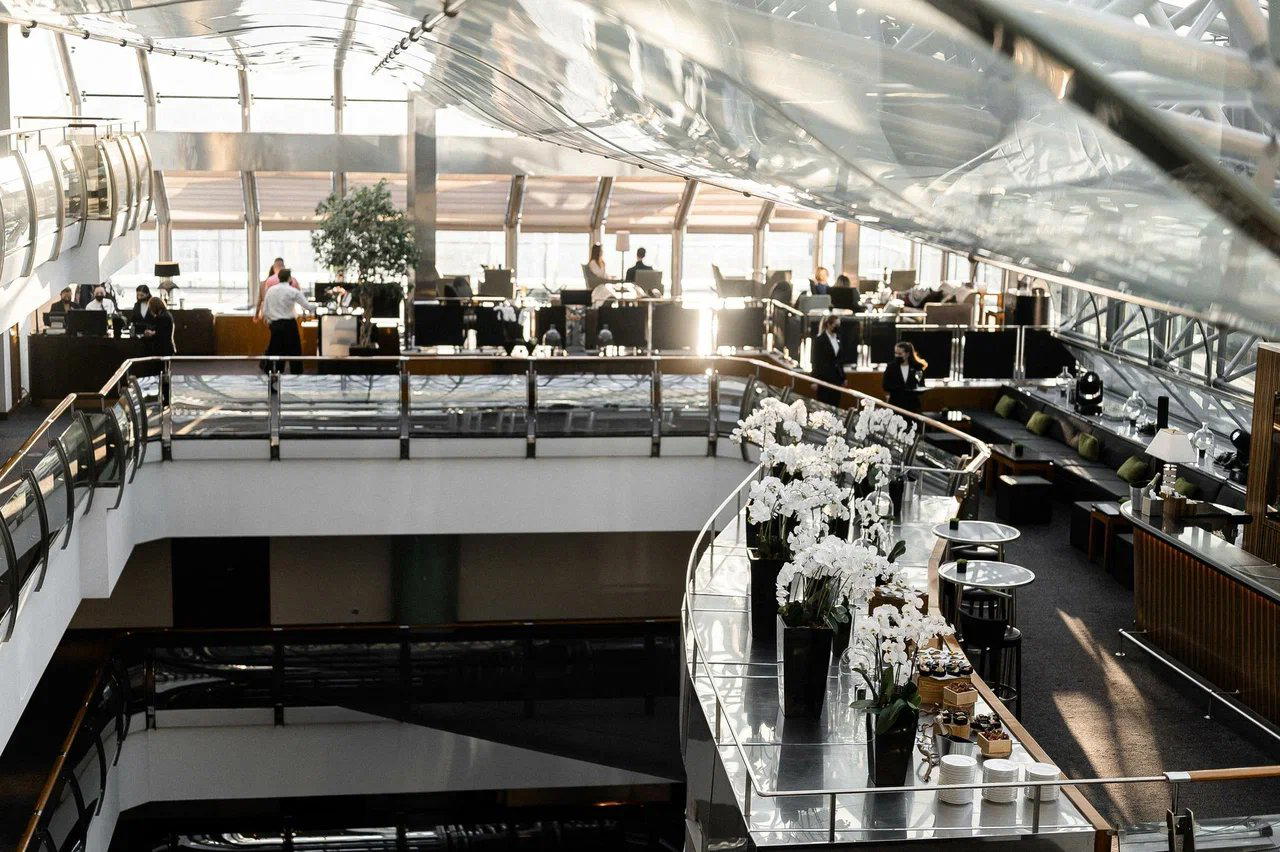
Officina is an Authentic Italian restaurant in Moscow, with a casual dress code, a recommended reservation policy, and an average price of about $25 per person. Ulitsa Zabelina sits within reach of the Kitay-Gorod district, a neighbourhood whose architectural fabric still carries the weight of pre-revolutionary mercantile Moscow, and it is in this context that Officina finds its register. The approach here is not the sweeping panoramic theatre of the city's rooftop dining rooms, nor the folkloric costuming that some Russian-cuisine addresses deploy to signal authenticity. Instead, the environment operates on tighter tolerances: the kind of space where the ceiling height and the lighting temperature have been considered in relation to each other, and where the sound level allows a conversation to remain a conversation.
That shift is now visible across the city's central districts, from the modern Russian ambition of White Rabbit (Modern Russian) to the ingredient-focused twin project at Twins Garden (Modern European). Officina occupies a position within that broader evolution, addressing a guest who is less interested in spectacle and more interested in the quality of coordination between the people running the room and the people cooking in it.
The Logic of the Floor
In cities where fine dining has matured past the era of the singular chef-as-genius narrative, the relationship between kitchen and front-of-house has become the operative metric. A room where the sommelier's pacing matches the kitchen's rhythm, where the server can articulate the logic of a dish without reciting a memorised script, and where the manager reads the table rather than the clock: this is the standard that separates the performative from the substantive. Officina's address and positioning in central Moscow place it inside the tier of restaurants where that standard is the expectation rather than the exception.
The middle register, where genuine craft operates without needing to perform its own credentials, has been harder to sustain in Moscow than in, say, Saint Petersburg, where a different pace of city life supports the kind of neighbourhood seriousness you find at places like 1913 in Saint Petersburg. Moscow rewards boldness, which means the quieter ambition of a well-run room can be underappreciated by the market even when it is technically superior to louder alternatives.
Cuisine in Context
Moscow's modern dining spectrum has developed distinct internal tiers. At one end, addresses like Varvary (Russian Cuisine) stake their authority on deep engagement with Russian culinary tradition. At another, European-inflected operators have built menus that sit comfortably alongside their counterparts in Western capitals. Restaurants such as Accenti and Aist illustrate how international culinary frameworks have been adopted and adapted within the Moscow market without simply mimicking their source cultures.
Officina's location at Ulitsa Zabelina, 1 places it within convenient distance of the historical and cultural density of central Moscow. That guest profile shapes the standards a kitchen and floor team must consistently meet. The comparison set for rooms in this position is not purely local: a regular at Le Bernardin in New York City or Atomix in New York City brings those reference points through the door, and the restaurant either holds its own against them or it does not.
Russia's broader regional dining scene has also grown considerably more sophisticated, with serious operators now active in cities well beyond the capital. Kukhterin in Tomsk, Alanskaya Kukhnya in Krasnodar, and Dzhani Restorani in Nizhny Novgorod are among the addresses demonstrating that culinary ambition is no longer concentrated exclusively in Moscow and Saint Petersburg. Within that expanding national context, the capital's established restaurants carry the additional pressure of representing a benchmark rather than simply serving a local market.
Planning Your Visit
Officina's central Moscow address on Ulitsa Zabelina is most easily reached via Kitay-Gorod metro station, which places the restaurant within a short walk of the city's historical core. For guests arriving from further afield or staying in the city's hotel district, the location is logistically direct without sitting inside the highest-footfall tourist corridors, which tends to keep the room's atmosphere from tilting toward the transient. Reservations for rooms at this positioning within Moscow's dining tier are advisable rather than optional, particularly across the autumn and winter months when the city's appetite for interior dining deepens.
Cost and Credentials
Comparable venues nearby, for context on price, style, and recognition.
| Venue | Cuisine | Price | Notes |
|---|---|---|---|
| OfficinaThis venue — the venue you are viewing | Boulevard Ring, Authentic Italian | $$ | Not listed |
| Scrocchiarella | Boulevard Ring, Roman-style Pizza | $$ | Not listed |
| Butler | Not listed | $$$ | Patriarch Ponds, Contemporary Sicilian Italian |
| Pizzeria Vesuvio | Not listed | $$ | North-Eastern (SVAO), Neapolitan Pizza |
| Chito-Ra | Not listed | $$ | District Central (TsAO), Authentic Georgian |
| Quadrum | Not listed | $$$$ | Boulevard Ring, Modern Italian Fine Dining |


At a Glance
- Modern
- Cozy
- Date Night
- Casual Hangout
- Open Kitchen
Current opening hours
- Monday
- 12 PM–12 AM
- Tuesday
- 12 PM–12 AM
- Wednesday
- 12 PM–12 AM
- Thursday
- 12 PM–12 AM
- Friday
- 12 PM–12 AM
- Saturday
- 12 PM–12 AM
- Sunday
- 12 PM–12 AM
Hours can change for holidays and private events. Last verified .
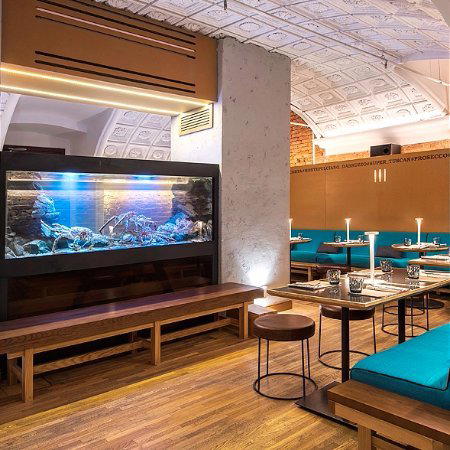
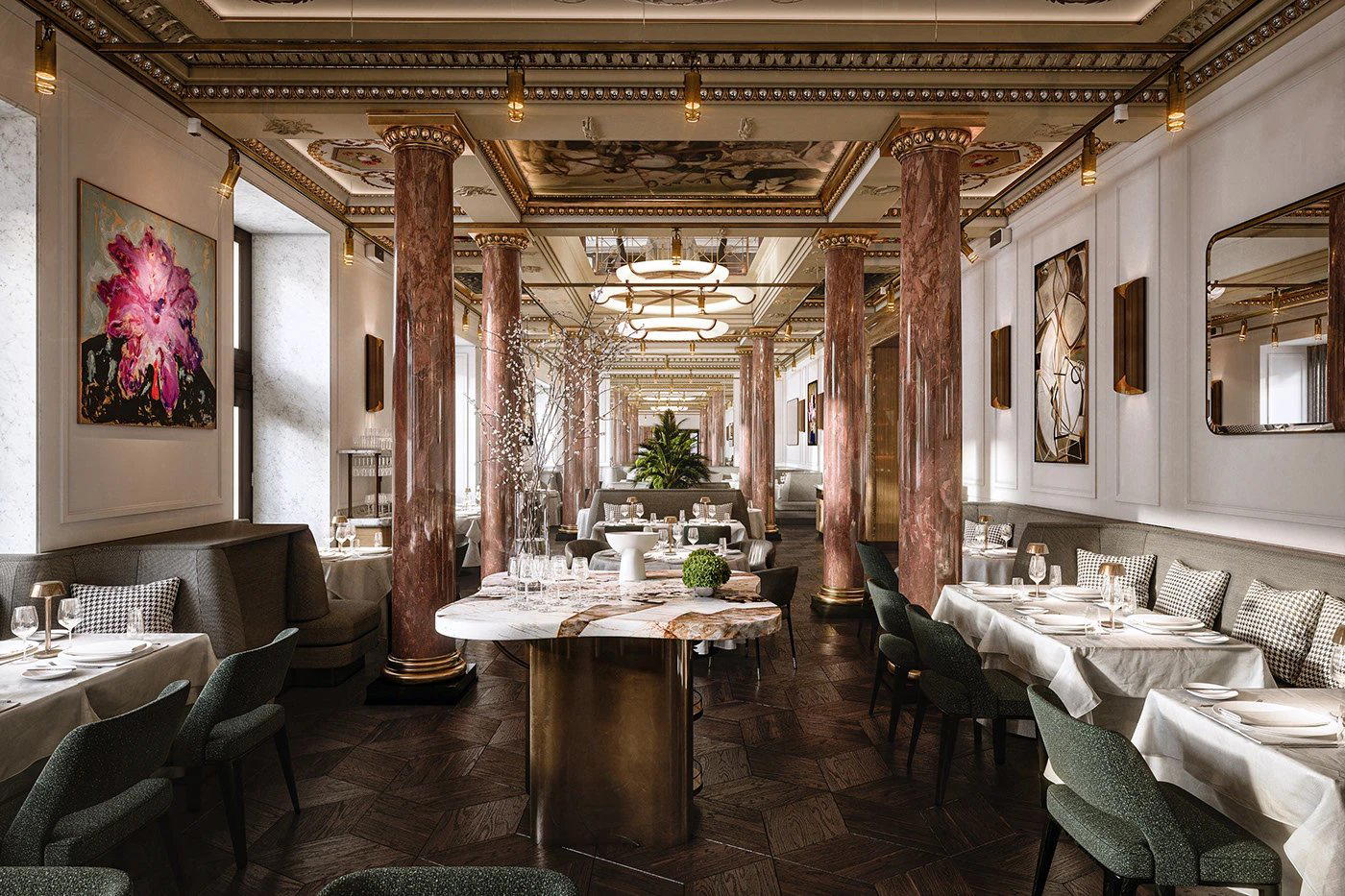
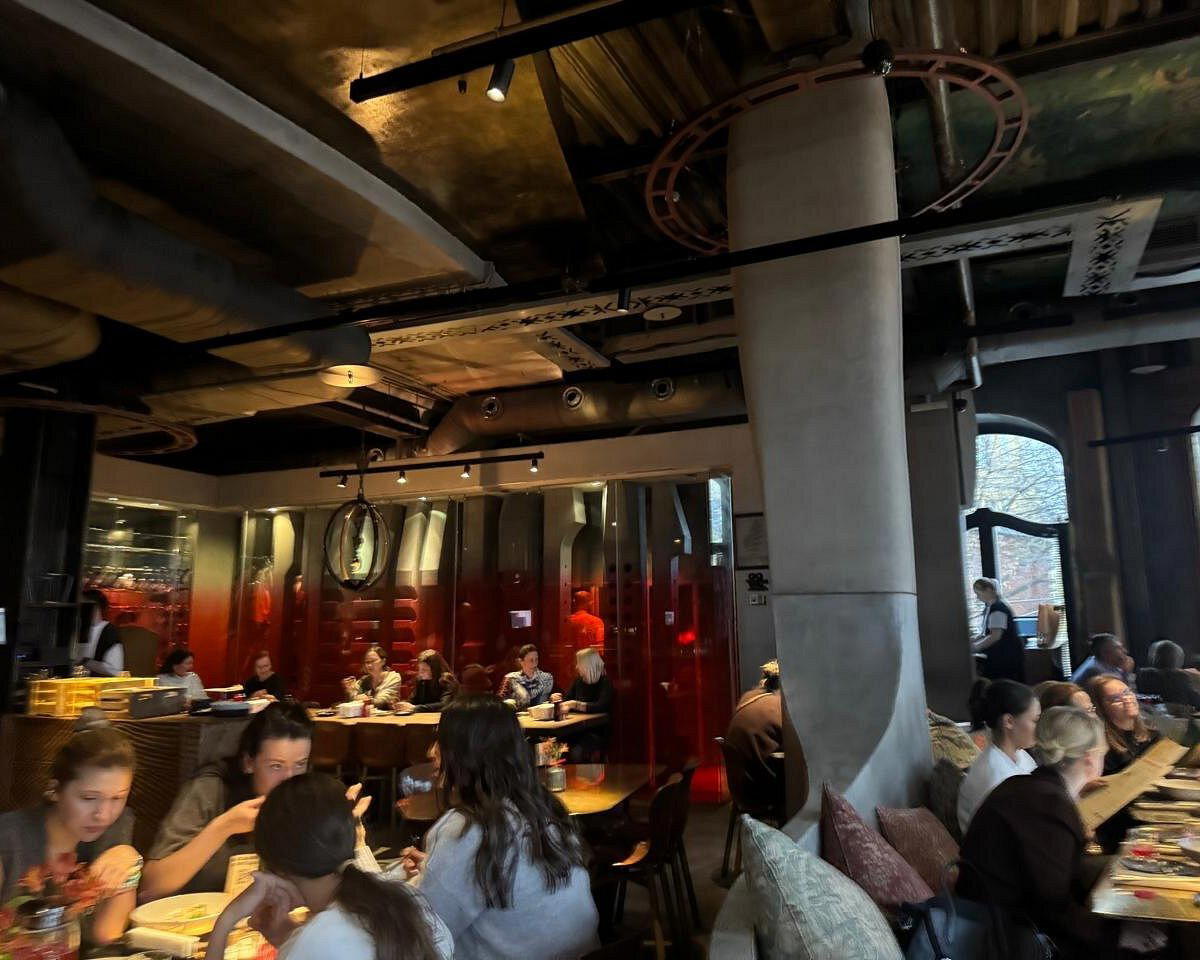
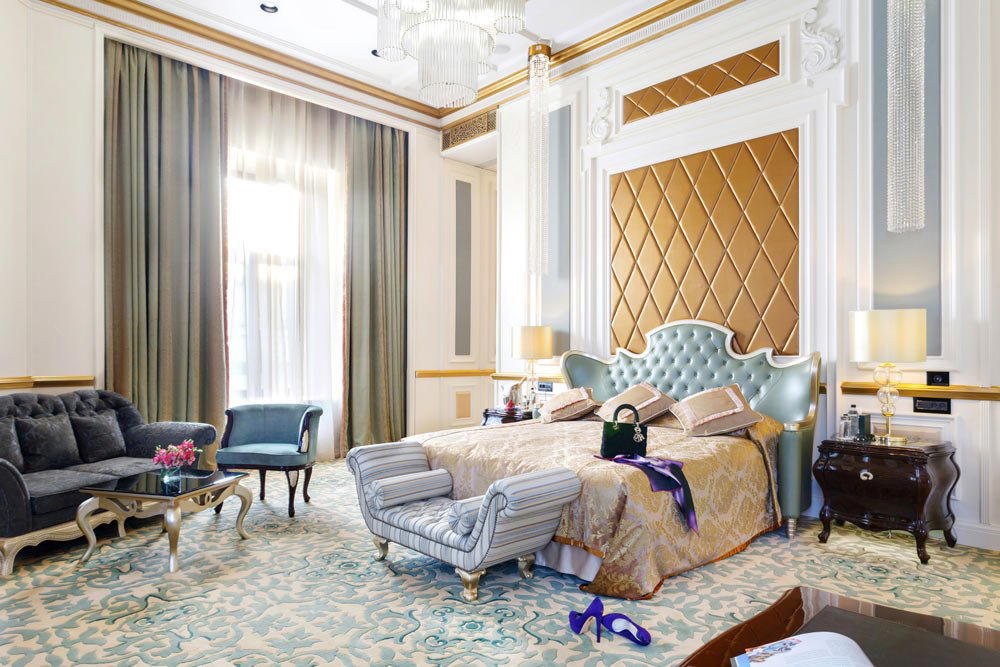
Cozy and modern interior with a welcoming home-like atmosphere as noted in guest reviews.