Sicilian cooking in Moscow's Okhotny Ryad district occupies a particular niche: the Italian south rarely gets its own dedicated address in a city where northern Italian formats tend to dominate. La Bottega Siciliana makes a case for the regional specificity that separates Sicilian cuisine from the broader Italian category, positioned near the State Duma and the Alexandrovsky Garden in the civic heart of the Russian capital.
 Discover on Pearl
Pearl is the En Primeur Club membership app — saves, bookings, and concierge access live there. Same editors, same standards.
- Address
- Ulitsa Okhotnyy Ryad, 2, Moscow, Russia, 125009
- Phone
- +74956600383
- Website
- bottega-siciliana.com
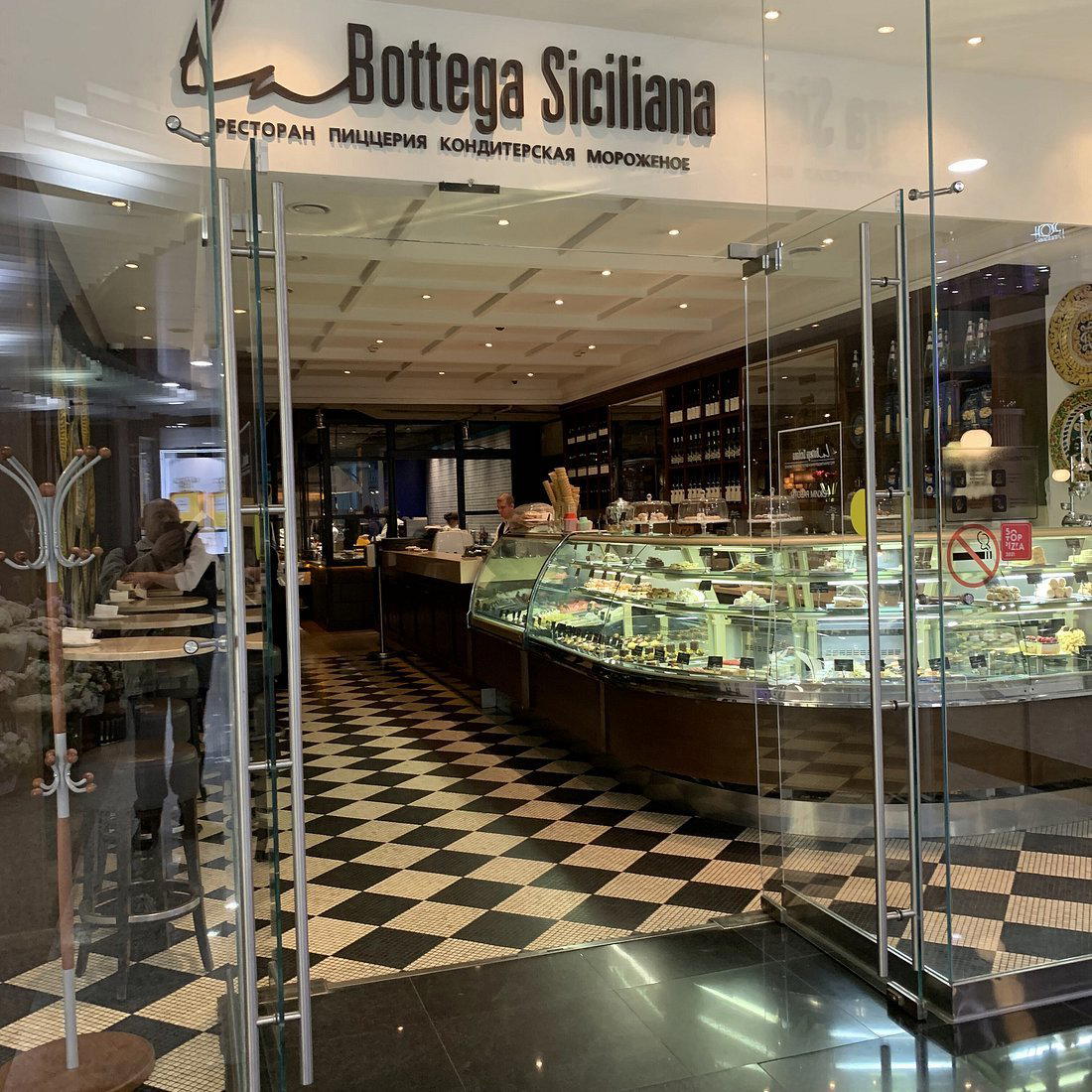
Where Okhotny Ryad Places You
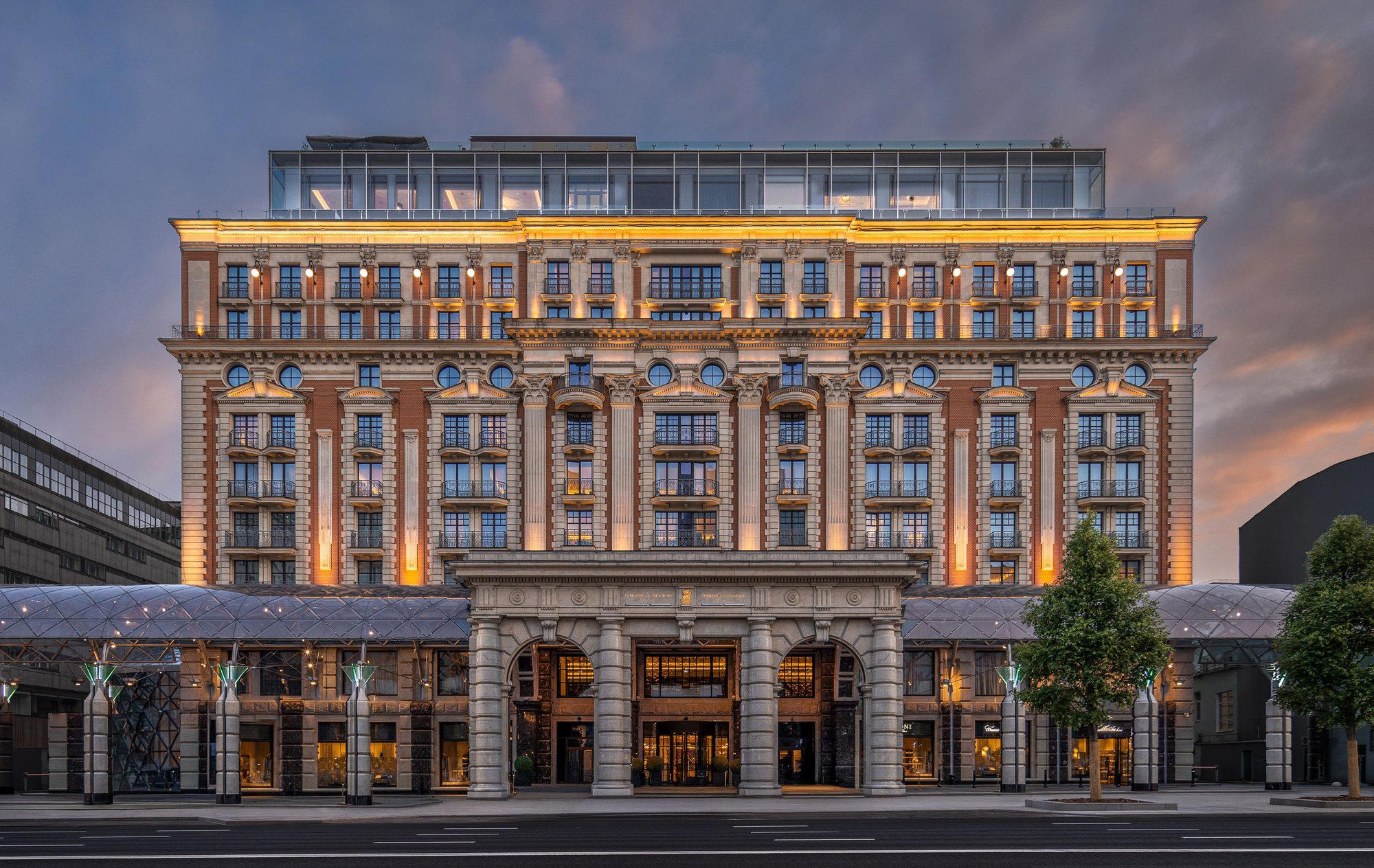
The address on Ulitsa Okhotnyy Ryad puts La Bottega Siciliana in one of Moscow's most historically freighted neighbourhoods. The State Duma sits one block east. The Alexandrovsky Garden runs along the western edge of the Kremlin walls a short walk away. This is not the creative-dining corridor of Patriarch's Ponds or the high-design stretch of Kutuzovsky Prospekt where Twins Garden and its contemporaries set the pace for modern European cooking in the city. Okhotny Ryad is older Moscow, civic, dense, trafficked by government workers, tourists arriving from Red Square, and Muscovites cutting through from the metro station of the same name.
That neighbourhood context matters for how a restaurant like this functions. Italian restaurants in Moscow's centre have historically skewed toward northern formats: pasta fresca, risotto, the Milanese and Venetian references that arrived with the first wave of Italian dining culture in the 1990s. A Sicilian-specific address in this part of the city is a different proposition, one that signals something about what the kitchen prioritises and who it is cooking for. The civic foot traffic around Okhotny Ryad brings a mixed clientele rather than the destination-dining crowd that gravitates toward White Rabbit on Smolenskaya or Varvary in its own category further from the centre.
Sicily as a Culinary Category, Not Just a Geography
Sicilian cooking sits at a specific intersection in the broader Italian tradition. It carries North African inflection from centuries of Arab influence, the use of dried fruit in savoury preparations, the sweet-sour agrodolce logic, the prevalence of saffron, pine nuts, and currants in dishes that would look entirely different if produced two hundred kilometres north on the Italian mainland. This is a cuisine shaped by layered occupation: Norman, Arab, Spanish, and Bourbon inheritances accumulating across the island over a millennium, each leaving traceable marks on the ingredient logic and the cooking methods.
In Moscow's Italian dining category, this specificity is notable. The city's most-discussed Italian addresses, including Accenti and Aist, work within a broader Italian framework. A kitchen that commits to the regional specificity of Sicily is operating in a smaller, more defined lane, one where the reference points shift away from the mainstream and toward a canon that most Moscow diners encounter infrequently.
That regional commitment, where it holds, produces cooking with a distinct internal logic. Caponata with its sharp vinegar and sugar balance. Pasta alla Norma built around fried aubergine and ricotta salata. The heavily battered and fried street-food traditions that differ markedly from anything you find in Tuscany or Emilia-Romagna. The sfincione, the arancini, the braised meats cooked long with tomato and aromatics, these are not incidental details but the structural vocabulary of a specific cooking tradition, and they do not travel freely into generic Italian menus without losing their logic.
The Moscow Italian Dining Context
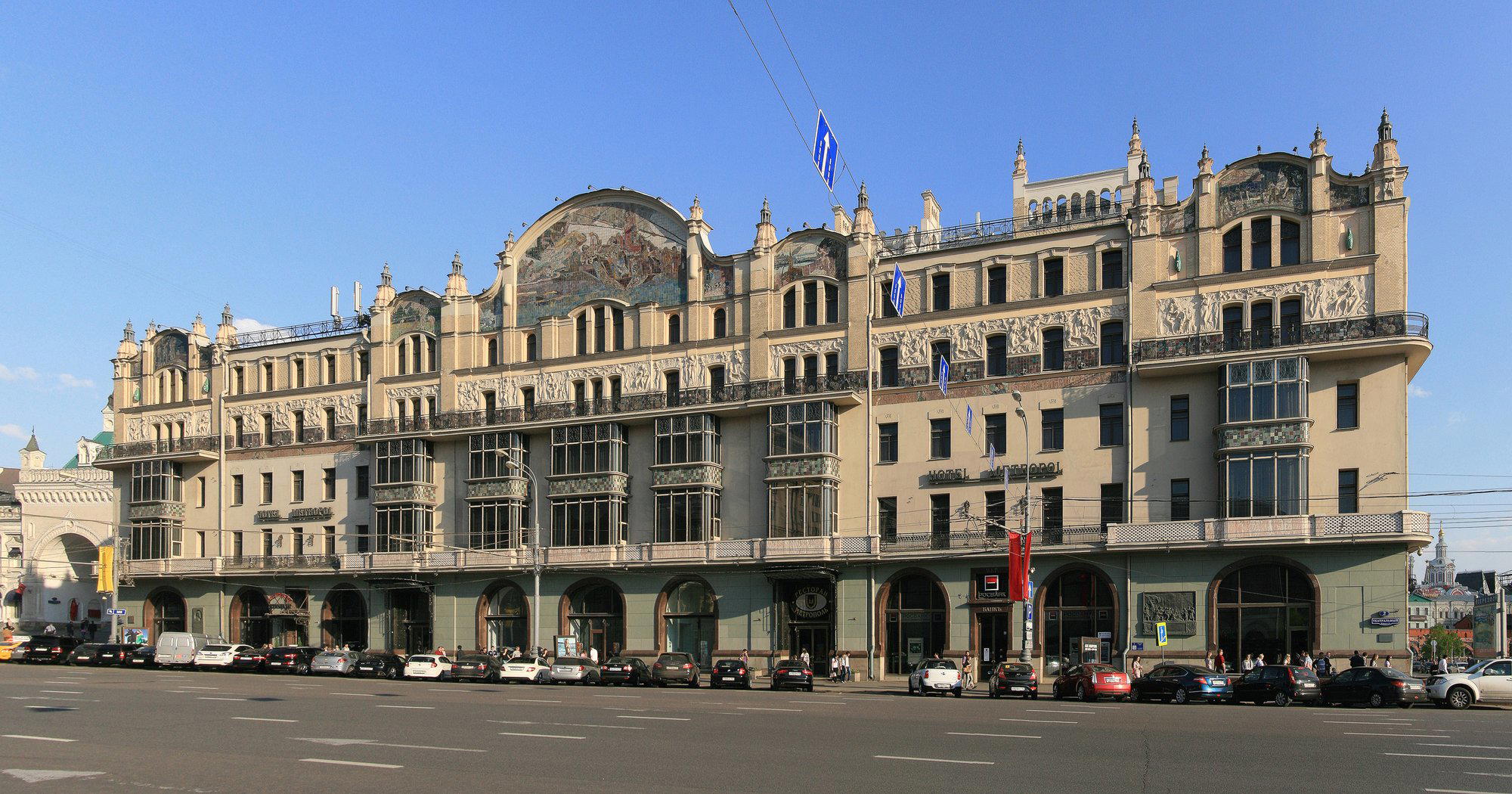
Moscow's premium restaurant segment has become increasingly sophisticated over the past decade. The generation of restaurants around White Rabbit, Twins Garden, and Savva at the Hotel Metropol has raised the ceiling for what formal dining in the city can mean. At the same time, mid-market dining, the segment where neighbourhood-anchored cuisine-specific restaurants operate, has deepened considerably. Italian cooking in Moscow now spans a wide price and format range, from the chef-driven tasting menus at the leading end to the casual lunch addresses that serve the professional population around the city's business districts.
Okhotny Ryad, as a neighbourhood, sits closer to that middle register than to the rarefied end of the market. The proximity to government buildings, the Kremlin, and the major tourist circuit means the area supports restaurants that work across multiple occasions: business lunch, tourist dinner, after-work drinking. For regional Italian cooking, this is a reasonable positioning. The dishes travel well across occasions. A Sicilian arancino functions as a shared starter in a way that a formal tasting menu course does not. The cuisine is intrinsically social, suited to the kind of table where dishes circulate and conversation is the point.
For those building a broader picture of what Moscow's restaurant scene offers across cuisine types and price points, the full Moscow restaurants guide maps the current range with editorial context for each relevant neighbourhood. Italian cooking specifically sits within a competitive set where differentiation increasingly comes from regional specificity rather than generic execution, which is what makes a Sicilian-focused address a category play worth understanding.
Regional Italian Across Russia
The interest in specific regional Italian cooking is not unique to Moscow. Across Russia's larger cities, Italian-influenced addresses have developed with varying degrees of regional ambition. The dining scenes in cities including Saint Petersburg, where addresses like 1913 anchor a longer-established fine dining tradition, and those along Russia's other major urban corridors, demonstrate that appetite for category-specific cuisine has spread well beyond the capital. Saint Petersburg's own European dining scene, including Lev I Ptichka, reflects a different hospitality character from Moscow's, more intimate in scale, less driven by the grand civic register. Further afield, regional cooking of various traditions has found committed audiences in cities including Tomsk, Yekaterinburg, and Nizhny Novgorod, each with their own local character. For context on how cuisine-specific restaurants operate in other international settings, the tasting-menu format at Atomix in New York and the seafood precision of Le Bernardin illustrate how deep regional or categorical commitment can function at the highest tier of recognition, a useful frame for thinking about what any cuisine-specific address is attempting to do.
Planning a Visit
La Bottega Siciliana is located at Ulitsa Okhotnyy Ryad, 2, Moscow 125009, placing it within easy reach of Okhotny Ryad metro station on Lines 1, 9, and 11, one of the most accessible points in the city from a transit standpoint. Contact details and current booking arrangements are best confirmed before you go.
A Lean Comparison
Comparable venues nearby, for context on price, style, and recognition.
| Venue | Cuisine | Price | Notes |
|---|---|---|---|
| La Bottega SicilianaThis venue — the venue you are viewing | Boulevard Ring, Sicilian Italian | $$$ | |
| Accenti | $$$ | Ostozhenka-Golden Mile, Italian Seafood Trattoria | |
| Officina | Boulevard Ring, Authentic Italian | $$ | |
| Probka | $$ | Tsvetnoy Boulevard, Classic Italian with Pizza | |
| Scrocchiarella | Boulevard Ring, Roman-style Pizza | $$ | |
| Bistrot | $$ | Khamovniki, Italian Bistro (Tuscany-inspired) |


At a Glance
- Elegant
- Cozy
- Rustic
- Date Night
- Family
- Celebration
- Open Kitchen
- Private Dining
- Live Music
- Extensive Wine List
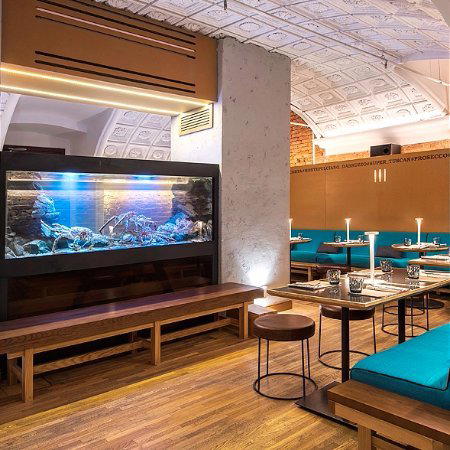
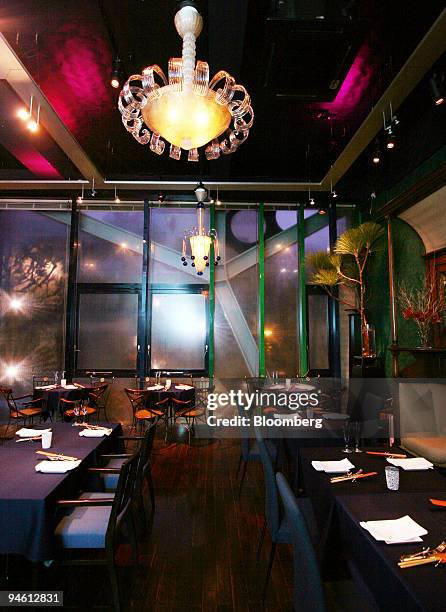
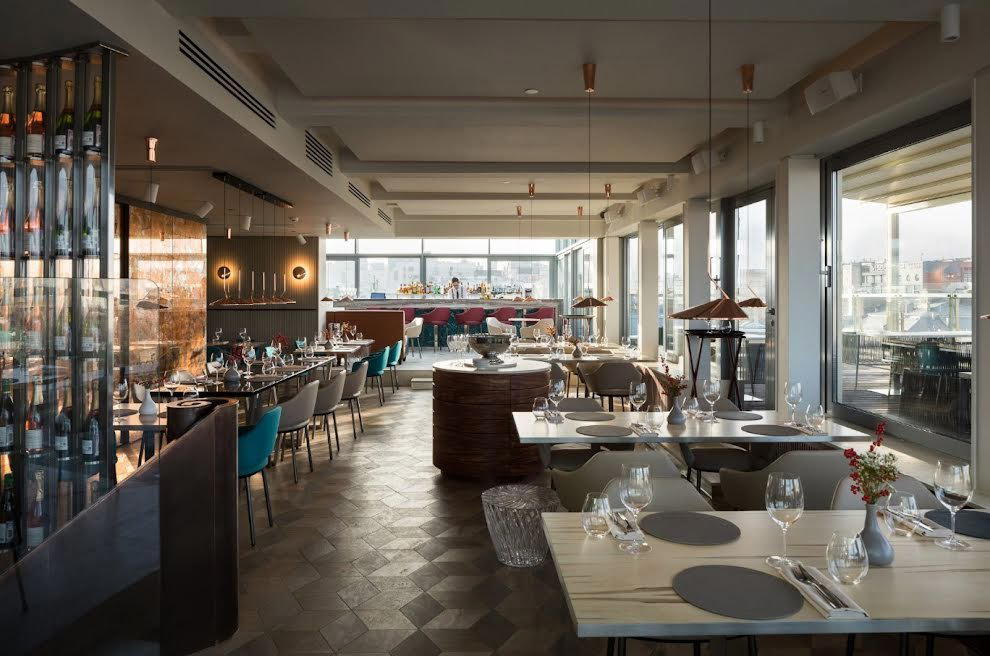
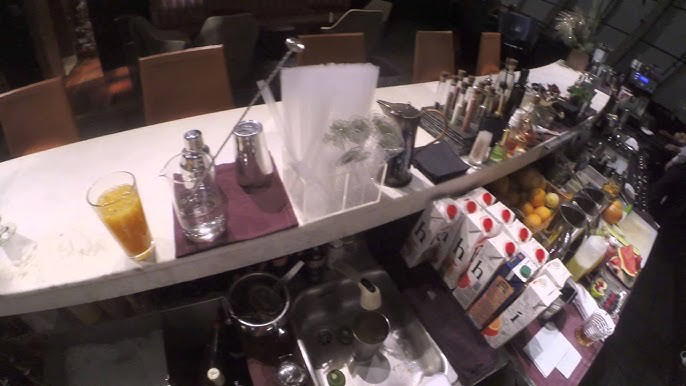
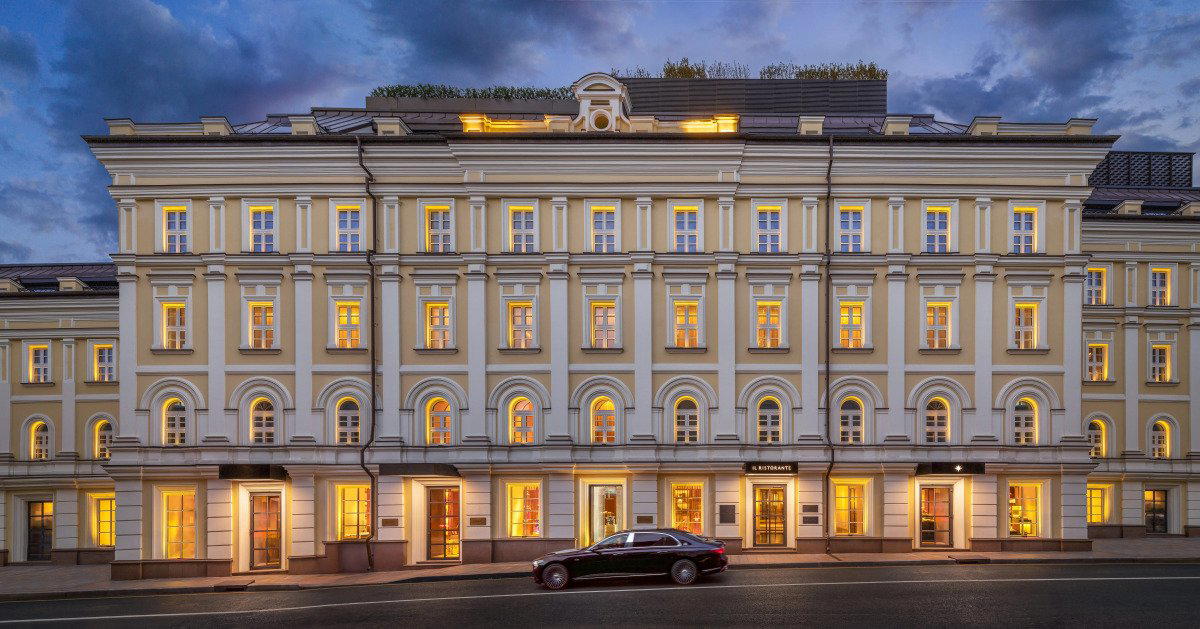
Modern and elegant with open kitchen views, cozy private hall with fireplace, and ceramics decor.