
Kumamoto’s Spanish dining scene is small enough that ingredient choices carry real weight. cocina uchida brings Spanish, creative and European cooking into Shinshigai with a fish-focused kitchen, a wine-and-cocktail drinks range, and recognition in Tabelog’s Spanish cuisine 100 for 2026.
Pearl is the En Primeur Club membership app — saves, bookings, and concierge access live there. Same editors, same standards.
- Address
- 熊本県熊本市中央区新市街10-7 IKビル 2F
- Phone
- +81962885295
- Website
- tabelog.com
- Directions
- Get directions
 Saves & bookings on Pearl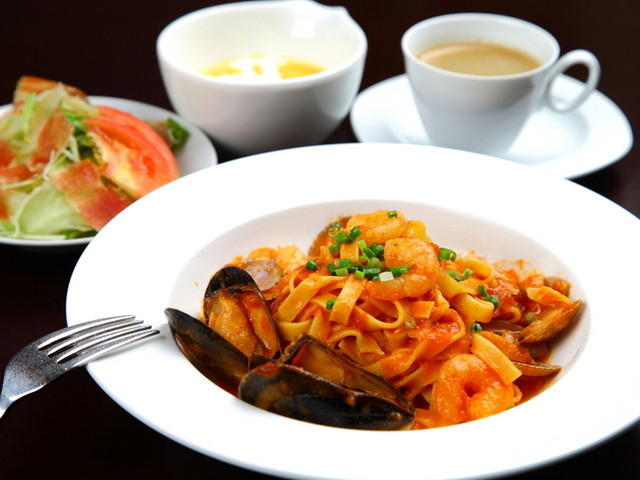
Shinshigai is a practical dining district before it is a decorative one: streetcar access, second-floor rooms, late dinners, family tables and after-work drinking all overlap within a few blocks. In that setting, Spanish cooking reads differently from the tasting-menu formality found in larger Japanese cities. The useful question is not whether a room performs Iberian romance, but whether it can translate seafood, rice, wine and shared plates into a Kumamoto rhythm.
cocina uchida sits in that category: Spanish, creative and European by format, with a stated emphasis on fish and a drinks program that covers wine, cocktails, sake and shochu. That combination matters in Kyushu, where seafood-driven cooking does not need to borrow authority from imported ingredients. Spanish technique gives structure, but local appetite decides the meal’s pace.
Spanish cooking in Kumamoto works when the seafood leads
Outside Tokyo and Osaka, Spanish restaurants in Japan often succeed by resisting the museum version of Spain. The stronger regional rooms use paella, plancha-style cooking, tapas pacing and wine service as a framework rather than a costume. Here, the fish emphasis is the signal to read first. It places the restaurant closer to Kumamoto’s produce-and-seafood dining culture than to a generic European bistro.
The 2026 selection for Tabelog’s Spanish cuisine 100 gives the room a national marker in a category usually dominated by larger metropolitan dining markets. The score, 3.58, is useful in the Japanese context because Tabelog ratings tend to move conservatively; a mid-three score with a category selection suggests steady local approval rather than social-media volatility. For travelers building a Kumamoto dining run, that is a more meaningful trust signal than decorative language.
Price also explains the appeal. Dinner sits in the JPY 4,000 to JPY 4,999 band, while lunch is listed at JPY 1,000 to JPY 1,999. That puts the restaurant below special-occasion tempura pricing represented by Tsuru Hachi, while above quick lunch territory such as Katsuretsu Tei Shinishigai honten or Sri Lanka Kumamoto. The result is a middle tier where ingredient sourcing and beverage choice have to carry the experience; there is less room for luxury theatre, and more pressure on the kitchen’s basic judgment.
That middle tier is also where Kumamoto becomes interesting. The city’s stronger dining map is not only about one cuisine. Nearby and comparable searches pull in tonkatsu, tempura, Sichuan, Italian and bar-led restaurants, which is why a Spanish address needs a clear reason to sit in the itinerary. Pair it with .know, Amakusa Daiou Senmon Ten Tosaka, antica locanda MIYAMOTO, BARON or China Sichuan Togen, and the city reads less like a castle-stop itinerary and more like a compact dining grid.
A small room, counter seats and a drinks list built for mixed tables
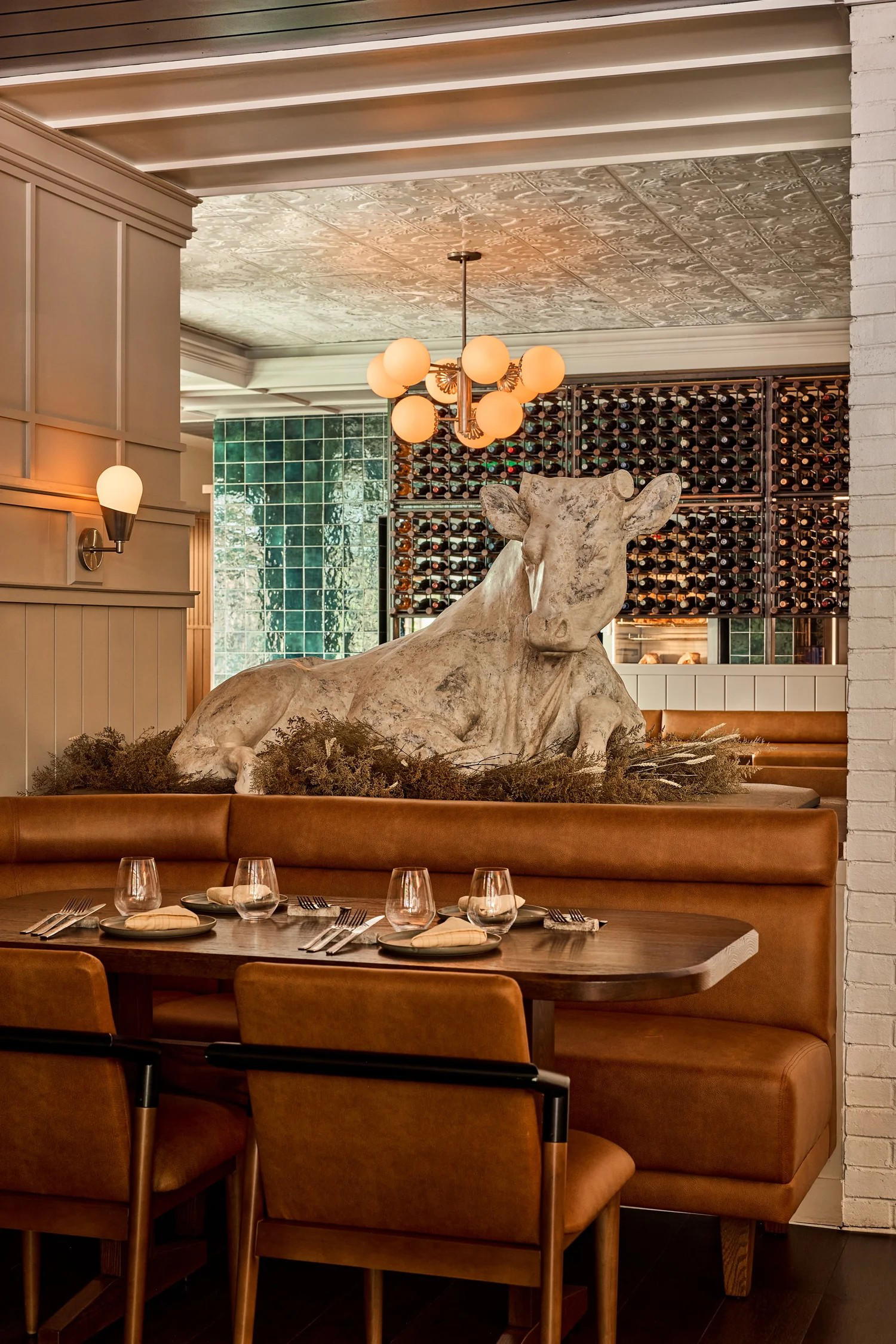
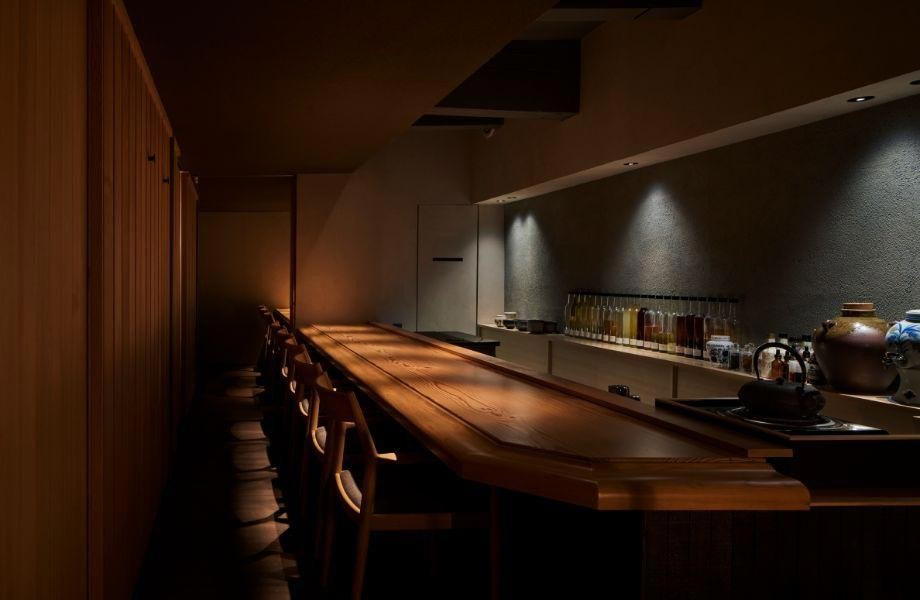
The room is listed at 33 seats, split between 28 table seats and 5 counter seats. That balance tells experienced diners plenty. Tables support family meals, friends and shared-plate pacing; the counter gives solo diners or couples a more direct way to eat without turning the evening into a formal chef’s-counter performance. In Kumamoto, where premium dining can be intimate without being severe, that flexibility is a practical advantage.
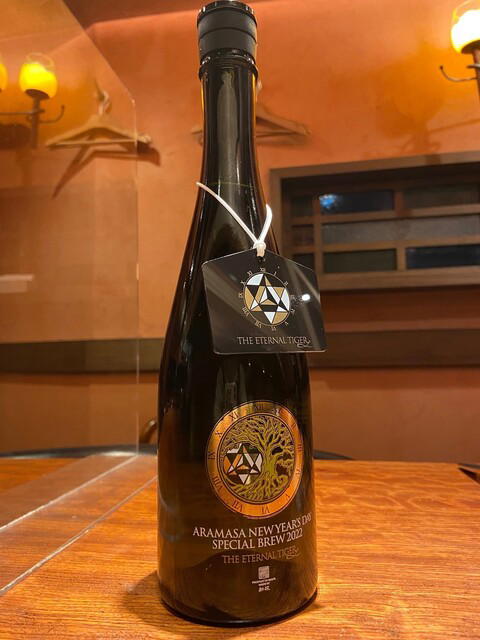
The drinks range is broader than a narrow Spanish wine bar model. Wine and cocktails are flagged, but so are sake and shochu, which makes sense for a Kyushu audience and for travelers who may want the meal to stay anchored in Japan even when the cooking language is European. This is not a purist’s Spain-versus-Japan argument. It is a working local restaurant model: fish-led cooking, rice and paella cues, wine when wanted, shochu when the table turns local.
Operational details reinforce that casual-premium position. Reservations are available, all seats are non-smoking with a smoking room provided, private rooms are not listed, and private use is available for groups up to 20 and for 20 to 50 people. Children are welcome, including babies, preschoolers and school-age children, and strollers are accepted. For a Spanish restaurant in a central nightlife district, that family-friendly policy changes the use case: lunch and early dinner become realistic for visitors with children, not just late adult meals.
The location also helps. The restaurant is about a three-minute walk from Karashima Station on the streetcar, in the Shinshigai area, on the second floor of a building. Parking is not provided, though paid parking is nearby. For most travelers, the better move is to treat the streetcar as part of the evening and keep the drinks list in play.
How it fits into a Kumamoto itinerary
Kumamoto rewards tight planning. The city’s restaurants are close enough that the choice is less about distance and more about category: regional chicken, beef, tonkatsu, Sichuan heat, tempura, Italian or European-Spanish cooking. cocina uchida is the choice when the group wants seafood-leaning European food without moving into a high-price counter format. It also works when a table includes different drink preferences, since the list is not confined to wine.
For a broader city plan, use Our full Kumamoto restaurants guide to build the dining sequence, then cross-check sleep, drinking and cultural time through Our full Kumamoto hotels guide, Our full Kumamoto bars guide, Our full Kumamoto wineries guide and Our full Kumamoto experiences guide. Travelers extending the Japan food map can compare the same practical, category-led approach with -Grilled beef Sukiyaki- KAMAKURA TANUKIAN 鎌倉 たぬき庵 in Kamakura. 鮪と炭火焼き うお炭 秋葉原店 in Tokyo.cafe in Osaka, (Shoku) Vietnam in Kawasaki, [Curry Senmon Ten] Maruyama Kyoju. in Sapporo, [ki:] in Kyoto, Jōdo Saké Bar in Los Angeles and Onigiri Time in Pasadena.
In Context: Similar Options
Comparable venues by cuisine and price in the same metro.
| Venue | Cuisine | Price | Notes |
|---|---|---|---|
| cocina uchida | Casual Spanish & Mediterranean Wine Bar | $$ | Shinshigai / Karashimacho |
| Katsuretsu Tei (勝烈亭 新市街本店) | Traditional Tonkatsu (Pork Cutlet) | $$ | Shinshigai, Chuo-ku |
| Mexico Restaurant Toru Tacos | Authentic Mexican tacos & tortas | $$ | Karashimacho / Sakuramachi, central Kumamoto |
| Sanroku | Traditional Japanese Robatayaki Chicken | $$ | Kahokumachi Shiimochi, Yamaga |
| Tsuru Hachi | Traditional Tempura | $$$ | Karashimacho |
| .know | Creative Japanese Fine Dining | $$$ | Gionbashi |
Recognition history
Dated appearances from independent guides and award organizations, with the underlying list record or original source where available.
Tabelog 100 #54 · No. 54
Tabelog · Tabelog 100 - Spanish cuisine - 2026

At a Glance
- Modern
- Cozy
- Lively
- Casual Hangout
- Family
- Group Dining
- Solo
- Late Night
- Standalone
- Extensive Wine List
- Craft Cocktails
- Beer Program
Current opening hours
- Monday
- 6 pm–12 am
- Tuesday
- 6 pm–12 am
- Wednesday
- Closed
- Thursday
- 6 pm–12 am
- Friday
- 6 pm–12 am
- Saturday
- 11:30 am–3 pm, 6 pm–12 am
- Sunday
- 11:30 am–3 pm, 6 pm–12 am
Hours can change for holidays and private events. Last verified .
A relaxed, stylish and modern second-floor hideout with a cozy, casual atmosphere, counter and table seating, and warm, heartwarming service that encourages solo diners, families, and groups to linger over Spanish wines and paella.