Our verdict
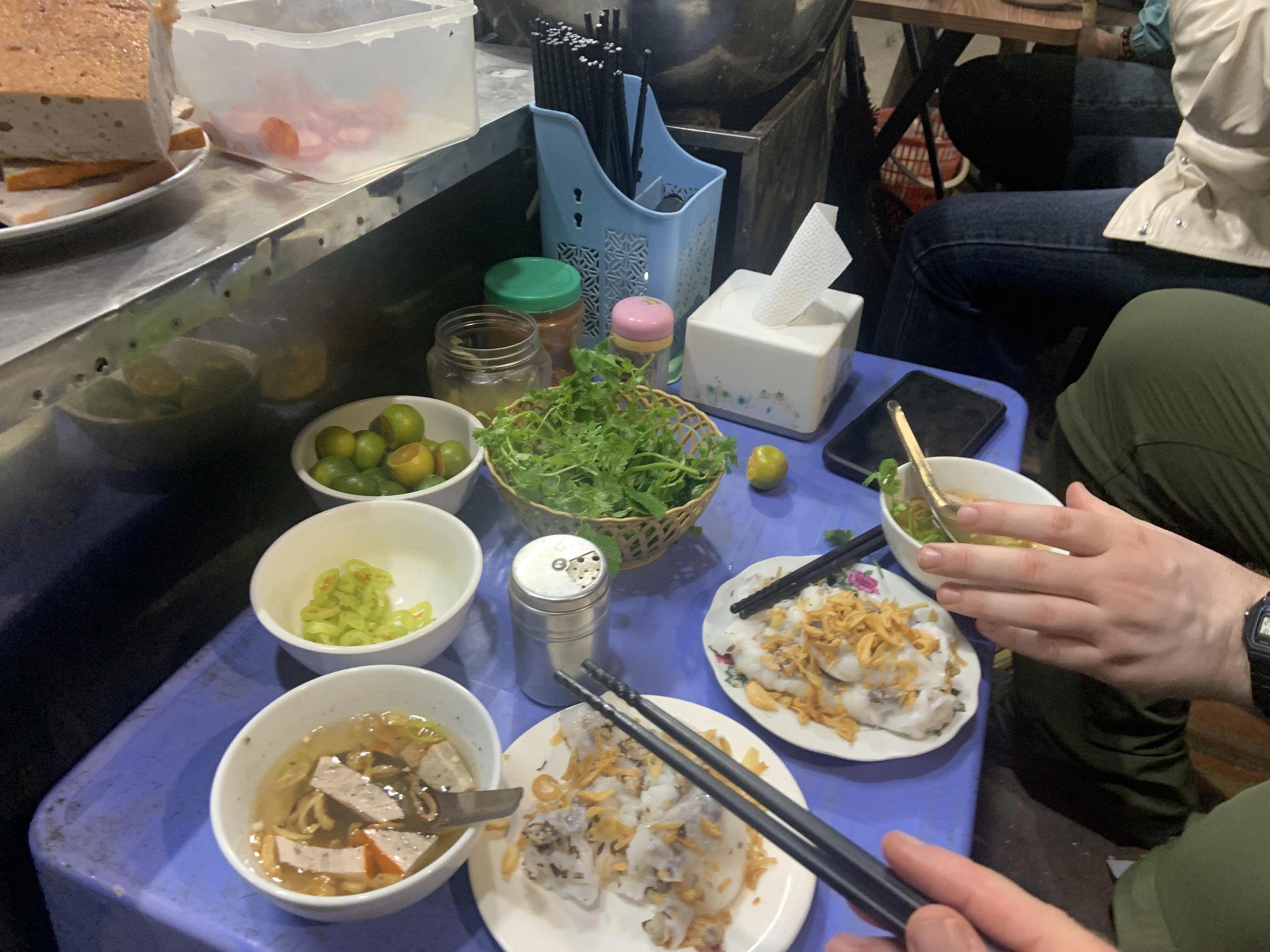
Among Hanoi's street-level bánh cuốn counters, Kim Thoa on Hàm Tử Quan operates at the stripped-back end of the spectrum: low plastic stools, steamer heat, and rice sheets pulled fresh from the cloth. The address sits in Phúc Tân, a riverside quarter that keeps its distance from the Old Quarter's tourist circuit, placing it squarely in the category of neighbourhood institution over tourist destination.

Pearl is the En Primeur Club membership app — saves, bookings, and concierge access live there. Same editors, same standards.
- Address
- Bánh Cuốn Nóng, 49 Hàm Tử Quan, Phúc Tân, Hoàn Kiếm, Hà Nội, Vietnam
- Phone
- +84 943 959 562
- Hours
- Daily 5–11:30 PM
- Directions
- Get directions
The menu
What to order
- Bánh Cuốn
A Riverside Quarter Built Around the Steam
The streets that run between Hoàn Kiếm Lake and the Red River embankment have a different tempo from the Old Quarter two kilometres northwest. Phúc Tân, the ward where Hàm Tử Quan cuts through, is a working residential district: motorbike repair stalls, produce vendors, and a handful of long-running food addresses that draw locals rather than guesthouse crowds. It is in this context that bánh cuốn — rice sheets steamed over stretched cloth, filled with minced pork and wood-ear mushroom, finished with fried shallots and a shallow bowl of nuoc cham — functions not as a heritage performance but as a daily meal. Bánh Cuốn Nóng Kim Thoa at number 49 sits inside that pattern rather than outside it.
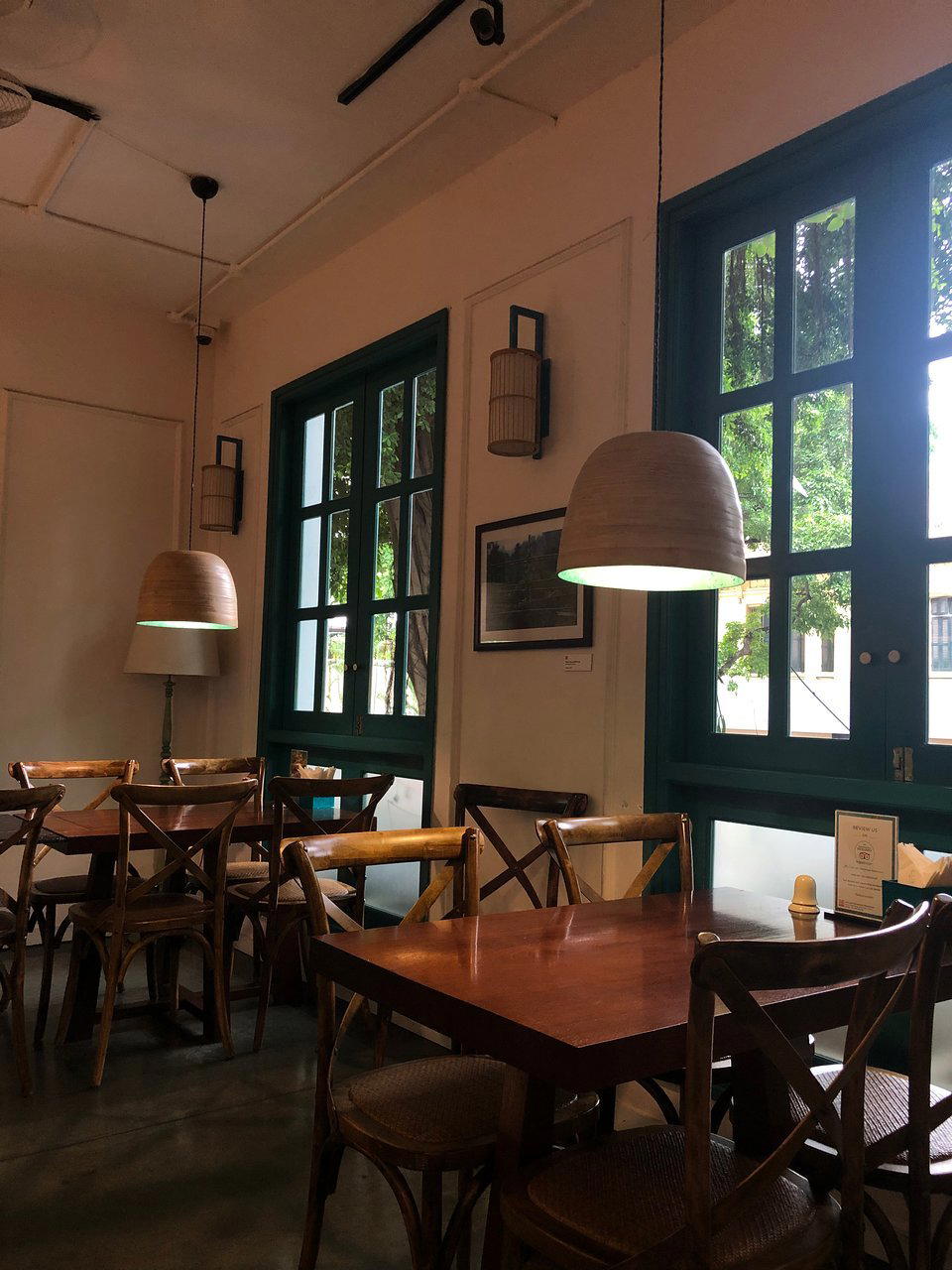
The physical setup follows the format that defines this dish across northern Vietnam: a stall-width frontage, a steaming station positioned where passing pedestrians can watch the sheets being peeled and rolled in real time, and seating arranged on the pavement or just inside the ground floor. There is no designed interior in any architectural sense. The container is functional, plastic furniture, condensation on every surface from the steam, a narrow space that requires customers to arrive, eat, and move on. That compression is not a shortcoming; it is the structural logic of this eating format, and Kim Thoa operates within it without apology.
Where Bánh Cuốn Sits in Hanoi's Eating Register
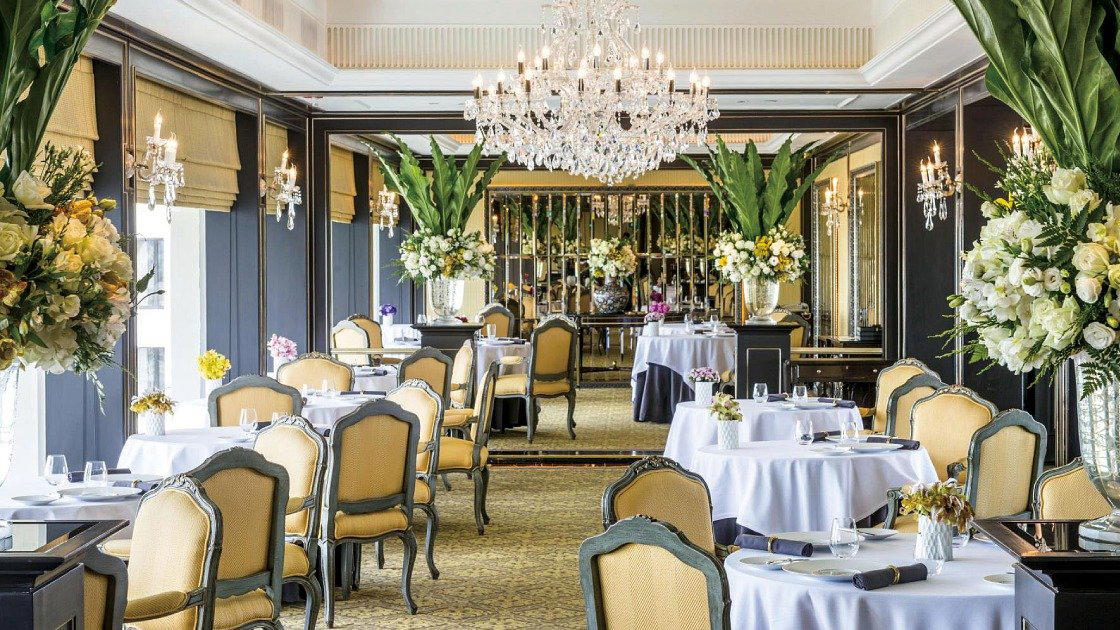
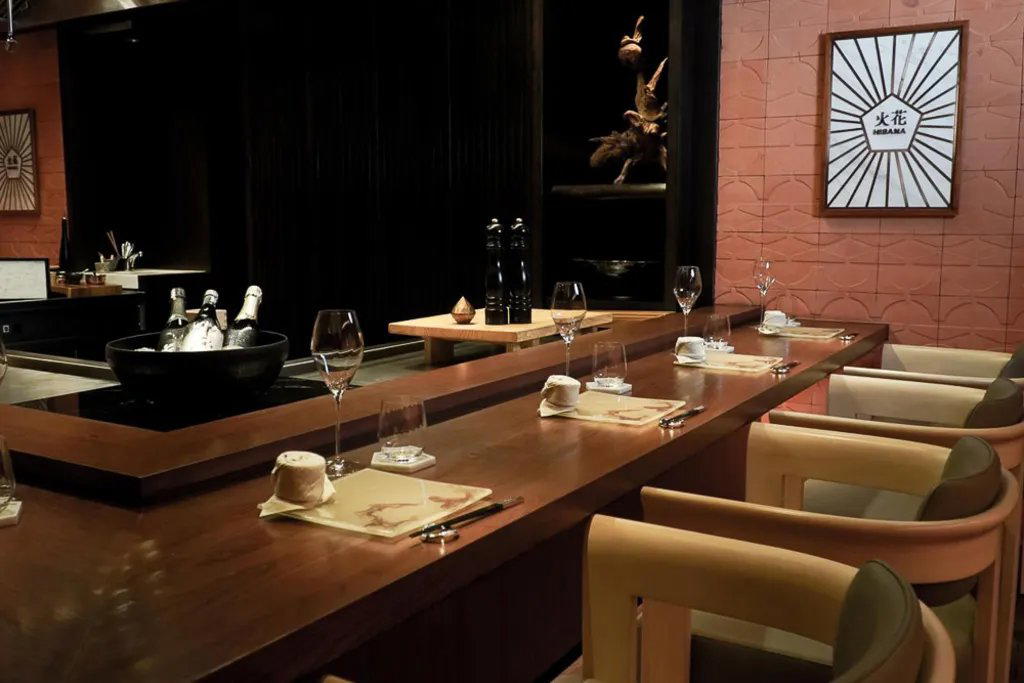
Hanoi's food scene runs across a wider price and format spread than most cities its size. At the upper end, addresses like Gia (Vietnamese Contemporary) and Hibana by Koki (Teppanyaki) operate at the ₫₫₫₫ tier, with multi-course formats and wine lists. The mid-range Vietnamese category, represented by places like Tầm Vị (Vietnamese) at ₫₫, covers sit-down meals with broader menus and table service. Then there is the street-counter tier, where a single dish, mastered over years of repetition, justifies the address. Bánh cuốn counters belong to this third category, and Kim Thoa operates within it. The comparison set is not restaurants but other bánh cuốn specialists in the city, judged by the fineness of the rice sheet, the ratio of filling to wrapper, the temperature of the broth, and the quality of the fried shallot.
Northern Vietnamese street food has always operated on this single-dish logic. A vendor who has made the same dish for decades develops a precision that broader menus cannot replicate. The rice flour batter ratio, the tension of the cloth over the steamer, the exact moment to lift the sheet, these are the technical variables that differentiate one bánh cuốn counter from another, and they are invisible to anyone who hasn't eaten the dish across enough addresses to build a reference point. For visitors arriving from outside Vietnam, the gap between a technically good bánh cuốn and a mediocre one can be hard to read; for Hanoi residents, it is immediately apparent.
Across Vietnam, regional variations in this dish are significant. The southern versions tend to be served at room temperature with a different dipping sauce profile. The northern Hanoi standard, nóng, meaning hot, is literally in Kim Thoa's name, prioritises the sheet arriving at the table still steaming, with the filling warm and the broth sharp. That temperature specificity is an editorial point about northern food culture rather than a marketing claim: Hanoians treat the thermal state of their food with the same precision that wine culture applies to serving temperature.
The Neighbourhood as Context
Phúc Tân's position along the Red River bank gives it a geography distinct from Hanoi's more-visited quarters. The 19 P. Ngũ Xã address and the 1946 Cua Bac (Vietnamese) operation both sit in different sub-districts of Hoàn Kiếm, illustrating how varied the borough is at street level despite its administrative unity. Hàm Tử Quan itself runs close to the river, in a section of the city that sees relatively few international visitors making deliberate detours. That geography is relevant to how Kim Thoa functions: it is not sustained by tourist foot traffic but by the daily rhythms of the surrounding neighbourhood, which is the most reliable indicator of a food address worth tracking.
For those building a broader picture of Vietnamese dining across the country, the regional spread is considerable. La Maison 1888 in Da Nang and Saffron in Hue City represent the formal end of central Vietnamese dining, while Cargo Club Cafe and Restaurant in Hoi An and Akuna in Ho Chi Minh City address different registers further south. The street-counter format that Kim Thoa occupies has no direct equivalent in the formal dining tier, which is precisely why it reads as a separate category rather than a lower rung of the same ladder. Further north, Le Pont Club in Hai Phong and Phuong Nhung Restaurant in Cat Hai anchor the coastal end of northern Vietnamese dining, while Mi Quang Ba Vi in Thanh Khe, Bau Troi Do in Son Tra, Duyên Anh Restaurant in Phu Vang, and Nhà hàng Madame Lân in Hai Chau each map a different district's food character. The full spread is worth holding in mind when calibrating expectations for what a Hanoi street counter is and is not attempting to do. For context beyond Vietnam, the single-dish mastery model has parallels in institutions as different as Le Bernardin in New York City, where seafood focus defines a kitchen's identity, and community-format dining like Lazy Bear in San Francisco, though the price registers sit worlds apart.
Planning a Visit
The address is 49 Hàm Tử Quan, in the Phúc Tân ward of Hoàn Kiếm district. Early morning arrival is the standard approach for this category of address, and the practical advice that applies across Hanoi's street food tier applies here: arrive before 9am to avoid the mid-morning queue, bring small-denomination dong, and expect a compact physical setup with shared or pavement seating. Our full Hanoi restaurants guide covers the broader range of the city's eating options, from street-counter tier through to fine dining, for those building a multi-day programme.
Frequently asked questions
What's the address for Bánh Cuốn Nóng Kim Thoa?
Bánh Cuốn Nóng Kim Thoa is located at Bánh Cuốn Nóng, 49 Hàm Tử Quan, Phúc Tân, Hoàn Kiếm, Hà Nội, Vietnam, Hanoi.
Where exactly is Bánh Cuốn Nóng Kim Thoa, and how does its location affect the experience?
The address is 49 Hàm Tử Quan, in the Phúc Tân ward of Hoàn Kiếm district, Hanoi — positioned between the southern edge of the Old Quarter and the Red River embankment. That geography matters: Phúc Tân draws a primarily local crowd rather than tourist foot traffic, which shapes the pace and format of service. Eating here places you inside a working neighbourhood routine, not a heritage-tourism circuit.
What dish is Bánh Cuốn Nóng Kim Thoa famous for?
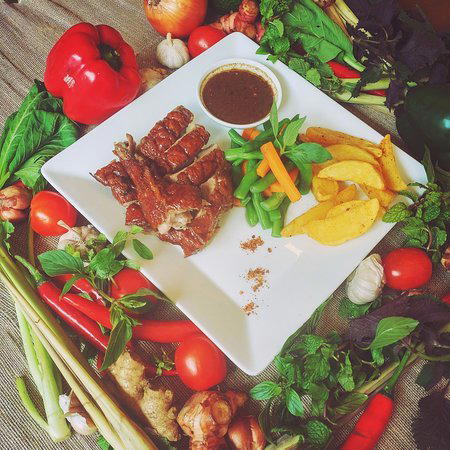
The focus is bánh cuốn — thin, freshly steamed rice flour sheets filled with seasoned pork mince and wood ear mushroom, served with chả lụa (Vietnamese pork sausage) and nuoc cham dipping sauce. The 'Nóng' in the name signals the key point: sheets are pulled directly from the steamer to order, not pre-made and reheated. At 49 Hàm Tử Quan in Phúc Tân, that live-steaming process defines the format.
Can I walk in to Bánh Cuốn Nóng Kim Thoa?
Yes. Arrive early — bánh cuốn shops in this neighbourhood typically run from morning through mid-afternoon, and sell out rather than stay open.
What is Bánh Cuốn Nóng Kim Thoa known for?
Kim Thoa is known as a long-standing address for freshly steamed bánh cuốn in the Phúc Tân quarter of Hoàn Kiếm district, a riverside neighbourhood with a slower rhythm than Hanoi's Old Quarter two kilometres to the northwest. The venue sits at 49 Hàm Tử Quan, and its reputation rests on process: rice sheets made to order rather than in advance.
Is Bánh Cuốn Nóng Kim Thoa good for vegetarians?
Standard bánh cuốn contains pork mince filling and is served with pork sausage, so the default menu at 49 Hàm Tử Quan is not vegetarian-friendly.
The Quick Read
Comparable venues nearby, for context on price, style, and recognition.
| Venue | Cuisine | Price | Notes |
|---|---|---|---|
| Bánh Cuốn Nóng Kim ThoaThis venue — the venue you are viewing | Northern Vietnamese Bánh Cuốn | $1–10 | Not listed |
| Phở Bò Gà | Hanoi Pho Bo & Pho Ga | $1–10 | Cau Giay, Hanoi Pho Bo & Pho Ga |
| Bun Cha Dac Kim | Traditional Hanoi Bun Cha | $1–10 | Hoan Kiem, Traditional Hanoi Bun Cha |
| Phở 10 Lý Quốc Sư | Hoan Kiem, Authentic Hanoi Beef Phở | Not listed | Not listed |
| Bia Hải Xồm | Hanoi Bia Hoi with Vietnamese Snacks | $1–10 | Ba Dinh, Hanoi Bia Hoi with Vietnamese Snacks |
| New Day Restaurant | Authentic Northern Vietnamese Home Cooking | $1–10 | Hoan Kiem, Authentic Northern Vietnamese Home Cooking |
Details
- Rustic
- Cozy
- Casual Hangout
- Open Kitchen
- Street Scene
- A La Carte
Current opening hours
- Monday
- 5–11:30 PM
- Tuesday
- 5–11:30 PM
- Wednesday
- 5–11:30 PM
- Thursday
- 5–11:30 PM
- Friday
- 5–11:30 PM
- Saturday
- 5–11:30 PM
- Sunday
- 5–11:30 PM
Hours can change for holidays and private events. Last verified .
Functional street stall with low plastic stools, steamer heat, condensation on surfaces, and pavement seating in a no-frills, authentic neighborhood setting.