Tucked into one of Mã Mây's narrow alleys in Hanoi's Old Quarter, Nola Cafe & Bar occupies a slice of the neighbourhood where French-colonial street grids meet the compressed sociability of bia hơi culture. The address alone positions it inside one of the city's most concentrated drinking and dining corridors, where the competition is dense and the bar for atmosphere is set by the street itself.

Pearl is the En Primeur Club membership app — saves, bookings, and concierge access live there. Same editors, same standards.
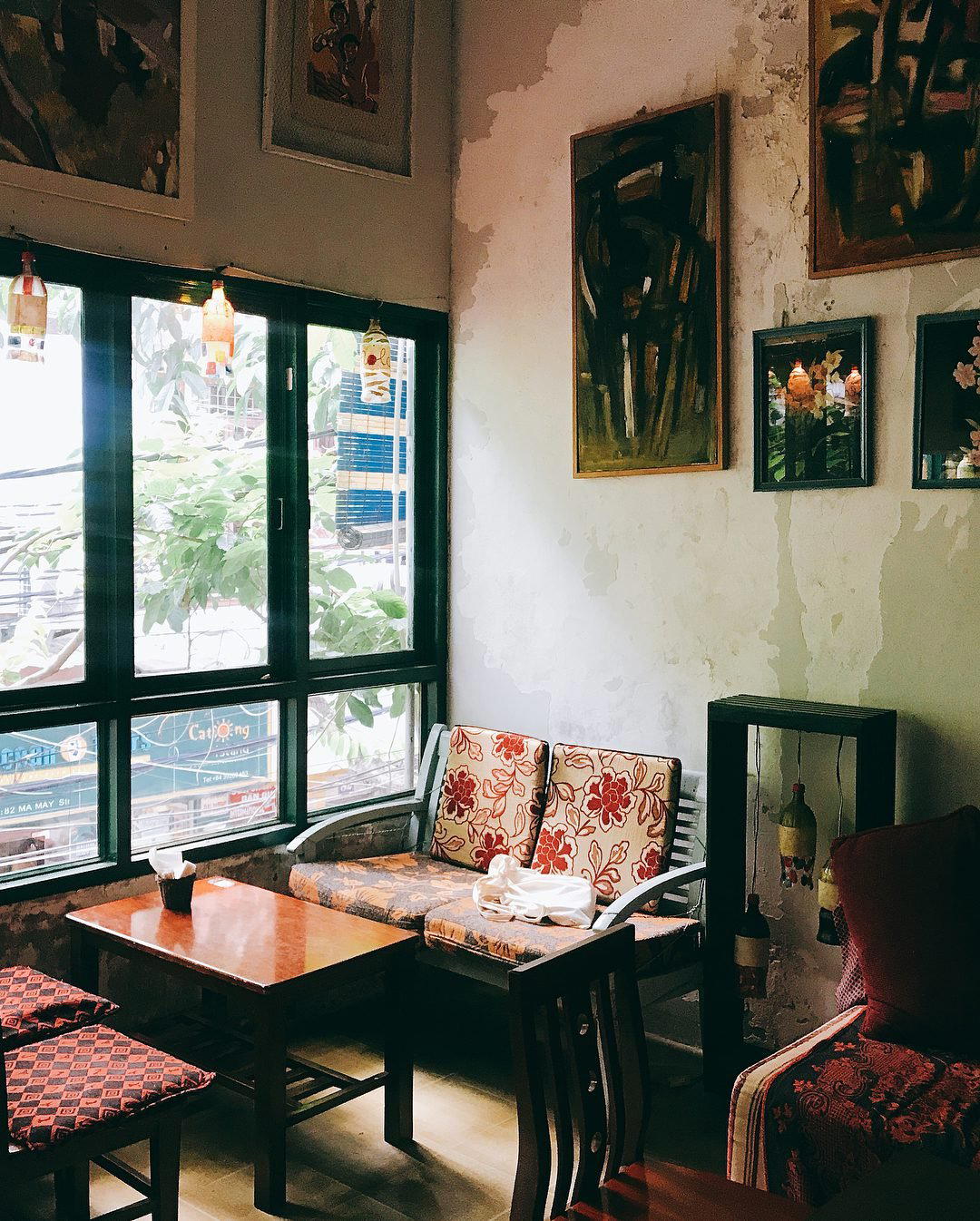
An Alley Address in the Old Quarter's Most Competitive Block
Mã Mây is one of the Old Quarter's better-documented streets for visitors who arrive with some homework done. The address runs through Hàng Buồm ward in Hoàn Kiếm district, a part of central Hanoi where the lane-and-alley network behind main thoroughfares has historically housed the kind of low-threshold, high-density socialising that defines the neighbourhood's character. Nola Cafe & Bar sits inside one of those alleys, which immediately signals something about the format: alley addresses in this part of the city are rarely volume operations. They tend toward compact footprints, limited seating, and a dependence on word-of-mouth rather than foot traffic.
That positioning matters when reading Hanoi's cafe-bar scene as a whole. The Old Quarter has bifurcated steadily over the past decade. On one side are the rooftop bars and tourist-facing beer corners of Tạ Hiện and Lương Ngọc Quyến; on the other, a smaller category of places that use alley addresses, reduced signage, and format discipline to attract a different kind of customer.
The Dynamics of a Small-Format Team
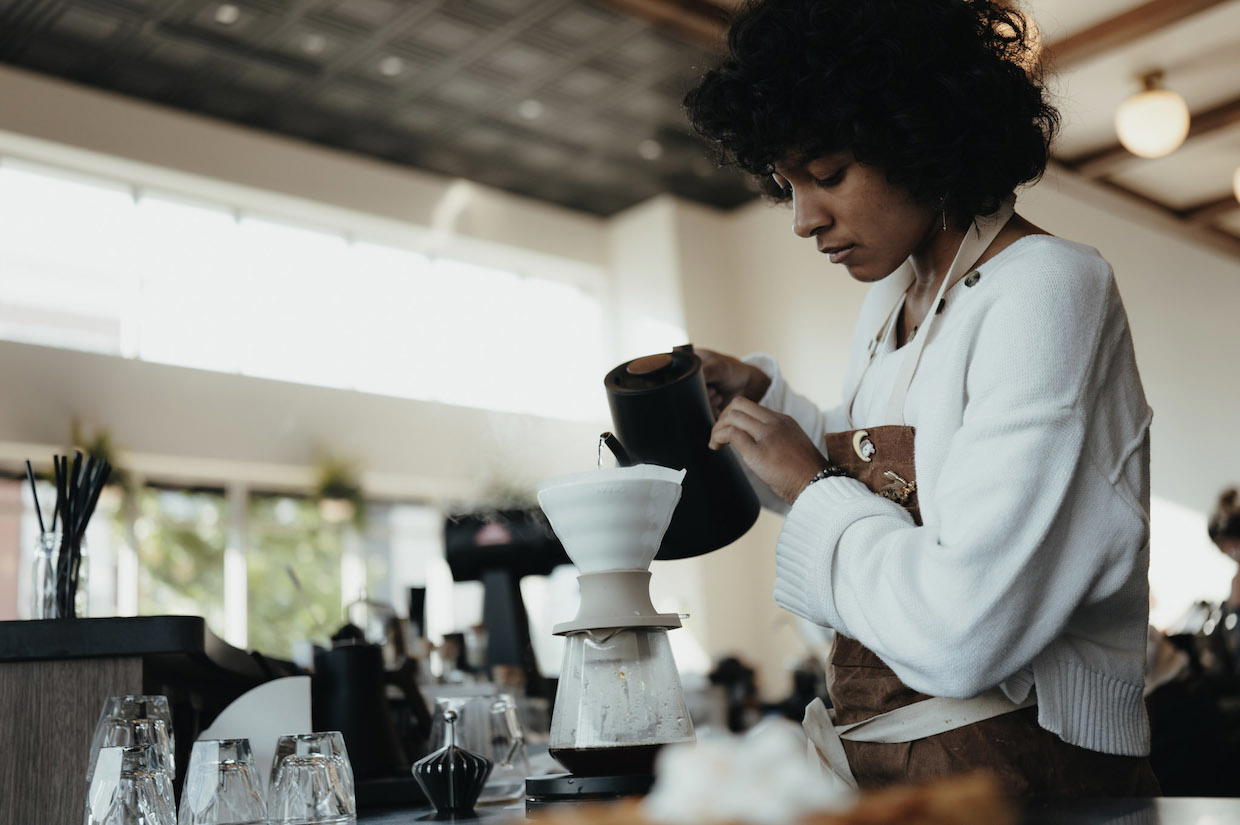
In Hanoi's more considered cafe-bar operations, the distinction between front-of-house warmth and drink-program depth tends to define the experience more than any single menu item. At venues like Nola, where the physical space limits capacity and the alley location self-selects a more deliberate clientele, the team dynamic becomes the product. There is no crowd noise to fill awkward silences, no rooftop view to compensate for a flat interaction. What the staff communicates, how they read the pace of service, and whether there is coherence between what the menu promises and what actually arrives at the table — these are the operational variables that determine whether a small-format venue earns repeat visits.
This pattern holds across the Old Quarter's better-regarded compact venues. The Haflington and The Hudson Rooms both operate within the understanding that intimacy creates obligation: when there are fewer tables, every interaction carries more weight. Workshop14, in its own way, demonstrates how a clearly defined program can carry a space that would otherwise rely on atmosphere alone. At Nola, the alley format enforces that same discipline.
Hanoi's Cafe-Bar Hybrid: Where the Category Lives
The cafe-bar format is not incidental in Hanoi. It reflects a deeper structural feature of how the city socialises. Vietnamese coffee culture and alcohol culture do not occupy separate time slots the way they might in European cities; the same space, the same table, and often the same customer moves between both across the course of a day. Venues that can hold both registers without feeling incoherent — neither too bright and earnest for evening drinking nor too dim and serious for morning coffee, occupy a useful middle position in the city's hospitality ecosystem.
This is a harder balance to strike than it appears. Many attempts at the format resolve into one mode or the other by mid-afternoon. The addresses that manage genuine ambiguity in function tend to do so through considered interior choices, flexible drink programs, and staff who are comfortable shifting tone. In the broader Vietnamese context, this kind of hybrid operation has found notable expression in Ho Chi Minh City as well; the approach to drinking culture there is documented in depth in our feature on Drinking & Healing in Ho Chi Minh City, which maps a related but distinct version of the same tension.
Reading Mã Mây's Alley Network
The specific address, 89 Mã Mây, in the alley, requires a small act of navigation that most Old Quarter visitors are not initially prepared for. Mã Mây's main frontage is legible enough, but the alleys that branch off it operate on a different spatial logic. Numbers do not always run sequentially, and the lane itself may not be visible from the street. This is not a flaw in the address; it is a feature of how the Old Quarter's street network evolved over centuries of commercial use, with main-street trade facing outward and residential or secondary trade tucked behind.
For visitors, the practical approach is to treat the address as a coordinate rather than a signpost. Allow additional time on a first visit, particularly in the evening when light levels in the lanes drop and the density of pedestrian traffic on the main street makes it easy to walk past the turning. The reward for the small navigational effort is a setting with considerably less ambient noise and foot traffic than the Tạ Hiện strip, which sits within easy walking distance and represents the other end of the Old Quarter's nightlife register.
Hanoi's wider bar and cafe scene extends well beyond the Old Quarter. For a mapped view of the city's drinking options by neighbourhood, our full Hanoi restaurants guide covers the range from Tây Hồ lakeside venues to the emerging clusters in the French Quarter. Beyond the capital, the northern Vietnam drinking circuit extends toward Genji Bar in Cam Pha, while the coast brings its own distinct character at Le Pont Club in Hai Phong and United Bar in Thanh Khe. Central Vietnam adds further range through the Hoi An Brewing Company Tap Room & Riverside Beer Garden and Le Rendez Vous French Restaurant Da Nang in Son Tra. For a point of comparison at the technically focused end of the international craft-cocktail spectrum, Bar Leather Apron in Honolulu sits at a different price tier and latitude but illustrates what format discipline looks like when fully resourced. Closer to Nola's neighbourhood, 12 P. Phúc Tân offers an instructive contrast in how Hanoi's Old Quarter-adjacent addresses are being used by a newer generation of operators.
Planning a Visit
Alley venues in this part of Hoàn Kiếm tend to run smaller guest counts, which means full houses happen earlier in the evening than they would at street-facing bars. Mid-week visits typically present fewer access issues than weekends, when the density of visitors in the Mã Mây corridor increases noticeably.
Budget and Context
Comparable venues nearby, for context on price, style, and recognition.
| Venue | Cuisine | Price | Notes |
|---|---|---|---|
| Nola Cafe & BarThis venue — the venue you are viewing | Hoan Kiem, lounge | $10–20 | Not listed |
| Artisan | Not listed | $10–20 | Long Bien, cocktail_bar |
| Tadioto | Not listed | $20–30 | Hoan Kiem, cocktail_bar |
| Hidden Gem Cafe Hanoi | Hoan Kiem, Bar | $1–10 | Not listed |
| Longer Than a Summer | Not listed | $20–30 | Hoan Kiem, cocktail_bar |
| Binh Minh Jazz Club | Hoan Kiem, lounge | $10–20 | Not listed |
Continue exploring
More in Hanoi
Bars in Hanoi
All bars in Hanoi →

Restaurants in Hanoi
All restaurants in Hanoi →
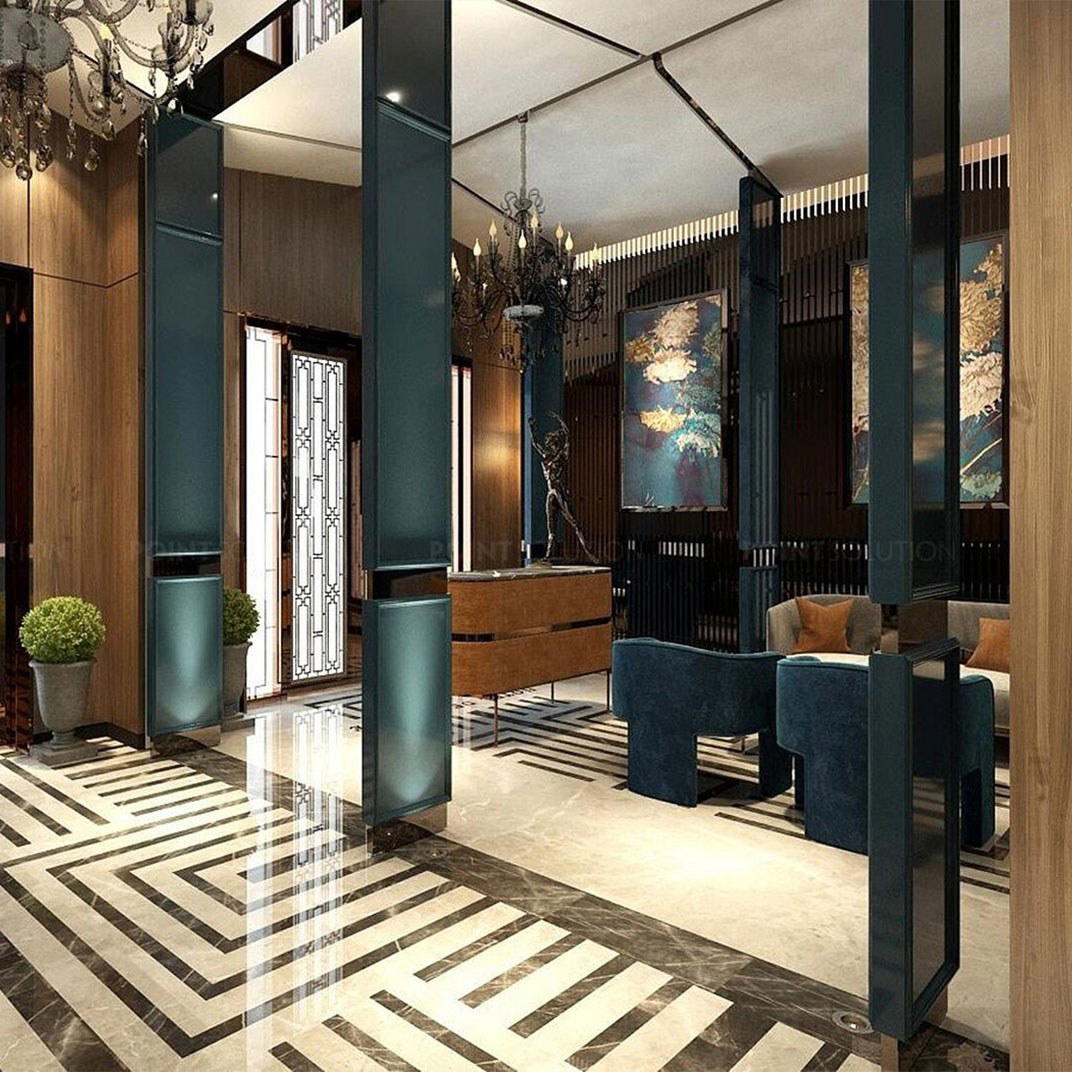
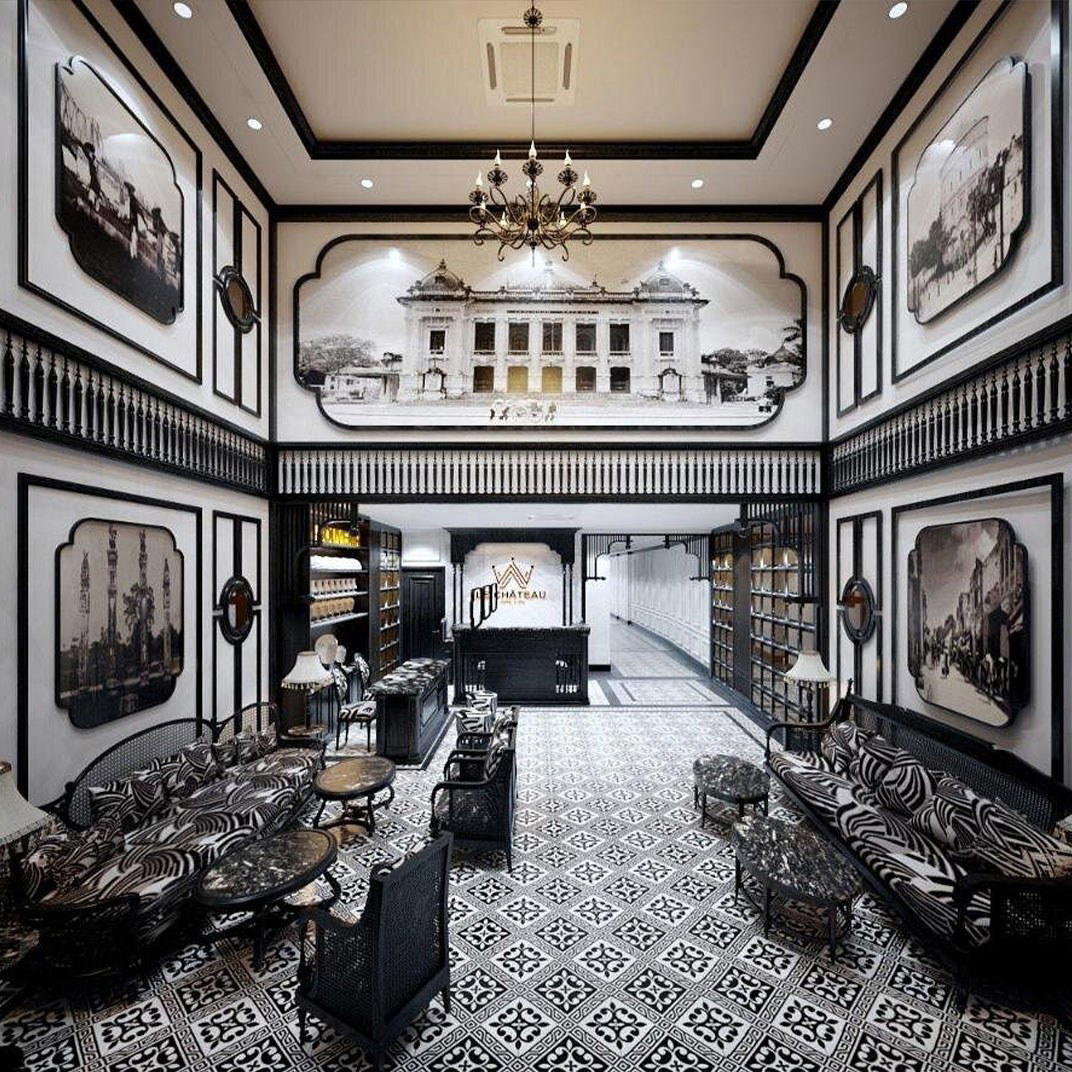
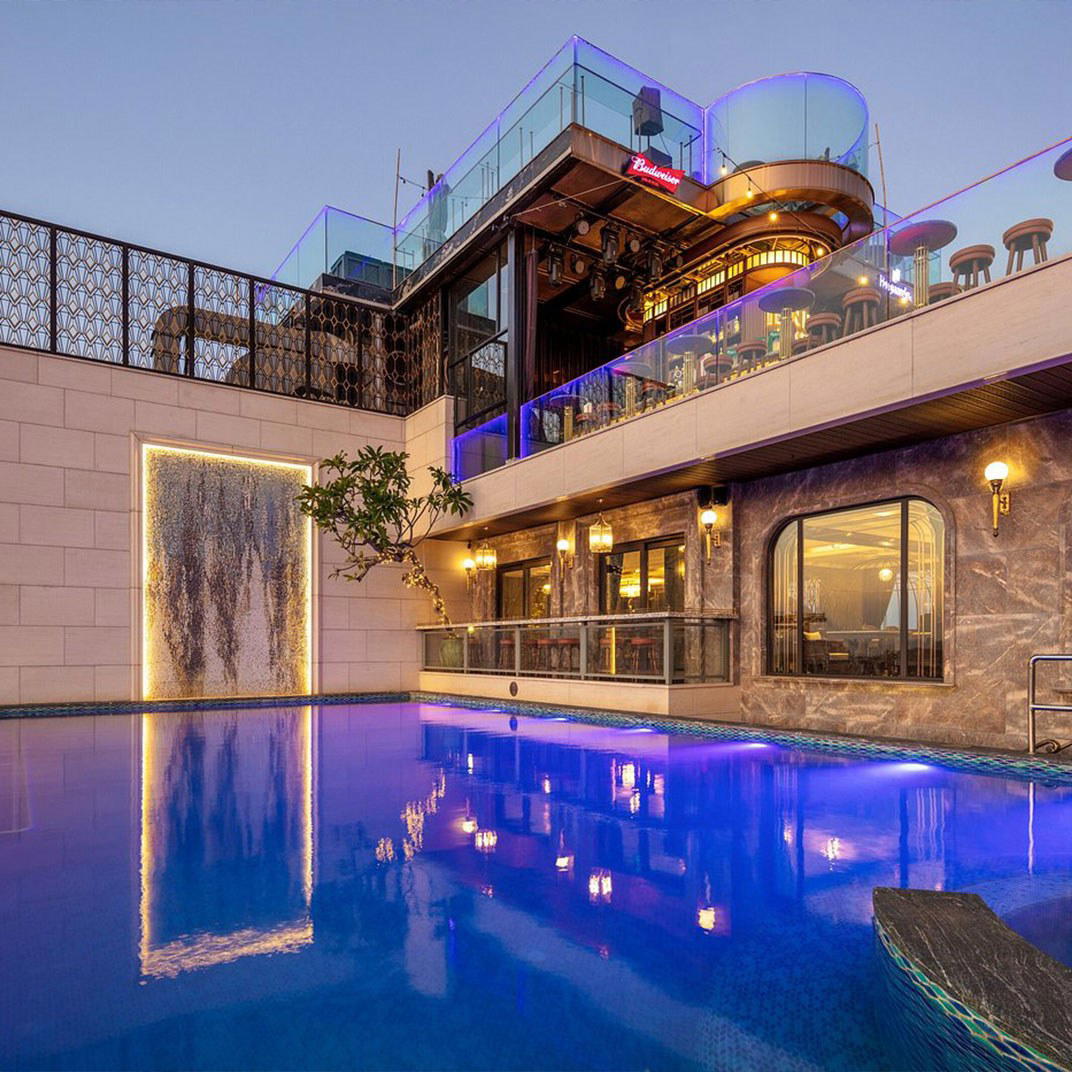
Nola Cafe & Bar
The drinks
- Classic cocktails
- Craft beer
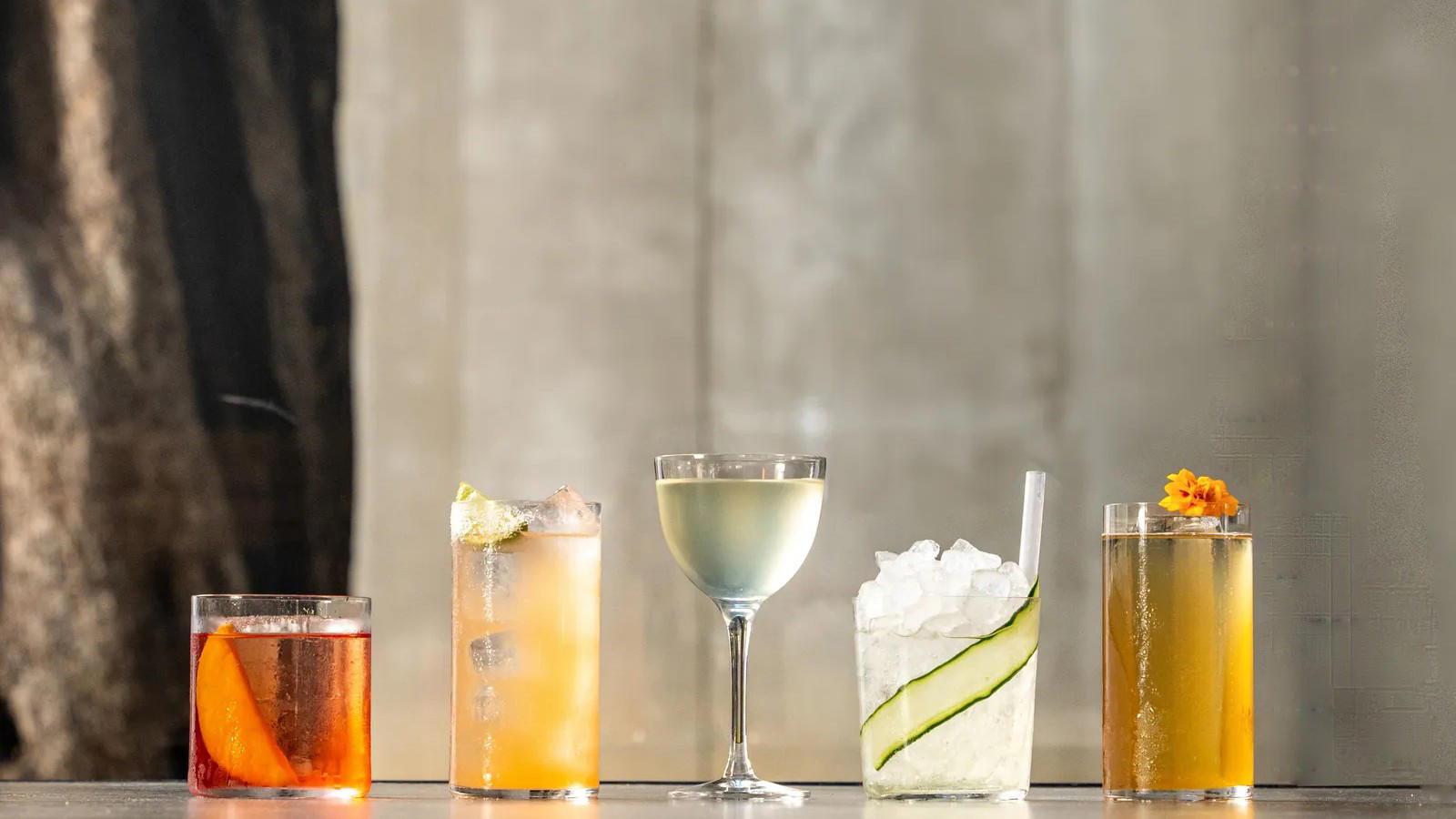
Signature drinks: Long Island Iced Tea, Cosmopolitan, Margarita.
Details
- Cozy
- Trendy
- Casual Hangout
- Date Night
- Lounge Seating
- Craft Beer
- Classic Cocktails
Current opening hours
- Monday
- 10 AM–11:30 PM
- Tuesday
- 10 AM–11:30 PM
- Wednesday
- 10 AM–11:30 PM
- Thursday
- 10 AM–11:30 PM
- Friday
- 10 AM–11:30 PM
- Saturday
- 10 AM–11:30 PM
- Sunday
- 10 AM–11:30 PM
Hours can change for holidays and private events. Last verified .
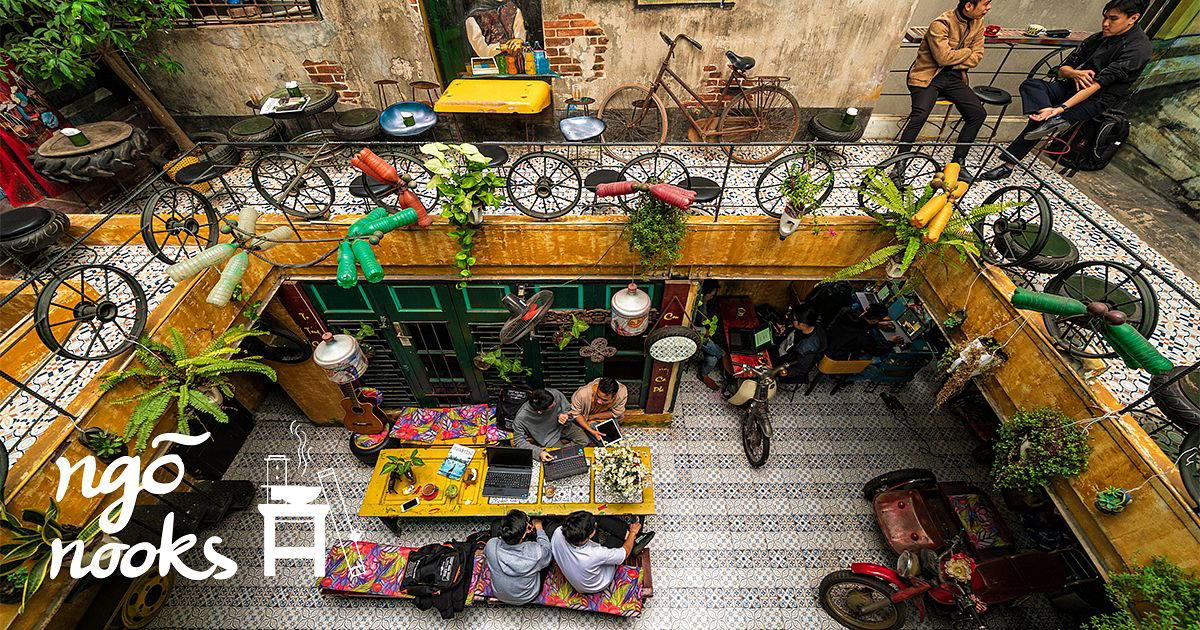
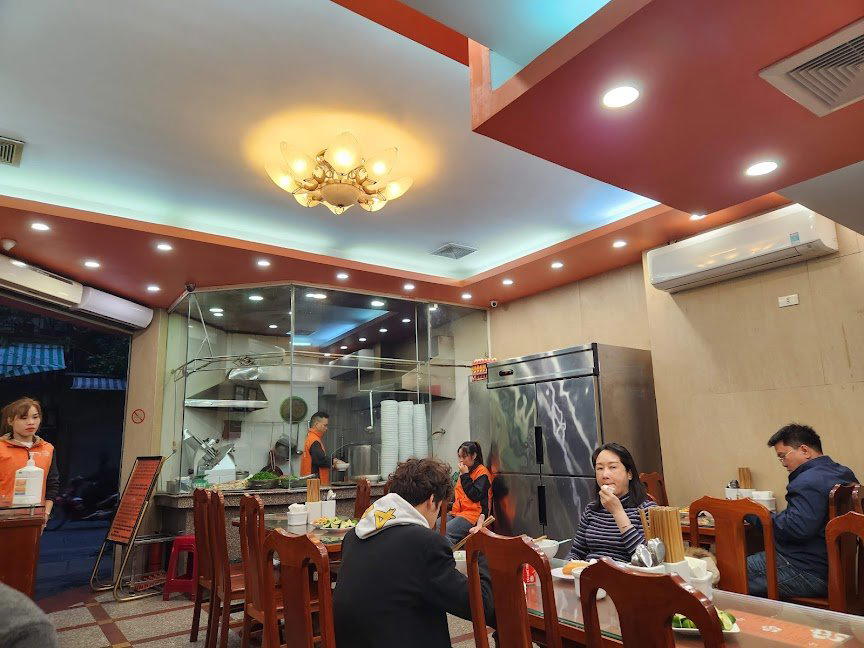
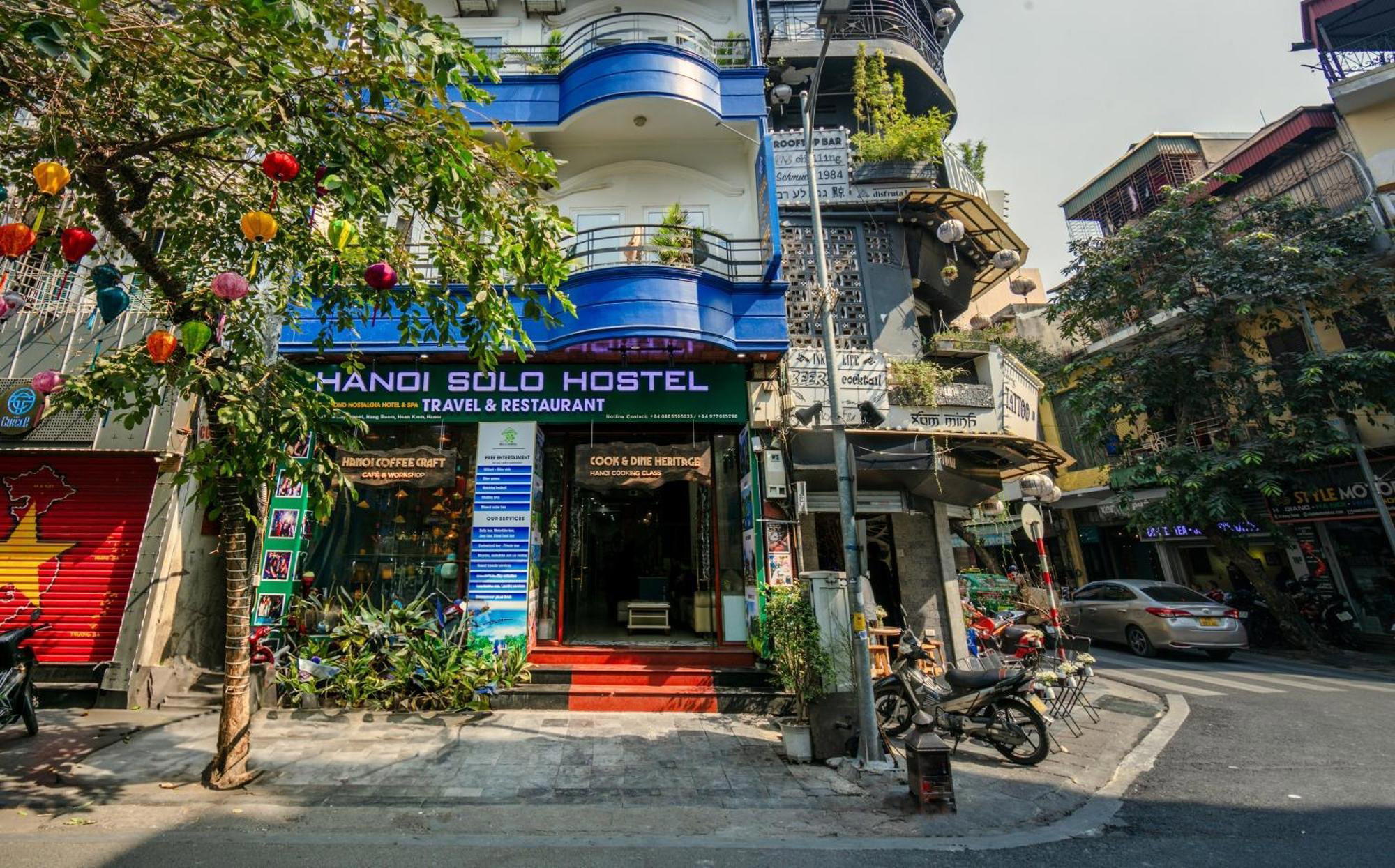
Cozy and inviting with colorful lamps, abundant greenery, art pieces, and multiple floors offering nooks for relaxation.