In Hanoi's Cầu Giấy district, Phở Bò Gà represents the everyday pho tradition that underpins the city's food culture, beef and chicken broths served without ceremony in a neighbourhood far from the tourist circuit. Where contemporary Vietnamese restaurants pursue tasting menus and imported technique, this address holds to a simpler register, positioning it closer to Tầm Vị than to the ₫₫₫₫ tier occupied by Gia or Hibana by Koki.
Pearl is the En Primeur Club membership app — saves, bookings, and concierge access live there. Same editors, same standards.
- Address
- 4 P. Trung Hòa, Trung Hoà, Cầu Giấy, Hà Nội, Vietnam
- Phone
- +84 387 389 006
- Directions
- Get directions
 Saves & bookings on Pearl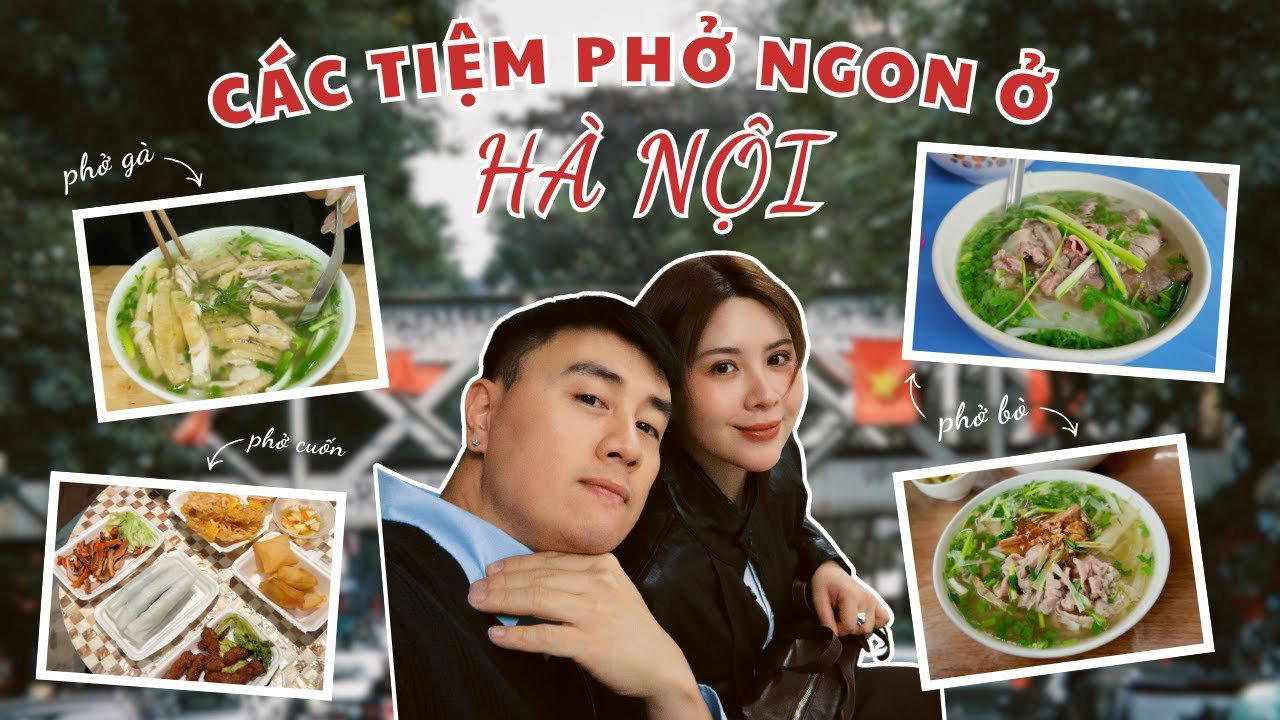
Pho in the Residential Quarter: What Cầu Giấy Tells You About Hanoi's Broth Culture
Hanoi's pho identity is not monolithic. The bowls served in the Old Quarter, tourist-facing, often photographed, occasionally overpriced, occupy a different register from those found in the city's residential west. Cầu Giấy district, where Phở Bò Gà sits at 4 P. Trung Hòa, is primarily a neighbourhood for Hanoians: university staff, office workers from the nearby tech corridor, and families who measure a pho shop not by its social media presence but by the consistency of its broth from one week to the next. That context matters. A bowl eaten here arrives without the performance layer that surrounds the same dish closer to Hoàn Kiếm Lake.
Pho as a category splits broadly into two traditions: the northern Hanoi style, which favours a cleaner, less sweet broth with minimal garnish, and the southern Ho Chi Minh City style, which tends toward a sweeter stock and a larger plate of fresh herbs and bean sprouts. Phở Bò Gà, the name translates directly as beef and chicken pho, positions itself squarely in the northern lineage. The dual protein offering, beef (bò) and chicken (gà), is a practical and traditional arrangement common in Hanoi's local shops, where both broth types are maintained side by side rather than treating one as an afterthought.
The Sustainability Argument Inside a Bowl of Broth
Pho's environmental profile is rarely discussed, but it deserves examination. The northern Vietnamese approach to broth-making is, by its structure, a low-waste practice. Bones, marrow, and secondary cuts that would be discarded or undervalued in many Western culinary traditions are here the foundation of the dish. A proper Hanoi beef broth requires hours of simmering with charred ginger and onion, aromatics that contribute flavour without generating significant waste, and the cut selection skews toward brisket, tendon, and flank rather than premium single-muscle portions.
This is not sustainability as a marketing position. It is sustainability as tradition: a cooking method developed under conditions of scarcity and refined over generations into something technically demanding and deeply flavoured. The same logic applies to the chicken side of the menu. Gà pho in Hanoi typically uses the whole bird, with the carcass contributing to the stock and the meat served as a component rather than a centrepiece. Across Vietnamese food culture more broadly, from Cargo Club Cafe & Restaurant in Hoi An to the street-level eateries of Thanh Khe, the tradition of whole-ingredient cooking predates the contemporary sustainability conversation by centuries.
Where premium-tier Hanoi restaurants like Gia (Vietnamese Contemporary) and Hibana by Koki apply fine-dining frameworks to local ingredients, a neighbourhood pho shop like Phở Bò Gà operates the original version of that ethos: nothing purchased that cannot be used, nothing served that was not earned through time and heat.
Locating Phở Bò Gà in Hanoi's Price and Style Spectrum
Hanoi's restaurant scene now covers a wider price range than it did a decade ago. At the upper end, ₫₫₫₫ venues like Gia and Hibana by Koki compete for an internationally mobile clientele. At the ₫₫ tier, Tầm Vị offers a mid-range Vietnamese experience with more deliberate curation. The restaurant sits below both, in the category of local, single-dish specialists where the economics are built around volume, consistency, and neighbourhood loyalty rather than covers or experience premiums.
That positioning is not a limitation, it is the category's logic. Well-regarded pho shops in Hanoi are not especially expensive ones. The shops that earn long-term reputations do so through broth consistency maintained across years, not through interior design or tasting menu ambition. 1946 Cua Bac and 19 P. Ngũ Xã represent comparable neighbourhood anchors in different parts of the city, each with its own loyal catchment. The restaurant's address in Trung Hòa places it within walking distance of a dense residential population rather than on a tourist circuit, which tends to self-select for repeat local custom.
The Broader Vietnamese Context
Understanding a Hanoi pho shop requires understanding pho's role in Vietnamese food culture as a structural category, not just a dish. Pho is a morning food in Hanoi, consumed before work, before school, sometimes before the city itself has fully woken. The rhythm of a pho shop is front-loaded: the broth has been cooking since before dawn, the shop peaks between 6am and 10am, and service in the afternoon, where it exists at all, often works through diminishing broth reserves. This is a different hospitality logic from the evening-restaurant model that dominates global fine dining.
Across Vietnam, regional pho variants carry distinct characteristics that reflect local ingredient access and palate preferences. The pho served in Hue, for example, carries influences from the city's imperial court cooking traditions, a register explored in venues like Saffron in Hue City. In Ho Chi Minh City, the southern pho style diverges significantly, as seen in the contemporary Vietnamese approaches taken by places like Akuna. Hanoi's northern style, which the restaurant represents, is more austere by comparison, fewer garnishes, cleaner broth, a preference for balance over sweetness.
For visitors moving through multiple Vietnamese cities, that regional contrast becomes part of reading the food culture. The Da Nang dining scene, anchored by formal venues like La Maison 1888, tells a different story from Hanoi's neighbourhood pho shops, and both are worth understanding on their own terms. Even further afield, the precision and sourcing rigour of venues like Le Bernardin in New York City or Lazy Bear in San Francisco reflect how single-mindedness about a culinary category, applied with consistency over time, builds a reputation that transcends price point.
Planning Your Visit
The restaurant is located at 4 P. Trung Hòa in the Trung Hoà ward of Cầu Giấy district, on Hanoi's western side. The address is outside the central tourist zones, which means arriving by taxi or ride-share app (Grab operates widely in Hanoi) is the practical approach for visitors not already based in the neighbourhood. Arriving during a morning window, before 10am, reflects the operating logic of this style of shop and reduces the risk of finding the broth depleted. No booking infrastructure exists for pho shops at this level; walk-in is the standard.
Compact Comparison
Comparable venues nearby, for context on price, style, and recognition.
| Venue | Cuisine | Price | Notes |
|---|---|---|---|
| Phở Bò GàThis venue — the venue you are viewing | Cau Giay, Hanoi Pho Bo & Pho Ga | $ | Not listed |
| Cafe Giang | Not listed | $ | Old Quarter, Hoan Kiem District, Vietnamese Egg Coffee & Traditional Coffee |
| Streetside Dining | Hoan Kiem, Vietnamese Street Food | $$ | Not listed |
| P. Lý Văn Phức | Not listed | $ | Ba Dinh, Vietnamese Grilled Chicken Street Food |
| Bánh Mỳ Phố Huế | Hai Ba Trung, Traditional Hanoi Banh Mi | $ | Not listed |
| Bun Cha Dac Kim | Hoan Kiem, Traditional Hanoi Bun Cha | $ | Not listed |


At a Glance
- Rustic
- Casual Hangout
Current opening hours
- Monday
- 6–9:30 AM
- Tuesday
- 6–9:30 AM
- Wednesday
- 6–9:30 AM
- Thursday
- 6–9:30 AM
- Friday
- 6–9:30 AM
- Saturday
- 6–9:30 AM
- Sunday
- 6–9:30 AM
Hours can change for holidays and private events. Last verified .