ì ë¡ë² ì´ì¤
A refined spot blending seasonal picks and style
 Discover on Pearl
Pearl is the En Primeur Club membership app — saves, bookings, and concierge access live there. Same editors, same standards.
- Address
- South Korea, Busan, Suyeong-gu, Millak-ro 33beon-gil, 17 202 í¸
- Phone
- +827088030318
- Website
- catchtable.net
A Corner of Suyeong-gu That Regulars Rarely Mention Out Loud
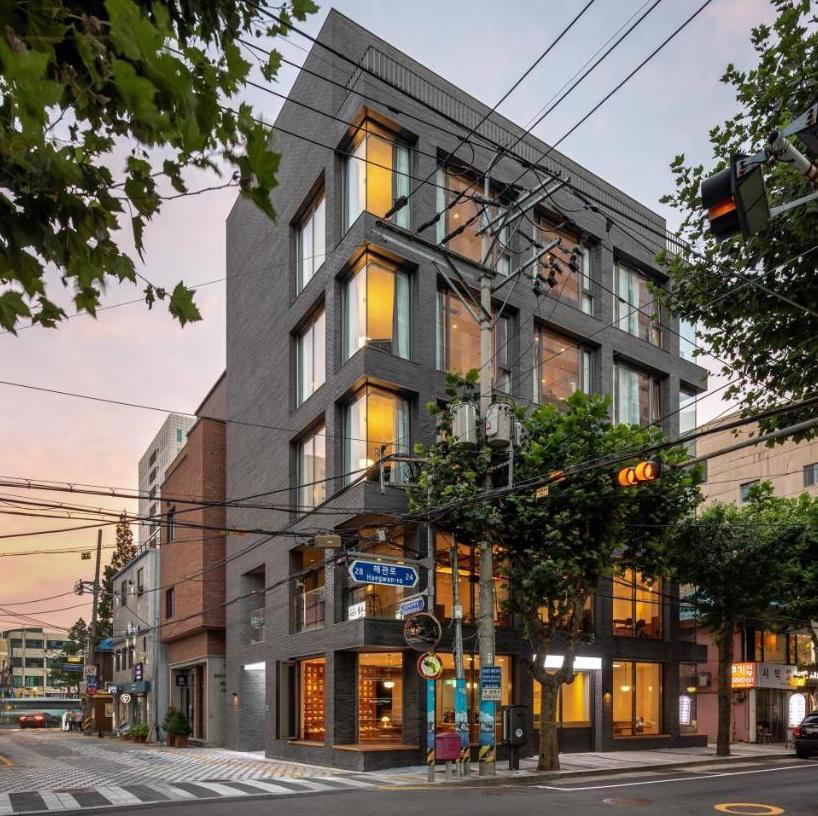
Along Millak-ro in Busan's Suyeong-gu district, the dining scene operates at a quieter register than the tourist-facing corridors of Haeundae or the night markets of Jagalchi. This is a neighbourhood where the restaurants that matter most are the ones that survive on repeat custom rather than foot traffic. 일 로버이스 sits on this stretch, in a second-floor address at 17 Millak-ro 33beon-gil, and the kind of clientele it draws reflects exactly that local logic.
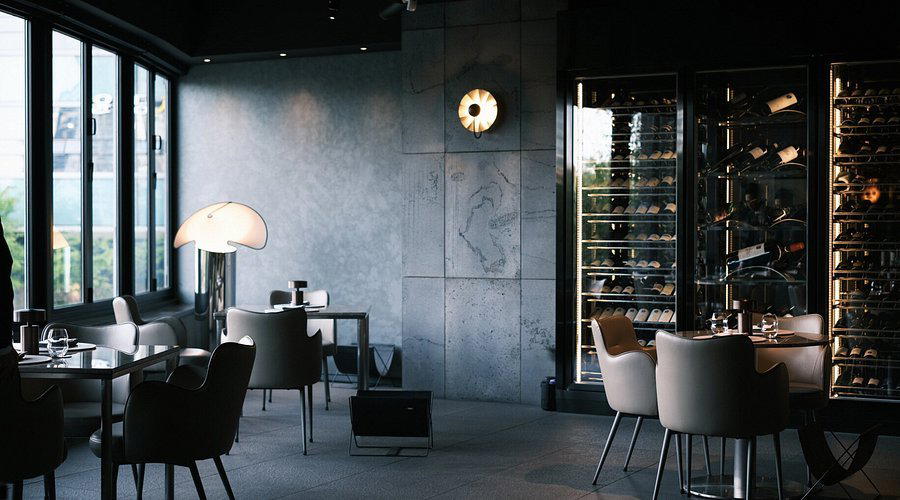
Second-floor restaurants in Korean cities carry their own grammar. The climb creates a small threshold, a mild act of intention that filters out the casual and rewards the deliberate. Regulars know the way in; first-timers often walk past. That spatial dynamic, common to certain neighbourhood dining rooms across Busan's residential quarters, tends to shape the atmosphere inside: quieter, more settled, with tables that linger rather than turn.
What Keeps the Regulars Returning
In a city where dining loyalty is hard-won, the venues that accumulate a steady local following tend to share a few characteristics: consistency of execution, a room that feels like it belongs to its neighbourhood rather than performing for outsiders, and a host relationship that acknowledges the returning face. These are the unwritten contracts that sustain places like 일 로버이스 in Suyeong-gu, where the surrounding community of Millak-dong has enough dining options that indifference is punished quickly.
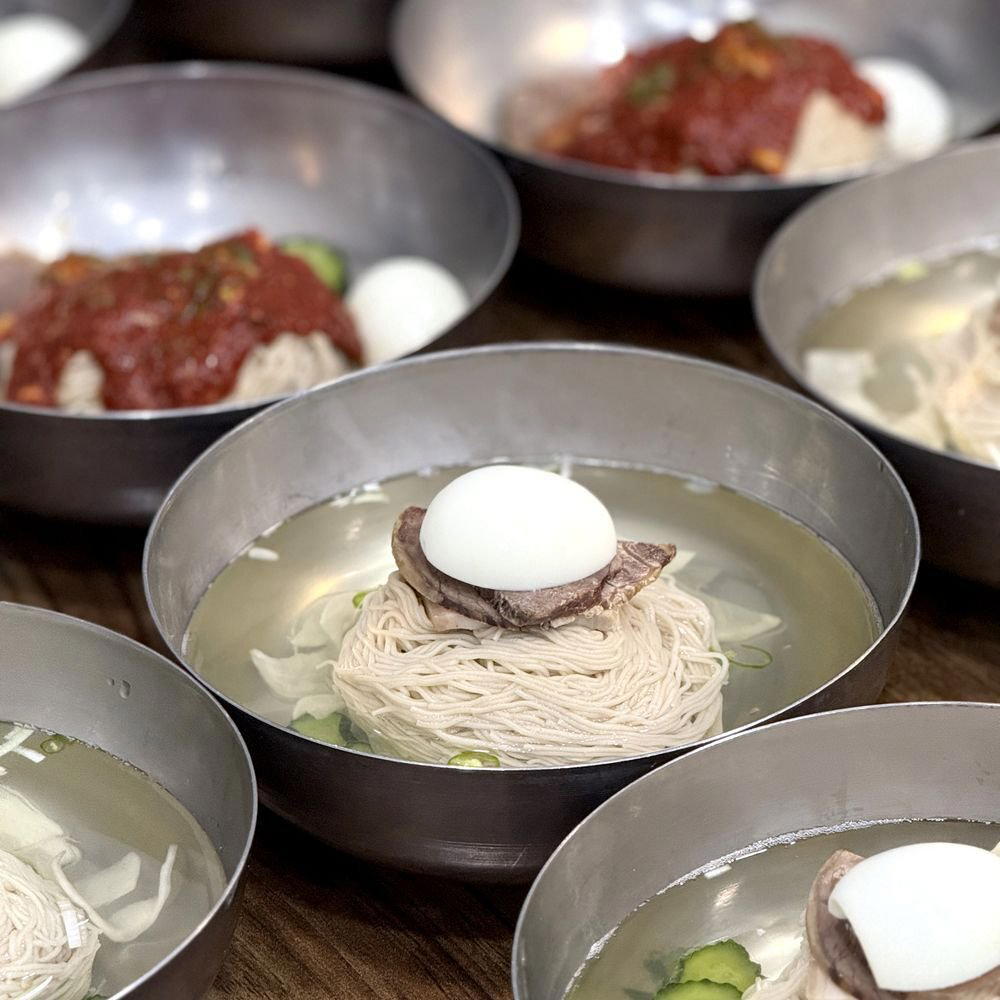
Busan's dining scene has matured considerably over the past decade. At the upper end, contemporary Korean cooking has developed a self-confidence it once borrowed from Seoul, with places like Palate and Mori occupying the ₩₩ to ₩₩₩ bracket and drawing comparisons to the kind of precision-driven restaurant culture you find at Atomix in New York. At the other end, the city's pork broth and cold noodle traditions remain fiercely local, anchored by institutions like 100.1.Pyeongnaeng and 1969 Buwondong Kalguksu. Between those poles sits a stratum of neighbourhood dining rooms that neither court critical attention nor rely on heritage branding. These are places defined by their regulars.
What distinguishes a regulars' restaurant from a merely reliable one is the accumulation of small institutional knowledge: which table has the better light, when to arrive to avoid the wait, which items the kitchen does on certain days but not others. That kind of knowledge accretes only through repetition, and its existence signals something meaningful about a restaurant's consistency and its relationship with the people around it.
The Broader Suyeong-gu Context
Suyeong-gu is not the part of Busan that most first-time visitors prioritise, and that neglect has arguably preserved the neighbourhood's dining character. The district runs from the Suyeong River east toward the coast, with Gwangalli Beach providing a backdrop that is less developed than Haeundae while remaining genuinely scenic. The local dining scene reflects a mixed demographic: working residents, younger creative professionals who have moved in as rents in Haeundae climbed, and an older population with established loyalties to specific counters and tables.
This demographic mix produces a dining culture that values substance over spectacle. The restaurants that thrive here tend not to chase the kind of social-media visibility that drives queues at Haeundae's waterfront spots. Instead, they build their business on the kind of trust that accumulates slowly. For the visitor willing to move beyond Busan's most-publicised dining corridors, Suyeong-gu offers a more honest reading of how the city actually eats, in a way that complements rather than duplicates what you find at Born and Bred or the broader sweep of destinations covered in our full Busan restaurants guide.
Korean neighbourhood dining has a useful parallel in the broader regional picture. The way Suyeong-gu restaurants build loyalty through consistency and place-specificity is recognisable across South Korea's second cities. You see a version of it in Jeju, where spots like Badang Lounge and 88돼지 have cultivated their own distinct returning clientele, or in Suwon at places like Doosoogobang and Gobojeong Galbi #1. The pattern recurs because it works: when a city has enough dining density, the places that survive long-term are the ones that make individual guests feel known.
Placing This Within the Larger Dining Scene
For the reader mapping Busan's dining scene from the outside, 일 로버이스 sits in a category that requires a slightly different approach than booking a table at a destination restaurant. The venue is a casual, walk-in-friendly Korean restaurant.
Comparison with Seoul's more internationally documented restaurants is instructive here. At the top of Korean fine dining, restaurants like Mingles in Seoul operate with the full apparatus of international recognition, press coverage, and booking systems engineered for global demand. The equivalent apparatus at a Suyeong-gu neighbourhood restaurant would be counterproductive, signalling the wrong things to the community that actually sustains it. The same logic applies across the country's regional dining fabric: at certain Gyeongju institutions, or at Gyeongju Wonjo Kongguk, the absence of an online booking trail reflects a different kind of legitimacy, not a deficit.
For visitors, arriving in person is the simplest approach. The neighbourhood's proximity to Gwangalli means there is plenty of context nearby if the first attempt doesn't result in a table. Within Busan's dining ecology, this kind of venue operates on local time, not tourist time, and that is precisely the point.
The Dining Room (다이닝룸) and Hinode (히노데) represent adjacent reference points for the kind of venue that operates in this register across the Busan metropolitan area, each with its own neighbourhood logic and its own circle of returning guests. And for those pursuing the coastline further south, Black Pork BBQ in Seogwipo or the technical precision of Le Bernardin in New York occupy different points on the same spectrum of places that know exactly who they are cooking for.
Planning Your Visit
일 로버이스 is located at 17 Millak-ro 33beon-gil, unit 202, in Suyeong-gu. The address places it within walking distance of the Gwangalli area and is accessible from Suyeong station on Busan Metro Line 2. The most practical approach for visitors is to arrive directly.
Category Peers
Comparable venues nearby, for context on price, style, and recognition.
| Venue | Cuisine | Price | Awards | Notes |
|---|---|---|---|---|
| ì ë¡ë² ì´ì¤This venue — the venue you are viewing | Korean | $$ | , | |
| 모리 | korean | , | Jung 1(il)-dong | |
| 바다마루 전복죽 | 전복죽 전문 | $$ | , | 해운대구 중동 |
| ì¬ë맨ì (Old Mansion) | Traditional Korean Aged Meat BBQ | $$ | , | Jeonpo 1(il)-dong |
| Hooninae Gimbap | Korean Gimbap | $ | , | Haeundae |
| ììí¸ë¡ ë°ì´ ë¹í | Modern Korean Waterfront Dining | $$$ | , | Millak-dong |