ììí¸ë¡ ë°ì´ ë¹í
New look and authentic pasta now with fermentation
 Discover on Pearl
Pearl is the En Primeur Club membership app — saves, bookings, and concierge access live there. Same editors, same standards.
- Address
- 18 Millakbondong-ro 19beon-gil, Suyeong-gu, Busan, South Korea
- Phone
- +82517587123
- Website
- catchtable.net
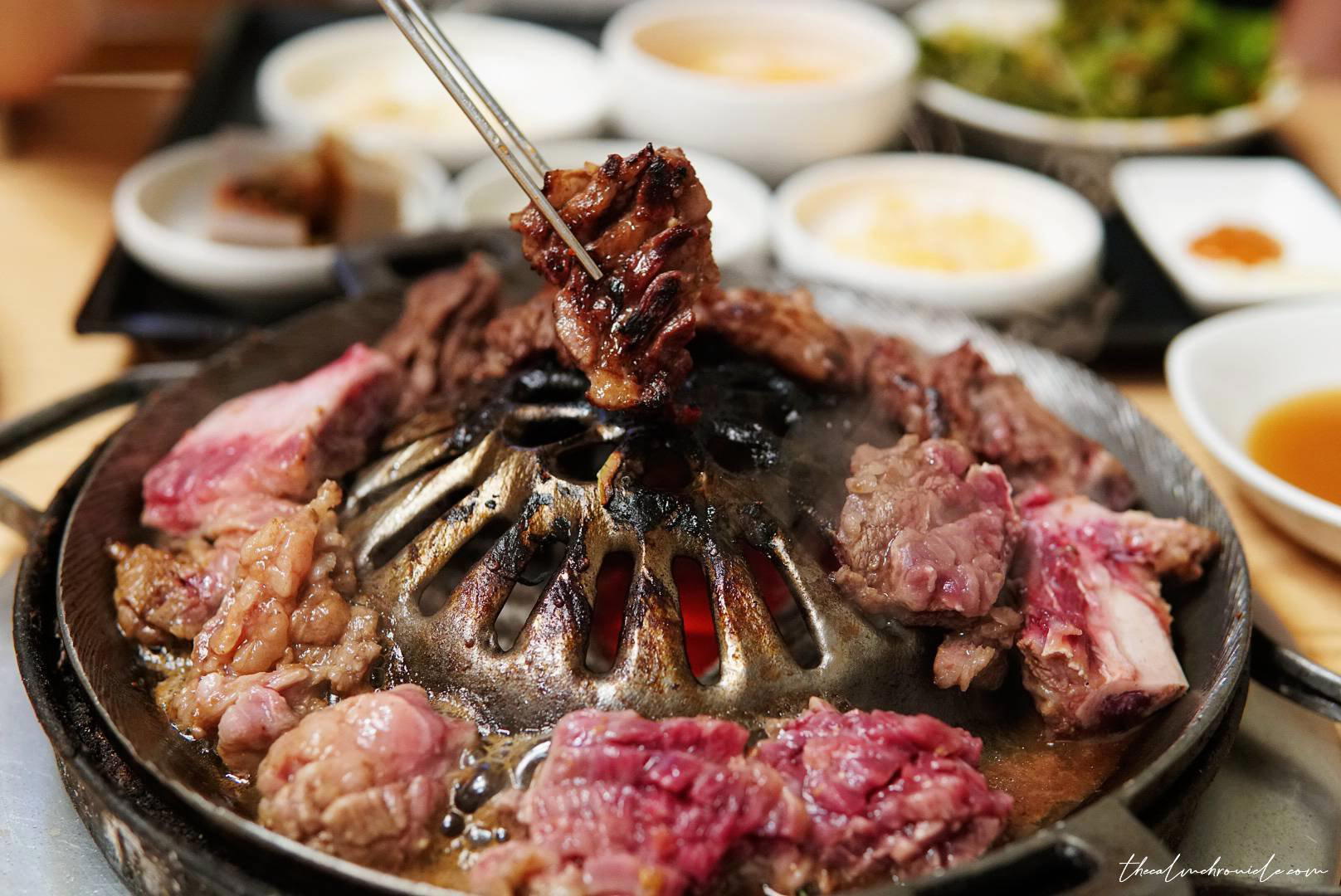
Suyeong-gu and the Waterfront Dining Shift in Busan
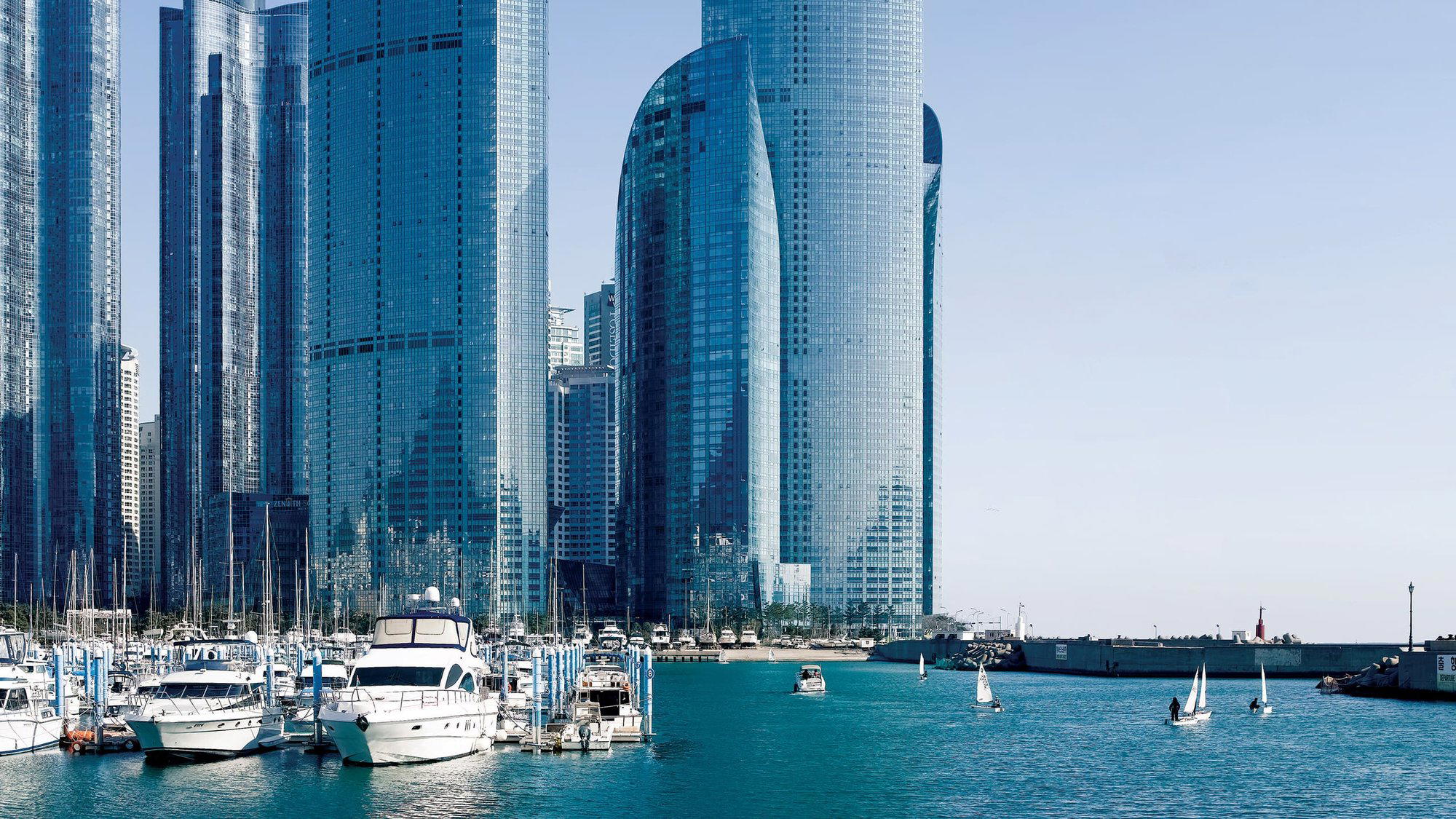
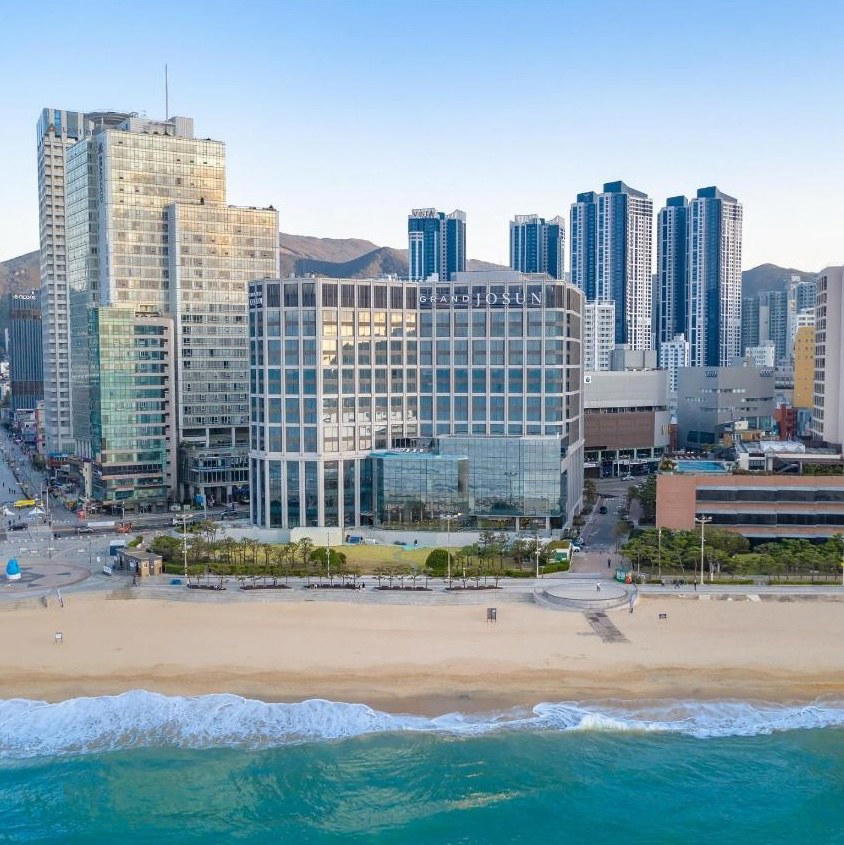
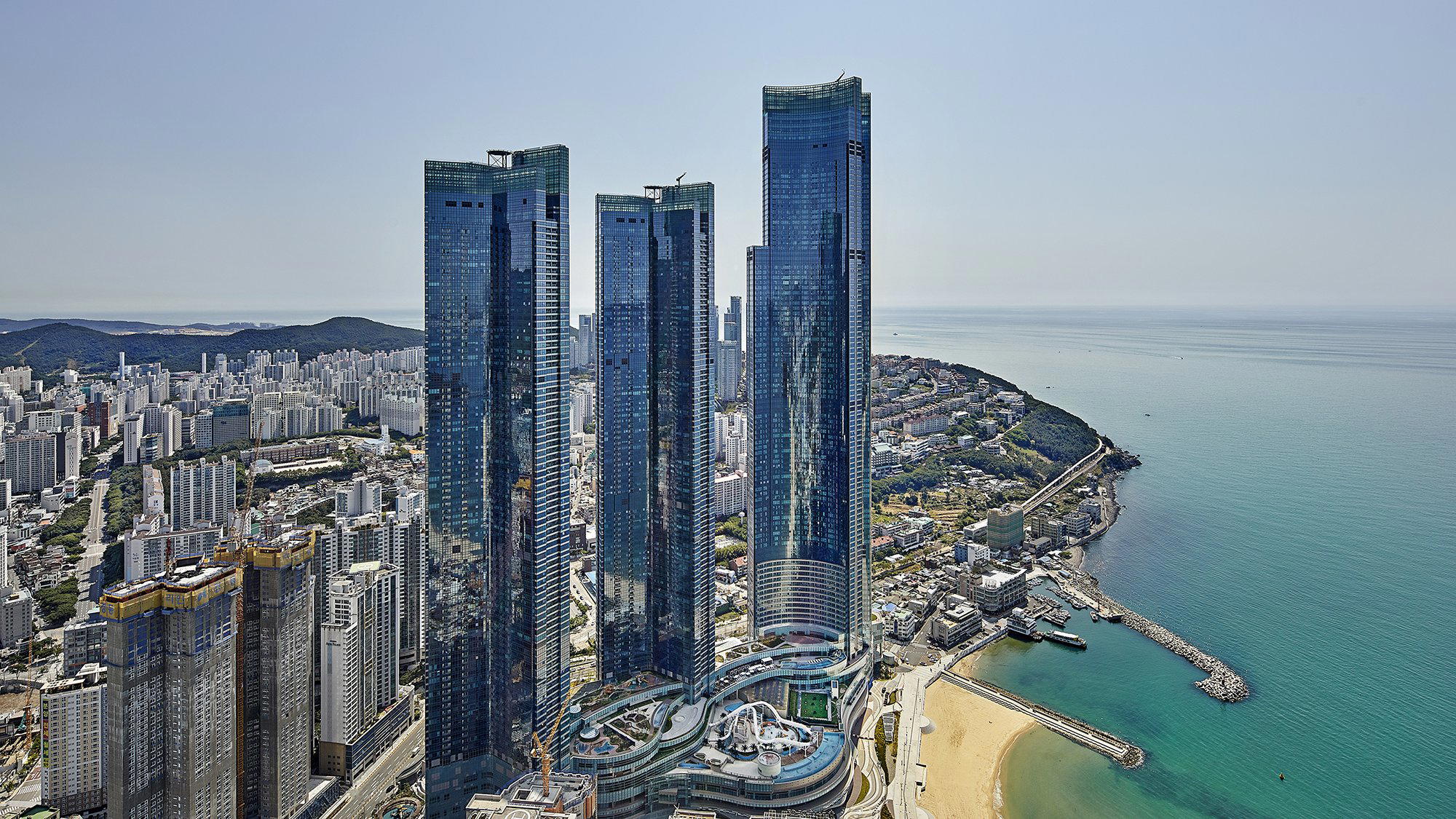
Busan's dining geography has been reshaping itself over the past decade. Haeundae holds its position as the obvious address for visitors, but Suyeong-gu has developed a different kind of restaurant density: less tourist-facing, more attuned to the preferences of residents who know the city's food scene from the inside. The Millak area, in particular, sits at the edge of the Suyeong River where it meets the bay, and that position shapes the type of venues that have taken root here. Water-adjacent dining in this part of Busan tends to lean into the surrounding environment rather than compete with it through interior spectacle alone.
이진로 바이 비하 (Ijinro by Biha) is located at 18 Millakbondong-ro 19beon-gil, in this Suyeong-gu corridor, and its address alone positions it within a cohort of venues that have chosen quieter, residential-adjacent streets over the more trafficked strips closer to Haeundae Beach. Whether dining here functions as a local institution or a destination draw for visitors coming from central Busan is a question that the venue's setting answers partly on its own terms.
The Physical Container: Space as Editorial Statement
In Korean dining, the relationship between architecture and experience has become a sharper editorial concern as a new generation of restaurants treats the physical room as part of the proposition. Seoul's contemporary dining scene, where venues like Mingles and Atomix in New York City have shown how spatial design and culinary intent can operate as a unified argument, has pushed that sensibility outward into cities like Busan.
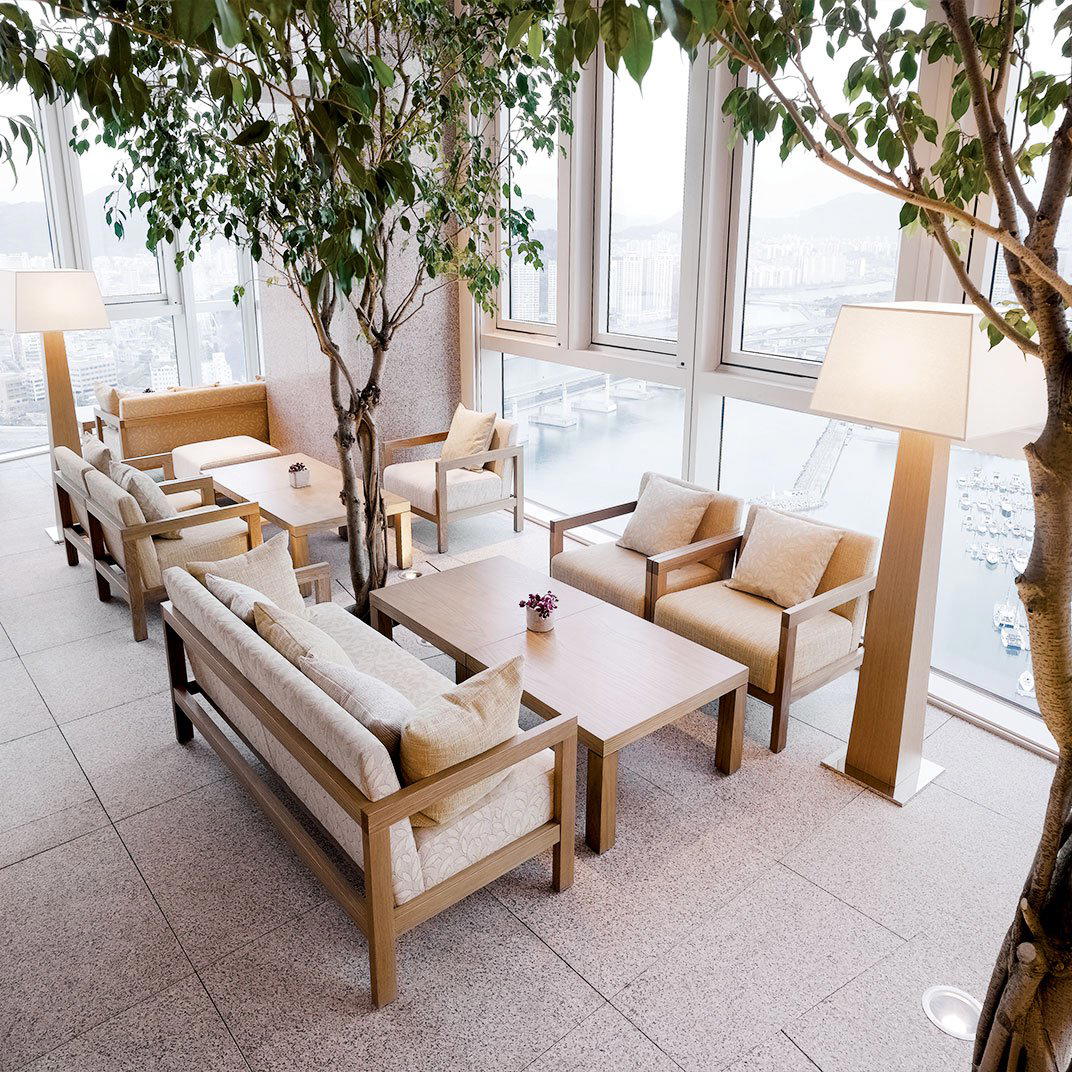
The Suyeong waterfront location gives 이진로 바이 비하 a physical premise that most inland urban restaurants cannot replicate. Waterside positioning in Busan, when handled with restraint, tends to produce spaces that let exterior light and the sensory register of proximity to water do structural work, reducing the pressure on interior decoration to carry the entire atmosphere. The Millak area specifically offers views across the Suyeong River basin, and venues that have occupied this corridor have historically traded on that orientation as a design resource.
This approach to space contrasts with how Busan's more formal dining addresses handle their rooms. Mori, operating in the Japanese tradition at the ₩₩₩ price tier, and Born and Bred at ₩₩₩₩, each deploy interior design as an intentional signal of category and price positioning. At the contemporary ₩₩ tier, where Palate operates, the spatial language tends toward clean minimalism that communicates seriousness without the investment of higher-bracket interior budgets. 이진로 바이 비하, by virtue of its waterfront address, enters this conversation with a different card: exterior context as interior extension.
Placing Ijinro by Biha in Busan's Dining Structure
Busan's restaurant scene in 2024 and into 2025 reflects a city that has developed real culinary range beyond its historic identity as a seafood-and-gukbap city. The accessible end of that range runs through venues like 100.1.Pyeongnaeng at the ₩ tier and the long-established tradition represented by spots like 1969 Buwondong Kalguksu. At the other end, premium steakhouse and Japanese omakase formats have taken hold. Between those poles, a tier of contemporary Korean and fusion-adjacent venues has been growing, often concentrated in neighborhoods with residential density and lower commercial rents than Haeundae proper.
What the Suyeong-gu address and the Korean dining market context do suggest is that the venue operates in a part of the city where the audience tends to be more local than tourist-heavy, and where the format decisions that distinguish a restaurant from its neighbors carry more weight than location visibility alone.
For comparison, Busan's broader Korean culinary ecosystem also extends across the country's dining geography: Badang Lounge in Jeju and Black Pork BBQ in Seogwipo show how regional venues can anchor identity around local ingredient traditions. In Busan, the equivalent anchor is the sea and the river, and Suyeong-gu makes that anchor literal.
Busan's Waterfront Dining in Context
It is worth understanding what waterfront dining means in this city relative to other Korean coastal contexts. Jeju's restaurant scene, with venues like 88돼지 in Jeju City and Hinode in Seogwipo, leans on island produce and seafood in ways that are specific to that geography. Busan's coastal dining operates differently: the city is larger, the port history is industrial as much as culinary, and the restaurant culture that has grown around waterfront locations in areas like Suyeong tends to be more varied in cuisine type than a purely seafood-led identity would suggest.
Korean dining rooms that have succeeded in waterfront-adjacent locations across the country generally share a few design principles: natural materials that age well in humidity, sightlines calibrated to make the exterior view part of the dining experience, and a scale that resists the temptation to maximize covers at the expense of atmosphere. These patterns show up in venues from Dining Room (다이닝룸) in Busan to regional operations like Doosoogobang in Suwon, each adapting the logic of environment-as-design to their specific settings.
For those building an itinerary across the Korean peninsula, the range from Busan's waterfront restaurants to Gyeongju's tradition-rooted spots like Gyeongju Wonjo Kongguk and Hwangnam Bread and Busan Steamed Bun in Gyeongju illustrates how Korean culinary geography rewards lateral movement as much as depth in any single city. Our full Busan restaurants guide maps that range in detail. For a global fine dining reference point, Le Bernardin in New York City shows how waterfront culinary identity can be translated into a sustained, internationally recognized format, and Gobojeong Galbi in Suwon provides a mainland Korean contrast on the galbi tradition.
Planning a Visit
The address at 18 Millakbondong-ro 19beon-gil places 이진로 바이 비하 in Suyeong-gu, a district that requires a deliberate decision to visit rather than a passing walk-by from tourist corridors. From central Busan, the Suyeong metro station (Line 2 and Line 3 interchange) serves as the practical access point, with the Millak waterfront area a short distance from there. The Suyeong-gu area has enough neighboring dining options that a visit to this part of the city rarely needs to pivot entirely if a first-choice venue turns out to be unavailable.
A Lean Comparison
Comparable venues nearby, for context on price, style, and recognition.
| Venue | Cuisine | Price | Notes |
|---|---|---|---|
| ììí¸ë¡ ë°ì´ ë¹íThis venue — the venue you are viewing | $$$ | ||
| Sea Maru Abalone Porridge | Haeundae-gu, Korean Abalone Porridge | $$ | |
| ì¬ë맨ì (Old Mansion) | $$ | Jeonpo 1(il)-dong, Traditional Korean Aged Meat BBQ | |
| ìµìºì°ì | $$ | Millak-dong, Korean BBQ (Samgyeopsal) | |
| 랩24 바이 쿠무다 - LAB XXIV by Kumuda | $$$ | Songjeong-dong, Contemporary Korean Fine Dining | |
| 훈이네김밥우동 | Haeundae-gu, Korean Kimbap & Udon | $ |
At a Glance
- Modern
- Elegant
- Lively
- Date Night
- Group Dining
- Celebration
- Waterfront
- Open Kitchen
- Panoramic View
- Craft Cocktails
- Beer Program
- Waterfront
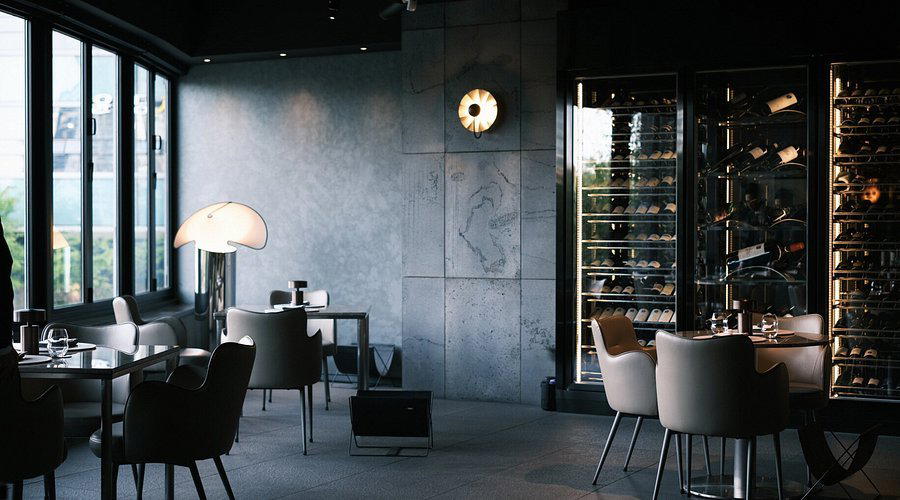
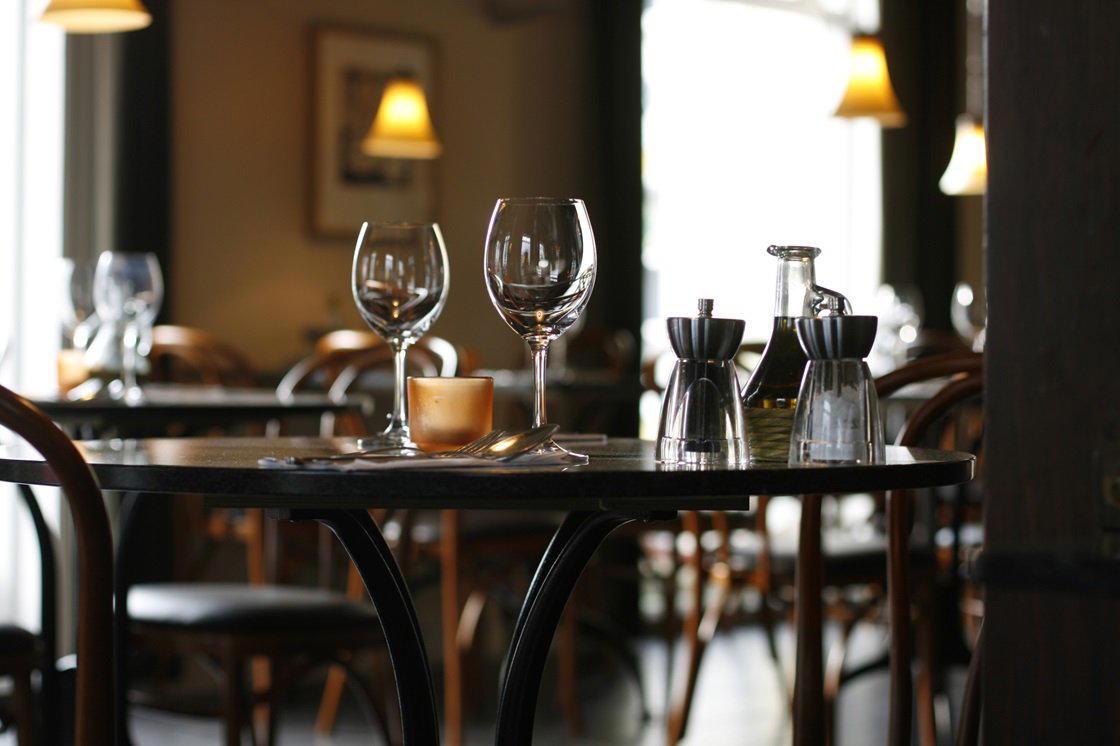
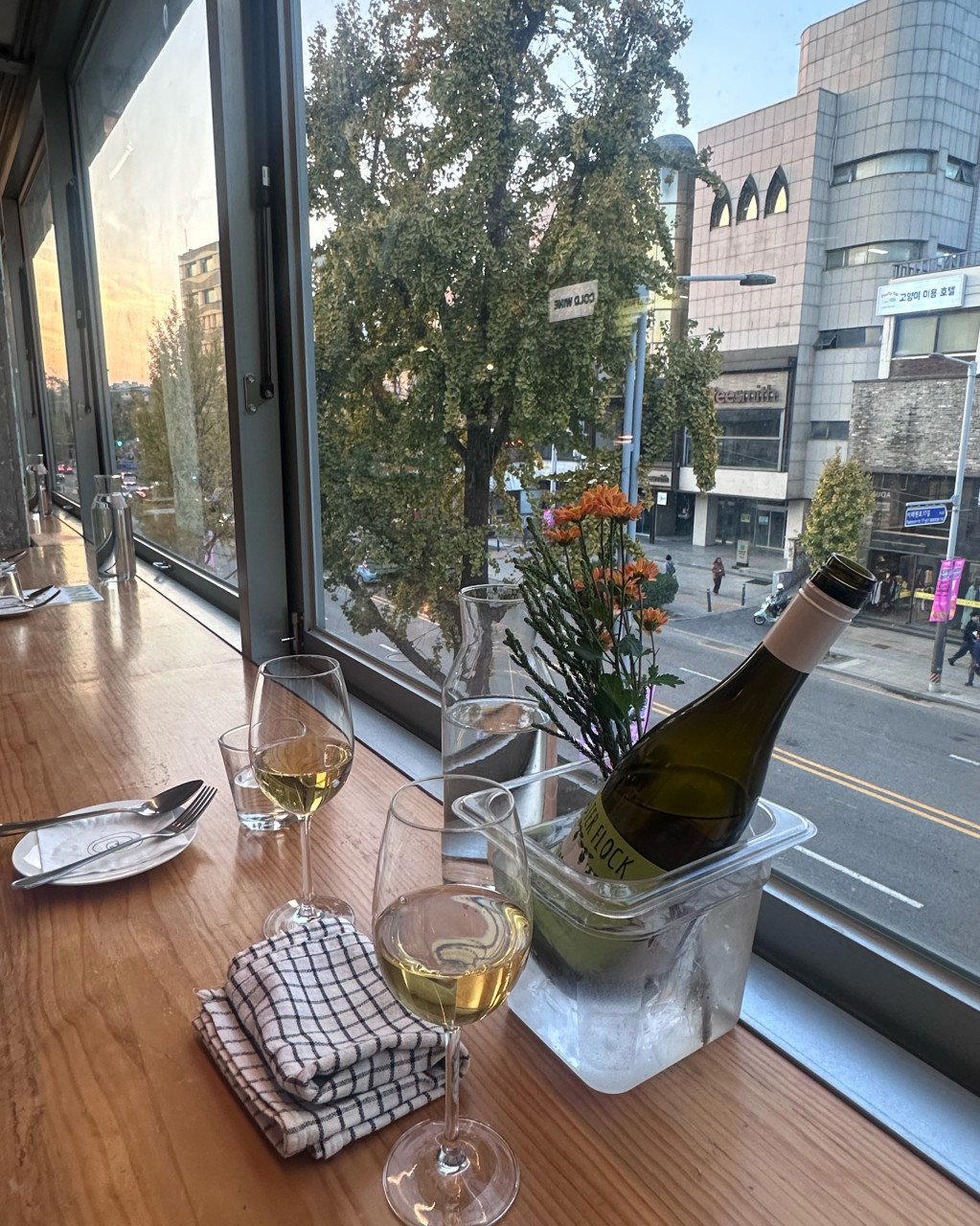
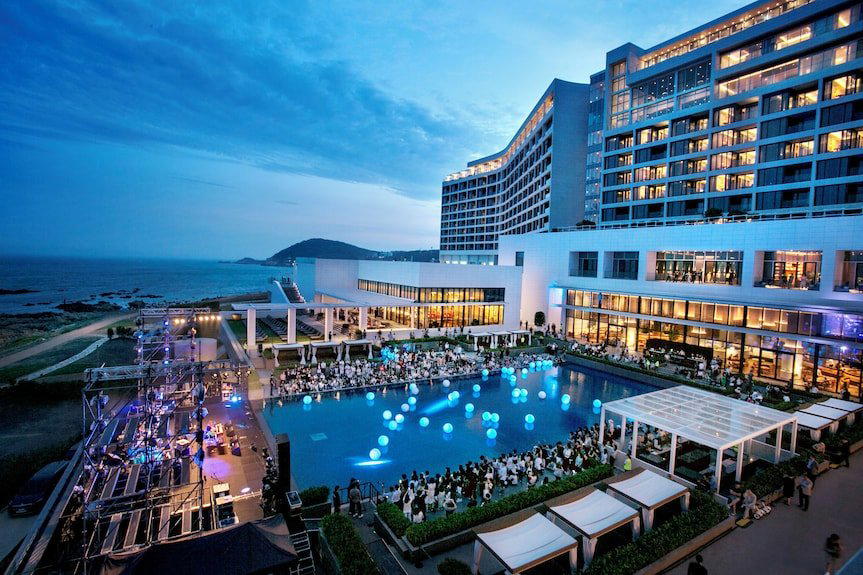
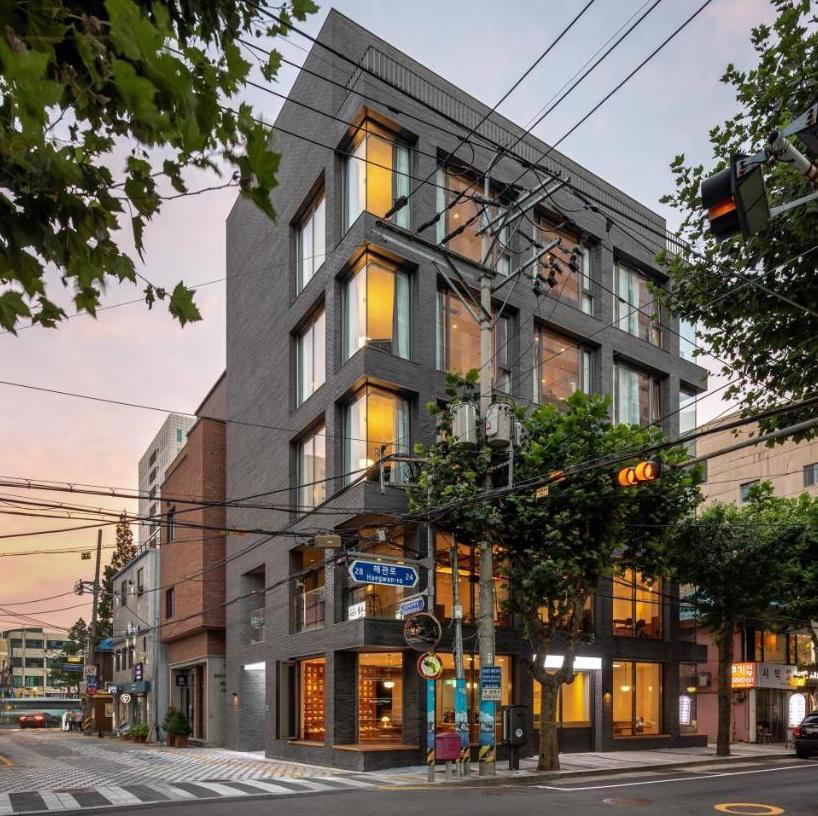
Contemporary and vibrant atmosphere with floor-to-ceiling windows overlooking the water, modern lighting, and an energetic dining environment.