ì¬ë맨ì (Old Mansion)
ì¬ë맨ì (Old Mansion) serves Traditional Korean Aged Meat BBQ in a historic building on Jeonpo-daero 209beon-gil in Busan, with aged meat with pot lid and conversational pacing for dinner.
Pearl is the En Primeur Club membership app — saves, bookings, and concierge access live there. Same editors, same standards.
- Address
- South Korea, Busan, Busanjin District, Jeonpo-daero 209beon-gil, 17-6 1층
- Phone
- +821085492211
- Website
- naver.me
- Directions
- Get directions
 Saves & bookings on Pearl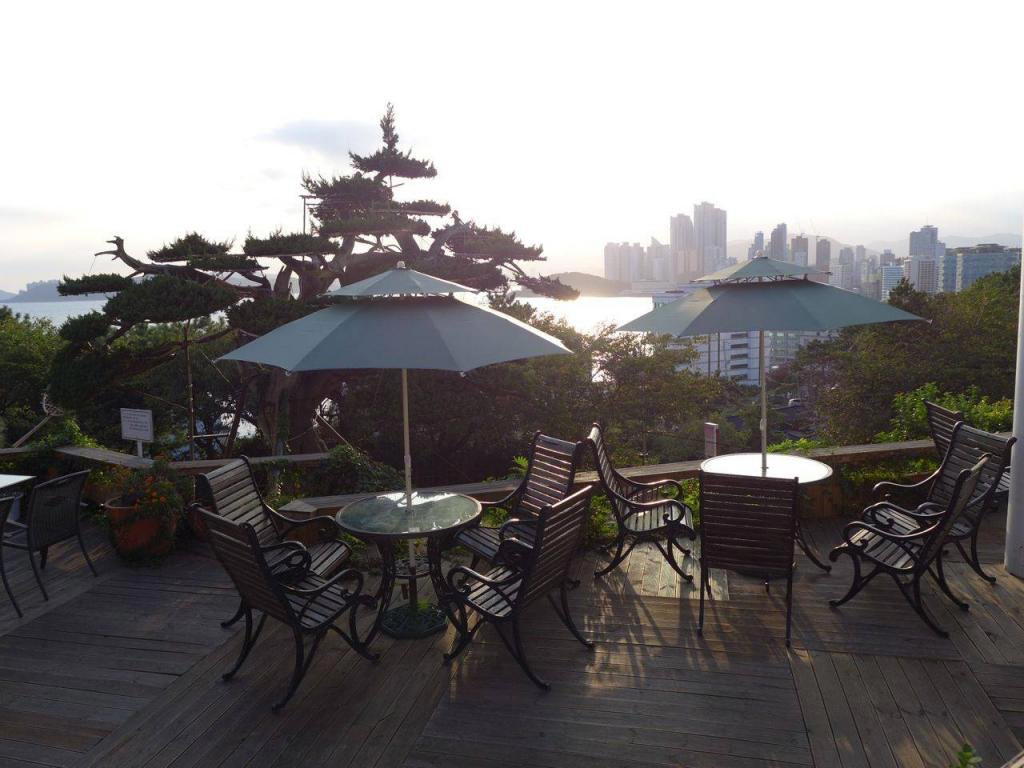
Jeonpo-daero and the Architecture of Busan's Emerging Dining Quarter
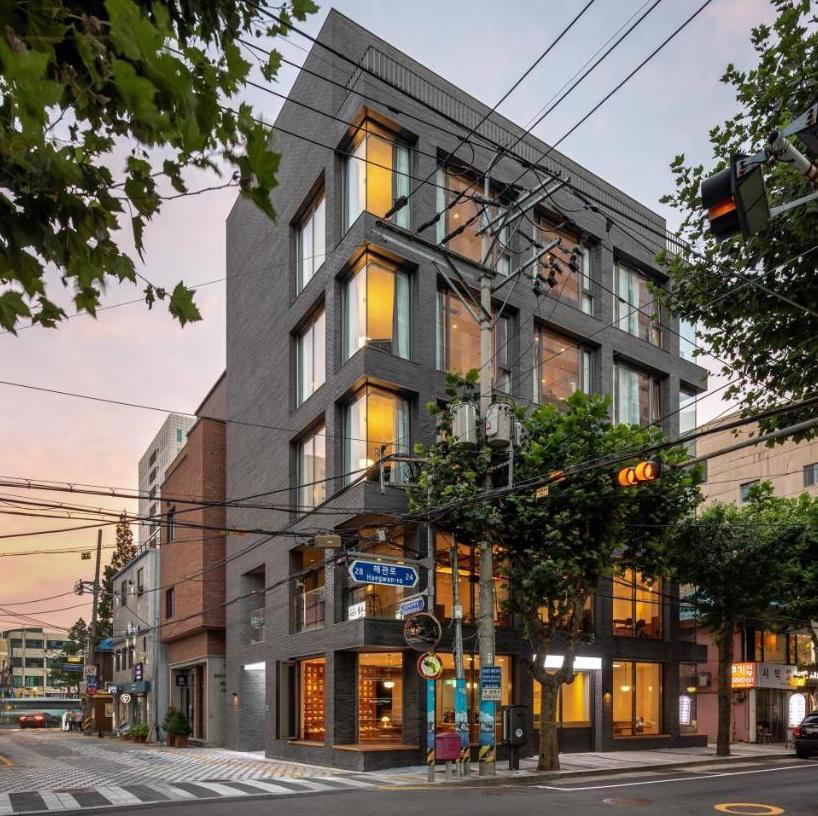
Busanjin District has been shifting for the better part of a decade. The streets fanning off Jeonpo-daero once read as a mid-tier commercial zone, salons, vintage clothing shops, the occasional café occupying a converted ground floor. What has emerged in the last few years is something more considered: a cluster of restaurants and drinking spots that draw a crowd from across the city, not just the immediate neighbourhood. Old Mansion (사랑맨션) sits on a small side alley off Jeonpo-daero 209beon-gil, and its address already tells you something about its positioning.
Approaching the address, the building itself registers before the signage does. The name, Old Mansion, in Korean 사랑맨션, is not purely decorative. Older residential structures in Korean cities carry a particular weight of material memory: textured concrete, stairwells with specific acoustics, interiors that have accumulated character through use rather than design intervention. Whether the physical space leans into that heritage directly or uses it as counterpoint to a more contemporary programme is the kind of detail that defines how a venue in this neighbourhood category actually lands with its audience. In Busanjin's current dining scene, the physical setting is increasingly the first editorial statement a restaurant makes.
Where Old Mansion Sits in Busan's Dining Structure
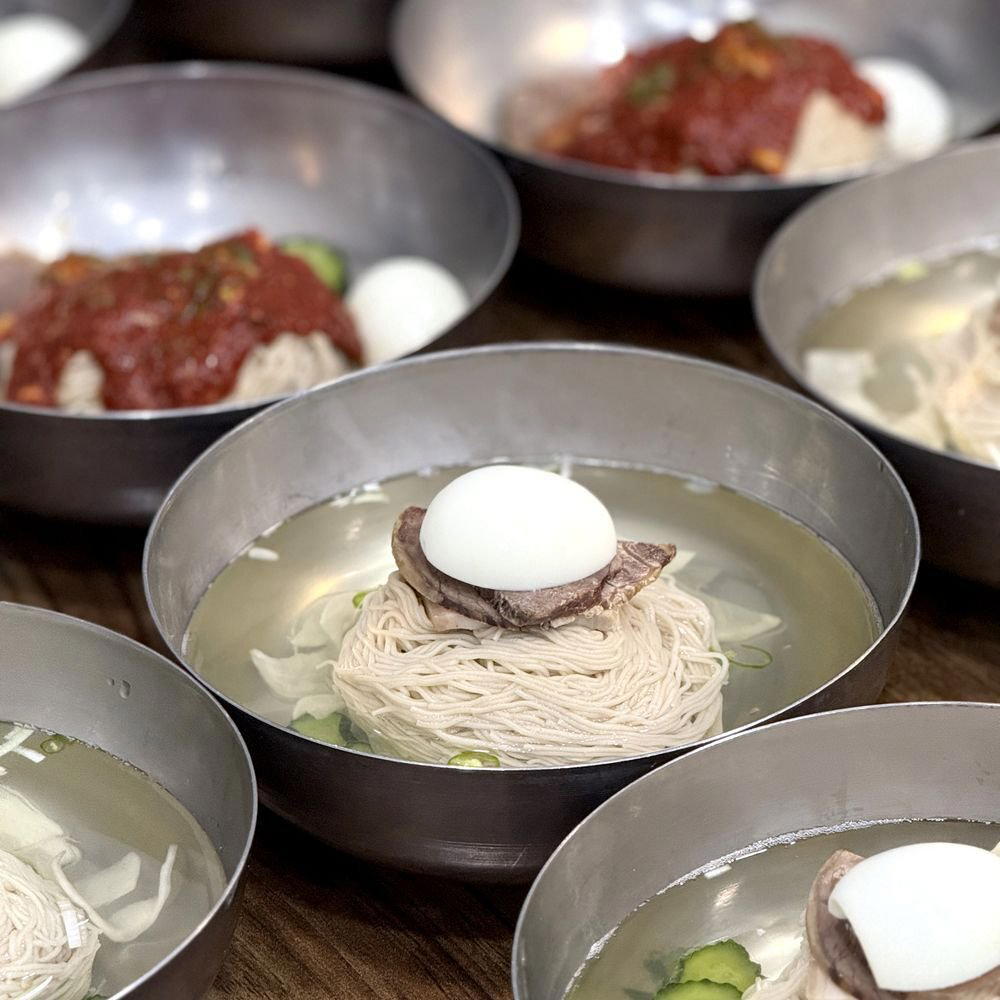
Busan's restaurant scene is more internally varied than international coverage tends to reflect. At one end, the city holds longstanding specialists in locally rooted formats: dwaeji-gukbap counters, naengmyeon houses like 100.1. Pyeongnaeng, and knife-noodle shops with decades of practice behind them, such as 1969 Buwondong Kalguksu. At the other, you have a newer wave of restaurants operating with more cosmopolitan reference points, contemporary Korean, Japanese-influenced counters like Mori, and format-led dining rooms that price against a different competitive set entirely, including Born and Bred at the steakhouse tier and Palate in the contemporary mid-range.
Old Mansion occupies a position that is harder to classify from the outside, which is, in itself, a positioning choice. They are not the traditional specialists, and they are not operating the full tasting-menu apparatus of the city's most formal dining rooms. They exist in a middle register that is often one creatively active part of any city's food scene: smaller in format, less legible to first-time visitors, and more dependent on a specific community of regulars who have already done the work of finding them.
The Neighbourhood as Context
Jeonpo-daero and the immediate Busanjin streets around it have developed a reputation as a zone where the physical environment and the dining or drinking experience are more intertwined than in Busan's more tourist-facing districts. Haeundae and Gwangalli offer sea-facing spectacle; Seomyeon runs on density and late-night accessibility. Busanjin, and the Jeonpo corridor specifically, operates on different logic. The draw is the neighbourhood itself, its texture, its pace, the sense that the venues here were chosen for their spaces rather than their footfall.
This matters for understanding Old Mansion's context. A name that references domestic architecture from another era, combined with a residential-block address, suggests a deliberate alignment with the neighbourhood's character rather than a contrast to it. Korean restaurant culture has a strong tradition of spaces that hold meaning through material continuity, the izakaya-adjacent drinking-dining format, the hof culture, the pojangmacha, and venues that translate that sensibility into a more contemporary register are a growing part of what defines mid-tier dining in cities like Busan and Seoul.
Regional Parallels and What They Suggest
Across South Korea, interesting dining is often happening at exactly this scale, not the flagship tasting-menu room, not the heritage specialist, but the neighbourhood venue that has built a specific following through consistency and atmosphere. In Jeju, spots like Badang Lounge and 88돼지 operate in a similar register of place-specific identity. In Gyeongju, Hwangnam Bread and Busan Steamed Bun draws on material and culinary heritage in ways that anchor the experience to location. In Suwon, Doosoogobang and Gobojeong Galbi show how regional Korean cities are building distinctive food identities outside Seoul. Old Mansion appears to be working within this broader pattern, where the venue's identity is inseparable from its address.
Internationally, the comparison point is less the Michelin-starred room, think Le Bernardin or Atomix at the formal end, and more the kind of neighbourhood restaurant that becomes a reference point for a city's eating culture precisely because it resists scaling. The Dining Room (다이닝룸) in Busan and venues like Hinode (히노데) elsewhere in the region suggest a pattern of smaller, format-specific rooms that accumulate reputation through quality and specificity rather than awards or expansion.
Planning a Visit
Old Mansion is located at 17-6, Jeonpo-daero 209beon-gil, 1F, Busanjin District, Busan, a first-floor address on a side street that will require some navigation on foot from the nearest transit point. Busanjin District is accessible from central Busan by subway, with Jeonpo station on Line 2 providing one practical arrival point for this part of the neighbourhood. Given the venue's scale and likely operating model, confirming hours and reservation availability in advance is advisable; venues at this tier in Korean cities increasingly operate on limited sittings or fixed-day schedules. Gyeongju Wonjo Kongguk and Black Pork BBQ in Seogwipo represent the kind of regional dining that rewards similar legwork, venues where the effort of finding them is part of the experience's logic.
A Minimal comparable set
Comparable venues nearby, for context on price, style, and recognition.
| Venue | Cuisine | Price | Notes |
|---|---|---|---|
| ì¬ë맨ì (Old Mansion)This venue — the venue you are viewing | Not listed | $$ | Not listed |
| ì ë¡ë² ì´ì¤ | Millak-dong, Korean | $$ | Not listed |
| 바다마루 전복죽 | 해운대구 중동, 전복죽 전문 | $$ | Not listed |
| ììí¸ë¡ ë°ì´ ë¹í | Not listed | $$$ | Millak-dong, Modern Korean Waterfront Dining |
| íì°ì¥ | Not listed | $$ | Choryang 1(il)-dong, Traditional Korean Pajeon |
| 원조할매국밥 | Haeundae, Traditional Korean Beef Gukbap | $ | Not listed |
Continue exploring
More in Busan
Restaurants in Busan
Browse all →
At a Glance
- Classic
- Cozy
- Casual Hangout
- Group Dining
- Historic Building
Current opening hours
- Monday
- 11:30 AM–3 PM, 5–10:30 PM
- Tuesday
- 11:30 AM–3 PM, 5–10:30 PM
- Wednesday
- 11:30 AM–3 PM, 5–10:30 PM
- Thursday
- 11:30 AM–3 PM, 5–10:30 PM
- Friday
- 11:30 AM–3 PM, 5–10 PM
- Saturday
- 12:30–11 PM
- Sunday
- 12:30–10:30 PM
Hours can change for holidays and private events. Last verified .
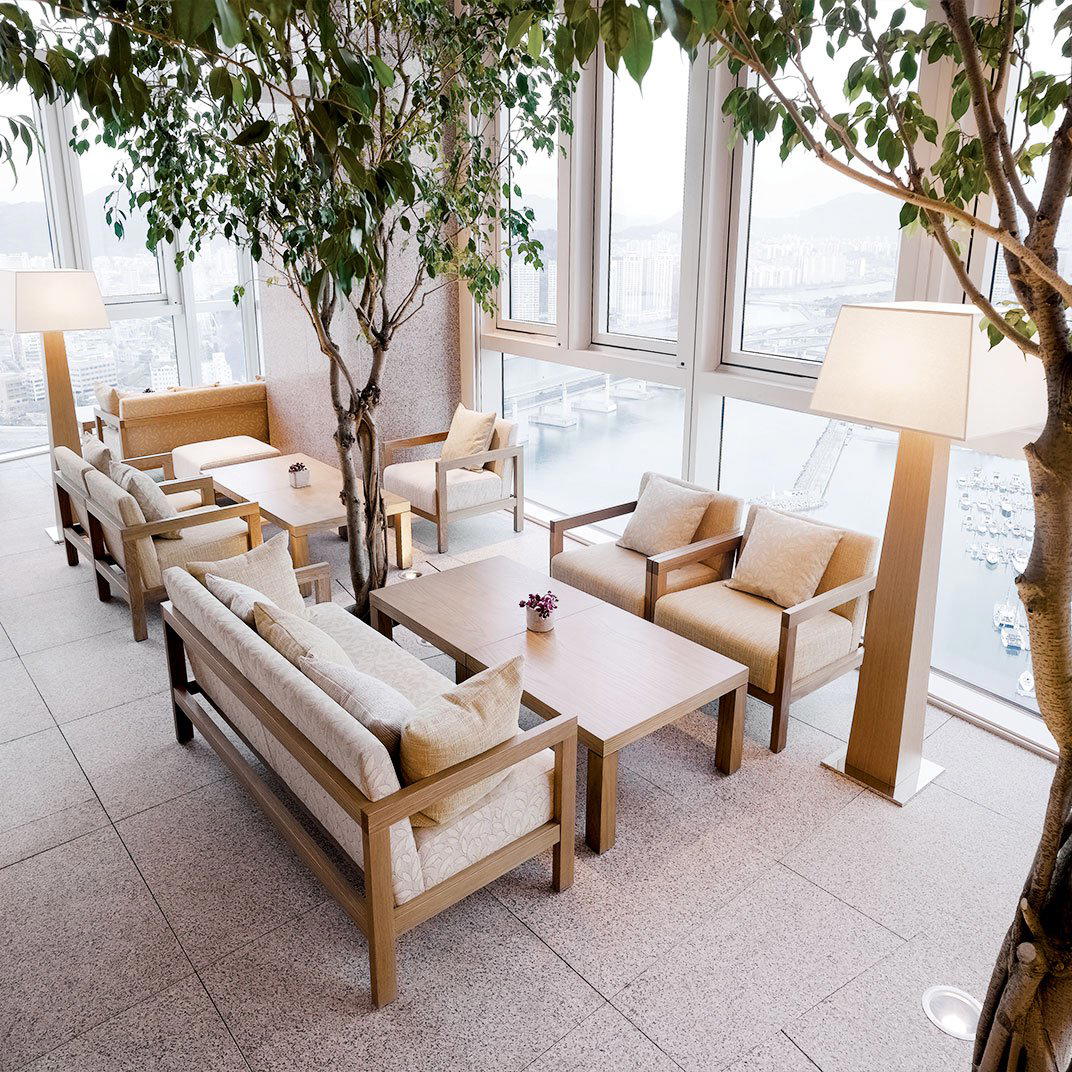
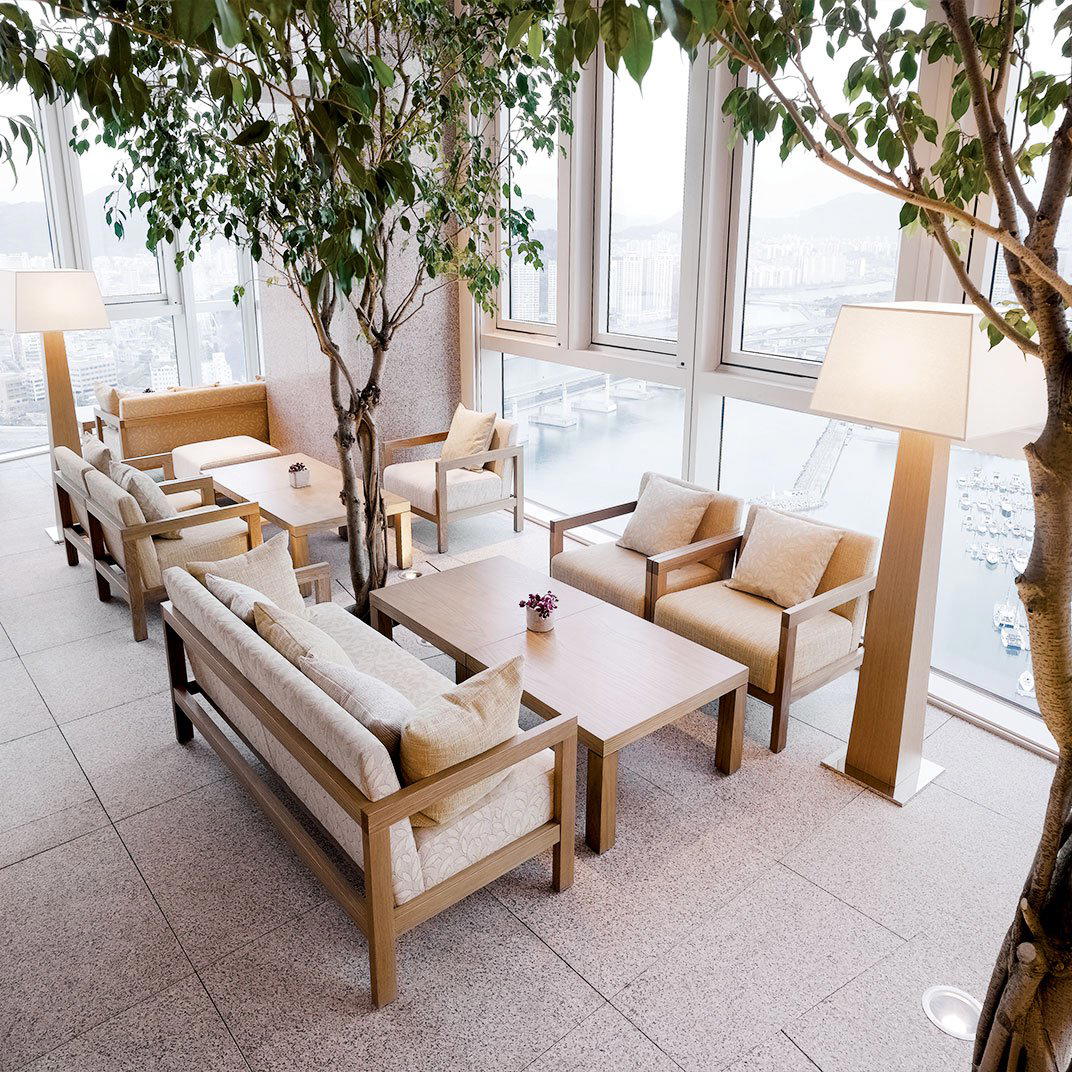
Traditional Korean hanok atmosphere with a cozy, classic feel.