
Ristorante Hiro Aoyama belongs to Tokyo’s serious Italian tier, where the menu reads less as imported trattoria comfort and more as a Japanese-seasonal interpretation of ristorante structure. Its Tabelog Italian TOKYO 100 selection in 2025, earlier Tabelog Award Bronze recognition, wine emphasis, and 20-seat scale place it firmly in the city’s polished, reservation-led dining bracket.
Pearl is the En Primeur Club membership app — saves, bookings, and concierge access live there. Same editors, same standards.
- Address
- 東京都港区南青山5-5-25 T-PLACE B1F
- Phone
- +81334865561
- Website
- r-hiro.com
 Saves & bookings on Pearl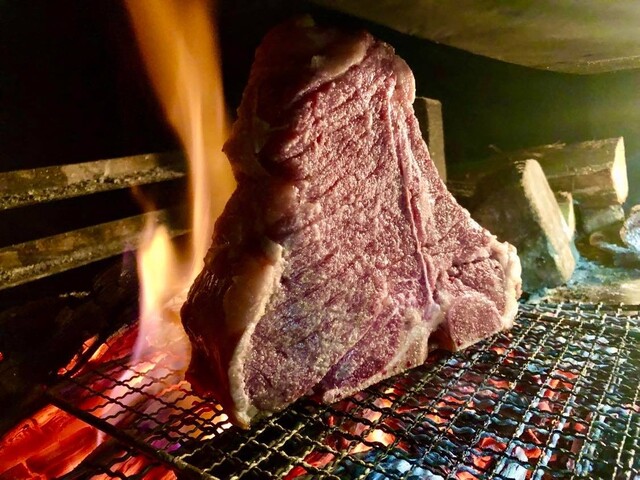
Approach in Minami-Aoyama and the signal changes quickly: Omotesando’s retail gloss gives way to a quieter side-street rhythm, then a basement address inside T-PLACE. That descent matters. Tokyo Italian at this level often works by subtraction rather than spectacle, putting diners in compact rooms where the menu, wine service, and pacing carry the evening. Ristorante Hiro Aoyama sits in that register, a 20-seat ristorante whose recognition on Tabelog Italian TOKYO 100 in 2025 places it among the city’s more closely watched Italian rooms.
The useful way to read this restaurant is through menu architecture. Tokyo has many Italian restaurants, but the serious end divides into several camps: pasta-led neighbourhood rooms, wine-bar trattorie, chef’s-menu counters, and full ristorante formats that treat fish, vegetables, meat, and wine as a sequence rather than a checklist. Here, the listed categories, Italian, vegetable dishes, and meat dishes, point to a broader ristorante vocabulary, while the stated emphasis on fish and wine suggests a menu built for progression rather than a single hero plate.
Aoyama Italian, structured around sequence rather than spectacle
Aoyama and Omotesando are useful terrain for this kind of dining. The area has enough fashion traffic and international spending power to support polished rooms, but it also rewards restaurants that can hold regulars rather than chase novelty. In the immediate neighbourhood, Nicolai Bergmann NOMU Aoyama, crisscross, and breadworks Omotesando operate at a lighter daytime price tier, with casual café and bakery patterns that suit the district’s shopping circuit. Ristorante Hiro Aoyama belongs to a different decision: dinner as a planned reservation, lunch as a higher-spend occasion, and wine service as part of the meal’s structure.
The price band confirms that distinction. Dinner sits at JPY 20,000 to JPY 29,999, with lunch at JPY 10,000 to JPY 14,999. That is not Ginza sushi-counter territory, but it is well beyond casual pasta dining. The value question is therefore not whether the restaurant offers inexpensive Italian food; it does not. The sharper question is whether the meal reads with enough shape to justify the spend against Tokyo’s other serious European dining rooms. The available signals are clear: Tabelog Award Bronze recognition from 2017 through 2020, repeated Italian TOKYO 100 selection in 2021, 2023, and 2025, and a current Tabelog score of 3.64.
Those signals matter in Tokyo because Italian dining here has matured into its own idiom. The stronger rooms are rarely carbon copies of Italy. They tend to work with Japanese seasonality, precise service rhythms, and wine programs that understand both imported bottles and local expectations around pacing. A fish emphasis is especially telling in Tokyo, where Italian technique often meets a seafood supply chain more associated with sushi and kappo. Without naming dishes, the editorial read is that the kitchen’s identity is less about rustic abundance and more about controlled progression.
The wine cue is not decorative
Wine is listed as a defining part of the restaurant rather than an afterthought, and sommelier availability reinforces the point. In Tokyo Italian dining, that changes the meal’s centre of gravity. A wine-aware ristorante can move from aperitivo logic into seafood, vegetables, and richer courses without leaning entirely on pasta as the emotional anchor. It also places the room closer to the city’s special-occasion European category than to the easy, after-work trattoria category.
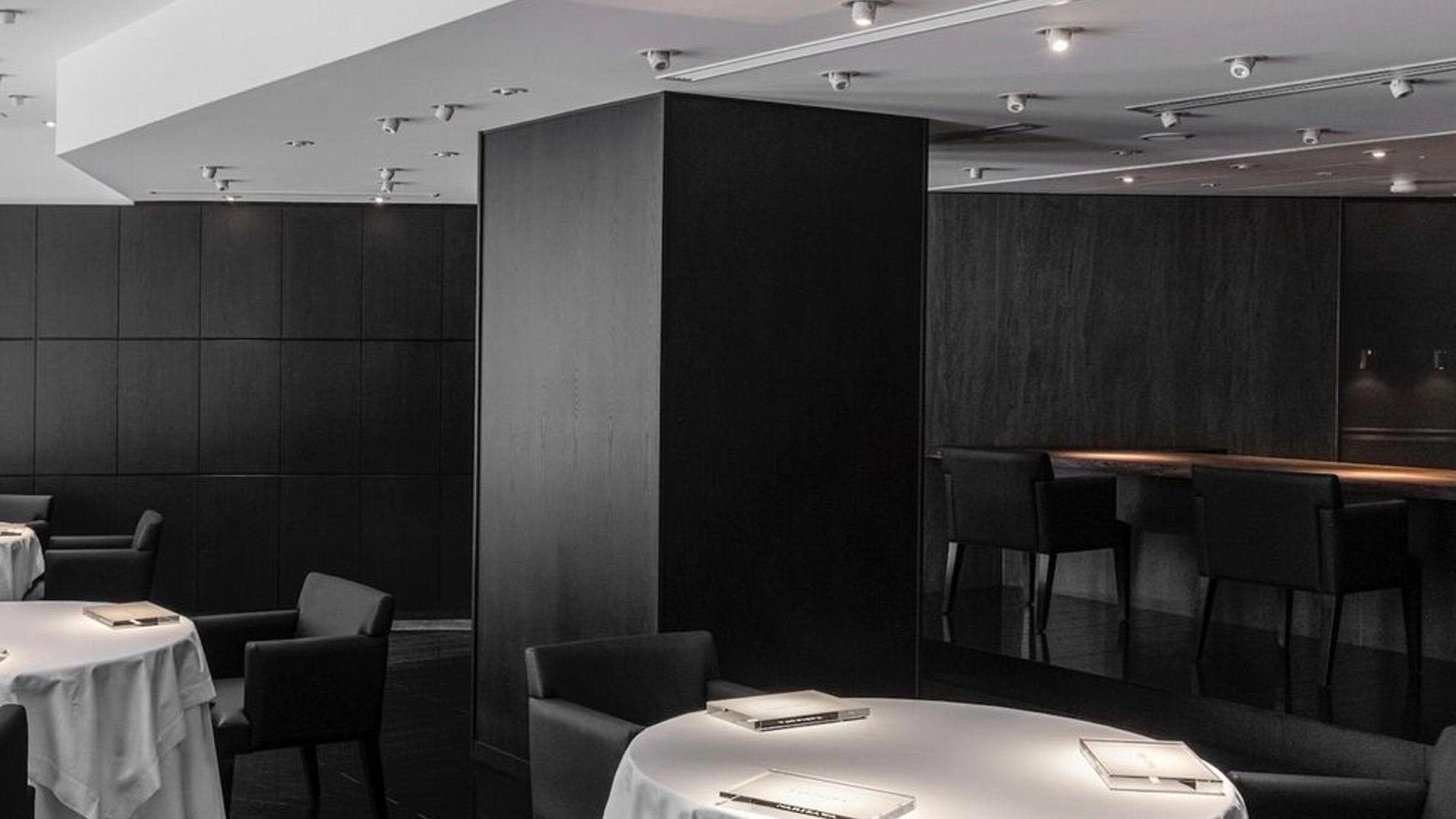
The service format also signals length. Parties over 2.5 hours are accommodated, which tells the reader to think in terms of a full meal rather than a quick pre-theatre stop. That pacing is part of the appeal for diners who want Aoyama polish without a hotel dining-room mood. The lack of private rooms, the compact seat count, and the basement setting all push the experience toward contained, reservation-led dining rather than grand-room theatre.
Children are accepted from junior high school age, which is another quiet clue about the intended rhythm. This is not positioned as a family trattoria, nor as a late-night bar with plates. It sits in the middle ground Tokyo does particularly well: adult, controlled, and built around a meal that has to be allowed time to unfold.
How it fits into a Tokyo dining itinerary
For travellers building a Tokyo restaurant week, this is the Aoyama Italian slot rather than the ramen, sushi, yakitori, or izakaya slot. That distinction helps. A night here pairs naturally with a day in Omotesando, Aoyama, or Harajuku, but the meal itself belongs to the planned-dinner category. For broader city mapping, Our full Tokyo restaurants guide gives the wider spread, while Our full Tokyo hotels guide, Our full Tokyo bars guide, Our full Tokyo wineries guide, and Our full Tokyo experiences guide help place the evening inside a larger itinerary.
Tokyo’s range is the real comparison. A diner might choose 124. KAGURAZAKA (Yakitori) for a poultry-focused Japanese format, 12/10 Shinjuku ten for a Shinjuku dining detour. 鮪と炭火焼き うお炭 秋葉原店 for tuna and charcoal-grill energy, 3 Chome no Curry Ya San for curry, or 2D Cafe for a graphic café stop. The point of Ristorante Hiro Aoyama is different: a composed Italian meal in a district that supports both fashion-week spending and serious regulars.
For travellers extending the Japan file beyond Tokyo, the contrast sharpens further: -Grilled beef Sukiyaki- KAMAKURA TANUKIAN 鎌倉 たぬき庵 in Kamakura sits in a beef-sukiyaki lane.cafe in Osaka in a lighter café register.know in Kumamoto in a regional context, (Shoku) Vietnam in Kawasaki in Vietnamese dining, [Curry Senmon Ten] Maruyama Kyoju. in Sapporo in curry specialization, and [ki:] in Kyoto in Kyoto’s contemporary dining orbit. Across the Pacific, Jōdo Saké Bar in Los Angeles and Onigiri Time in Pasadena show how Japanese formats shift abroad. Against that wider map, this Aoyama address is valuable precisely because it is neither casual nor maximalist: it is a Tokyo ristorante with awards history, compact scale, and a menu structure that asks to be read course by course.
Cuisine and Awards Snapshot
Comparable venues by category and price.
| Venue | Cuisine | Price | Notes |
|---|---|---|---|
| Ristorante Hiro AoyamaThis venue — the venue you are viewing | Seasonal Italian Fine Dining | $$$$ | Not listed |
| イル・プレージョ | Modern Creative Italian | $$$$ | Shibuya |
| リストランテ ダ・ニーノ | Authentic Sicilian | $$$$ | Minato |
| infinito HIRO | Seasonal Italian Fine Dining | $$$$ | Minato |
| リストランテ ホンダ | Modern Italian with Japanese Seasonal Influences | $$$$ | Minato |
| ristorante scintilla | Modern Italian Fine Dining | $$$ | Meguro |
Recognition history
Dated appearances from independent guides and award organizations, with the underlying list record or original source where available.
Tabelog 100 #4 · No. 4
Tabelog · Tabelog 100 - Italian - TOKYO - 2025













At a Glance
- Elegant
- Sophisticated
- Quiet
- Classic
- Modern
- Intimate
- Date Night
- Business Dinner
- Group Dining
- Special Occasion
- Wine Cellar
- Design Destination
- Standalone
- Extensive Wine List
- Sommelier Led
- Local Sourcing
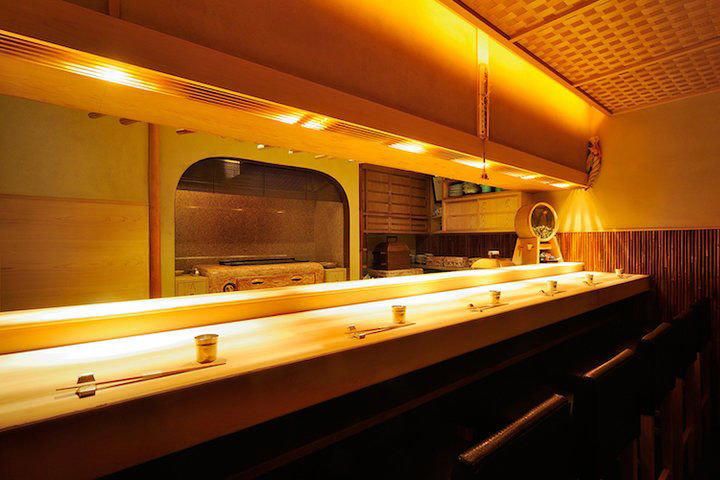
An upscale basement setting with a slow, cellar-like daytime mood and a newly refined luxury feel after renovation; the restaurant emphasizes a mature, polished atmosphere.