Antinè

Michelin Plate
Our verdict
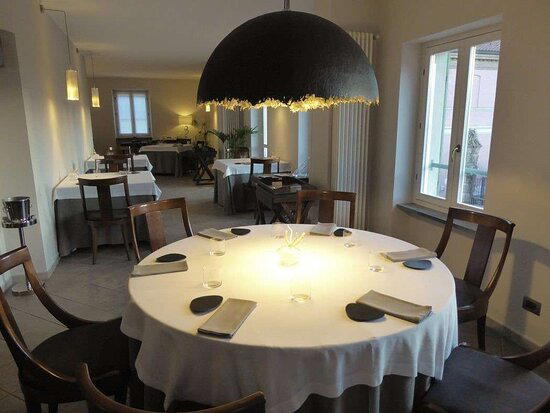
Antinè sits on the first floor of a historic building in Barbaresco's old town, within sight of the medieval tower, and delivers Piedmontese cooking rooted in regional sourcing. Chef Manuel Bouchard works a tight ingredient list across traditional dishes like plin pasta and Fassona beef alongside fish-forward alternatives. Two consecutive Michelin Plates.

Pearl is the En Primeur Club membership app, where members save venues, book tables and use the concierge.
The menu
What to order
- Vitello Tonnato
- Tajarin al coltello
- Brasato di Fassona al Barbaresco
Where the Langhe's Produce Meets Its Medieval Setting
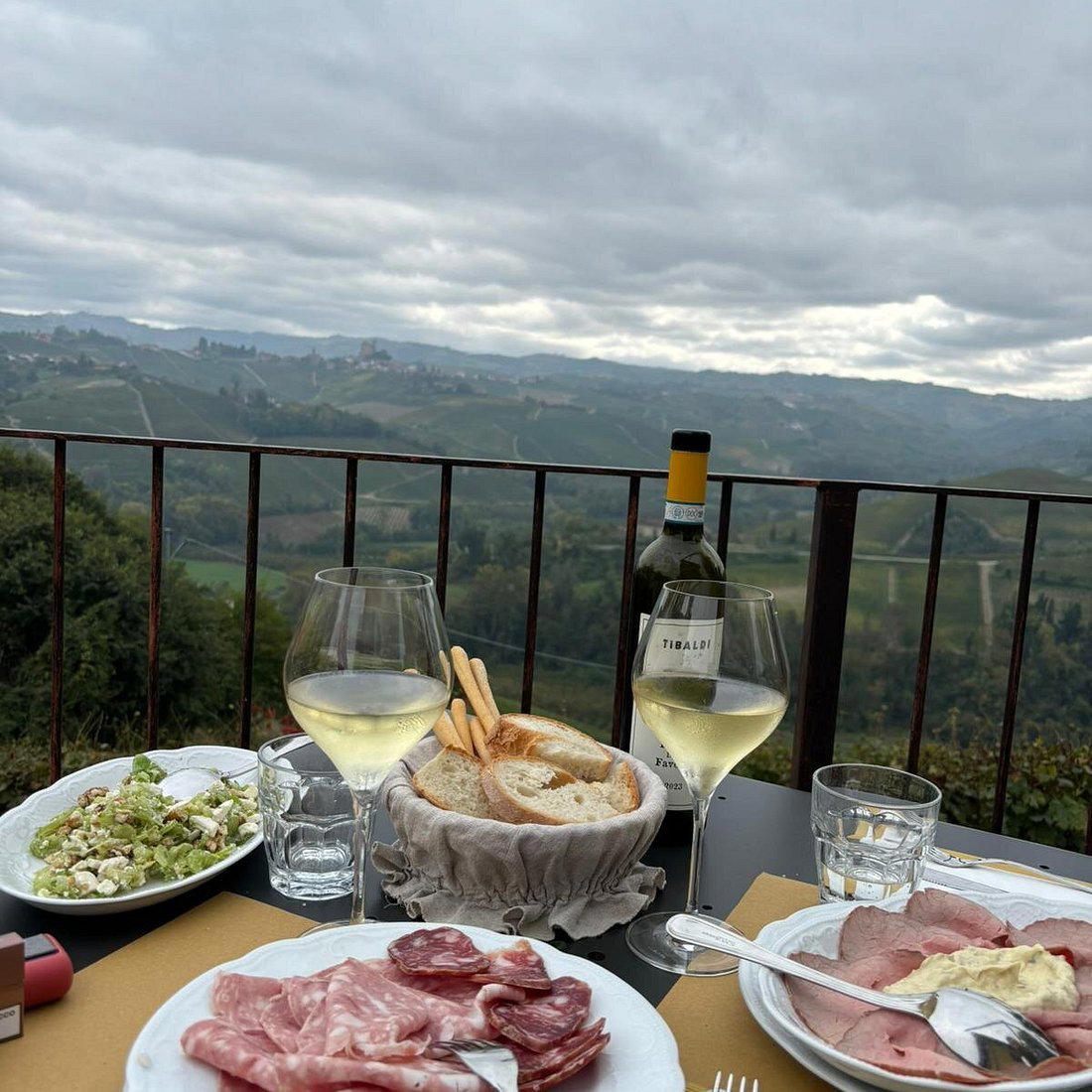
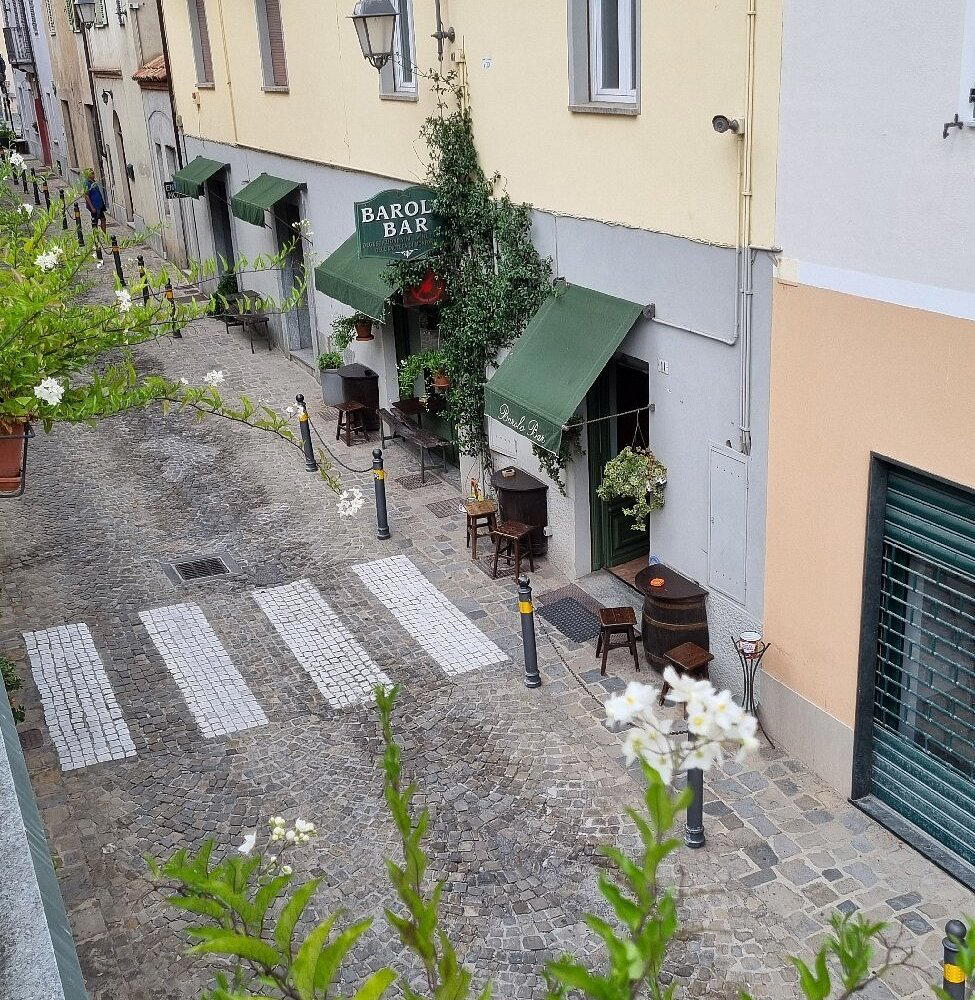
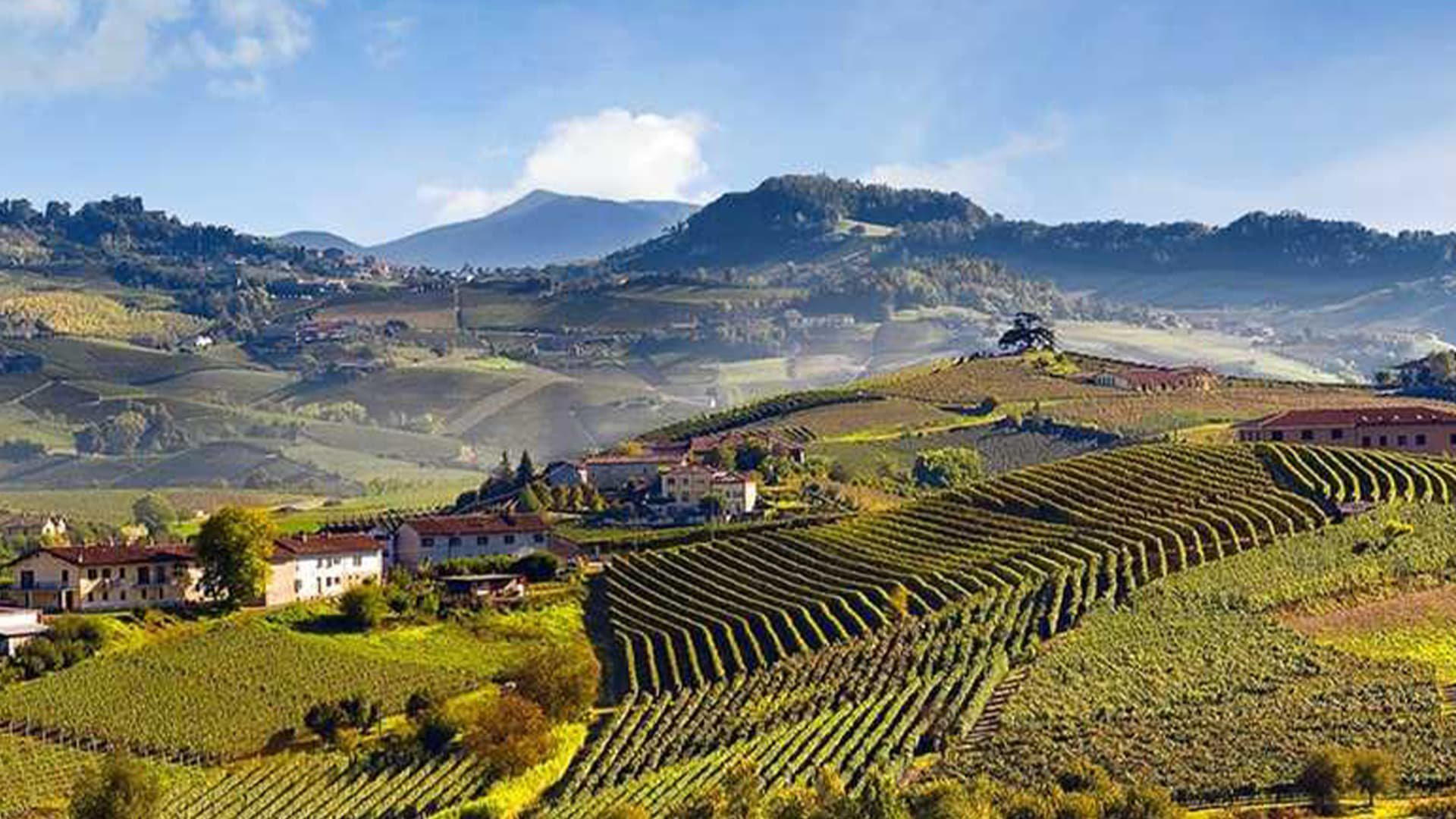
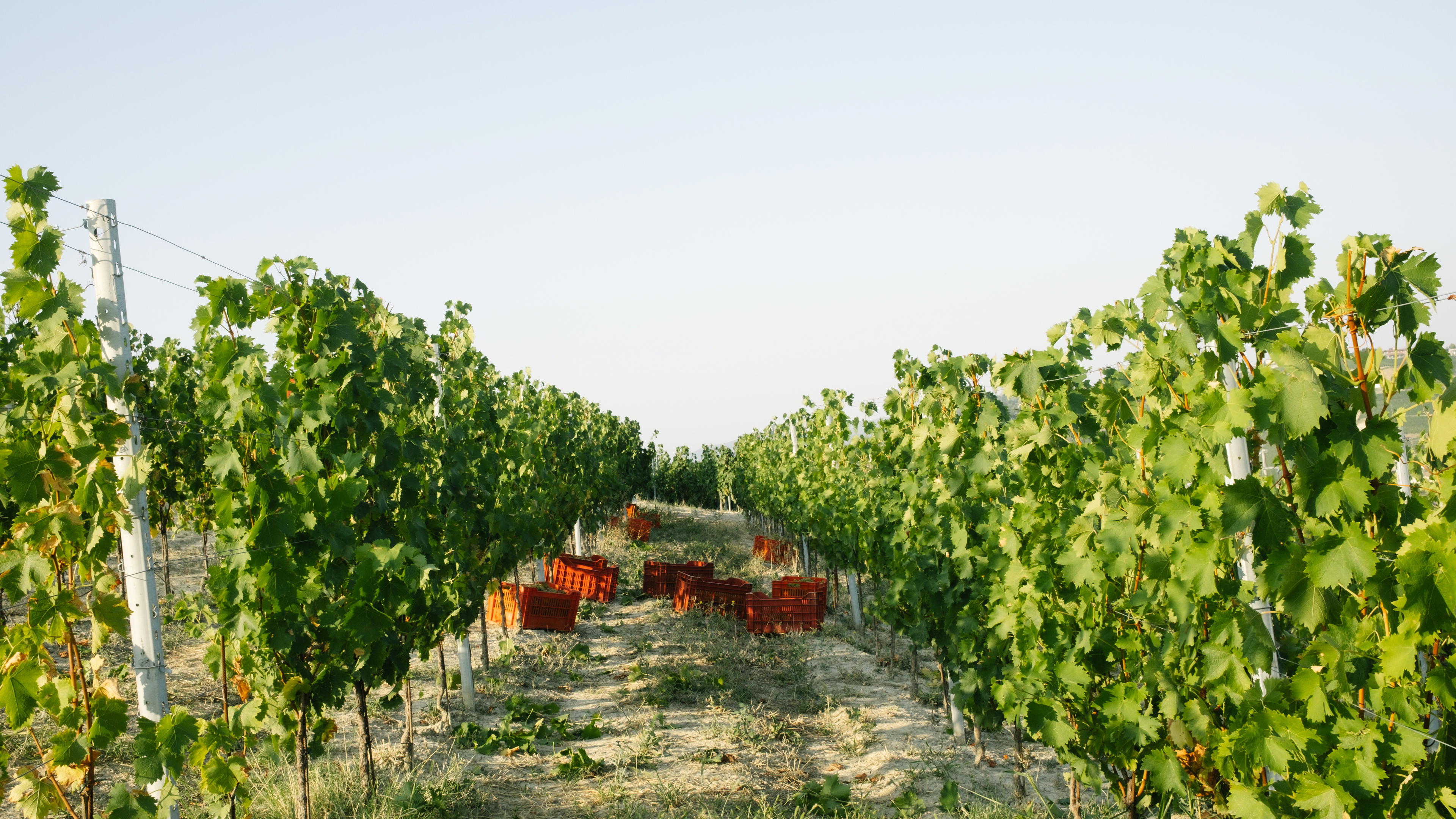
Barbaresco is not a dining destination in the way Alba is. The village has fewer than 700 residents, a single main approach road, and a medieval tower that has watched over the Tanaro valley for centuries. What it does have is some of the most argued-over agricultural land in Italy: the Nebbiolo vineyards of Barbaresco DOCG on one side, and a centuries-old tradition of livestock farming and hand-rolled pasta on the other. Antinè occupies the first floor of a building in that old town, a stone's throw from the tower, and the dining room's position above street level gives it a quiet remove from the village below, the kind of setting where the food is expected to speak for the territory, not compete with spectacle.
That expectation shapes how kitchens like this one work in the Langhe. The region's culinary identity is built on a small roster of ingredients so tightly tied to their geography that they function almost as place names: Fassona beef from Piedmontese cattle, agnolotti del plin folded by hand, white truffles from Alba in autumn, and hazelnuts from the Cuneo hills. The discipline demanded of a Langhe kitchen is not one of invention for its own sake, but of selection, knowing which of these materials to use, in what combination, and when to leave the technique minimal enough that the ingredient carries the dish.
A Short Ingredient List Used with Intent
Michelin's inspectors noted something specific about chef Manuel Bouchard's approach at Antinè: a minimalist method built on a small number of well-chosen ingredients. In the context of northern Italian fine dining, this is a meaningful editorial position. At the €€€€ end of the Italian restaurant spectrum, places like Osteria Francescana in Modena, Le Calandre in Rubano, or Enrico Bartolini in Milan, the tendency is toward elaborate multi-course formats where ingredient count and technique density accumulate across many courses. Antinè, at €€, operates in a different register: fewer components, greater clarity per plate, and a menu that retains recognisable Piedmontese anchors rather than abstracting them away.
Plin pasta and Fassona beef appear on the menu, as Michelin's notes confirm, alongside what the inspectors describe as more alternative, imaginative dishes including both freshwater and saltwater fish. That last detail carries some weight in a landlocked wine village. Freshwater fish from Piedmont's rivers has deep historical precedent in the regional kitchen, this was food for fast days and river-town markets long before the region became known internationally for its beef and truffles. Saltwater fish is a different argument, one that requires the kitchen to justify its sourcing and preparation on culinary grounds rather than local tradition. The fact that Michelin's inspectors flag both as part of what impressed them suggests the fish dishes are not ornamental: they represent a considered extension of the menu's range.
For context on how Piedmontese kitchens at this tier handle the tension between tradition and range, Antica Corona Reale in Cervere and Locanda Sant'Uffizio Enrico Bartolini in Cioccaro offer useful comparisons, both anchored in Piedmontese tradition while operating at different price points and with distinct competitive sets. Antinè's €€ positioning makes it the more accessible entry point into serious Langhe cooking without the tasting-menu architecture that defines many of its regional peers.
The Wine List as a Statement of Place
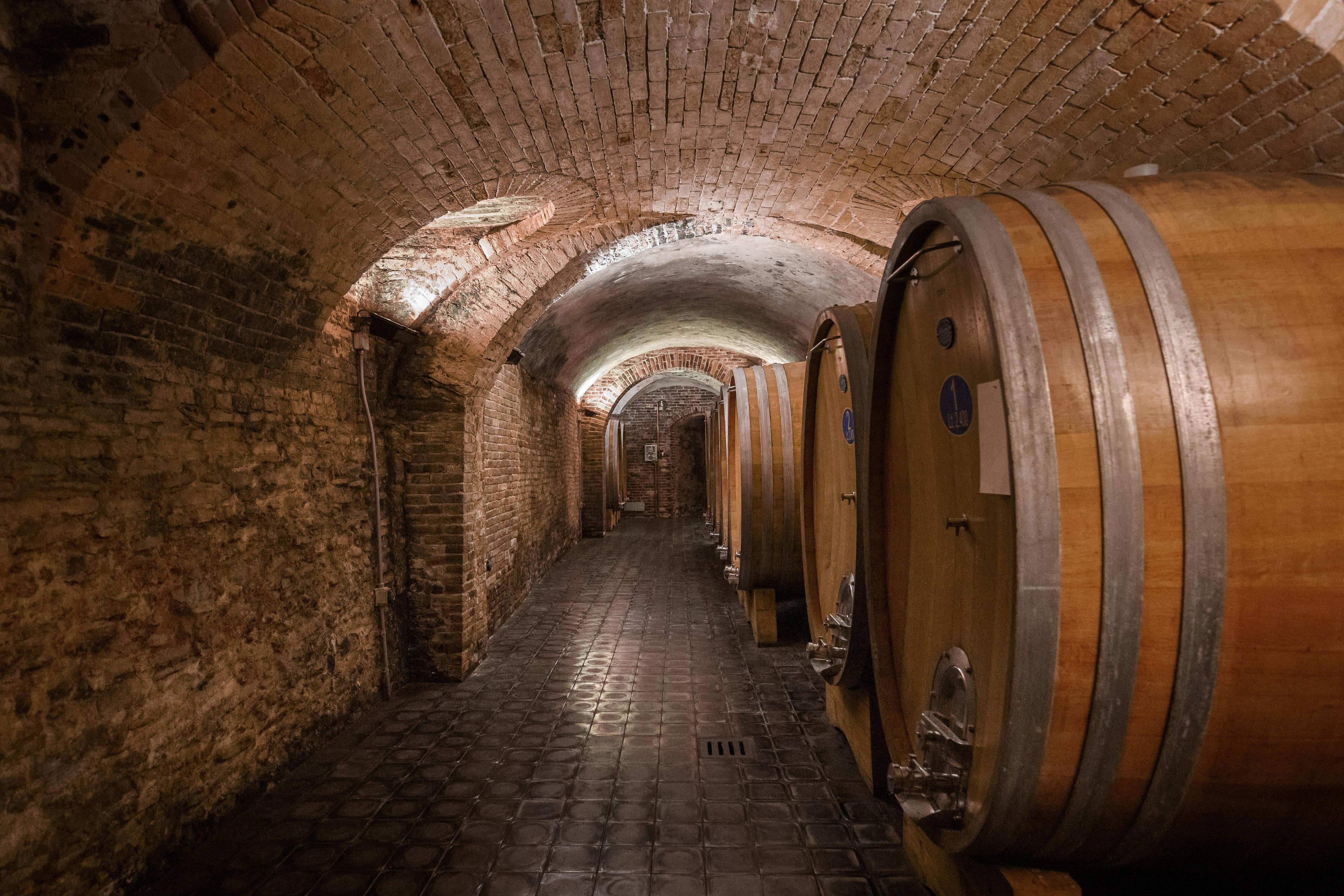
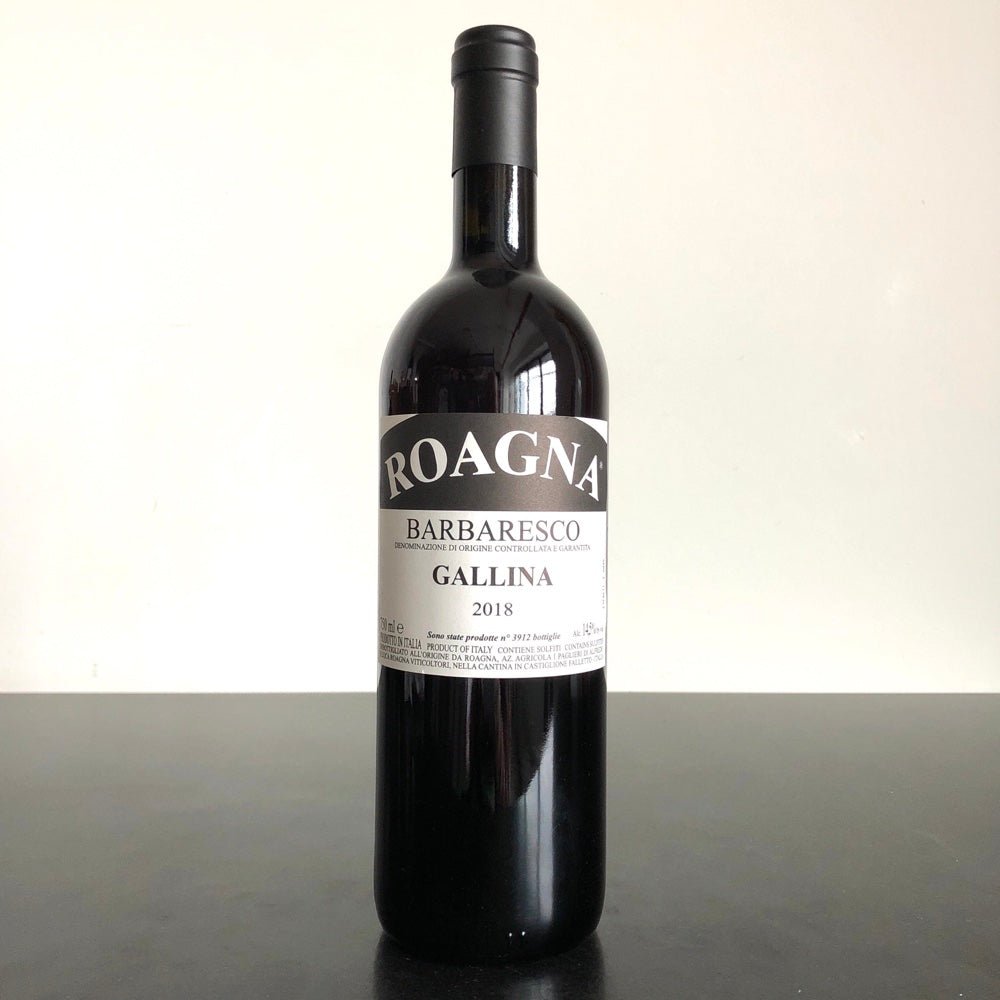
Michelin's description singles out the wine list as a completing element of the picture. In Barbaresco, that is not a throwaway line. The village produces one of Italy's two great Nebbiolo-based DOCG wines, Barbaresco, alongside Barolo to the south, and any serious restaurant here is expected to carry a cellar that reflects the immediate geography. The producers immediately surrounding the village include names that draw collectors and sommeliers from across Europe each autumn, particularly during the harvest and the Fiera del Tartufo season in Alba in October and November. A wine list in this setting functions as a form of local credential: which Crus are represented, how deep the vintages run, whether natural and conventional producers are balanced.
Given the €€ price range, Antinè occupies an interesting position: a cellar with serious local ambition at a price point that doesn't price out the travelling wine trade. This is a different value proposition from the destination dining experiences in the wider Italian north, the three-Michelin-star tier of Dal Pescatore in Runate or Enoteca Pinchiorri in Florence, and positions the restaurant for a guest who knows what they're drinking without necessarily requiring a white-tablecloth production around it.
Antinè in the Barbaresco Dining Context
Barbaresco's restaurant options are small in number and specific in character. The village draws visitors primarily through its wine, cellar visits, producer tastings, and the autumn truffle season concentrated around nearby Alba, and the dining that surrounds those visits tends to reflect the same Piedmontese sourcing ethic. Campamac and Visione Restaurant and Living sit alongside Antinè in a compact local set. Each takes a distinct editorial approach to the same ingredient pool. Antinè's particular contribution is the minimalist precision that Michelin's inspectors identified, the willingness to let a short ingredient list carry a full menu rather than filling out the plate count with elaboration.
For a restaurant of this scale in a village this size, that track record is the relevant credential. Italy's broader fine-dining tier, the three-star houses at Atelier Moessmer Norbert Niederkofler in Brunico, Reale in Castel di Sangro, Quattro Passi in Marina del Cantone, or Piazza Duomo in Alba just twenty minutes south, operates at a different scale and ambition. Antinè is not competing with that tier. It is doing something more specific: providing a precise, locally-grounded meal in one of the world's most tightly-defined wine territories, at a price that keeps the focus on the food and the glass rather than the production around them.
Planning a Visit
Antinè is at Via Torino 16, on the first floor of a building in Barbaresco's old town, close to the medieval tower. The €€ price range puts it within reach of the typical wine-touring itinerary without requiring advance budgetary planning. Barbaresco village is accessible by car from Alba in under thirty minutes and sits within easy reach of the broader Langhe wine route. Given the restaurant's size and the village's draw during harvest and truffle season, roughly September through November, booking ahead is advisable, particularly on weekends and during peak autumn travel. The warm welcome noted by Michelin's inspectors is a practical signal as much as an aesthetic one: this is a restaurant where service is attentive without being formal, appropriate for both the setting and the price point. For those building a wider itinerary, our full Barbaresco restaurants guide, hotels guide, bars guide, wineries guide, and experiences guide cover the full village picture.
Frequently asked questions
What distinctions does Antinè have?
Antinè has received recognition including: Manuel Bouchard’s cuisine impressed our inspectors thanks to striking features such as his minimalist approach and the use of just a few well-chosen ingredients. Traditional recipes, such as plin pasta and Fassona beef, feature on the menu ….
What do regulars order at Antinè?
Michelin's inspectors single out plin pasta and Fassona beef as the traditional anchors of the menu, both firmly rooted in Piedmontese cooking. The kitchen also runs more inventive dishes that incorporate fresh- and saltwater fish alongside these regional staples, so the menu spans classic and contemporary without abandoning its local foundations.
What price level is Antinè?
Pricing at Antinè is listed as €€.
Do I need a reservation for Antinè?
Booking ahead is advisable. Antinè holds a Michelin Plate and sits in Barbaresco, a village of fewer than 700 residents that draws significant visitor numbers during autumn harvest and truffle season, when tables at the area's few serious restaurants fill quickly. check the venue's official channels via its address at Via Torino 16 to confirm current availability and booking arrangements.
Quick Comparison
| Venue | Cuisine | Price | Awards | Notes |
|---|---|---|---|---|
| AntinèThis venue (the venue you are viewing) | Modern Piedmontese Bistrot | $50–100 | Michelin Plate | Not listed |
| Atelier Moessmer Norbert Niederkofler | Modern Alpine Fine Dining | $300–500 | 3 Michelin Stars · World's 50 Best #38 | Italian, Creative |
| Dal Pescatore | Classic Italian Fine Dining | $200–300 | 3 Michelin Stars · World's 50 Best #38 | Italian, Italian Contemporary |
| Enoteca Pinchiorri | Contemporary Italian Fine Dining | $200–300 | 3 Michelin Stars · World's 50 Best #32 | Italian - French, Italian Contemporary |
| Enrico Bartolini | Modern Italian Fine Dining | $300–500 | 3 Michelin Stars · World's 50 Best #85 | Creative |
| Osteria Francescana | Avant-Garde Italian Contemporary | $300–500 | 3 Michelin Stars · World's 50 Best #1 | Progressive Italian, Creative |
Recognition history
Dated appearances from independent guides and award organizations, with the underlying list record or original source where available.
Michelin Plate
Michelin
Full recognition history (3 entries)
Michelin Plate
Michelin
Michelin Plate
Michelin
Continue exploring
More in Barbaresco
Restaurants in Barbaresco
All restaurants in Barbaresco →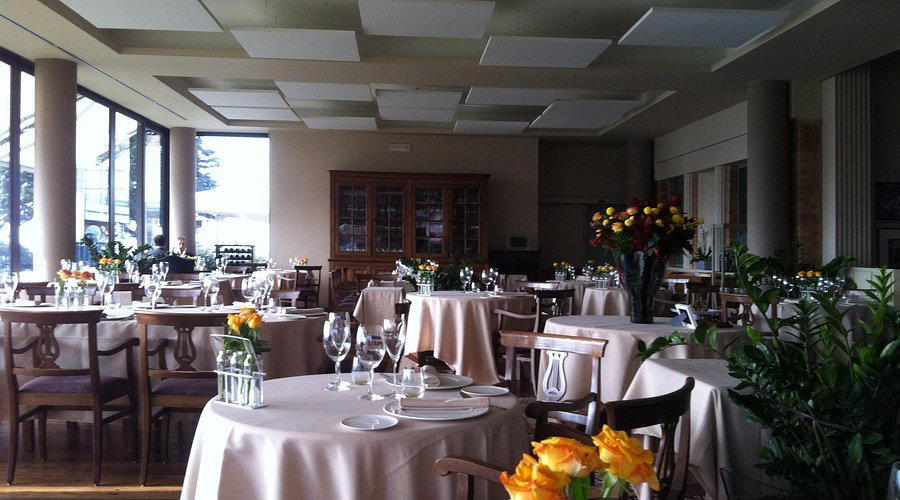
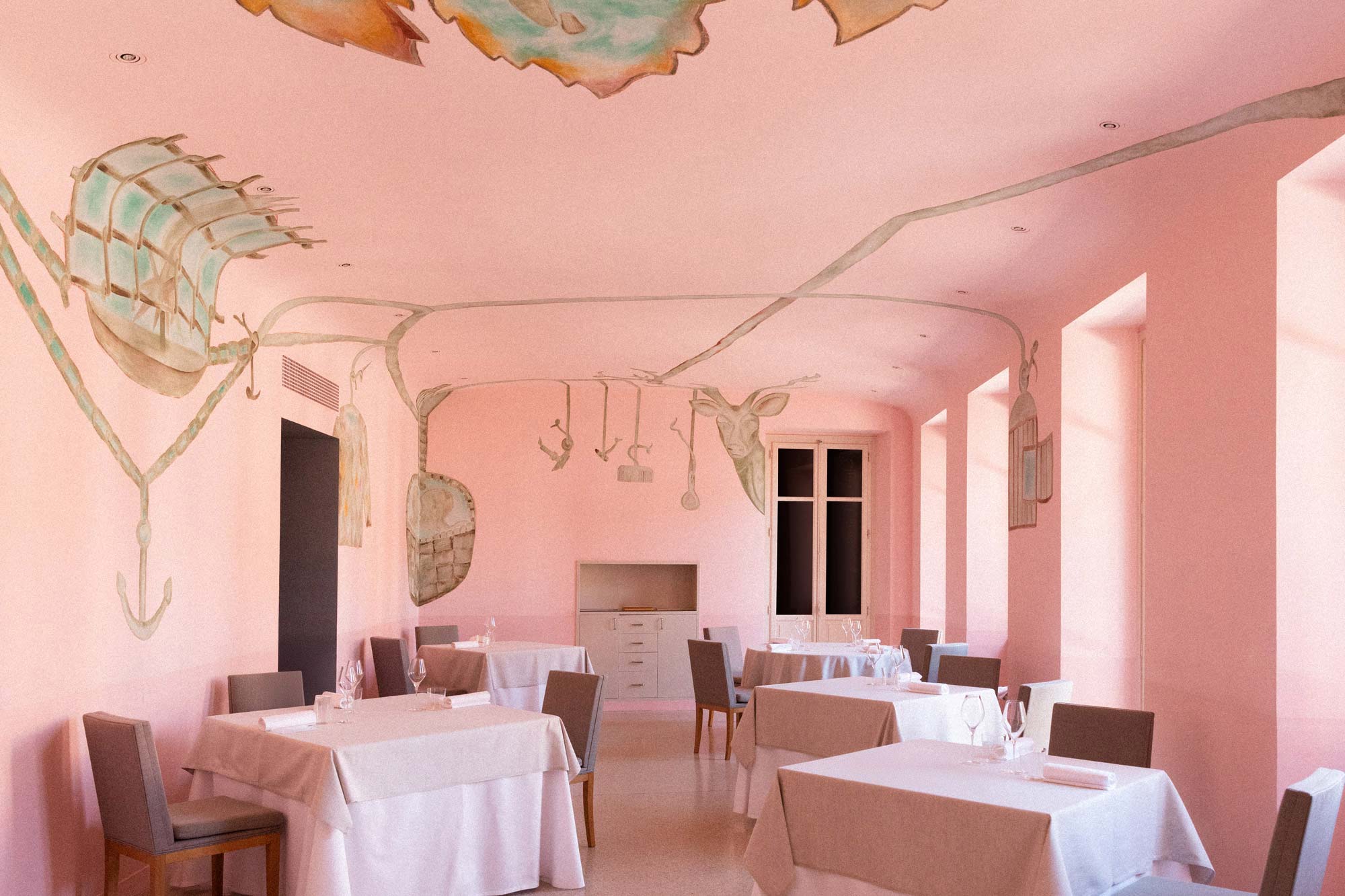
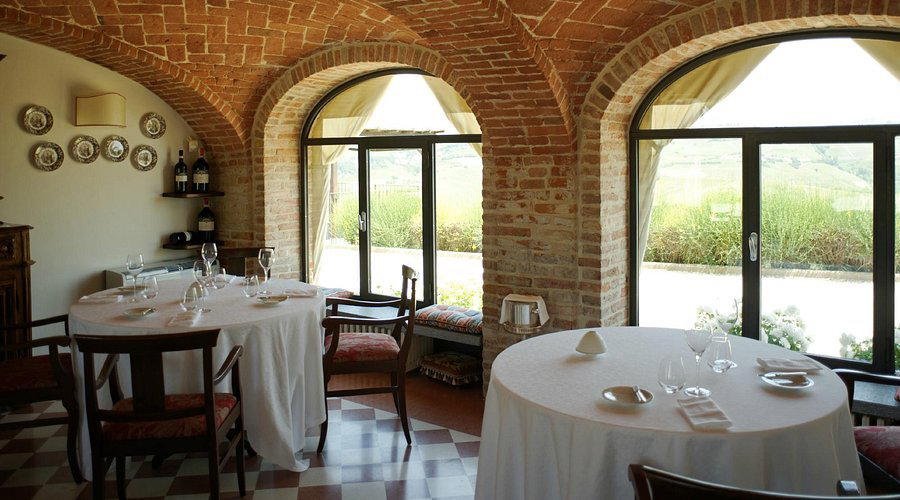
Bars in Barbaresco
All bars in Barbaresco →
Antinè
The wine
- Wine program
- Deep wine list
- Extensive wine list
- Sommelier-led
Details
- Elegant
- Intimate
- Rustic
- Sophisticated
- Date Night
- Special Occasion
- Business Dinner
- Terrace
- Historic Building
- Extensive Wine List
- Sommelier Led
- Local Sourcing
- Vineyard
- A La Carte
- Tasting Menu
- Vegetarian Friendly
- Vegan Options
- Gluten Free Options
Current opening hours
- Monday
- 12:30–2 PM, 7:30–9:30 PM
- Tuesday
- Closed
- Wednesday
- Closed
- Thursday
- 12:30–2 PM, 7:30–9:30 PM
- Friday
- 12:30–2 PM, 7:30–9:30 PM
- Saturday
- 12:30–2 PM, 7:30–9:30 PM
- Sunday
- 12:30–2 PM, 7:30–9:30 PM
Hours can change for holidays and private events. Hours as of .
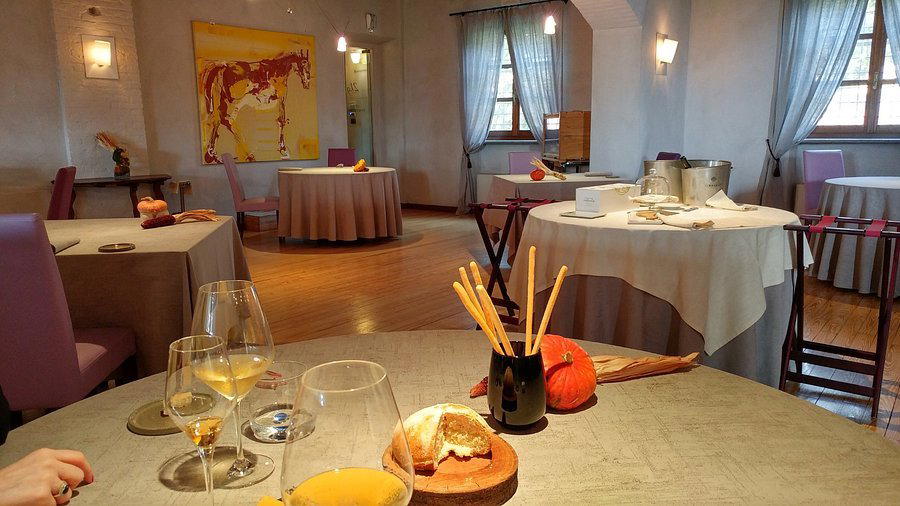
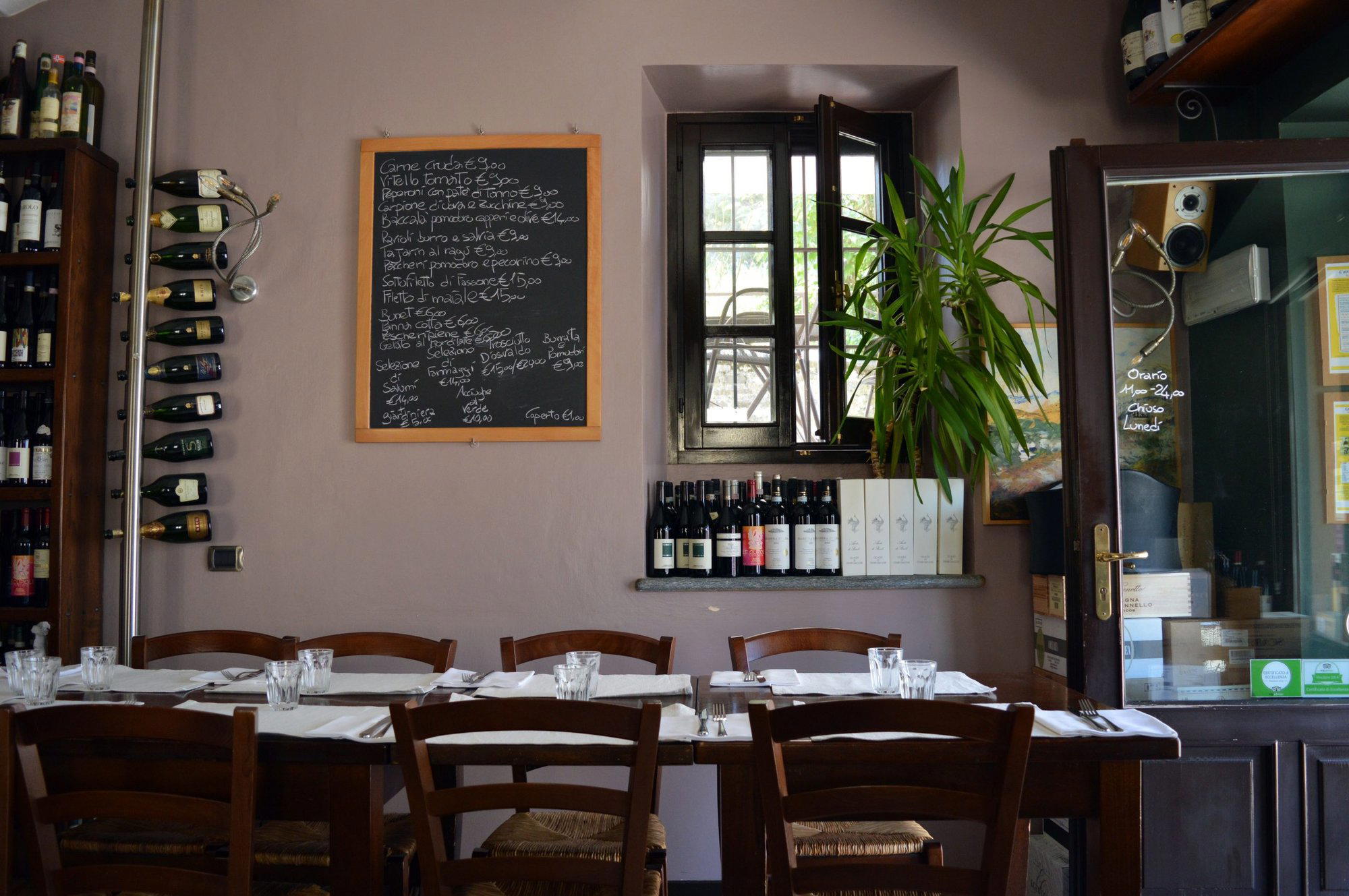
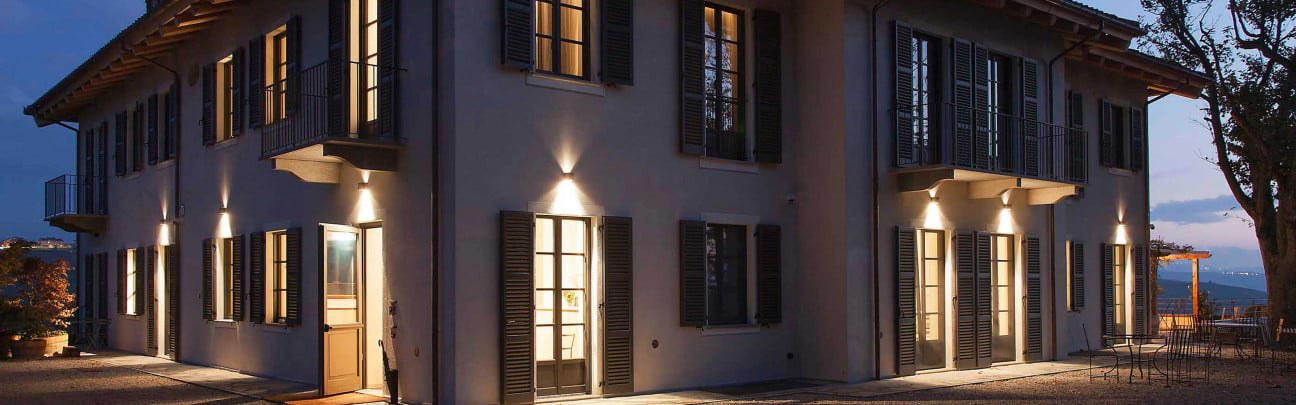
Warm and elegant atmosphere with bright dining room, lots of light and wood, simple grace furnishings, and unusual warmth.