

Osteria del Boccondivino occupies a courtyard building in the centre of Bra with a claim no other dining room in Italy can match: it is the birthplace of the Slow Food movement. A Michelin Bib Gourmand holder since at least 2024 and ranked #195 in Opinionated About Dining's Casual Europe list for 2025, it serves strictly Piedmontese cooking at single-euro-sign prices, with summer alfresco seating and booking recommended even at lunch.
Pearl is the En Primeur Club membership app — saves, bookings, and concierge access live there. Same editors, same standards.
- Address
- Via Mendicità Istruita, 14, 12042 Bra CN, Italy
- Phone
- +39 0172 425674
- Website
- boccondivinoslow.it
- Directions
- Get directions
 Saves & bookings on Pearl
A Courtyard in Bra Where a Food Movement Was Born
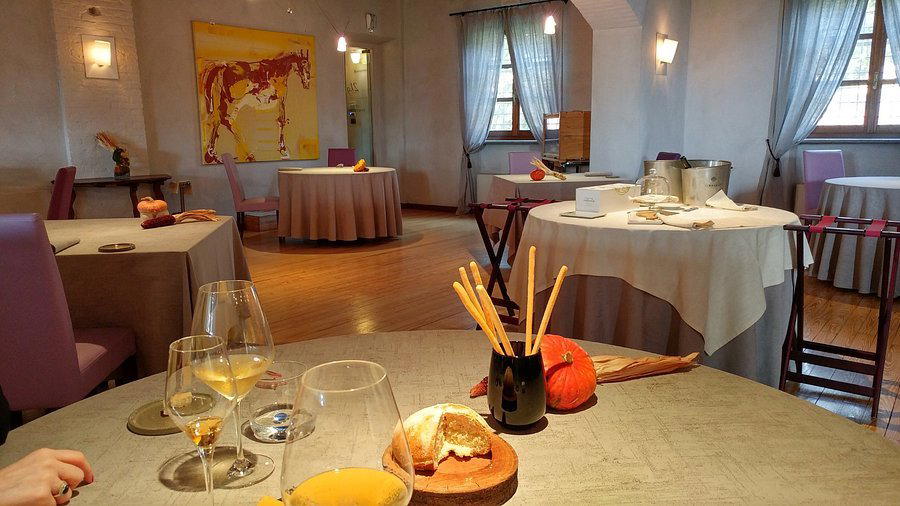
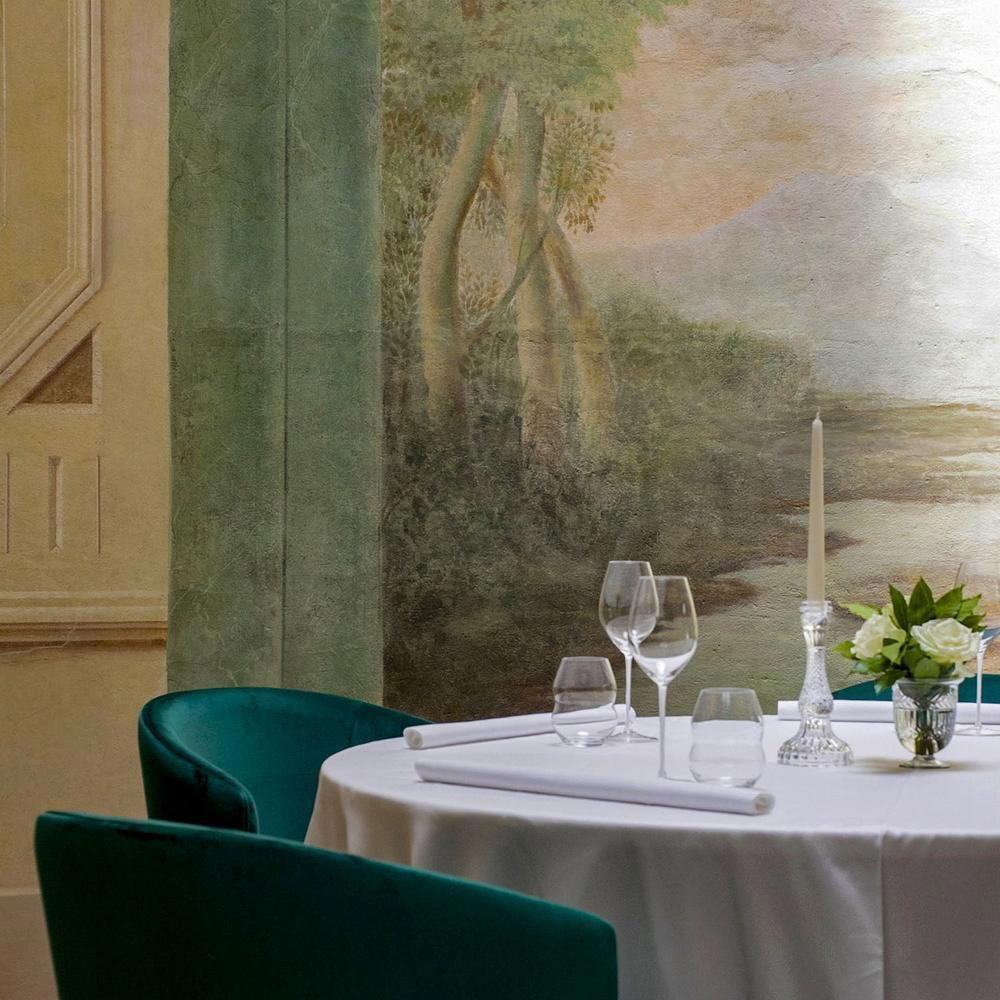
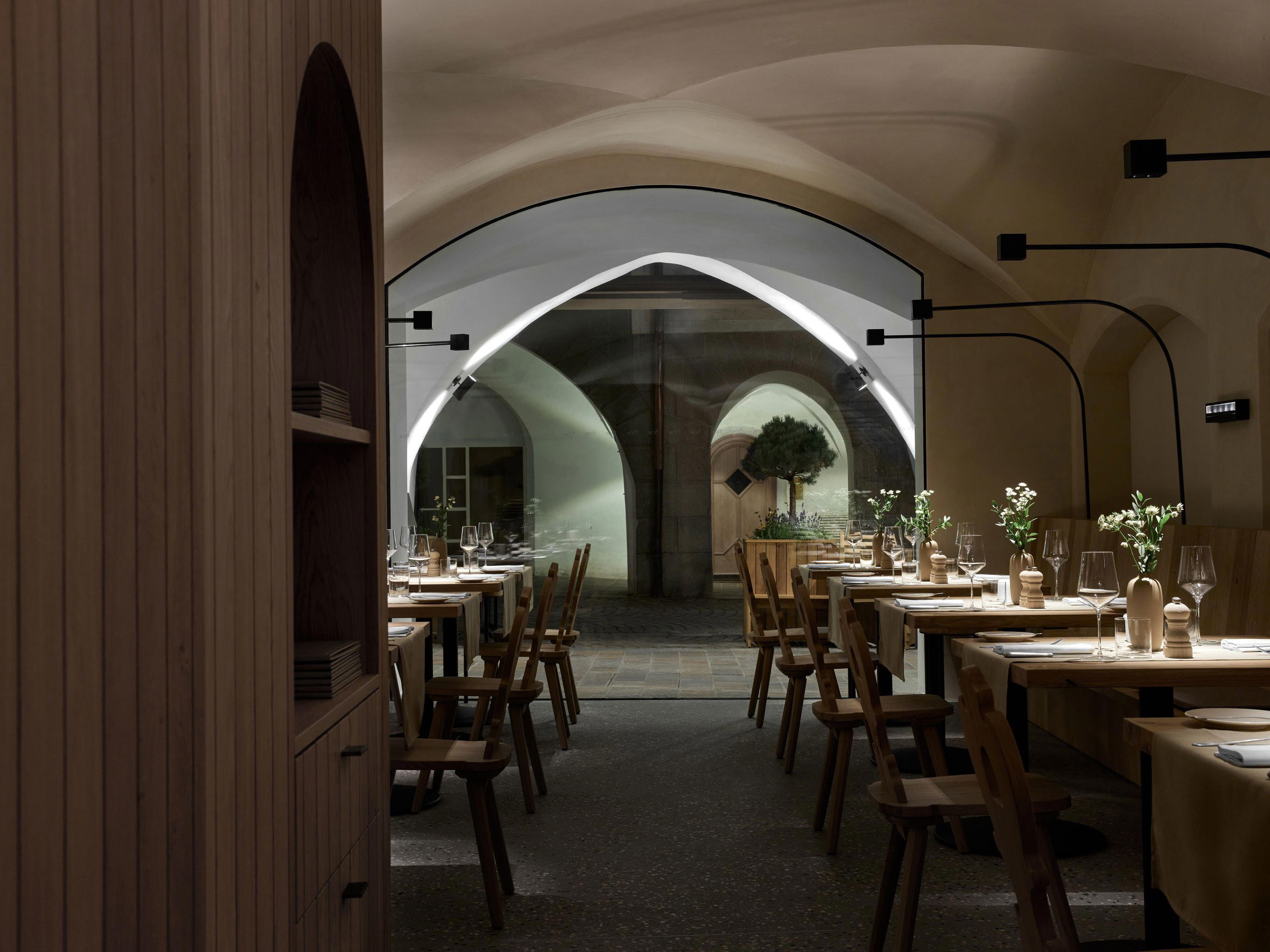
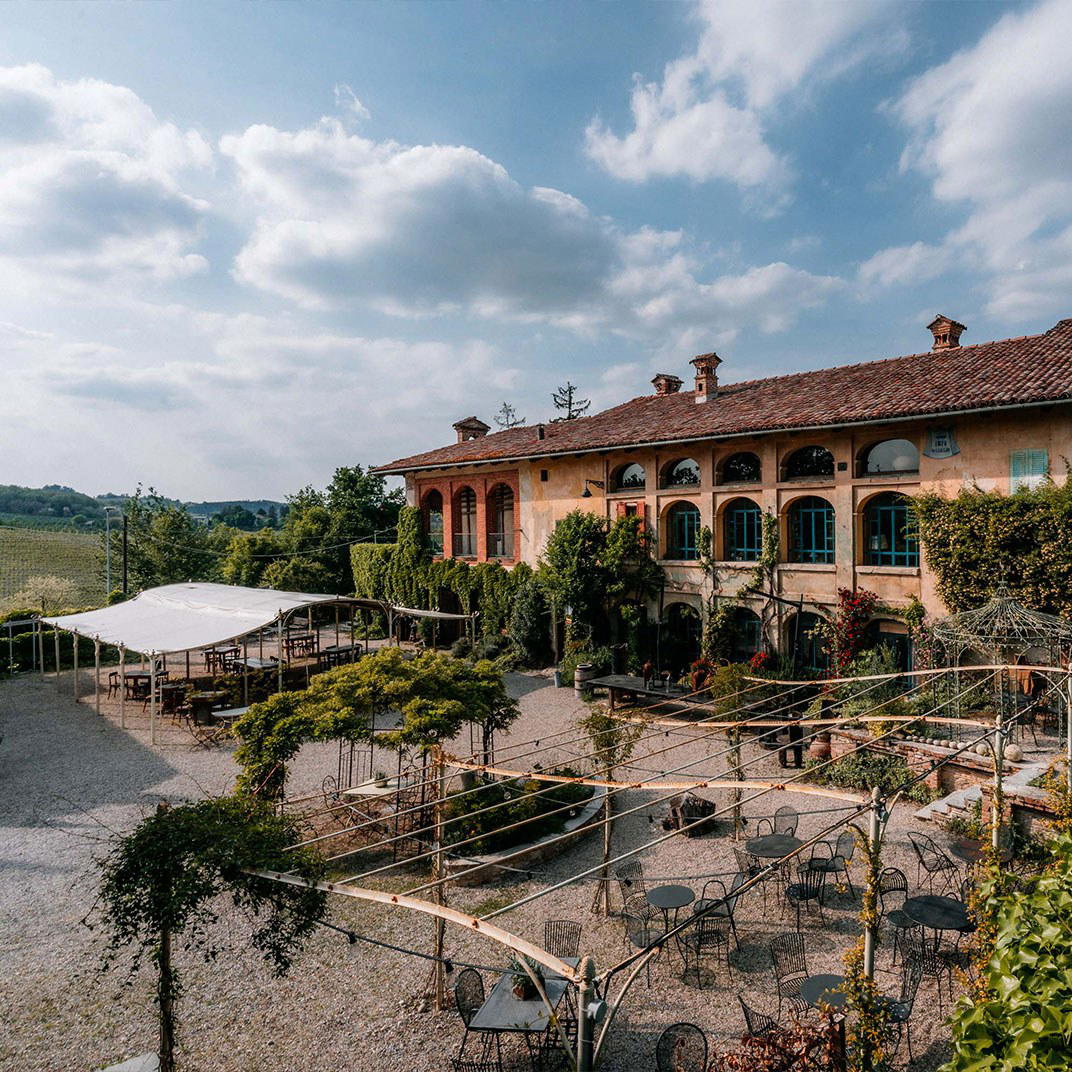
Arrive at Via Mendicità Istruita 14 and the building gives little away from the street. Pass through the entrance and into the internal courtyard, and the setting resolves into something that feels less like a restaurant approach and more like a domestic reveal, the kind of enclosed outdoor space that defines the older residential fabric of small Piedmontese towns. In summer, tables are laid alfresco here, under the sky and within stone walls that belong to a period building with no interest in announcing itself. The dining rooms inside share the same register: simple, informal, the kind of spaces that fill quickly at both lunch and dinner services without needing to advertise why.
That context matters because Osteria del Boccondivino is not simply a well-regarded trattoria in a region full of them. It is the location where the Slow Food movement was founded. The political and gastronomic implications of that origin, a philosophy built around local sourcing, producer relationships, and resistance to industrial food systems, did not stay abstract here. They became an operational framework that subsequent decades of Piedmontese dining culture absorbed, and which the osteria itself continues to express through what arrives at the table.
Piedmontese Cooking and What It Asks of Its Ingredients
The ingredient logic of this region is specific. Langhe and Monferrato produce some of Italy's most geographically attached raw materials: Fassona beef from Piedmontese cattle raised in the surrounding hills, Carmagnola rabbit from a breed tied to the town of the same name south of Turin, Bra sausage produced according to specifications that give the town its own DOC-adjacent identity in cured meat. These are not generic Italian staples rebranded for tourism. They are products with traceable provenance, producer communities, and in some cases formal designation, and they appear on the menu here as expressions of a sourcing philosophy rather than decorative local colour.
The tajarin, listed in the awards data as "40-yolk" pasta, is one technically instructive example of what Piedmontese sourcing demands. Standard egg pasta uses roughly two to four yolks per hundred grams of flour. A formulation of forty yolks per kilo of flour produces a dough that is rich to the point of needing specific rolling technique, yields a pasta that is simultaneously silkier and more structurally present than its egg-lighter equivalents, and depends entirely on the quality and fat content of the eggs used. The result is a dish that cannot be replicated with commodity ingredients and therefore functions as a direct argument for the kind of local producer relationships that the Slow Food framework was designed to protect.
The soft, creamy composition built on cocoa, amaretti, and eggs is a Piedmontese standard that predates restaurant culture in the region, carried in domestic kitchens across the Langhe before it became a menu fixture. Its presence here reads as continuity rather than nostalgia.
Where This Kitchen Sits in the Piedmontese Dining Spectrum
Piedmont's dining scene spans a wider price and ambition range than its comparatively small tourist footprint might suggest. At the summit of the bracket, Piazza Duomo in Alba operates at a three-Michelin-star register with tasting menus that engage the same regional ingredient canon through a progressive lens. Further afield, the Italian fine dining tier includes operations like Osteria Francescana in Modena, Dal Pescatore in Runate, Enoteca Pinchiorri in Florence, Le Calandre in Rubano, Enrico Bartolini in Milan, Uliassi in Senigallia, Quattro Passi in Marina del Cantone, and Atelier Moessmer Norbert Niederkofler in Brunico, each commanding €€€€ pricing and a different relationship to tradition and innovation.
Boccondivino occupies a different tier entirely. Its single euro-sign price range places it within reach of a meal-every-day frequency for most visitors to Bra, not a special-occasion calculation. The Michelin Bib Gourmand is the guide's designated recognition for kitchens that deliver quality above their price point.
Within Bra itself, the trattoria tradition is well represented. Battaglino offers another entry point into classic Piedmontese cooking in the town, while Osteria La Pimpinella works a contemporary angle on the same regional material. Comparable Piemontese kitchens operating in the traditional register elsewhere in the region include Il Centro in Priocca and Consorzio in Turin, both of which provide useful reference points for understanding where regional cooking sits when it prioritises fidelity over reinvention.
Planning a Visit
The osteria is closed every day of the week. The lunch service is worth treating as seriously as dinner: the kitchen is running the same menu, the courtyard is available in good weather, and the midday light in the internal space is one of the more quietly pleasant experiences a small Piedmontese town can offer. That said, the dining rooms are compact and fill quickly at both services. Booking ahead is recommended.
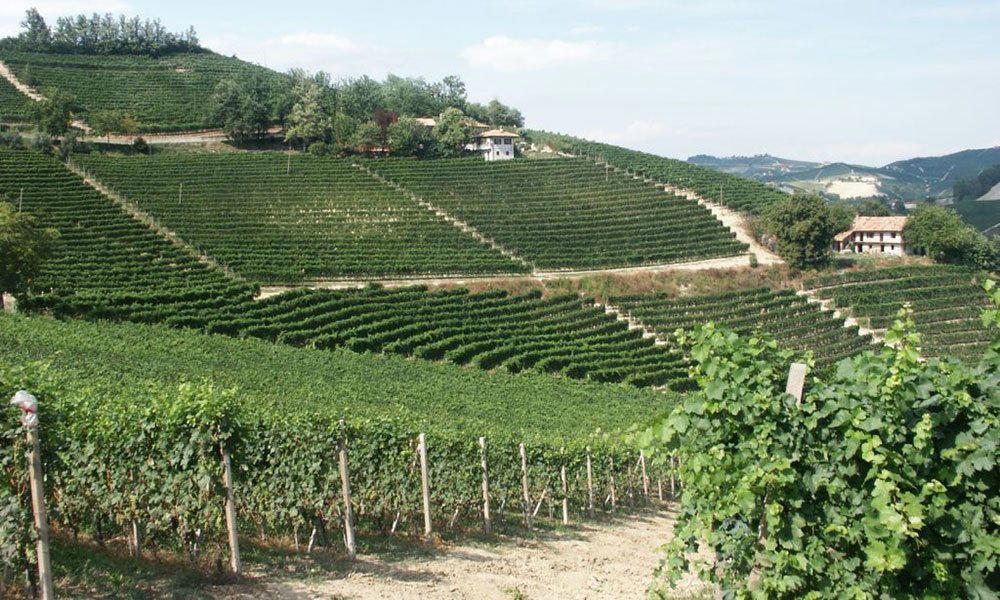
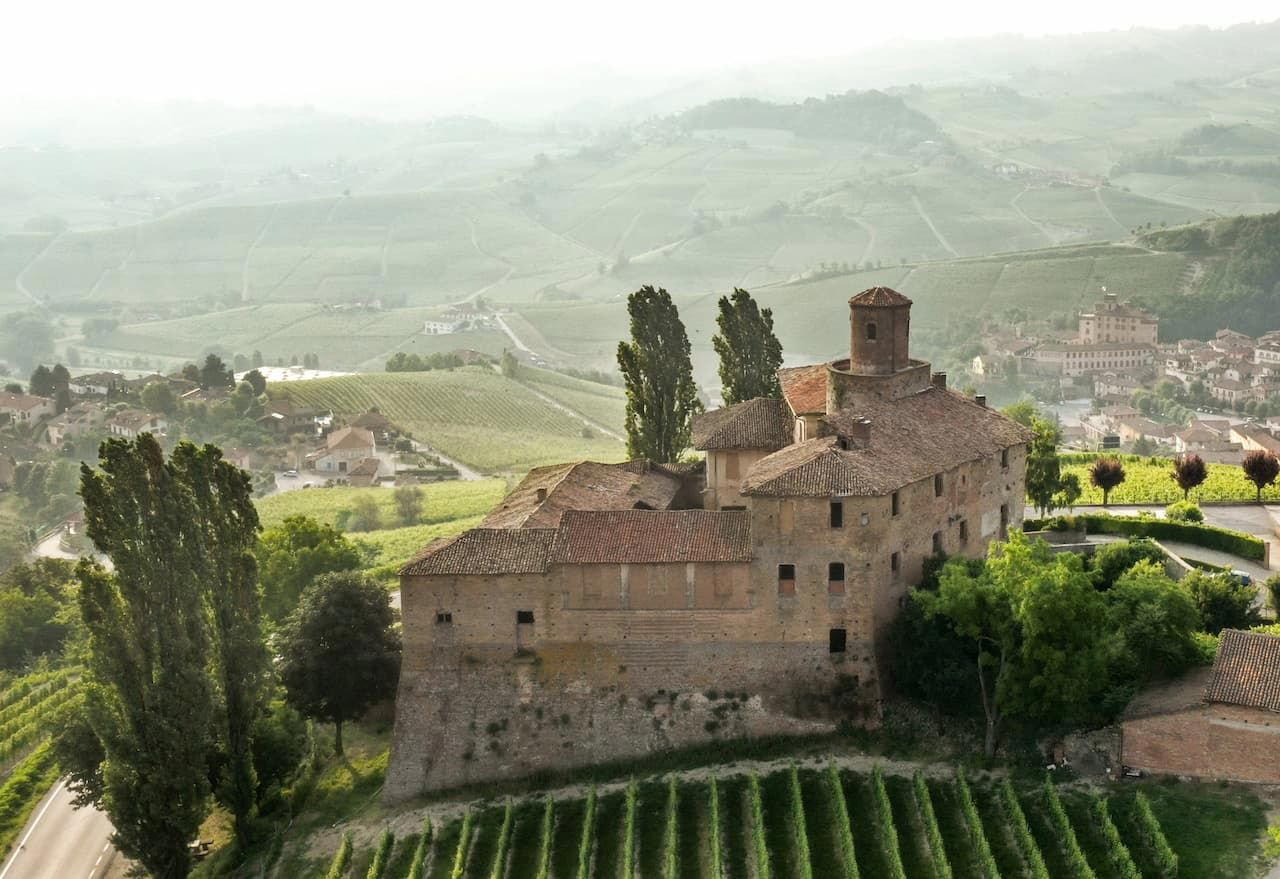
Bra sits in the southern Piedmont wine country, roughly equidistant between Turin to the north and the Ligurian Alps to the south. The town functions as a base for visits to the Barolo and Barbaresco zones without the higher accommodation prices of Alba or the villages themselves.
Price and Recognition
Comparable venues nearby, for context on price, style, and recognition.
| Venue | Cuisine | Price | Awards | Notes |
|---|---|---|---|---|
| Osteria del BoccondivinoThis venue — the venue you are viewing | Piemontese, Piedmontese | $$ | Bib Gourmand | Not listed |
| Osteria La Pimpinella | Bra, Traditional Piedmontese Osteria | $$$ | Bib Gourmand | Not listed |
| Battaglino | Piazza Roma, Traditional Piedmontese | $$ | Bib Gourmand | Not listed |
| Rosmarino | Not listed | $$ | Bib Gourmand | Piazza De Ferrari, Modern Ligurian Trattoria |
| Da Felice | Not listed | $$ | Bib Gourmand | Zona Scogli, Traditional Ligurian Seafood |
| Il Fiorile | Castel Ratti, Modern Piedmontese | $$ | Bib Gourmand | Not listed |
Recognition history
Dated appearances from independent guides and award organizations, with the underlying list record or original source where available.
Michelin Bib Gourmand
Michelin
Opinionated About Dining Casual in Europe Recommended
Opinionated About Dining
Michelin Bib Gourmand
Michelin
Opinionated About Dining Casual in Europe Ranked #195
Opinionated About Dining
Michelin Bib Gourmand
Michelin
Opinionated About Dining Casual in Europe Ranked #195
Opinionated About Dining
Opinionated About Dining Casual in Europe Ranked #132
Opinionated About Dining
Continue exploring
More in Bra
Restaurants in Bra
Browse all →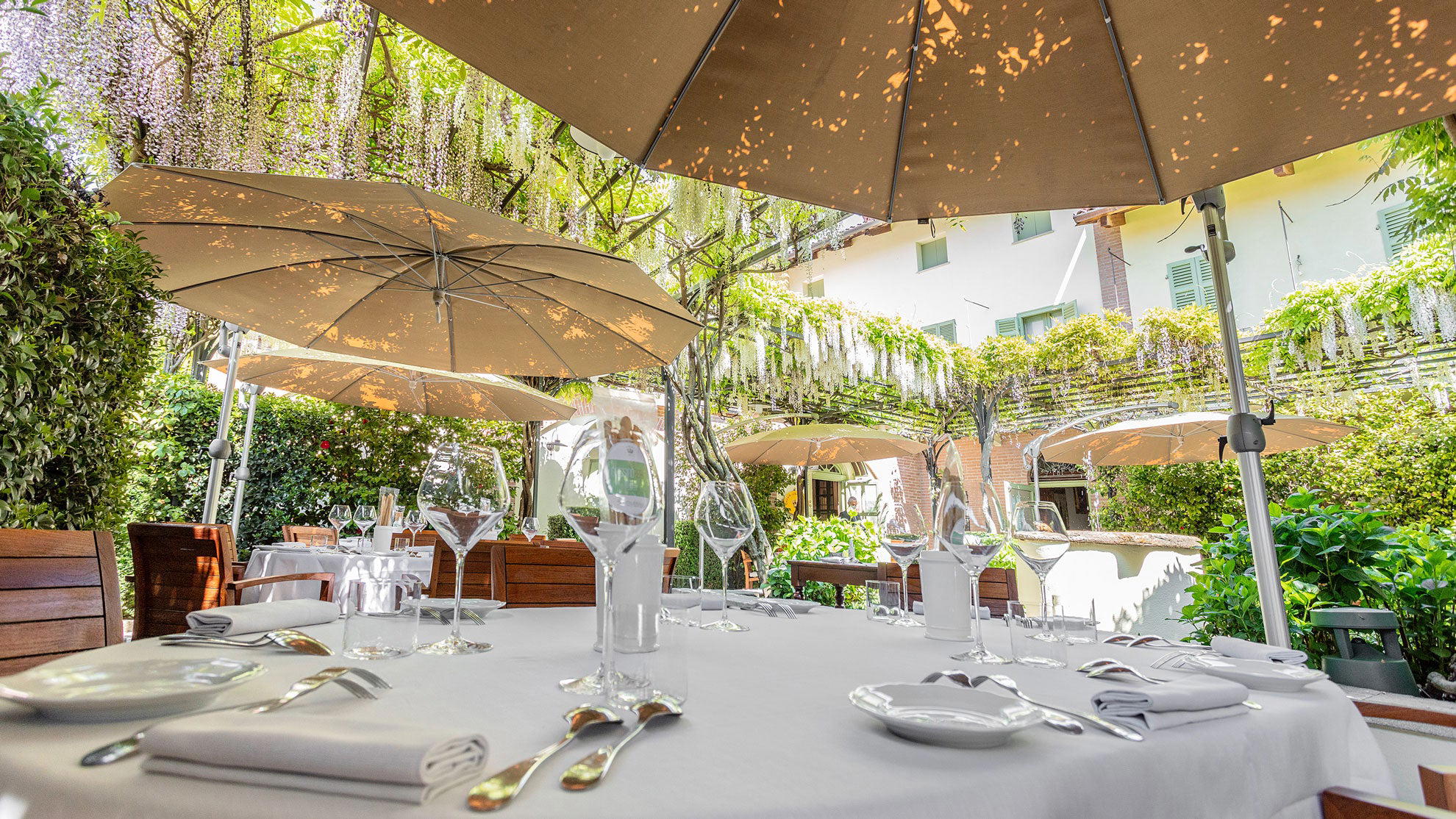
Bars in Bra
Browse all →
Hotels in Bra
Browse all →
At a Glance
- Rustic
- Cozy
- Classic
- Intimate
- Date Night
- Family
- Special Occasion
- Courtyard
- Historic Building
- Extensive Wine List
- Local Sourcing
Current opening hours
- Monday
- Closed
- Tuesday
- Closed
- Wednesday
- Closed
- Thursday
- Closed
- Friday
- Closed
- Saturday
- Closed
- Sunday
- Closed
Hours can change for holidays and private events. Last verified .
Simple, informal dining rooms in a typical period building with courtyard seating in summer; sober, refined atmosphere with tablecloths and cloth napkins.