Barolo Bar

Star Wine List
The main square of Monforte d'Alba has long operated as an informal living room for the Barolo production zone, and this simple bar at its centre is where that social logic plays out most naturally. Locals arrive in the late afternoon for Dolcetto, visiting producers pull up for a glass between appointments, and the conversation rarely strays far from what is growing in the surrounding vineyards.

Pearl is the En Primeur Club membership app — saves, bookings, and concierge access live there. Same editors, same standards.
- Address
- Via Giuseppe Garibaldi, 11, 12065 Monforte d'Alba CN, Italy
- Phone
- +39 0173 789243
- Hours
- Mon–Tue ClosedWed–Sun 11 AM–12 AM
- Website
- facebook.com
- Directions
- Get directions
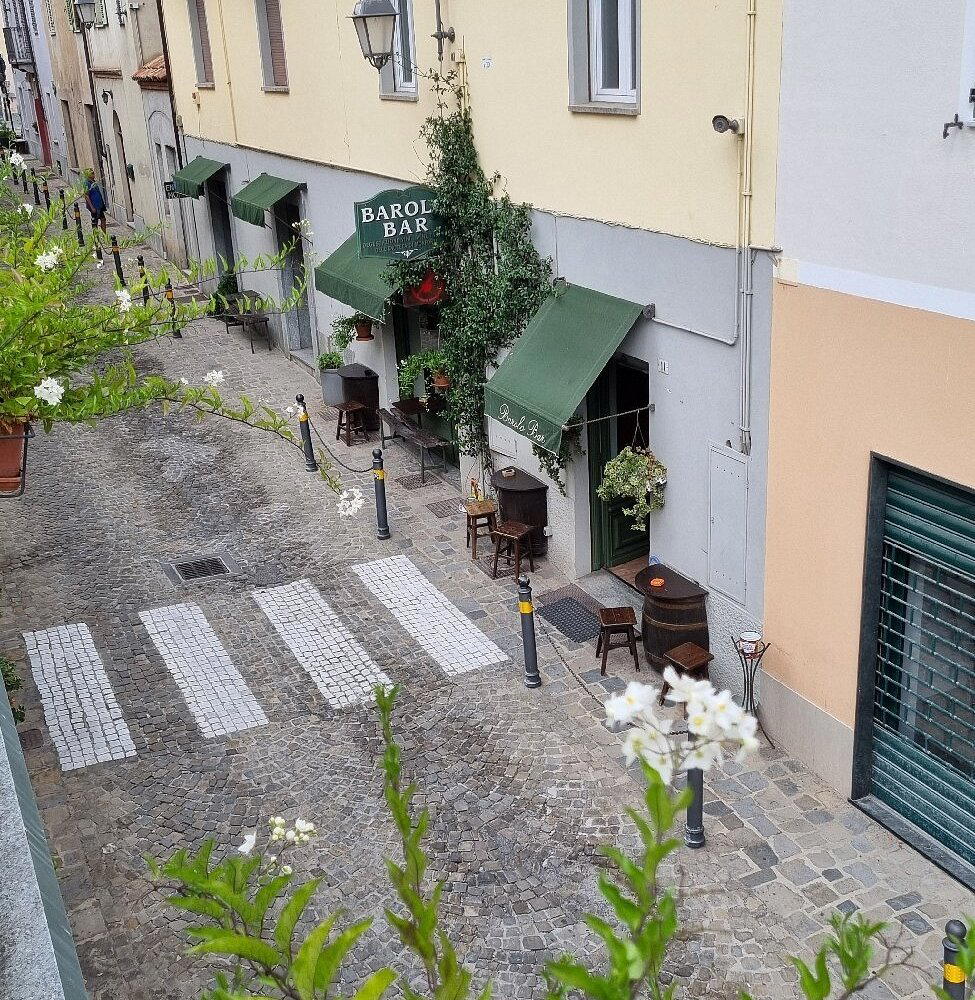
The Square as Social Infrastructure
In villages built around wine production, the central bar is rarely just a place to drink. It functions as a notice board, a meeting room, and a pressure valve between harvests. Monforte d'Alba sits in the southern Langhe, surrounded by some of the most closely watched Nebbiolo vineyards in Italy, and its main piazza operates exactly as you would expect from a town where most conversations eventually circle back to what is happening in the Bussia or Mosconi crus. Barolo Bar occupies the ground floor of that civic rhythm, positioned on Via Giuseppe Garibaldi in the square itself, which means it catches the full flow of daily village life rather than a curated slice of it.
The broader Italian bar tradition is worth understanding here. In the wine regions of Piedmont, the late-afternoon aperitivo hour carries a different weight than it does in Milan or Rome. The wines being poured are local by default, the clientele is a mix of producers, workers, and the occasional well-informed visitor, and the format is deliberately unpretentious. This is not the register of Gucci Giardino in Florence or the technical cocktail programming of Drink Kong in Rome. It is something older and, in its own way, harder to replicate: a place that has earned its regulars rather than designed for them.
What Gets Poured and Why It Matters
The editorial angle on any bar in the Barolo zone necessarily runs through the wine. The DOCG covers eleven communes across the Langhe, and Monforte d'Alba is one of the five core production villages, home to crus that consistently appear in the upper tier of collector allocations. A bar on the main square of Monforte is not an incidental location. It sits inside the production map rather than at its edge.
Dolcetto d'Alba is the wine most associated with the late-afternoon ritual in this part of Piedmont. Where Barolo demands aging and Barbera rewards patience, Dolcetto is the everyday wine of the Langhe, lower in tannin, approachable young, and priced for regular consumption rather than occasion. Locals who spend their working lives managing Nebbiolo through long maceration and extended barrel aging will often choose Dolcetto for an unremarkable Tuesday at four o'clock. That preference is itself an insight into how producers in this zone think about wine outside of their professional output.
For visitors, the logic of ordering locally is direct: the wines available in a bar on this square reflect the actual production of the surrounding hills in a way that a wine list assembled for an international audience does not. If you want to understand the range of what the Langhe produces beyond the prestige bottlings, the informal pours at a place like this offer context that a restaurant tasting menu cannot provide. Compare this function with that of Enoteca Historical Faccioli in Bologna, which similarly uses a bar format to deliver serious regional wine education without the institutional weight of a formal enoteca.
The Atmosphere, Plainly Described
The bar sits on the square, which in Monforte d'Alba means a position that receives the afternoon light from the west as it falls across the Langhe hills. The physical environment is that of a working village bar: not designed for photographic appeal, not staffed for cocktail theatre. What the awards description on file captures accurately is the mix of people: locals at their habitual hour, groups of friends sharing a bottle, and visiting wine enthusiasts who have learned that the square is where the day's business resolves into something more relaxed.
This atmosphere is specific to a certain type of Italian bar that has become genuinely harder to find as wine tourism in the Langhe has grown. The region now draws serious international traffic, with producers in Barolo and Barbaresco routinely hosting visiting buyers, journalists, and collectors. That attention has generated more formal tasting rooms, more structured cellar visits, and more restaurants positioned explicitly for the visiting trade. The informal bar on the village square represents a counterweight to that trend, a place where the transactional logic of wine tourism is, at least temporarily, suspended. For related contrast in how Italian squares anchor bar culture across different registers, Fauno Bar in Sorrento operates a similar civic-anchor function in an entirely different regional context.
Placing It in the Wider Italian Bar Map
Italy's bar culture spans a remarkable range of formats, from the technically ambitious cocktail programs of 1930 in Milan and the considered aperitivo culture of Bistrot Torrefazione Samambaia in Turin to the deeply local wine-bar traditions of places like Al Covino in Venice. Barolo Bar sits at the most locally rooted end of that spectrum, and that is its editorial value. It is not competing with the technical ambition of L'Antiquario in Naples or the design-led hospitality of Lost & Found in Nicosia. The comparison set is the village bar tradition of northern Italian wine country, and within that tradition it is the kind of place that functions as a reference point rather than a destination in isolation. For international context, the civic-bar format shares a philosophical register with something like Cascate del Mulino in Manciano, which similarly derives its character from location and community rather than programming. Even further afield, the unpretentious neighbourhood-anchor model echoes what Bar Leather Apron in Honolulu does within its own local context, albeit in a completely different idiom.
Planning a Visit
Monforte d'Alba is a small village in the southern Langhe, approximately 60 kilometres southeast of Turin and leading reached by car from Alba, which is the nearest town with rail connections. The bar is on the main square, which makes it easy to locate without advance research. Walk-in is the standard approach: this is not a venue that operates on reservations or structured sittings, and the accessibility of the format is part of its point. The late afternoon window, when local producers and village residents converge before the dinner hour, is when the bar operates at its most characteristic. There is no formal price information on file, but the Langhe village bar format is conventionally priced for everyday local use rather than for visitors. For broader context on eating and drinking in the area, see our full Monforte d'Alba restaurants guide.
Frequently Asked Questions
A Quick Peer Check
Comparable venues nearby, for context on price, style, and recognition.
| Venue | Cuisine | Price | Awards |
|---|---|---|---|
| Barolo BarThis venue — the venue you are viewing | wine_bar | $20–30 | Star Wine List |
Recognition history
Dated appearances from independent guides and award organizations, with the underlying list record or original source where available.
Star Wine List
Star Wine List
Continue exploring
More in Monforte d'Alba
Bars in Monforte d'Alba
Browse all →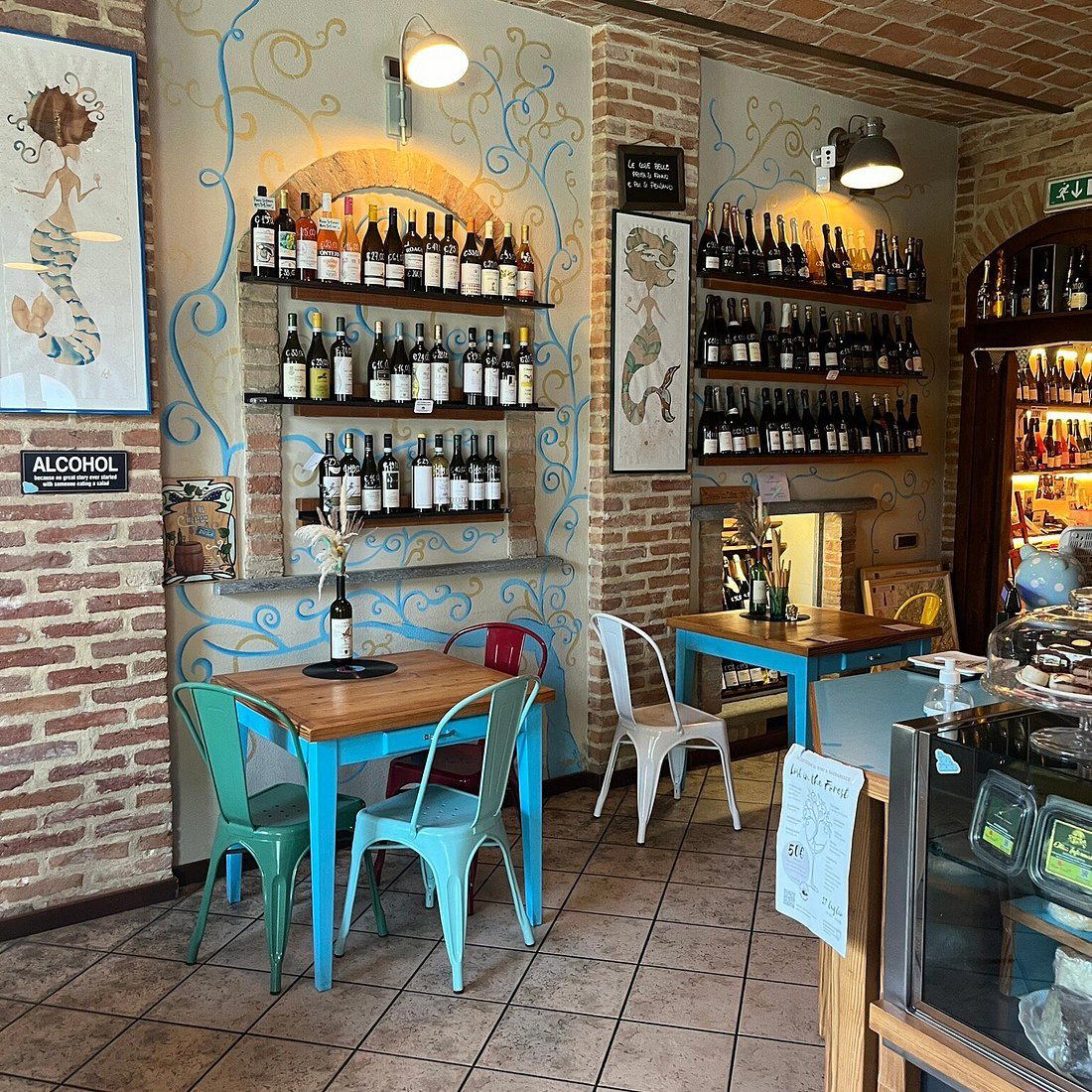
Restaurants in Monforte d'Alba
Browse all →
Hotels in Monforte d'Alba
Browse all →
Details
- Lively
- Cozy
- Rustic
- Date Night
- Casual Hangout
- Group Outing
- Terrace
- Outdoor Terrace
- Lounge Seating
- Conventional Wine
- Street Scene
Current opening hours
- Monday
- Closed
- Tuesday
- Closed
- Wednesday
- 11 AM–12 AM
- Thursday
- 11 AM–12 AM
- Friday
- 11 AM–12 AM
- Saturday
- 11 AM–12 AM
- Sunday
- 11 AM–12 AM
Hours can change for holidays and private events. Last verified .