Distilleria Montanaro operates from the centre of Alba, Piedmont's distilling and winemaking capital, where grappa production has long been inseparable from the harvest rhythms of Barolo and Barbaresco.. It sits on Via Garibaldi, within walking distance of the Langhe's broader vinous infrastructure.
Pearl is the En Primeur Club membership app — saves, bookings, and concierge access live there. Same editors, same standards.
- Address
- Via Garibaldi, 6, 12051 Alba CN
- Phone
- +39 0173 262014
- Website
- distilleriamontanaro.com
- Directions
- Get directions
 Saves & bookings on Pearl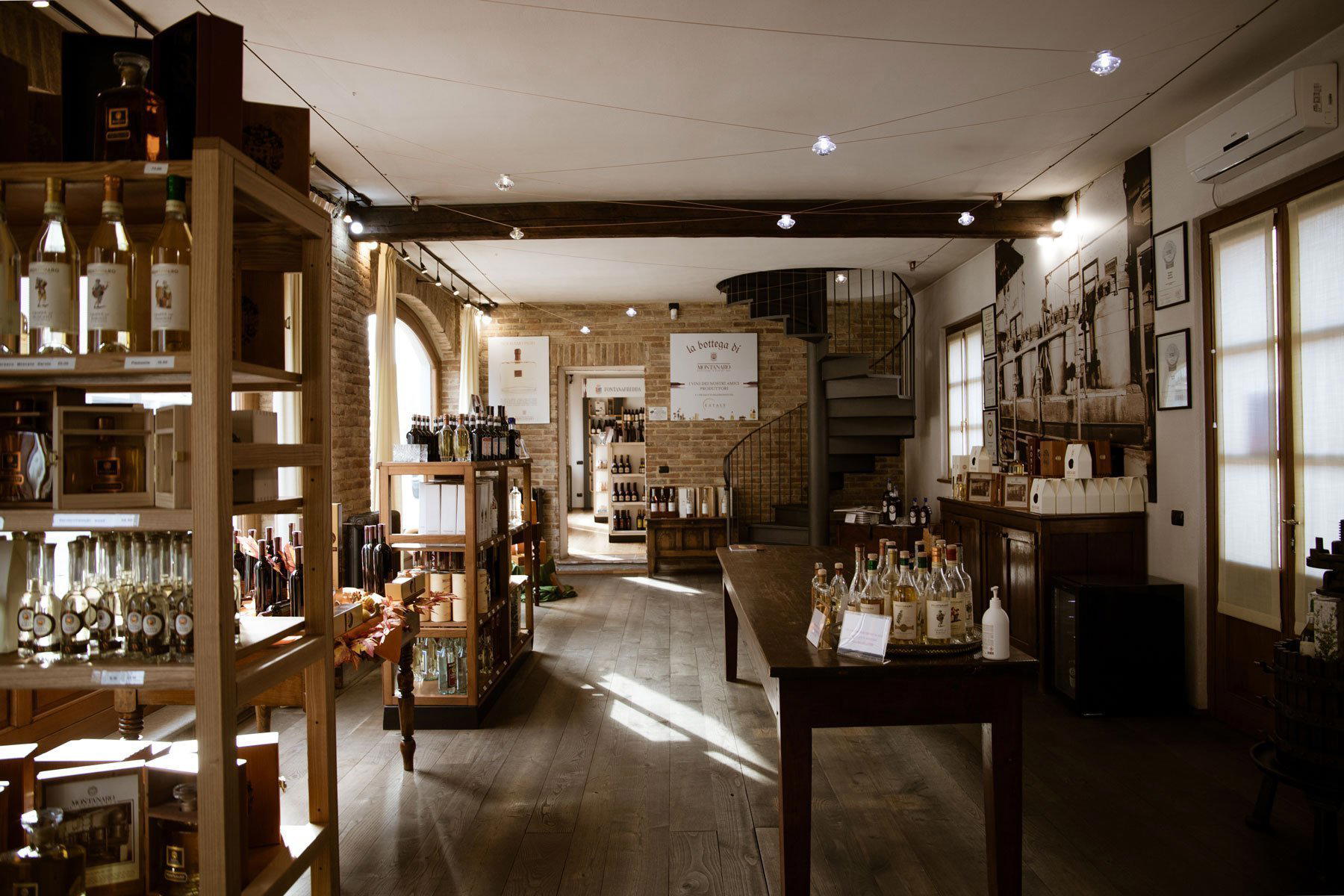
Grappa's Terroir Argument, Made in Alba
Grappa has spent decades fighting a reputation problem. For much of the twentieth century, it was treated as a byproduct, the rough spirit pressed from pomace after the real work of winemaking was done. That perception has shifted, and nowhere more decisively than in the Langhe, where the quality of the source material, Nebbiolo skins from Barolo and Barbaresco vineyards, has forced a reappraisal of what distillation can express. Distilleria Montanaro, operating from Via Garibaldi in the centre of Alba, sits within this revision.
Alba is the natural headquarters for this kind of work. The city sits at the geographic and commercial centre of Italy's most discussed wine territory, flanked by the Barolo communes to the southwest and the Barbaresco zones to the northeast. The same grape varieties, Nebbiolo above all but also Dolcetto, Barbera, and Moscato, that define the region's wines also define the raw material available to its distillers. A grappa made from Nebbiolo pomace sourced here carries information about the vintage, the subzone, and the winemaker's choices in a way that a generic marc distilled far from its source simply cannot. For producers like Montanaro, that proximity is a structural advantage, not a marketing claim.
What the Langhe Puts Into the Still
The terroir argument for grappa is different from the one made for wine, but it is not weaker. When Nebbiolo is harvested in the Langhe, the skins carry compounds shaped by the local mix of Helvetian and Tortonian soils, the diurnal temperature swings of October, and the length and method of maceration the winemaker applied. By the time pomace reaches a distillery, those variables are baked in. A conscientious distiller working with single-vineyard or single-producer pomace is, in effect, working with pre-coded terroir information. The distillation process, whether continuous column or discontinuous pot still, then determines how much of that character survives into the final spirit.
This is the context in which the Langhe's serious distilleries operate. The region's broader spirits culture has long intersected with its wine identity: producers like Distilleria Romano Levi in Neive built reputations on the quality of locally sourced pomace before grappa premiumisation became an industry-wide conversation. Further afield, operations like Nonino Distillery in Pavia di Udine and Distilleria Marzadro in Nogaredo established the national benchmark for monovitigno grappa, the single-variety approach that makes the terroir case most directly. Montanaro operates in that same intellectual tradition, from an address that puts it closer to the Langhe's leading pomace sources than almost any other distillery in Italy.
Alba's Position in the Langhe's Hierarchy
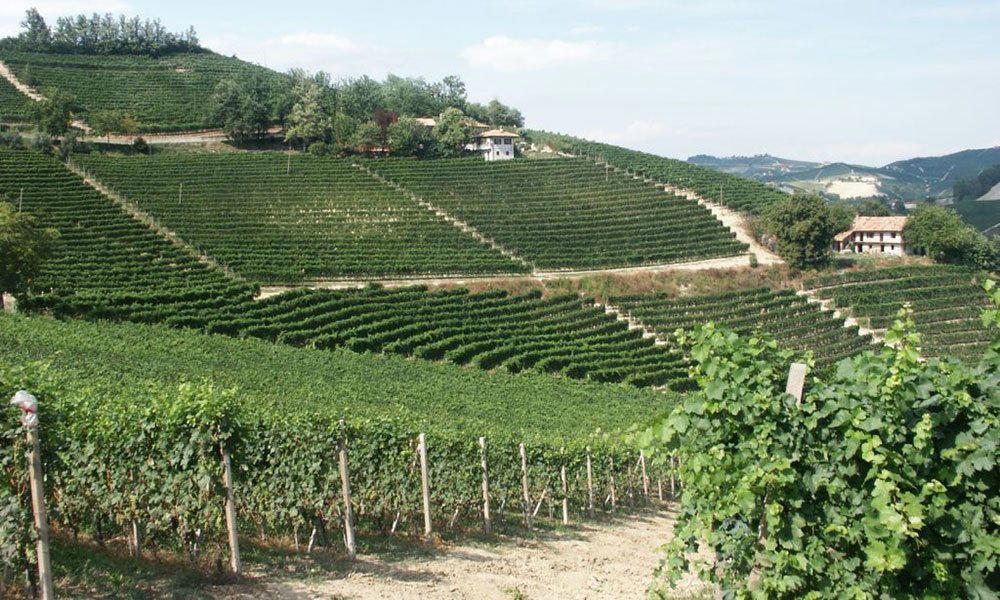
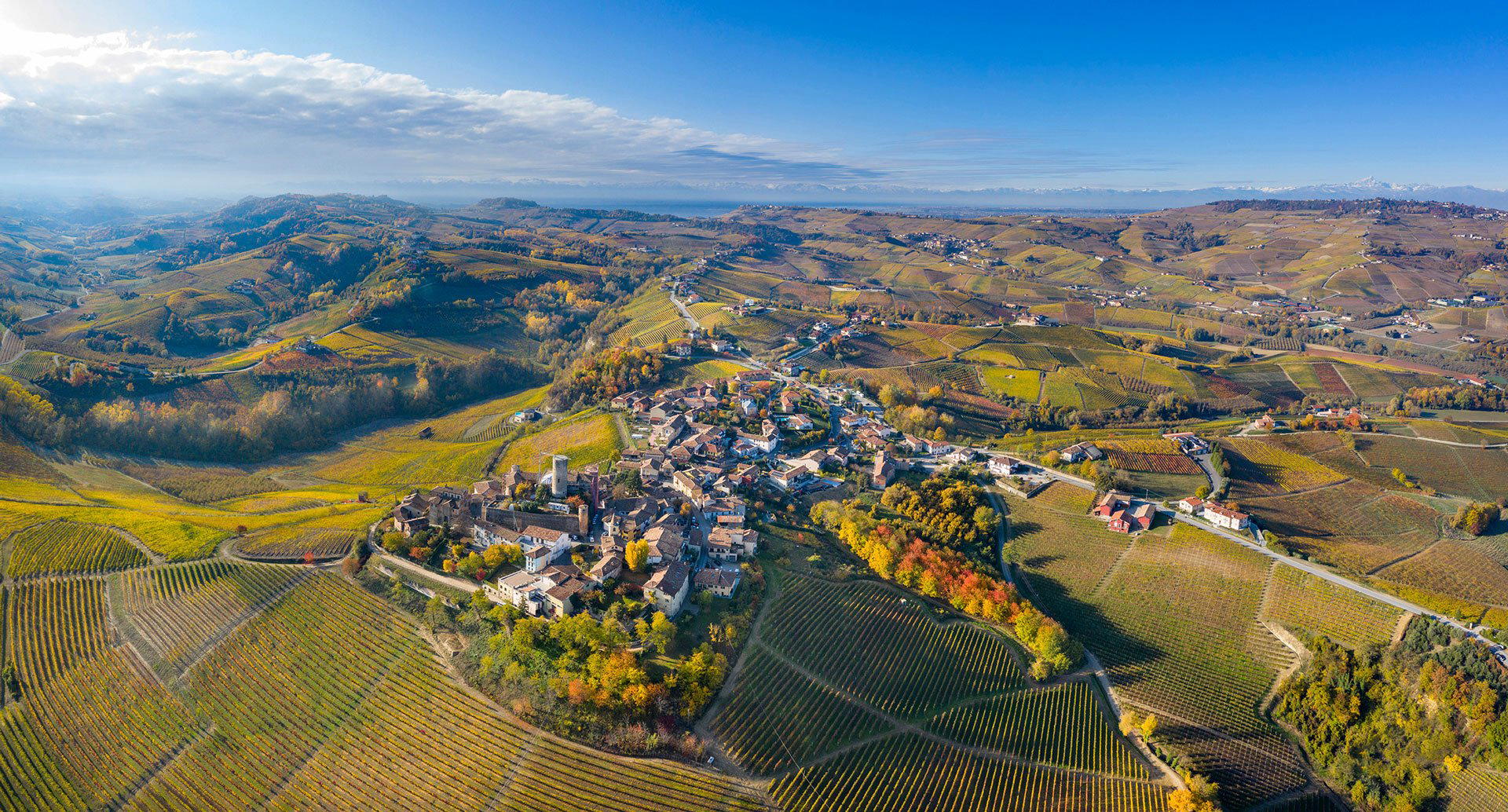
Visitors approaching Alba from the vineyard roads understand immediately why the city functions as the region's hub. The Langhe hills rise around it in every direction, their south-facing slopes carrying the Nebbiolo rows that produce some of Italy's most closely watched wines. Alba hosts the annual white truffle fair each autumn, the harvest calendar that draws collectors and buyers from across Europe, and a concentration of wine estates, négociants, and producers that makes it a working town as much as a tourist destination.
The wine infrastructure surrounding Alba is substantial. Ceretto and Pio Cesare both operate from Alba itself, while Aldo Conterno in Monforte d'Alba anchors the southwestern end of the Barolo zone. This density of production means that a distillery positioned in the city centre has access to a breadth of pomace sources that would be logistically difficult to replicate elsewhere. The relationship between Alba's wine estates and its distillers is not incidental; it is the mechanism by which Langhe grappa derives its identity.
That identity differs from the spirits culture of, say, northern Italy's alpine distilling tradition or the scale operations associated with major producers like Campari in Milan. In Alba, the emphasis is on variety specificity and source traceability, the same values that animate the Langhe's wine conversation. It is a small, concentrated production culture rather than a volume-driven one.
Within the Italian grappa tier, this kind of formal recognition matters because the category spans an enormous quality range, from industrial marc distillation sold cheaply to restaurateurs as a digestivo afterthought, to carefully sourced single-varietal productions that command prices comparable to aged Calvados or single-malt Scotch. The award signals Montanaro belongs in the latter group.
For comparison, Italian wine and spirits operations that have received formal recognition at this level share a tendency toward source specificity and production discipline that is verifiable rather than merely claimed. Across the broader Italian premium spirits map, producers like Ca' del Bosco in Erbusco, better known for Franciacorta but also producing distillates, and estates such as Lungarotti in Torgiano and Planeta in Menfi have demonstrated that Italian producers across categories are investing in spirits with the same rigour previously reserved for wine. Montanaro's position in Alba places it at the heart of that argument for the Langhe specifically.
How It Fits the Wider Italian Spirits Picture
Italian distilling is not confined to grappa, but grappa remains the category most directly tied to agricultural terroir. Unlike Scotch whisky, which draws its regionality from water source and maturation environment, or Cognac, which legislates its geography tightly, grappa's terroir expression begins in the vineyard and survives into the bottle only if the distillery is attentive to it. This makes location, specifically proximity to quality wine production, the single most important structural variable for a grappa producer's potential.
Internationally, the premium grappa tier competes in a crowded digestivo space. Aged Scotch single malts like those from Aberlour in Aberlour and Napa fine wine operations such as Accendo Cellars in St. Helena occupy adjacent shelf positions in the conversations of serious collectors. For grappa to compete in that tier, it needs both the source material and the recognition architecture to make the case. Montanaro's 2025 award moves it further into that argument. Its position reflects how it fits within the city's broader offering of serious producers across wine and spirits.
For those building an itinerary around the Langhe, the distillery sits at Via Garibaldi, 6, in central Alba. It occupies the same urban zone as the truffle market in October and November, which is the natural season for combining a visit with the region's two most discussed agricultural products. Beyond the Langhe, producers across Italy's wine zones, from Castello di Volpaia in Radda in Chianti to L'Enoteca Banfi in Montalcino, illustrate how deeply the Italian agricultural tradition runs across regions. In Alba, Montanaro connects that tradition specifically to distillation, making the case that grappa from the Langhe is as much a product of place as any Barolo on the shelf beside it.
In Context: Similar Options
Comparable venues nearby, for context on price, style, and recognition.
| Venue | Cuisine | Price | Awards | Notes |
|---|---|---|---|---|
| Distilleria MontanaroThis venue — the venue you are viewing | Nebbiolo | $$$ | Not listed | Not listed |
| Pio Cesare | Nebbiolo, Chardonnay | $$$ | Not listed | historic center of Alba |
| Ceretto | Nebbiolo, Arneis | $$$ | World's 50 Best #19 | Langhe |
| Engine Gin | Barbaresco | $$$ | Not listed | Not listed |
| Distilleria Magnoberta | Barbera, Grignolino | $$$ | Not listed | Casale Monferrato |
| Tenuta Brancalupo | Sagrantino, Trebbiano Spoletino | $$$ | Not listed | Montefalco |
Continue exploring
More in Alba
Wineries in Alba
Browse all →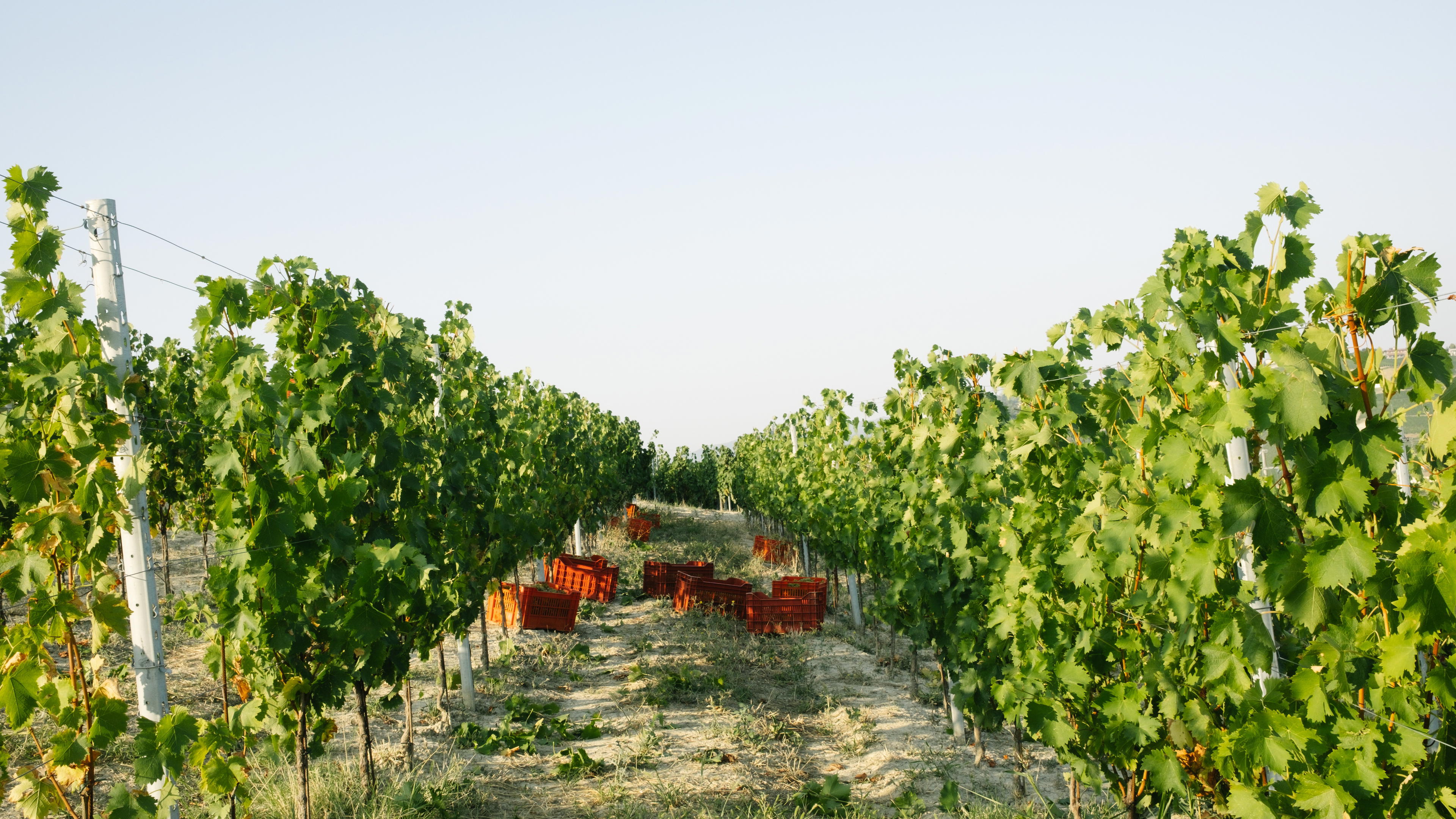
Bars in Alba
Browse all →
Restaurants in Alba
Browse all →
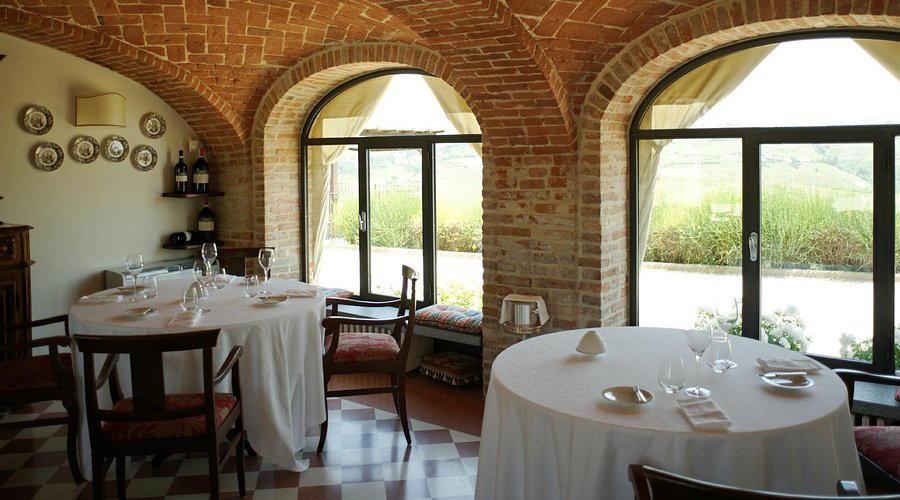
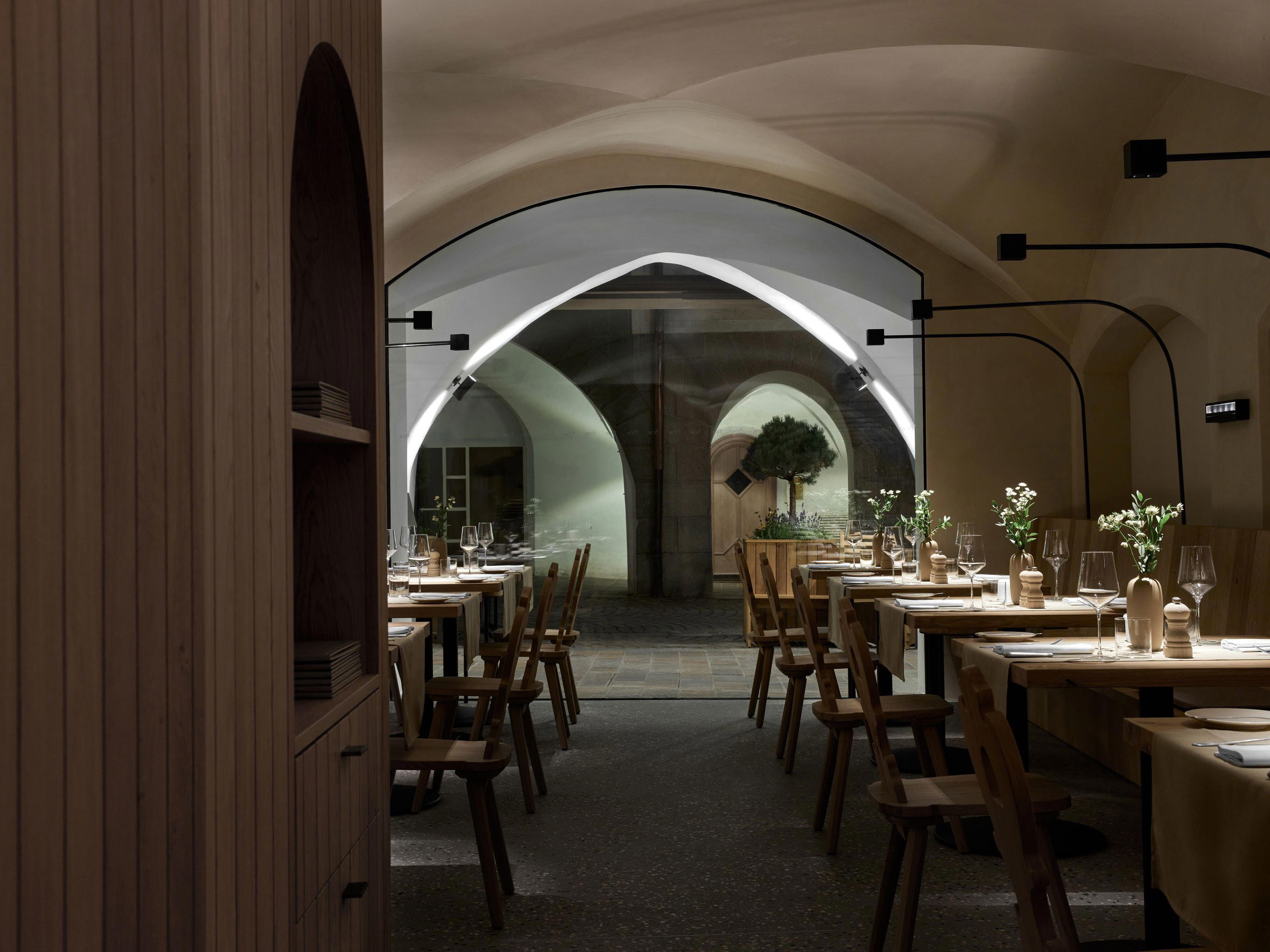
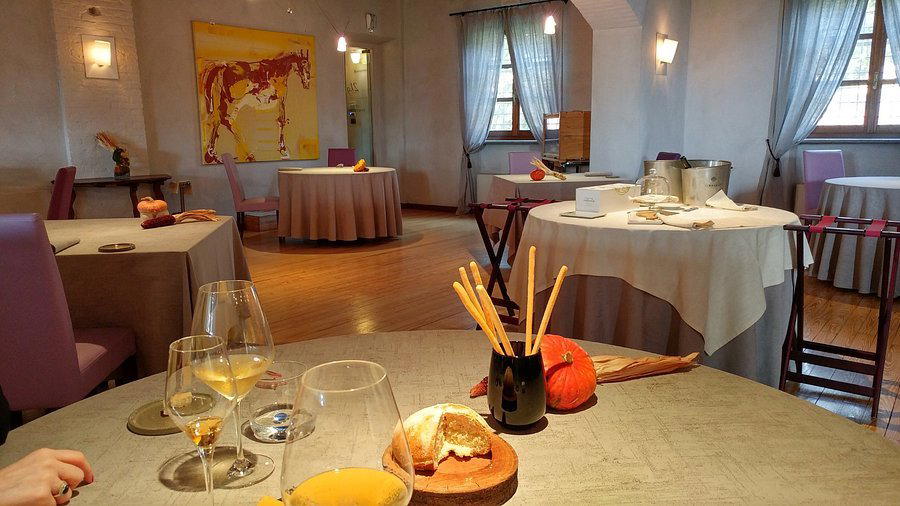
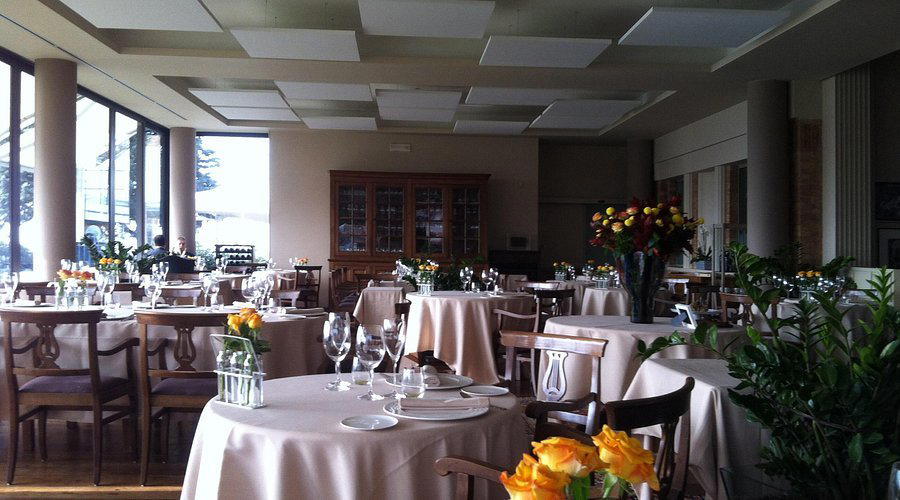
At a Glance
- Rustic
- Classic
- Intimate
- Wine Education
- Historic Building
- Barrel Room
- Barolo DOCG
- Nebbiolo
- Distillery Tasting
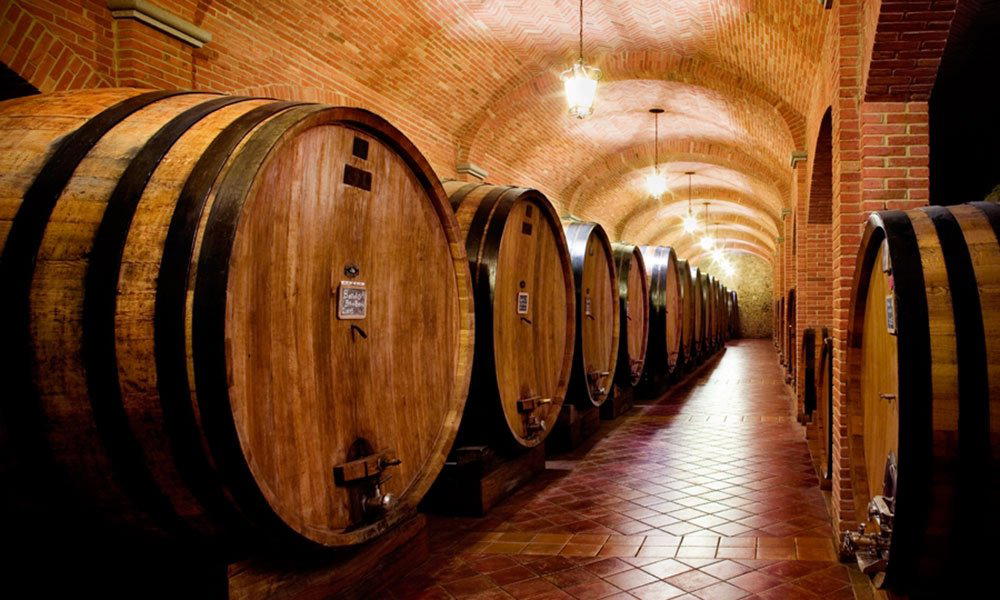
Historic cellars with oak barrels imparting inebriating scents, artisanal atmosphere evoking a century of craftsmanship.