Il Boscareto Resort

Michelin Selected
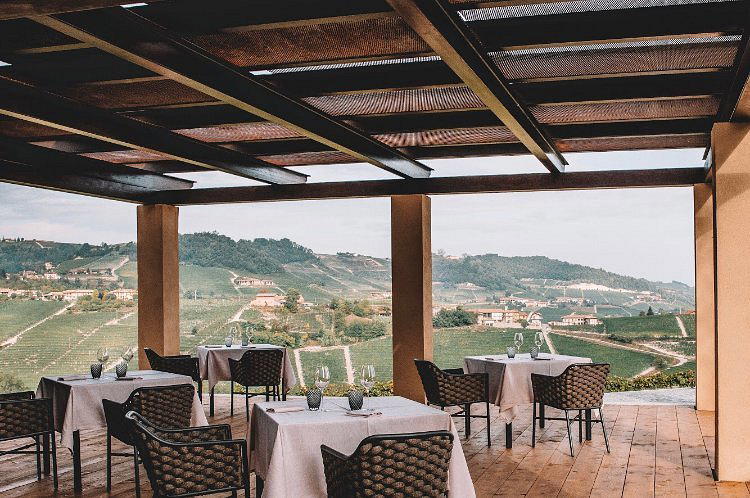
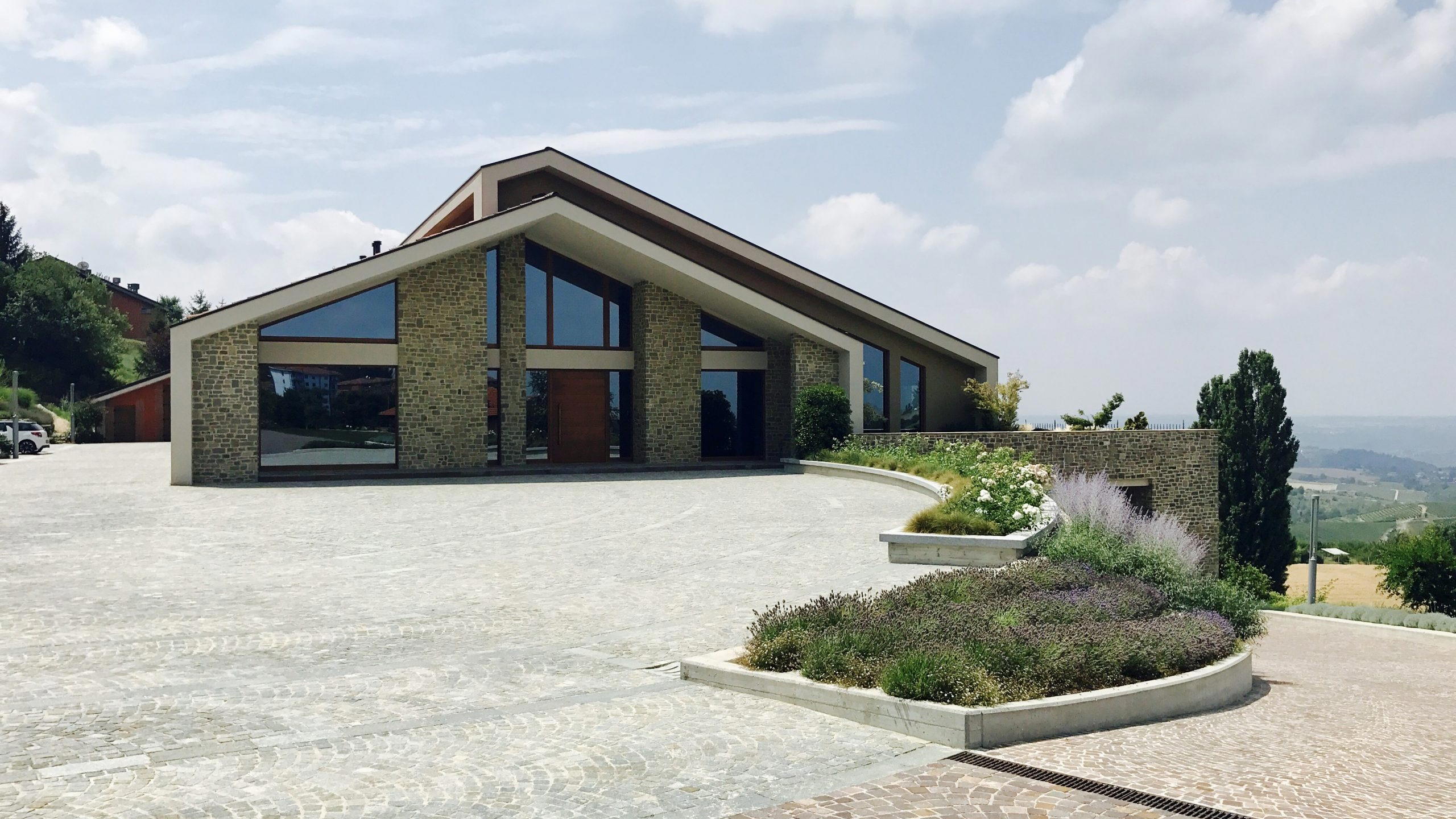
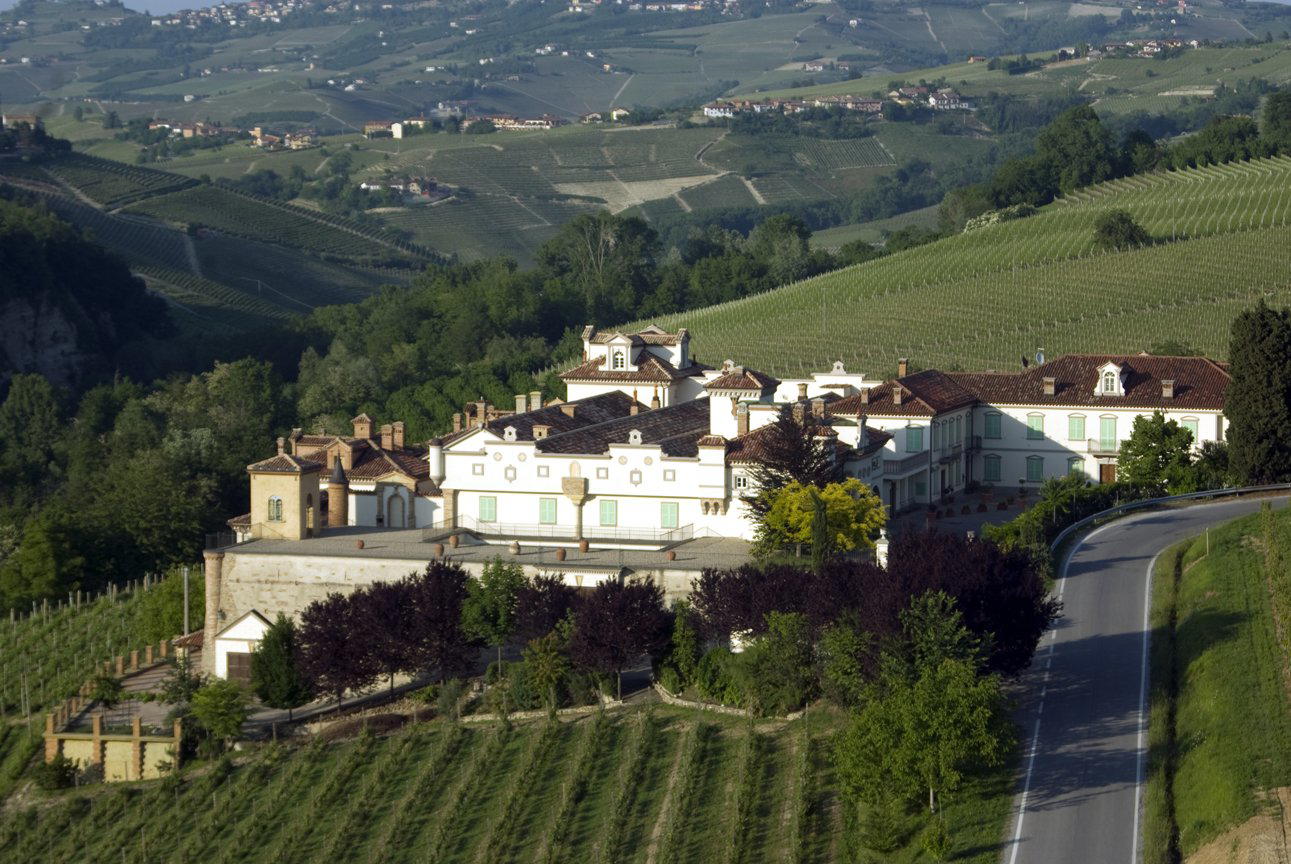
A Michelin Selected property set among the Langhe vineyards outside Serralunga d'Alba, Il Boscareto Resort positions itself at the intersection of Piedmontese wine country architecture and contemporary hospitality. The setting places guests within walking distance of some of Barolo's most significant crus, with the resort's design drawing from the agrarian geometry of the surrounding hillside estates.

Pearl is the En Primeur Club membership app — saves, bookings, and concierge access live there. Same editors, same standards.
- Address
- Via Roddino, 21, 12050 Serralunga d'Alba CN, Italy
- Phone
- +39 0173 613036
- Website
- ilboscaretoresort.it
- Directions
- Get directions
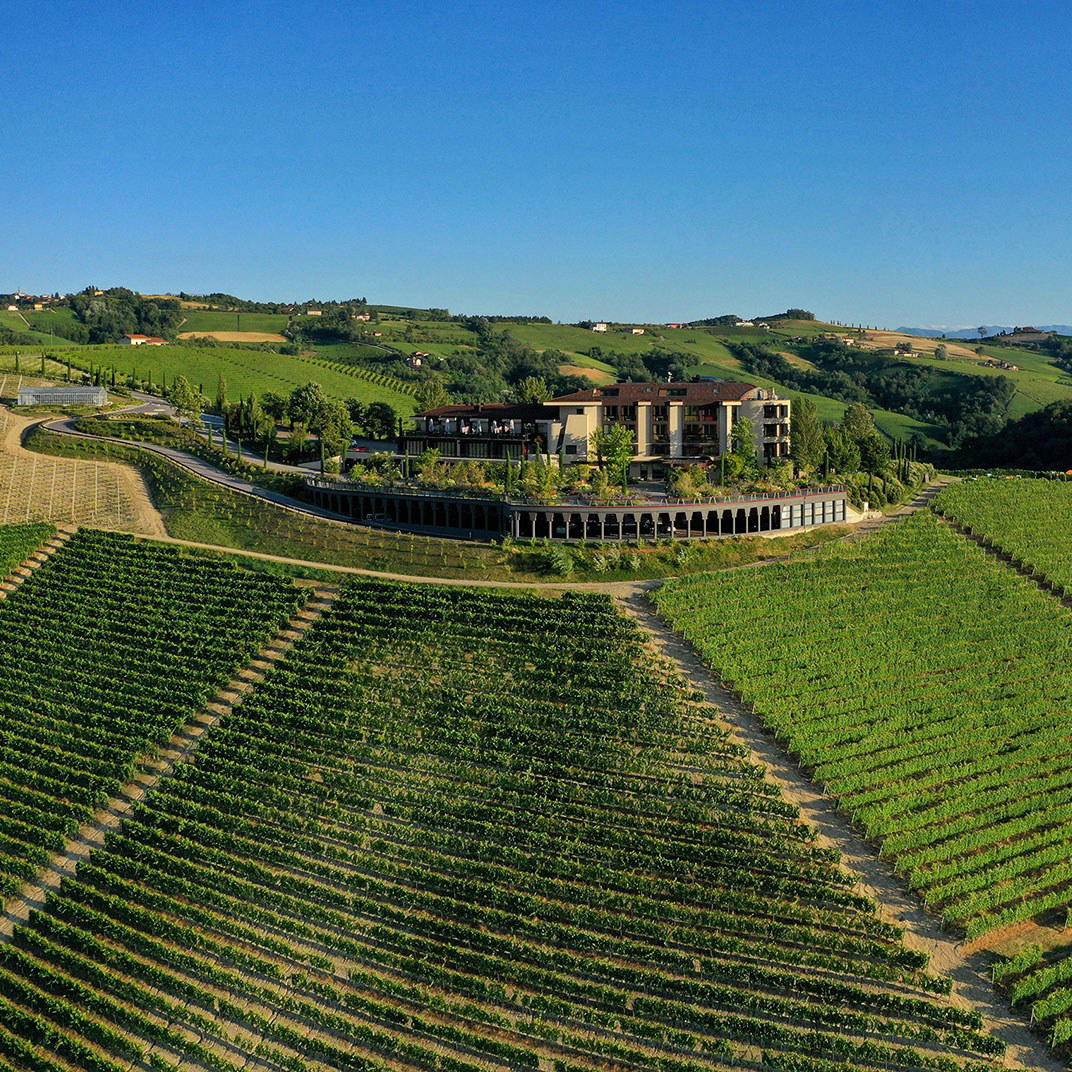
Langhe in Built Form
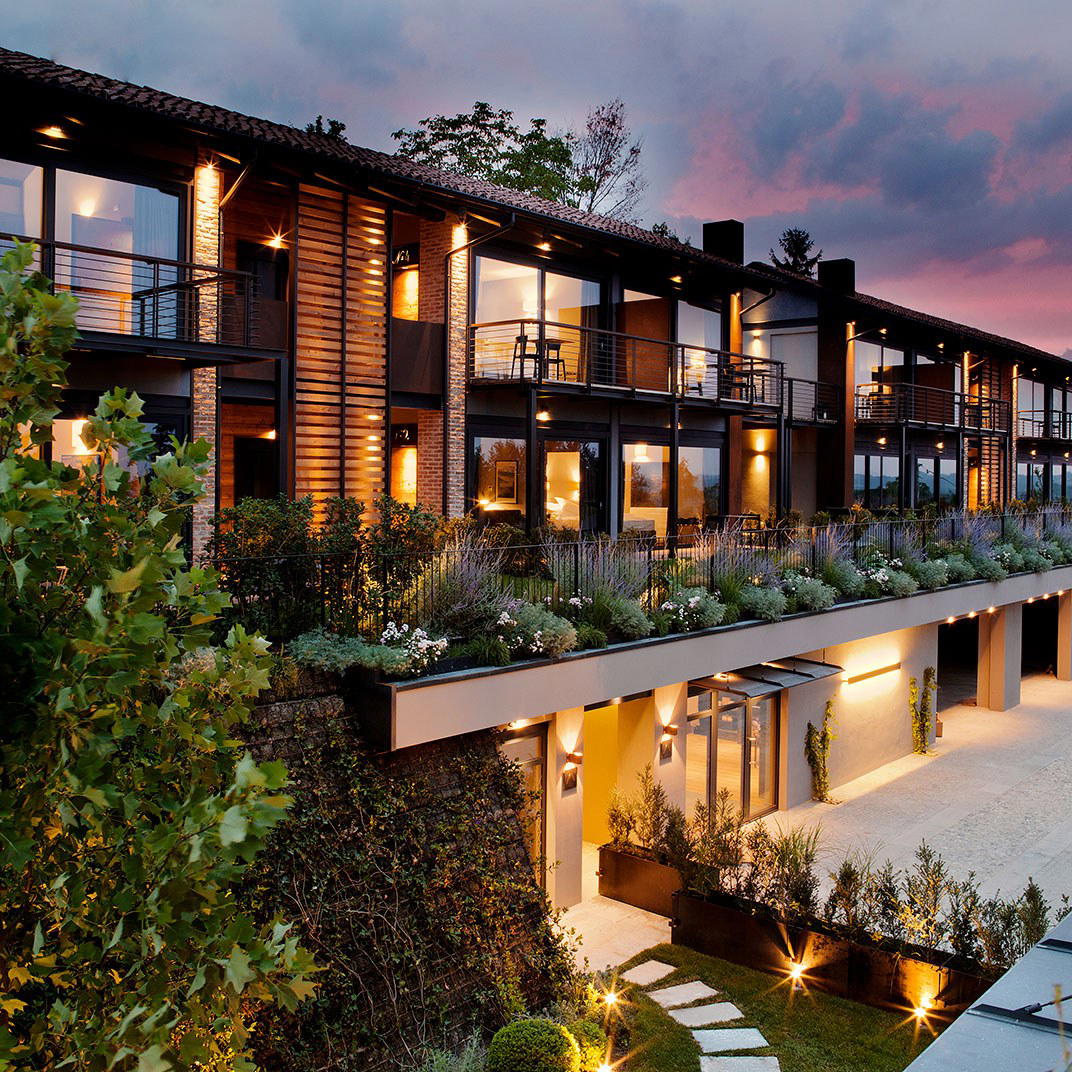
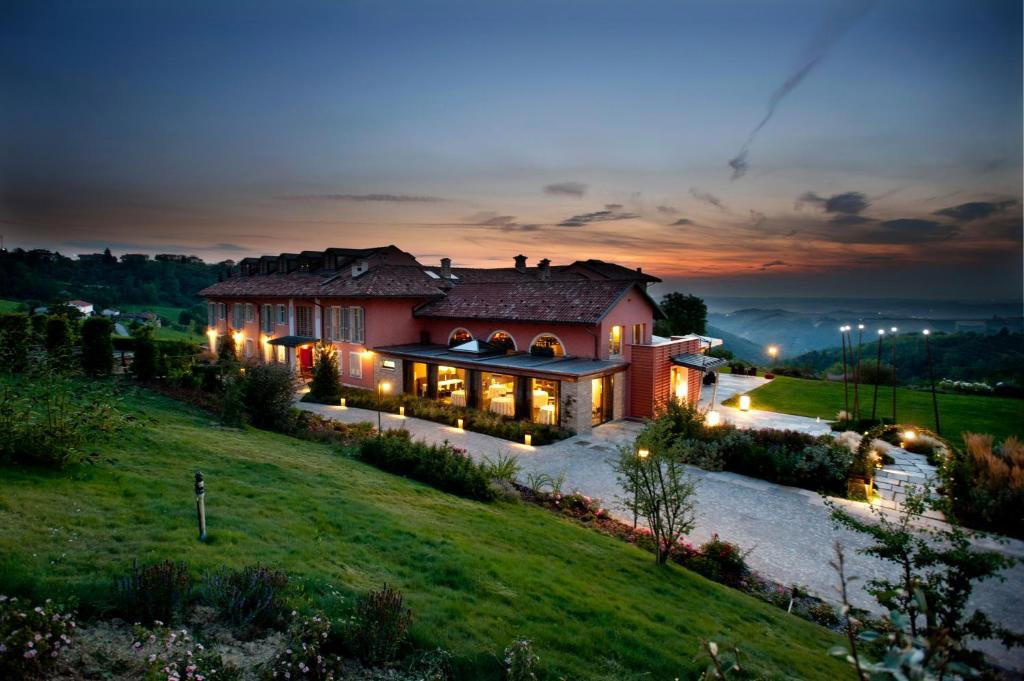
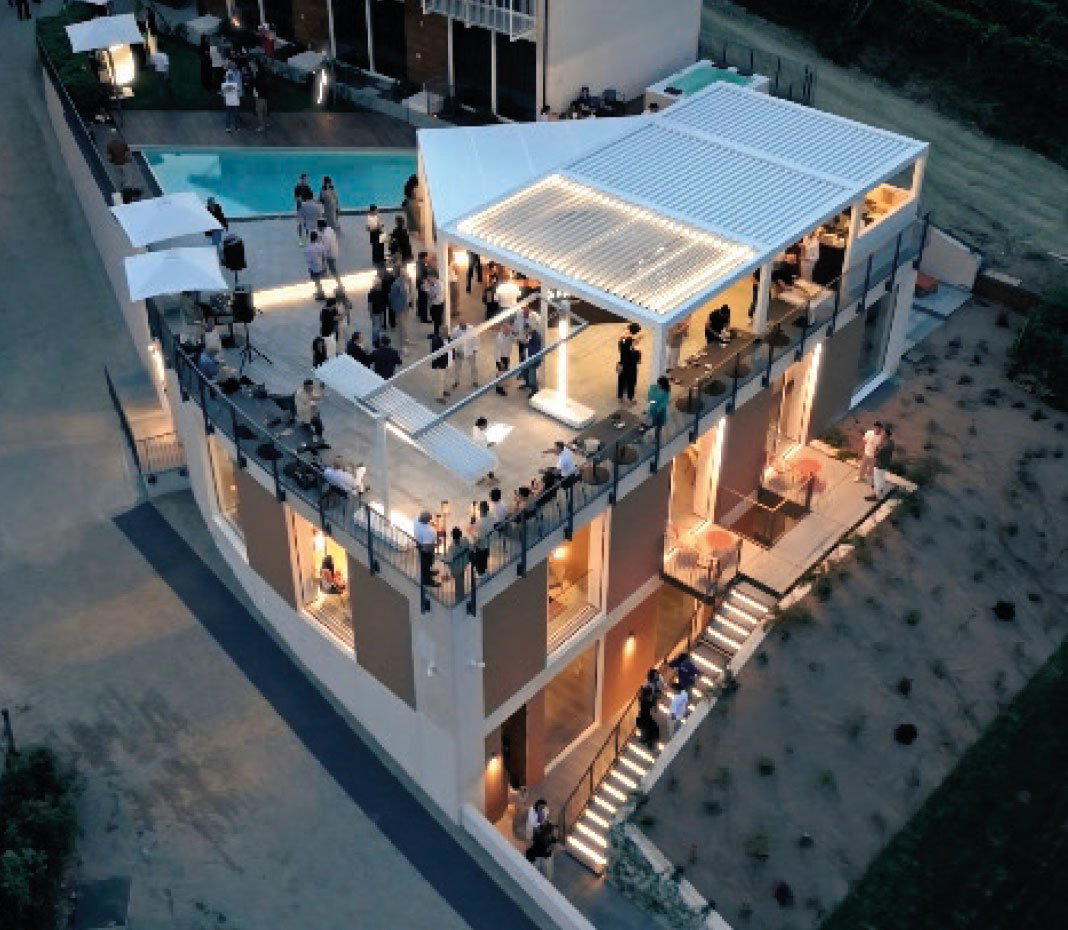
The Langhe hills outside Serralunga d'Alba produce some of Italy's most expensive and closely studied wines, and the architecture of the region has historically reflected that agricultural seriousness: stone farmhouses, cascine turned agriturismo, and the occasional estate-scale property that reads more as working land than hospitality product. Il Boscareto Resort occupies a different register. Set on the ridge above Serralunga, the property was conceived as a purpose-built resort that engages with the Langhe aesthetic through contemporary means rather than restoration. The result is a building that references the stone and ochre palette of the surrounding hillsides without mimicking the vernacular directly, a design posture increasingly common among Italy's higher-tier rural properties.
That approach places it in a specific cohort of Italian countryside hotels that have emerged over the past two decades: properties built from scratch rather than converted from historic fabric, designed to offer the view and the calm of agrarian Italy without the structural compromises that come with repurposing a medieval borgo or a Renaissance villa. For comparison, Rosewood Castiglion Del Bosco in Montalcino operates from a restored medieval hamlet, and Castello di Reschio in Lisciano Niccone works within a historic castle structure. Il Boscareto's starting point is different: the architecture had to earn its relationship with the landscape through design rather than inheritance.
What the Setting Actually Delivers
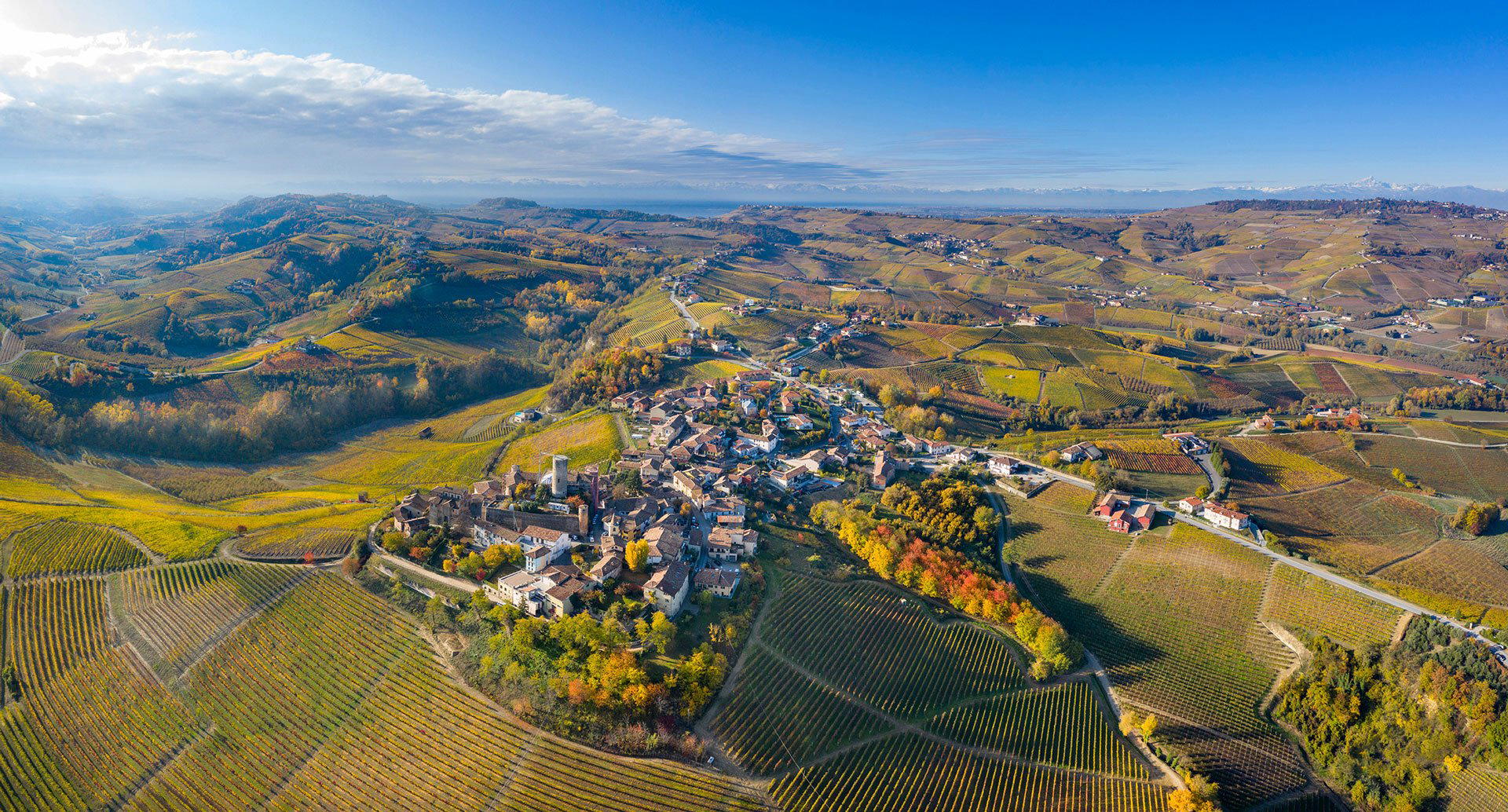
Serralunga d'Alba sits within the Barolo production zone, surrounded by some of the appellation's most respected single-vineyard sites. The Serralunga terroir, with its compact Helvetian soils, tends to produce Barolos of notable structure and longevity, which gives the area a specific gravity within Piedmontese wine culture that distinguishes it from the softer Tortonian-soil communes like La Morra. Staying in Serralunga rather than in Alba puts guests closer to the production end of the wine story: the cantinas, the rows of Nebbiolo, and the particular quality of autumn light across the Langhe ridgeline.
The broader region rewards slow movement. The Langa Astigiana and Alta Langa extend south toward Liguria, and the white truffle trade around Alba runs from October through December, with the annual fair in Alba drawing serious buyers and curious visitors in roughly equal measure. A property like Il Boscareto, positioned on the hillside above the town, functions as a base for that kind of unhurried, wine-and-table-focused itinerary that the Langhe does better than almost any other wine region in Europe. For guests coming from elsewhere in northern Italy, Portrait Milano in Milan makes a logical staging point before the drive south into Piedmont.
Design Logic and Spatial Experience
The architectural choices at Il Boscareto reflect a broader shift in Italian luxury hospitality toward properties that foreground panorama and spatial generosity over historical texture. Where a converted palazzo like Four Seasons Hotel Firenze in Florence offers frescoed ceilings and courtyard gardens as its primary spatial argument, a purpose-built hillside resort like this one leads with sightlines: the sweep of vine rows, the Apennine ridge in the distance, the compressed geometry of Serralunga's medieval tower visible from the terraces.
That orientation toward the exterior landscape means the interior design carries a specific obligation: it must hold its own without relying on inherited ornament. Contemporary Langhe properties in this register tend toward natural materials, warm stone finishes, and furniture that reads as Italian in craft vocabulary without being historicist. The spa and wellness component, now a standard expectation in this tier of Italian rural resort, functions as both amenity and reason to stay on-property rather than moving through the region constantly. The combination of panoramic rooms, spa access, and immediate proximity to the wine estates gives the property a logic as a multi-night destination rather than a one-night stop.
The Michelin Selection and What It Signals
Il Boscareto's inclusion in the Michelin Selected Hotels 2025 list places it within the tier of Italian properties that the Guide considers worth flagging for quality without assigning formal star classifications. The Michelin hotel selection operates differently from the restaurant star system: it reflects a judgment about overall hospitality quality, setting, and consistency rather than a single-category assessment. Being Michelin Selected in the Langhe positions the resort within a competitive set that includes estate hotels across Piedmont and Tuscany, a region-wide cohort where the wine connection is nearly always part of the hospitality proposition.
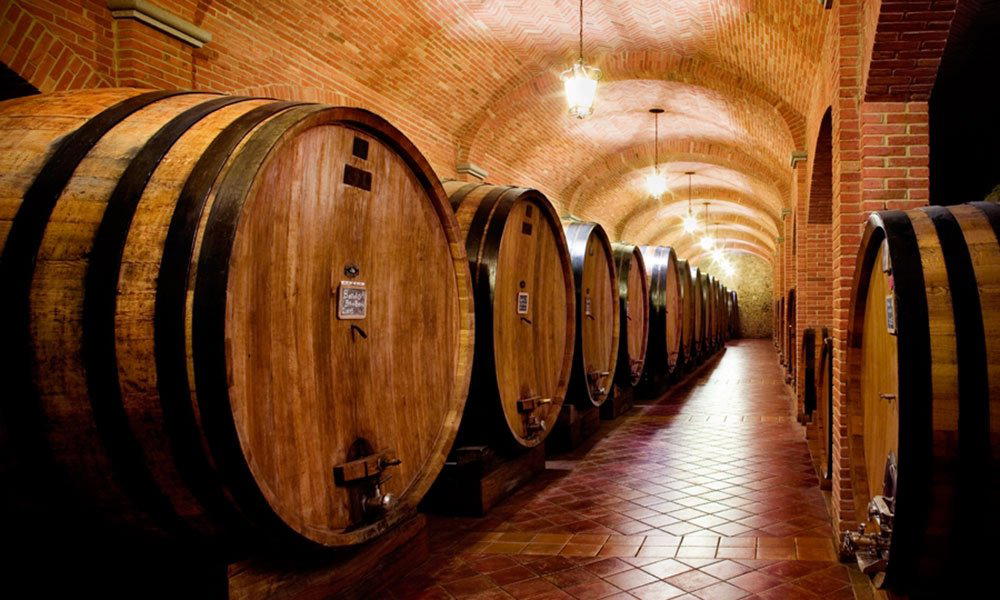
Across that cohort, properties in wine country have increasingly competed on the depth of their wine programming rather than merely the proximity to vineyards. Borgo San Felice Resort in Castelnuovo Berardenga in Chianti Classico territory, for example, operates its own production. The question for any Langhe property is how it engages with Barolo and Barbaresco beyond the obvious cellar list, whether through producer relationships, harvest-period programming, or guided vineyard access that goes further than a standard tasting tour.
Planning a Stay
Serralunga d'Alba is reached most practically from Turin, approximately an hour's drive south through the Po plain before the road rises into the Langhe hills. The nearest airport with consistent international connections is Turin Caselle. The truffle season (October to December) and the harvest period (late September through October) represent the highest-demand windows, when accommodation across the Langhe tightens considerably and advance booking is advisable. The quieter spring months offer the landscape at its greenest, with Barolo tastings available at the cantinas without the autumn crowds.
For guests building an extended Italian itinerary, the Langhe sits within reasonable range of other northern properties worth considering: Passalacqua in Moltrasio on Lake Como, Il Sereno in Torno, and Castel Fragsburg in Merano in South Tyrol all represent comparable tiers of Italian countryside hospitality in different regional registers. Further south, Casa Maria Luigia in Modena offers a similarly food-anchored rural stay, while the coastal alternatives range from Il Pellicano in Porto Ercole to Borgo Santandrea on the Amalfi Coast. For the full range of what the Serralunga area offers beyond the resort itself, see our full Serralunga d'Alba restaurants guide.
At-a-Glance Comparison
Comparable venues nearby, for context on price, style, and recognition.
| Venue | Cuisine | Price | Awards | Notes |
|---|---|---|---|---|
| Il Boscareto ResortThis venue — the venue you are viewing | Contemporary luxury resort | Not listed | Michelin Selected | Not listed |
| Weinegg Wellviva Resort | Luxury wellness resort set in vineyards with Mediterranean charm. | $300–500 | Michelin Selected | Cornaiano/Girlan |
| Petra Segreta Resort & Spa | Contemporary Sardinian stazzi-inspired luxury resort | Not listed | 1 Michelin Key · La Liste Top Hotels | San Pantaleo |
| SINA Bernini Bristol, Autograph Collection | Well-known 150-year-old luxury hotel reinterpreting Baroque luxury with contemporary twist. | $300–500 | Michelin Selected | Piazza Barberini |
| Excelsior Pesaro | 5-star boutique hotel with whispered charm and nautical references | $100–200 | Michelin Selected · Preferred Hotels Member | Lungomare Nazario Sauro |
| Masseria Bagnara Resort & Spa | Renovated historic masseria with contemporary luxury | $300–500 | Michelin Selected | Marina di Lizzano |
Recognition history
Dated appearances from independent guides and award organizations, with the underlying list record or original source where available.
Michelin Selected
Michelin
Continue exploring
More in Serralunga d'Alba
Hotels in Serralunga d'Alba
Browse all →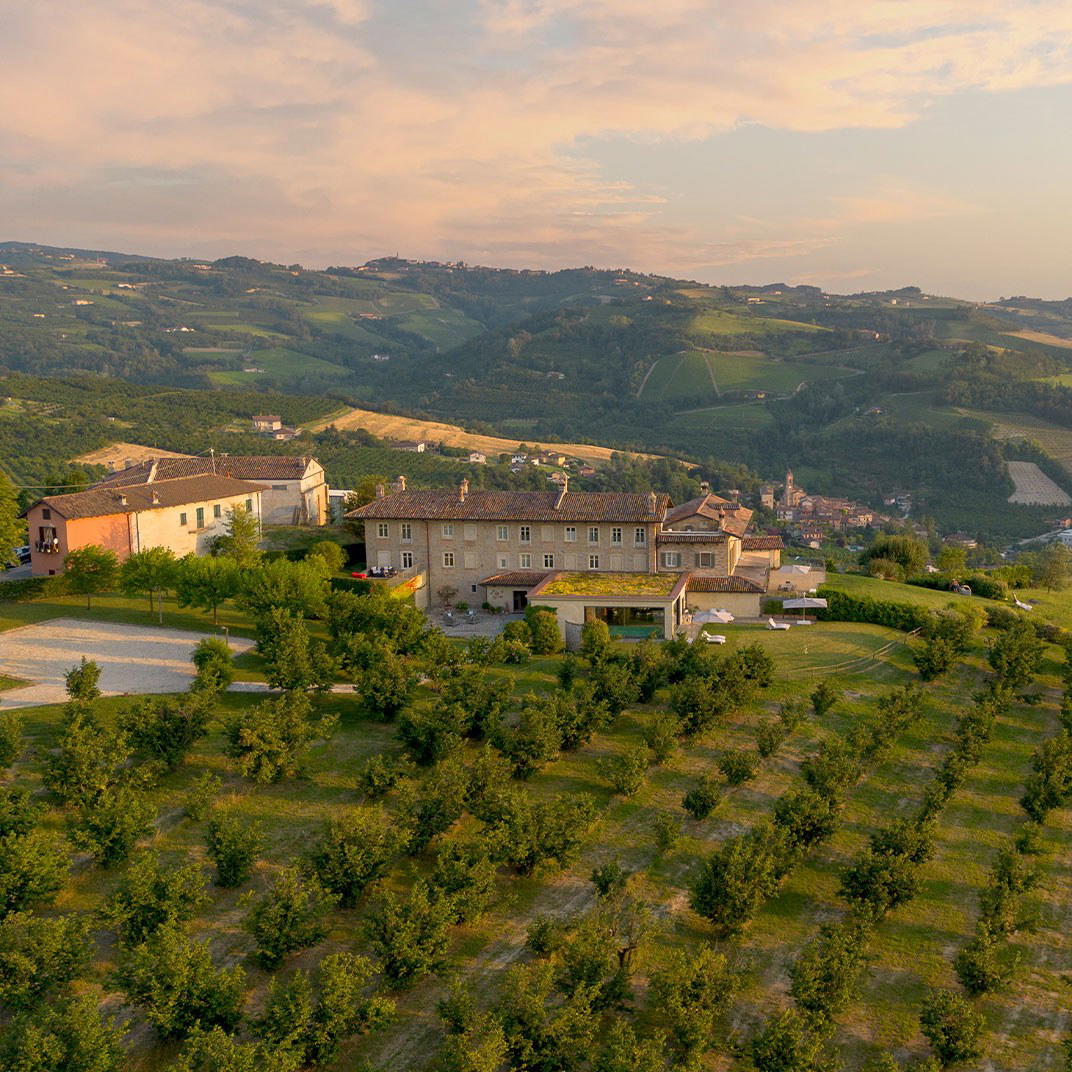
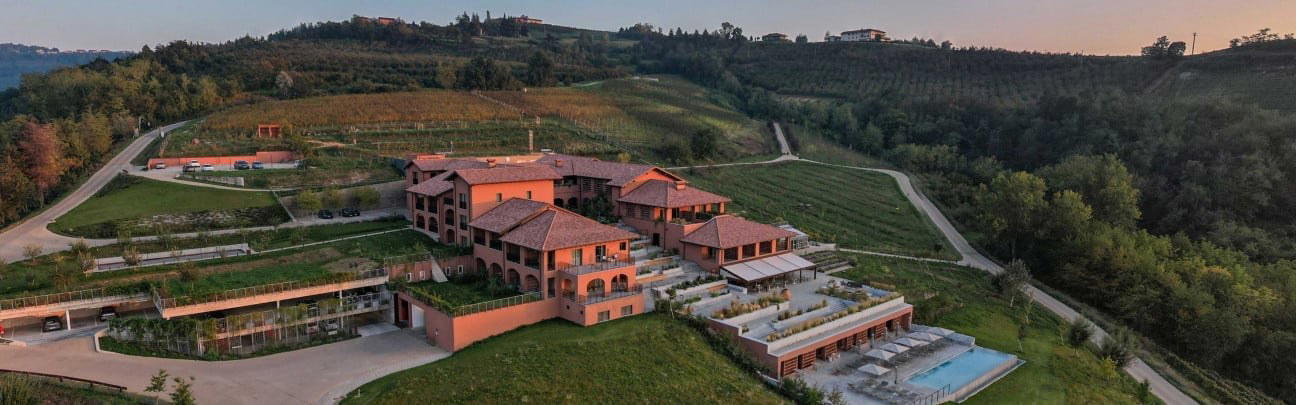
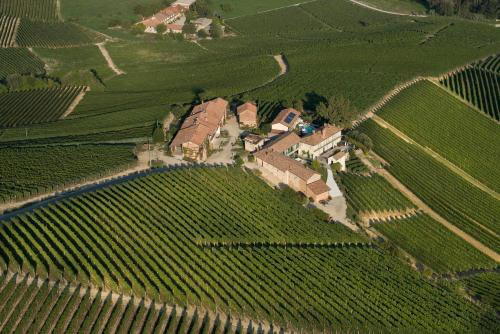
Bars in Serralunga d'Alba
Browse all →
Restaurants in Serralunga d'Alba
Browse all →
Details
- Modern
- Scenic
- Elegant
- Quiet
- Sophisticated
- Romantic Getaway
- Wellness Retreat
- Honeymoon
- Anniversary
- Panoramic View
- Destination Spa
- Spa
- Pool
- Fitness Center
- Concierge
- Room Service
- Wi Fi
- Indoor Pool
- Vineyard
- Garden
- Wheelchair Accessible
- Elevator
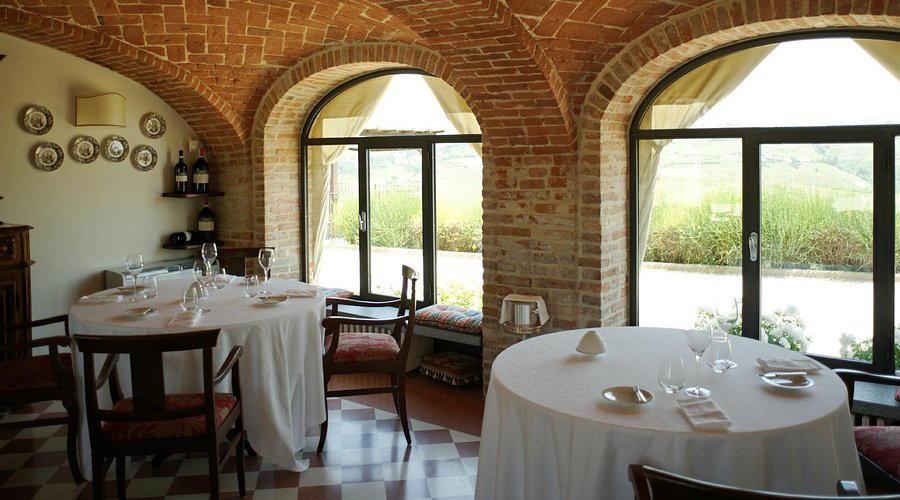
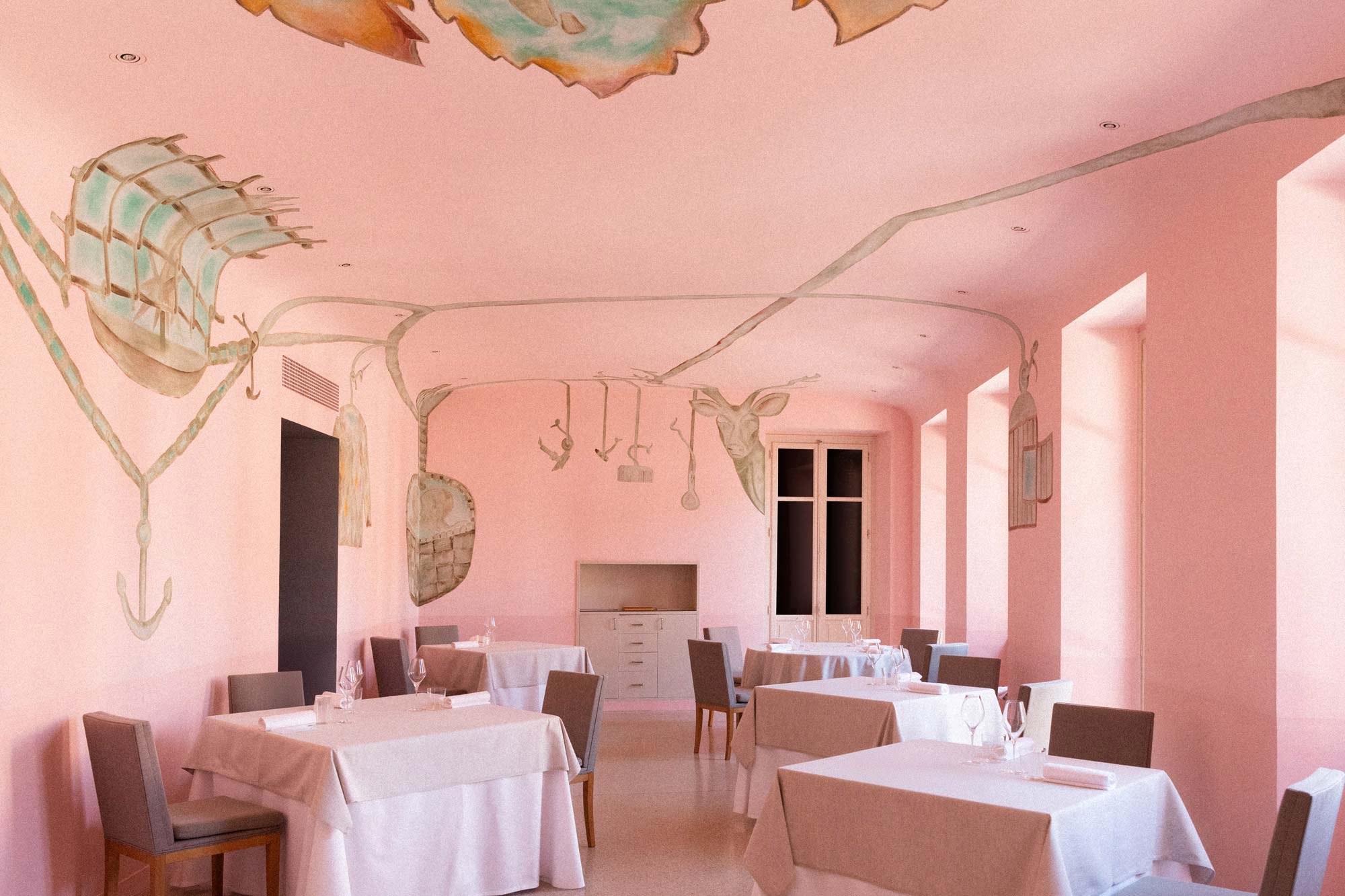
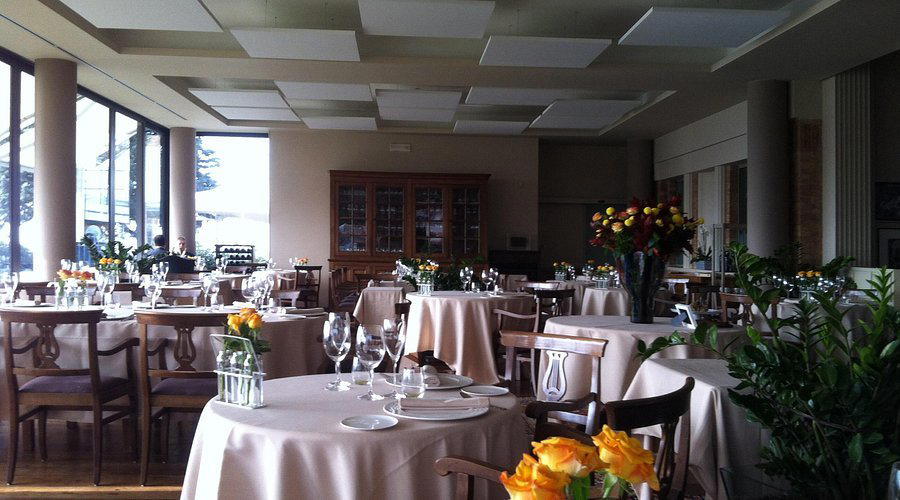
Tranquil and elegant with modern clean lines, floor-to-ceiling windows framing picturesque landscapes, and a serene spa atmosphere.