Cavallotto

Cavallotto is a Castiglione Falletto producer. The address on via Alba-Monforte places it within the Bricco Boschis vineyard, one of the Falletto ridge's most recognised crus. Visitors seeking an appointment with a historically rooted Langhe estate will find Cavallotto operating in a comparable set that includes Brovia, Paolo Scavino, and Vietti.
Pearl is the En Primeur Club membership app — saves, bookings, and concierge access live there. Same editors, same standards.
- Address
- via Alba-Monforte 104, Bricco Boschis, 12060 Castiglione Falletto CN
- Phone
- +39 0173 62814
- Website
- cavallotto.com
- Directions
- Get directions
 Saves & bookings on Pearl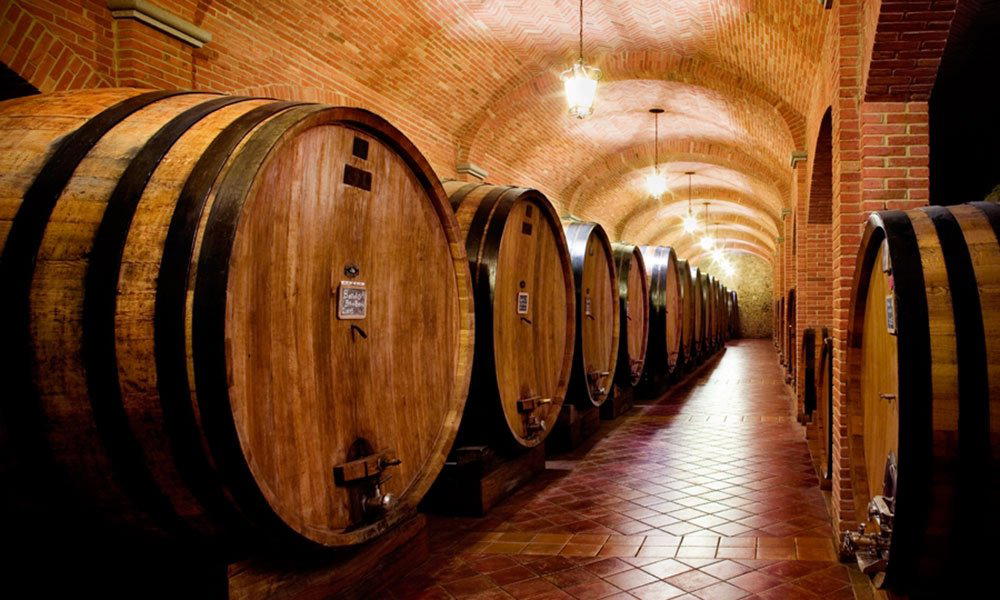
Bricco Boschis and the Castiglione Falletto Identity
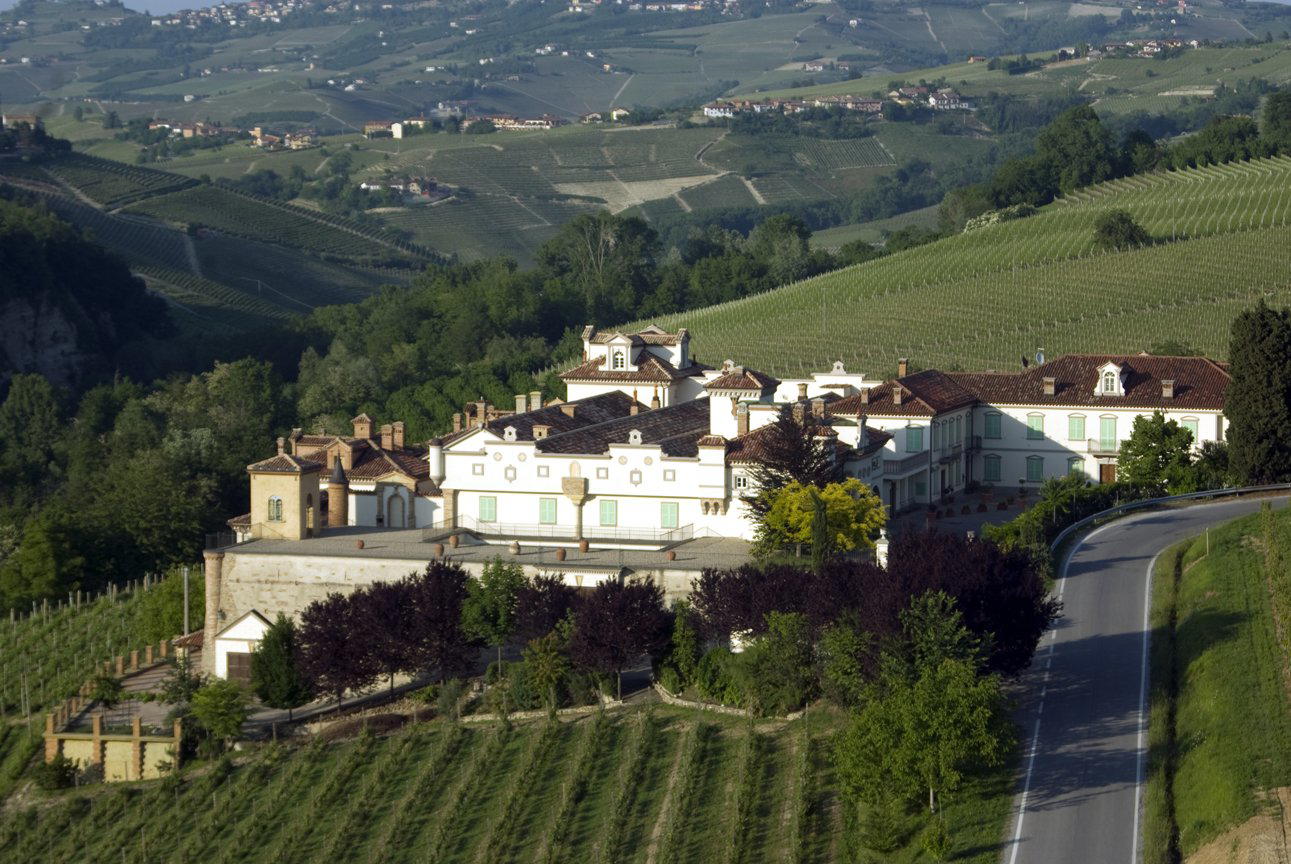
The road from Alba to Monforte climbs through alternating bands of vine and hazel before the Falletto ridge announces itself with particular clarity. Castiglione Falletto sits at the ridge's southern point, its castle tower visible above the canopy well before the village itself resolves into focus. The commune is compact, its reputation disproportionately large: a handful of producers here shape the wider conversation about what Barolo can do on calcareous Helvetian soils, and the collective track record of that group reaches back generations rather than decades.
Cavallotto operates from an address that states its intentions plainly. Via Alba-Monforte 104, Bricco Boschis, is not simply a postal designation, Bricco Boschis is one of the crus that gave Castiglione Falletto much of its early prestige in the Barolo appellation, and holding estate vineyards here situates a producer in a specific tier of Langhe wine geography. In the broader Piemontese estate hierarchy, that placement carries weight independent of any single vintage. For context on how Castiglione Falletto's producers relate to one another, see our full Castiglione Falletto restaurants and wineries guide.
Cavallotto is a winery in Castiglione Falletto, at via Alba-Monforte 104, Bricco Boschis, with a price tier of 4. In Langhe terms, that rating functions as a peer-set marker as much as an individual score: it positions Cavallotto alongside producers like Brovia, Paolo Scavino, and Vietti, all Castiglione Falletto producers operating at the higher end of the appellation's quality gradient. The rating is not a novelty; it reflects an accumulation of evidence rather than a single strong release.
In Italian wine terms, a prestige-tier rating from an internationally recognised editorial source carries different implications from a one-time vintage score. It suggests that the estate's approach to viticulture and winemaking delivers results across varying harvest conditions, and that allocation discipline or visitor experience meets a threshold beyond the merely functional. For a producer on Bricco Boschis, this kind of recognition reinforces the cru's longstanding claim to quality rather than establishing it for the first time.
Bricco Boschis as a Winemaking Frame
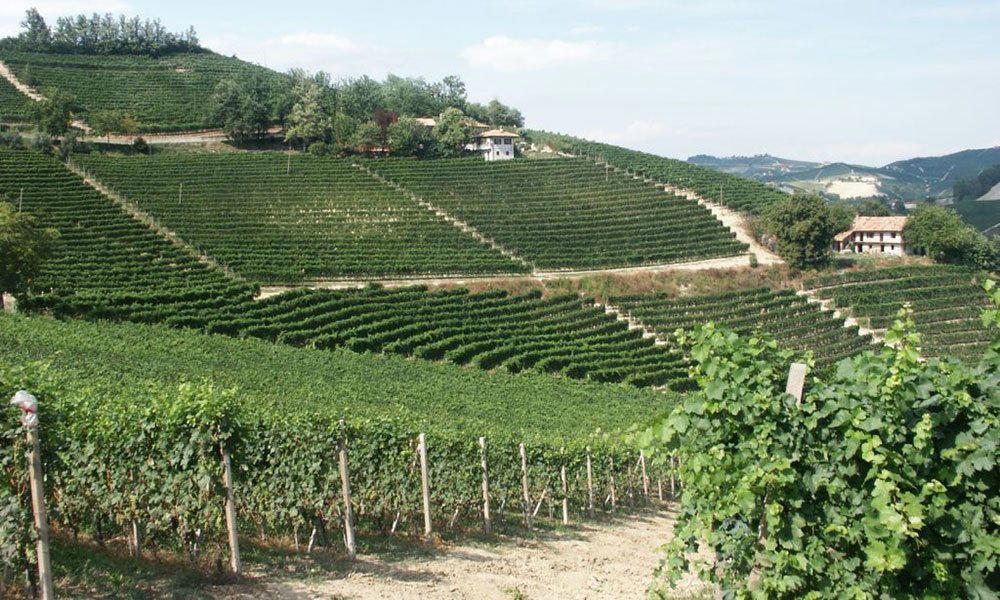
Understanding Cavallotto's wines requires understanding Bricco Boschis first. The cru occupies the southern and south-eastern slopes of the Castiglione Falletto ridge, with exposures that accumulate heat efficiently while the elevation introduces enough diurnal shift to preserve aromatic complexity in the Nebbiolo fruit. The soils here are predominantly Tortonian in character, with compact Helvetian marl providing the structural backbone that distinguishes Falletto wines from the sandier, more immediately accessible expressions found in parts of La Morra or Verduno.
This soil profile has practical consequences for how Nebbiolo behaves at Bricco Boschis. Tannin structure tends toward the firm rather than the generous; the aromatic register leans toward dried rose, tar, and iron oxide rather than the red-fruit openness of more volcanic or sandy parcels. Wines from the cru typically require time in bottle, sometimes considerable time, before the tannin architecture softens enough to allow the aromatic complexity to express itself fully. That aging requirement is not a liability in the context of collectors and allocation buyers, who often treat it as a reason to engage with a producer over multiple vintages rather than in a single transaction.
Cavallotto's position as a Bricco Boschis estate means visitors arrive with expectations calibrated to that profile. The comparison with producers who farm adjacent or contrasting crus is instructive: Aldo Conterno in Monforte d'Alba draws on different geology, and the stylistic contrast between a Monforte Barolo and a Falletto Barolo from a comparably serious producer is one of the more educational exercises available to anyone spending time in the Langhe.
The Estate Model in the Langhe Context
Castiglione Falletto's leading producers have largely operated on an estate model rather than a négociant or cooperative basis, and that structural choice shapes both the wines and the visitor experience. When a producer controls its own vines, harvest decisions, and cellar work within a single management structure, the relationship between vineyard character and bottled wine is more direct and more attributable. Critics and collectors value this traceability, which is part of why Bricco Boschis addresses command attention in allocation lists.
The estate model also has implications for visiting. Appointments at these properties tend to be more controlled than walk-in tastings at larger volume houses, with smaller groups and more time spent in the cellar than at a counter. Across the Langhe, serious estate visits function more like extended conversations about viticulture and vintage conditions than promotional events. The Italian wine estate tradition that underpins this culture is worth comparing to analogous models elsewhere in Italy: Castello di Volpaia in Radda in Chianti and Lungarotti in Torgiano both operate within the estate framework, though the soil and grape profiles differ substantially from Piemonte.
Outside Italy, the range of what premium estate production looks like is illustrated by producers as different as Ca' del Bosco in Erbusco, which applies a large-format estate logic to Franciacorta, and Accendo Cellars in St. Helena, working at boutique scale in Napa. The Cavallotto model sits closer to the boutique end of that spectrum, with Bricco Boschis as both the geographic anchor and the quality argument.
Planning a Visit
Castiglione Falletto is accessible from Alba in under twenty minutes by car, and the via Alba-Monforte address places Cavallotto on the main artery that connects the two towns, making it a natural stop on a Langhe circuit that might also include Brovia or Vietti. Harvest typically runs from late September through October for Nebbiolo, and visiting in that window gives a direct view of the decisions that define any given vintage. Spring, when the vines are budding and the cellar holds wines in various stages of aging, is a quieter but equally informative time.
Contact should be made in advance; visits are appointment only. Visitors planning a wider Piemonte itinerary might use the Langhe as a base for reaching producers beyond the wine region, with spirits houses like Nonino Distillery in Pavia di Udine and Distilleria Romano Levi in Neive offering complementary perspectives on northern Italian craft production. The Distilleria Marzadro in Nogaredo and, for those extending further afield, Campari in Milan, illustrate the breadth of Italian spirits heritage that sits alongside the wine traditions of the north.
For collectors whose reference points extend beyond Italy, the contrast between Bricco Boschis-style structured Nebbiolo and single-malt Scotch traditions, represented by producers like Aberlour in Aberlour, underlines how differently aging-focused production cultures develop around distinct raw materials and climate conditions.
Price and Recognition
Comparable venues nearby, for context on price, style, and recognition.
| Venue | Cuisine | Price |
|---|---|---|
| CavallottoThis venue — the venue you are viewing | Castiglione Falletto, Nebbiolo, Barbera | $$$$ |
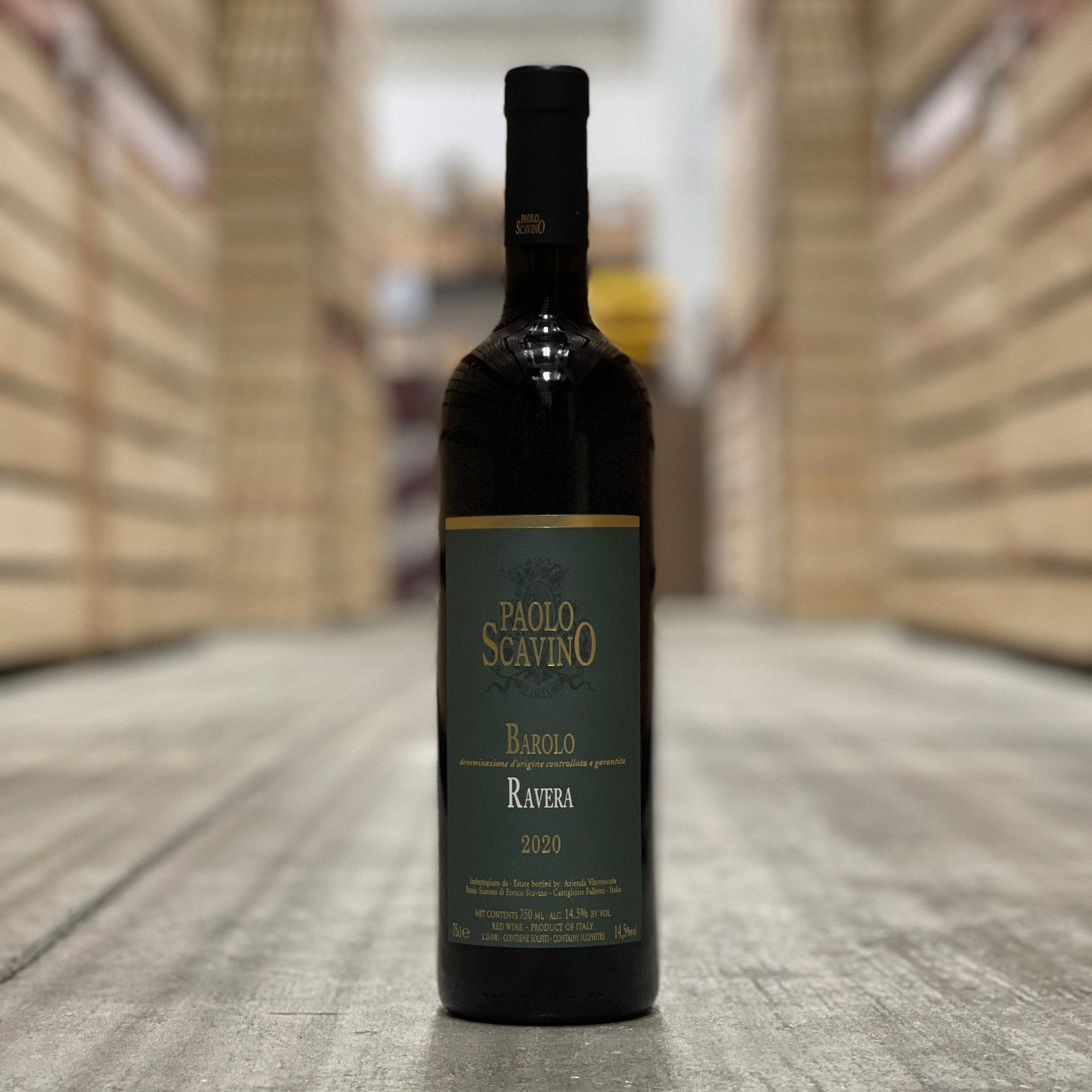
| Paolo Scavino | Castiglione Falletto, Nebbiolo, Barbera | $$$ |
| Vietti | Castiglione Falletto, Nebbiolo, Arneis | $$$ |
| Brovia | Castiglione Falletto, Nebbiolo, Dolcetto | $$$ |
| Giuseppe Mascarello & Figlio | Monchiero, Nebbiolo, Barbera | $$$$ |
| Giacomo Conterno | Serralunga d'Alba, Nebbiolo, Barbera | $$$$ |
Recognition history
Dated appearances from independent guides and award organizations, with the underlying list record or original source where available.
Falstaff Winery - 5 Stars
Falstaff
Continue exploring
More in Castiglione Falletto
Wineries in Castiglione Falletto
Browse all →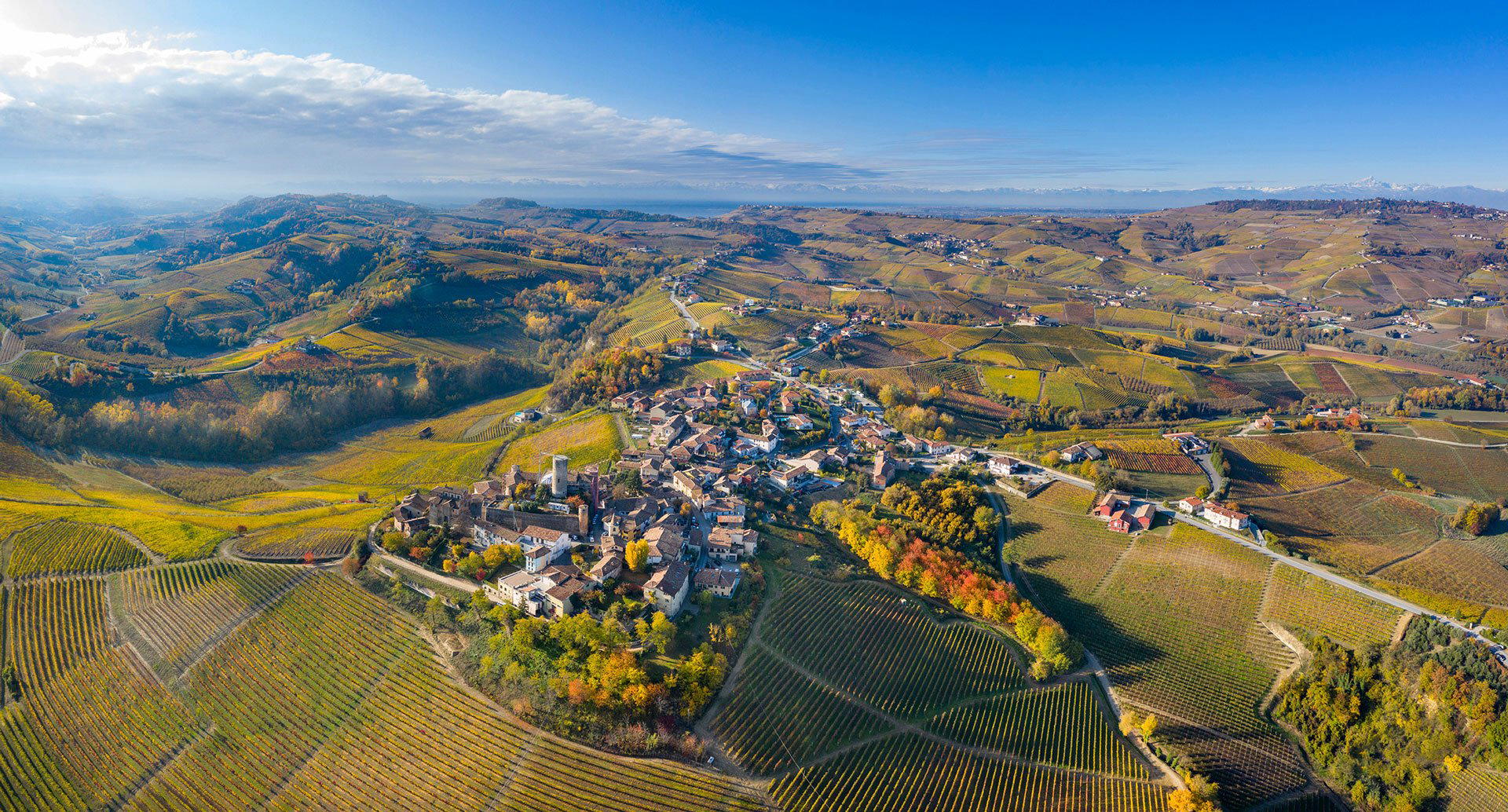
Bars in Castiglione Falletto
Browse all →
Restaurants in Castiglione Falletto
Browse all →
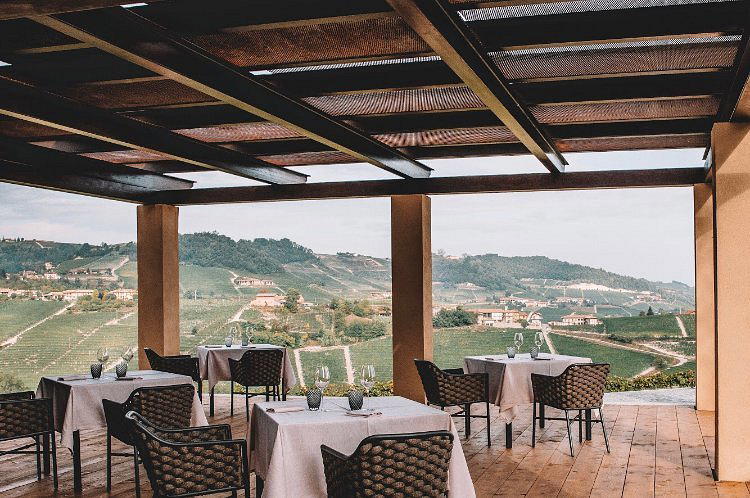
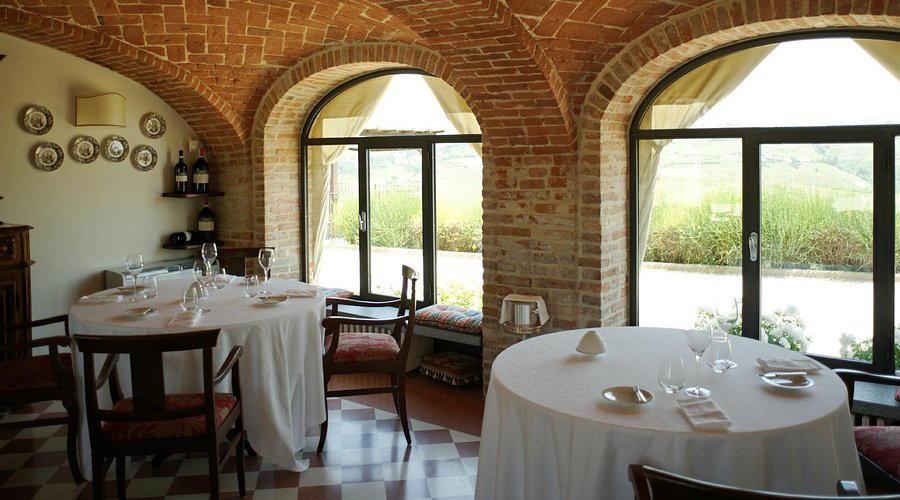
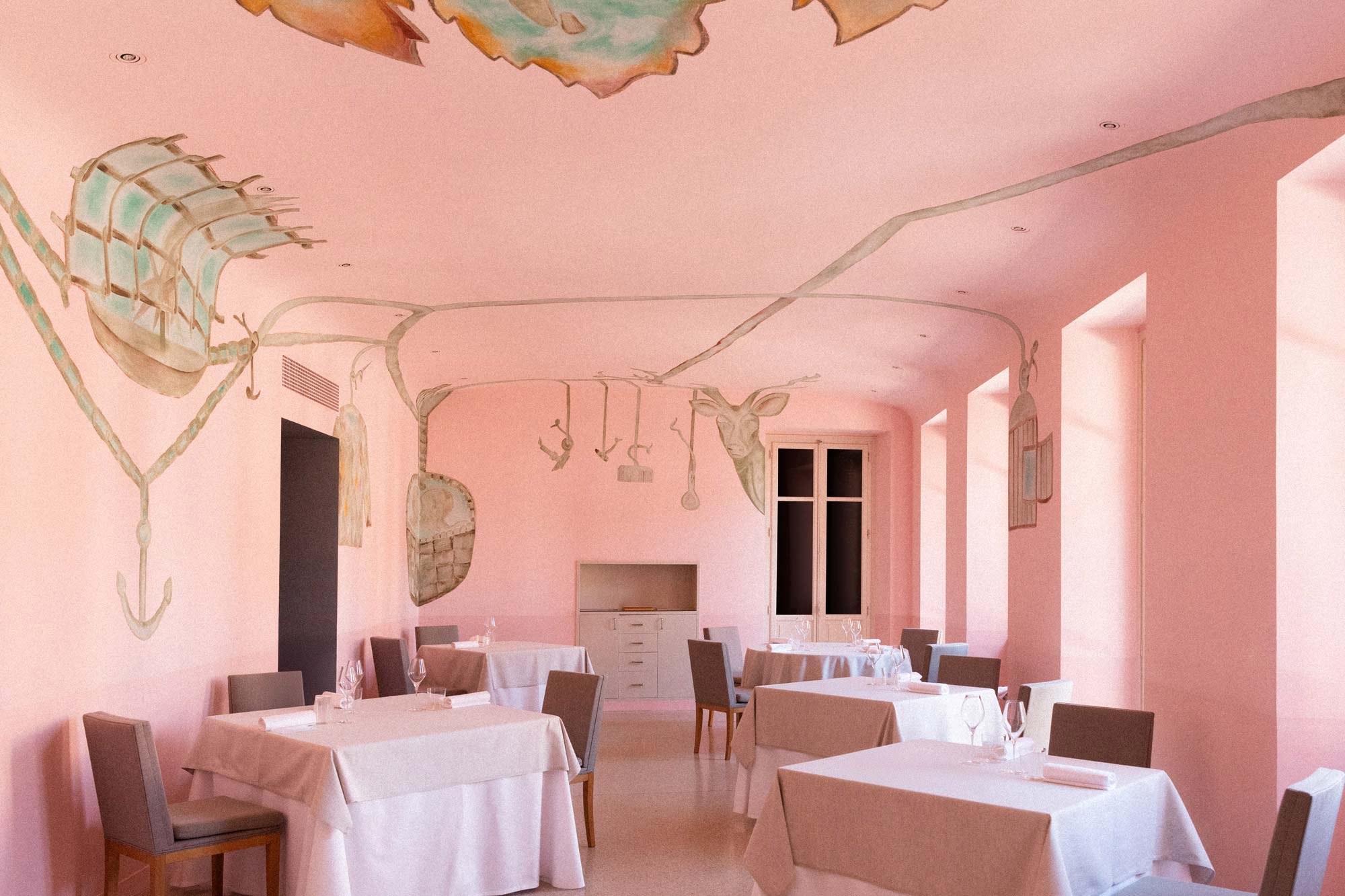
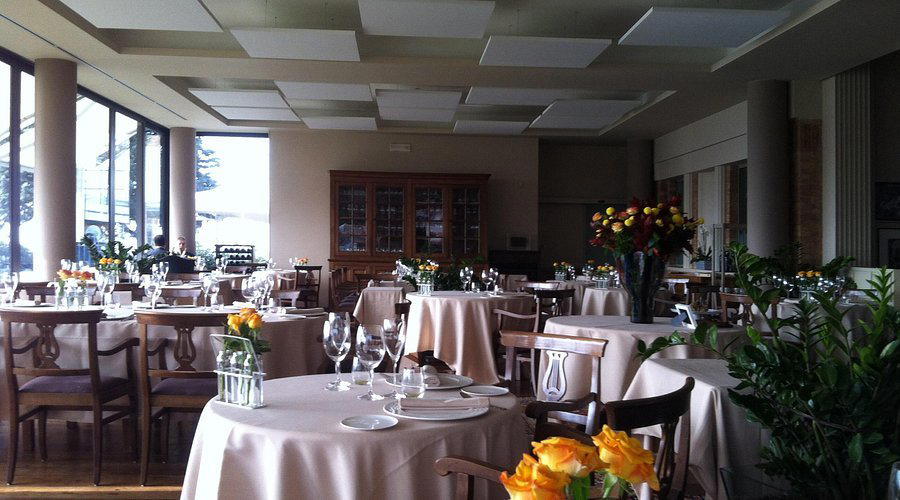
At a Glance
- Classic
- Rustic
- Elegant
- Scenic
- Wine Education
- Special Occasion
- Solo Exploration
- Vineyard Tour
- Estate Grounds
- Historic Building
- Panoramic View
- Organic
- Vineyard
- Mountain
- Barolo DOCG
- Nebbiolo
- Barbera
- Freisa
- Grignolino
- Chardonnay
- Pinot Noir
- Still Red
- Cave Tasting
- Private Tasting
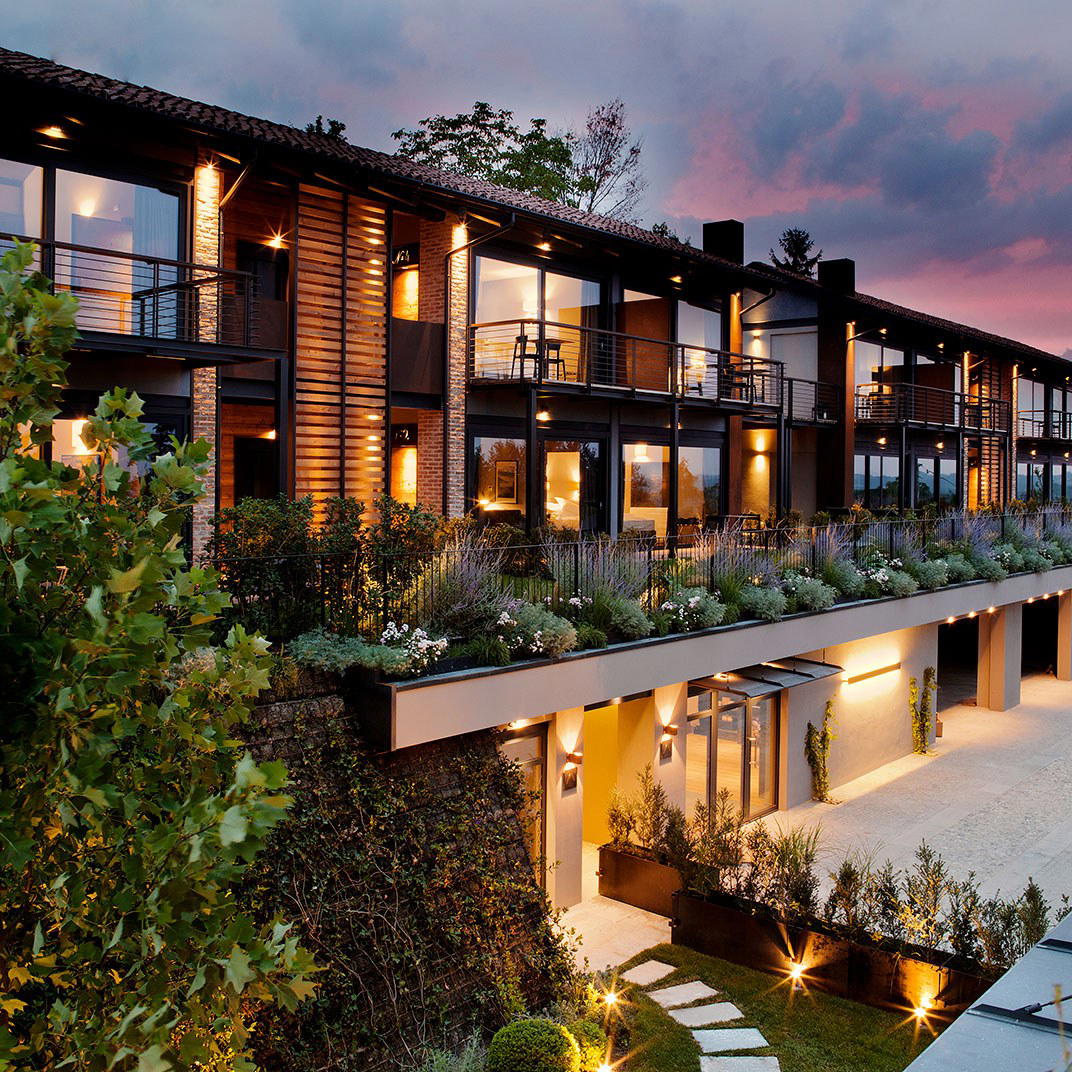
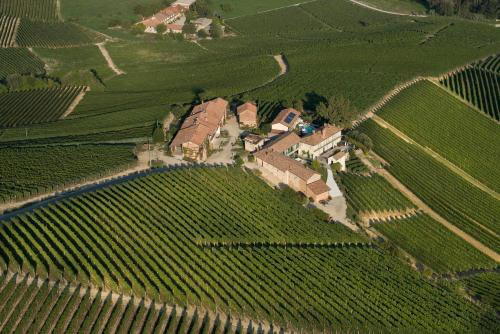
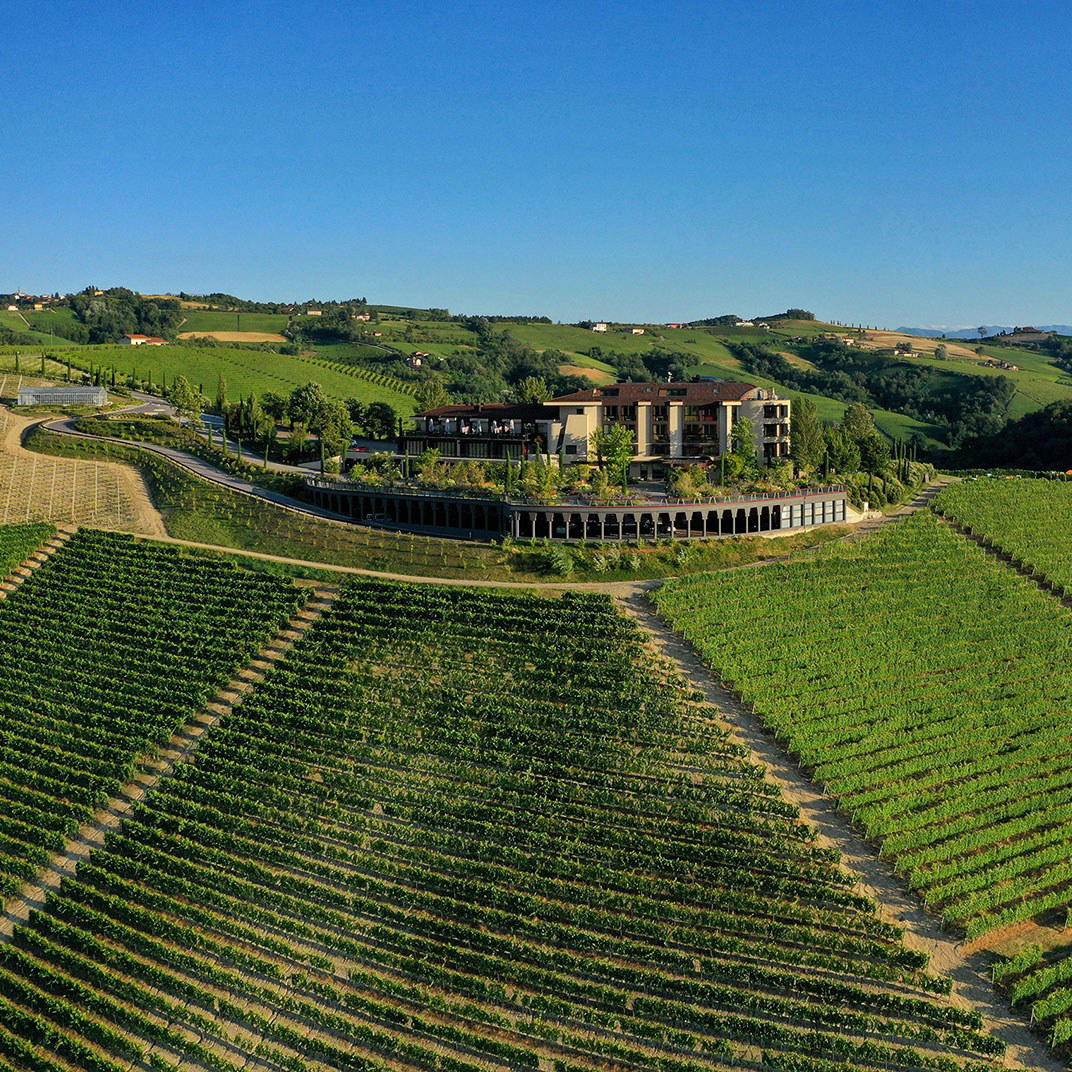
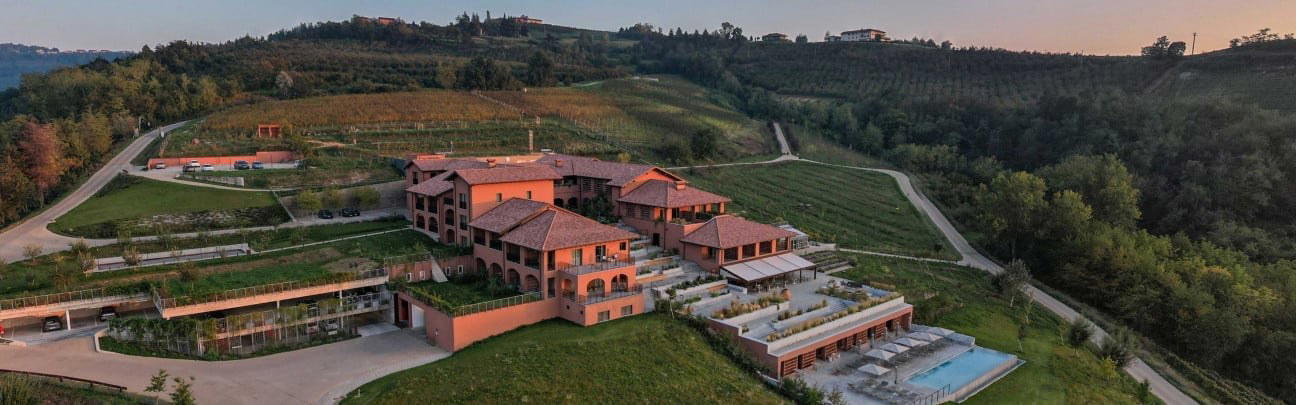
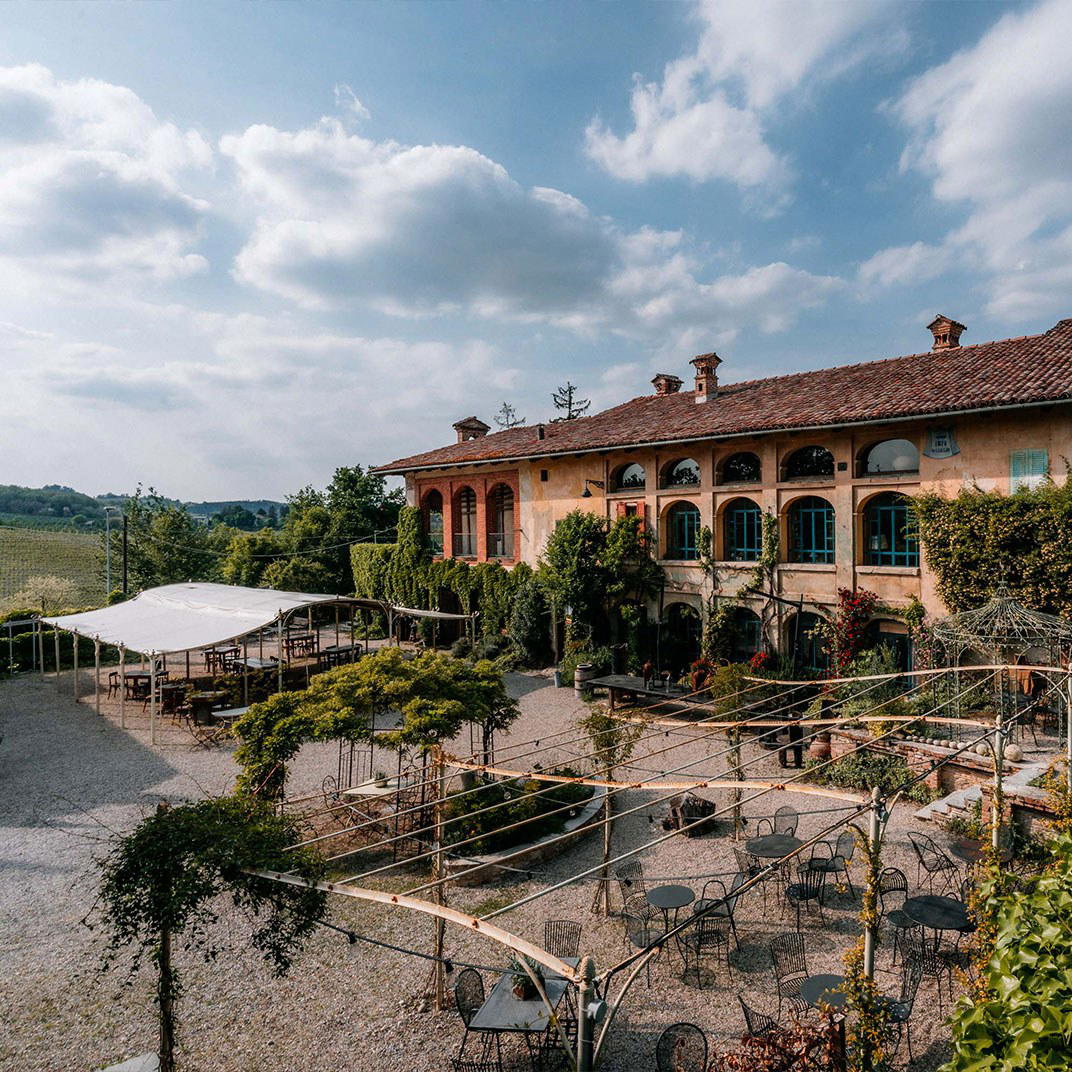
Traditional hillside cellar carved into the hill with historic elegance and serene vineyard surroundings.