
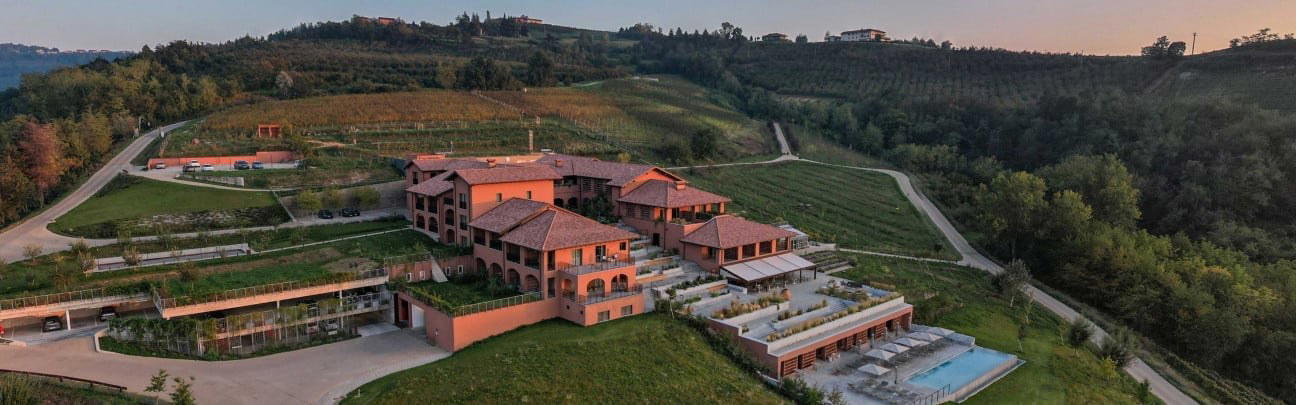
Oddero sits in the Frazione Santa Maria hamlet above La Morra, producing Barolo from some of the Langhe's most closely watched hillside parcels. For those tracing Barolo's village-level distinctions, it belongs near the upper end of the itinerary.
Pearl is the En Primeur Club membership app — saves, bookings, and concierge access live there. Same editors, same standards.
- Address
- Frazione S. Maria, 28, 12064 La Morra CN
- Phone
- +39 0173 50618
- Website
- oddero.it
- Directions
- Get directions
 Saves & bookings on Pearl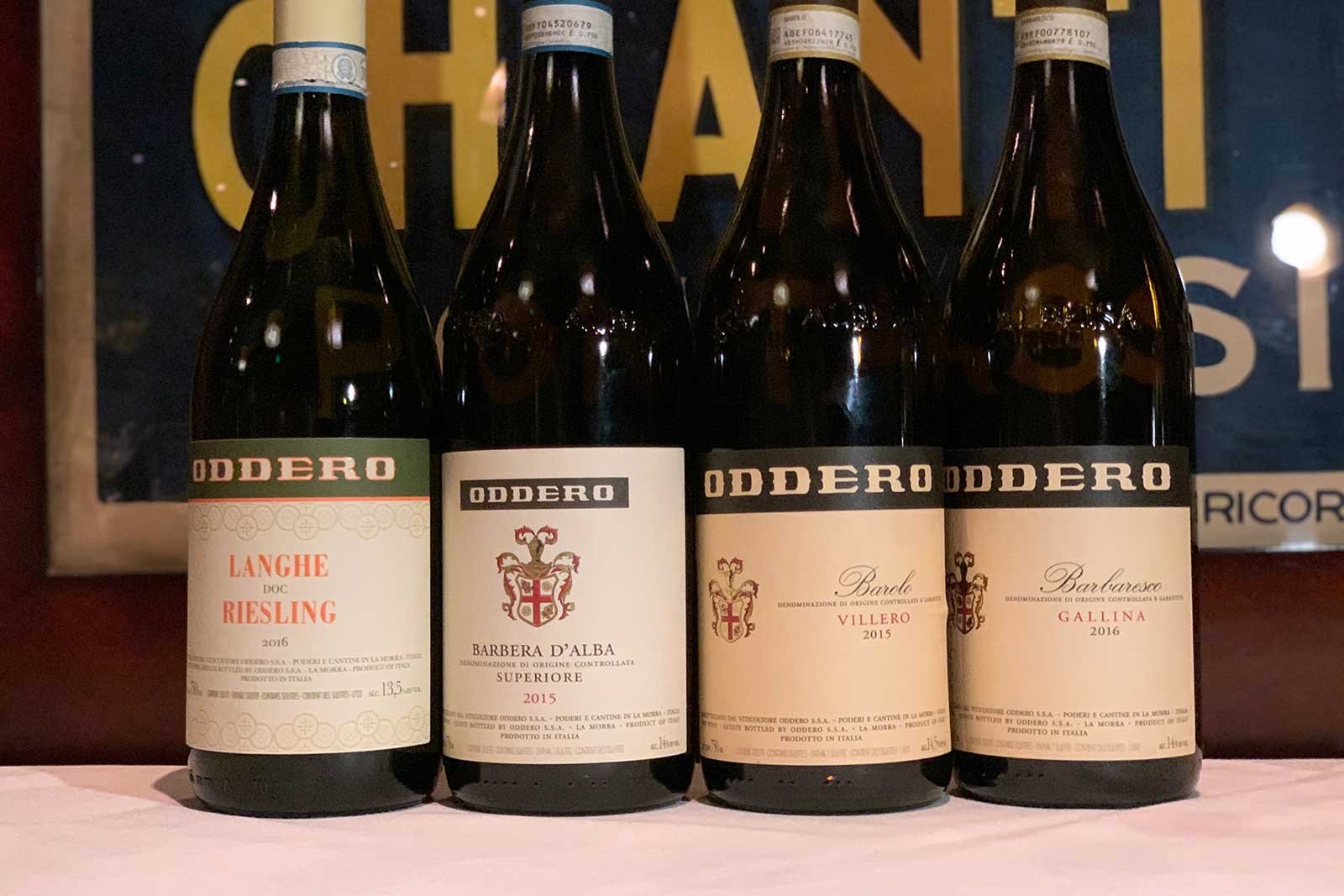
Arriving in Santa Maria: The Hill Before the Wine
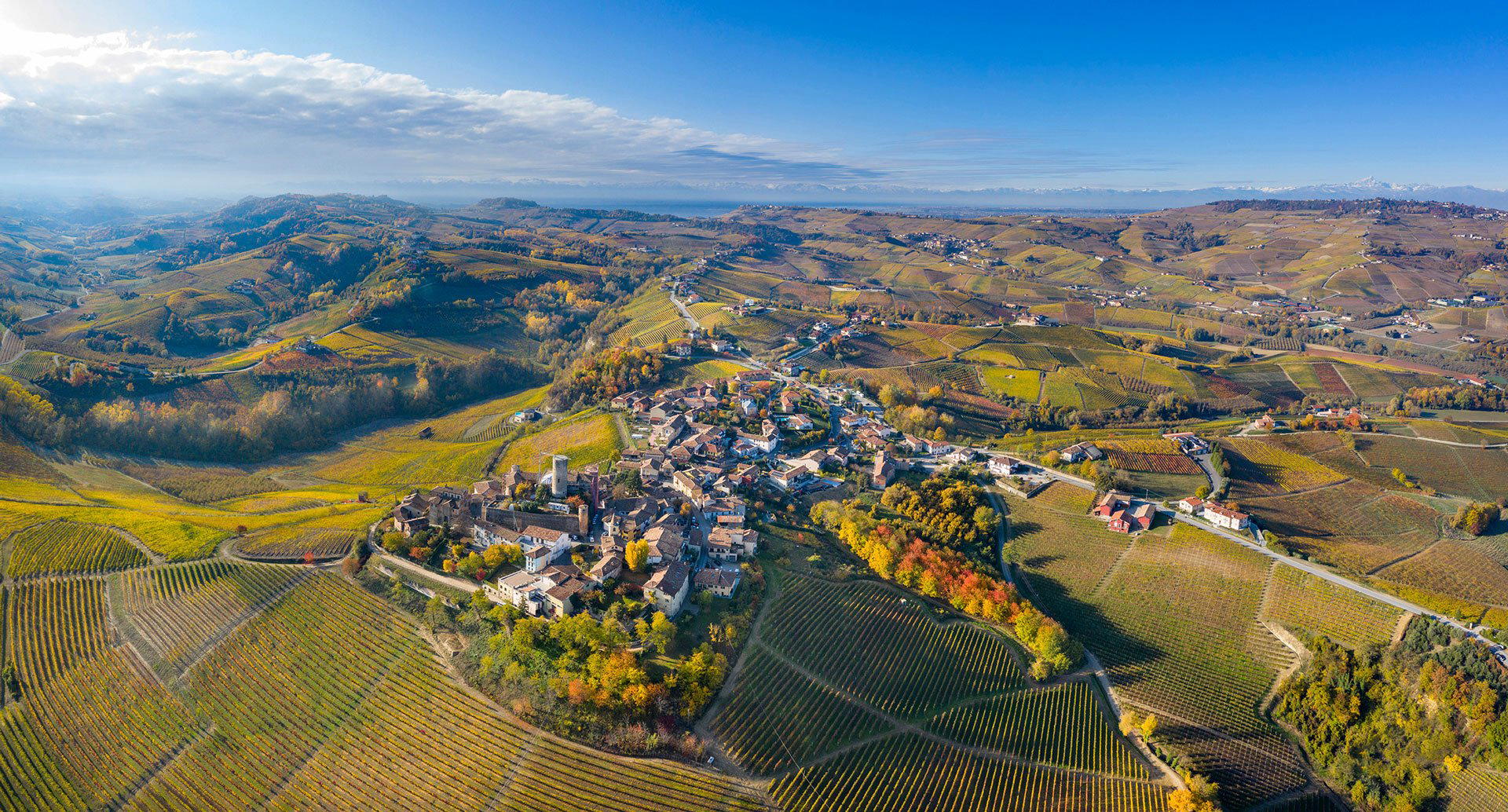
The approach to Frazione Santa Maria, a scattered hamlet above the town of La Morra in Piedmont's Langhe hills, does much of the explaining before a single bottle is opened. The road climbs through vine rows that shift character almost imperceptibly from one curve to the next, the soil colour changing from pale limestone-heavy tufa to darker, clay-richer ground. La Morra sits at the northwestern edge of the Barolo production zone, and its refined position gives its wines a particular aromatic lift that distinguishes them from the denser, more tannic expressions produced further southeast around Serralunga d'Alba or Castiglione Falletto.
What La Morra Terroir Actually Means
Barolo's internal geography matters more than casual wine conversation tends to acknowledge. The eleven communes within the appellation do not produce interchangeable wine. La Morra and Barolo to its south sit on Tortonian soils: older, more compact, higher in limestone and magnesium, with a structure that tends to deliver wines of earlier aromatic accessibility and a silkier tannin profile. Serralunga and Monforte, on Helvetian soils, produce Nebbiolo with more grip, more extraction potential, and a longer developmental arc. Estates in the La Morra zone, including Oddero, are therefore working with a raw material that rewards relatively restrained handling. The wine's elegance is latent in the ground; the winemaker's work is largely one of preservation rather than construction.
This distinction carries real consequences for how collectors and travellers should approach a visit. A La Morra producer is not making the same argument as, say, Aldo Conterno in Monforte d'Alba, whose Helvetian parcels push toward power and structure. The two represent different expressions of the same grape in the same appellation, and understanding that contrast is the reason a Barolo itinerary should include both sides of the zone. For the broader Italian wine picture, estates further afield, from Lungarotti in Torgiano to Planeta in Menfi, each make their own claims about place and variety, but Barolo's commune-level argument is among the more granular and verifiable in the country.
Oddero in Its Competitive Context
Within La Morra's producer set, Oddero holds a position that comes with historical depth and a specific approach to multi-vineyard Barolo. The estate draws from parcels across more than one commune, which is not unusual among the Langhe's larger family houses, and positions it differently from single-vineyard specialists who stake everything on one cru. That breadth is both a curatorial statement and a practical one: it allows the estate to show how a consistent winemaking hand reads differently across contrasting terroirs.
For comparison, Castello di Volpaia in Radda in Chianti and L'Enoteca Banfi in Montalcino operate in analogous positions within their respective zones, where the estate identity is inseparable from a specific hillside and a long production record. These are not operations built around a single celebrated vintage or a critical moment; their authority accumulates over decades.
Across Italy's premium wine tier, the contrast with spirits and distillate producers helps clarify what distinguishes estate wine culture. Operations like Nonino Distillery in Pavia di Udine, Distilleria Marzadro in Nogaredo, Distilleria Romano Levi in Neive, and Poli Distillerie in Schiavon represent a parallel Italian tradition of place-rooted production, but the wine estate model, particularly in Barolo, demands a relationship with a specific piece of land that shapes every decision from vine management to harvest date. Ca' del Bosco in Erbusco and Poggio Antico represent yet other registers of Italian wine ambition, each shaped by distinct soils and climates that resist generalisation. The Langhe, with its deeply mapped commune distinctions, makes the terroir argument with more specificity than almost anywhere else in the country.
Visiting the Estate: Practical Orientation
Oddero is located at Frazione Santa Maria 28, La Morra, in the province of Cuneo. La Morra itself is the natural base for exploring the northwestern Barolo communes, and the village centre, with its panoramic terrace over the vineyards, is roughly ten minutes from most of the surrounding estates by car. The Langhe is not a region that rewards public transport; a car is the standard approach, and the narrow ridge roads between hamlets require attention, particularly after tastings. The closest airport with meaningful international connections is Turin Caselle, around ninety minutes by road, though many visitors approach from Milan, which adds approximately another thirty to forty minutes.
For planning a wider itinerary in the area, La Morra's dining options make a multi-day stay in the Langhe viable without returning to Alba for every meal. Visits are by appointment only, so advance arrangement is advisable.
The harvest window, running from late September through October depending on the vintage, is when the Langhe is at its most intense and when estate visits carry atmospheric weight. That period also coincides with the truffle season centered on Alba, which substantially increases accommodation demand across the zone. Visiting outside that window, in late spring or early summer, typically offers a more considered tasting environment and easier access to estate staff.
Beyond the Langhe: Positioning in Italy's Wider Wine Map
Placing Oddero within Italian wine more broadly requires acknowledging that Barolo, for all its prestige, is one node in a network of serious production zones. Campari in Milan represents a different, spirits-led dimension of Italy's drinks culture entirely. International comparisons extend further: Aberlour in Aberlour and Accendo Cellars in St. Helena each demonstrate how seriously other regions and countries have developed their own terroir-led arguments. What keeps the Langhe, and La Morra specifically, at the centre of fine wine conversation is the density of the geographical evidence: vineyard maps that have been refined over more than a century, a single indigenous grape variety, and a production zone small enough that commune-level differences are genuinely observable in the glass rather than merely claimed on labels.
Oddero's place in that conversation is as a multi-parcel estate working the La Morra end of that argument, recognised at a level that signals consistent typicity, and based in a hamlet whose elevation and soil profile continue to define a recognisable style of Barolo across producers.
A Quick Peer Check
Comparable venues nearby, for context on price, style, and recognition.
| Venue | Cuisine | Price | Notes |
|---|---|---|---|
| OdderoThis venue — the venue you are viewing | Nebbiolo, Barbera | $$$ | Not listed |
| Bruno Giacosa | Nebbiolo, Arneis | $$$ | Neive |
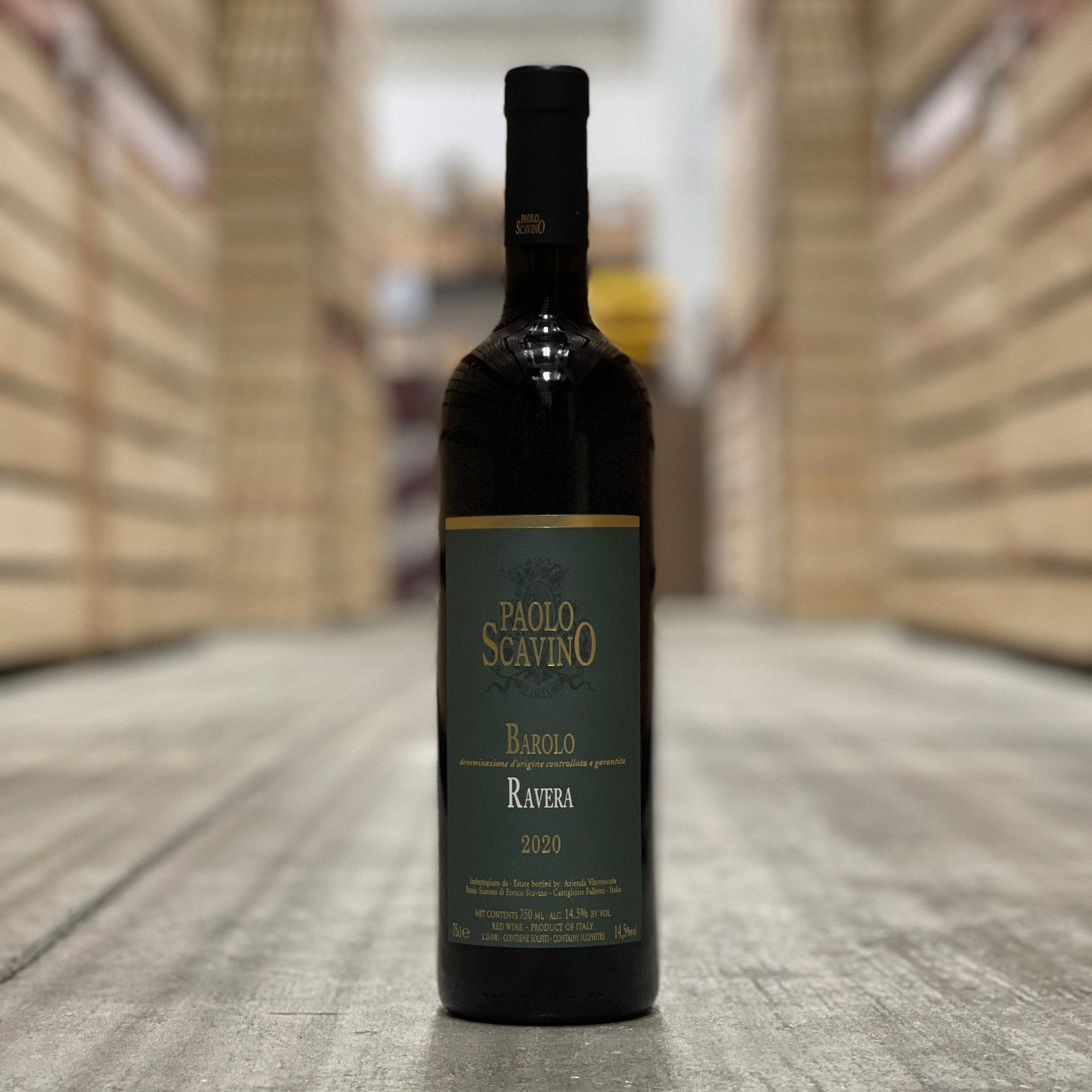
| Paolo Scavino | Nebbiolo, Barbera | $$$ | Castiglione Falletto |
| Tenuta Brancalupo | Sagrantino, Trebbiano Spoletino | $$$ | Montefalco |
| Vietti | Nebbiolo, Arneis | $$$ | Castiglione Falletto |
| Illva Saronno (Disaronno) | Lombardy | $$$ | Saronno |
Recognition history
Dated appearances from independent guides and award organizations, with the underlying list record or original source where available.
Falstaff Winery - 4 Stars
Falstaff
Continue exploring
More in La Morra
Wineries in La Morra
Browse all →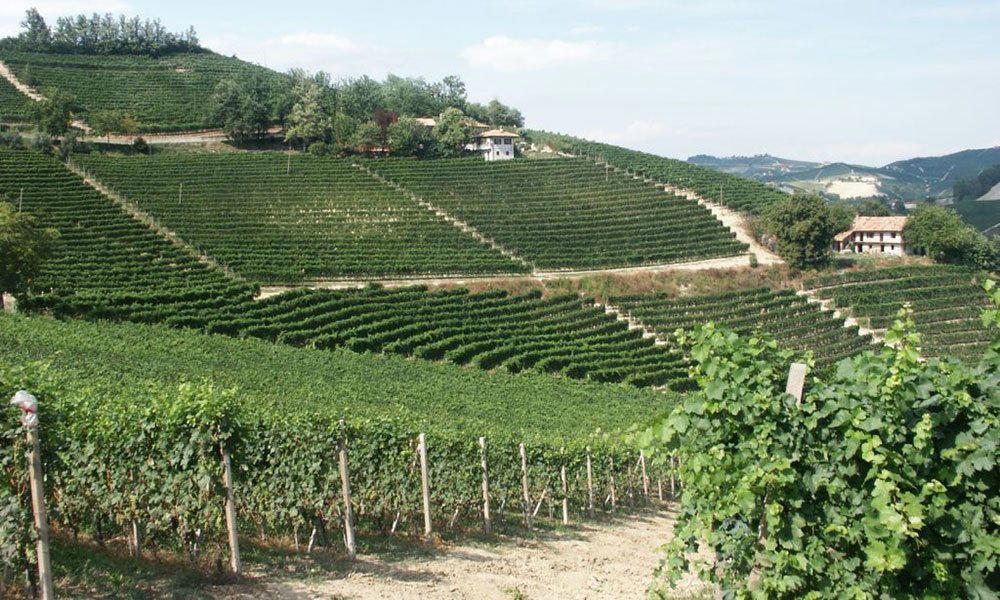
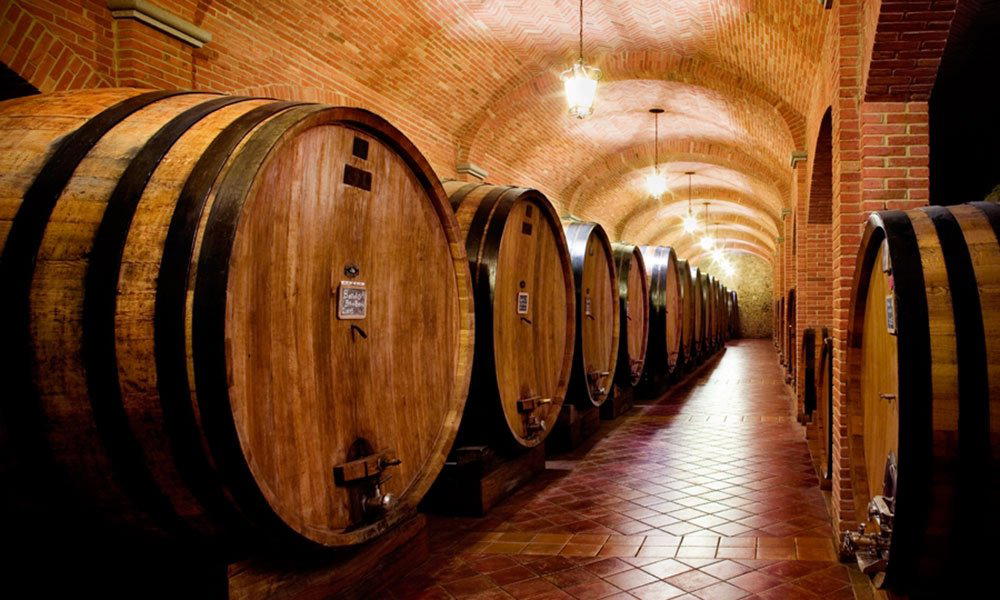
Bars in La Morra
Browse all →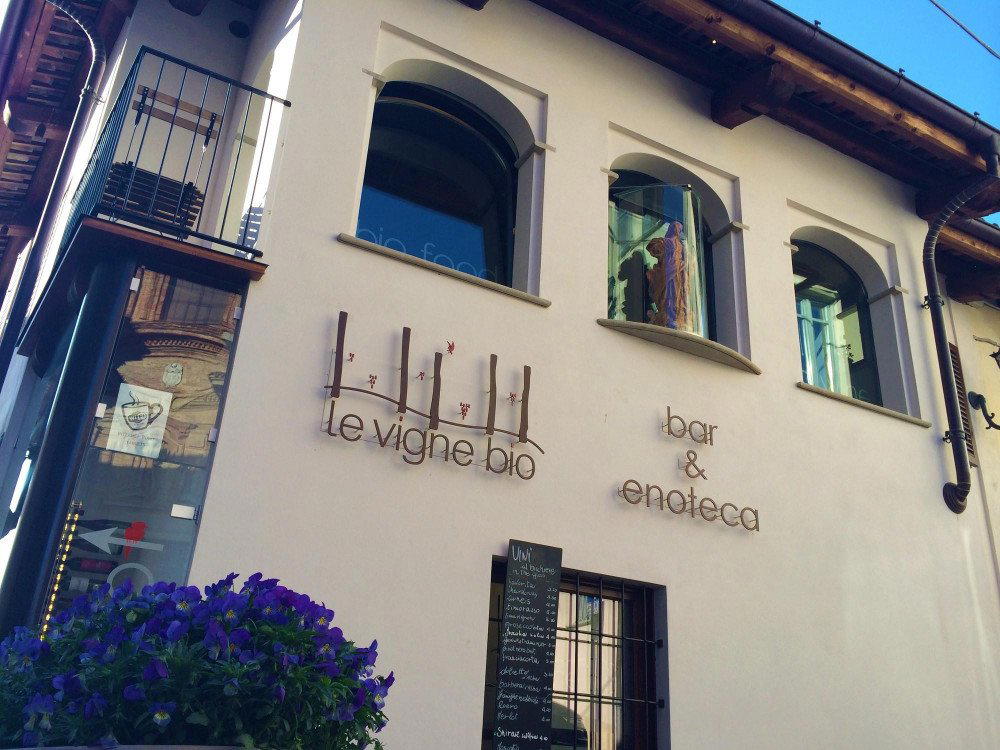
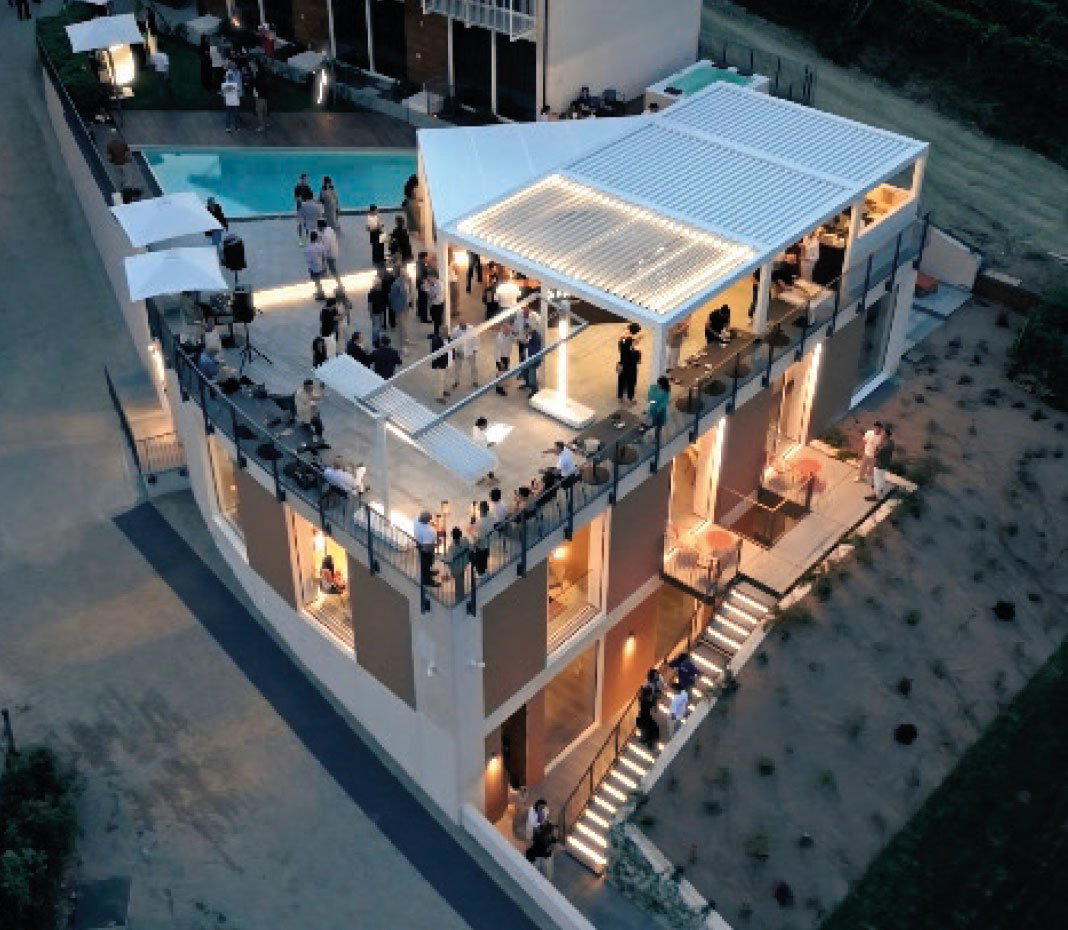
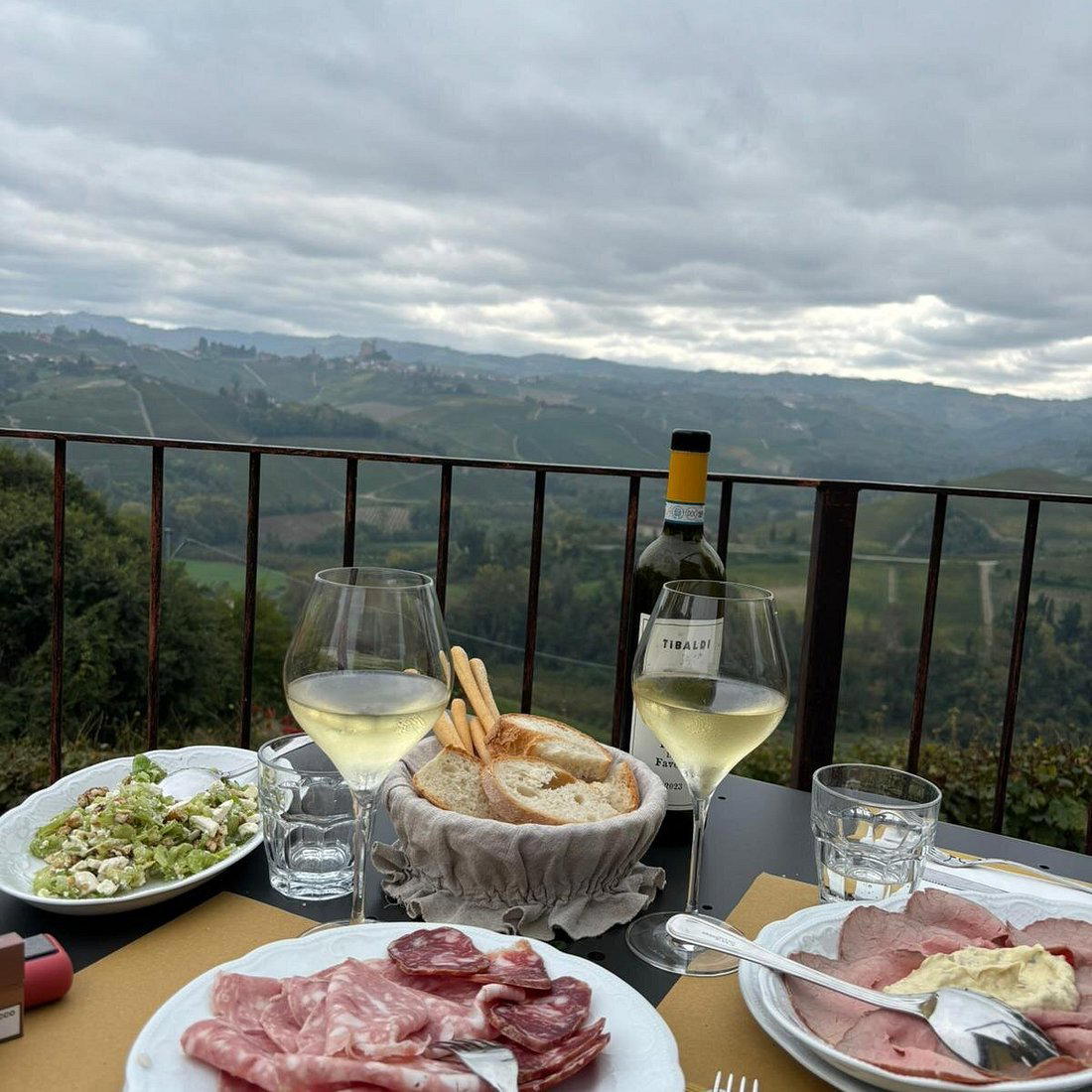
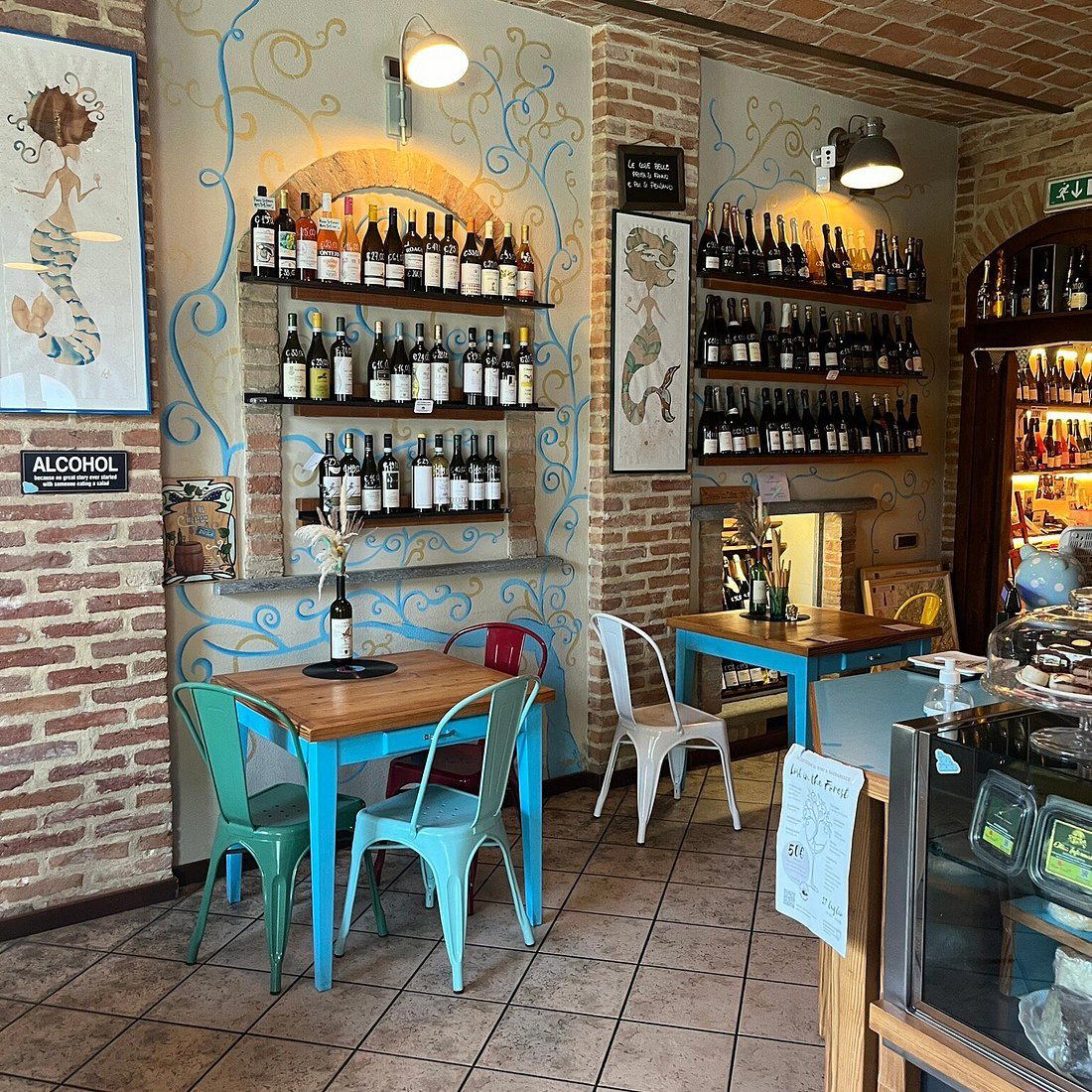
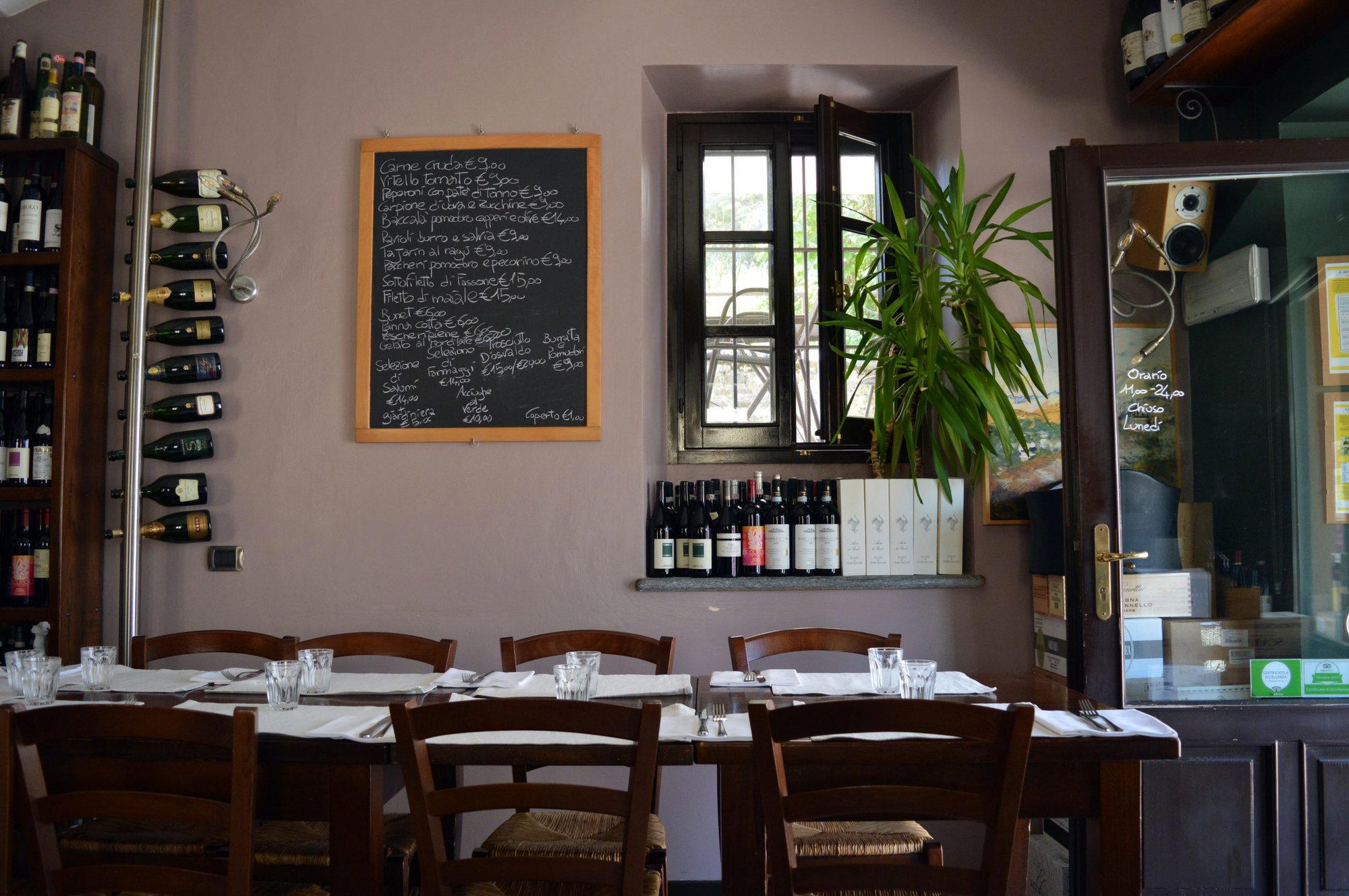
Restaurants in La Morra
Browse all →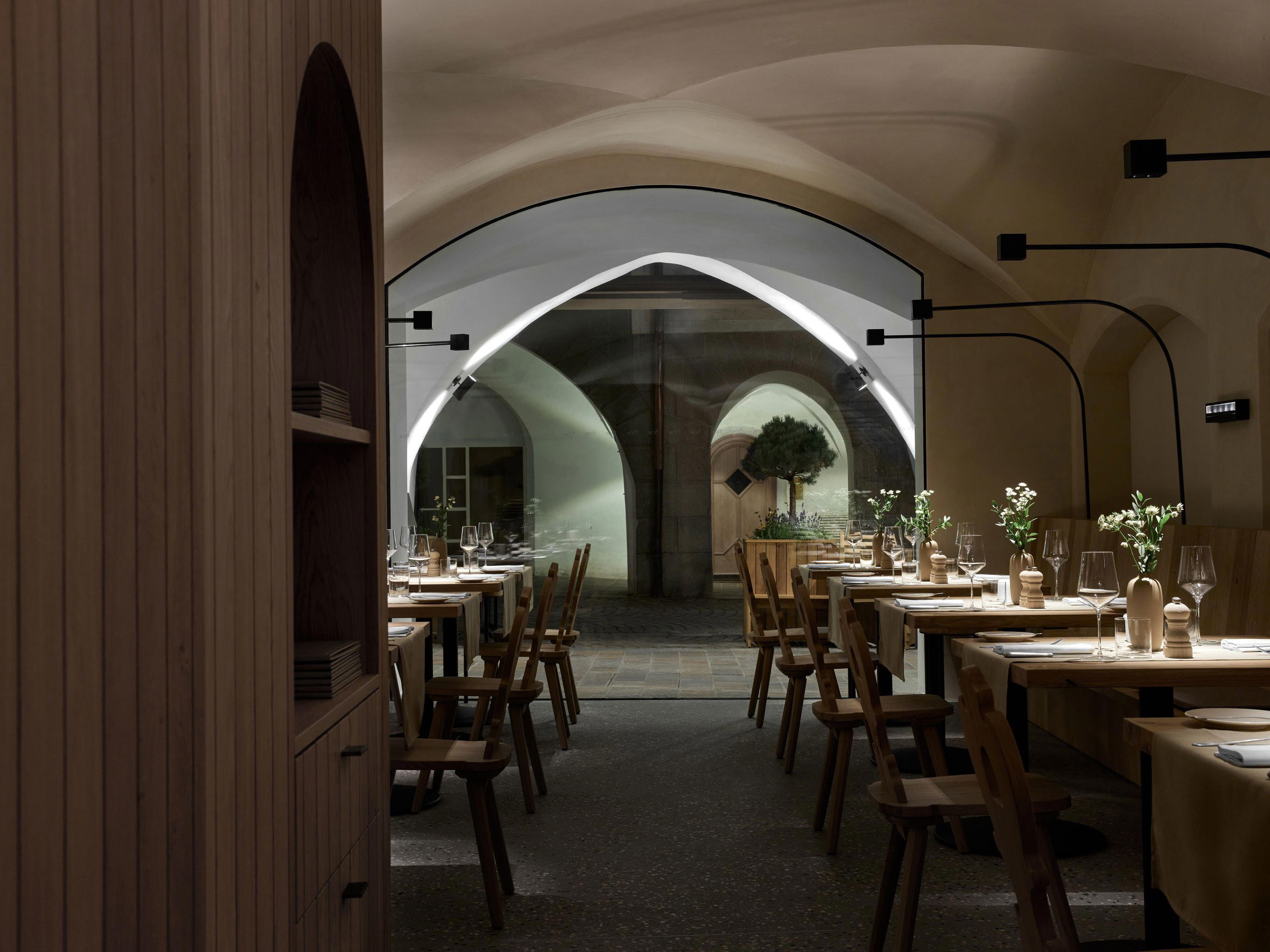
At a Glance
- Classic
- Rustic
- Elegant
- Scenic
- Wine Education
- Solo Exploration
- Special Occasion
- Cave Tasting
- Vineyard Tour
- Historic Building
- Panoramic View
- Vineyard
- Mountain
- Barolo DOCG
- Nebbiolo
- Barbera
- Dolcetto
- Moscato
- Still Red
- Cave Tasting
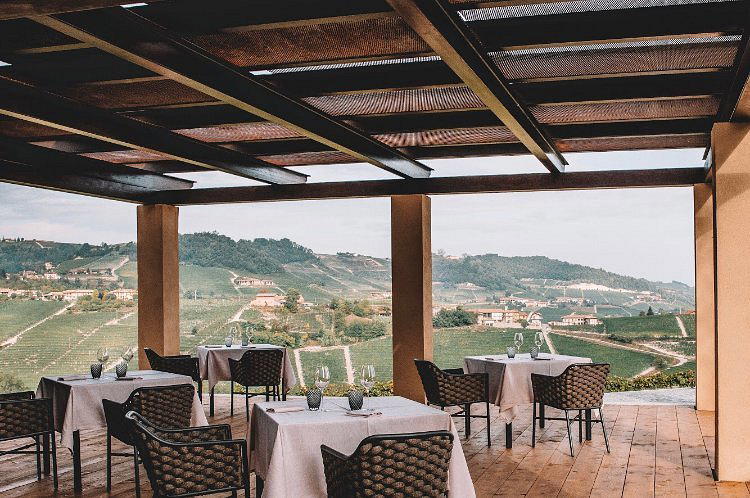
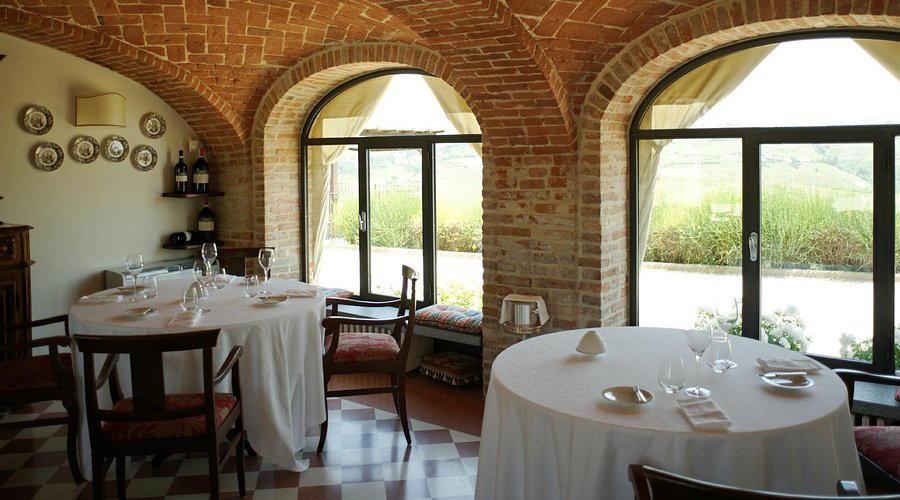
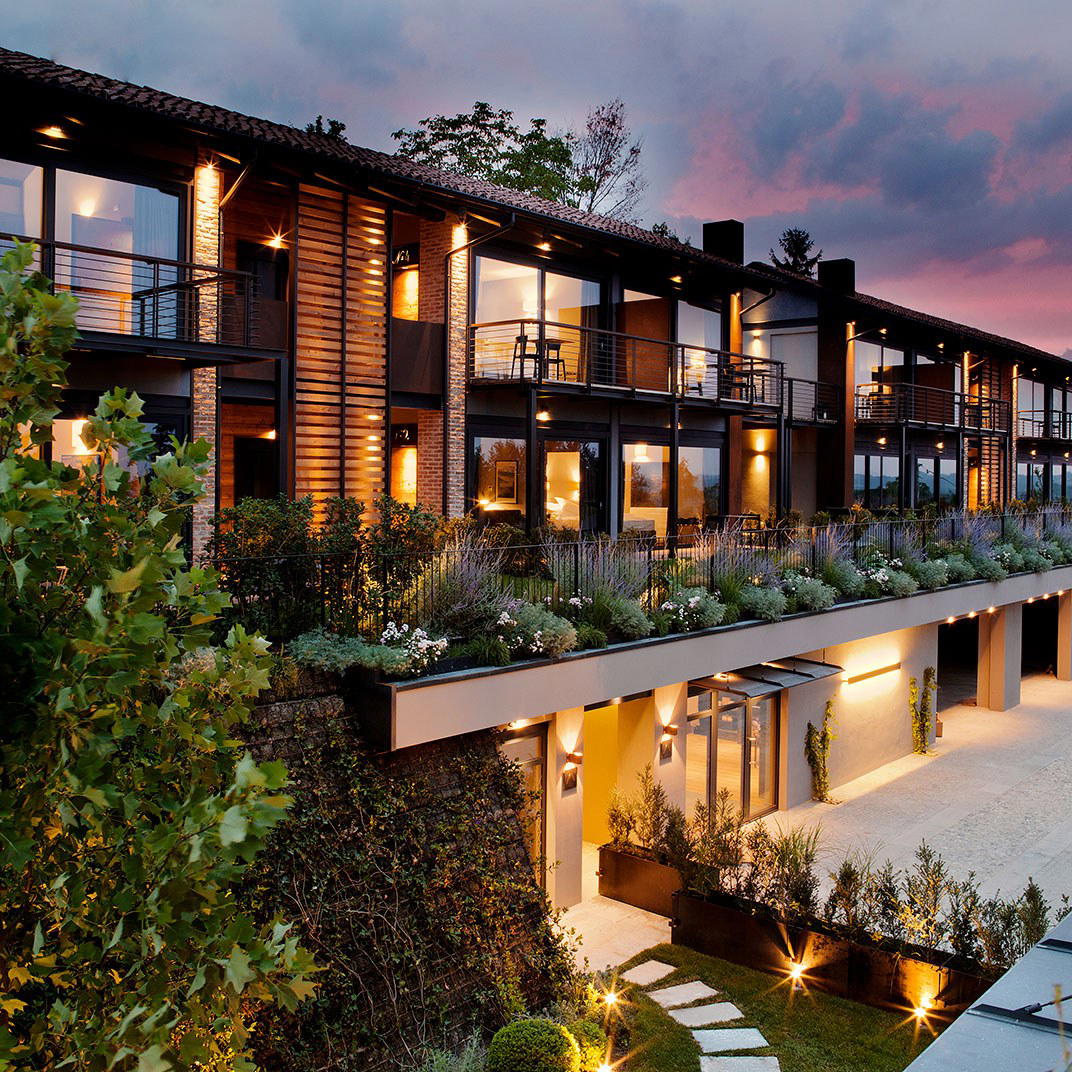
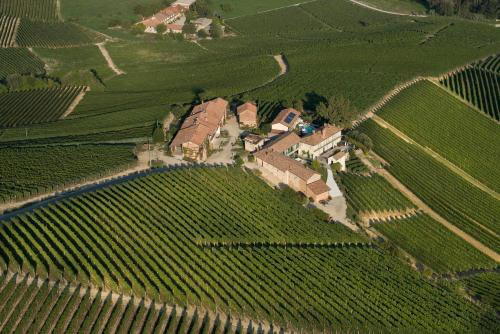
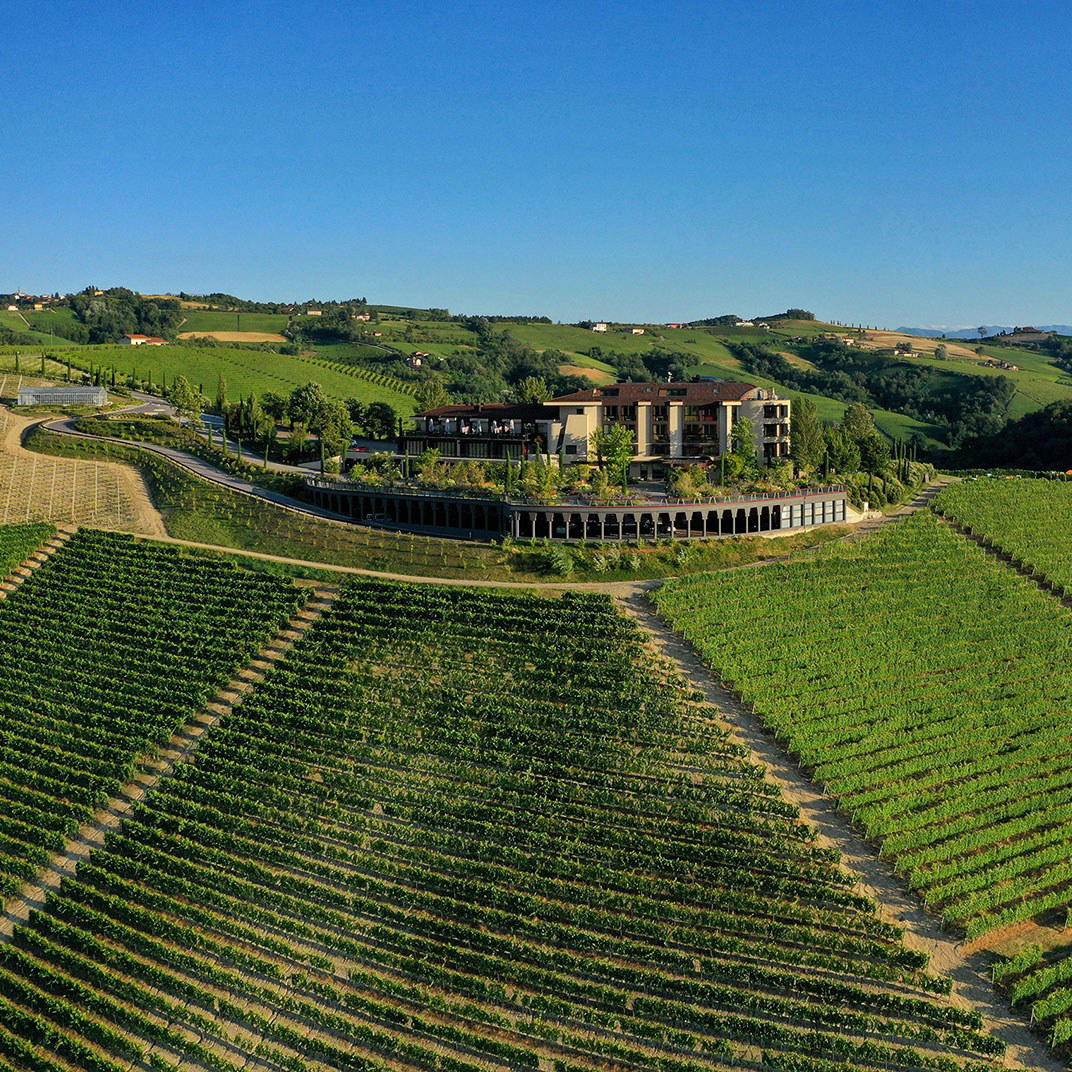
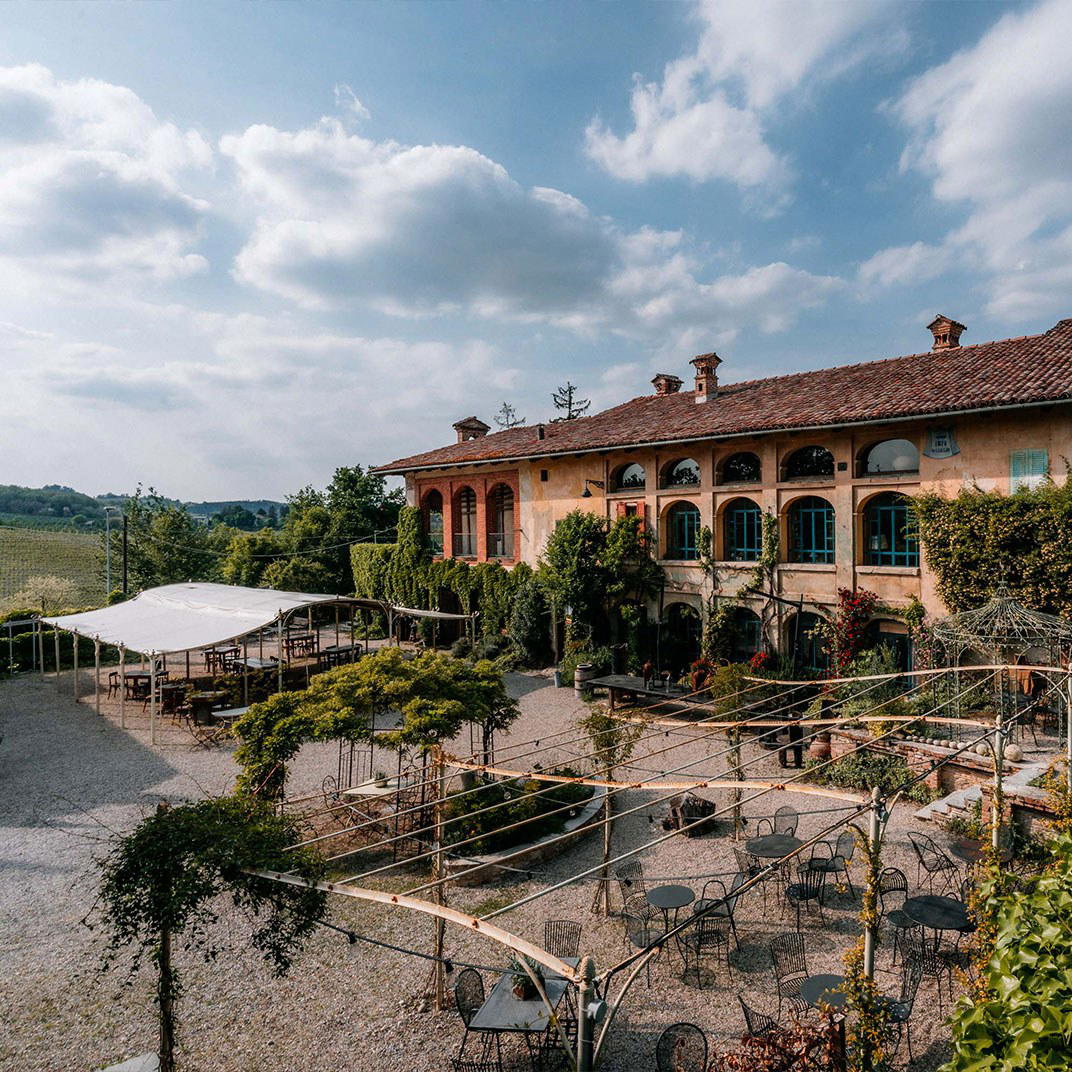
Immersed in a sea of tended vineyards on a natural terrace overlooking Langhe hills, offering a classic, elegant, and serene historic winery atmosphere.