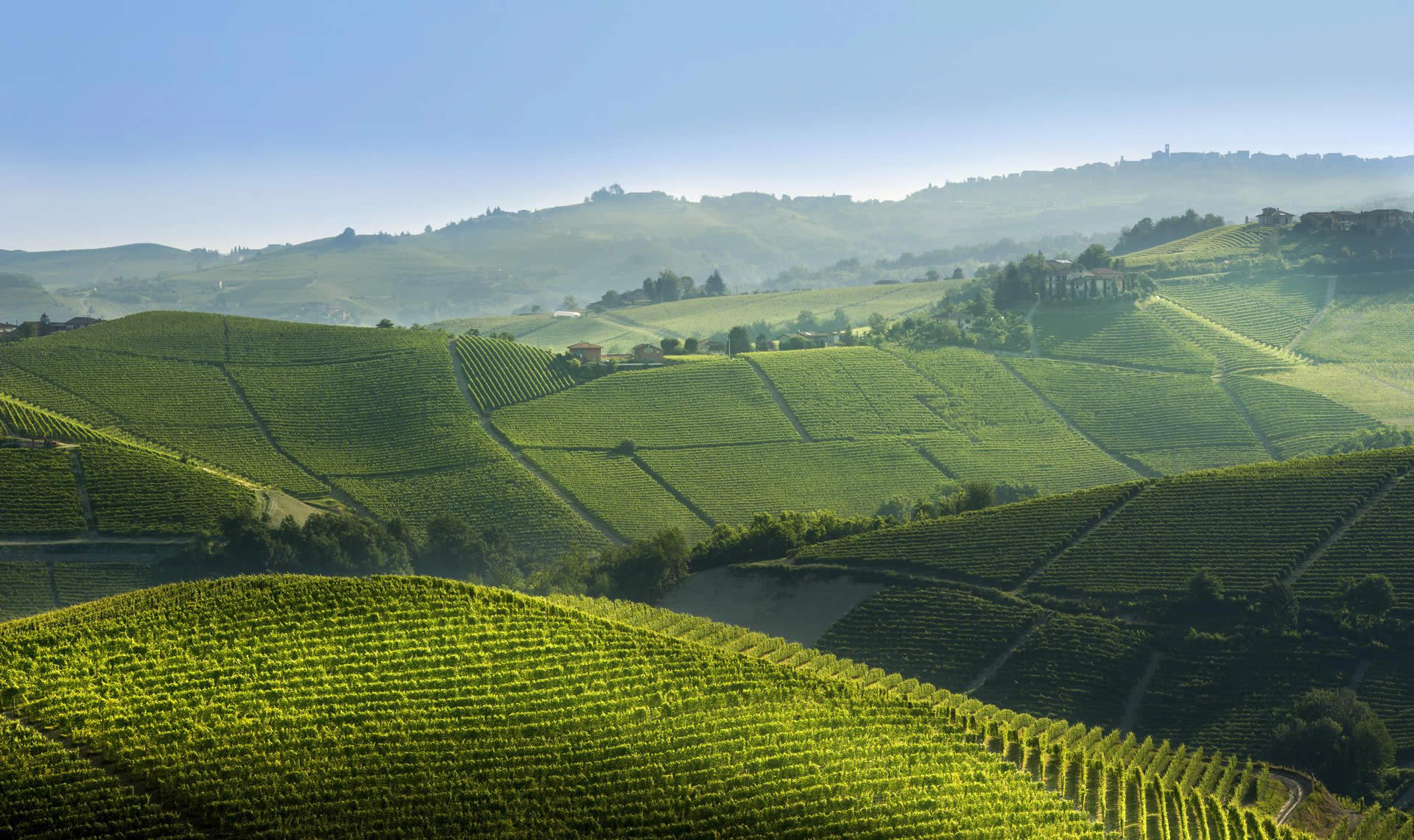
Piazza Umberto I, 4 sits at the heart of Roddi, a medieval hilltop village in the Langhe hills of Piedmont, where stone-paved piazzas and vine-covered slopes define the architectural character of the territory. The address places a visitor directly within one of Italy's most composed rural townscapes, a short drive from the Barolo and Barbaresco wine zones that have shaped this corner of northwestern Italy for centuries.

Pearl is the En Primeur Club membership app, where members save venues, book tables and use the concierge.
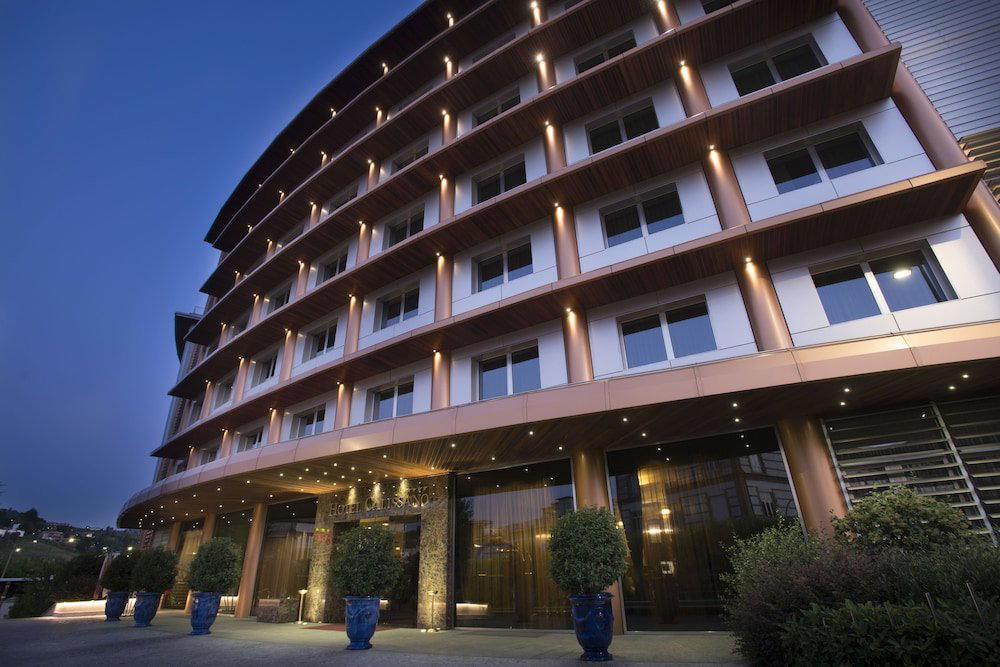
Stone, Slope, and the Architecture of the Langhe
Piedmont's Langhe hills produce some of Italy's most spatially disciplined villages. Roddi is among the most composed of them: a compact hilltop settlement in the Cuneo province, where the geometry of the medieval borgo, tight lanes, a dominant central piazza, walls that step down the ridge in measured tiers, reads less like accident than like a long argument between builders and terrain. Piazza Umberto I sits at the organizational center of this argument, and the address at number 4 places a visitor directly within that civic core. See our full Roddi restaurants guide for a broader orientation to the village and its surroundings.
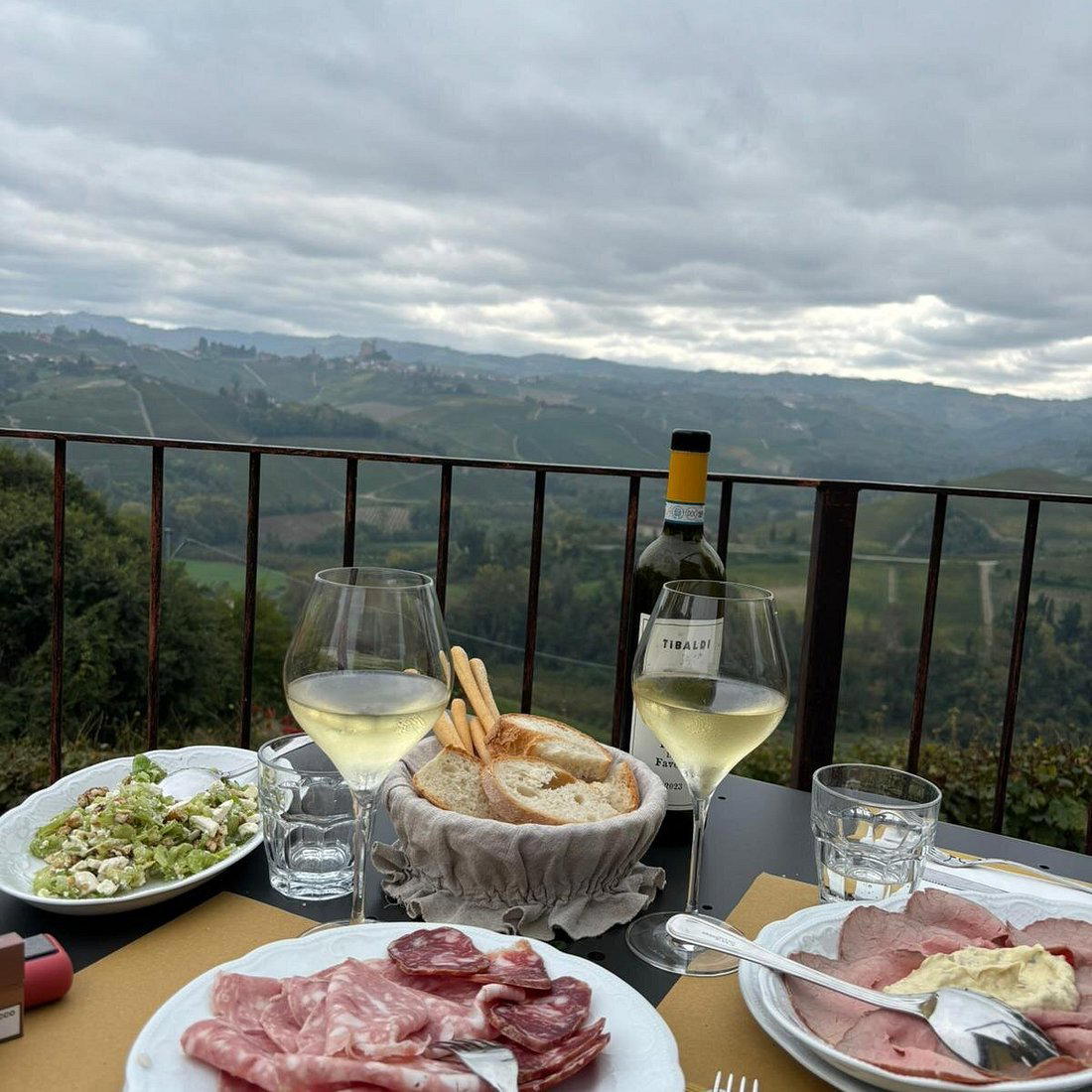
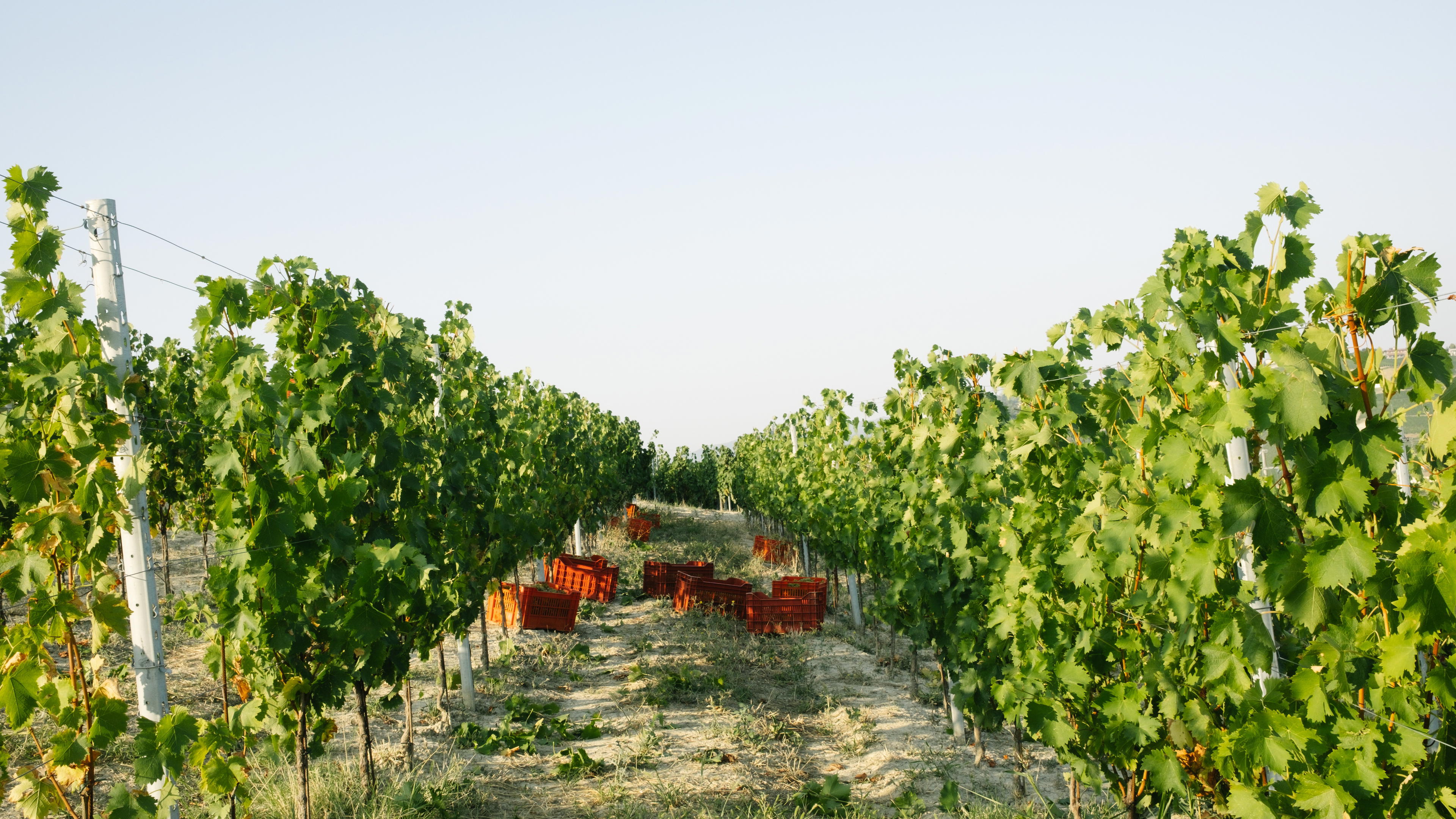
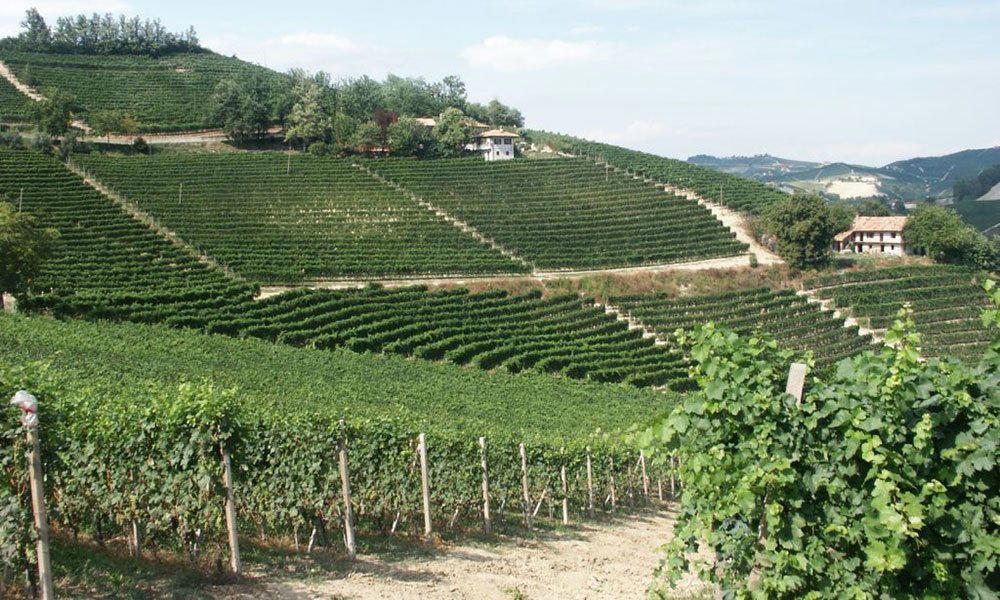
The piazza format is a defining spatial type in northwestern Italian towns of this scale. Unlike the grand theatrical squares of Piedmont's larger centers, Umberto I in Roddi operates at a human register: proportioned for a village population, framed by low stone facades, and oriented to capture the sweeping views across the Tanaro valley and the vine rows below. The Langhe hills are a UNESCO World Heritage landscape, a designation awarded in 2014 that covers the viticultural geography of Barolo and Barbaresco, and the built fabric of villages like Roddi is inseparable from that agricultural context. The walls are medieval in core, the paving is stone, and the scale of the buildings reflects centuries of rural economy rather than urban ambition.
Position in the Langhe's Spatial Hierarchy
Roddi occupies a secondary tier within the Langhe's network of wine villages, which makes its character distinct from the more visited settlements nearby. Alba, the commercial capital of the zone, lies roughly eight kilometres to the east. Barolo itself, the village that lends its name to the region's most prominent red wine, is to the southwest. Within this geography, Roddi functions as a quieter node: less trafficked by wine tourism, more intact in its daily rhythms, and more representative of the Langhe village typology at its most unmediated.
That positioning matters architecturally. The villages that bear the heaviest wine tourism load have often seen their ground-floor fabric converted to enotecas, restaurants, and boutique hotels. Roddi's piazza retains a proportion of civic and residential use that keeps the spatial character closer to its historical baseline. For travellers oriented around the architecture of rural Piedmont, rather than around any single wine cellar or starred dining room, that distinction gives Roddi a reading that more prominent villages can no longer offer.
The Langhe as a Design Context
Understanding what makes an address like Piazza Umberto I, 4 legible requires some familiarity with the broader Langhe building tradition. The vernacular of this territory is one of the most coherent in northern Italy: tuff stone and brick construction, rooflines pitched against the alpine weather, facades that prioritize mass over ornament, and a consistent palette of ochre, pale terracotta, and raw stone. The hilltop villages were not planned in any modern sense, they accreted over centuries along ridge lines that offered defensive position and agricultural vantage, but the result is a spatial logic that feels deliberate.
This is the design environment that frames any experience at the piazza's center. Premium properties elsewhere in Italy have worked hard to reconstruct that quality of rootedness: Rosewood Castiglion Del Bosco in Montalcino operates within a restored Tuscan borgo, and Borgo San Felice Resort in Castelnuovo Berardenga inhabits a similar village-scale compound. In Roddi, that fabric is not a resort construct, it is simply the town as it has existed, adjusted incrementally over time.
Arriving and Moving Through the Village
Roddi is accessible by car from Alba in under fifteen minutes, and from Turin, the nearest major airport hub, in approximately an hour depending on route. The village sits above the valley floor, and the approach road climbs through vine rows before the settlement becomes visible on the ridge. Parking is available at the village perimeter, as is standard for pedestrianized historic centers of this scale in Piedmont. From there, the piazza is a short walk through the main lane.
The Langhe's broader accommodation tier spans a wide range. For those treating Roddi as a base within a longer Piedmont itinerary, the region's properties range from agriturismo formats to more architecturally considered rural hotels. Beyond the immediate zone, travellers combining a Langhe visit with broader Italian itineraries have access to a strong set of options: Aman Venice and Four Seasons Hotel Firenze in Florence sit at the upper end of the peninsula's city hotel tier; Passalacqua in Moltrasio and Grand Hotel Tremezzo in Tremezzo represent the northern lakes alternative for those routing through Lombardy; and for Amalfi-facing itineraries, Borgo Santandrea on the Amalfi Coast and Il San Pietro di Positano occupy the southern coastal bracket.
Seasonal Timing
The Langhe's agricultural calendar gives strong signals for timing a visit. The truffle season, centered on Alba's white truffle fair, runs from October through December and draws significant visitor volume to the entire zone. Harvest in the vineyards falls in September and early October, when the hills carry both the visual and aromatic weight of the season. Spring, from late April through June, offers cooler temperatures and less congestion. Summer brings reliable weather but also the highest concentration of wine tourism across the region's more frequented villages.
For those specifically drawn to the architectural and spatial character of Roddi rather than to any particular food or wine event, the shoulder seasons, spring and late autumn, offer the most unmediated access to the piazza and its surroundings. The light in the Langhe in October, falling across vine rows turning yellow and rust against pale stone, is a specific visual experience that has attracted painters and photographers to the territory for generations.
Regional Context for the Wider Itinerary
Travellers extending beyond the Langhe into other parts of Italy's rural heritage accommodation tier will find consistent quality across a range of formats. Castelfalfi in Montaione and Corte della Maestà in Civita di Bagnoregio operate in similarly historic village settings, while Forestis Dolomites in Plose and Castel Fragsburg in Merano represent the northern alpine alternative for those routing through South Tyrol. In the south, Borgo Egnazia in Savelletri di Fasano and Il Pellicano in Porto Ercole anchor the coastal Puglia and Tuscan coast tiers. For city-based stays before or after a Langhe visit, Portrait Milano and Bulgari Hotel Roma represent the upper end of Milan and Rome's hotel options respectively.
Quick Comparison
| Venue | Price | Awards |
|---|---|---|
| Piazza Umberto I, 4This venue (the venue you are viewing) | Not listed | Not listed |
| Aman Venice | $1,000–1,500 | 3 Michelin Keys · World's 50 Best #79 |
| Cipriani, A Belmond Hotel, Venice | $750–1,000 | 3 Michelin Keys · World's 50 Best #72 |
| Four Seasons Hotel Firenze | $750–1,000 | 3 Michelin Keys · World's 50 Best #12 |
| Rosewood Castiglion Del Bosco | $1,000–1,500 | 3 Michelin Keys · World's 50 Best #62 |
| Bulgari Hotel Roma | Not listed | 3 Michelin Keys · World's 50 Best #32 |
Continue exploring
More in Roddi
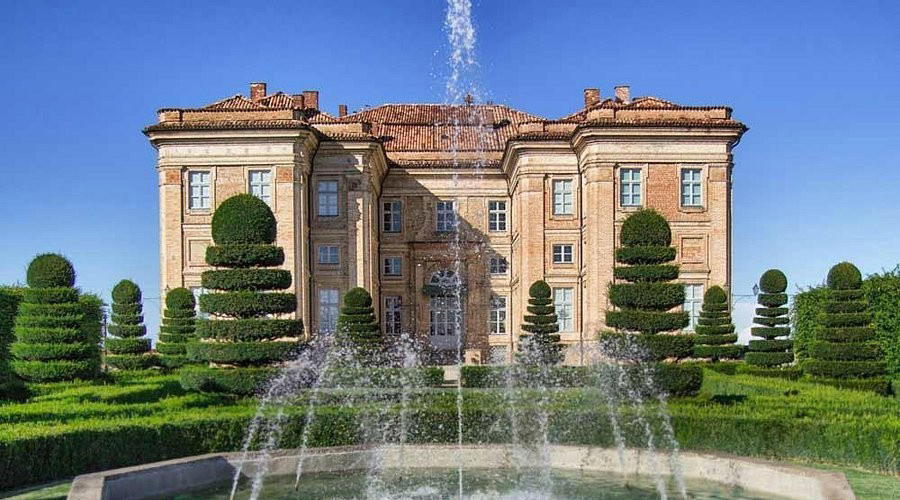
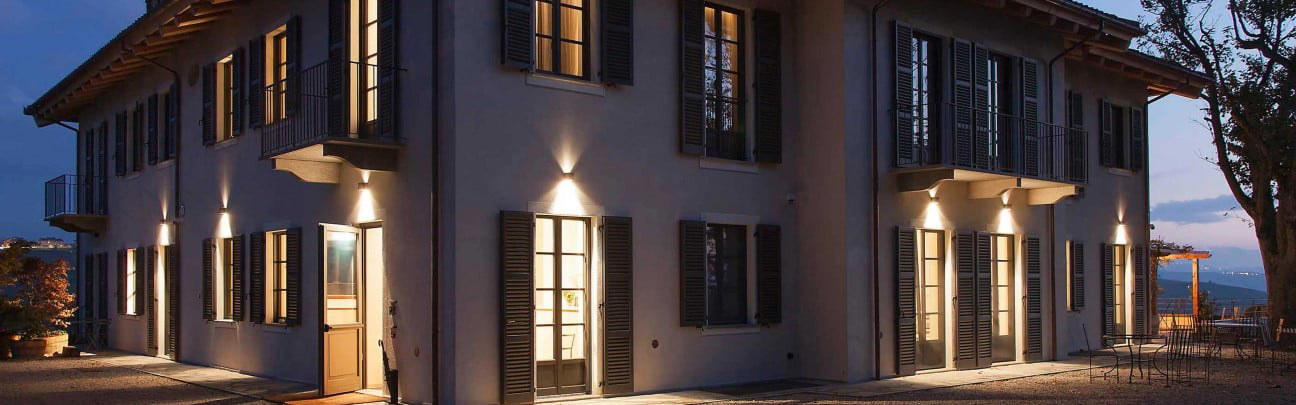
Hotels in Roddi
All hotels in Roddi →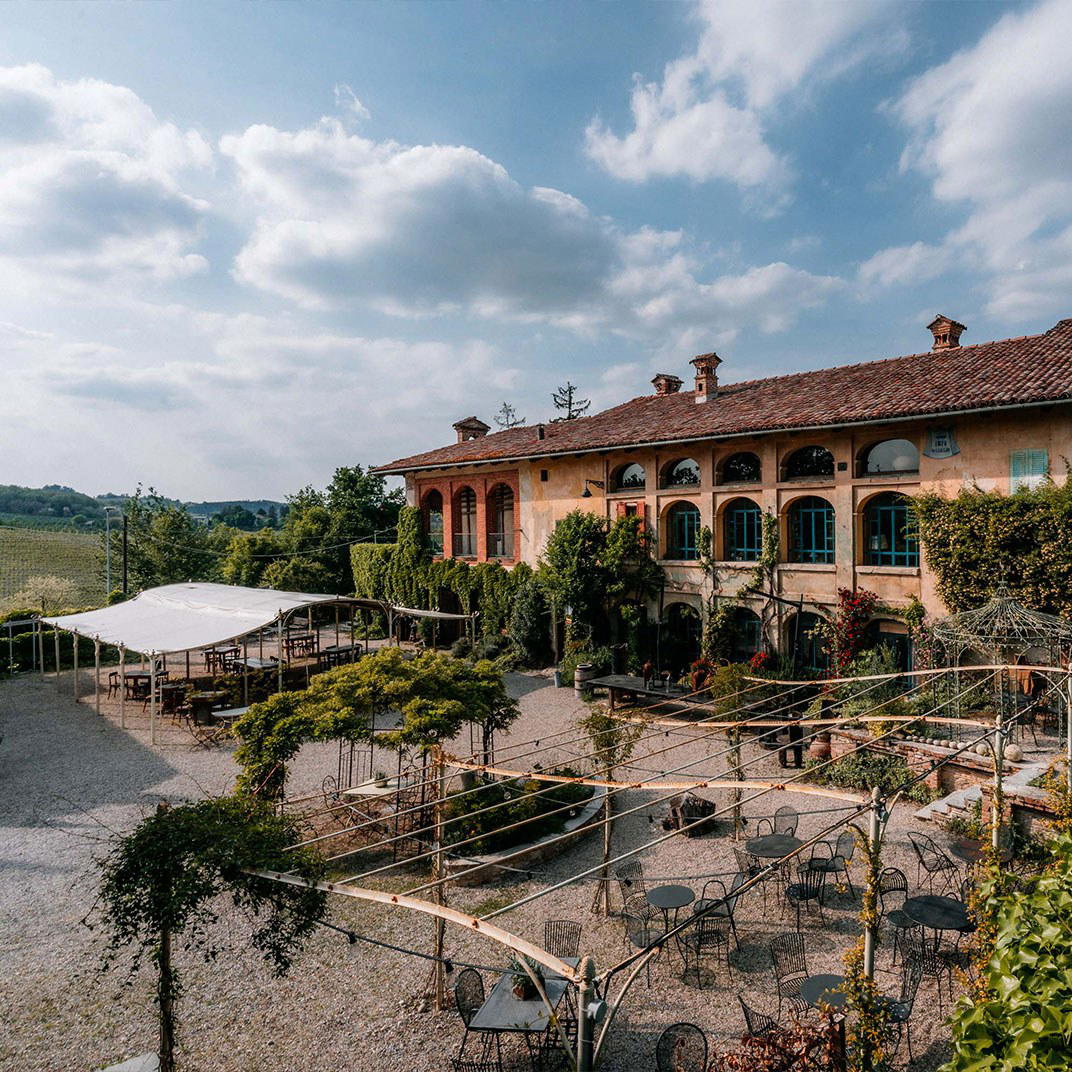
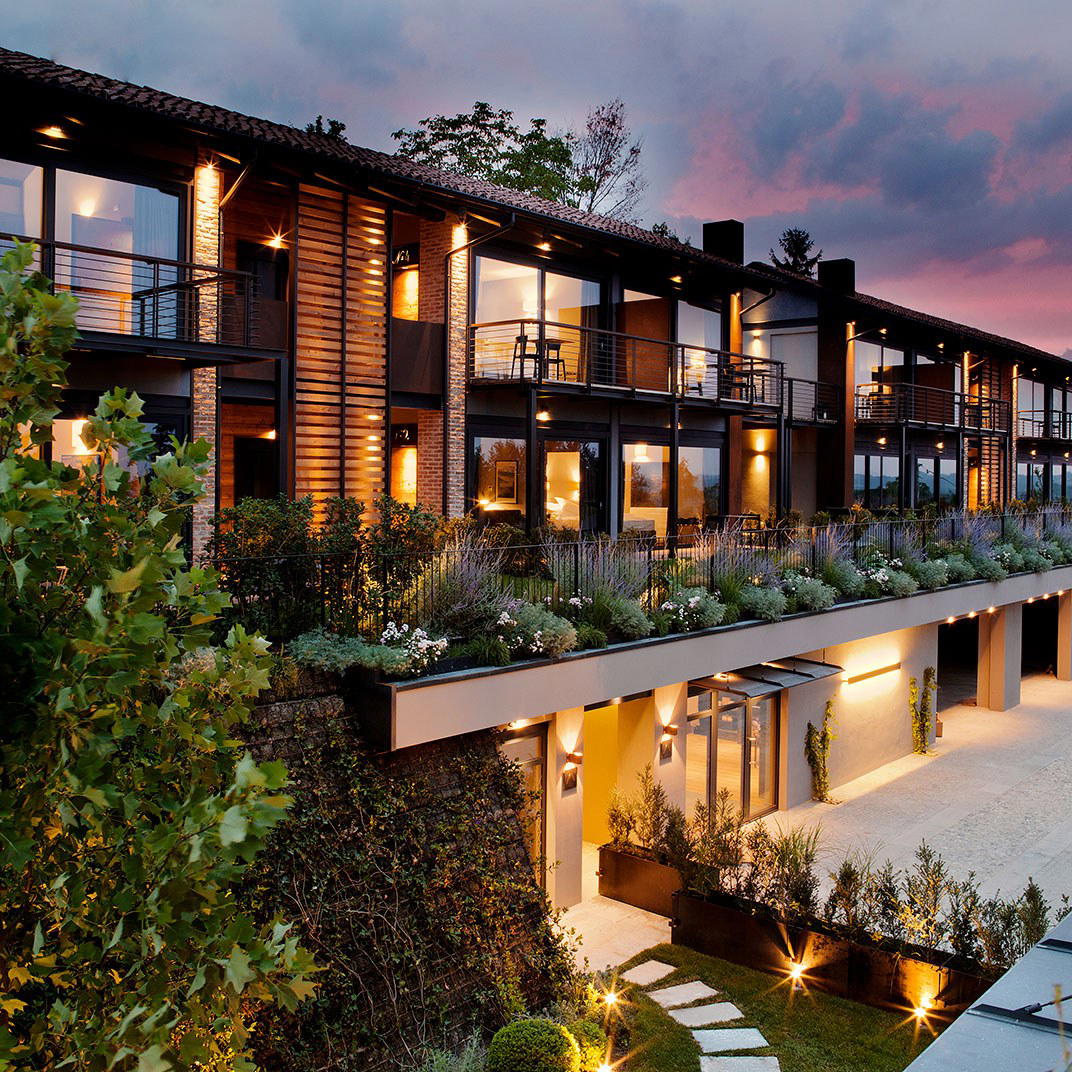
Bars in Roddi
Browse all →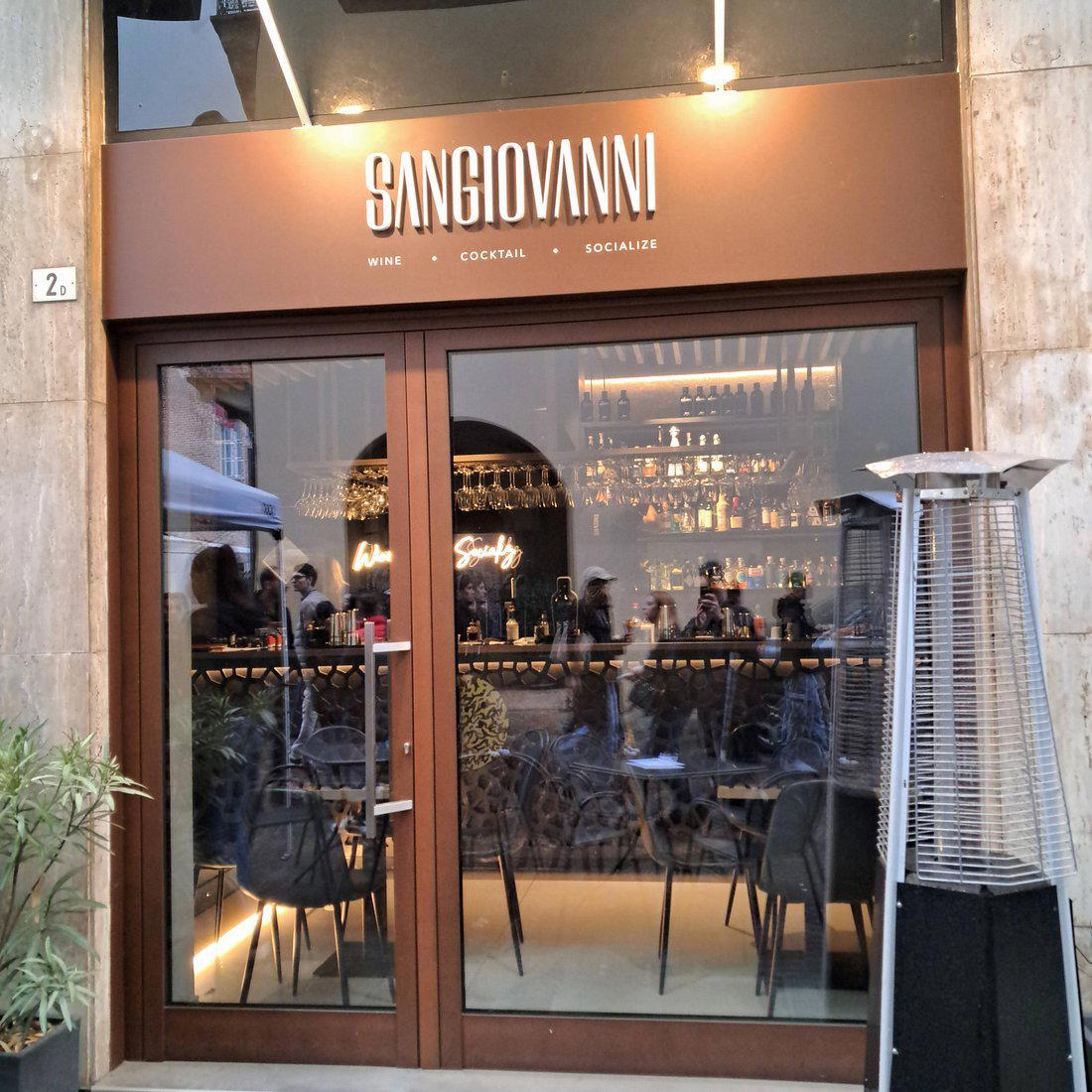
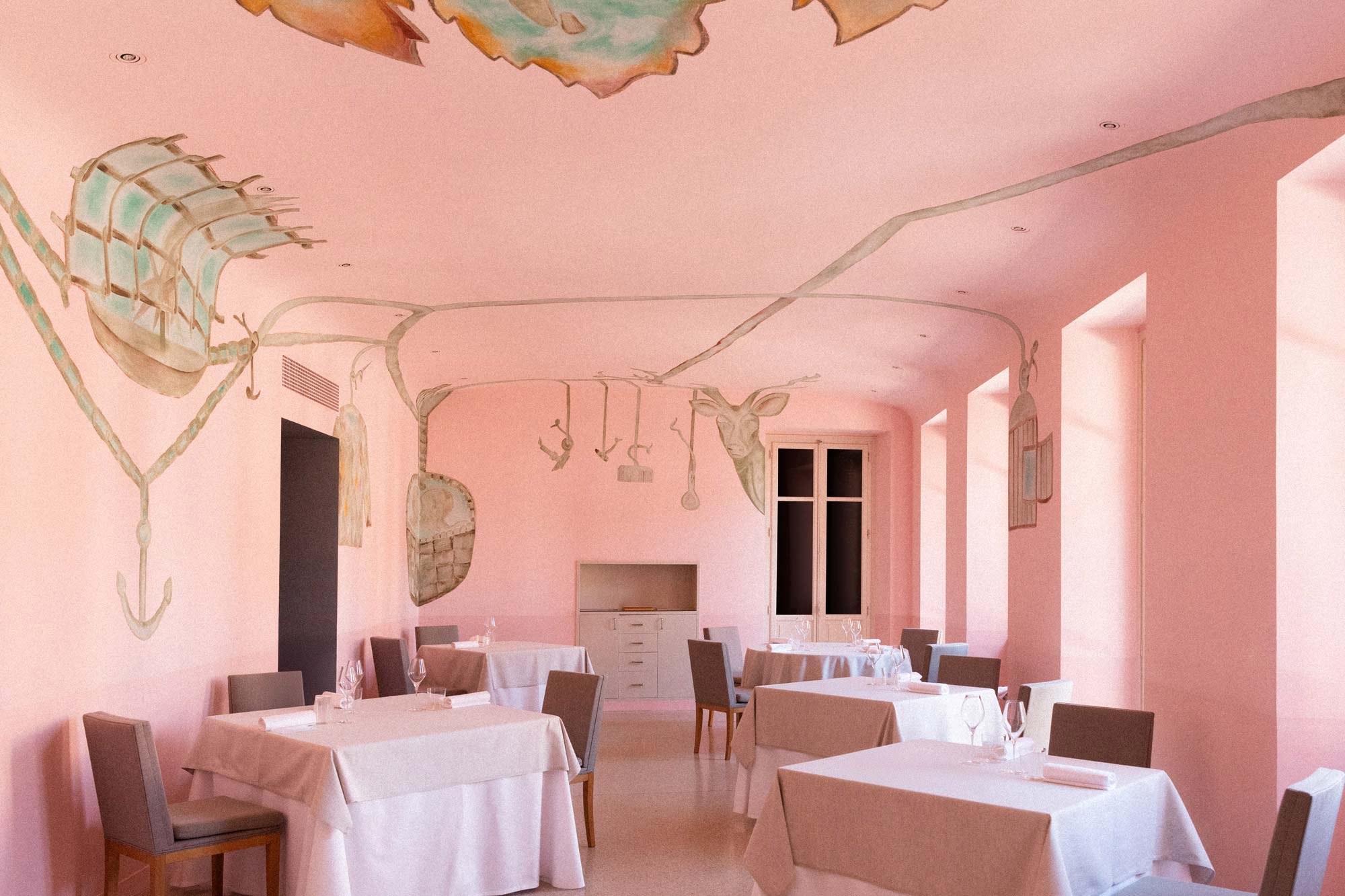
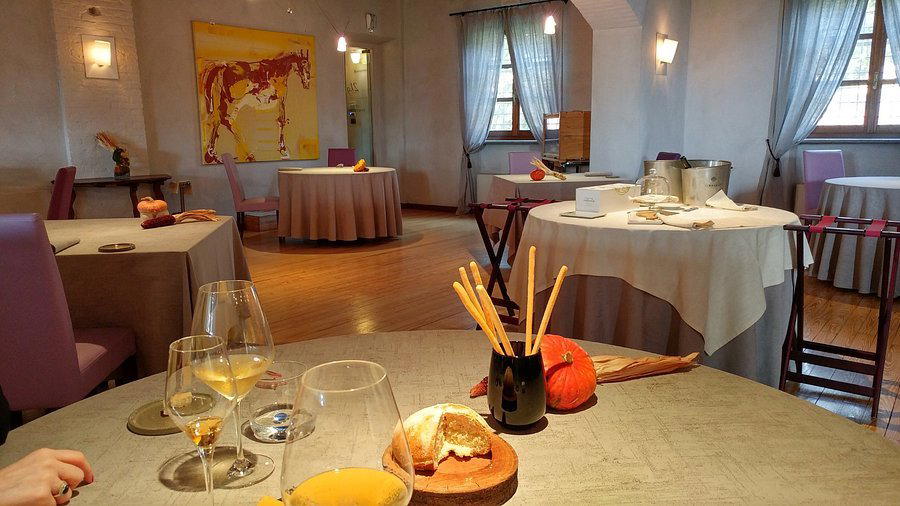
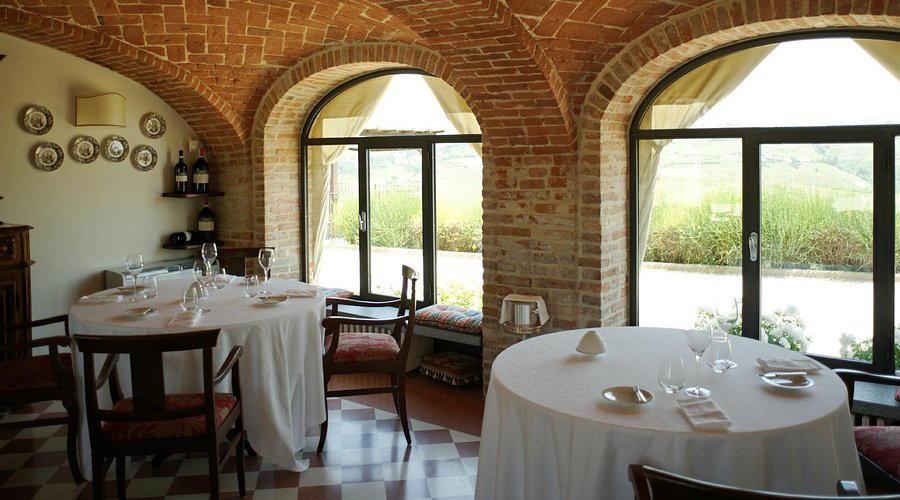
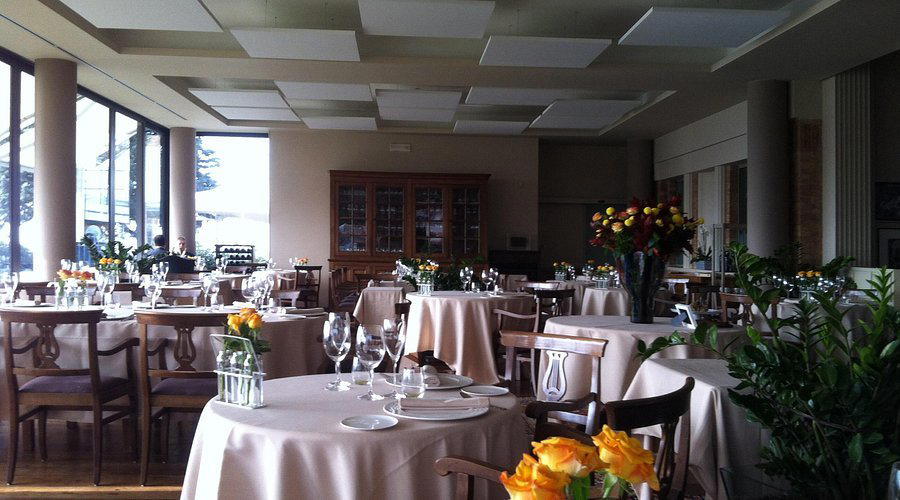
Details
- Rustic
- Cozy
- Scenic
- Romantic Getaway
- Weekend Escape
- Garden
- Wi Fi
- Vineyard
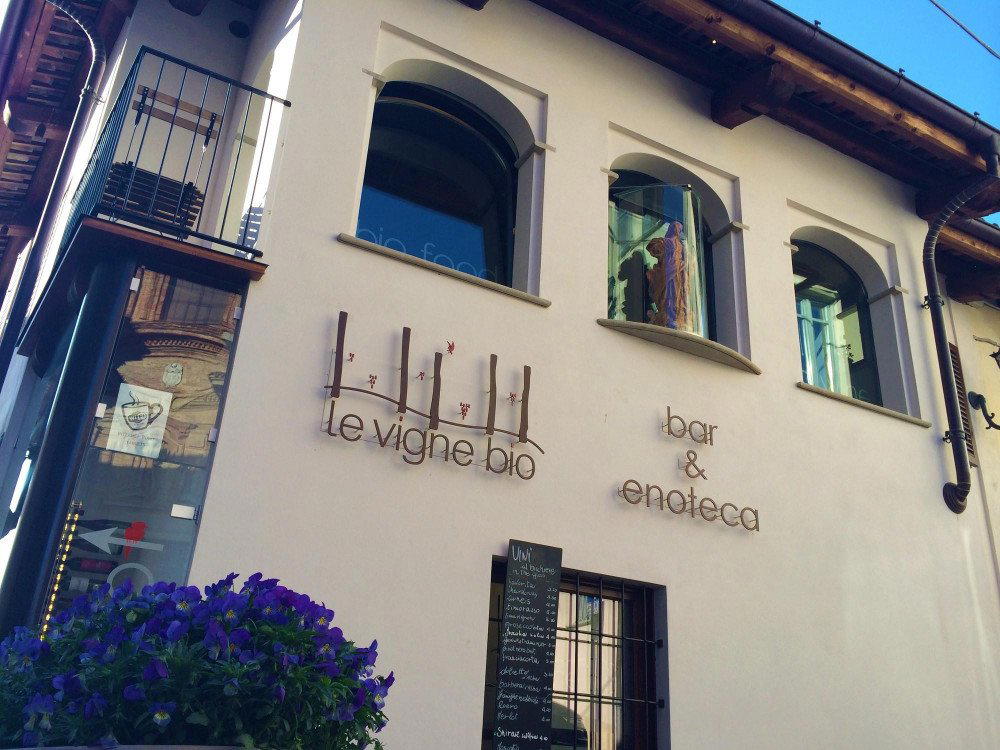
Cozy and rustic with a local welcoming atmosphere.