
A Michelin-starred table in a small Piedmontese village, Ca' Vittoria blends the Musso family's deep-rooted regional tradition with a modern cross-cultural sensibility. Expect plin, signature risotto, and white truffle in season alongside yakitori-prepared fish and yuzu desserts. The wine list reaches back to 1970s Barolos and carries.
Pearl is the En Primeur Club membership app — saves, bookings, and concierge access live there. Same editors, same standards.
- Address
- Via Roma, 14, 14016 Tigliole AT, Italy
- Phone
- +39 0141 667713
- Website
- cavittoria.it
- Directions
- Get directions
 Saves & bookings on Pearl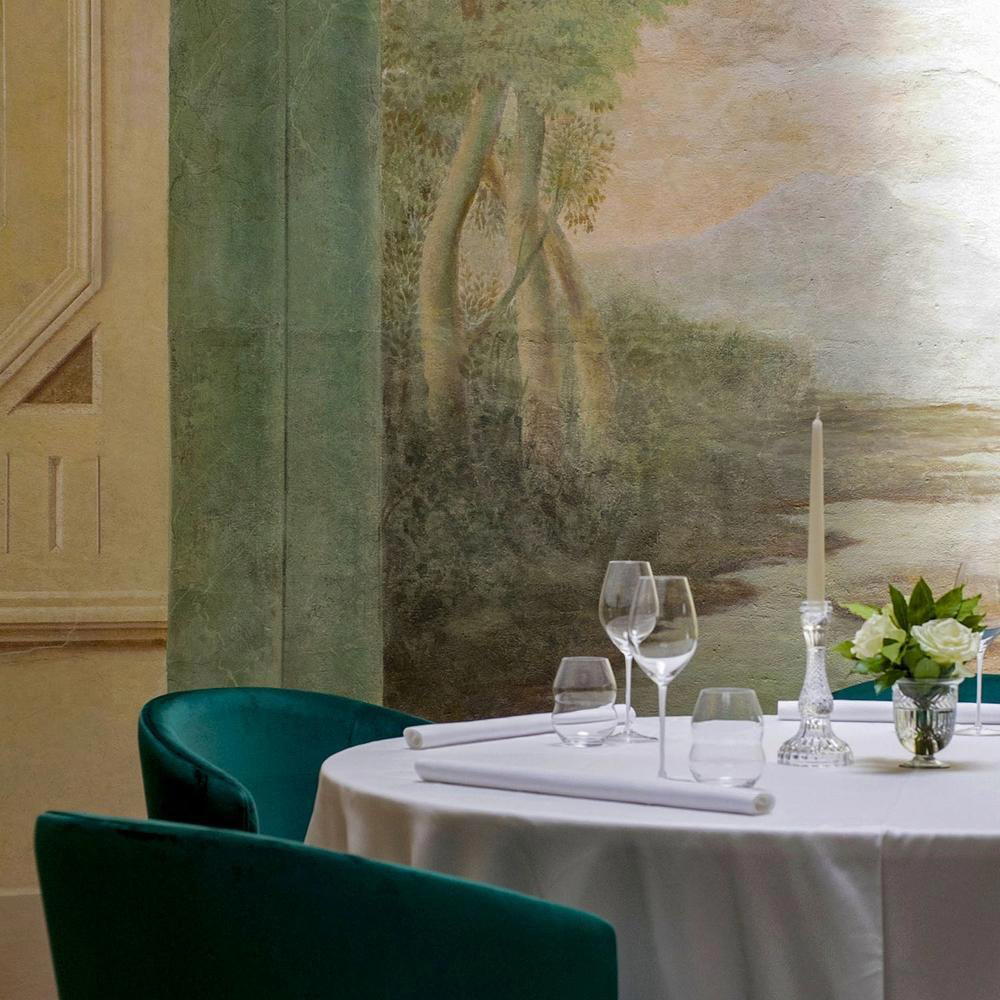
A Village Address with a Generational Kitchen
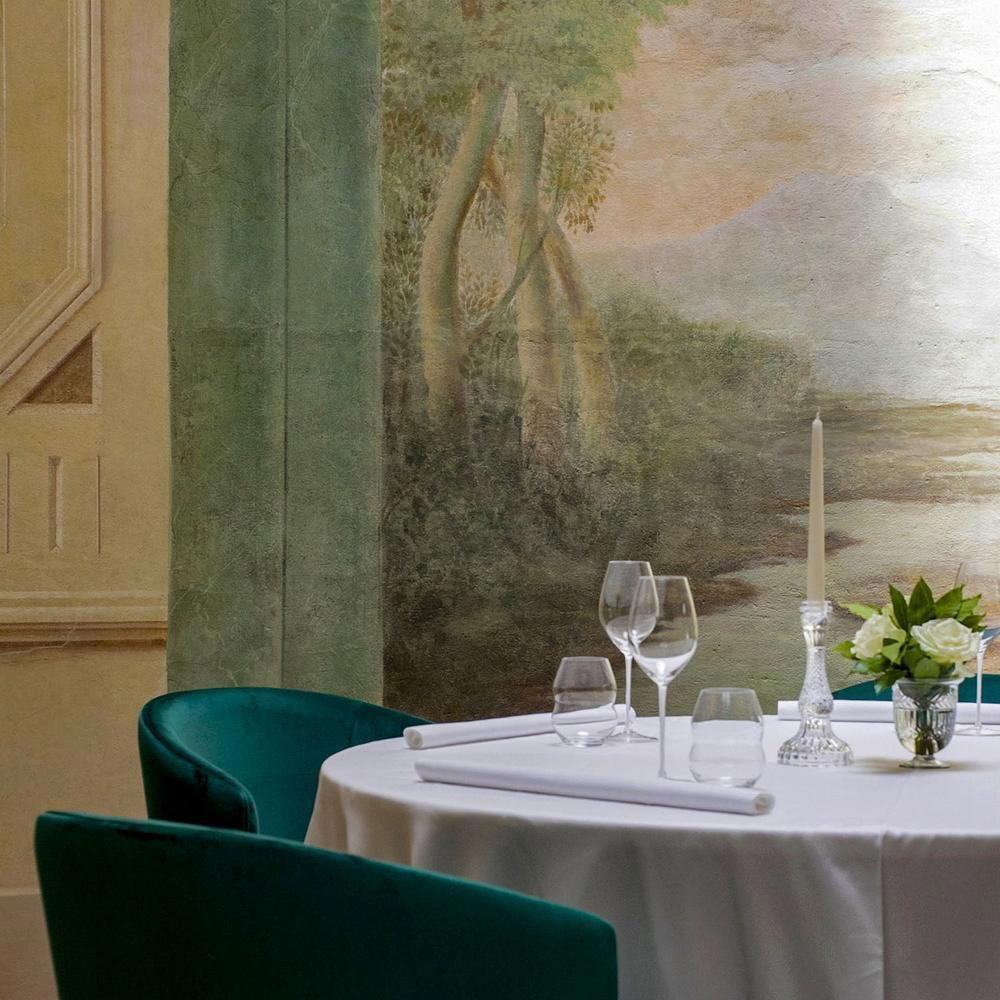
Small-town Piedmont operates by a different logic than Alba or Asti. In villages like Tigliole, a restaurant's relationship to its community is long and layered: kitchens are inherited rather than launched, and the produce that arrives each morning often comes from land the family has been sourcing for decades. Ca' Vittoria, on Via Roma in the centre of Tigliole, sits inside that tradition. The Musso family has held this address across multiple generations, and the dining room carries the composed, slightly formal character that Savoy-influenced hospitality in this part of Piedmont has always favoured: precise service, unhurried pace, and a seriousness about both food and wine that reads as conviction rather than stiffness.
That generational continuity is visible in the sourcing. Zucchini from the family garden appears on the menu in season, and the kitchen's connection to white truffle suppliers reflects the kind of long-standing local network that cannot be assembled quickly. This is the editorial point about ingredient sourcing in northern Italy's fine dining tradition: the restaurants with the deepest roots in a specific territory tend to have reliable access to its most prized seasonal produce, because those relationships predate any given chef's career. Ca' Vittoria's Michelin star is the external validation of what the village has known for longer.
Where the Sourcing Comes From
Piedmont's culinary identity is among the more ingredient-specific in Italy. The white truffle of the Langhe and Monferrato, the tajarin made with upwards of 30 egg yolks per kilogram of flour, the plin folded by hand in farmhouse kitchens: these are products tied to soil, climate, and craft in ways that resist easy replication elsewhere. Ca' Vittoria's kitchen engages this repertoire directly.
White truffle, when in season (broadly autumn, peaking October through December in the Monferrato hills), is offered across classic preparations. This is not a curiosity or an add-on; it is the seasonal axis around which much of the Piedmontese table has turned for centuries. The truffle hunters and the restaurants that serve their finds operate in a trust-based economy where consistency of access depends on years of relationship. A family-run kitchen like Ca' Vittoria, rooted in a single village across generations, is precisely the kind of address where that supply chain remains intact. For comparison, newer operations in Turin or Milan that feature truffle on their autumn menus are often sourcing through intermediaries at significantly higher cost and with less predictability.
The fish sourcing introduces a different geography. Amberjack, cleaned in Japanese style and prepared yakitori, points to an ingredient arriving from the Ligurian coast or beyond, processed through a technique the current generation of the kitchen absorbed during time spent in Japan. The technique is imported, but the produce is often still Italian or Mediterranean. The yuzu in the dessert course is the clearest signal of this orientation, yuzu being a citrus grown primarily in East Asia and not replicable in Piedmont, making it one of the few ingredients at the restaurant that travels internationally to reach the table.
The Menu Architecture
The restaurant offers two tasting menus and a chef's choice option, with the flexibility to order à la carte. This structure places it in a middle tier of formal dining that values accessibility alongside ceremony: the à la carte option means a guest arriving for a single dish and a glass of Barbaresco is not made to feel out of step. The verbally offered plin and risotto function as a kind of parallel menu.
The integration of Japanese technique into a Piedmontese base is a specific contemporary current in Italian fine dining, distinct from the French-influenced refinement visible at addresses like Enoteca Pinchiorri in Florence or the progressive Italian approach at Le Calandre in Rubano. At the restaurant, the cross-cultural element does not replace the regional foundation; the plin and truffle preparations remain anchors. This distinguishes the kitchen from purely fusion formats and places it closer to addresses like Antica Corona Reale in Cervere or Locanda Sant'Uffizio Enrico Bartolini in Cioccaro, where Piedmontese tradition is the load-bearing structure and modernity appears as accent rather than replacement.
The Wine Cellar as Regional Archive
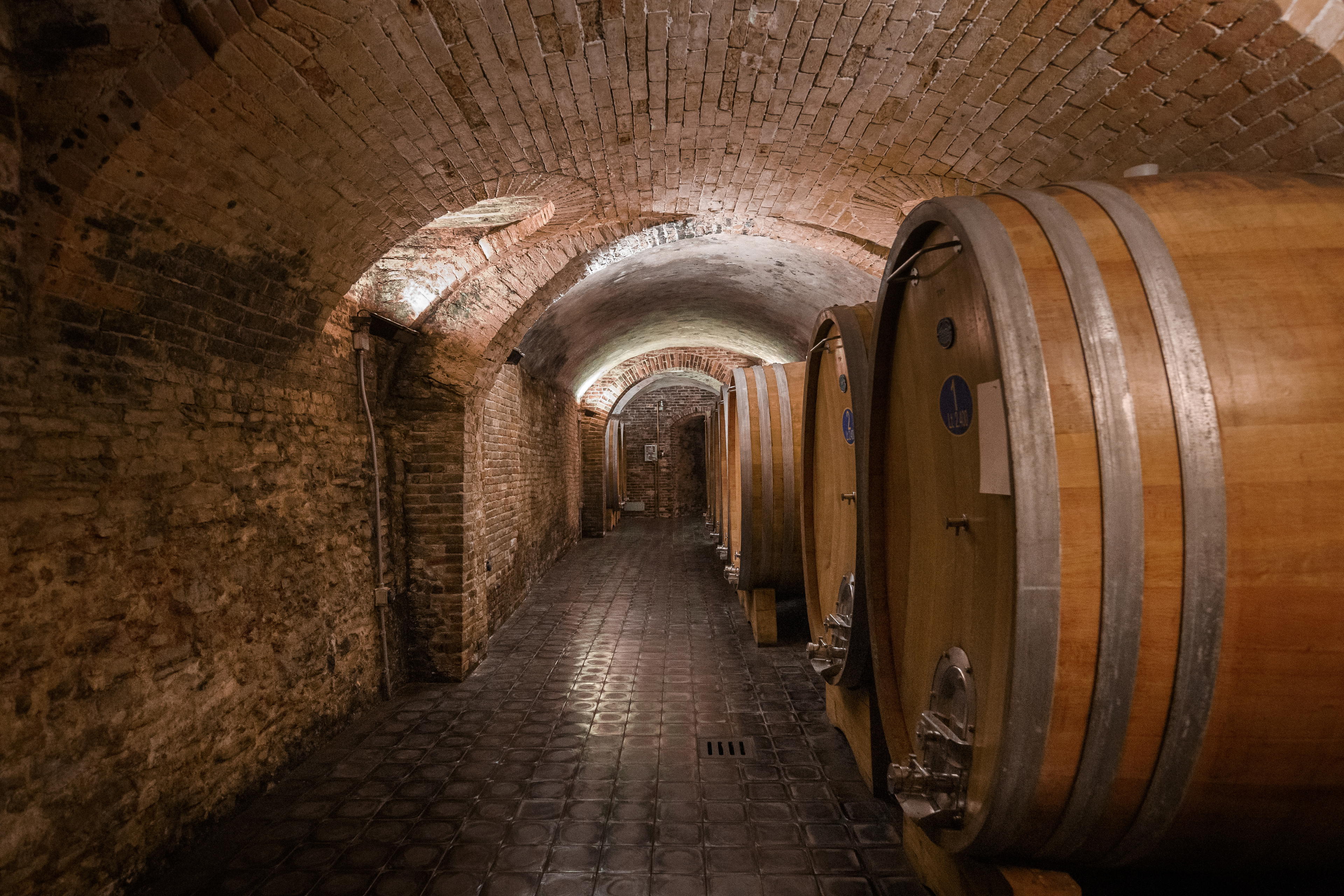
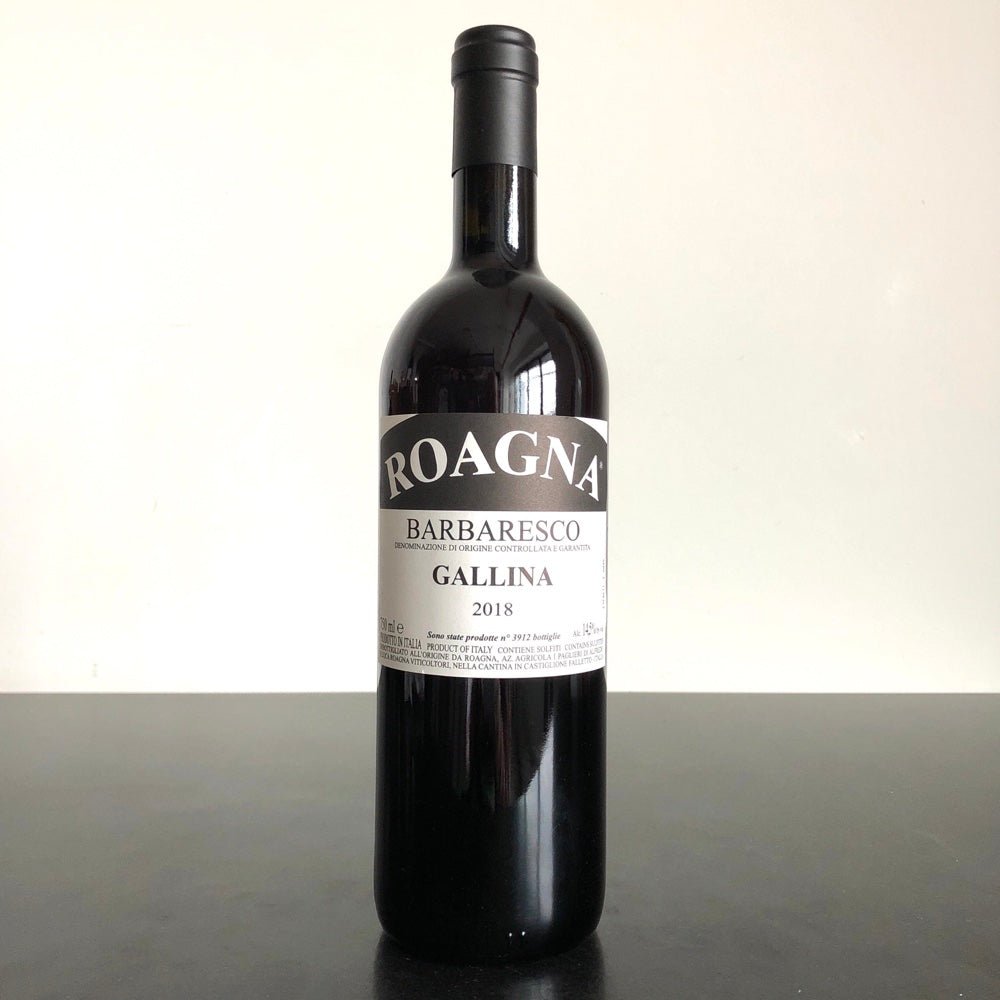
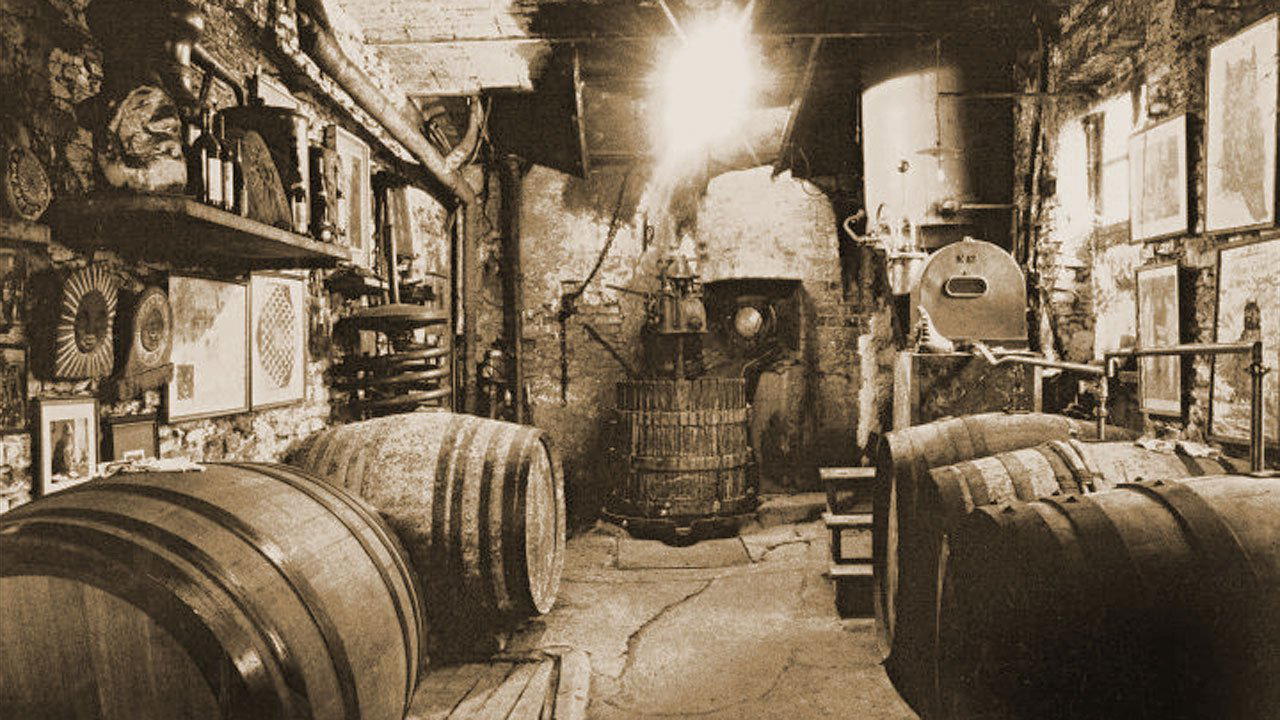
The wine programme at the restaurant functions as a document of Piedmontese viticulture across decades. The Barolo list includes bottles from the 1970s, a period when the Langhe was producing wines under markedly different winemaking philosophies than today: longer maceration times, larger Slavonian oak casks, and an expectation that the wine would need many years in bottle before showing anything other than tannin. To have those bottles in a working cellar in a village restaurant is a form of preservation that most urban wine programmes cannot replicate.
Alongside the archive material, the list includes younger, more dynamic labels, reflecting the structural shift in Piedmontese wine over the past three decades toward fresher styles, shorter macerations, and French barriques. The tension between these two approaches, traditional versus modernist, is one of the defining conversations in Barolo and Barbaresco criticism, and a cellar that holds both gives the sommelier the ability to make that conversation concrete at the table. For readers planning visits with serious wine intent, this is one operationally useful detail in the room. See our full Tigliole wineries guide for further context on the region's producers.
Planning Your Visit
The restaurant is at Via Roma, 14, in the village of Tigliole, in the Asti province of Piedmont. Tigliole sits in the Monferrato hills, roughly equidistant between Asti and Alba, both of which are accessible by train. The village itself is small, and the restaurant's position on the main street means it is immediately findable on foot from any central parking. The price tier is €€€€, placing it in the upper tier of fine dining. For white truffle season, visits between October and December will access the kitchen at its most seasonally specific. Booking in advance is advisable for any weekend visit during truffle season, when demand across the Monferrato and Langhe reaches its peak.
For broader Italian fine dining context, the cross-cultural Italian kitchens at Reale in Castel di Sangro, Uliassi in Senigallia, Quattro Passi in Marina del Cantone, Casa Perbellini 12 Apostoli in Verona, Enrico Bartolini in Milan, and Atelier Moessmer Norbert Niederkofler in Brunico offer useful points of comparison for calibrating what the restaurant does at a single Michelin star level in a village format.
In Context: Similar Options
Comparable venues nearby, for context on price, style, and recognition.
| Venue | Cuisine | Price | Awards | Notes |
|---|---|---|---|---|
| Ca' VittoriaThis venue — the venue you are viewing | Modern Piedmontese Fine Dining | $$$$ | Michelin 1 Star | Not listed |
| Cannavacciuolo Le Cattedrali Asti | Modern Piedmontese Fine Dining | $$$$ | Michelin 1 Star | Valleandona |
| Carignano | Modern Piedmontese Fine Dining | $$$$ | Michelin 1 Star | Centro |
| Il Patio | Contemporary Italian Fine Dining | $$$$ | Michelin 1 Star | Pollone |
| 21.9 | Modern Ligurian-Piedmont Seafood & Game | $$$$ | Michelin 1 Star | Piobesi d'Alba |
| Sine by Di Pinto | Contemporary Neapolitan Fine Dining | $$$$ | Michelin 1 Star | Xxii Marzo |
Recognition history
Dated appearances from independent guides and award organizations, with the underlying list record or original source where available.
Michelin 1 Star
Michelin
Michelin 1 Star
Michelin
Michelin 1 Star
Michelin
Continue exploring
More in Tigliole
Restaurants in Tigliole
Browse all →
Bars in Tigliole
Browse all →
Hotels in Tigliole
Browse all →
At a Glance
- Elegant
- Romantic
- Sophisticated
- Classic
- Date Night
- Special Occasion
- Celebration
- Group Dining
- Terrace
- Garden
- Private Dining
- Hotel Restaurant
- Historic Building
- Extensive Wine List
- Sommelier Led
- Local Sourcing
- Farm To Table
- Garden
- Vineyard
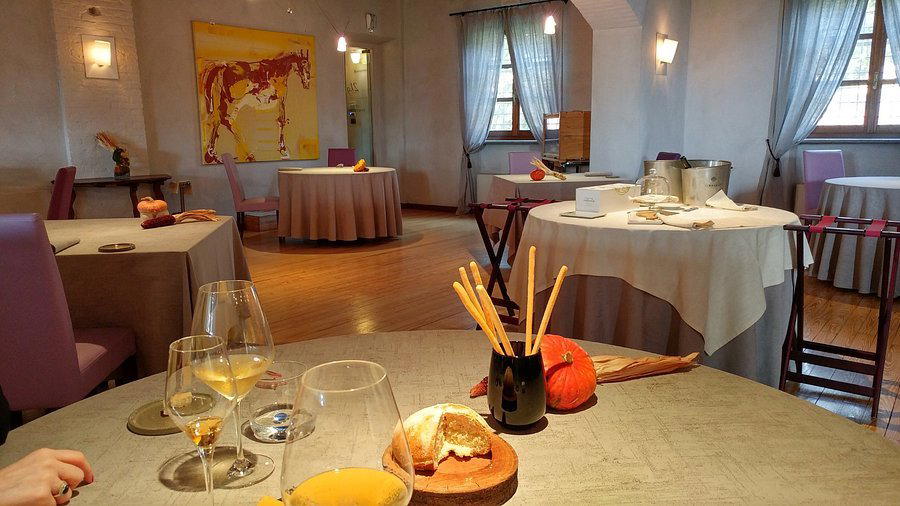
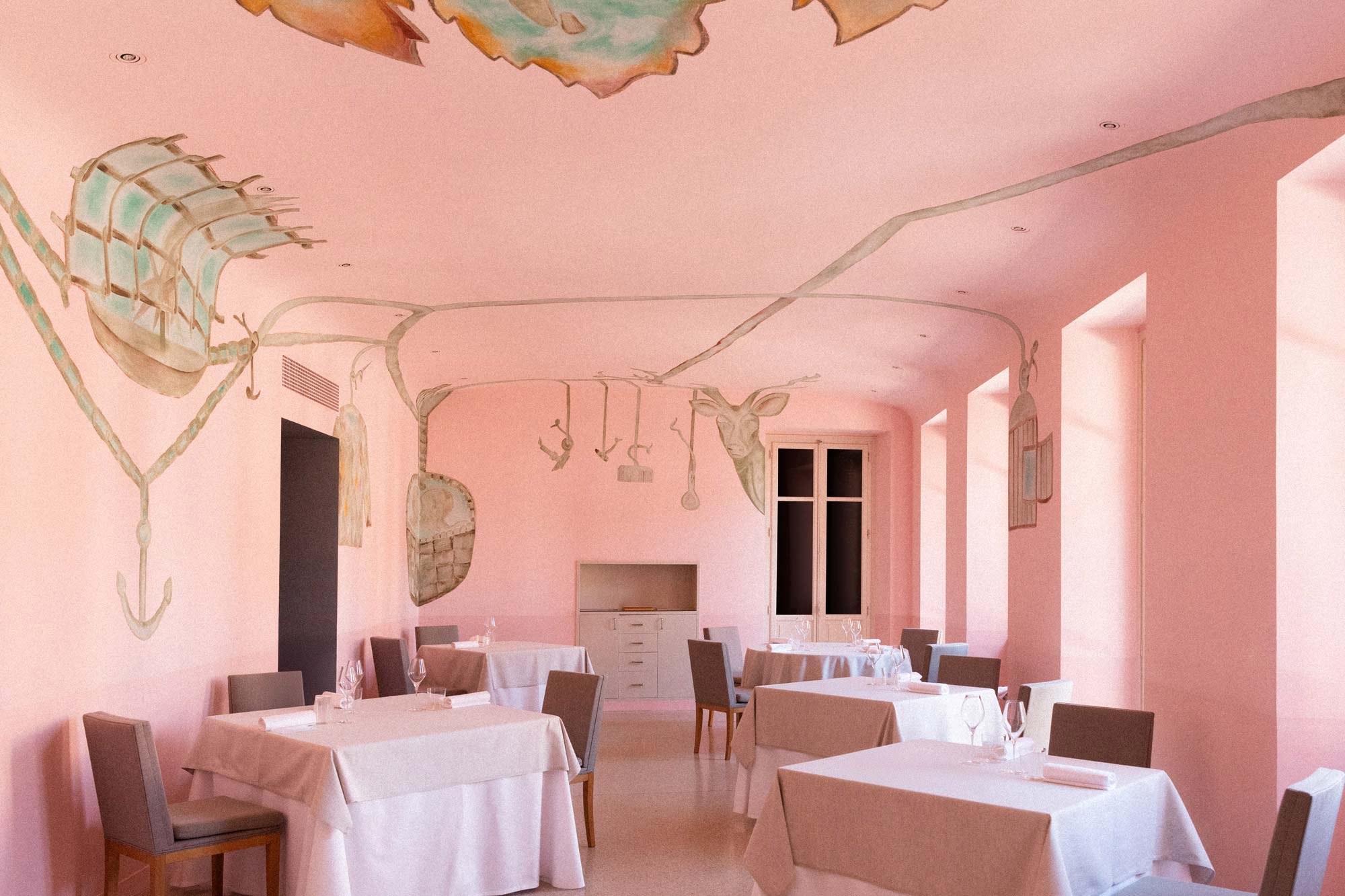
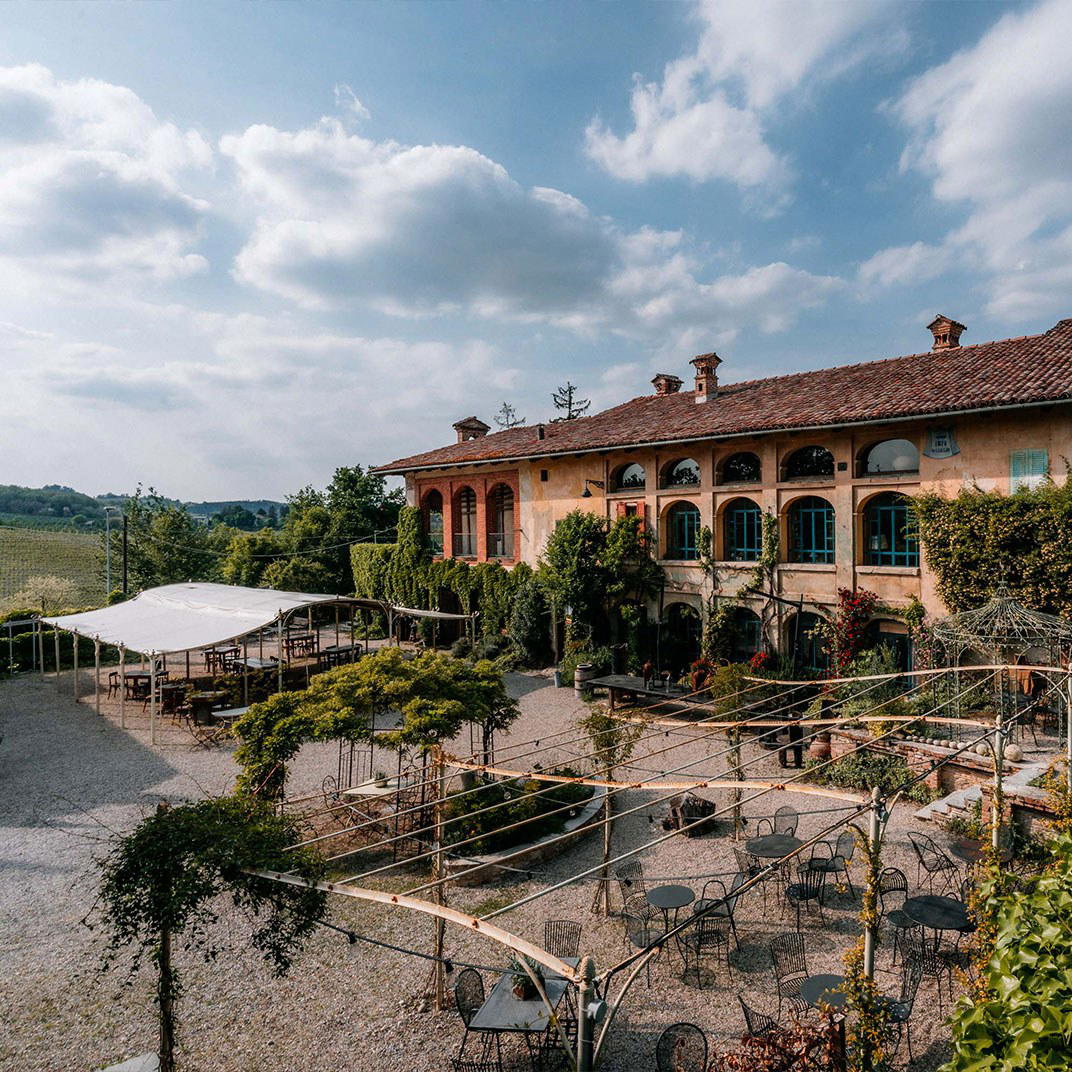
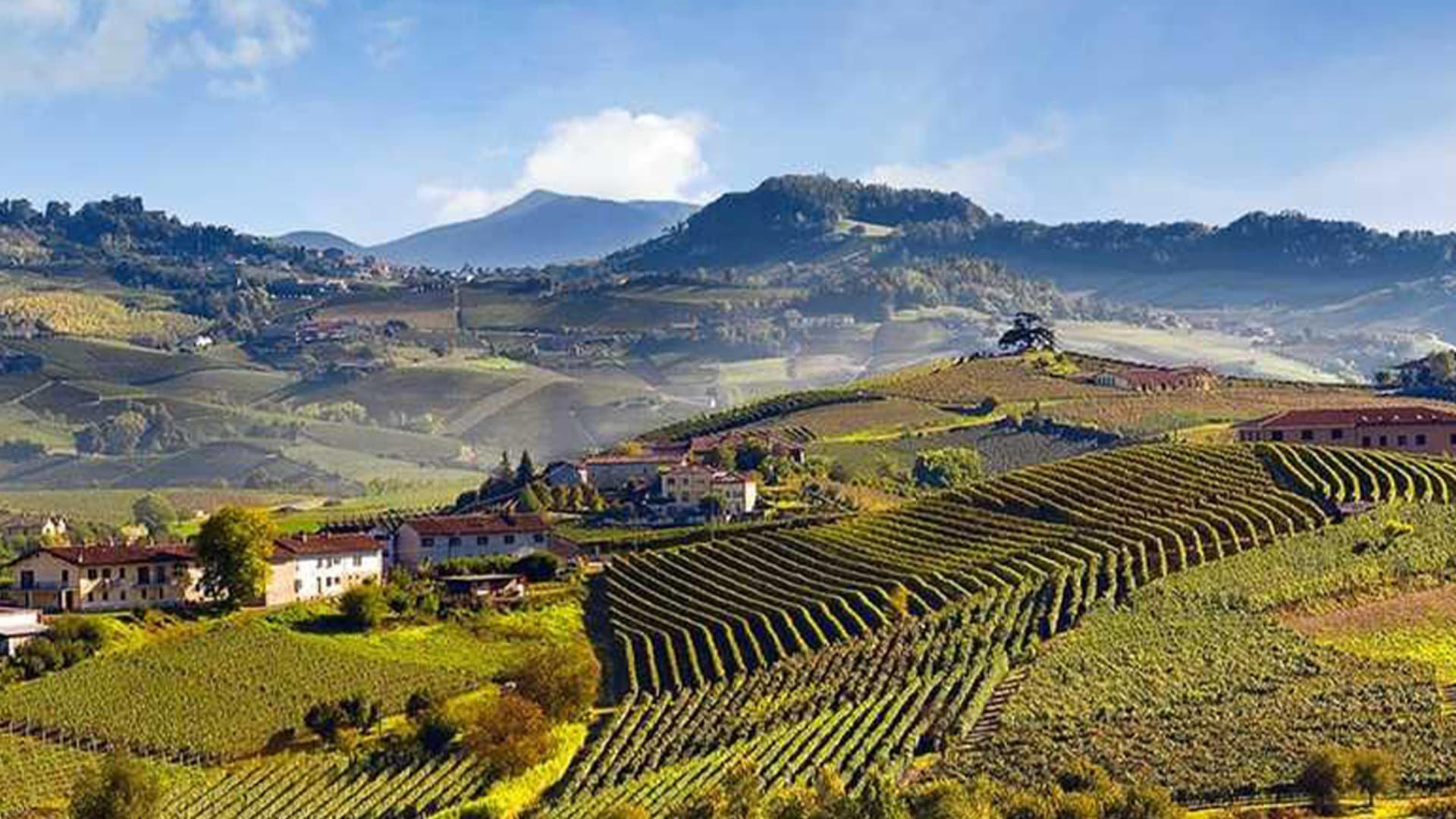
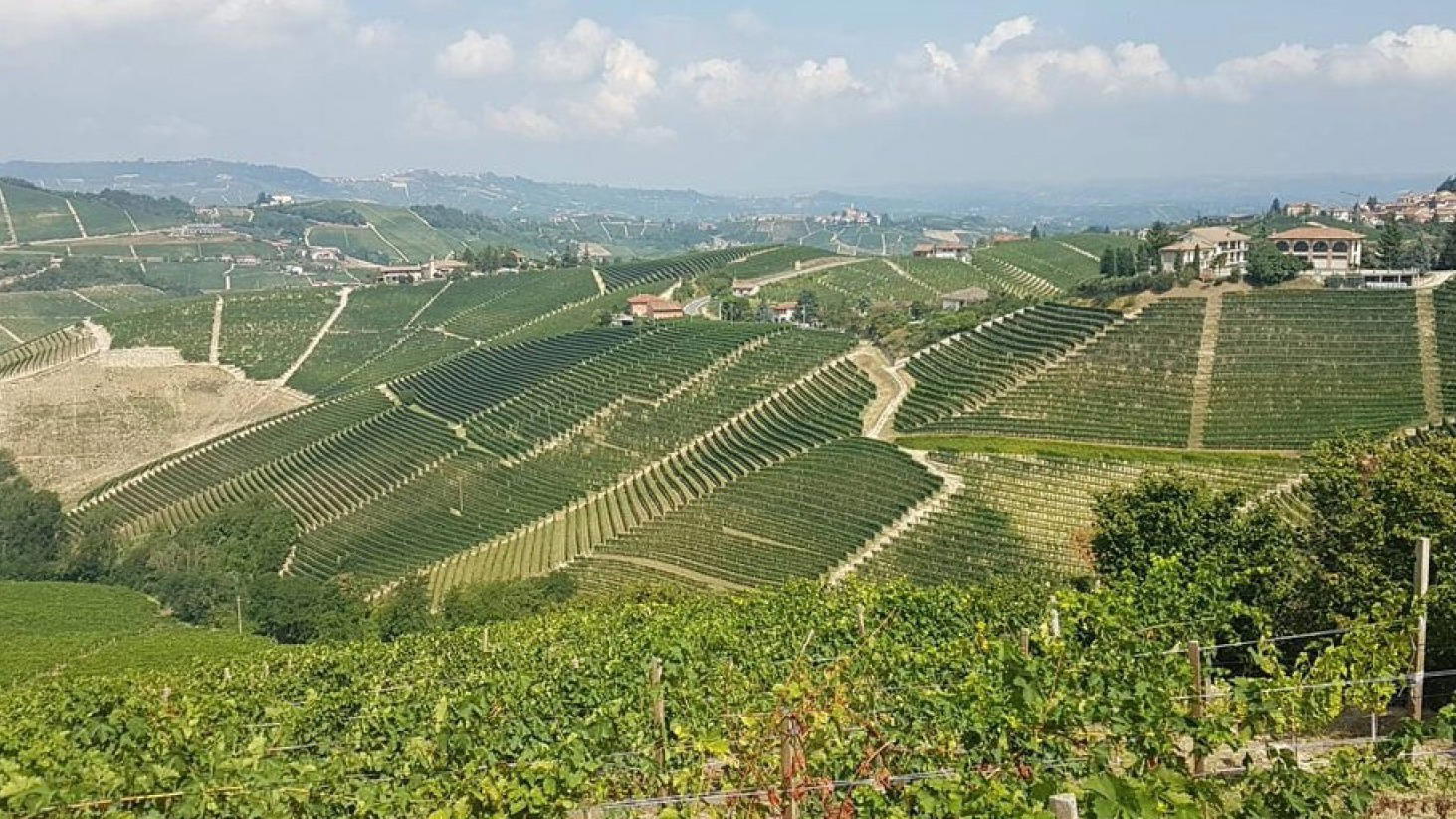
Elegant yet warm dining room with white décor, wooden ceiling, fireplace, and abundant greenery; beautiful terrace overlooking the Colline Alfieri valley with natural light and refined atmosphere.