
A Michelin Plate recipient in Motoakasaka, Akasaka Shimabukuro holds a 4.9 Google rating across its reviews and occupies the quieter, craft-focused tier of Tokyo's kaiseki and Japanese dining scene. The kitchen is defined by clear bonito-based broths, house soba made from native buckwheat, and a philosophy that positions food as a medium for human connection. Reservations at this price point require planning well in advance.
 Discover on Pearl
Pearl is the En Primeur Club membership app — saves, bookings, and concierge access live there. Same editors, same standards.
- Address
- 1 Chome-5-3 Motoakasaka, Minato City, Tokyo 107-0051, Japan
- Phone
- +81 3-5410-1919
- Website
- motoakasaka-sako.com
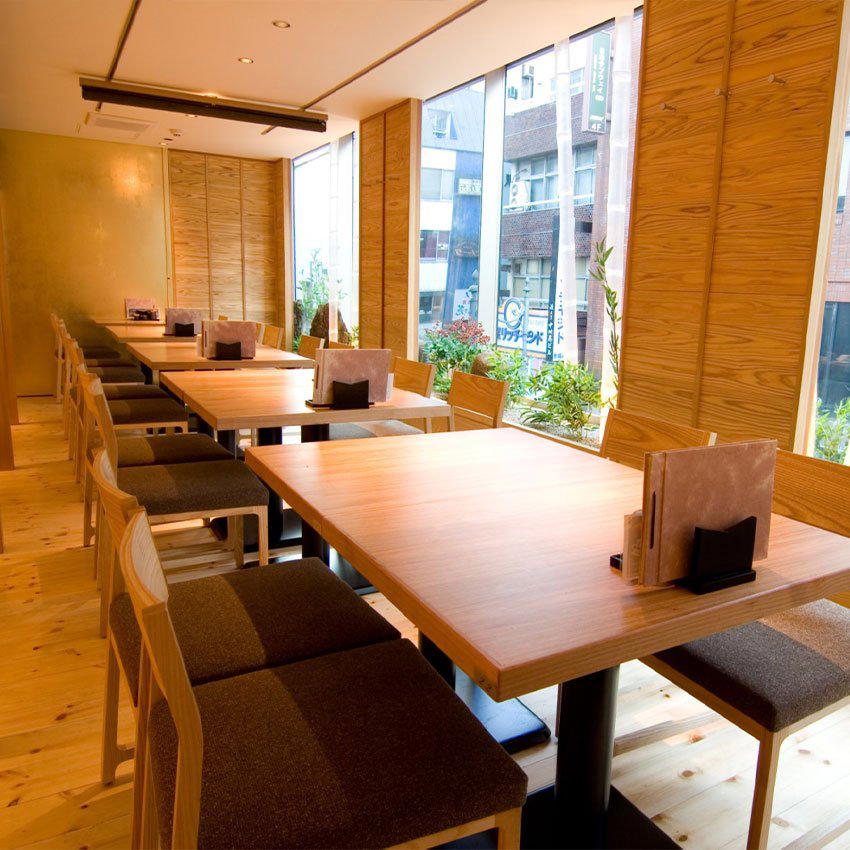
Where Akasaka's Quieter Streets Meet Japanese Craft Dining
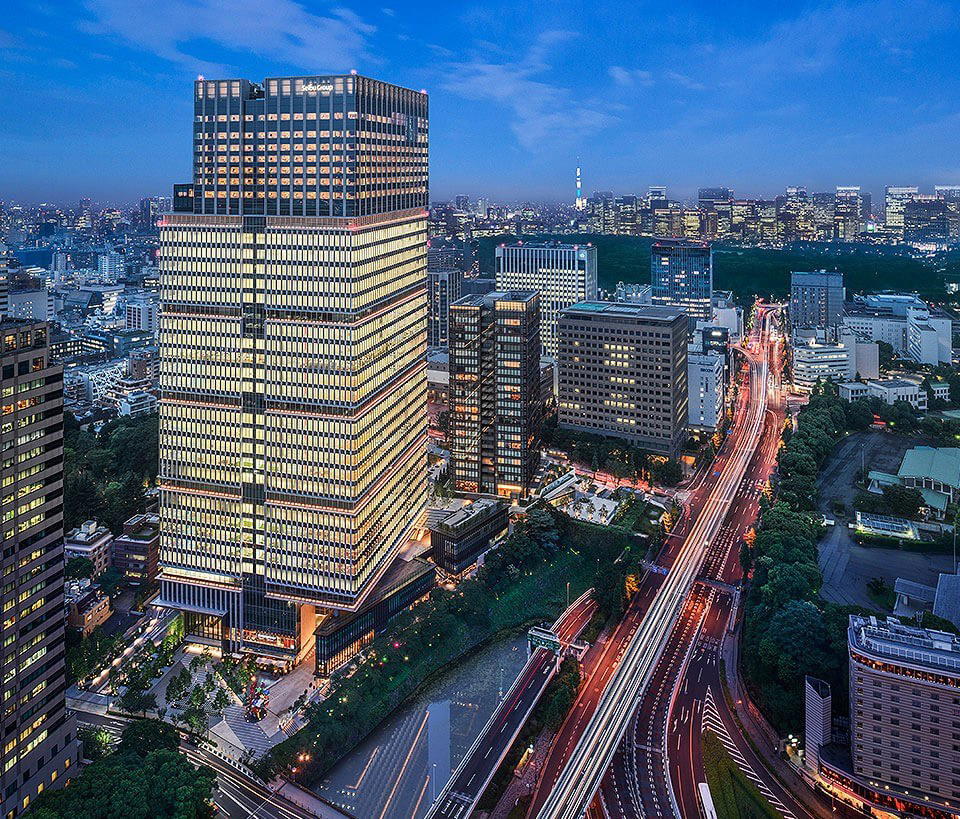
Motoakasaka is not the part of Tokyo that announces itself. The ward's main thoroughfares carry enough political weight, government offices, embassy rows, the proximity to the Imperial Gardens, that its narrower residential streets tend to be overlooked by the dining circuit that gravitates toward Ginza or Azabu-Juban. Akasaka Shimabukuro sits inside that quieter geography, at 1 Chome-5-3 Motoakasaka, in Minato City, and its Michelin star recognition positions it among Tokyo restaurants that reward seeking out.
The Michelin Plate designation occupies a specific position in the Guide's hierarchy: it signals quality cooking worth a detour, without the starred category's implication of formal occasion or international destination-dining. In Tokyo, where the concentration of Michelin stars per capita exceeds any other city on earth, the Plate tier has become a reliable indicator of focused, technically sound kitchens that have not necessarily pursued the press apparatus that accompanies starred status. Akasaka Shimabukuro belongs to this cohort. Its Google rating of 4.9 reinforces the picture of a kitchen operating with consistent precision.
The Culinary Logic of the Menu
The clearest statement about the kitchen's approach comes through the wanmono course, the soup course that sits near the centre of any traditional kaiseki or washoku progression. Here, the broth is a clear dashi drawn from shaved bonito flakes, described by the restaurant itself as producing a mellow rather than assertive flavour. In the hierarchy of Japanese broths, clarity is a technical achievement: it requires precise temperature control, careful skimming, and restraint in steeping time. A murky dashi is easy; a clean one that still carries depth is not. The decision to describe the broth's flavour as mellow, rather than bold or complex, reads as a deliberate positioning against the intensified, reduction-driven broths that characterise some contemporary Japanese cooking.
Soba element is where the menu departs most visibly from convention. Two soba appearances bracket and interrupt the meal: one with dried mullet roe (karasumi), served between courses, and one at the close, using juwari (100% buckwheat) noodles. Both are described as house creations using native species of buckwheat. Within formal Japanese dining, soba at this register is unusual. Its inclusion mid-sequence, interposed rather than appended, reads as an assertion of identity rather than an afterthought. The use of native buckwheat varieties places the sourcing decision in a category alongside the ingredient-provenance emphasis that defines a broader trend in Tokyo's serious Japanese restaurants, from the kaiseki counters of Kagurazaka to the precision-led rooms of Azabu.
Awards, Recognition, and What They Signal
The Michelin star communicates something specific: the kitchen is consistent enough to retain inspector attention across seasons. At ¥¥¥¥ pricing, this is not an affordable neighbourhood find. It occupies the tier between those poles, where craft and intention matter more than spectacle or scale.
The restaurant's own stated philosophy, expressed through the Chinese character etymology it cites (the character for 'food' combining those for 'person' and 'good'), and the calligraphy reading 'go-en' (personal connections) displayed in the dining room, frames the experience through a relational rather than gastronomic lens. Whether that framing translates to the physical room and the pacing of service is a question answered only at the table. What it signals is an orientation toward repeat guests and long-term bonds rather than high-turnover destination traffic.
Planning Your Visit
Akasaka Shimabukuro is priced at ¥¥¥¥, placing it in the upper bracket of Tokyo's Japanese dining market. At this tier, advance reservation is standard practice, and the restaurant's low-volume, relationship-focused positioning suggests that booking should be made well ahead, particularly for visitors travelling from outside Japan, where the combination of a language barrier and limited English-language booking infrastructure can compress lead times further. The address at 1 Chome-5-3 Motoakasaka, Minato City puts it within range of Akasaka-Mitsuke Station, accessible via the Marunouchi and Ginza lines, making the logistics direct from most central Tokyo hotels.
Beyond Tokyo: Japanese Dining in Context
Akasaka Shimabukuro's emphasis on broth clarity and native-sourced soba connects it to a wider Japanese culinary discipline that operates across the country's major restaurant cities. For those extending travel beyond Tokyo, the kaiseki tradition in Kyoto is represented at its most formal by Isshisoden Nakamura and Gion Sasaki, while Osaka's approach to the same tradition takes a somewhat different register at Kashiwaya Osaka Senriyama and HAJIME. Further afield, akordu in Nara, Goh in Fukuoka, 1000 in Yokohama, and 6 in Okinawa each represent distinct regional expressions of serious Japanese dining at the premium tier.
Comparable Venues
Comparable venues nearby, for context on price, style, and recognition.
| Venue | Cuisine | Price | Notes |
|---|---|---|---|
| Akasaka ShimabukuroThis venue — the venue you are viewing | Refined Kaiseki | $$$$ | |
| Sushi Oya | Modern Edomae Omakase | $$$$ | Shinjuku |
| Ren Mishina | Michelin-Starred Kaiseki | $$$$ | Chūō |
| Sushi Kimura | Aged Sushi Omakase | $$$$ | Setagaya |
| Mutsukari | Modern Japanese Kaiseki with Vegetable Focus | $$$$ | Chūō |
| Seiju | Premium Tempura Omakase | $$$$ | Chūō |
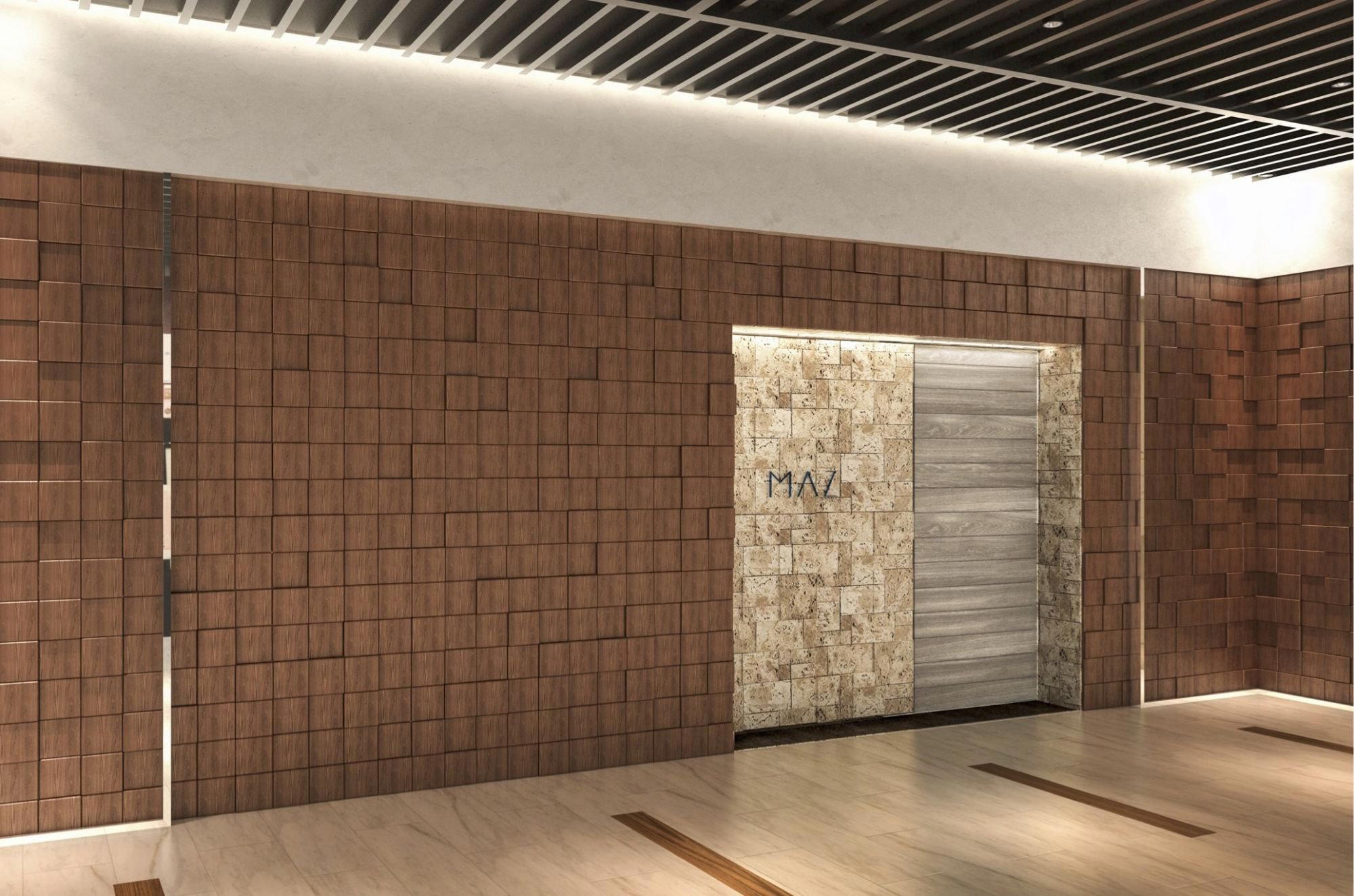
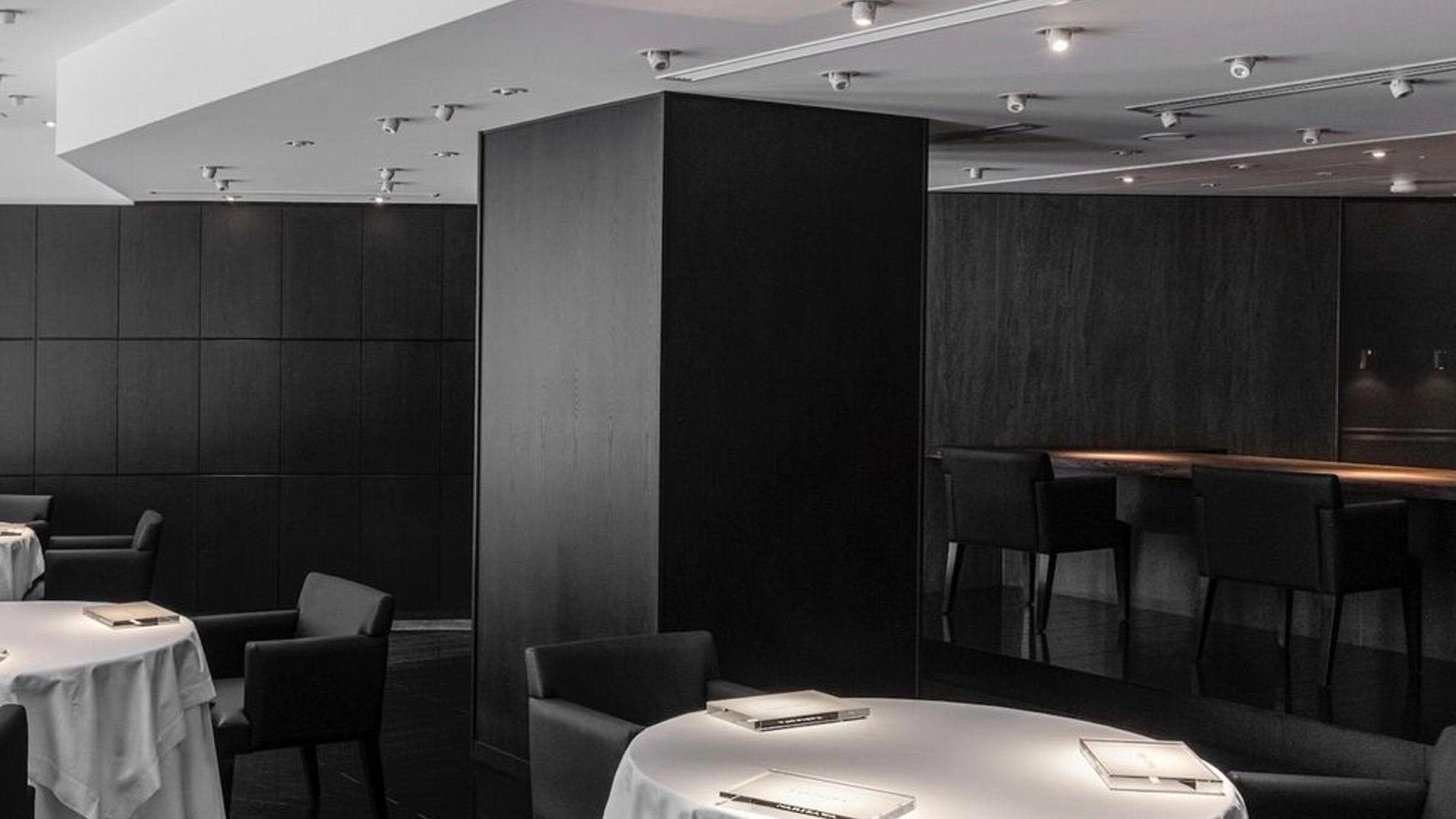
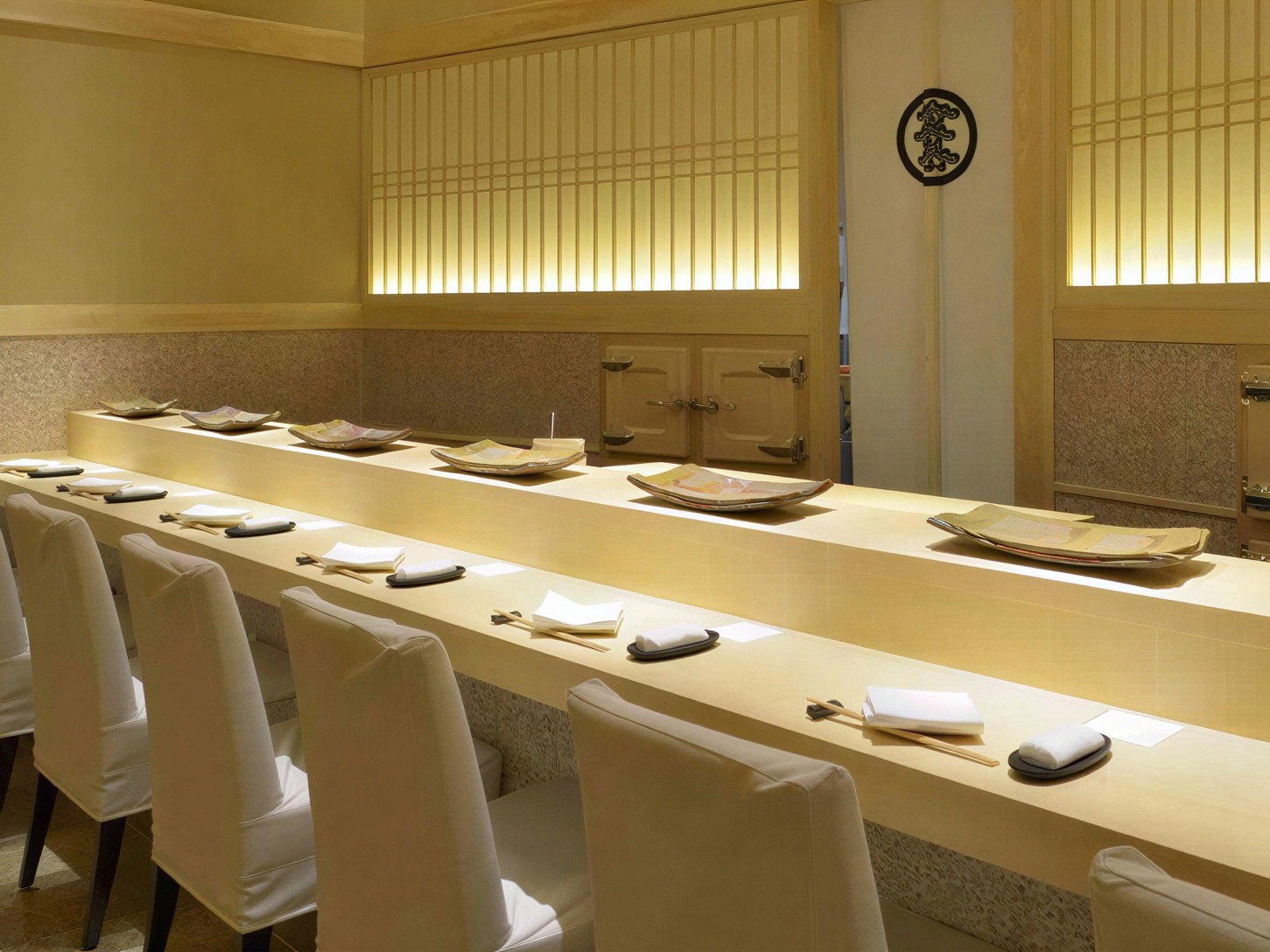







At a Glance
- Elegant
- Intimate
- Sophisticated
- Special Occasion
- Business Dinner
- Chefs Counter
- Sake Program
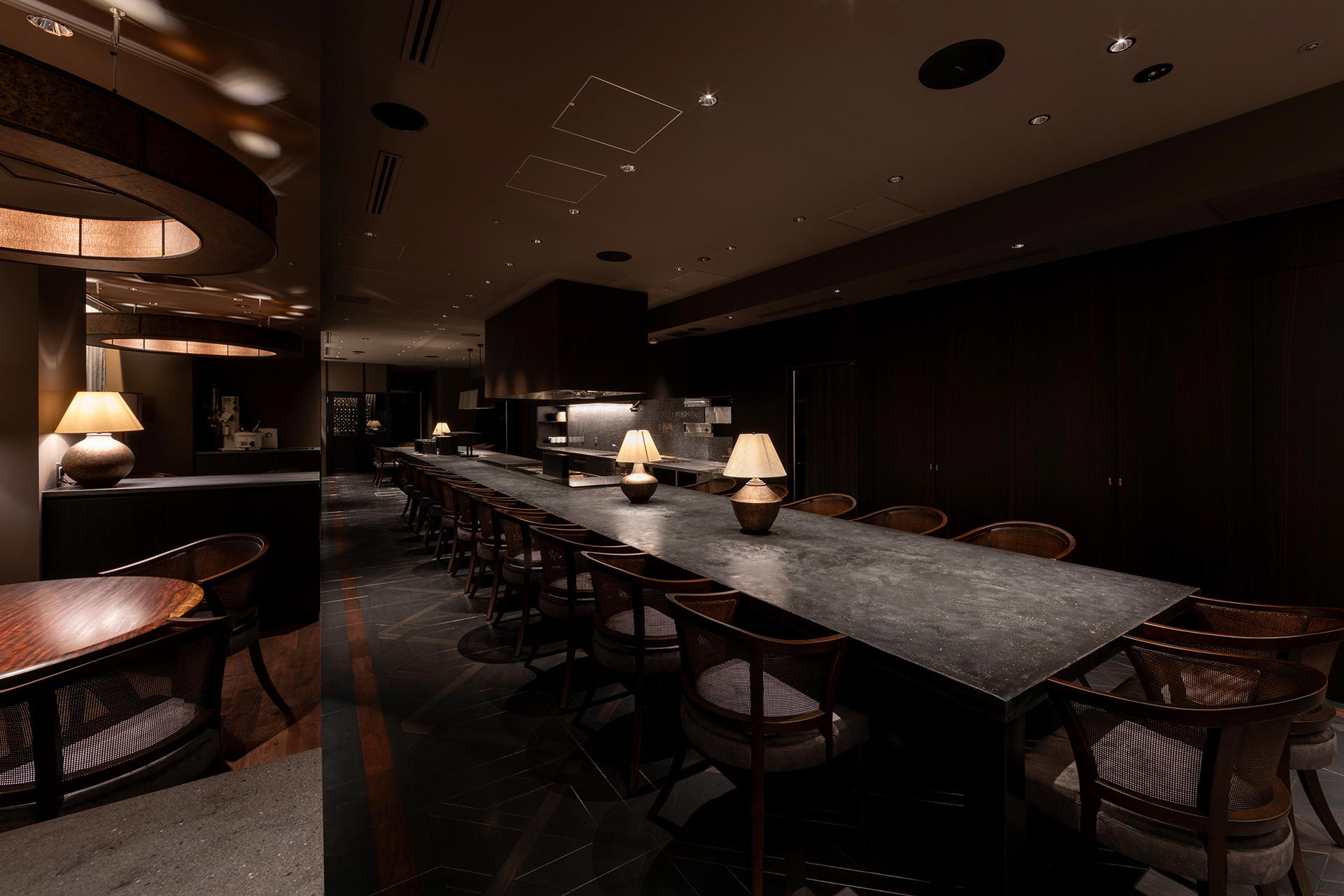
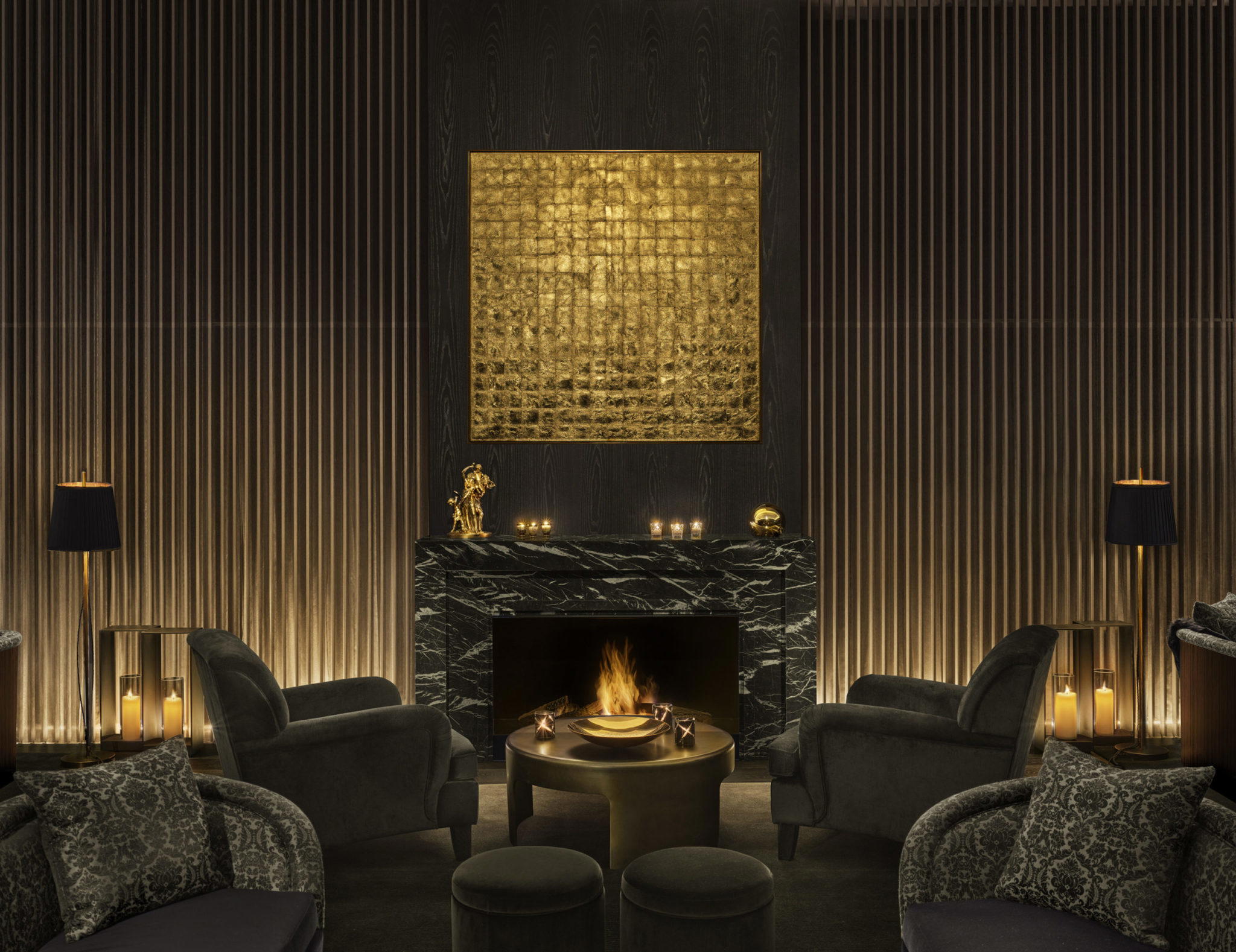
Refined and intimate 8-seat counter setting evoking Kyoto incense aromas, focusing on seasonal elegance and sensory immersion.