


Tokyo tempura at this level is less about spectacle than control: batter, oil temperature, seafood handling and pacing. Seiju belongs to that disciplined counter tradition, with Yoshiaki Shimizu’s Rakutei training, a 13-seat counter format and recognition from Michelin, Tabelog and Opinionated About Dining anchoring its place in the city’s serious tempura conversation.
Pearl is the En Primeur Club membership app — saves, bookings, and concierge access live there. Same editors, same standards.
- Address
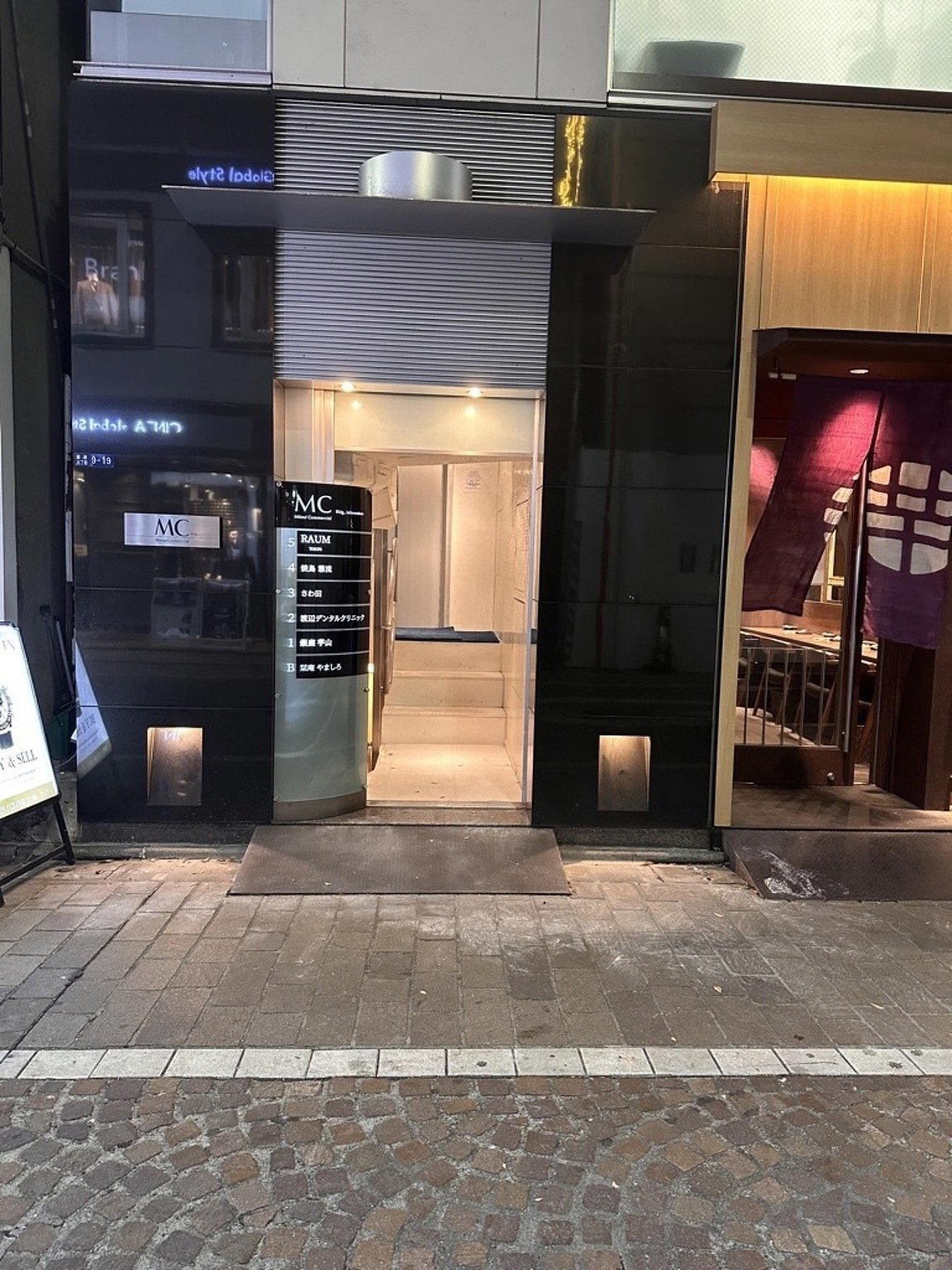
- Japan, 〒104-0045 Tokyo, Chuo City, Tsukiji, 3 Chome−16−9 アーバンメイツビル B1F
- Phone
- +81 3-3546-2622
- Website
- seijyu.jp
- Directions
- Get directions
 Saves & bookings on Pearl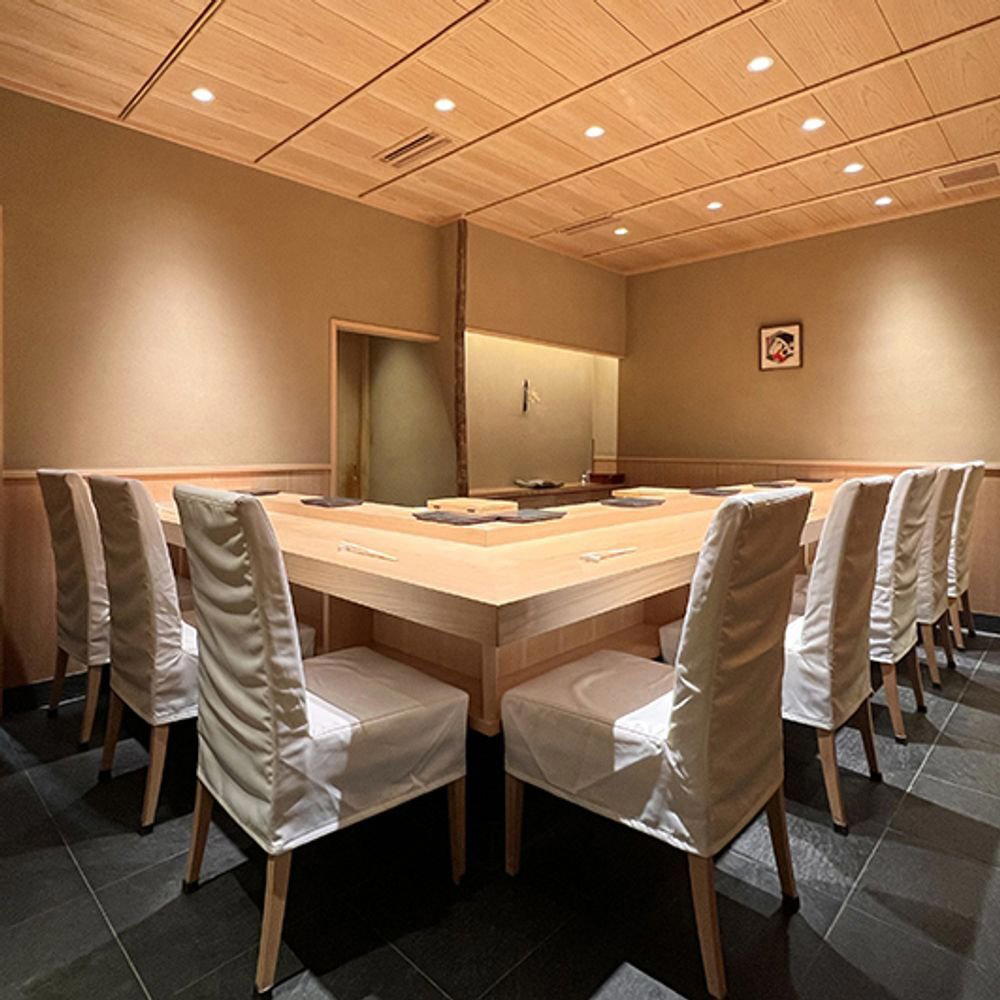
In Tokyo, Seiju is best approached as a restaurant to read through restraint, pacing and calm attention rather than spectacle. The experience is framed here only by confirmed context: its Tokyo setting and its appearance in Opinionated About Dining’s 2026 recognition data. For planning purposes, that is enough to place it among serious dining considerations without inventing details the restaurant itself has not confirmed here.
Seiju sits within a Tokyo dining landscape where specialist rooms can vary widely in tone, formality and pace. Rather than overstate the room, menu or team, the safer reading is to treat Seiju as a focused Tokyo reservation whose reputation is supported by external recognition. The point is not to attach unsupported labels, but to understand why it may matter to diners tracking the city’s more closely watched restaurants.
Old-school Tokyo counter cooking, shaped by heat rather than showmanship
Tokyo’s more disciplined dining rooms often reveal themselves through repetition, pacing and restraint. The difference between a merely competent meal and a serious one is not decoration, but the ability to keep the experience coherent from beginning to end. Seiju should be assessed in that spirit: as a Tokyo restaurant where the value lies in control and focus rather than broad claims about style.
That is the useful way to read Seiju. Without relying on unconfirmed specifics about cuisine, chef biography or room details, the restaurant can still be understood through its place in Tokyo’s competitive dining field. Its confirmed recognition gives diners a reason to pay attention, while the rest should be judged at the table rather than assumed in advance.
The Tokyo comparison set is revealing. Fukamachi is another established reference point, while Tempura Yaguchi, Shunkeian Arakaki, Tempura Kondo and Tempura Nakagawa occupy adjacent territory in the city’s specialist field. Seiju’s positioning should not be reduced to maximal luxury cues or unsupported narrative. It is better understood as part of Tokyo’s serious restaurant conversation.
One marker of a focused room is the way cadence and attention can shape a meal without heavy explanation. The strongest restaurants in this tradition rarely need to announce reinvention broadly. They make their case through sequence, consistency and the ability to hold a diner’s attention without leaning on theatrical claims.
The counter works as a three-part system: chef, beverage service and room
Any compact, focused restaurant experience depends on more than one visible point of performance. Service rhythm, pacing and the broader room all matter, because the meal loses force if the dining experience feels disconnected. At Seiju, those elements should be evaluated as part of the whole rather than separated into unsupported assumptions about personnel or format.
The beverage signal also matters, even when specific pairings are not confirmed here. Serious Tokyo restaurants are often judged not only by what arrives from the kitchen, but by how the room supports the meal. Acidity, temperature, restraint and timing can all affect how a dining experience lands, and diners should pay attention to that structure without assuming details in advance.
Awards define the competitive tier without reducing the restaurant to badges. Seiju appears in Opinionated About Dining’s 2026 recognition data, a useful signal for diners tracking specialist restaurants in Tokyo. That recognition should be read as context rather than conclusion: in this field, credibility is built through precision, pacing and repeatable control.
The mood should be approached with the same care. Its appeal is most likely to reward diners who are comfortable giving a meal close attention and allowing the restaurant’s own rhythm to define the experience.
How to place it within a Tokyo dining itinerary
For travelers building a Tokyo restaurant schedule, Seiju deserves its own slot rather than being treated as a generic luxury stop. Tokyo has many forms of high-level dining, and diners should avoid assuming that one reservation can stand in for another. The better approach is to give Seiju enough space in the itinerary to be judged on its own terms.
Within that plan, Seiju suits an evening devoted to focused Tokyo dining. Pair it with a lighter or less formal meal earlier in the day if you want to preserve attention for the reservation. Its recognition profile makes it a serious target, while the lack of confirmed detail here means practical questions should be checked directly before booking.
Readers comparing across Japan can use other cities as contrast. Dining rooms outside Tokyo often sit in different cultural frames, where broader regional traditions shape expectations around seasonality and room tone. Tokyo’s restaurant culture can be more direct in how it concentrates attention, and Seiju belongs in that citywide context.
For further planning, EP Club’s Tokyo coverage places the restaurant in a wider city matrix: Our full Tokyo restaurants guide, Our full Tokyo hotels guide, Our full Tokyo bars guide, Our full Tokyo wineries guide and Our full Tokyo experiences guide. Readers focused on this specialist field may also compare Seiju with Fukamachi, Tempura Yaguchi, Shunkeian Arakaki, Tempura Kondo and Tempura Nakagawa.
For wider Japan dining context, think of Seiju as part of a broader national landscape rather than a generic luxury stop. The takeaway is simple: place this meal where it can be read on its own terms, as a disciplined Tokyo restaurant experience rather than another entry in an overpacked itinerary.
Where It Fits
Side-by-side context: comparable cuisine and price.
| Venue | Cuisine | Price | Awards | Notes |
|---|---|---|---|---|
| SeijuThis venue — the venue you are viewing | Premium Tempura Omakase | $$$$ | Michelin 1 Star | Not listed |
| Nogizaka Shin | Modern Kaiseki with Wine Pairings | $$$$ | Michelin 1 Star | Minato |
| Kaiseki Komuro | Traditional Cha-Kaiseki | $$$$ | Michelin 1 Star | Shinjuku |
| Tempura Yaguchi | Modern Edomae-Style Tempura Omakase | $$$$ | Michelin 1 Star | Chūō |
| Akanezaka Onuma | Traditional Seasonal Kaiseki | $$$$ | Michelin 1 Star | Minato |
| Sushi Miura | Traditional Edomae Omakase | $$$$ | Michelin 1 Star | Minato |
Recognition history
Dated appearances from independent guides and award organizations, with the underlying list record or original source where available.
Michelin 1 Star
Michelin
Opinionated About Dining Top Restaurants in Japan Recommended
Opinionated About Dining
Opinionated About Dining Top Restaurants in Japan Ranked #238
Opinionated About Dining
Tabelog 100 #54 · No. 54
Tabelog · Tabelog 100 - Tempura - 2025
Michelin 1 Star
Michelin
Opinionated About Dining Top Restaurants in Japan Ranked #306
Opinionated About Dining
Opinionated About Dining Top Restaurants in Japan Highly Recommended
Opinionated About Dining








At a Glance
- Elegant
- Quiet
- Intimate
- Sophisticated
- Classic
- Special Occasion
- Business Dinner
- Celebration
- Chefs Counter
- Open Kitchen
- Extensive Wine List
- Sommelier Led
- Sake Program
- Local Sourcing
Current opening hours
- Monday
- Closed
- Tuesday
- 5–9 PM
- Wednesday
- 5–9 PM
- Thursday
- 5–9 PM
- Friday
- 5–9 PM
- Saturday
- 5–9 PM
- Sunday
- 5–9 PM
Hours can change for holidays and private events. Last verified .
Subdued lighting with cypress wood counter seating in a serene, tea-room-inspired space reminiscent of kaiseki dining rooms, creating an atmosphere of pleasant tension and refined elegance.