A fourth-floor sushi counter in Sapporo's Chuo Ward, 鮨こいせ operates within a dining tradition that prizes Hokkaido's extraordinary marine larder above almost everything else. The island's cold-water proximity shapes what appears on the counter here, placing this address within a small tier of Sapporo sushi rooms where sourcing logic, not spectacle, drives the experience.
Pearl is the En Primeur Club membership app — saves, bookings, and concierge access live there. Same editors, same standards.
- Address
- Japan, 〒064-0805 Hokkaido, Sapporo, Chuo Ward, Minami 5 Jonishi, 3 Chome−1−4 4階
- Phone
- +81115227939
- Website
- tabelog.com
- Directions
- Get directions
 Saves & bookings on Pearl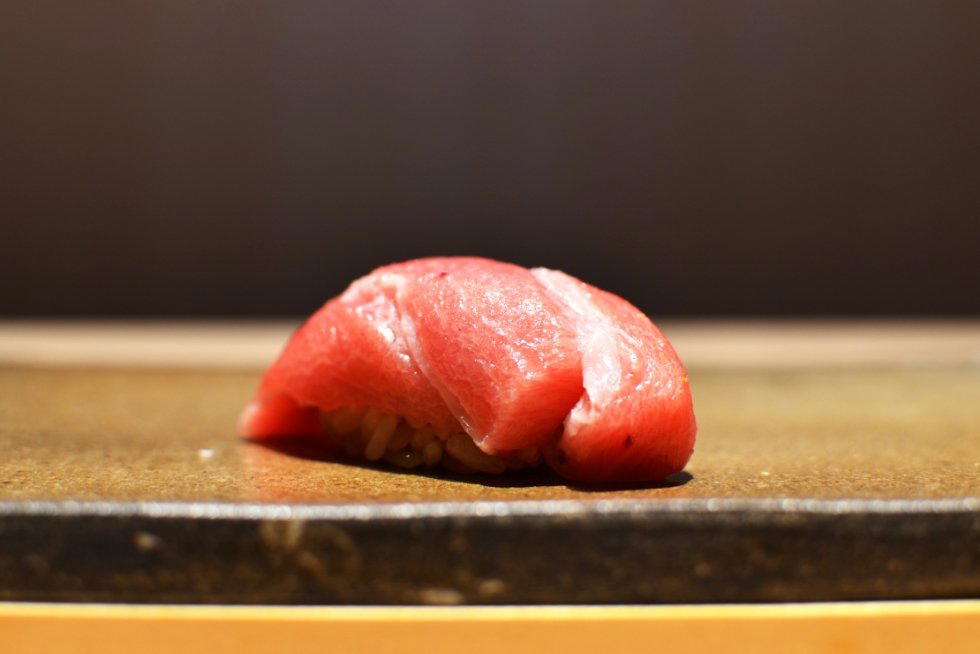
A Counter Shaped by Cold Water
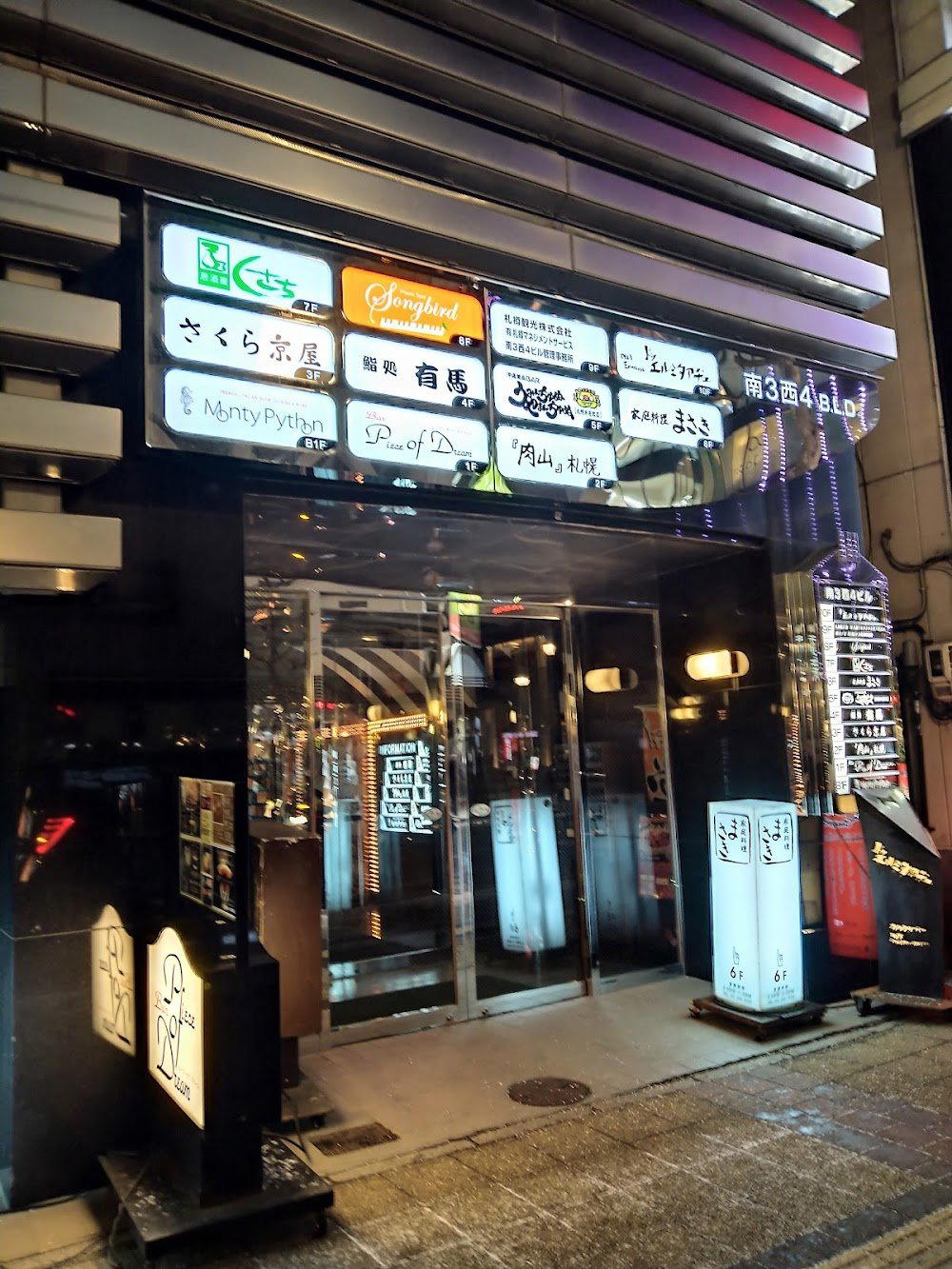
Arrive at the building on Minami 5-jo Nishi in Chuo Ward and take the elevator to the fourth floor. The climb is part of the format of this kind of Sapporo sushi room. What matters most here is the sea. Hokkaido's cold waters produce shellfish and fish with distinctive fat profiles. The counter at 鮨こいせ sits inside that tradition.
Why Hokkaido Changes the Sourcing Argument
In most of Japan's serious sushi rooms, sourcing is a discipline: knowing which market, which boat, which season. In Hokkaido, it is also a geographic advantage that the rest of the country cannot replicate. The island's proximity to the Oyashio Current, cold, nutrient-dense, flowing south from the Bering Sea, creates marine conditions that produce particularly sought-after raw material in Japanese cuisine. Sea urchin from Rishiri and Rebun islands, snow crab from the Sea of Okhotsk, scallops from Sarufutsu, salmon from Hokkaido's river systems: these are not just regional specialities but ingredients that Tokyo's leading sushi-ya pay significant premiums to import.
A counter operating in Sapporo itself, within an hour's logistics of these sources, occupies a structurally different position from even the resourced Tokyo counterpart. Freshness windows that are impossible to maintain over longer supply chains become achievable. This is why Hokkaido-based sushi at this tier deserves attention on its own terms. Comparable sushi rooms across Japan, Harutaka in Tokyo, for instance, pay a premium to access Hokkaido material that a Sapporo counter draws from its own backyard.
The Sapporo Sushi Scene: Context and comparable set
Sapporo's omakase tier has developed steadily over the past decade. The city now holds a credible cluster of counter sushi rooms operating at a level that invites comparison with Japan's secondary culinary capitals. Within that cluster, venues tend to differentiate on two axes: sourcing emphasis and format discipline. Arima represents one point in this comparable set; 鮨こいせ occupies its own position within the same general tier. The city also supports strong kaiseki and contemporary dining, Hanakoji Sawada anchors the kaiseki end, while venues like aki nagao and Hidetaka mark out other registers, but the sushi counter remains the form that most directly expresses Hokkaido's marine advantage.
What separates Sapporo's leading sushi rooms from their equivalents in, say, Fukuoka or Kyoto is less technique, omakase counter discipline is relatively consistent across Japan's serious kitchens, and more the specific composition of what arrives on the counter across a year. The seasonal rotation in Hokkaido tracks differently: hairy crab peaks in summer when the Tsugaru Strait warms slightly, sea urchin from the western coast differs from the eastern in colour and intensity, and autumn brings salmon of a quality that drives pilgrimage from Osaka and Tokyo. Goh in Fukuoka and Gion Sasaki in Kyoto each work within their own regional marine contexts, but neither operates within reach of the Okhotsk or the Japan Sea in the same way.
Format and Room
Fourth-floor counter sushi in Sapporo follows a format that deliberately contracts the dining experience to its essentials: the chef, the fish, the rice, the guest. This is not the model of HAJIME in Osaka, where a full creative apparatus surrounds the meal, or Atomix in New York City, where multi-course tasting menus layer cultural narrative across the table. The sushi counter works by compression: maximum attention on minimum elements. At this tier in Sapporo, a counter will typically run an omakase sequence where nigiri and tsumami appear in an order calibrated to the day's catch rather than a fixed script.
Venues in this category across Japan, from akordu in Nara to the more rural formats like 一本木 在川製 in Nanao, each adapt the omakase framework to local sourcing realities. In Sapporo, that adaptation is most visible in the proportion of local Hokkaido product versus imported material. A counter that prioritises Hokkaido sourcing will show it in the seafood composition across the meal: the balance tilts toward cold-water species, away from the tuna-heavy structures that dominate Tokyo's premium counters.
Planning Your Visit
鮨こいせ is located on the fourth floor of a building at 3 Chome-1-4 Minami 5-jo Nishi, Chuo Ward, Sapporo. The address places it in the southern part of central Sapporo, accessible from Susukino station, which sits within the Namboku and Tozai subway lines. Counter sushi at this level in Sapporo operates on reservation; walk-in access is not the expectation at any serious omakase room in the city, and planning ahead, ideally several weeks in advance, particularly for weekend seatings and peak season visits, is the standard approach. Hokkaido's peak seafood seasons broadly align with summer (sea urchin, hairy crab) and autumn (salmon, Pacific saury), making those windows particularly worth targeting for a first visit. 鮨こいせ is reservation-only, open Monday through Saturday from 5:30 to 10:30 PM, and priced at about $130 per person.
For comparison of format and price tier within Sapporo's dining options, venues like Higebozu provide a reference point at a different register of the city's food scene. Beyond Sapporo, those tracing Japan's regional fine dining circuit will find useful parallels at 湖魚庵 in Takashima and 岳羽屋 in Nishikawa Machi, where local sourcing defines the experience in ways that centralised dining capitals cannot easily reproduce.
Standing Among Peers
Comparable venues nearby, for context on price, style, and recognition.
| Venue | Cuisine | Price | Notes |
|---|---|---|---|
| 鮨こいせThis venue — the venue you are viewing | Edomae-style Omakase Sushi | $$$$ | Not listed |
| Hokkaido Yakiniku Kita Ushi | High-end Hokkaido Wagyu Yakiniku | $$$$ | Chūō |
| Dosan Youniku Kappou Lamb Pirika | Japanese Lamb Kappou | $$$ | Chūō |
| はなれ味重 | Traditional Kaiseki | $$$ | Chūō |
| Sushizen | Traditional Hokkaido Sushi Omakase | $$$$ | Chūō |
| Teppanyaki Urushi | Hokkaido Wagyu & Seafood Teppanyaki | $$$ | Chūō |
Continue exploring
More in Sapporo
Restaurants in Sapporo
Browse all →
At a Glance
- Elegant
- Intimate
- Sophisticated
- Date Night
- Special Occasion
- Business Dinner
- Chefs Counter
- Sake Program
- Local Sourcing
- Sustainable Seafood
Current opening hours
- Monday
- 5:30–10:30 PM
- Tuesday
- 5:30–10:30 PM
- Wednesday
- 5:30–10:30 PM
- Thursday
- 5:30–10:30 PM
- Friday
- 5:30–10:30 PM
- Saturday
- 5:30–10:30 PM
- Sunday
- Closed
Hours can change for holidays and private events. Last verified .
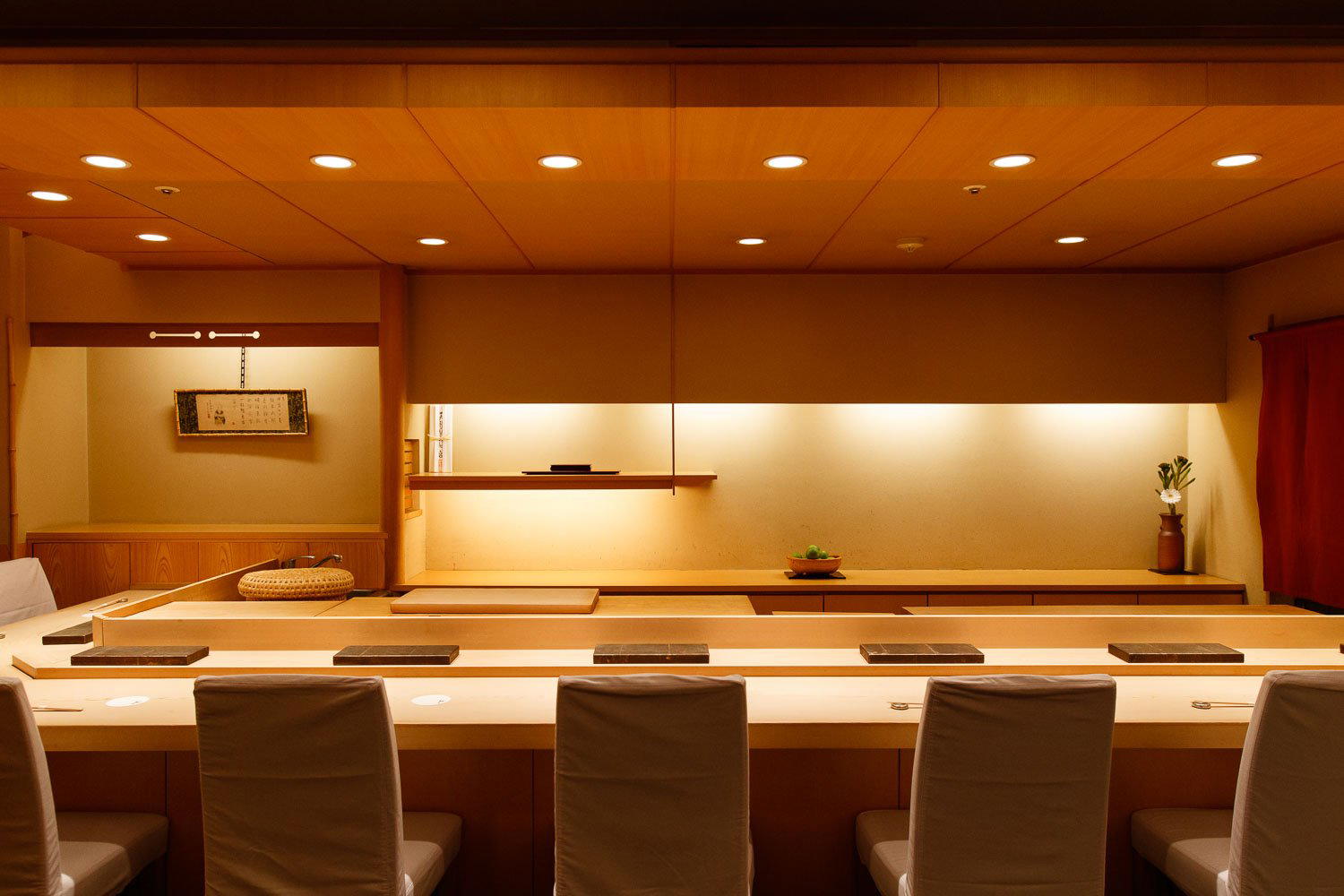
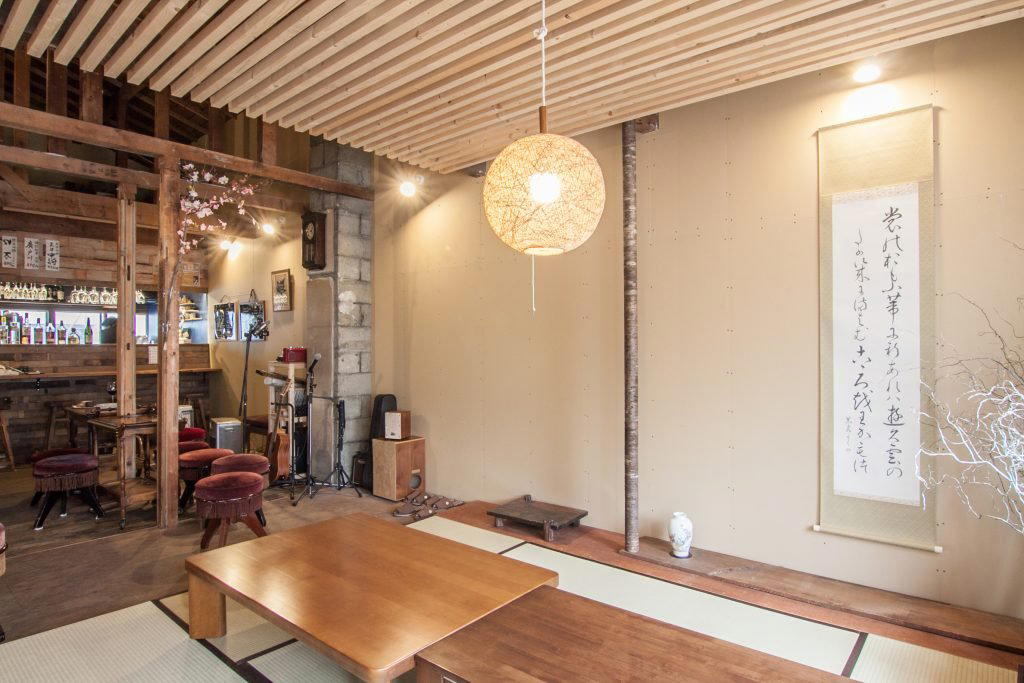
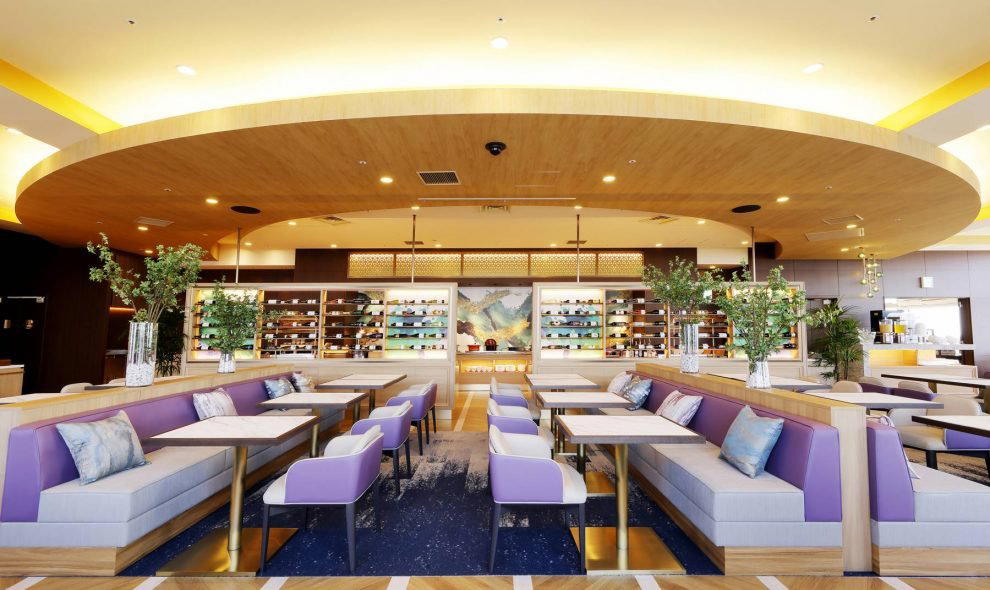
Bright wooden counter-only space with stylish, clean, and relaxed Japanese atmosphere.