
Sapporo’s premium yakiniku tier is shaped by privacy, Hokkaido beef, and the city’s appetite for meat after dark. Hokkaido Yakiniku Kita Ushi belongs to that higher bracket, with Tabelog 100 Yakiniku EAST recognition in 2025 and a format built around private-room grilling rather than open-room theatre.
Pearl is the En Primeur Club membership app — saves, bookings, and concierge access live there. Same editors, same standards.
- Address
- 北海道札幌市中央区南六条西4-5-7
- Website
- tabelog.com
 Saves & bookings on Pearl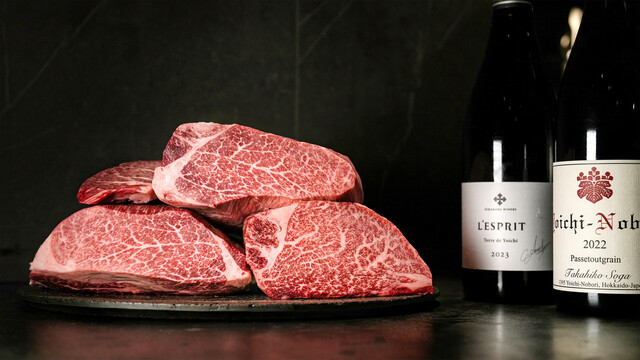
Susukino’s dining rooms tend to announce themselves in different registers: ramen steam, seafood counters, whisky bars, late trains, snow tracked into building entrances. The quieter end of the district’s yakiniku scene works by contrast. Behind the signage and elevator landings, the premium format is less about smoke-filled conviviality than controlled pacing, private rooms, polished service, and beef treated as the centre of the evening rather than a supporting act to drinks.
That is the useful way to read Hokkaido Yakiniku Kita Ushi. Sapporo has plenty of meat restaurants competing on volume, value, or late-night energy; this one sits in a narrower bracket where the appeal is Hokkaido wagyu, reservation-only dining, and a room structure that removes the usual public-room churn from yakiniku. Its selection for Tabelog 100 Yakiniku EAST 2025 places it inside a documented national conversation about serious Japanese barbecue, not just a local Susukino recommendation.
Private-room yakiniku as a Sapporo luxury signal
Yakiniku in Japan covers a wide spectrum, from quick charcoal grills to specialist counters where cut selection, heat management, and service cadence carry as much weight as sourcing. In Sapporo, the premium version has an additional layer: Hokkaido’s agricultural identity gives beef a local claim that Tokyo or Osaka restaurants often have to import as provenance. The meat is not only a luxury product; it is part of the region’s food argument.
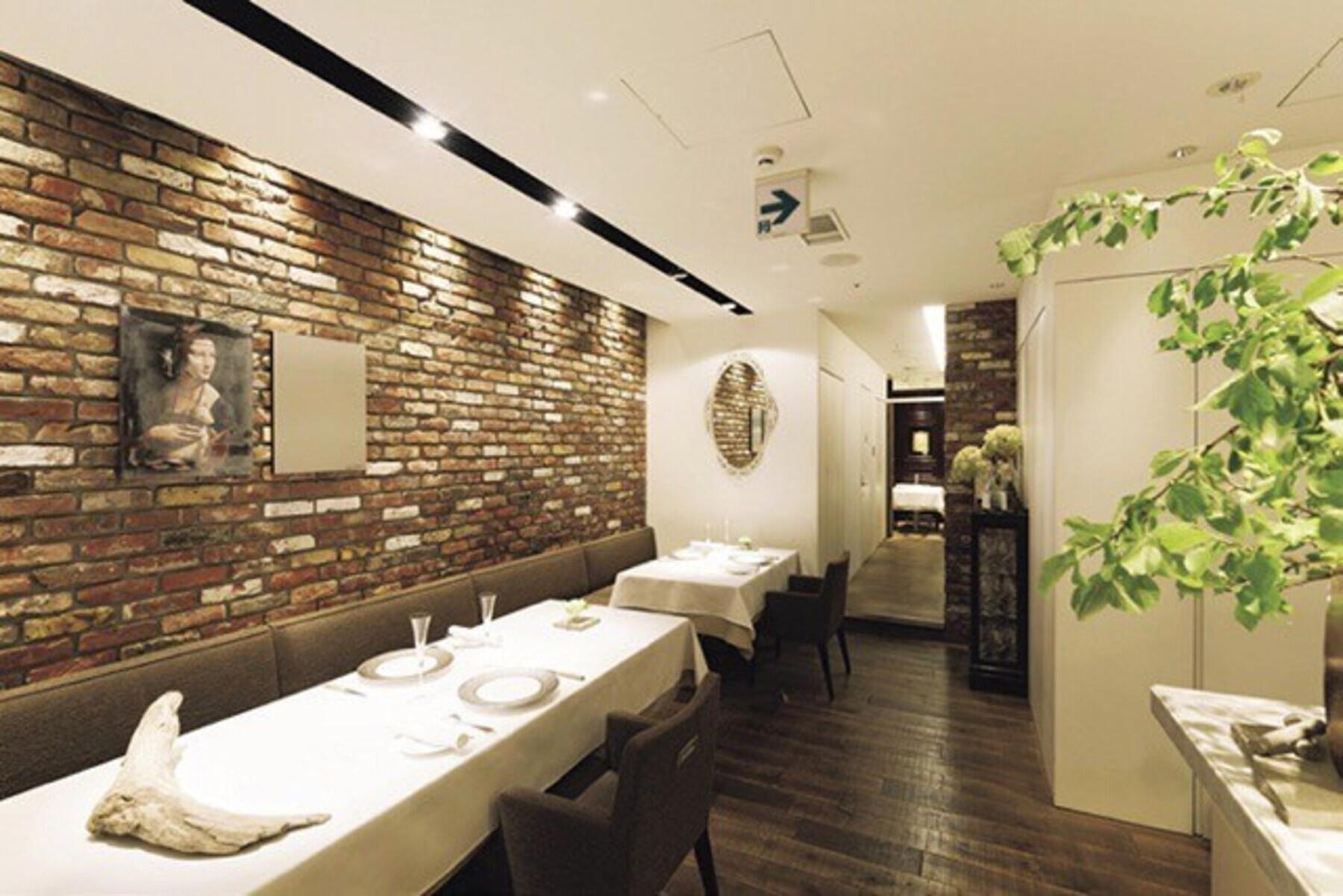
Kita Ushi’s format sharpens that argument by putting every seat in a private room. That matters. Private-room yakiniku changes the social rhythm of the meal: less public performance, more controlled hospitality, fewer distractions from the grill and table service. It also makes the restaurant relevant for families and small groups who want the substance of serious barbecue without the compression of a counter or the noise of a large dining room.
The team dynamic is the real distinction here. In higher-end yakiniku, the kitchen’s work is only half the proposition; front-of-house has to manage timing, heat, pacing, and drinks without turning the meal into a lecture. The restaurant’s stated emphasis on wine and Hokkaido whisky points to that collaborative model. Meat-led dining can become monotonous when the drinks program is an afterthought. Here, the beverage side reads as part of the structure, giving the meal a longer arc than a simple sequence of grilled cuts.
Within Sapporo, that places the restaurant above more casual meat addresses such as Yakiniku Horumon Fudo. and NIKUSYO taku ohira, both listed in a lower dinner bracket, and above broader grill-room propositions such as Susukino Niku Seafood Robata Shinshin. The comparison is not a verdict on pleasure; it is a question of category. Kita Ushi is priced and formatted for a private, beef-centred evening, not for a quick Susukino stop.
Where Hokkaido beef meets an increasingly technical grill culture
Japanese yakiniku has become more technically ambitious over the past decade, especially at restaurants that treat the grill as a controlled instrument rather than a communal free-for-all. The genre now overlaps with wagyu specialization, omakase thinking, and wine-service discipline, while retaining the direct pleasure of cooking meat at the table. In Sapporo, that evolution lands differently because the city already has a strong lamb and grill culture through jingisukan. A restaurant working across yakiniku, innovative cooking, and grilled lamb is drawing from that local context rather than importing a generic luxury template.
The Tabelog score of 3.76 and repeated Tabelog 100 selections from 2022 through 2025 give the restaurant a useful credibility trail. Tabelog’s Hyakumeiten lists are not Michelin stars, and they should not be read as the same kind of award. They do, however, signal sustained attention from Japan’s most influential restaurant-rating ecosystem, especially in a category where local diners often separate serious specialists from expensive generalists with little patience.
The sharper editorial point is that premium yakiniku in Sapporo has to justify itself twice. First, against the city’s seafood and ramen gravity; second, against the abundance of more affordable grilled-meat options. Kita Ushi answers through privacy, Hokkaido wagyu positioning, and a drinks program that treats wine as more than a token bottle list. For travellers planning a food-focused Sapporo run, it belongs beside rather than beneath the city’s better-known genres.
That broader itinerary can move in several directions. For noodles, 175°DENO Tantanmen Sapporo kitaguchi ten gives a different view of the city’s spice-and-noodle appetite. For curry, [Curry Senmon Ten] Maruyama Kyoju., Ajanta Indo Curry Ten, and Ajanta Sohonke show how Sapporo’s non-yakiniku comfort-food culture runs in parallel. Aigues Vives adds another regional counterpoint for travellers mapping Hokkaido through bread, grain, and coastal produce.
How to place it in a food-led Sapporo itinerary
The strongest case for this restaurant is not novelty. It is focus. Sapporo rewards visitors who separate meal types rather than chasing a single grand dinner to explain the city. Ramen does one job, seafood another, soup curry another, lamb another. A private-room Hokkaido wagyu dinner occupies a different slot: slower, more expensive, and better suited to a deliberate evening than a crawl through Susukino.
Planning around the city is easier when the categories stay distinct. Use Our full Sapporo restaurants guide for dining context, then pair it with Our full Sapporo hotels guide, Our full Sapporo bars guide, Our full Sapporo wineries guide, and Our full Sapporo experiences guide if the trip is built around more than restaurants. For broader Japan and overseas context, compare meat, grill, and casual-specialist formats through -Grilled beef Sukiyaki- KAMAKURA TANUKIAN 鎌倉 たぬき庵 in Kamakura. 鮪と炭火焼き うお炭 秋葉原店 in Tokyo.cafe in Osaka.know in Kumamoto, (Shoku) Vietnam in Kawasaki, [ki:] in Kyoto, Jōdo Saké Bar in Los Angeles, and Onigiri Time in Pasadena.
The verdict is practical and category-specific: choose Kita Ushi when the night calls for a controlled, private, meat-led dinner with Hokkaido identity and recognized yakiniku credentials. Choose elsewhere when the priority is speed, breadth, or a lower-stakes Susukino meal.
Just the Basics
Side-by-side context: comparable cuisine and price.
| Venue | Cuisine | Price | Notes |
|---|---|---|---|
| Hokkaido Yakiniku Kita UshiThis venue — the venue you are viewing | Chūō, High-end Hokkaido Wagyu Yakiniku | $$$$ | Not listed |
| Himeshara | Not listed | $$$$ | Maruyama, Hokkaido-influenced Edomae Sushi |
| NIKUSYO taku ohira | Not listed | $$$$ | Chūō, High-end Wagyu Yakiniku & Kaiseki-Style Course Dining |
| 月下翁 | Chūō, japanese | $$$$ | Not listed |
| Shota | Chūō, Edomae Sushi Omakase | $$$$ | Not listed |
| Arima | Chūō, Hokkaido Ezo-mae Omakase Sushi | $$$$ | Not listed |
Recognition history
Dated appearances from independent guides and award organizations, with the underlying list record or original source where available.
Tabelog 100 #57 · No. 57
Tabelog · Tabelog 100 - Yakiniku - EAST - 2025
At a Glance
- Elegant
- Intimate
- Cozy
- Sophisticated
- Date Night
- Business Dinner
- Group Dining
- Celebration
- Special Occasion
- Chefs Counter
- Private Dining
- Standalone
- Extensive Wine List
- Local Sourcing
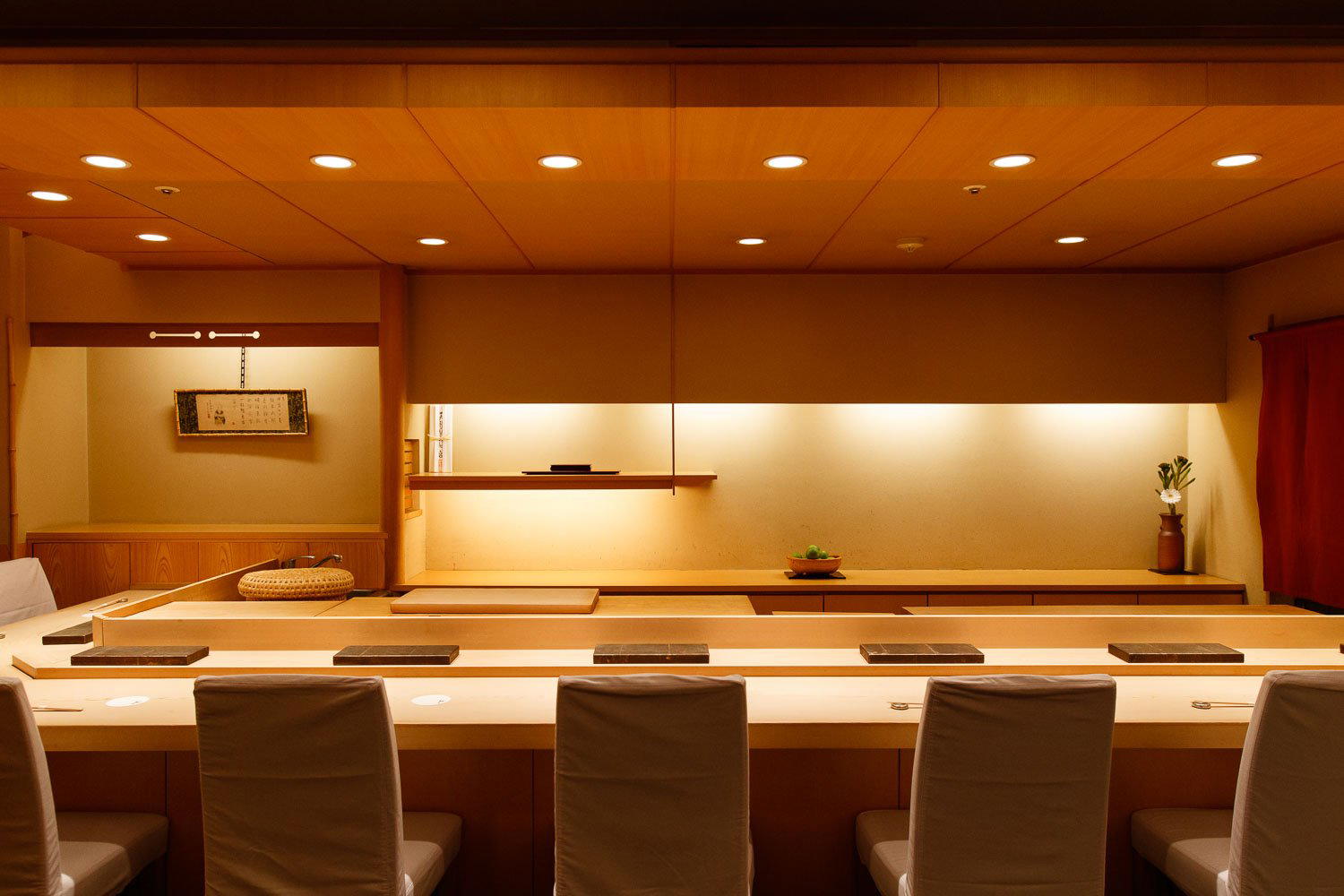
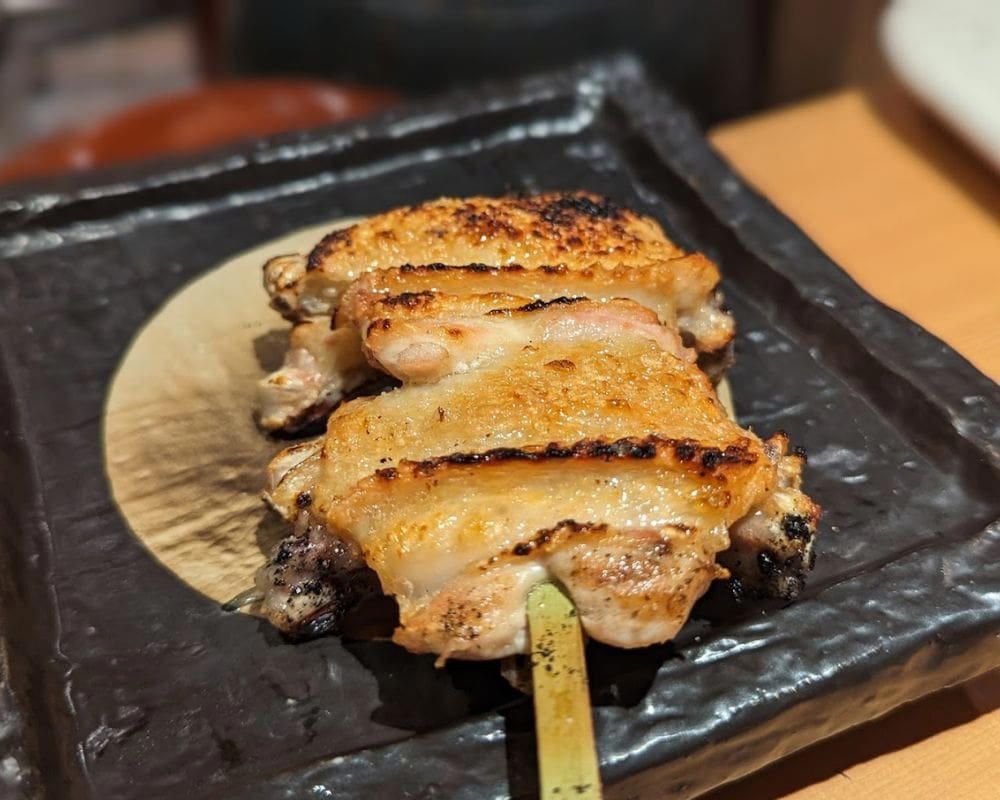
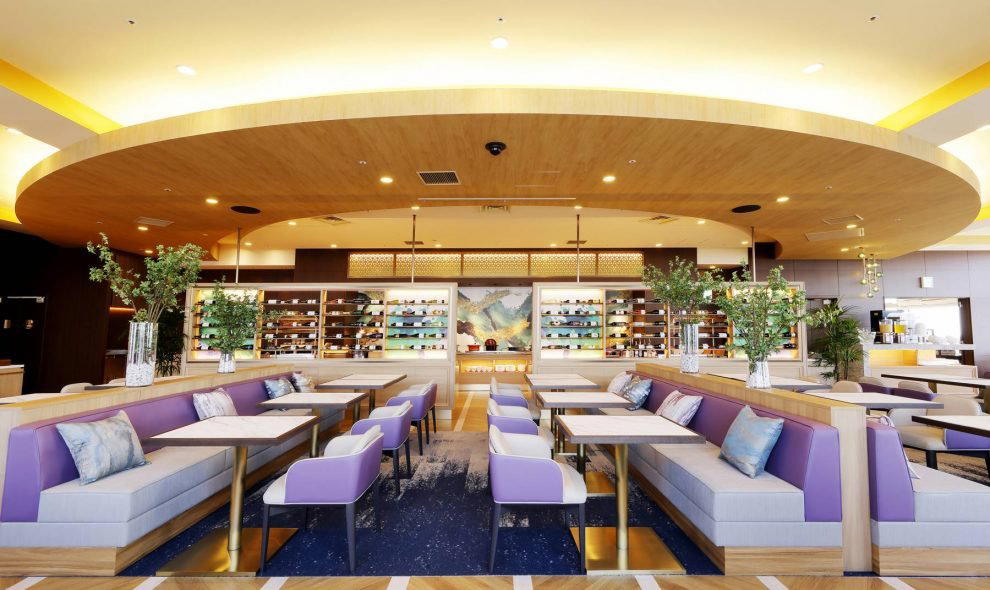
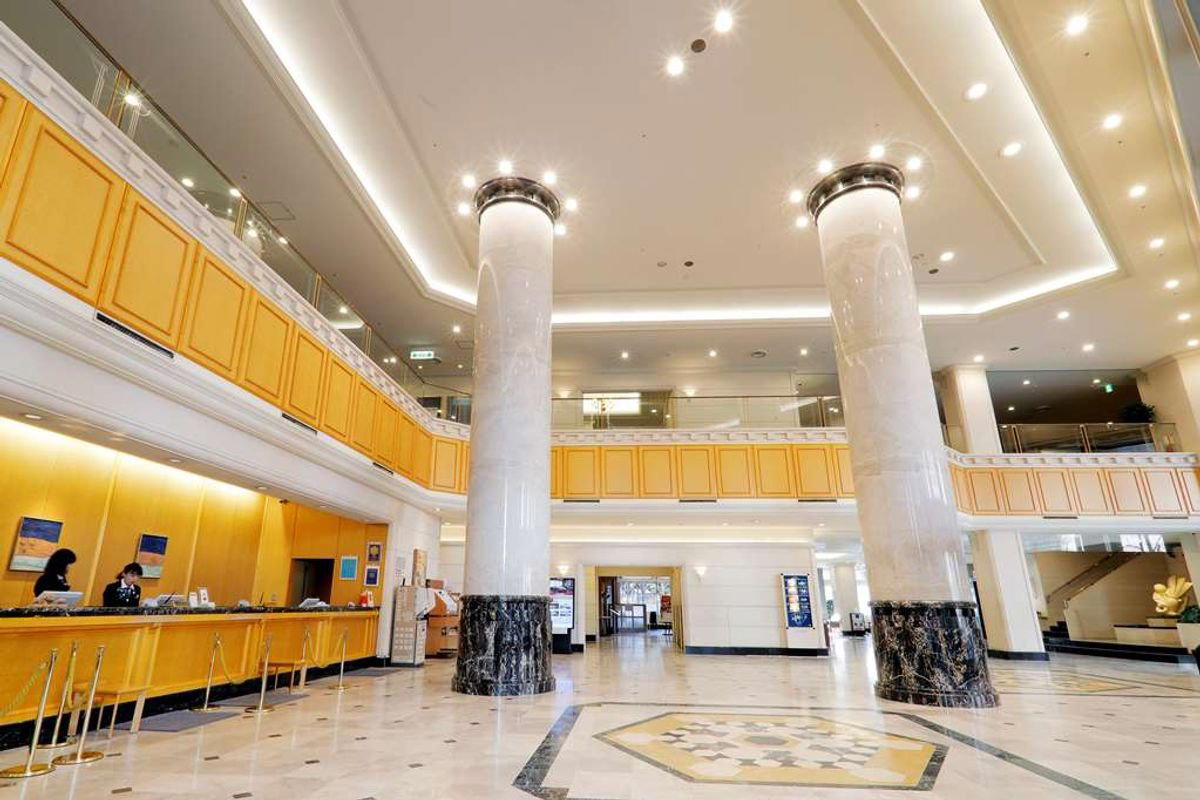
Upscale, low-key and refined, with only 18 seats in private rooms, attentive tableside grilling by staff, and a calm, luxurious atmosphere suited to special occasions rather than casual crowds.