Our verdict
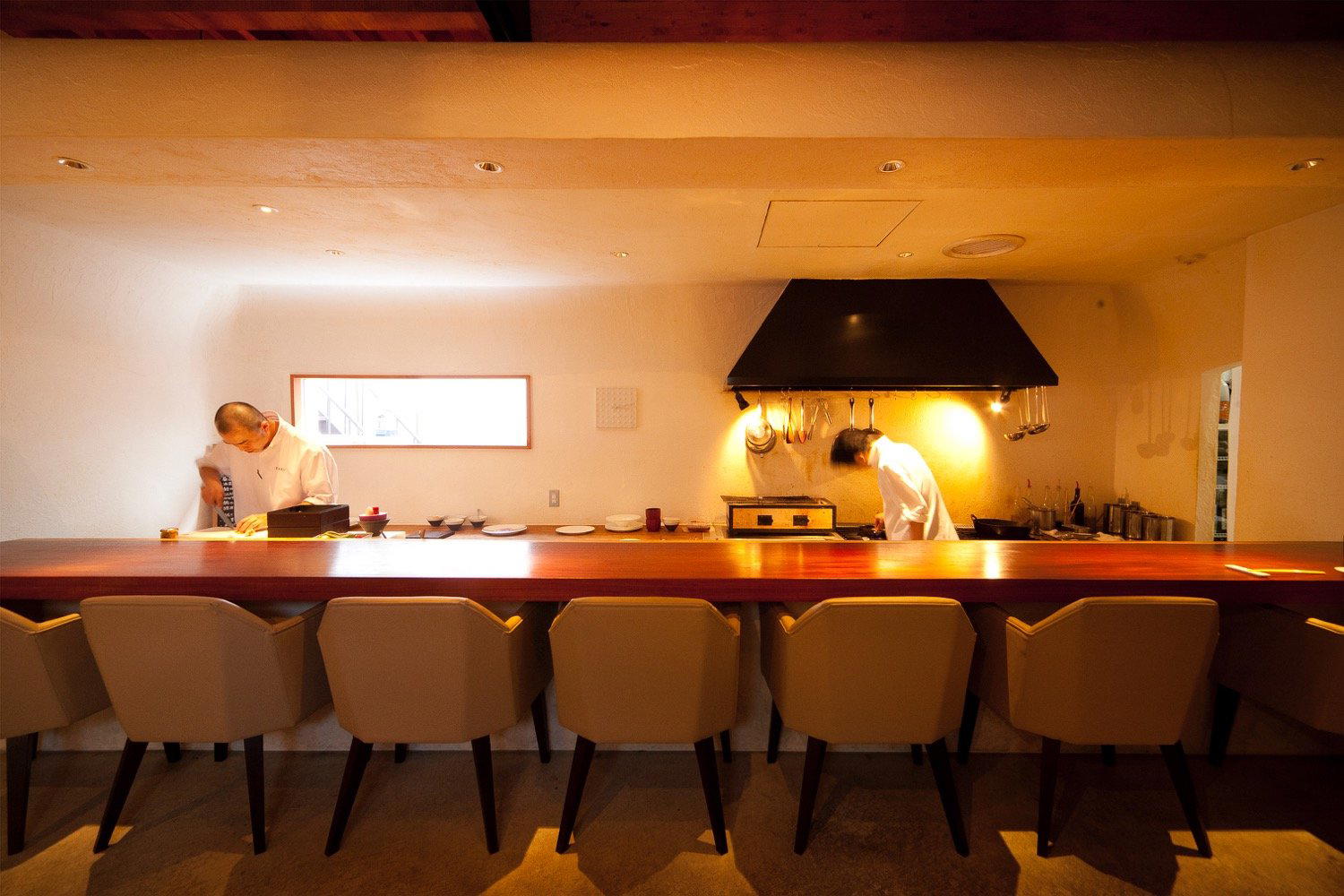
Sushizen occupies a quiet address in Sapporo's Chuo Ward, placing it within a city that has built a serious counter-dining reputation on the back of Hokkaido's extraordinary seafood.

Pearl is the En Primeur Club membership app, where members save venues, book tables and use the concierge.
Planning Around the Counter: What Sapporo's Sushi Scene Demands
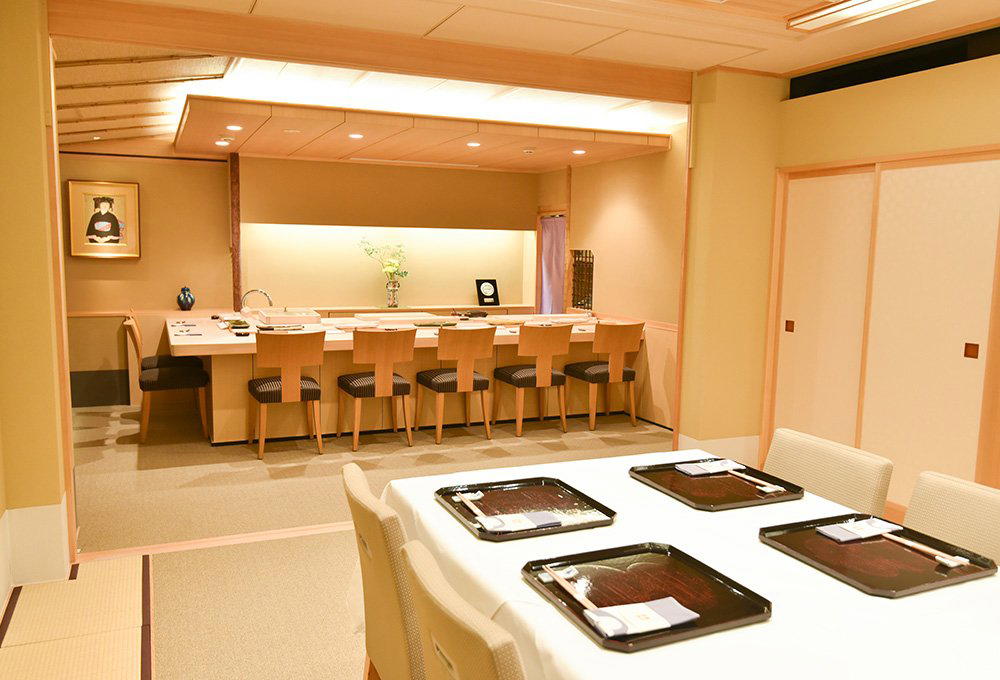
Hokkaido has a legitimate claim to producing the most ingredient-driven sushi in Japan. The cold waters of the Sea of Japan and the Tsugaru Strait yield sea urchin, scallop, and snow crab at a quality tier that sushi counters in Tokyo and Osaka routinely import northward. The logical conclusion of that supply chain is to eat at the source, and Sapporo's counter-dining scene has matured to meet that logic. Sushizen, addressed at 27 Chome-2-7 Kita 1 Jonishi in Chuo Ward, sits within that scene. Understanding what to expect from a reservation here means understanding how Sapporo's sushi counters operate as a category.
Where Sushizen Sits in Sapporo's Counter Tier
Sapporo's sushi counter scene has developed along lines familiar from other Japanese cities: a small upper tier of omakase-format counters where the chef controls pace, sequence, and sourcing, and a broader mid-tier of accessible nigiri restaurants that serve walk-in trade alongside reservations. The upper tier is where planning matters most. Counters like Arima (Sushi) and Hidetaka anchor that bracket, and Sushizen operates in the same competitive space, drawing a clientele that approaches the booking process with the same advance planning they might apply to a reservation at Harutaka in Tokyo or a counter at Goh in Fukuoka.
The Chuo Ward address places Sushizen in the commercial and dining core of Sapporo, within reach of Odori and Susukino, the two districts that anchor the city's restaurant density. That centrality matters for visitors constructing a multi-restaurant itinerary: the proximity to other serious dining addresses, including Hanakoji Sawada (Kaiseki) and Higebozu, means a Sapporo dining trip can be built around a walkable or short-taxi core rather than spreading across the city's grid.
The Booking Question: How Sapporo Counters Fill
The editorial angle on Sushizen is, necessarily, the booking experience. Counter-format sushi restaurants in Sapporo's upper tier fill through a combination of repeat local clientele, domestic travel bookings, and an increasing proportion of international visitors who discovered Hokkaido through food-focused travel coverage over the past decade. That last group has accelerated lead times across the category. What was once a two-to-three-week booking window at the more serious Sapporo counters has, at several addresses, extended to one to two months for prime weekend slots during peak seasons.
Hokkaido's seasonal calendar shapes when demand concentrates. Winter, roughly December through February, draws visitors for powder skiing at Niseko and Furano alongside Sapporo's Snow Festival in early February, compressing restaurant availability in the city during those weeks. Summer, from late June through August, brings a second peak as Hokkaido's lavender fields and cooler temperatures attract domestic travelers escaping the humidity of Honshu. Both windows create booking pressure at counter-format restaurants across the mid and upper tiers. The shoulder months of April, May, October, and November historically offer more available seats and a calmer pace, though serious counters rarely have empty chairs for long regardless of season.
For visitors arriving from abroad, the practical challenge at many Sapporo counters is language. Reservation systems at smaller, independent Japanese restaurants frequently operate through phone or through Japanese-language booking platforms, with little or no English-language interface. Concierge assistance through a Sapporo hotel, or use of a third-party reservation service familiar with the city's counter scene, reduces friction significantly. This is particularly relevant for a counter-format restaurant in a city like Sapporo, where the dining culture remains oriented toward domestic visitors to a greater degree than Tokyo's most internationally profiled addresses. For broader context on planning a Sapporo dining trip, our full Sapporo restaurants guide maps the city's counter and kaiseki options in detail.
Hokkaido's Ingredient Calendar and What It Means at the Counter
Counter-format sushi in Hokkaido operates on a seasonal logic that differs from the standardized omakase format found in Tokyo's most heavily documented counters. Tokyo's leading tiers, including addresses comparable to Atomix in New York City in terms of the precision of their format, often source nationally and internationally to maintain consistency across seasons. Hokkaido counters at their most ingredient-driven work with a shorter supply radius, which produces a more pronounced seasonal rotation. Hairy crab arrives in early summer; sea urchin from Rishiri and Rebun hits its peak around July and August; autumn brings Pacific saury and salmon; winter shifts toward squid, flounder, and monkfish liver.
This ingredient calendar is not incidental to the booking decision. A visitor targeting Hokkaido uni specifically should be planning a June-to-August visit. A visitor more interested in the full range of cold-water white fish is better served by a late-autumn or early-winter table. Counter restaurants in Sapporo's upper tier serve menus that respond to what is available that week, which means the experience differs meaningfully depending on when the reservation falls. That variability is, for many visitors, the point.
Reading Sushizen in Its Peer Context
Sapporo's counter scene is smaller and less internationally documented than Osaka's or Kyoto's comparable tiers, where addresses like HAJIME in Osaka and Gion Sasaki in Kyoto carry sustained international recognition. That lower profile is partly a function of Sapporo's position on international travel itineraries: most overseas visitors to Japan route through Tokyo-Osaka-Kyoto and treat Hokkaido as an extension rather than a primary destination. That routing pattern has kept Sapporo's leading counters quieter than their quality might otherwise suggest, though the gap has been narrowing as food-focused travel coverage of Hokkaido has expanded.
For travelers assembling a multi-city Japan itinerary, Sapporo's counter tier compares favorably to addresses in smaller Japanese cities with similar ingredient access, such as akordu in Nara or 1000 in Yokohama, in that the booking difficulty has not yet scaled to match the quality ceiling. That window may not stay open indefinitely as Hokkaido's dining profile rises among international travelers. Planning resources beyond restaurants are covered in our full Sapporo hotels guide, our full Sapporo bars guide, and our full Sapporo experiences guide, with wine coverage in our full Sapporo wineries guide.
Frequently asked questions
How do I find Sushizen?
Sushizen is located at 27 Chome-2-7 Kita 1 Jonishi, Chuo Ward, Sapporo, Hokkaido 064-0821, Japan, Sapporo.
How does Sushizen's location in Sapporo's Chuo Ward affect the sushi on the counter?
Chuo Ward places Sushizen within immediate reach of Hokkaido's primary seafood distribution network, including catches from the Sea of Japan and the Tsugaru Strait that arrive in Sapporo faster than they reach Tokyo's Toyosu market. That supply-chain advantage translates directly to what a chef can serve at an omakase counter: species at shorter post-catch intervals, and seasonal windows, uni, ikura, and cold-water shellfish, that are materially narrower and fresher than at counters further south. It is the core reason Sapporo has developed a credible upper-tier sushi scene despite its smaller international profile compared to Osaka or Kyoto.
What's the signature dish at Sushizen?
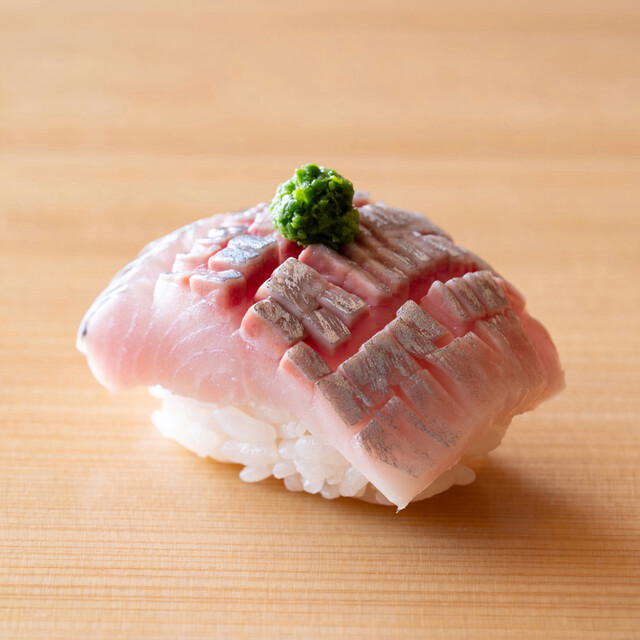
The counter format means no fixed signature exists across sittings, the seasonal logic of the Sea of Japan and Tsugaru Strait dictates what appears. Expect the Hokkaido ingredient calendar, not a fixed menu, to define the experience.
How hard is it to get a table at Sushizen?
Sushizen sits in Sapporo's counter tier, where reservations at omakase-format restaurants typically fill through a combination of repeat clientele, hotel concierge channels, and limited same-day releases. The counter format at addresses in this tier often runs to single-digit covers per sitting, which compresses availability significantly. Booking through a local concierge or Japanese-language reservation platform is generally the most reliable approach for visitors.
What's the signature at Sushizen?
The defining characteristic at Sushizen is its positioning within Sapporo's Chuo Ward counter scene, where proximity to Hokkaido's fishing ports gives chefs access to seafood unavailable at this quality level in Tokyo or Osaka. The omakase format means the counter's identity is shaped by seasonal availability rather than a fixed signature item. That ingredient-first logic is what separates Hokkaido's upper-tier sushi counters from their southern equivalents.
City Peers
Comparable venues nearby, for context on price, style, and recognition.
| Venue | Cuisine | Price | Awards | Notes |
|---|---|---|---|---|
| SushizenThis venue (the venue you are viewing) | Traditional Hokkaido Sushi Omakase | $150–200 | Not listed | Not listed |
| 天ぷら あら木 | Michelin 2-Star Japanese Tempura Omakase | $50–100 | Not listed | Chūō |
| Sushi Kai | Intimate Omakase Sushi Counter | $100–150 | Tabelog 100 #35 | Chūō |
| Sushi Sohei | Edomae Omakase with Hokkaido Seafood | $200–300 | Tabelog Bronze #417 | Chūō |
| Himeshara | Hokkaido-influenced Edomae Sushi | $150–200 | Tabelog 100 #76 | Maruyama |
| 姫沙羅 | Hokkaido-influenced Edomae Sushi | $150–200 | Tabelog 100 #76 | Maruyama Park |
Recognition history
Dated appearances from independent guides and award organizations, with the underlying list record or original source where available.
Opinionated About Dining Top Restaurants in Japan Recommended
Opinionated About Dining