
Dosan Youniku Kappou Lamb Pirika belongs to Sapporo’s more specialized lamb conversation: not the beer-hall Jingisukan template, but a compact kappou-style room built around Hokkaido lamb and hot pot discipline. Selection for Tabelog 100 - Hot Pot - 2024 gives it a clear quality signal, while the format points to a more deliberate night than casual Susukino grazing.
Pearl is the En Primeur Club membership app — saves, bookings, and concierge access live there. Same editors, same standards.
- Address
- 北海道札幌市中央区南六条西3-6-31 ジョイフル酒肴小路 7F
- Phone
- +819013093599
- Website
- tabelog.com
 Saves & bookings on Pearl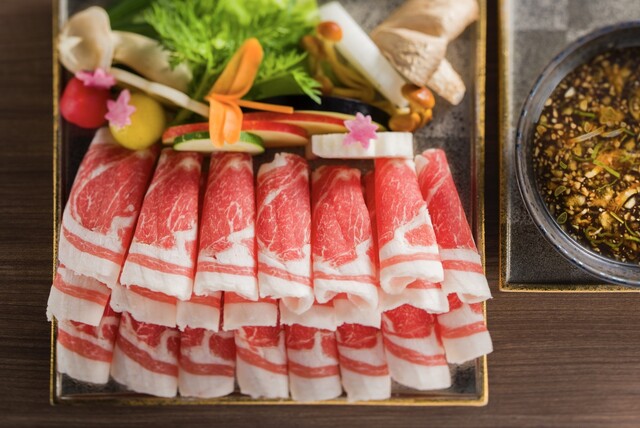
Susukino’s dining buildings often ask for trust before they offer theatre: an elevator, a narrow corridor, a floor number, then a small room where the city’s louder appetites fall away. In Sapporo, that matters. The city has long treated lamb as part of its everyday grammar, most visibly through Jingisukan, but the more interesting question now is what happens when that familiar ingredient moves from grill-table sociability into a tighter, kappou-adjacent format.
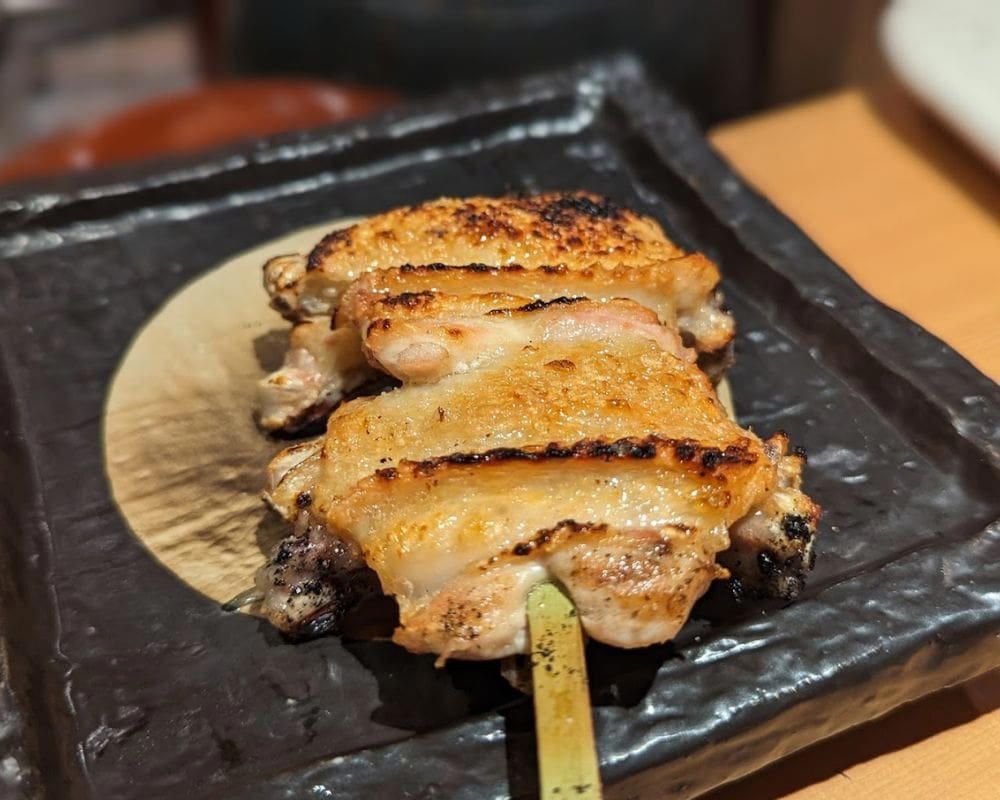
That is the useful way to read Dosan Youniku Kappou Lamb Pirika. The point is not novelty for its own sake; Hokkaido lamb already has a strong local identity. The shift is in control: lamb shabu-shabu, Japanese cooking, and Jingisukan references handled in a small-format setting rather than a broad, high-volume room. Selection for Tabelog 100 - Hot Pot - 2024 places it inside Japan’s national hot pot conversation, a category where regional ingredients, broth discipline, pacing, and dipping-sauce restraint tend to matter more than visual excess.
Hokkaido lamb moves from grill culture into kappou pacing
Sapporo’s lamb reputation is often flattened into a single image: domed grills, beer, smoke, and groups eating quickly before moving deeper into the night. That version has value, but it is only one register. Lamb raised or sourced in Hokkaido carries a different editorial weight when the meal is structured around individual pacing and close attention to heat. Shabu-shabu changes the terms of the ingredient. Instead of char and fat smoke doing the talking, the meal depends on timing, broth clarity, sliced-meat texture, and the rhythm between meat, vegetables, and condiments.
The restaurant’s name signals the core argument clearly: local lamb treated through a Japanese kappou lens. Kappou, at its broadest, is less rigid than kaiseki and more chef-facing than standard izakaya dining; it rewards ingredients that can survive scrutiny without heavy disguise. Lamb is a strong test case because it has enough character to dominate a room if mishandled. In a hot pot format, restraint becomes the technique. The cooking is communal in spirit but controlled at the portion level, which suits diners who want Sapporo’s lamb identity without defaulting to the city’s more familiar grill-house lane.
That distinction also explains the venue’s position against local peers. A casual Sapporo ramen stop such as Keyaki Susukino honten or Sapporo Ramen Kifu Susukino ten solves a different problem: speed, comfort, and late-night appetite. Gyoza Suguruya sits in a lower spend bracket, while Omaru Shoten and Teppanyaki Urushi occupy other forms of meat-led or convivial dining. Lamb Pirika operates in a narrower band: small-room, reservation-only, ingredient-specific dining with an award signal attached. It is not trying to replace those formats. It gives lamb a slower frame.
The small room changes how Susukino feels
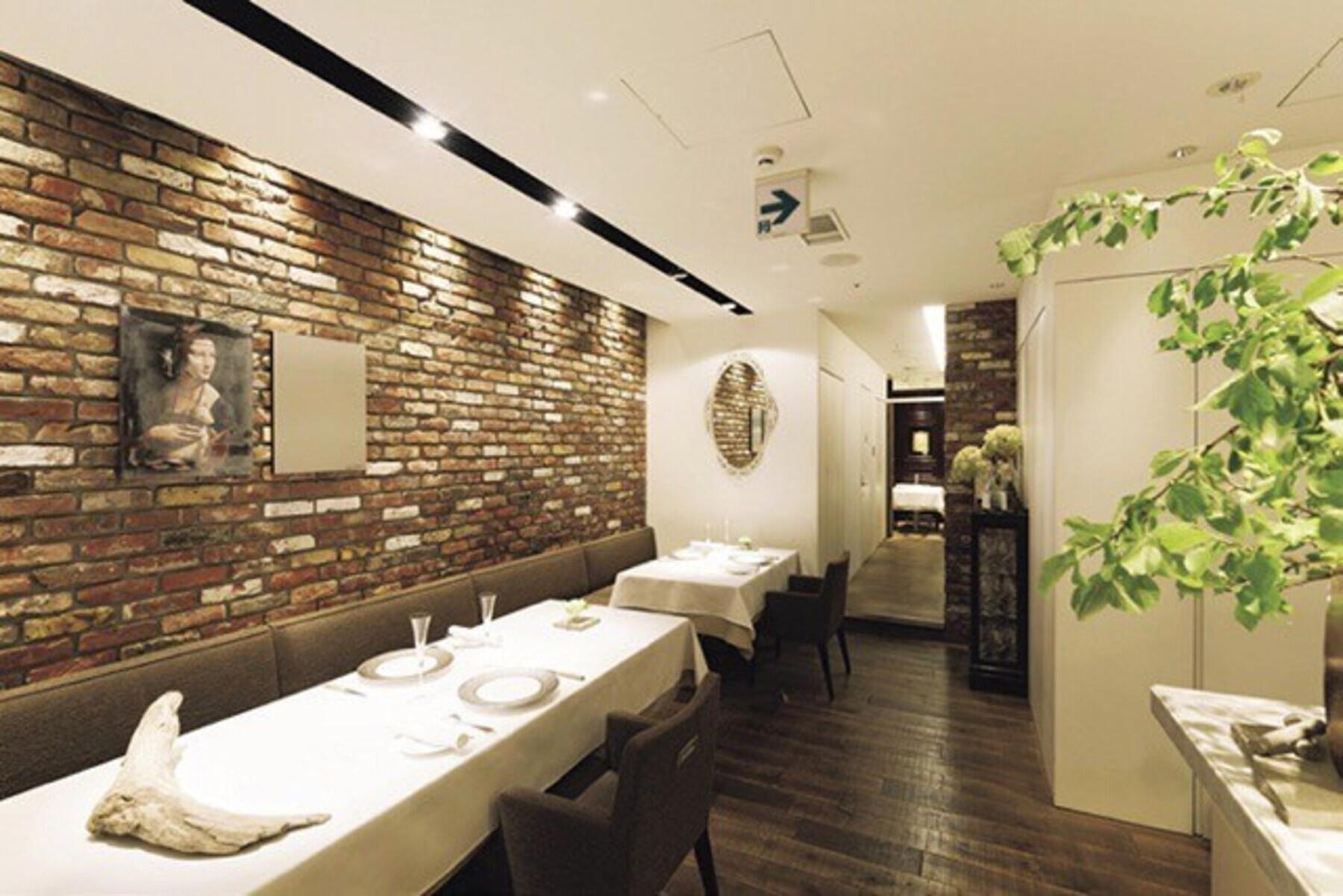
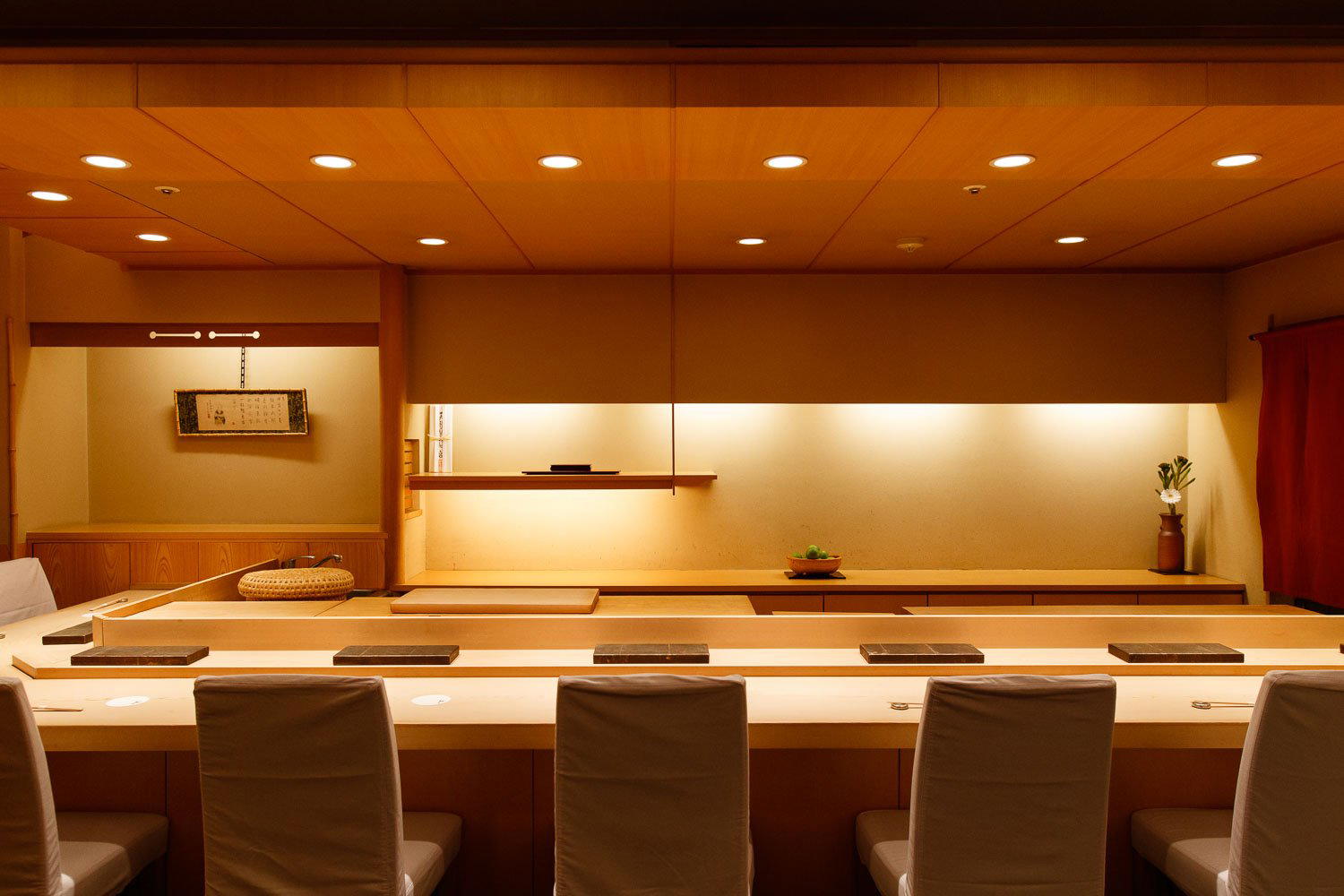
Susukino rewards diners who understand verticality. Some of the area’s serious meals happen above street level, away from the signs and taxi queues, in rooms that rely on reservations rather than passing foot traffic. A 13-seat capacity intensifies that effect here. Small restaurants in Japan are not automatically ambitious, but in a category like hot pot, limited seating changes service tempo. The room can run with closer pacing, less table churn, and a clearer sense that the pot is the evening’s structure rather than a dish among many.
There is also a practical cultural point hidden inside the format. Hokkaido’s cold-weather dining traditions make hot pot feel natural, but Sapporo’s visitor economy often reduces the city to crab, ramen, and grilled lamb. Lamb shabu-shabu asks for a different itinerary decision. It suits a traveller who has already eaten the obvious bowls and wants one dinner that connects local agriculture, winter appetite, and Japanese service discipline in a compact way. The Tabelog 100 hot pot selection matters here because it moves the restaurant from local curiosity into a judged national category, even without the global shorthand of Michelin-style recognition.
The drink program reads broadly rather than narrowly: sake, shochu, wine, and cocktails are all part of the listed offer, with particular attention noted across those categories. That breadth fits Sapporo’s current dining mood, where rigid pairings are less important than giving lamb several possible companions. Sake can emphasize broth and delicacy, shochu can handle fat and aroma, and wine gives the meal a more international register. The smarter takeaway is flexibility, not maximalism.
How to place it in a Sapporo itinerary
For a visitor building a serious Sapporo food run, this is a dinner to schedule when lamb is the subject rather than a side note. It pairs well with a broader view of the city’s range: spice and noodle specialists such as 175°DENO Tantanmen Sapporo kitaguchi ten, curry addresses including [Curry Senmon Ten] Maruyama Kyoju., Ajanta Indo Curry Ten, and Ajanta Sohonke, or a coastal detour to Aigues Vives. For planning beyond one meal, use Our full Sapporo restaurants guide, Our full Sapporo hotels guide, Our full Sapporo bars guide, Our full Sapporo wineries guide, and Our full Sapporo experiences guide.
The broader Japan comparison is useful, too. Hot pot and meat cookery change sharply by region and format: -Grilled beef Sukiyaki- KAMAKURA TANUKIAN 鎌倉 たぬき庵 in Kamakura frames beef through sukiyaki tradition, while. 鮪と炭火焼き うお炭 秋葉原店 in Tokyo points toward charcoal and seafood-led urban dining. Elsewhere.cafe in Osaka.know in Kumamoto, (Shoku) Vietnam in Kawasaki, and [ki:] in Kyoto show how sharply Japanese city dining can shift by genre. Even overseas references such as Jōdo Saké Bar in Los Angeles and Onigiri Time in Pasadena underline the same point: format is never neutral. It decides how an ingredient is understood.
The editorial verdict is simple. Sapporo has plenty of quick comfort meals and plenty of lamb cooked for groups. This address is for the night when Hokkaido lamb deserves a quieter frame, with hot pot as method rather than spectacle. The small capacity, reservation-only structure, local-lamb focus, and 2024 Tabelog hot pot recognition make it a precise choice for diners who want the city’s defining meat in a more controlled register.
Snapshot
Nearby venues at a similar price tier for orientation.
| Venue | Cuisine | Price | Notes |
|---|---|---|---|
| Dosan Youniku Kappou Lamb PirikaThis venue — the venue you are viewing | Japanese Lamb Kappou | $$$ | Not listed |
| Sushi Dokoro Ichii | Seasonal Hokkaido Sushi Counter | $$$ | Chūō |
| Yakiniku Gurumans Ito | Yakiniku (Japanese BBQ) | $$$ | Chūō |
| 鮨菜 和喜智 | Traditional Japanese Kaiseki | $$$ | Chūō |
| 麺屋 菜々兵衛 | Sapporo Chicken Paitan Ramen | $$ | Shiroishi-ku |
| 鮨こいせ | Edomae-style Omakase Sushi | $$$$ | Chūō |
Recognition history
Dated appearances from independent guides and award organizations, with the underlying list record or original source where available.
Tabelog 100 #97 · No. 97
Tabelog · Tabelog 100 - Hot Pot - 2024


At a Glance
- Modern
- Quiet
- Elegant
- Sophisticated
- Intimate
- Date Night
- Business Dinner
- Group Dining
- Special Occasion
- Standalone
- Local Sourcing
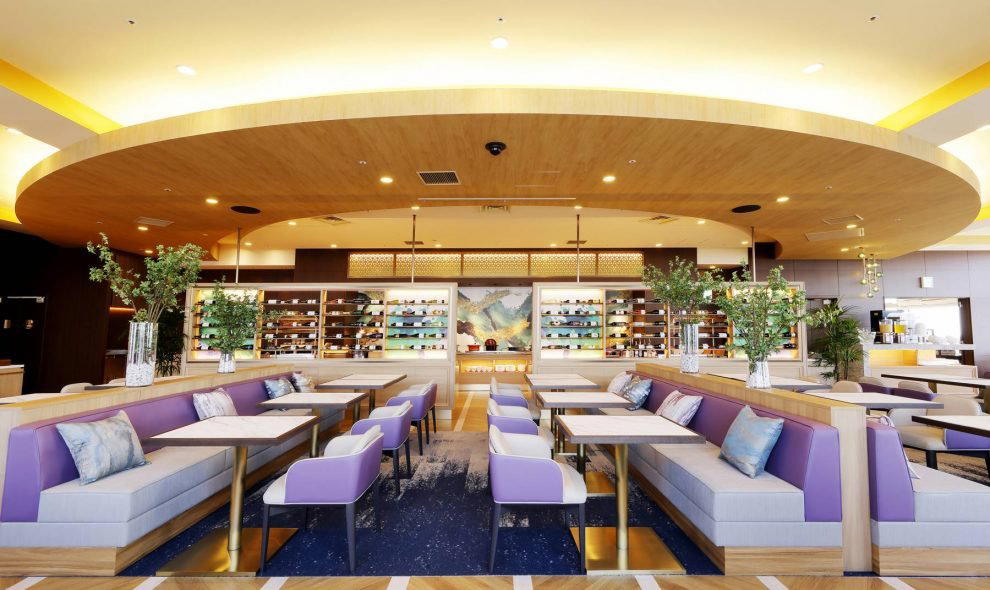
A calm Japanese modern space with flowing jazz, creating a refined and relaxed setting for lamb-focused kappou dining.