Situated in Kyoto's Higashiyama Ward along Miyagawasuji, 宝乃 operates within a dining tradition that prizes ingredient provenance above spectacle. The address places it in one of Kyoto's most historically layered neighbourhoods, where the sourcing logic of kaiseki-adjacent cooking has defined kitchen priorities for generations. For visitors tracking serious Japanese dining beyond the marquee counters, it merits close attention.
Pearl is the En Primeur Club membership app — saves, bookings, and concierge access live there. Same editors, same standards.
- Address
- Japan, 〒605-0801 Kyoto, Higashiyama Ward, Miyagawasuji, 3 Chome−283 ハクユウ宮川
- Phone
- +81755315999
- Website
- autoreserve.com
- Directions
- Get directions
 Saves & bookings on Pearl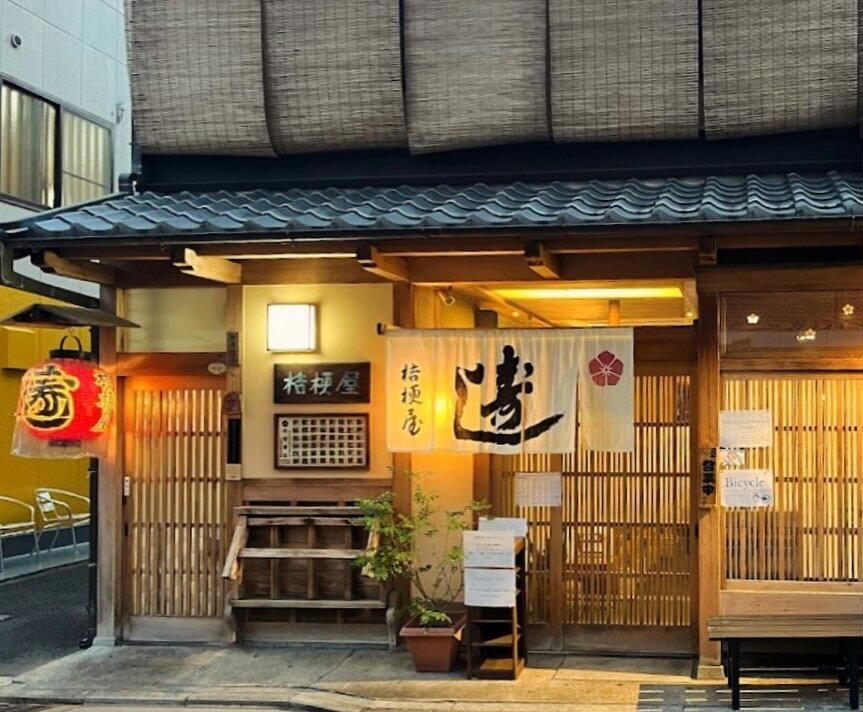
Miyagawasuji and the Provenance Question
宝乃 is a Chinese Restaurant in Kyoto’s Higashiyama Ward, at Japan, 〒605-0801 Kyoto, Higashiyama Ward, Miyagawasuji, 3 Chome−283 ハクユウ宮川. Higashiyama Ward sits on the eastern edge of Kyoto, where the city meets the Higashiyama mountain range and the density of shrines, machiya townhouses, and old craft workshops creates a neighbourhood texture unlike the hotel corridors of central Kawaramachi. Miyagawasuji, the street address for 宝乃, runs through a section of Higashiyama that has historically sat adjacent to Gion's entertainment district without fully belonging to it. That position matters in dining terms: the clientele tends to be local-leaning, the pace is quieter, and the implicit standard for sourcing is high precisely because regulars know what good looks like.
Kyoto's ingredient culture is not incidental to its cooking tradition; it is the tradition. The concept of kyoyasai, Kyoto vegetables, a designated category of heirloom cultivars tied to specific growing areas around the city, shapes menus across the price spectrum, from standing noodle counters to multi-Michelin kaiseki rooms. In the upper tiers, where 宝乃's address places it geographically if not yet by verified award status, the provenance conversation extends to river fish from the Hozu and Oi, mountain vegetables from Ohara and the Kitayama foothills, and tofu sourced from makers using Fushimi spring water. What a kitchen chooses to source, and from where, is the first editorial statement a serious Kyoto restaurant makes.
Where 宝乃 Sits in the Kyoto Dining Structure
Kyoto's upper dining tier is well-documented and intensely competitive. Gion Sasaki and Hyotei anchor the kaiseki end of that range, both carrying Michelin recognition and booking windows measured in months. Kikunoi Honten and Mizai occupy similar territory, where the ¥¥¥¥ price bracket signals a commitment to ingredient spend that the kitchen must then justify through execution. Isshisoden Nakamura adds a longer historical lineage to the comparable set.
What the Higashiyama address on Miyagawasuji does indicate is that it operates in a neighbourhood where the surrounding competitive context is kaiseki and traditional Japanese formats. Restaurants in this corridor do not succeed on foot traffic alone; they survive on repeat local custom and word-of-mouth referral, which imposes its own standard on ingredient selection. The address is, in this sense, a form of editorial positioning.
Across Japan's broader serious dining circuit, the provenance-first approach that defines Kyoto's upper restaurants appears in different regional expressions. HAJIME in Osaka runs an ingredient sourcing program that is among the more documented in western Japan. Goh in Fukuoka leans into Kyushu's agricultural and coastal specificity with comparable intensity. akordu in Nara brings a European framework to Yamato region ingredients, producing a different but structurally similar argument about place and produce. These are not direct competitors to a Kyoto neighbourhood restaurant, but they define the conversation within which any serious Japanese kitchen is now evaluated.
The Ingredient Logic of Higashiyama Dining
The sourcing discipline that Kyoto's serious kitchens exercise is partly seasonal and partly geographic. Spring brings takenoko (bamboo shoots) from Nishiyama, considered among the leading in Japan for their tenderness and low bitterness. Summer shifts the focus to Kamo eggplant and Manganji sweet peppers. Autumn delivers matsutake mushrooms from the surrounding mountain forests, a product whose domestic price can reach multiples of what international visitors expect. Winter centres on yudofu and the quiet precision of root vegetables and preserved ingredients.
For a kitchen operating on Miyagawasuji, access to these ingredients is not logistically difficult; Kyoto's wholesale markets and direct producer relationships are well-established. The differentiating factor between kitchens is what they do with that access: which producers they commit to, how far in advance they plan menus around harvest windows, and how honestly they let ingredient quality drive the meal's structure rather than imposing a predetermined format onto whatever arrives. That discipline is the harder thing to sustain, and it is what separates the serious rooms from those trading on neighbourhood prestige alone.
Japan's broader ingredient-led dining movement also draws on farms and fisheries far outside the immediate region. Harutaka in Tokyo demonstrates how a counter built around single-sourced fish relationships can define a kitchen's identity as completely as any technique. In Nanao, 一本杉 川島 draws on the Noto Peninsula's notable seafood provenance. 湖畔荘 in Takashima, on the shores of Lake Biwa, sources from one of Japan's most historically significant freshwater ecosystems. These regional dining rooms share a structural logic with Kyoto's leading kitchens: the place of origin is embedded in the meal itself.
Planning a Visit
Higashiyama is most effectively reached on foot or by taxi from central Kyoto. The ward's narrow lanes do not accommodate cars easily, and the walk from Gion-Shijo Station takes under fifteen minutes along routes that pass through some of the city's most photographed streetscapes. Evening arrivals in the area tend to quieten substantially after the daytime tourist traffic clears, which changes the character of the neighbourhood significantly, by 19:00 the lanes around Miyagawasuji carry a local, residential quality that the afternoon crowds obscure.
Know Before You Go
- Address: Miyagawasuji, 3 Chome-283, Higashiyama Ward, Kyoto 605-0801
- Neighbourhood: Higashiyama Ward, eastern Kyoto, walkable from Gion-Shijo Station
- Leading timing: Evening visits capture the neighbourhood at its quietest; daytime foot traffic in Higashiyama is heavy year-round
- Booking:
- Nearby context: Gion Sasaki and Kikunoi Honten define the upper benchmark for the surrounding area
At a Glance
Comparable venues nearby, for context on price, style, and recognition.
| Venue | Cuisine | Price | Notes |
|---|---|---|---|
| å®ä¹This venue — the venue you are viewing | Higashiyama, Chinese Restaurant | Not listed | Not listed |
| Din Tai Fung (鼎泰豊) | Shimogyo-ku, Taiwanese Dim Sum | $$ | Not listed |
| 微風台南 | 上京区, Authentic Taiwanese Street Food | $$ | Not listed |
| Madam Koran | Not listed | $$$ | Nakagyō, Kyoto-style Chinese in a traditional machiya |
| China Sichuan Rakuda | Sakyō, Authentic Sichuan Chinese | $$ | Not listed |
| Ito Sen | Not listed | $$ | Kamigyō, Kyoto-style Chinese (Cantonese influence) |
Continue exploring
More in Kyoto
Restaurants in Kyoto
Browse all →
Bars in Kyoto
Browse all →


Hotels in Kyoto
Browse all →
Wineries in Kyoto
Browse all →
At a Glance
Standard restaurant atmosphere with table service.