Our verdict
In Sakai, Fukui, a quieter coastal city whose dining scene rewards patient research, リーノ occupies a residential address on Maruokacho that gives little away from the street. The restaurant sits in the smaller, harder-to-find tier of provincial Japanese dining: places that operate without an English website, without a published phone number, and without any of the scaffolding that makes booking straightforward for international visitors.

Pearl is the En Primeur Club membership app, where members save venues, book tables and use the concierge.
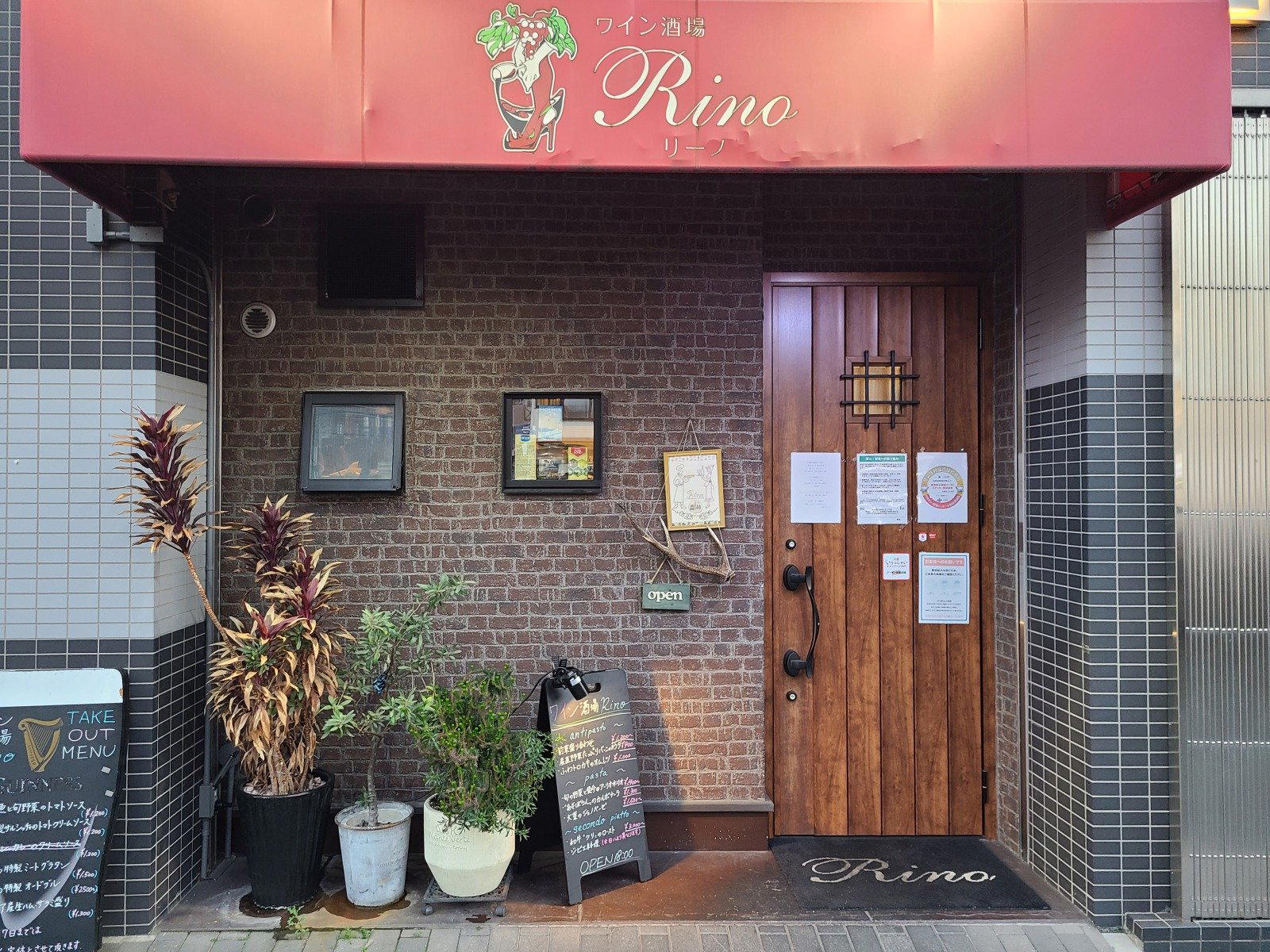
The Effort Required to Eat Here Is Part of the Point
Sakai, in Fukui Prefecture, is not a city that organises itself around outside visitors. There is no tourist infrastructure designed to surface its better restaurants, no English-language booking portals routing reservations into its dining rooms, and no critical apparatus translating what happens here for readers outside Japan. That opacity is not a bug in the system. Fukui has long operated as a place where serious food exists in deliberate proximity to the people who already know where to find it. リーノ, at its address on Maruokacho in the Kasumicho district, sits squarely inside that model.
Arriving in Sakai itself requires a decision. The city is accessible via the Hokuriku Shinkansen corridor that now links Fukui Prefecture more directly to Kanazawa and Tsuruga, a line extension completed in March 2024 that modestly reduced journey times from Tokyo. From Fukui Station, Sakai sits a short distance north along the coast. The geography is flat, the streets residential, and nothing about the area signals a dining destination to anyone approaching without prior knowledge. That is precisely the point.
Where リーノ Sits in Sakai's Dining Tier
Sakai's restaurant scene is small enough that its serious options are quickly mapped. The city hosts a narrow band of places worth a specific trip: Kawaki, which focuses on local seafood in a format tuned to Fukui's exceptional fishing waters, and Oga, which operates within the broader neighbourhood. Birdland, Domani, and Ootoku fill out the shorter list of venues where the cooking is taken seriously enough to warrant planning around. リーノ occupies a position in this compact set that can only be properly understood by visiting, since the venue's public data footprint, no website, no listed phone number, no cuisine category in any aggregator, is essentially zero.
That absence of data is not unusual for this tier of regional Japanese dining. Across the country, the smaller independent restaurants operating at the most serious level often have minimal digital presence by design. Booking runs through local knowledge, through Japanese-language reservation platforms, or through the kind of persistent contact that requires either Japanese language skills or a hotel concierge with established local relationships. For the full picture of what Sakai's restaurant scene offers, including context on how to approach venues of this type, the EP Club Sakai guide is the more practical starting point.
Planning a Visit: What International Visitors Need to Know
The booking challenge at リーノ is representative of a broader pattern in provincial Japanese fine dining. Unlike the omakase counters of central Tokyo, where venues such as Harutaka have developed English-language booking options or operate through established intermediaries, or the higher-profile regional restaurants like Gion Sasaki in Kyoto or HAJIME in Osaka, a venue in Sakai at this level will not have infrastructure in place for visitors who do not already speak Japanese. The same pattern holds at restaurants like akordu in Nara or Goh in Fukuoka, though both of those venues have at least some traceable public presence. リーノ, at the time of writing, has none of the standard signals that international trip-planners rely on.
That means the practical approach is to treat the reservation process as the first test of whether this visit is genuinely feasible. Options include: contacting the hotel concierge at your Fukui base well in advance, using a reservation service that specialises in harder-to-book Japanese restaurants, or working through a Japanese-speaking contact who can make a direct inquiry. Attempting to walk in without a reservation at a restaurant of this type in a city of this size is unlikely to succeed, particularly during Fukui's crab season in winter, when demand across the prefecture's leading tables increases sharply. The snow crab harvested from the Sea of Japan off Fukui, branded locally as Echizen crab, drives significant competition for seats at any serious dining room in the prefecture between November and March.
The Regional Context That Makes Fukui Worth the Effort
The argument for coming to Sakai at all rests on Fukui's position as one of Japan's genuinely undervisited food prefectures. The combination of exceptional seafood from cold, deep Sea of Japan waters, local rice that supports strong sake production, and a culinary culture that has not been significantly altered by tourism creates conditions that tend to produce serious, ingredient-led cooking at prices considerably lower than Kyoto or Tokyo equivalents. Venues operating at this level in more prominent cities carry pricing structures that reflect both rent and profile: comparable restaurants in the Kansai region or in Nanao on the Noto Peninsula benchmark against different competitive sets. In Fukui, the overhead is lower and the produce, in season, is among the most sought-after in Japan.
That broader picture is what makes the effort of researching and booking a restaurant like リーノ rational. The dining scenes in cities like Sapporo, where restaurants such as 夕朝山乃 have developed a profile, or in smaller regional centres like Takashima and Nishikawa Machi reward visitors who treat the research itself as part of the trip. Fukui is no different. The work is done before arrival; the meal is the payoff.
For those building a broader Kansai and Hokuriku itinerary, the March 2024 Shinkansen extension makes combining Fukui with Kanazawa or Kyoto more practical than it was previously. That routing allows a multi-city dining trip that might include one of the long-established kaiseki traditions of the Kansai corridor, a night in Kanazawa for its own serious food culture, and a short detour into Fukui for something that the guidebooks have not yet processed.
Practical Notes
No phone number, website, or booking platform is currently listed for リーノ. The address, 4 Chome-23 Maruokacho Kasumicho, Sakai, Fukui, places the restaurant in a residential district of the city. Visiting Sakai as a base is possible; Fukui city, roughly thirty kilometres south, has wider accommodation options and direct Shinkansen access. Any visit to リーノ should be treated as requiring a confirmed reservation arranged through an intermediary with Japanese language capacity. Attempting to contact the venue without Japanese language ability, or without an established local contact, is not a viable approach. For comparison, consider how international visitors approach comparable-tier reservations at Bistro Ange in Toyohashi or at venues in smaller Japanese cities generally: the pattern is the same. Advance planning, local contacts, and willingness to work outside standard booking infrastructure define the experience before the meal begins. See also the EP Club guides to Le Bernardin in New York and Atomix in New York for examples of how venues at very different scales communicate their booking requirements to international guests, the contrast with a Sakai restaurant of this type is instructive. See the 湖畔荘 in Takashima for another example of the regional Japanese format.
Frequently asked questions
Can I bring kids to リーノ?
No specific policy is listed for リーノ, but the address in Sakai's Maruokacho district and the restaurant's position in the city's narrow tier of serious dining suggest an adult-oriented setting. Provincial Japanese fine dining at this level typically runs as an intimate counter or small dining room where the focus is on the meal itself. Families travelling with young children should confirm directly before visiting, booking channels for リーノ are not publicly listed, which means contact requires local assistance or advance research.
What's the vibe at リーノ?
Sakai is a working city in Fukui Prefecture with no tourist infrastructure built around its restaurant scene, and リーノ reflects that context: this is not a venue performing for outside attention. Expect the measured, unhurried pace that characterises serious provincial Japanese dining, where the room is small and the service is direct. The address in Maruokacho places it away from any obvious foot traffic, which keeps the atmosphere self-contained and local in character.
How do you actually book a table at リーノ in Sakai, Fukui?
No phone number, website, or online reservation platform is currently on record for リーノ, which is consistent with how many serious provincial Japanese restaurants operate, word of mouth and local intermediaries matter more than digital listings. International visitors planning a trip to Sakai, Fukui specifically to eat here should allow significant lead time and consider working through a hotel concierge in Fukui City or a Japan-based travel specialist. Walk-ins at this calibre of Sakai dining are unlikely to succeed.
What should I order at リーノ?
Fukui Prefecture supplies some of Japan's most prized ingredients, including its own branded snow crab (Echizen crab, certified and season-restricted) and aged soba from the Reihoku highlands, and restaurants at this tier in the prefecture tend to anchor their menus in those regional products. Follow the kitchen's lead rather than arriving with a fixed order in mind.
What's the address for リーノ?
リーノ is located at 4 Chome-23 Maruokacho Kasumicho, Sakai, Fukui 910-0231, Japan, Sakai.
At-a-Glance Comparison
Comparable venues nearby, for context on price, style, and recognition.
| Venue | Cuisine | Price | Awards | Notes |
|---|---|---|---|---|
| リーノThis venue (the venue you are viewing) | Italian | $20–30 | Not listed | Not listed |
| Birdland | Authentic Neapolitan Pizza | $30–50 | Tabelog 100 #74 | Mikunicho Midorigaoka |
| Domani | Italian Trattoria | $10–20 | Not listed | Harue |
| Yasuke | Traditional Sakai Sushi | $150–200 | Tabelog 100 #92 | Ocho Higashi, Sakai-ku |
| Ootoku | Seafood Japanese with Sea Views | $30–50 | Not listed | Mikuni Minato |
| そば処盛安 | Traditional Handmade Soba | $10–20 | Tabelog 100 #85 | Mikuni |
Continue exploring
More in Sakai
Restaurants in Sakai
All restaurants in Sakai →
Details
- Cozy
- Elegant
- Casual Hangout
- A La Carte
Current opening hours
- Monday
- 11 AM–2 PM, 5:30–8:30 PM
- Tuesday
- Closed
- Wednesday
- 11 AM–2 PM, 5:30–8:30 PM
- Thursday
- 11 AM–2 PM, 5:30–8:30 PM
- Friday
- 11 AM–2 PM, 5:30–8:30 PM
- Saturday
- 11 AM–2 PM, 5:30–8:30 PM
- Sunday
- 11 AM–2 PM, 5:30–8:30 PM
Hours can change for holidays and private events. Hours as of .
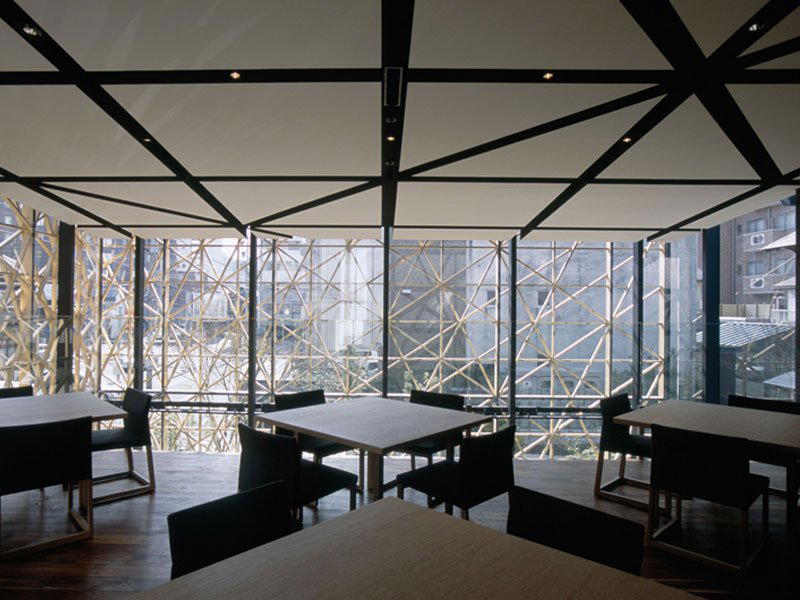
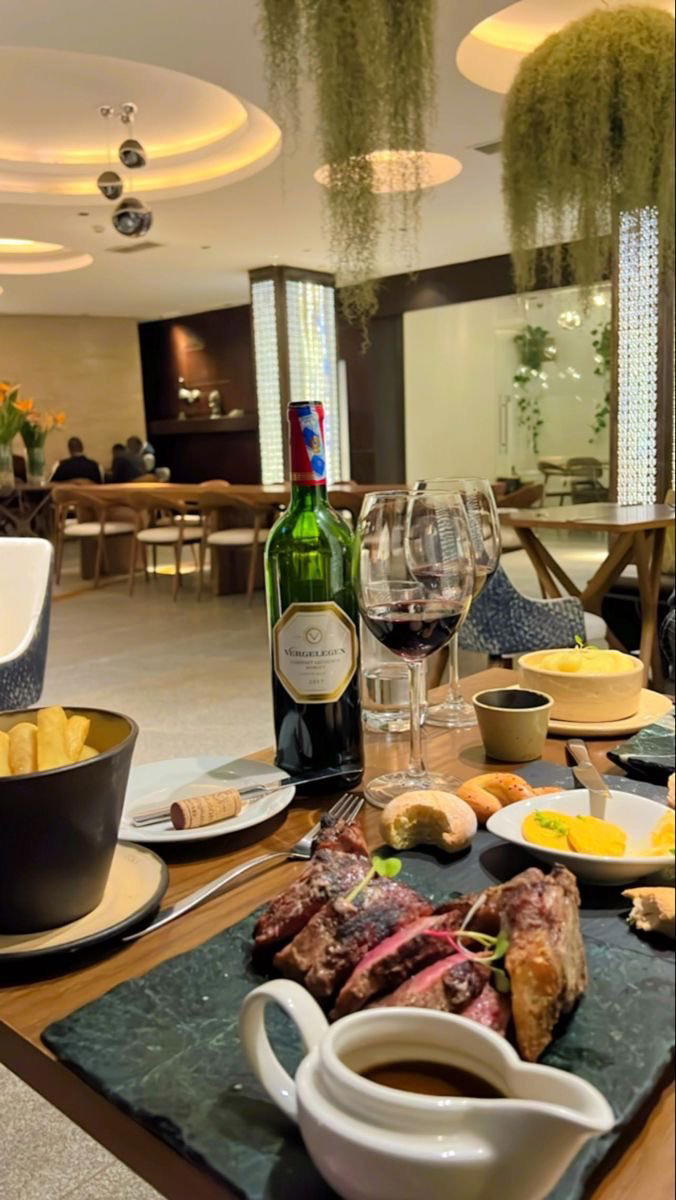
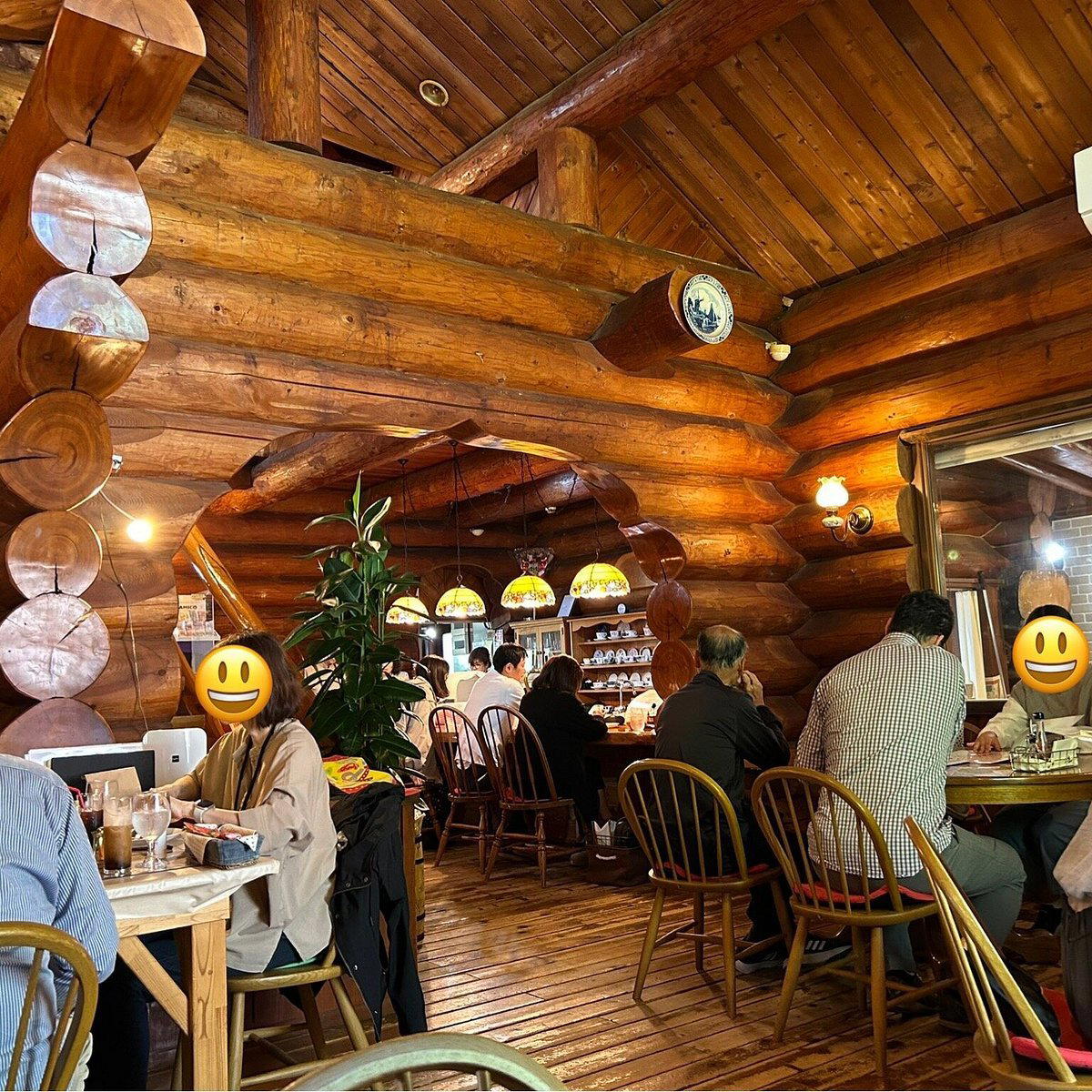
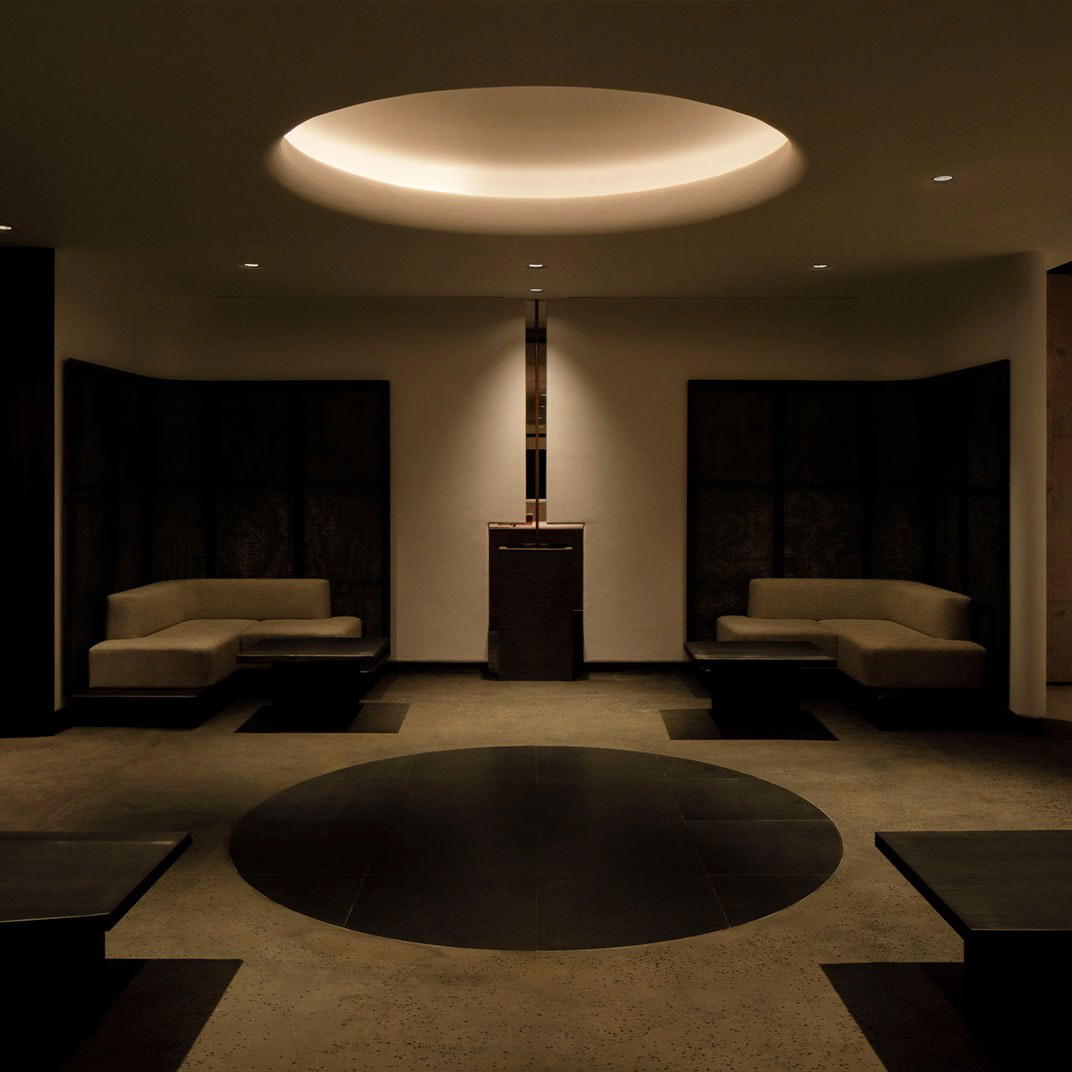
Stylish space with sofa seating creating a cozy atmosphere.