店小二魯肉飯
店小二魯肉飯 focuses on Taiwanese Braised Small Intestine and Braised Pork Intestines in Sanchong District. Casual service and a conversational room fit lunch or dinner.
Pearl is the En Primeur Club membership app — saves, bookings, and concierge access live there. Same editors, same standards.
- Address
- No. 27, Datong N Rd, Sanchong District, New Taipei City, Taiwan 241
- Phone
- +886229845567
- Website
- m.facebook.com
- Directions
- Get directions
 Saves & bookings on Pearl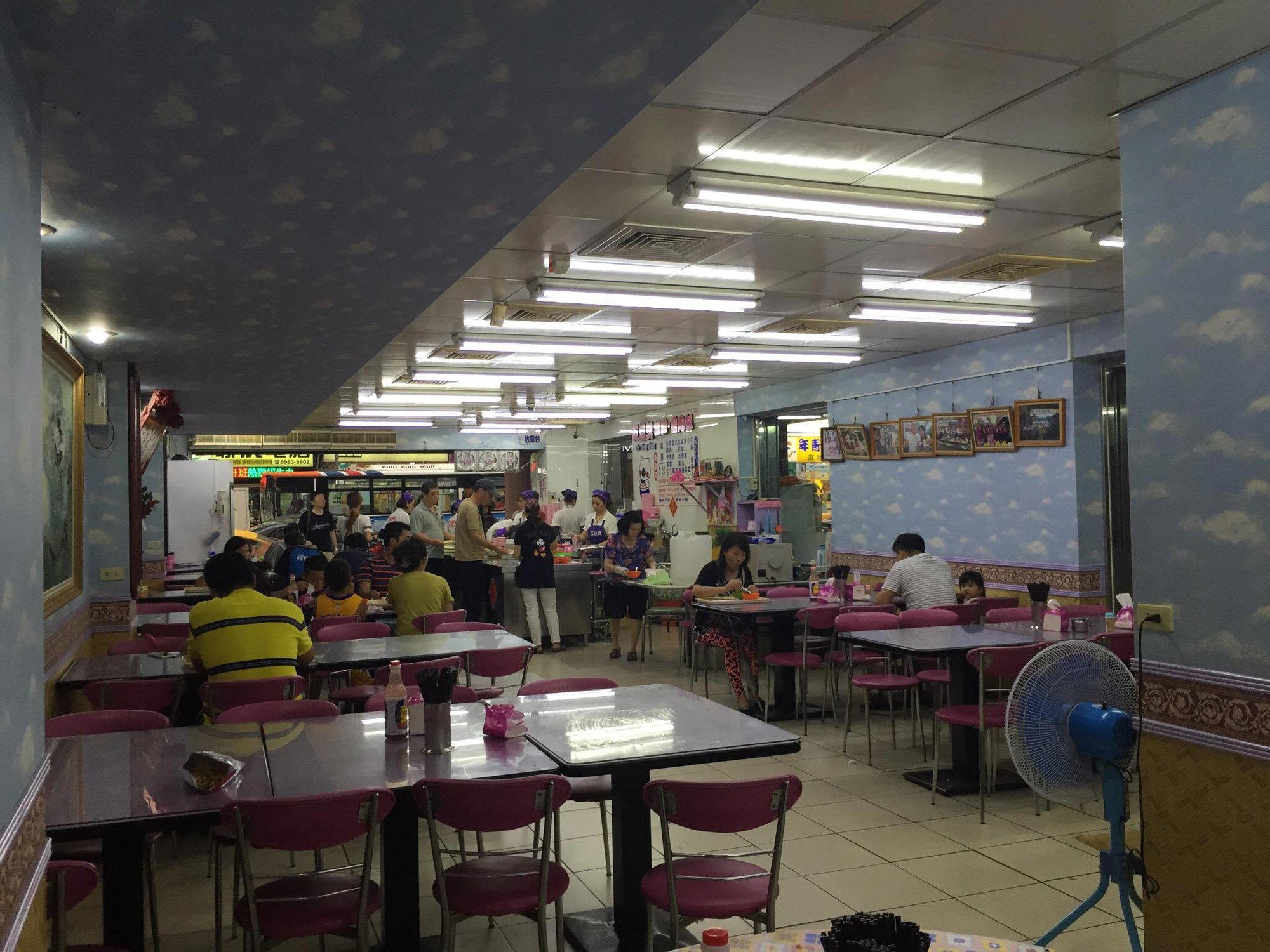
Sanchong District and the Craft of the Everyday Seafood Kitchen
Datong North Road in Sanchong District sits outside the circuits that draw visitors to central Taipei, yet the dense residential blocks around it sustain a particular category of Taiwanese eating house: places that have earned their regulars through repetition and consistency rather than press coverage or award cycles. 店小二魯肉飯 occupies this register. The address, No. 27 on Datong North Road, is the kind of spot you arrive at because someone local pointed you there. That provenance matters more than it sounds. In Taiwan, particularly durable seafood kitchens tend to live in exactly this kind of working neighbourhood, where the supply chain is short, the clientele is local, and the pressure to perform for tourists is absent.
Where the Ingredients Come From, and Why That Shapes the Plate
Sanchong sits on the western bank of the Danshui River estuary, close enough to the coast and to the wholesale fish markets that serve greater Taipei to give kitchens here meaningful access to morning-landed catch. This geography has historically shaped the seafood eating culture of the area. Taiwanese seafood restaurants operating in this tier, rather than the high-end omakase counters you find in Da'an or Zhongshan, tend to source from local auction markets or from suppliers with whom they have long-standing informal arrangements. The result is a kitchen that responds to what is available rather than working from a fixed menu, a pattern common to the leading working-class seafood houses along Taiwan's river and coastal fringe.
This sourcing logic, built on proximity and relationship rather than prestige branding, is the same underlying principle that animates more celebrated Taiwanese addresses. Akame in Wutai Township and AKAME in Neipu both anchor their menus to hyperlocal, relationship-sourced ingredients; so does Shen Yen in Yilan, where Yilan County's agricultural specificity defines the cooking. At different price points and with different culinary ambitions, these kitchens share a commitment to ingredient provenance that runs through Taiwanese cooking at its most grounded. åºå°äºé¯è飯 operates in the neighbourhood-kitchen version of this tradition rather than the fine-dining version, but the underlying logic is recognisable.
How Sanchong Fits into New Taipei's Eating Fabric
New Taipei as an administrative entity is among the more populated urban zones in Taiwan, yet its dining scene receives far less editorial attention than Taipei proper. This is partly a function of geography: the city sprawls across districts with different characters, from the mountain-and-hot-spring quiet of Wulai District to the coastal fishing village feel of Gongliao District, and Sanchong sits in the densely urban middle, without a signature landscape to attract the food-travel narrative. What it does have is a concentrated residential population that demands honest, consistent cooking at accessible prices. Chi Yuan in New Taipei represents one pole of the city's range; neighbourhood seafood houses like åºå°äºé¯è飯 represent another.
Within Sanchong itself, the dining options cluster around the practical end of the spectrum. Nearby addresses worth noting include ä»å¤§é¯è飯 and å èè ¿åº«, both of which operate in a similar neighbourhood-kitchen register. The concentration of seafood-focused restaurants in this part of New Taipei reflects both the proximity to supply and the demographics of a district where home cooking and eating out exist on the same practical continuum. For a fuller picture of where this fits,
The Broader Taiwan Context: From Neighbourhood Tables to National Recognition
Understanding what a place like åºå°äºé¯è飯 represents requires some grounding in where Taiwan's seafood restaurant culture sits as a whole. At the recognised best of the national dining scene, kitchens like logy in Taipei and JL Studio in Taichung have built international reputations by applying fine-dining technique to Taiwanese and regional ingredients. GEN in Kaohsiung and Amei in Tainan anchor themselves in specific city identities while competing at a regional level. Further afield, internationally recognised seafood-focused kitchens such as Le Bernardin in New York City set a global benchmark for what precision sourcing and technique can produce when applied to fish and shellfish.
None of that is the category åºå°äºé¯è飯 occupies, and that distinction is not a criticism. Taiwan's food culture has always depended on a healthy mid-to-low tier of working kitchens, the cháo restaurant, the seafood house, the overnight congee stall, to keep the everyday eating culture coherent. The fine-dining tier draws on the same regional ingredients and the same sourcing relationships, translated upward through technique. At neighbourhood level, the translation is more direct: the fish is fresh because it came in this morning, not because a chef has constructed a philosophy around it.
Planning a Visit to Datong North Road
The Sanchong District address places 店小二魯肉飯 within reach of central Taipei via the Taipei MRT, with Sanchong stations on the O and F lines providing direct cross-river access from Zhongshan and Minquan West Road. The address on Datong North Road is precise enough to locate via standard mapping applications. Pricing sits around US$8 per person.
Comparison Snapshot
Comparable venues nearby, for context on price, style, and recognition.
| Venue | Cuisine | Price | Notes |
|---|---|---|---|
| 店小二魯肉飯This venue — the venue you are viewing | Taiwanese Braised Small Intestine | $ | Not listed |
| å èè ¿åº« | chinese | $ | Sanchong District |
| 今大魯肉飯 | Taiwanese Shark Meat Rice | $$ | Sanchong District |
| 站食可以 stand & eat | Hainanese Chicken Rice | $ | Gongguan |
| Shihding Hsu's Handmade Noodle Company | Traditional Taiwanese Handmade Noodles | $ | Shiding District |
| 四鄉五島馬祖麵店 | Matsu-Style Black Sesame Noodles | $ | Zhongshan District |
Continue exploring
More in Sanchong District
Restaurants in Sanchong District
Browse all →
Bars in Sanchong District
Browse all →
Hotels in Sanchong District
Browse all →

Wineries in Sanchong District
Browse all →
At a Glance
- Cozy
- Casual Hangout
- Family
Casual and homey with simple lighting and a neighborhood feel.