Duan Chun Zhen
Duan Chun Zhen sits within Hsinchu's quieter but increasingly serious dining circuit, where Taiwanese culinary tradition intersects with local sourcing discipline. The restaurant draws from the city's position between the agricultural corridors of Miaoli and the seafood channels of the west coast, placing ingredient provenance at the centre of its approach. For visitors exploring beyond Taipei, it represents a compelling reason to spend time in a city more often associated with semiconductors than with serious food.

Pearl is the En Primeur Club membership app — saves, bookings, and concierge access live there. Same editors, same standards.
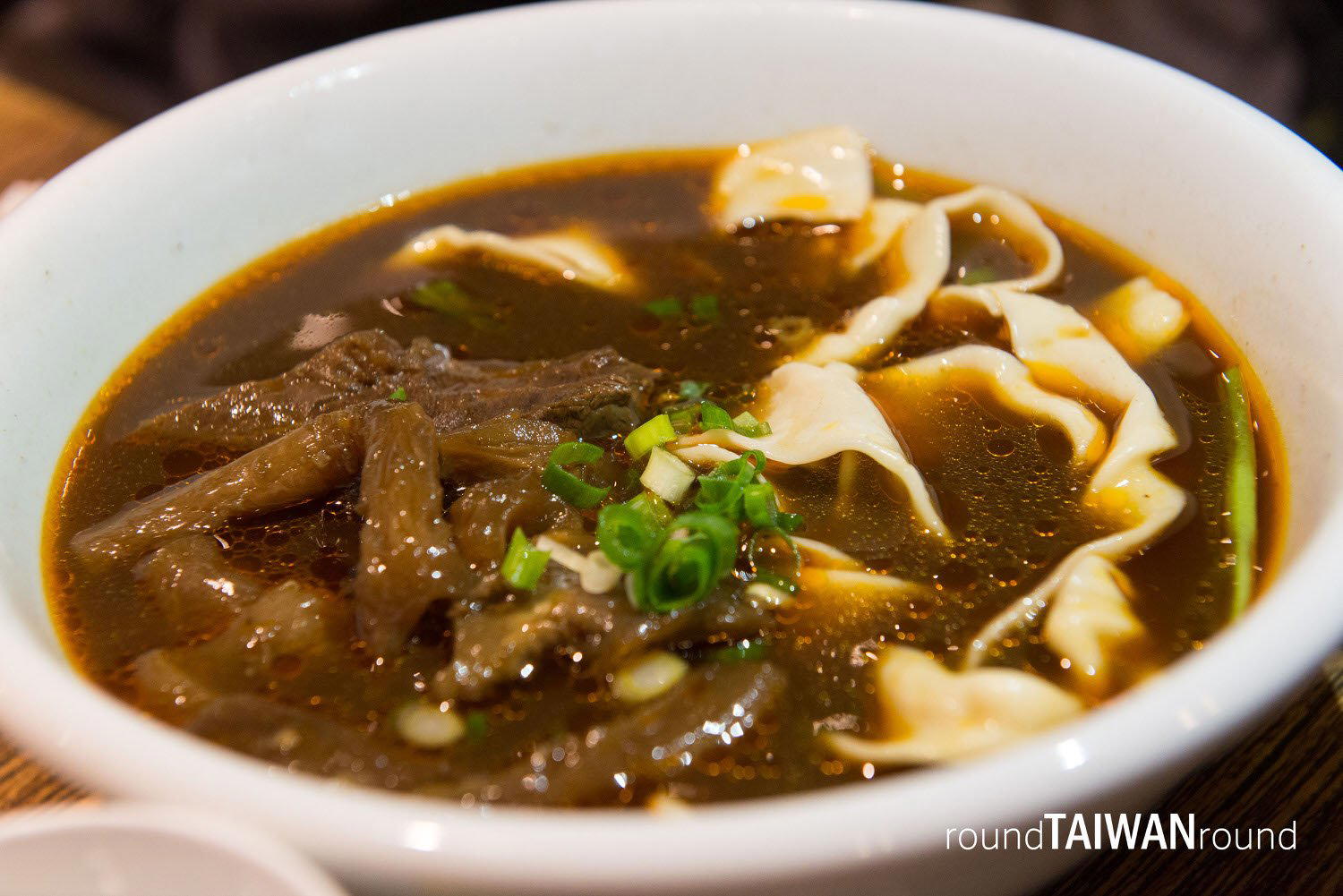
Where Hsinchu's Food Scene Earns Its Seriousness
Hsinchu occupies an unusual position in Taiwan's dining conversation. The city is known internationally for its science park, but the same density of educated, well-travelled residents that built that industrial cluster has quietly sustained a food culture with genuine range. The corridor between Hsinchu and Zhubei City has seen a steady accumulation of restaurants that operate at a level more commonly associated with Taipei or Taichung, drawing on the region's access to west-coast seafood, Miaoli agricultural produce, and the Hsinchu plains' own vegetable cultivation. Duan Chun Zhen fits inside this pattern, a restaurant that positions ingredient sourcing as its primary editorial statement rather than a supporting note.
Approaching the broader category that Duan Chun Zhen represents, Taiwanese cuisine grounded in local procurement, it is worth understanding what that means in practical terms in this part of the island. Hsinchu sits within reach of fishing harbours that supply some of Taiwan's better rice-paddy eel and mullet roe, and the surrounding townships are serious producers of rice, sweet potato, and seasonal brassicas. Restaurants in this region that commit to hyperlocal sourcing are not performing a trend; they are working with supply networks that have existed for generations, often through direct relationships with producers rather than through wholesale intermediaries. That specificity is what separates the better tables here from the generically competent.
Ingredient Provenance as the Organising Principle
In the broader context of Taiwanese dining, the sourcing-led approach that defines restaurants like Duan Chun Zhen has developed alongside, but distinctly from, the modernist Taiwanese wave represented by places like logy in Taipei or the cross-cultural format of JL Studio in Taichung. Those restaurants treat Taiwanese ingredients as raw material for formal innovation. The tradition the restaurant appears to align with is different in emphasis: the cuisine itself is the frame, and sourcing discipline is the means of expressing fidelity to it rather than departure from it.
This distinction matters when calibrating expectations. Dining in Hsinchu at a restaurant operating in this register is not the same experience as eating at a high-concept tasting counter in Taipei's Da'an district. The reference points are different. Comparison venues like GEN in Kaohsiung show how southern Taiwan has built its own serious dining identity around local product; Hsinchu's version of that identity is shaped by different geography and a more restrained public profile. That lower profile is partly why the city's better restaurants reward visitors who seek them out deliberately rather than stumbling in from a Taipei day trip.
Reading the Room: Atmosphere and Format
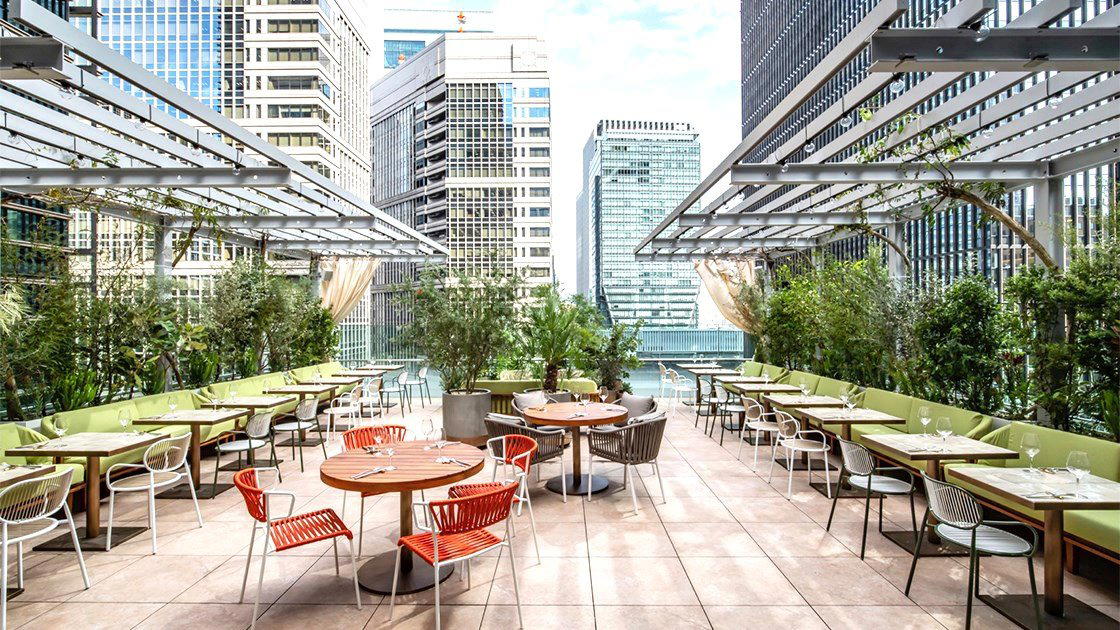
Taiwanese restaurants that anchor their identity in traditional cuisine and local sourcing tend toward a particular visual register: warm materials, restrained decoration, an emphasis on the table rather than the room. The logic is consistent with the food's priorities. When what is on the plate is meant to speak to a specific origin, the environment typically refuses to compete with it. That pattern holds across the category from Taipei's older Taiwanese fine-dining houses to newer regional tables like 鮮蔬覓仟惠食 in nearby Zhubei City, where the dining room is deliberately calibrated to direct attention toward the food rather than the setting.
What the city context does suggest is that restaurants in Hsinchu's middle-to-upper tier tend to operate in relatively intimate formats, with service that reflects the professional but unhurried rhythm characteristic of Taiwanese hospitality outside of Taipei's more frenetic pace. That rhythm suits the sourcing-led approach: when the kitchen is working with seasonal and sometimes limited-supply ingredients, a menu that changes according to availability requires a service team that can communicate those changes confidently and without friction.
How Duan Chun Zhen Sits in the Regional comparable set
Taiwan's non-Taipei dining circuit has attracted more serious attention in recent years, partly driven by the Michelin Guide's expansion beyond the capital. Taichung's inclusion in the guide brought international attention to restaurants like 東湖龍大古早味仔糕 in Taichung City, demonstrating that the island's culinary depth extends well beyond Taipei's Xinyi and Da'an districts. Hsinchu has not yet received the same level of institutional recognition, but its food culture operates on terms the city sets for itself rather than by reference to what earns points in a capital-city guide.
In that context, the restaurant occupies a position analogous to what the better sourcing-led Taiwanese tables represent in other cities: a restaurant whose value is legible to visitors who understand the tradition it is working within. That peer group includes places like Golden Formosa Taiwanese Cuisine in Shilin, which has maintained a similar commitment to classical Taiwanese technique, and the more rural-facing approach of 松竹粿食 in Hengshan, which operates just south of Hsinchu in territory that overlaps with the same agricultural suppliers. The through-line across these venues is a shared conviction that Taiwanese cuisine is specific enough, and its ingredients regional enough, that sourcing fidelity is not optional but constitutive of the food itself.
For travellers who have already oriented themselves to Taiwan's upper tier through restaurants like CASA in Chiayi or explored the Taipei end of the spectrum with reference points like Le Bernardin in New York City or Atomix as calibration points for what serious sourcing means in other contexts, Hsinchu's better tables offer a grounded counterpoint. The scale is different, the register more intimate, and the connection to local agriculture more immediate.
Planning Your Visit
Hsinchu is accessible from Taipei in under an hour by Taiwan High Speed Rail, making it practical as a dedicated dining excursion rather than an overnight requirement. The city's most concentrated dining activity runs between the old city centre and the Zhubei development to the east. Direct contact with the restaurant is advisable before arrival, particularly if your itinerary is time-constrained. Seasonal ingredient availability means menus at restaurants in this category can shift without much advance notice, and verifying what is on offer at the time of your visit is a reasonable precaution.
Comparable Venues
Comparable venues nearby, for context on price, style, and recognition.
| Venue | Cuisine | Price | Awards | Notes |
|---|---|---|---|---|
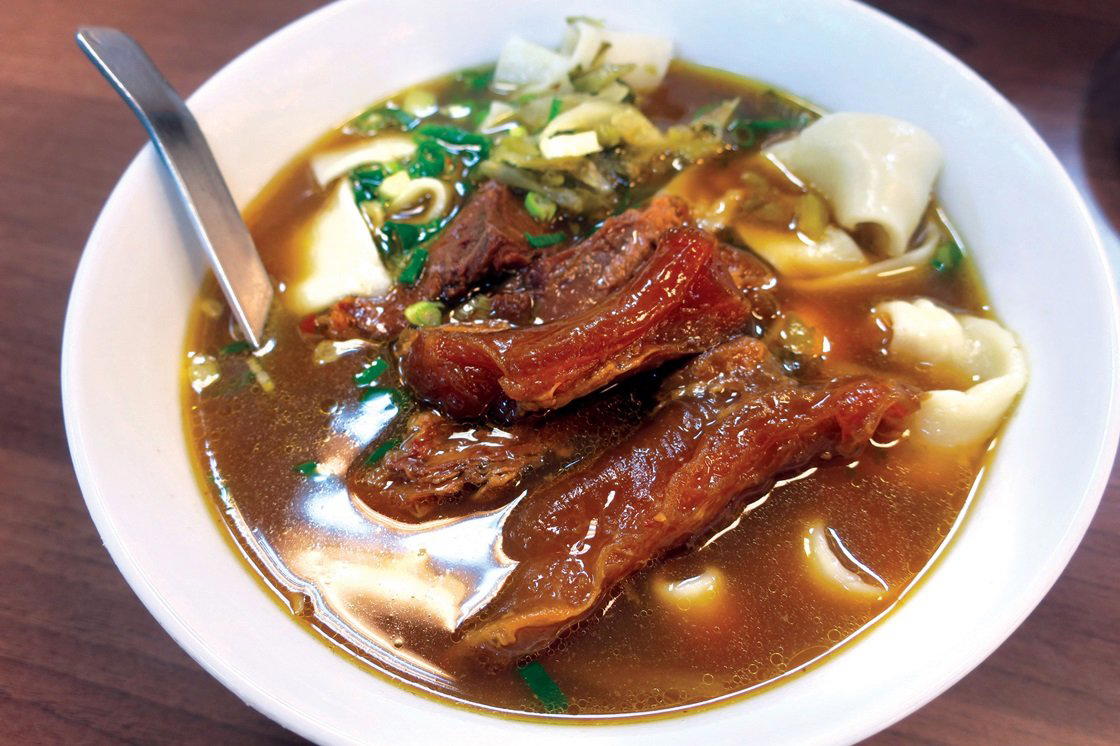
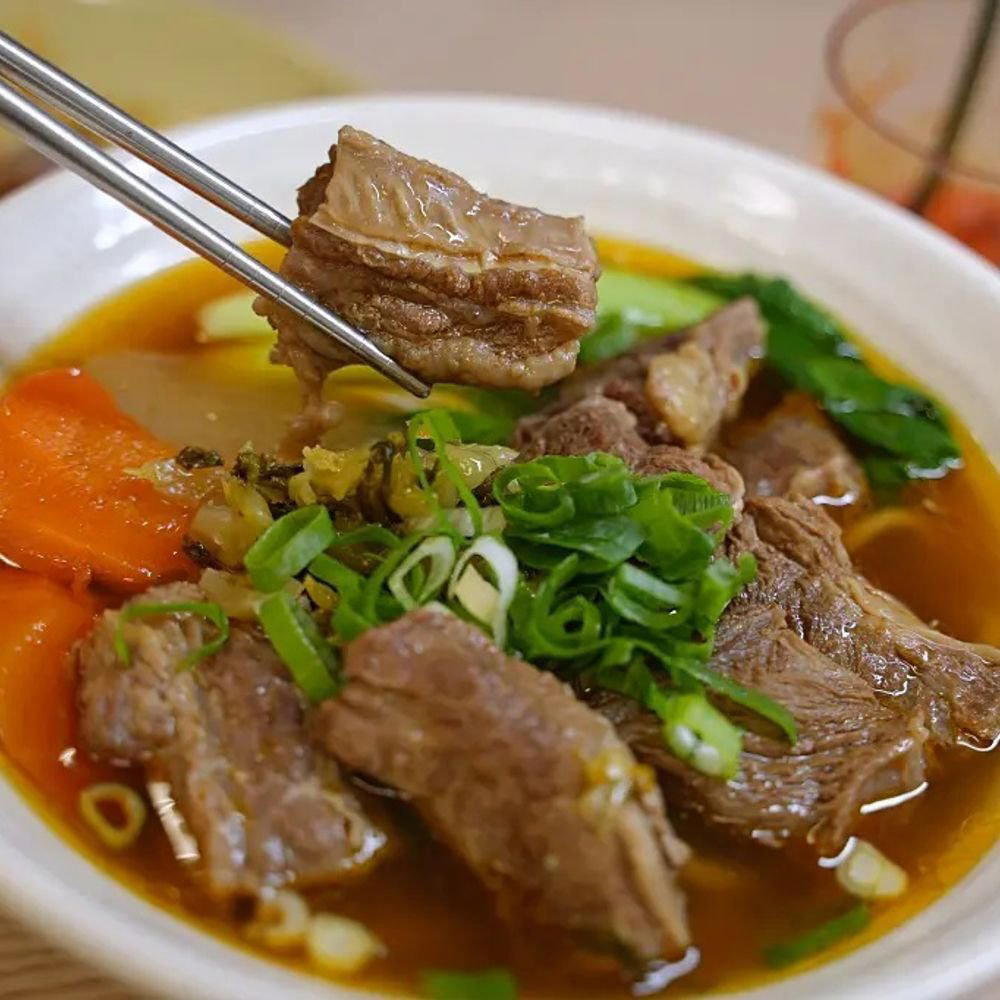
| Duan Chun ZhenThis venue — the venue you are viewing | Traditional Taiwanese Beef Noodles with Sichuan Flavors | $$ | Not listed | Not listed |
| 廟口鴨香飯 | Taiwanese Stinky Tofu | $$ | Not listed | East District |
| Ho Chu Yuan | Traditional Taiwanese Chinese | $$ | Michelin Plate | North District |
| 原味鴨肉麵 | Taiwanese Raw Fish Noodles | Not listed | Not listed | Hsinchu City |
| Yi Hsuan | Taiwanese Home-Style | $$ | Michelin Plate | Hsinchu City |
| 岩漿漢方麻辣火鍋-新竹經國店 | Taiwanese Spicy Hot Pot Noodles | $ | Not listed | Hsinchu City |
Continue exploring
More in Hsinchu City
Restaurants in Hsinchu City
Browse all →
Hotels in Hsinchu City
Browse all →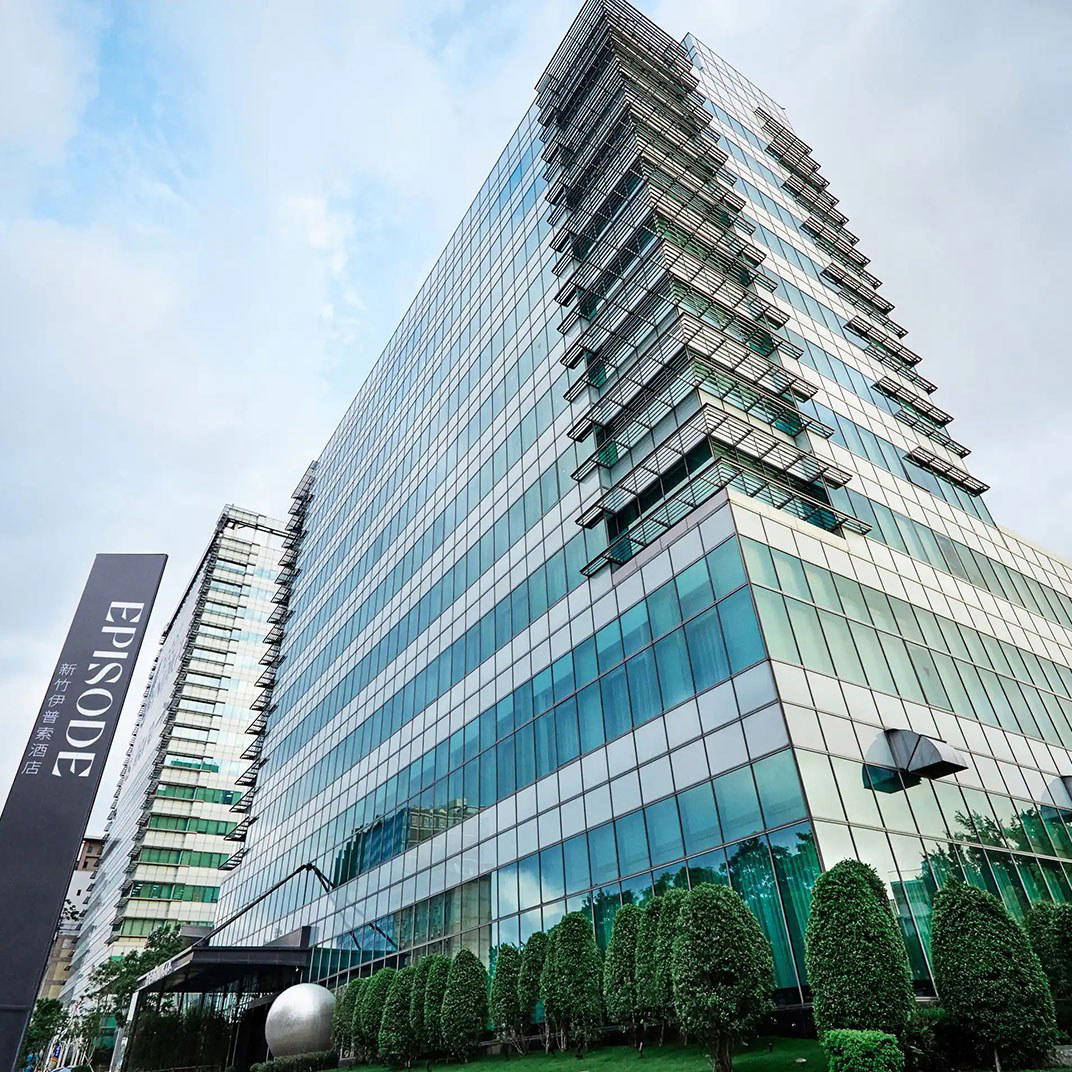
At a Glance
- Cozy
- Classic
- Casual Hangout
- Family
Laid-back and cozy atmosphere evoking the comfort of a family meal with a focus on simplicity and sincerity.