
Selected by the Michelin Guide Hotels 2025, The One Nanyuan occupies a quiet address in Xinpu, Hsinchu County, a part of Taiwan that international travellers rarely prioritise over Taipei or the east coast. The property sits at No. 32 Jiuqionghu, positioning it within reach of the Hakka cultural corridor that defines this corner of northern Taiwan.
 Discover on Pearl
Pearl is the En Primeur Club membership app — saves, bookings, and concierge access live there. Same editors, same standards.
- Address
- 305, Taiwan, Hsinchu County, Xinpu Township, Zhaomen Village, 九芎湖32號
- Phone
- +886 2 2562 1777
- Website
- nanyuan.theonestyle.com
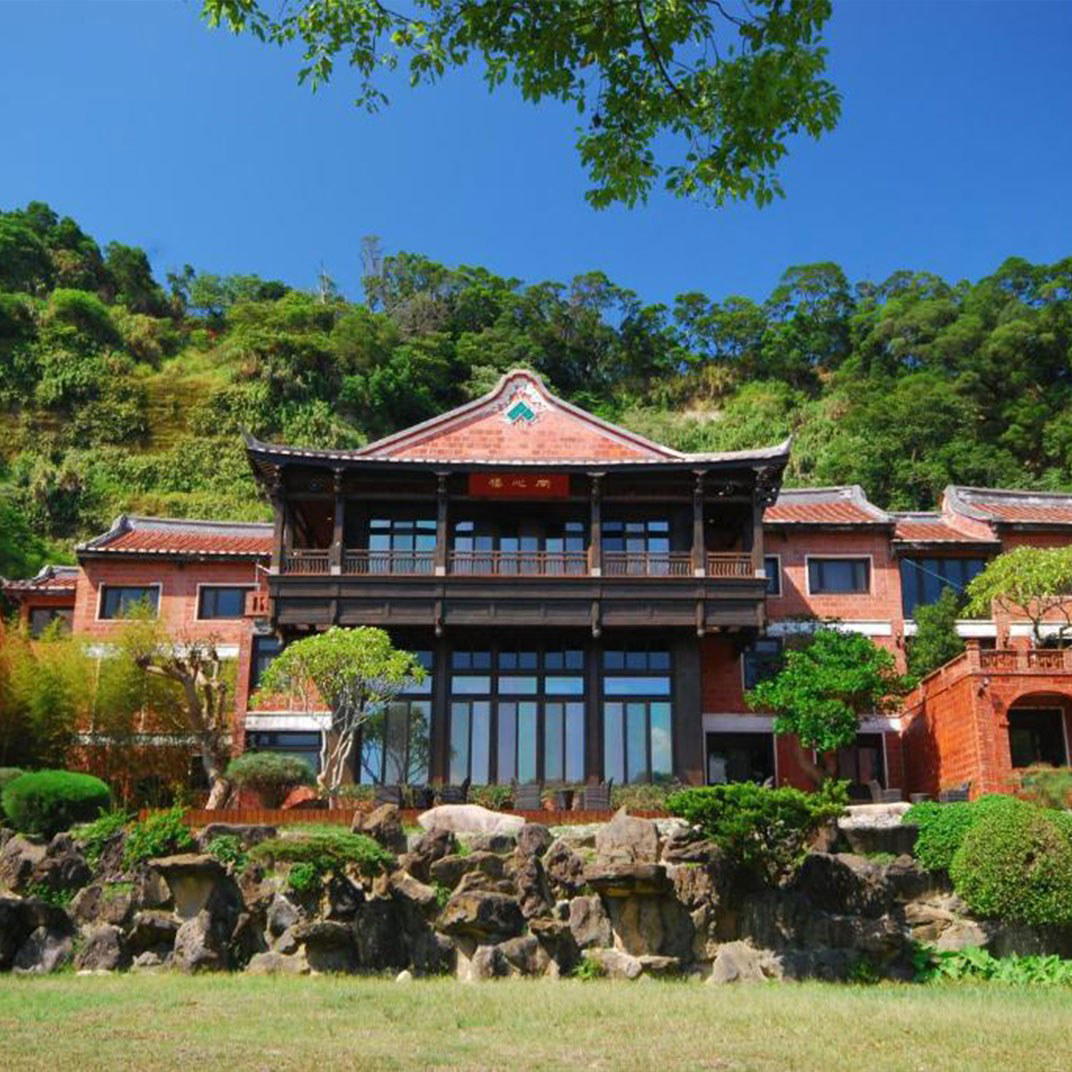
Where Xinpu Places Its Ambitions
Taiwan's hotel scene has long been concentrated at its poles: the capital's international chains and the scenic resorts anchoring Sun Moon Lake or the east coast. Properties like The Lalu in Sun Moon Lake or Grand Hilai Sun Moon Lake in Yuchi draw travellers with landscape and resort programming. Xinpu, a Hakka township in Hsinchu County situated roughly an hour south of Taipei, operates on different logic entirely. It is a place that earns attention through cultural specificity rather than scale, and The One Nanyuan, selected by the Michelin Guide Hotels 2025, is the property that most directly reflects that character.
For a property in Xinpu to earn that recognition places it in a competitive conversation that extends well beyond Hsinchu County, aligning it with distinguished smaller properties across Taiwan rather than with the volume-driven urban hotels in Taipei or Kaohsiung.
Approaching the Site: Architecture as Orientation
The address, No. 32 Jiuqionghu, Xinpu, points toward the rural edge of the township rather than its commercial centre. This positioning is deliberate, not incidental. Across Taiwan's more considered smaller properties, the distance from town centres tends to correlate with an architectural relationship to land: grounds that breathe, sightlines that carry, materials that reference local building tradition rather than imported hotel templates.
Taiwan's Hakka architecture has a distinct visual vocabulary: courtyard-oriented layouts, earthen tones, restrained ornament, and a preference for interior space that mediates between built and natural environments rather than asserting dominance over either. Properties that draw on this tradition tend toward lower built forms, horizontal rhythms, and an acute awareness of threshold, the way a visitor moves from approach to arrival to interior. Whether The One Nanyuan draws explicitly on Hakka spatial grammar is a question leading answered on-site, but its location within the Hakka cultural heartland of northern Taiwan and its Michelin recognition both signal a property that has been assessed for coherence of identity, not merely for amenity count.
This places The One Nanyuan in a cohort that includes other design-attentive Taiwanese properties: the forest-embedded retreats of Hotel Indigo Alishan, the thermal-landscape properties of Volando Urai Spring Spa and Resort in Wulai District, or the Yilan valley properties like The Moment Hotel Yilan by Lakeshore in Wujie. These are properties where the setting does significant structural work, and where the guest experience is shaped by how the architecture handles that setting.
The Case for Xinpu as a Destination
For travellers accustomed to routing through Taipei, Tainan, or the Hualien coast, Xinpu represents a genuinely underexplored part of the island. The township is one of the most culturally intact Hakka communities in Taiwan, with temple architecture, local food traditions, Lei Cha, pounded tea, is the canonical example, and a pace of daily life that differs markedly from the urban centres that dominate most Taiwan itineraries.
Hsinchu County more broadly has seen increasing infrastructure investment tied to the semiconductor industry centred in nearby Hsinchu City, which has had the downstream effect of improving road and rail links without yet transforming Xinpu's character. That window, improved access, preserved identity, is exactly the condition in which a property like The One Nanyuan makes most sense to visit. The traveller who makes it here before broader tourism infrastructure catches up will find a context that remains legible on its own terms.
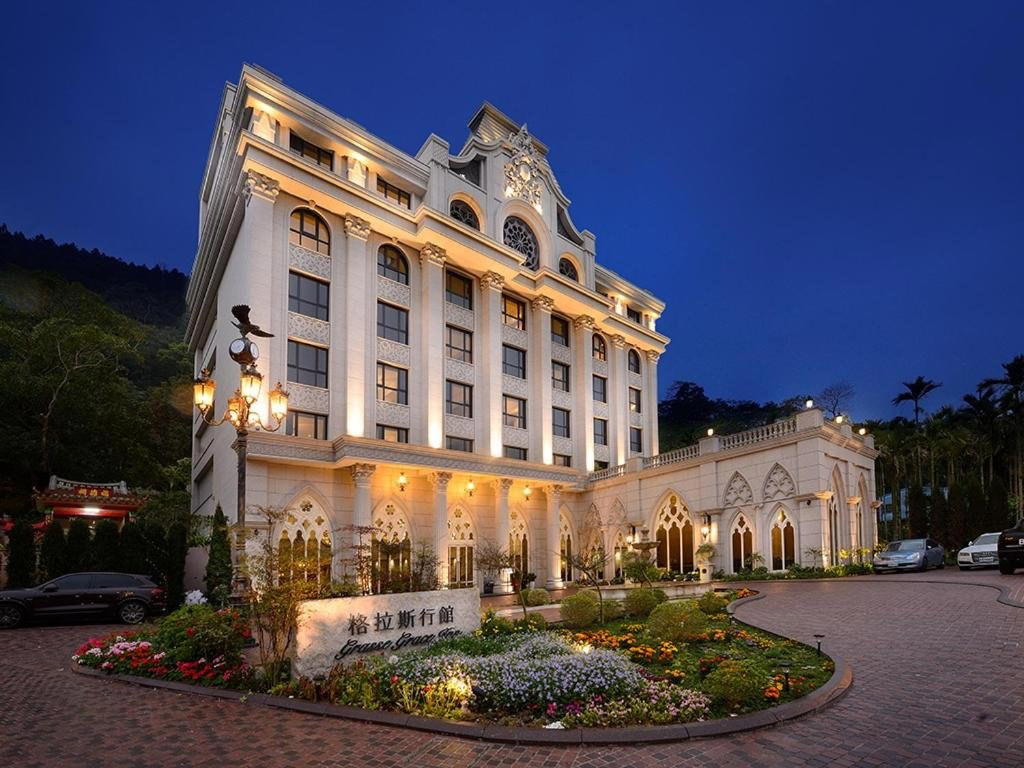
For planning purposes, Xinpu is accessible by Taiwan Railways from Hsinchu Station, with the township reachable by bus or taxi from there. Travellers staying at properties across northern Taiwan, including Grasse Grace Manor in Miaoli or Something Easy Inn in New Taipei City, can reach Xinpu within manageable travel distances. For a broader orientation to what Xinpu offers beyond accommodation, see our full Xinpu restaurants guide.
Where It Sits Against Taiwan's Property Range
At one end of Taiwan's accommodation spectrum sit the international flagships: W Taipei, Hotel Indigo Taipei North in Zhongshan District, and the major resort formats like Hualien Farglory Hotel or InterContinental Taichung. These are properties defined by brand infrastructure, high key counts, and full amenity ranges. At the other end sit smaller, locally rooted properties where identity comes from place rather than programme. The One Nanyuan's Michelin recognition places it firmly in the second category, in company with properties like Deer Chaser in Lugu Lake or Evergreen Resort Hotel (Jiaosi) in Yilan, smaller-scale, setting-dependent, and assessed on coherence of experience rather than breadth of facilities.
Internationally, the comparison set for this tier of Michelin-selected boutique property reaches properties like Badrutt's Palace Hotel in St. Moritz or Hôtel de Paris Monte-Carlo in terms of editorial rigour applied to the selection process, even if the scale and price positioning differ substantially. What matters is the standard of assessment: properties are selected because they deliver a coherent, high-quality experience for their type, not because they accumulate the most features.
Side-by-Side Snapshot
Comparable venues nearby, for context on price, style, and recognition.
| Venue | Cuisine | Price | Awards | Notes |
|---|---|---|---|---|
| The One NanyuanThis venue — the venue you are viewing | Cultural heritage retreat blending traditional Chinese and Fujianese architecture with contemporary luxury hospitality. | $$$ | 4-Star | |
| EPISODE Hsinchu, JdV by Hyatt Hotel | Boutique lifestyle hotel reflecting urban neighborhood with social event spaces. | $$$ | 4-Star | East District |
| Hyatt Centric East Taipei | Upscale urban lifestyle hotel | $$$ | 4-Star | East Taipei |
| Hanns House | Contemporary serviced apartment hotel with heritage-inspired design elements reflecting founder Teresa Wei-Hsin Ma's family history and Taiwanese cultural narrative. | $$$ | 4-Star | Xinyi District |
| Hotel Beore Sun Moon Lake | Contemporary luxury boutique hotel emphasizing minimalist design and local Taiwanese cultural integration with mountain-lake positioning. | $$$ | 4-Star | Yuchi Township |
| amba Taipei Zhongshan 台北中山意舍酒店 | Stylish boutique hotel with playful modern design in a culturally rich neighborhood. | $$$ | 4-Star | Zhongshan |
At a Glance
- Romantic
- Scenic
- Elegant
- Quiet
- Classic
- Wellness Retreat
- Romantic Getaway
- Weekend Escape
- Garden
- Historic Building
- Panoramic View
- Destination Spa
- Private Dining
- Spa
- Restaurant
- Library
- Wifi
- Valet Parking
- Garden
- Garden
- Mountain
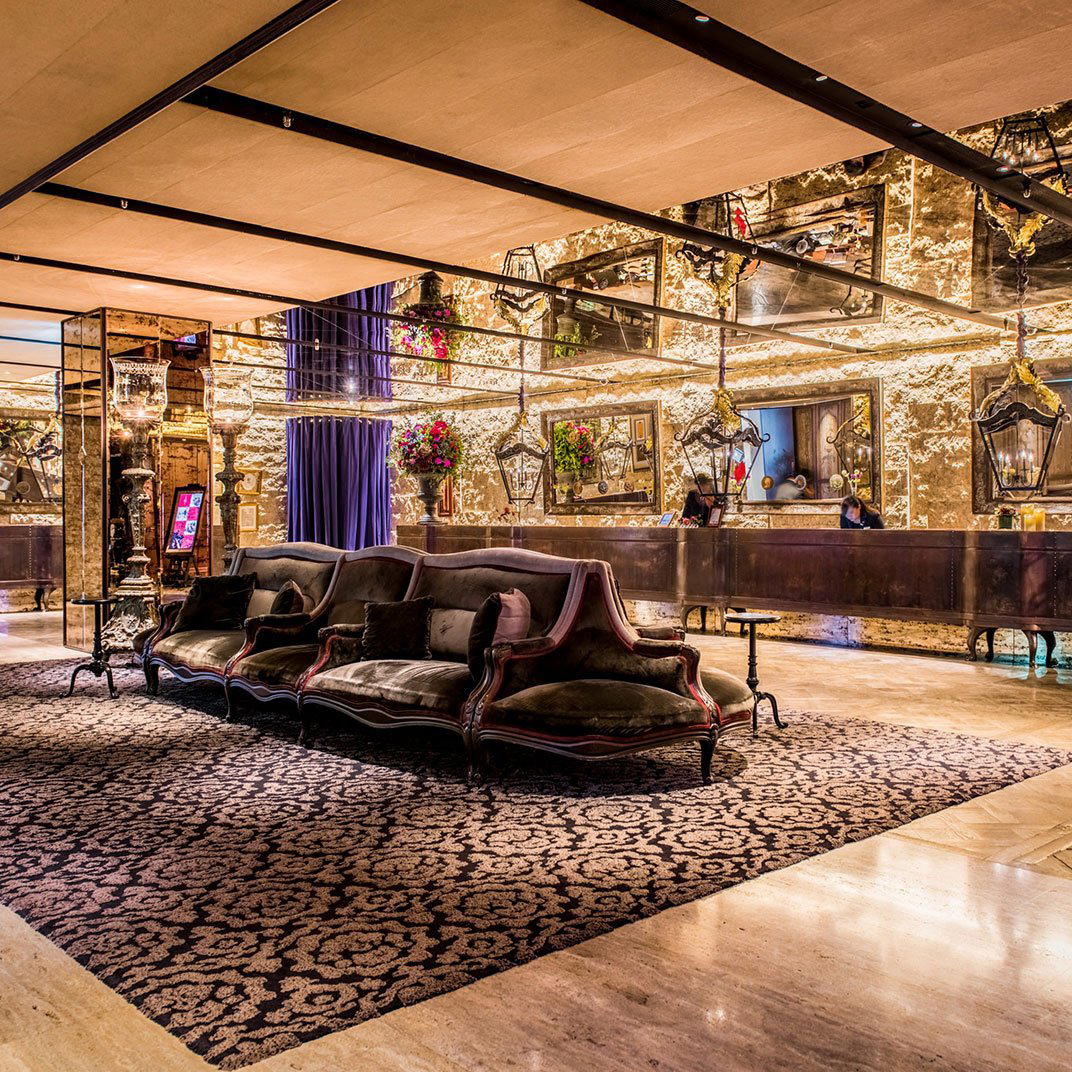
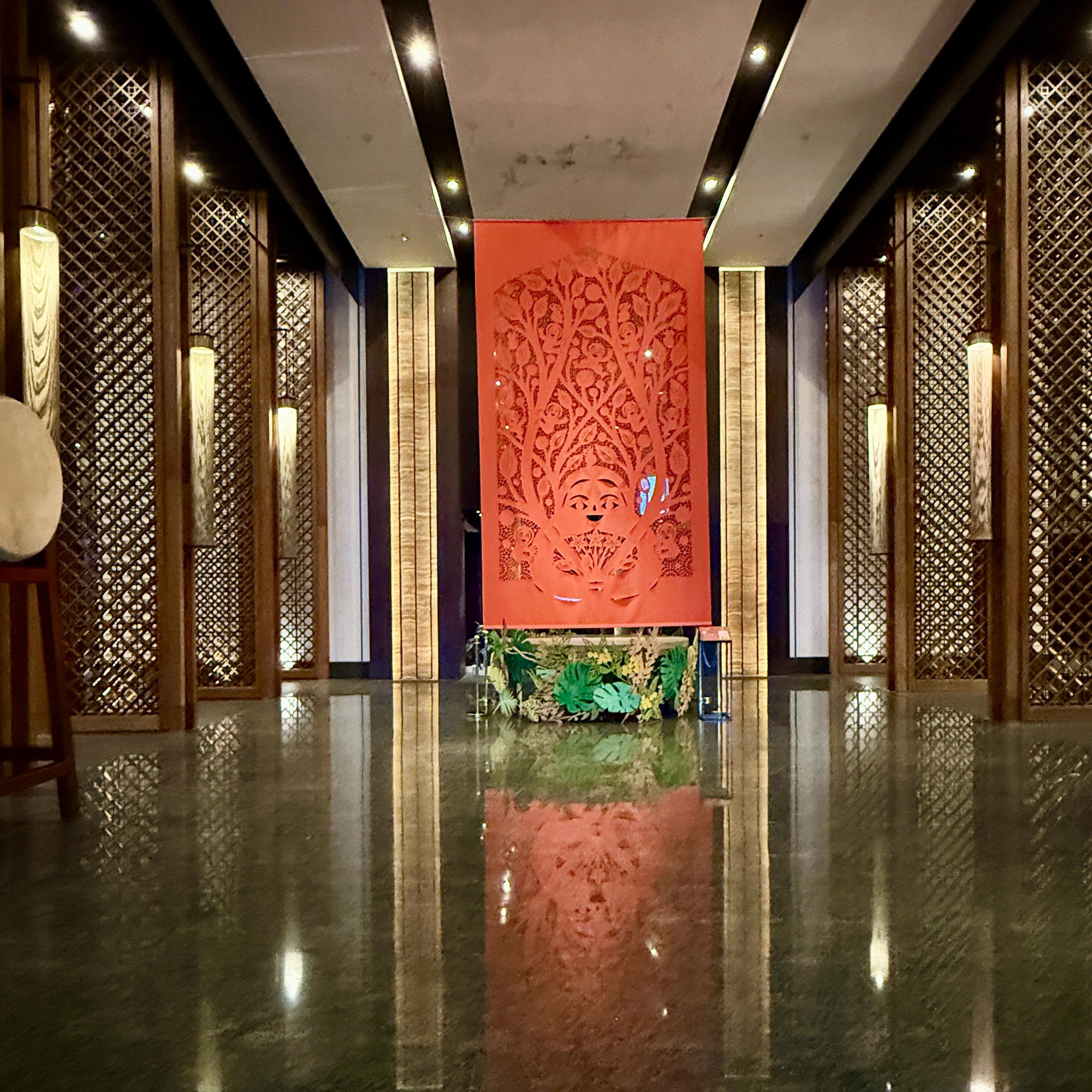
Serene and cultured, with carefully composed garden vistas, traditional architecture, and mountain mist creating an immersive retreat into classical Chinese literati aesthetics.