In Cingjing, where Taiwan's central highlands meet small-farm agriculture, Lumama Restaurant draws on the area's indigenous and settler food traditions to put mountain-grown produce at the center of the table. The surrounding Nantou countryside supplies ingredients that rarely appear on lowland menus, making the restaurant a practical argument for the region's distinct culinary identity. For visitors making the trip up from Taichung or Taipei, it functions as both a meal and an orientation to what Nantou grows.

Pearl is the En Primeur Club membership app — saves, bookings, and concierge access live there. Same editors, same standards.
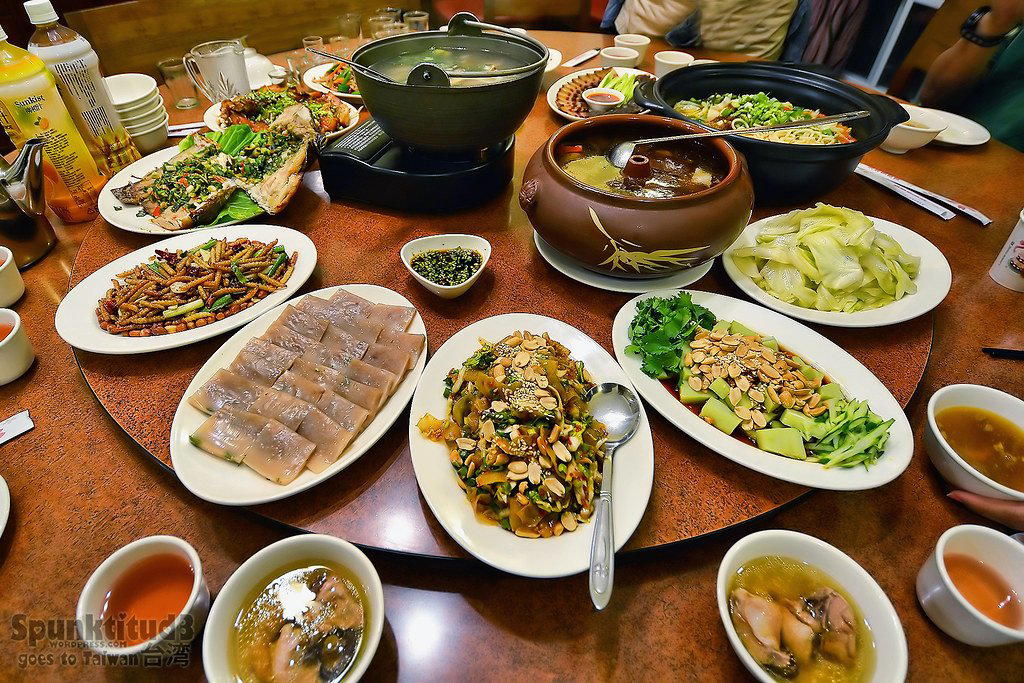
Where the Highlands Set the Menu
Cingjing sits at roughly 1,750 metres above sea level in Nantou County, Taiwan's only landlocked county and its most agriculturally varied. The air is cooler than the western plains by a significant margin even in summer, and the temperature differential is exactly what allows the area's farmers to grow produce that the lowlands cannot replicate: high-altitude cabbage, mountain herbs, temperate-climate fruit, and the free-range livestock that graze on grass rather than feedlot grain. Restaurants in this part of Nantou are not operating in a vacuum of imported supply chains. The ingredient geography does most of the editorial work before a single dish arrives.
Cingjing Lumama Restaurant sits inside this tradition, where the sourcing logic of a mountain farming community shapes the menu more than any single culinary school or chef philosophy. That framing matters because it separates places like this from the wave of Taiwan's high-concept tasting-menu restaurants, the JL Studio tier in Taichung or logy in Taipei, where technique is foregrounded and local sourcing is one tool among many. Here, the sourcing is the proposition.
The Cingjing Ingredient Belt
Nantou County's agricultural profile is unusual even within Taiwan. The county produces a disproportionate share of Taiwan's highland vegetables and temperate fruits, and the Cingjing area specifically is associated with small-scale pastoral farming, including sheep and cattle operations that are visible from the road. This is not incidental scenery. It is the supply chain. Restaurants in the area have historically built menus around what is available from adjacent farms, and the seasonal rhythm of those farms determines what is on the table in any given month.
That model contrasts with the coastal and urban dining traditions that dominate Taiwan's restaurant conversation. Tainan's seafood-anchored cuisine, represented at the high end by places like A Xia, and Kaohsiung's southern cooking as seen at GEN, draw from entirely different ingredient pools. The Cingjing plateau's animal husbandry and cool-climate produce represent a third register of Taiwanese food identity, one that rarely gets the same critical attention but has a genuine claim to regional specificity.
Mountain Dining as a Format
Across Taiwan's mountain tourism zones, the standard format is a communal table, family-style sharing of dishes built around whatever the surrounding farms produce that season. It is a format defined less by theatrical presentation than by material honesty: the food tastes like the place because it literally came from the place. For visitors arriving from the western corridor cities, the shift in register is immediate. This is not the kind of meal where the menu is a design object or the plating references international fine dining. The information content is in the ingredient provenance and the preparation method, not the visual composition.
Travelers making the drive up through Nantou from Taichung typically reach Cingjing in under two hours, depending on the route and traffic on Provincial Highway 14. The journey itself is part of the context: the elevation gain is visible, the valley agriculture gives way to mountain pasture, and by the time you arrive, the case for eating locally has been made by the landscape you drove through.
Placing Lumama in the Regional Conversation
Taiwan's most decorated restaurants operate in a different tier and a different idiom. The Michelin-starred tasting menus in Taipei and Taichung compete on technique, sourcing narrative, and international reputation. Cingjing's dining scene, by contrast, operates closer to the agritourism model common in parts of Europe and Japan, where the meal is inseparable from the farm visit or the regional stay. That is neither a criticism nor a limitation. It is a different function: the restaurant as a vehicle for understanding the agricultural character of a place rather than the technical ambitions of a kitchen.
Within that framework, Lumama represents the Cingjing approach to highland Taiwanese cooking, which draws on both the indigenous food traditions of the region's original communities and the settler agricultural practices brought by later farming families. The combination produces a cooking style that is neither purely aboriginal nor purely Han Taiwanese but something specific to this altitude and this history. Comparable regional specificity can be found in places like Ah Zhen Rou Bao in Lukang, where a distinct local tradition shapes the menu in ways that have no direct urban equivalent, or Chenggong Douhua in Chenggong, where a single hyperlocal ingredient defines the entire operation.
Planning a Visit
Cingjing is a destination in its own right rather than a day trip from a major city, and most visitors combine a meal at Lumama with an overnight stay in the area. The concentration of small guesthouses and farm-stay accommodations in the Cingjing zone means the meal fits naturally into a longer itinerary rather than standing alone. Visitors should be aware that mountain weather in Nantou shifts quickly, particularly between October and March when fog and rain are common, and that the drive on Provincial Highway 14 requires attention on wet road surfaces. Booking ahead for any Cingjing restaurant is advisable during Taiwanese public holidays and the summer peak season, when domestic tourism fills the area's limited capacity.
Comparable Spots, Quickly
Comparable venues nearby, for context on price, style, and recognition.
| Venue | Cuisine | Price | Notes |
|---|---|---|---|
| Cingjing Lumama RestaurantThis venue — the venue you are viewing | Authentic Yunnan Shan Cuisine | $$ | Not listed |
| 金盆阿嬤の茶葉蛋 | Traditional Taiwanese Tea Eggs | $ | 魚池 |
| Mao Fun Hot Pot | Taiwanese Hot Pot | $$ | East District |
| 侯記鴨肉飯 | Taiwanese | Not listed | Kaohsiung |
| Zen Ho Uang | Authentic Yunnanese | $$ | Heng'an |
| 蓬萊排骨酥台式料理 | Classic Taiwanese Cuisine | $$ | 北投區 |

At a Glance
- Rustic
- Scenic
- Cozy
- Family
- Casual Hangout
- Panoramic View
- Local Sourcing
- Mountain
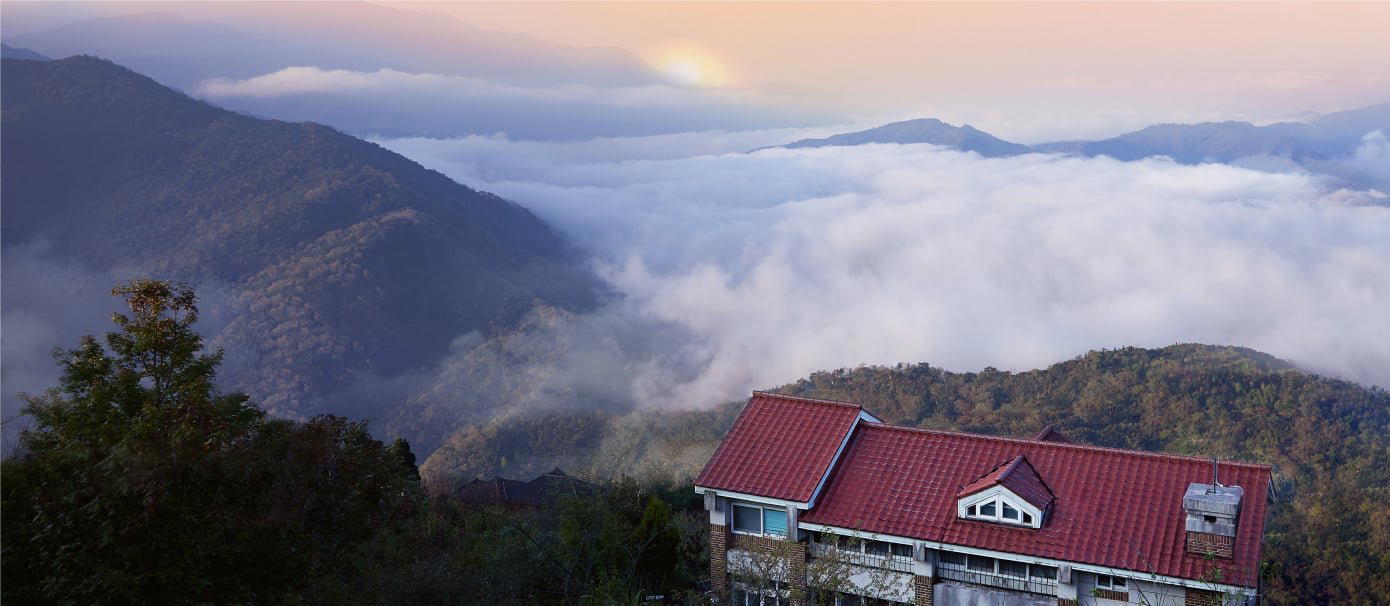
Cozy chalet atmosphere with scenic mountain views and hearty, homely meals.