Our verdict
Located in the castle town of Kishiwada, south of Osaka, 太八 sits at a well-worn address on Gokenyamachi that rewards those who seek it out. The kitchen works within the traditions of the Osaka region, where ingredient provenance and seasonal precision carry more weight than spectacle. For a city better known for its danjiri festival than its dining scene, this is the kind of place that reframes the whole trip.

Pearl is the En Primeur Club membership app — saves, bookings, and concierge access live there. Same editors, same standards.
- Address
- 24-14 Gokenyamachi, Kishiwada, Osaka 596-0055, Japan
- Phone
- +81724223929
- Website
- japancompany.org
- Directions
- Get directions
The menu
What to order
- Kishiwada-style okonomiyaki
- Seafood mix okonomiyaki
Kishiwada is not a city that presents itself as a dining destination. Thirty minutes south of Osaka on the Nankai line, it draws visitors for its sixteenth-century castle and the autumn danjiri festival, when wooden floats career through narrow streets at speeds that seem ill-advised. The restaurant culture here operates accordingly: quieter, less curated for outsiders, and anchored in the kind of everyday seriousness that the Osaka region applies to food as a matter of civic identity. It is in this context that 太八, on Gokenyamachi, makes its case.
A Street That Works Harder Than It Looks
Gokenyamachi is a working address in the older part of Kishiwada, where the city’s merchant-era grid survives in narrow frontages and low rooflines. The Osaka region has always organised its food culture around proximity: to Seto Inland Sea fishing grounds, to the vegetable farms of the Osaka Plain, to the wholesale markets that made Namba and Kuromon into reference points for ingredient quality. A kitchen in Kishiwada sits within that same supply web, which matters considerably more than the absence of a Shinsaibashi postcode. The sourcing geography that defines premium Osaka cooking—where a chef’s relationships with fishmongers and farmers operate as the real infrastructure of a menu—applies here as it would thirty kilometres north.
That sourcing logic is what gives regional cooking in the greater Osaka area its coherence. Unlike Tokyo, where kaiseki and omakase formats have developed toward tighter abstraction and ceremony, the Osaka tradition leans on a frank relationship with market produce. What arrived this morning determines what you eat this evening. It is an approach that demands supplier trust over menu planning, and it tends to produce cooking that is harder to replicate at scale, precisely because the ingredient network is personal and local.
Where 太八 Sits in the Regional Picture
The Kansai region supports a range of serious kitchens across its secondary cities. Gion Sasaki in Kyoto represents the upper tier of kaiseki tradition, where seasonal discipline and tea-culture aesthetics set the framework. HAJIME in Osaka operates at a different register entirely, with a French-innovative approach that prices into the ¥¥¥¥ bracket and holds three Michelin stars. Between those poles, and across the greater Osaka commuter belt, a different category of kitchen operates: smaller, without the infrastructure of a hotel group or a media-recognised chef name, but embedded in the local supply chain in ways that larger, more visible venues often are not.
Kishiwada sits in this secondary tier, and that positioning carries practical implications. akordu in Nara demonstrates how a regional city outside the major Kansai spotlight can support serious cooking with genuine credentials. The same logic applies here: a city with a functioning local economy and a population that eats seriously produces kitchens that serve that population first, which tends to keep a certain honesty in the cooking. The Kishiwada kitchen answers to a more local constituency.
Ingredient Provenance and the Osaka Supply Chain
The editorial angle that makes the Osaka region worth understanding as a food geography is not its restaurant count or its Michelin density. It is the wholesale infrastructure. The Osaka Central Wholesale Market in Fukushima handles more seafood volume than most European cities see in a month, and the distribution network that radiates from it reaches south through Sakai and into the coastal towns of Osaka Prefecture. A kitchen in Kishiwada with the right supplier relationships has access to the same morning catches that supply restaurants in the city centre, often with shorter handling chains.
The same principle applies to produce. The Kawachi and Izumi districts, which cover much of the agricultural hinterland south and east of Osaka city, grow vegetables with genuine regional character: Mizuma greens, Sakai burdock, and a range of citrus from the coastal slopes above Kishiwada itself. A kitchen that draws from this local band rather than defaulting to nationally distributed produce operates with a different ingredient identity, even if the format looks similar on the surface. This is the kind of provenance logic that bodai in those Wakayama mountain towns applies to its own local ingredients, and that 湖畔荘 in Takashima uses in its lakeside context north of Kyoto.
Practical Considerations for Visiting
Reaching Kishiwada from central Osaka takes roughly thirty minutes on the Nankai Koya or Nankai Main Line from Namba, which makes the city a realistic day-trip or evening extension to an Osaka base rather than a standalone destination requiring separate accommodation. The Gokenyamachi address places 太八 within walking distance of the castle area, which means it can be incorporated into an afternoon visit to the castle grounds before dinner. For broader orientation to the city’s dining options, our full Kishiwada restaurants guide covers the wider scene.
Travellers building a Kansai itinerary that moves across secondary cities may find useful reference points in venues like 一本木 in Nanao or 羽根屋 in Nishikawa Machi, both of which operate in regional contexts with their own local ingredient logic. Further afield, 古代山之 in Sapporo applies comparable regional sourcing in Hokkaido’s very different produce environment. For those whose broader travel includes Japan-informed cooking in international contexts, Atomix in New York City and Le Bernardin in New York City represent the end-point of what serious sourcing philosophy can produce when translated into a global-city fine dining format.
Within the greater Osaka Prefecture area, Birdland in Sakai is worth noting as another non-Osaka-city kitchen with its own local logic, operating in a city that has its own distinct culinary identity separate from the Namba and Umeda concentration. Denko Sekka in Hiroshima offers a comparable regional case study further west along the Seto Inland Sea corridor.
Frequently asked questions
Is 太八 a family-friendly restaurant?
Nothing in the available record rules it out, but 太八's address on Gokenyamachi places it in Kishiwada's older merchant-district grid, where venues tend toward quieter, seated formats rather than casual family dining rooms.
What should I expect atmosphere-wise at 太八?
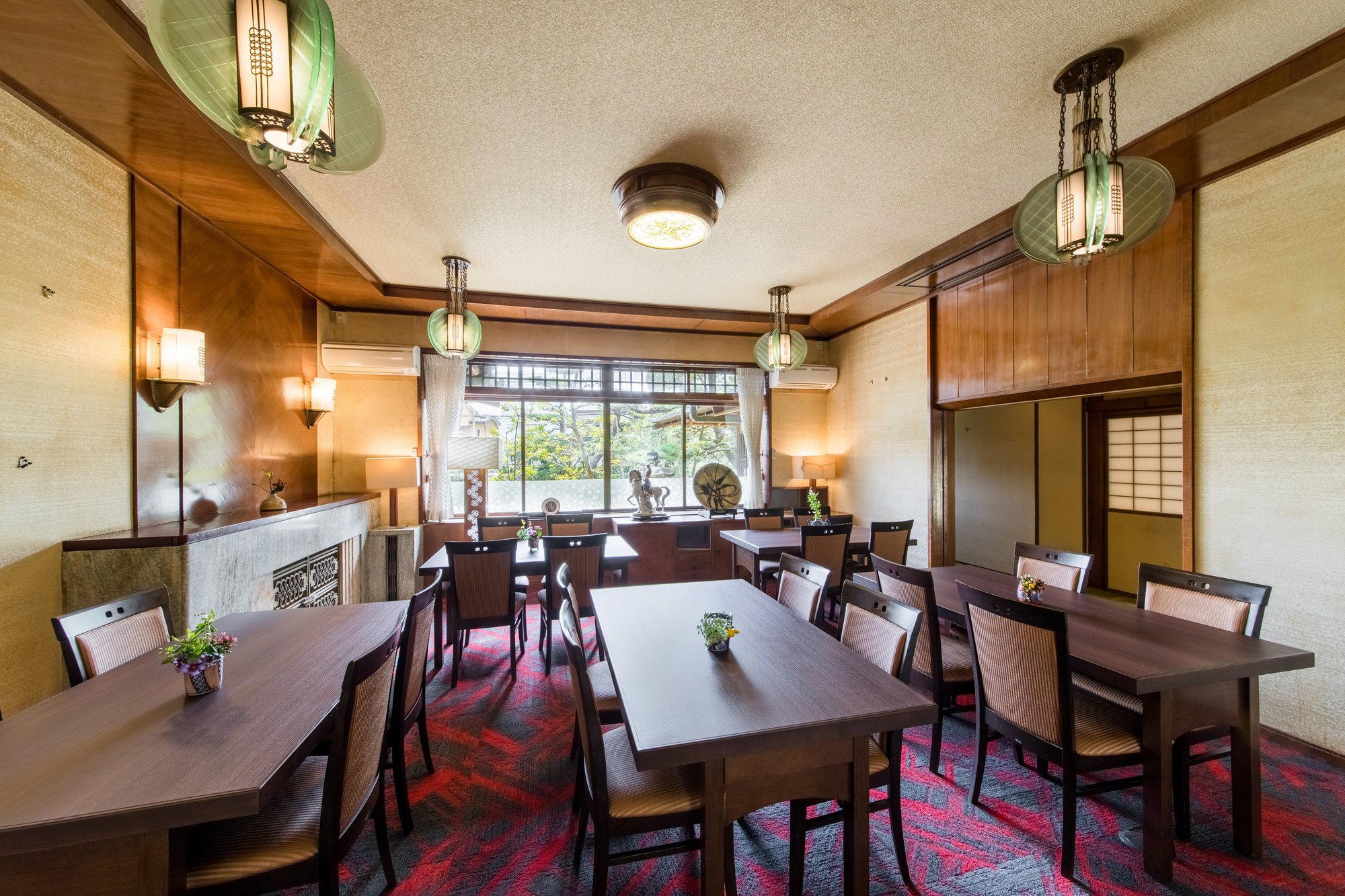
Gokenyamachi is a working street in one of Kishiwada's older quarters, defined by narrow frontages and low rooflines that survive from the city's merchant-era layout. Venues at this address typically reflect that character: compact, unhurried, and oriented toward regulars rather than passing foot traffic. Expect a room that reads local rather than destination-dressed.
What do people recommend at 太八?
The Osaka supply chain that feeds Kishiwada's kitchens draws heavily on Izumisano's produce markets and Osaka Bay seafood, which shapes what serious kitchens at this level of the region tend to feature.
How far is 太八 from central Osaka, and is it practical as a day or evening trip?
Kishiwada sits roughly thirty minutes from Namba on the Nankai Koya or Nankai Main Line, which puts 太八 at 24-14 Gokenyamachi within realistic range for an evening out from central Osaka without requiring an overnight stay. That transit time is short enough to treat the visit as a purposeful detour into one of the region's older city grids rather than a major expedition.
Comparable Venues
Comparable venues nearby, for context on price, style, and recognition.
| Venue | Cuisine | Price | Awards | Notes |
|---|---|---|---|---|
| åå¤ªå «This venue — the venue you are viewing | Okonomiyaki | $10–20 | Not listed | Not listed |
| Jiyuken | Japanese Izakaya with Western Fusion | Not listed | Not listed | Motomachi |
| Kirakutei (器楽亭) | Seafood Izakaya | $20–30 | Not listed | Kugayama |
| Gion Tokuya | Traditional Japanese Desserts & Sweets | $10–20 | Tabelog 100 #62 | Gion |
| Kumasotei (熊襲亭) | Authentic Satsuma Shabu-Shabu | Not listed | Not listed | 天文館 |
| DINING | Japanese Kaiseki and Teppanyaki | Not listed | Not listed | Osaka |
Continue exploring
More in Kishiwada
Restaurants in Kishiwada
Browse all →



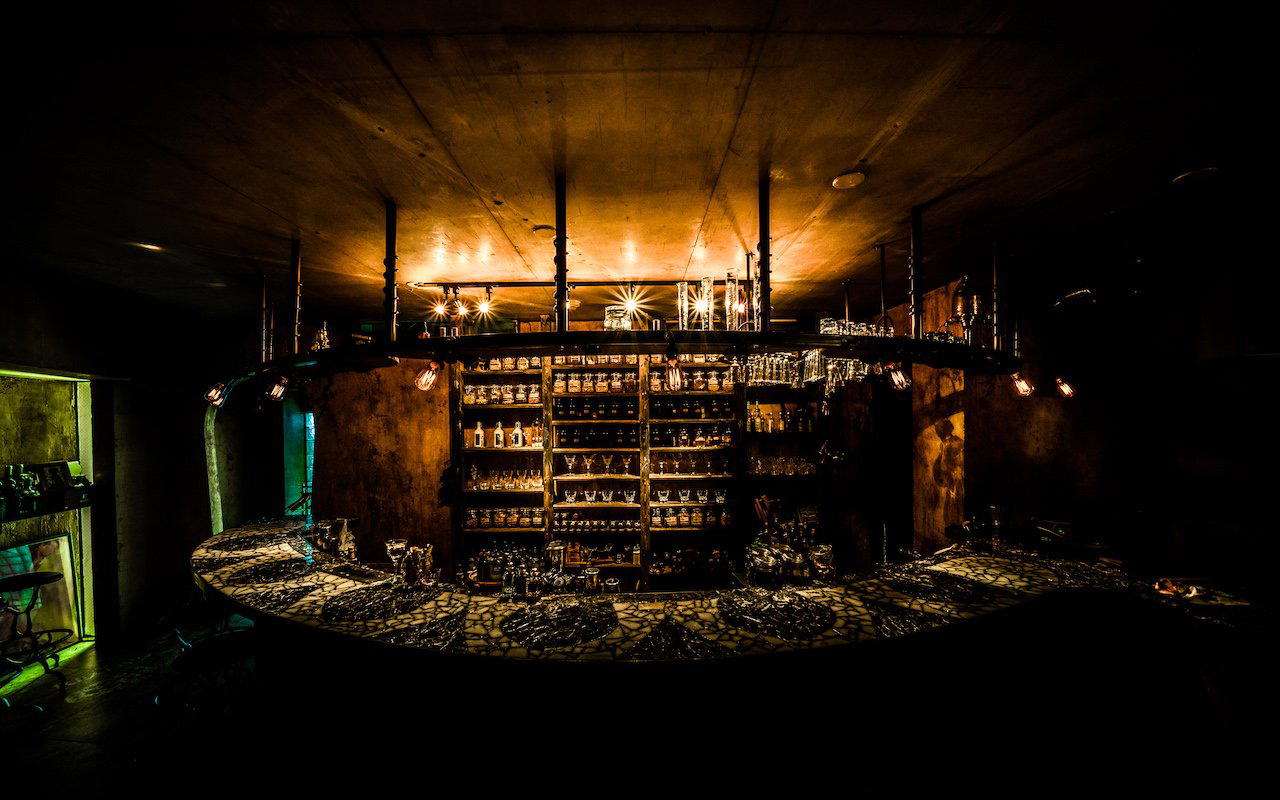
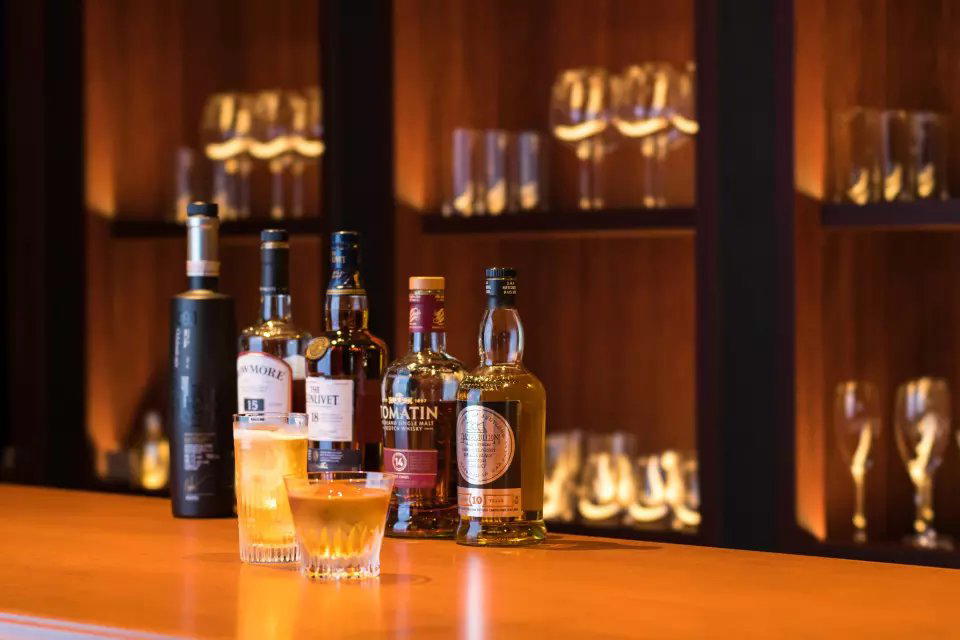
Bars in Kishiwada
Browse all →
Hotels in Kishiwada
Browse all →

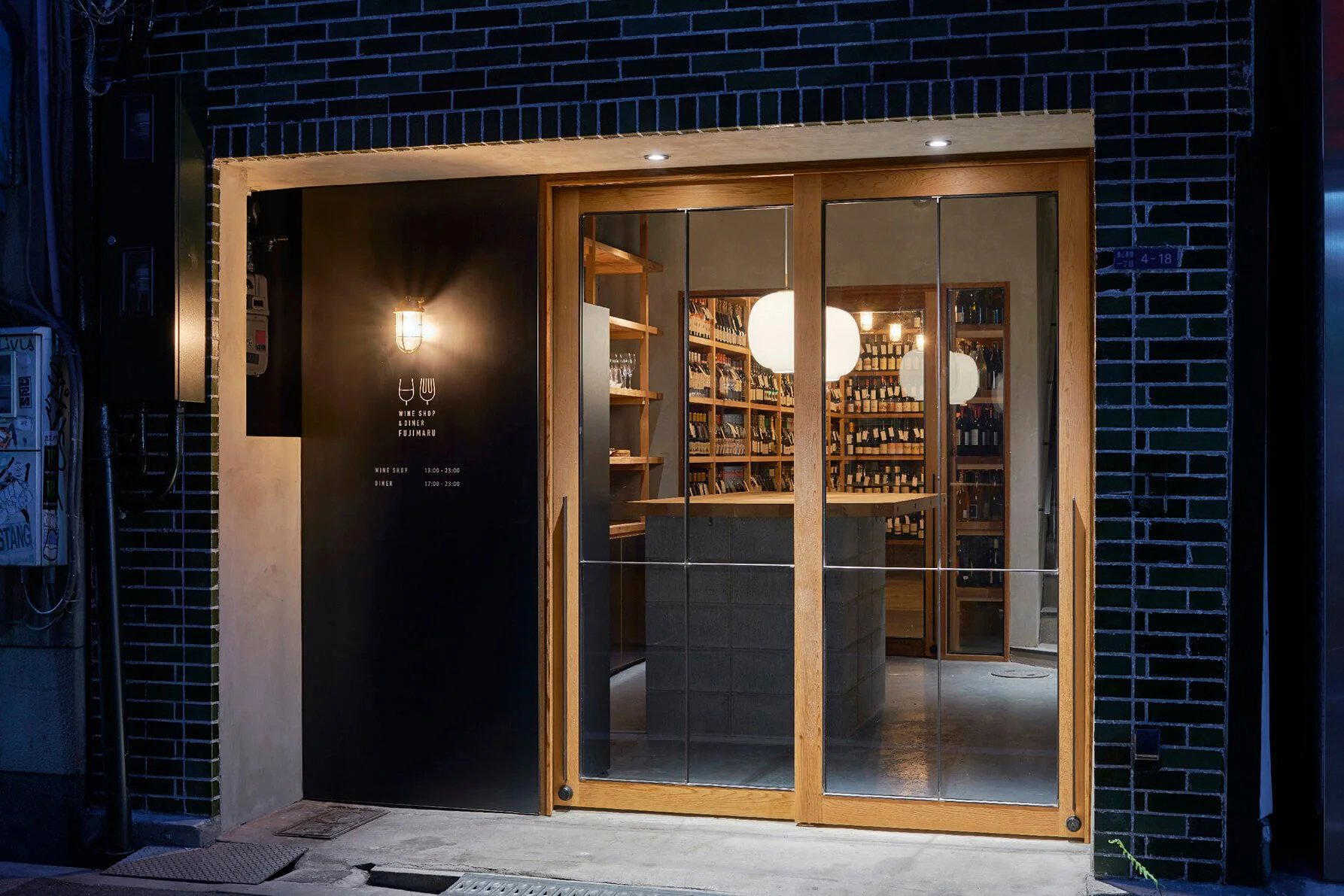
Wineries in Kishiwada
Browse all →

Details
- Cozy
- Classic
- Intimate
- Casual Hangout
- Family
- Sake Program
- A La Carte
- Sake
- Vegetarian Friendly
Casual and lively with smoky griddle aromas and interactive cooking atmosphere.