Our verdict
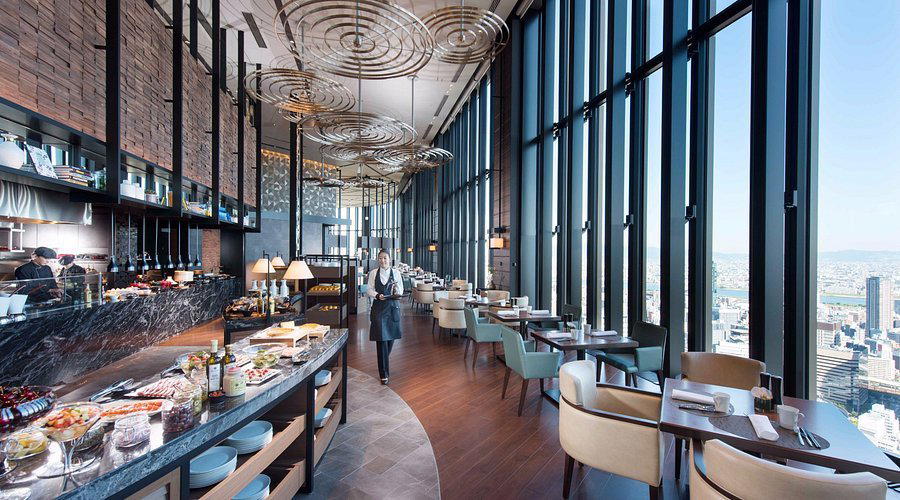
DINING in Osaka operates at the intersection of international breakfast formats and the city's instinct for ingredient-led cooking. The format is a buffet, but the framing is local: Osaka flavours anchor a spread that reads as a deliberate introduction to the city's food culture. For visitors arriving with a full itinerary of Michelin-level dinners, it functions as a considered first meal.

Pearl is the En Primeur Club membership app — saves, bookings, and concierge access live there. Same editors, same standards.
- Address
- Osaka, Japan
Breakfast as an Entry Point into Osaka's Food Logic
Osaka moves differently at breakfast. While the city's evening reputation rests on kaiseki precision at places like Taian and technically ambitious French cooking at HAJIME, the morning meal in this city has always carried its own seriousness. The Osaka kitchen tradition — built on dashi, ferment, and produce sourced through Osaka's wholesale networks — does not disappear when the format shifts to buffet. DINING works within that logic, framing an international breakfast spread through a locally inflected lens that gives the meal more cultural weight than the format might suggest.
That framing matters in a city where food decisions carry real consequence. Visitors who have pre-booked evenings at La Cime or Fujiya 1935 are already operating inside a dense dining schedule. The breakfast buffet, approached correctly, functions as calibration: a chance to read local produce, understand how Osaka flavour preferences differ from Tokyo or Kyoto, and begin the day without the reservation pressure that defines dinner.
What the Format Actually Delivers
International breakfast buffets in Japanese hotel dining occupy a specific and well-understood tier. The format has been refined across decades of inbound tourism and domestic business travel, and its conventions, a continental base expanded with Japanese morning staples, are consistent enough that experienced travellers know what to expect. DINING positions itself within that tier while drawing on Osaka's specific food identity to differentiate the offering.
Osaka-influenced breakfast components sit alongside the international spread, which means the meal can be read as an introduction to the city's culinary character rather than a generic hotel feed. That positioning is relevant for first-time visitors to Osaka who want immediate exposure to local flavour logic before committing to the city's more demanding evening formats. Breakfast buffets at this level in Japan generally run on timed sittings, and arriving outside peak windows, typically after 9am on weekdays, reduces crowding without sacrificing selection.
For context on how Osaka's dining registers compare nationally, the evening venues that define the city's reputation sit in the ¥¥¥ to ¥¥¥¥ tier: Kashiwaya Osaka Senriyama represents traditional Japanese at the ¥¥¥ level, while HAJIME, La Cime, and Fujiya 1935 operate at ¥¥¥¥. Breakfast at a hotel dining room sits well below that in price and formality, which is precisely the point, it provides access to Osaka's food culture at an entry price before the day's more considered commitments begin.
Booking, Timing, and What to Know Before You Go
The editorial angle that defines DINING most clearly is the booking experience, or more accurately, the relative absence of booking friction. The dinner reservation circuit in Osaka can be demanding. Taian and HAJIME require forward planning measured in months, with reservation systems that often require Japanese-language navigation or concierge intermediaries. Breakfast buffet access at DINING, by contrast, is typically managed through hotel check-in or a same-day reservation, the kind of booking decision that can be made the night before without consequence.
That accessibility is worth stating plainly. In a city where dinner reservations at Michelin-starred counters can define an entire trip's planning timeline, breakfast functions as the low-friction meal. It requires no specialist knowledge of Japanese reservation platforms, no months-ahead calendar management, and no concierge use. For travellers building an Osaka itinerary around the city's serious dinner venues, DINING occupies a structurally different slot, one that absorbs no planning energy while still delivering a food experience anchored in local identity.
Visitors comparing Osaka's hotel breakfast options against dining at neighbourhood kissaten or at one of the city's stand-up morning spots should weigh format against intent. The buffet delivers range and convenience; street-level Osaka morning food delivers specificity and immersion. Both are legitimate choices, and the decision depends on whether the morning slot is a meal or an experience in its own right.
Osaka's Broader Dining Context
DINING sits inside a city that has built one of Japan's most competitive restaurant ecosystems outside Tokyo. Osaka's Michelin count is substantial, and the city's cooking culture pulls in two directions simultaneously: toward precision kaiseki in the Senriyama and Kitashinchi corridors, and toward creative Franco-Japanese fusion at venues like La Cime. The city also connects naturally to day-trip dining in nearby prefectures, Gion Sasaki in Kyoto and akordu in Nara are both within an hour by rail, making Osaka a logical base for multi-city itineraries that extend to Harutaka in Tokyo or Goh in Fukuoka.
Across Japan's broader hotel dining category, breakfast buffets have become a deliberate point of differentiation for properties competing in the premium accommodation tier. The phenomenon is particularly visible in Osaka, where domestic business travellers, a high-value segment with strong expectations around morning food, constitute a significant share of hotel occupancy. Properties that invest in locally sourced or locally framed breakfast components are signalling competence to that audience in a language the market reads clearly.
For international visitors exploring Japan beyond the main circuits, venues in less-trafficked prefectures provide useful comparison points: restaurants in Nanao, dining in Sapporo, and options in Takashima all represent the distributed nature of Japan's serious food culture outside the headline cities. Osaka, however, remains the most practical base for visitors who want density, multiple Michelin-level dinner options within a compact urban area, supported by hotel infrastructure that includes a breakfast offering capable of holding its own as a meal in context. Our full Osaka restaurants guide covers the city's full dining spectrum in detail.
Planning Your Visit
Because DINING operates as a hotel restaurant, access is typically managed through the property's reservation system rather than third-party booking platforms. For international comparisons in the hotel dining category, Le Bernardin in New York City and Atomix in New York City offer useful reference points for how hotel-adjacent fine dining operates at a global level, though the formats differ substantially. Complementary venues in the broader Kansai region, including dining in Nishikawa Machi, Birdland in Sakai, and Bistro Ange in Toyohashi, round out a regional picture for visitors planning an extended stay.
Frequently asked questions
Does DINING in Osaka reflect local Osaka food culture or is it a standard hotel buffet?
The format is international breakfast buffet, but the kitchen incorporates locally inspired Osaka flavours as a deliberate component rather than an afterthought. Osaka has one of Japan's most competitive restaurant ecosystems outside Tokyo, and hotel dining rooms in the city generally reflect that pressure by integrating local culinary logic into otherwise familiar formats. DINING sits within that context.
What's the best thing to order at DINING?
Because DINING runs as an international breakfast buffet rather than an à la carte menu, the approach is selection-driven. The format incorporates locally inspired Osaka flavours alongside international options, so the strongest play is to anchor your plate around the Osaka-influenced components, which reflect the city's broader food identity more directly than the global buffet staples surrounding them.
How hard is it to get a table at DINING?
Booking friction here is low relative to Osaka's wider dining scene, where dinner counters at top venues routinely require months of lead time. As a hotel breakfast operation, DINING is accessible through the property's reservation system without the competitive queuing that defines the city's high-demand dinner restaurants. Arriving during peak hotel checkout windows is the main timing consideration worth planning around.
Comparable Venues
Comparable venues nearby, for context on price, style, and recognition.
| Venue | Cuisine | Price | Awards | Notes |
|---|---|---|---|---|
| DININGThis venue — the venue you are viewing | Japanese Kaiseki and Teppanyaki | Not listed | Not listed | Not listed |
| Okonomiyaki Ajikuraya | Osaka okonomiyaki & teppanyaki | $30–50 | Tabelog 100 #26 | Tennōji |
| Raa Menya Harinezumi | Japanese Ramen | $10–20 | Tabelog 100 #90 | Takatsuki |
| Soju En | Traditional Yakiniku (Japanese BBQ) | Not listed | Tabelog 100 #66 | Konohana |
| Gomenne JIRO | Yoshoku (Japanese-style Western cuisine) bistro | $20–30 | Tabelog 100 #35 | Kita |
| Makino | Soba noodle shop | Not listed | Tabelog 100 #93 | Osaka |












Details
- Special Occasion
- Hotel Restaurant
- A La Carte
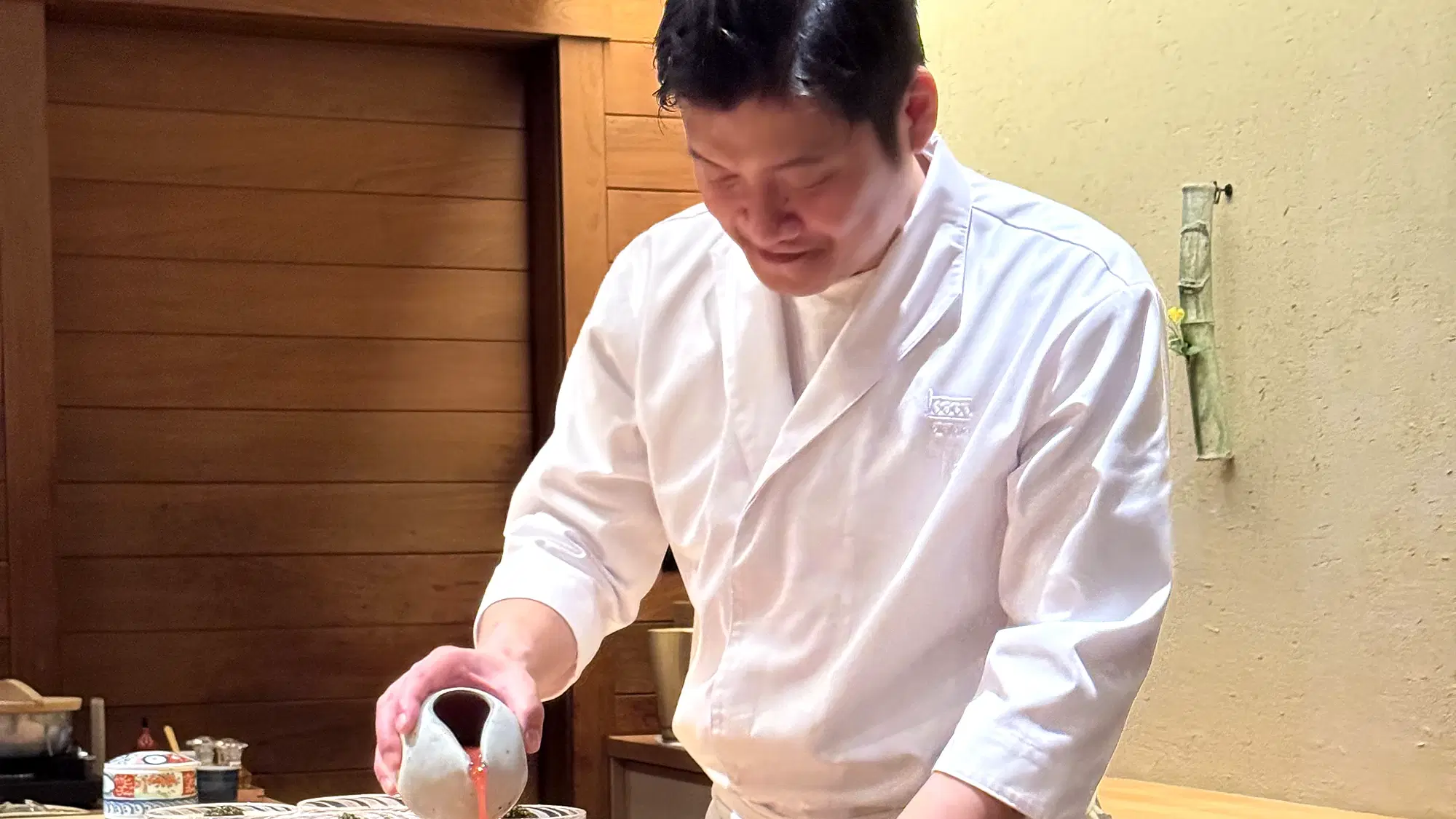
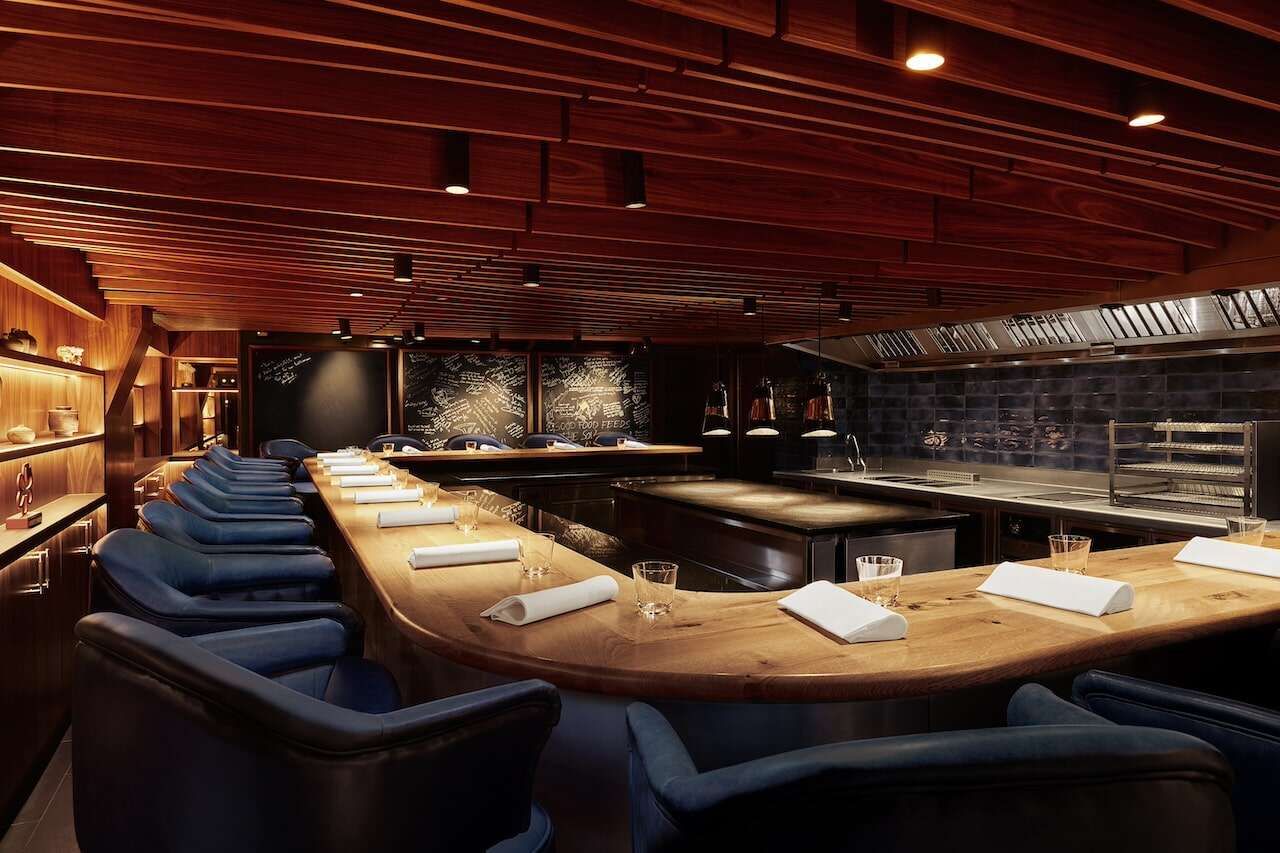
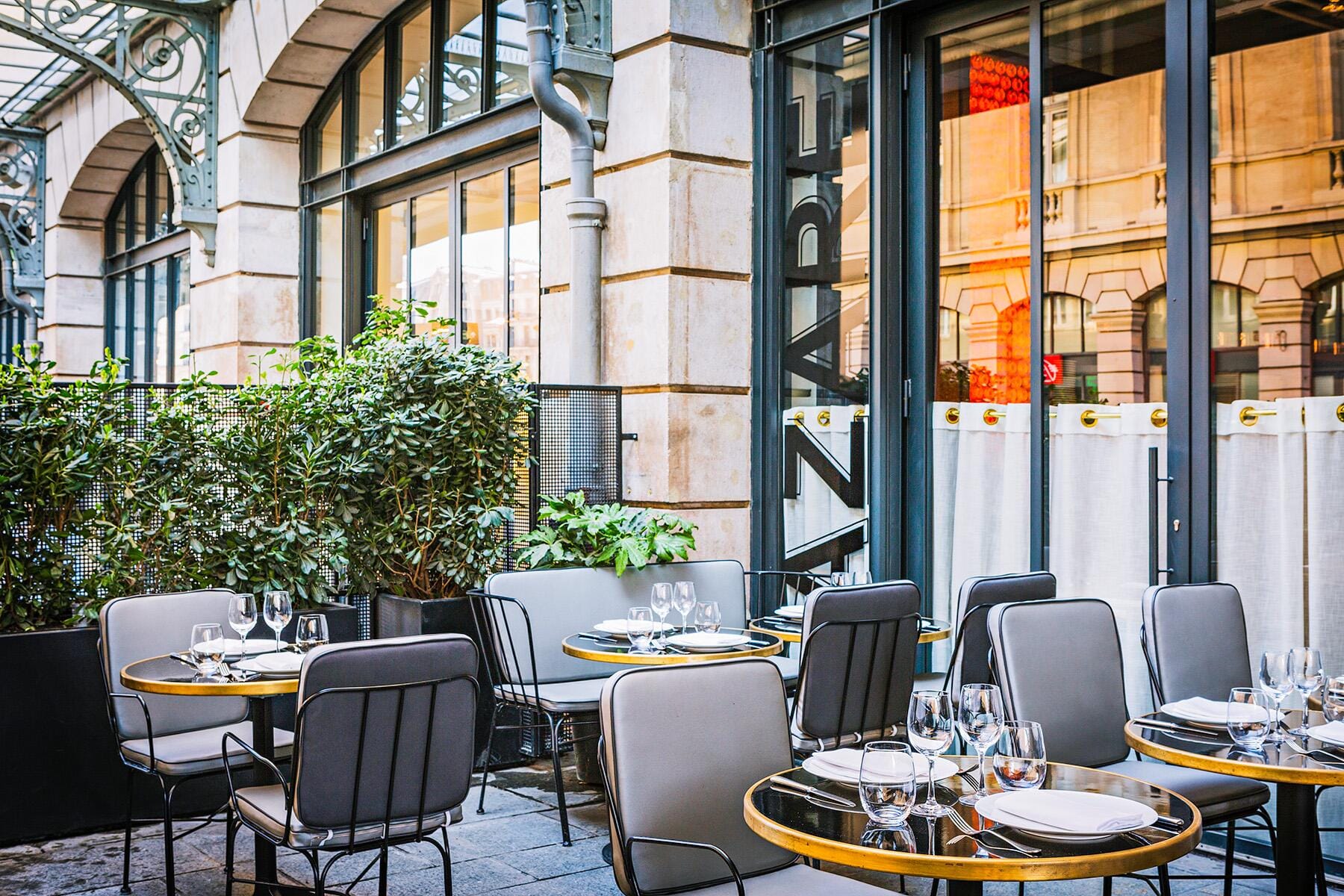
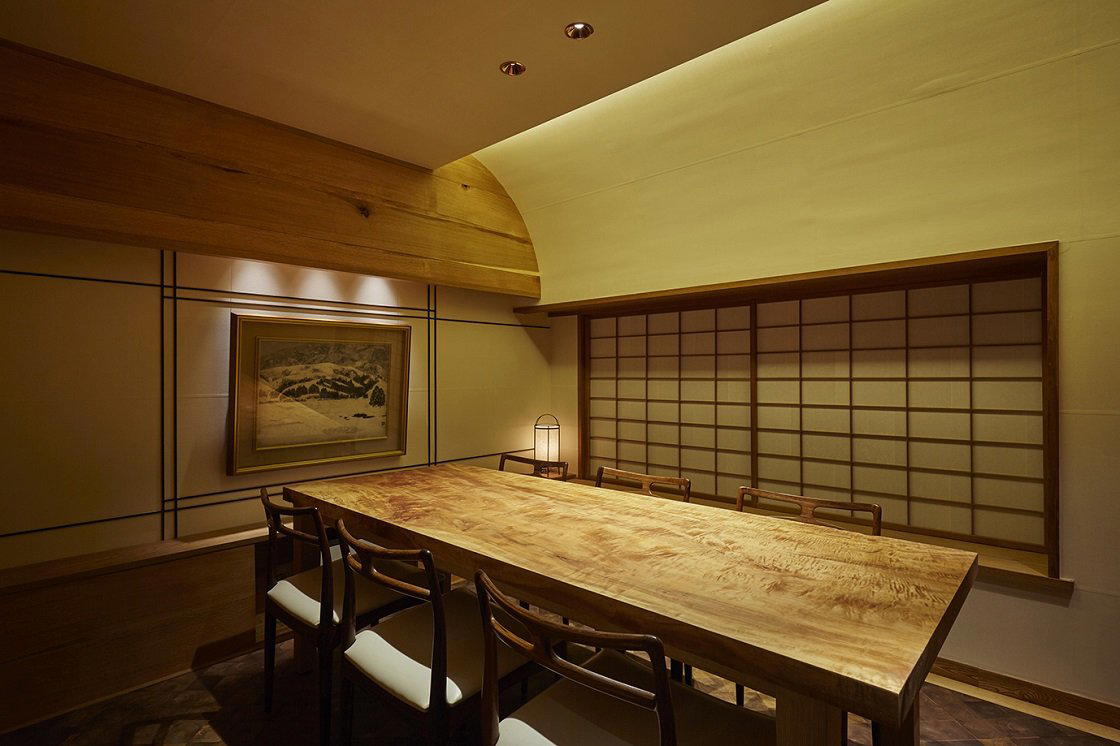
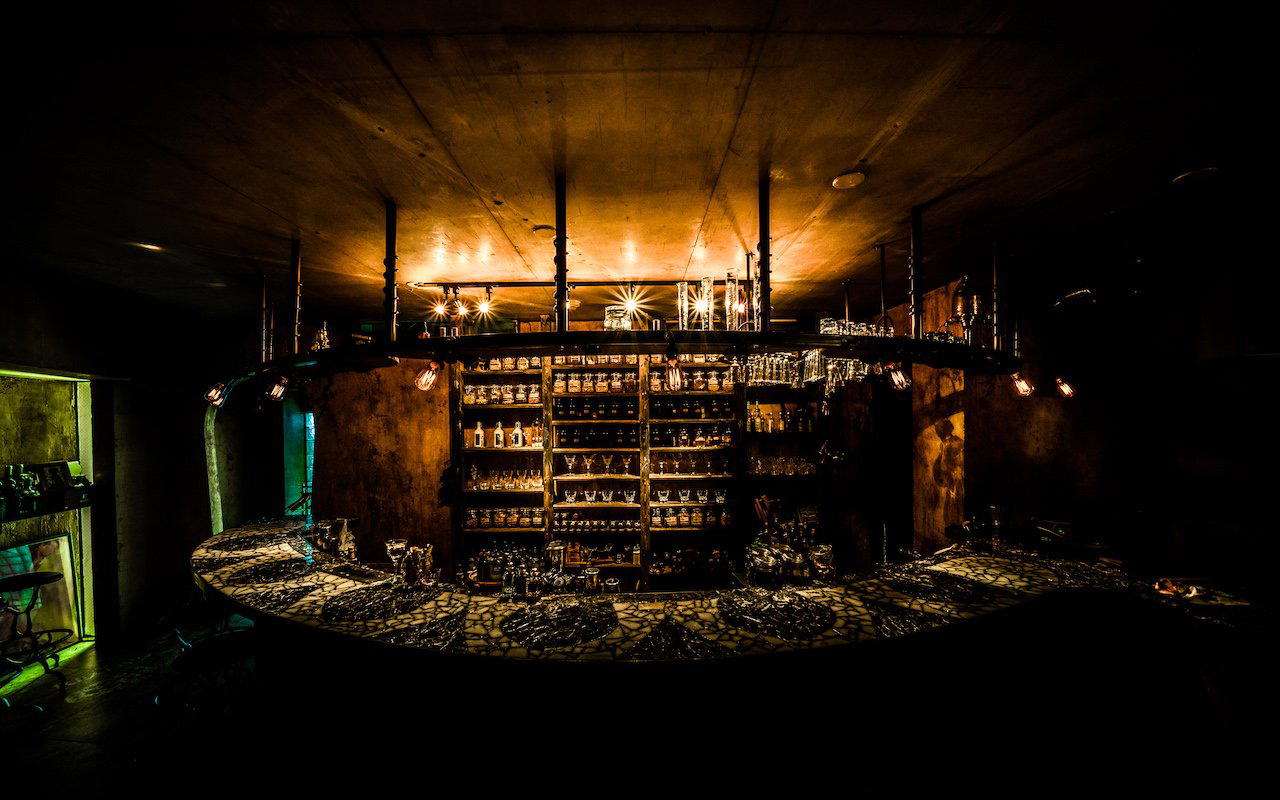
Elegant hotel restaurant atmosphere with refined Japanese dining experience.