Our verdict
Suginami Ward sits well outside Tokyo's tourist circuits, a residential sprawl of quiet shotengai shopping streets and neighbourhood dining rooms that serve the people who actually live here rather than visitors passing through. That context matters when considering Kirakutei (器楽亭), a restaurant in this ward where the dining culture tends toward the local and the unpretentious. The ward's restaurant scene spans a range of formats and price points, from casual counter spots where a meal runs around 1,000–2,000 yen to more considered dining rooms where the average spend reaches 3,000–5,000 yen. Kirakutei sits within this ecosystem, in a neighbourhood where repeat custom from local residents shapes a kitchen's priorities more than critical attention or awards recognition. Public documentation on Kirakutei is limited, and the responsible approach is to say so plainly rather than fill the gap with invention. What the address confirms is the setting: Suginami is a ward where Chinese and Japanese cooking coexist across dozens of small, owner-operated rooms, many within a short walk of the area's commuter rail stations. The dining here is built around consistency and familiarity rather than spectacle, which suits a certain kind of traveller, one looking for a meal that reflects how the city actually eats rather than how it performs for an audience.

Pearl is the En Primeur Club membership app, where members save venues, book tables and use the concierge.
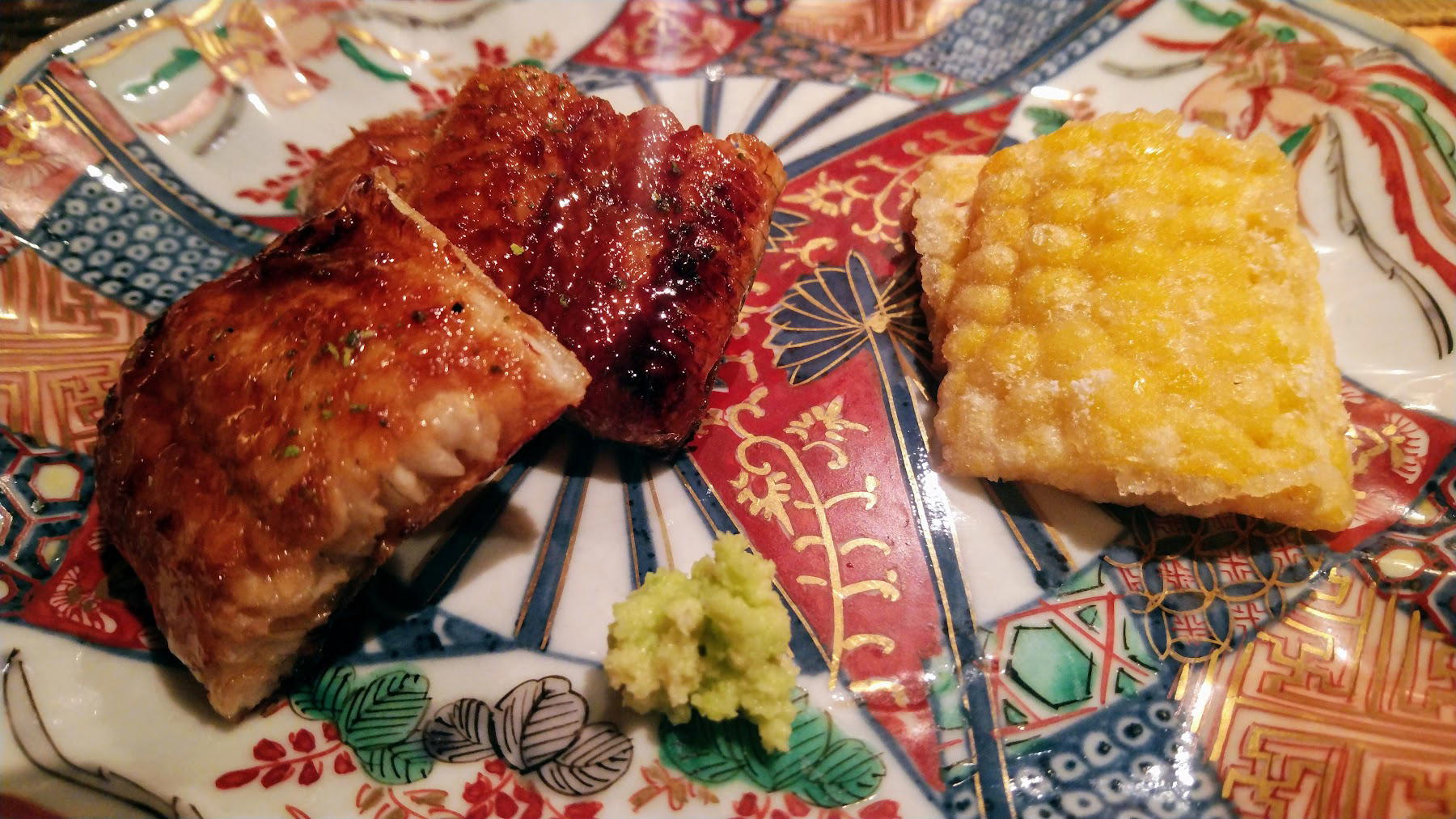
Suginami Ward sits well outside Tokyo's tourist circuits, a residential sprawl of quiet shotengai shopping streets and neighbourhood dining rooms that serve the people who actually live here rather than visitors passing through. That context matters when considering Kirakutei (器楽亭), a restaurant in this ward where the dining culture tends toward the local and the unpretentious.
The ward's restaurant scene spans a range of formats and price points, from casual counter spots where a meal runs around 1,000–2,000 yen to more considered dining rooms where the average spend reaches 3,000–5,000 yen. Kirakutei sits within this ecosystem, in a neighbourhood where repeat custom from local residents shapes a kitchen's priorities more than critical attention or awards recognition.
Public documentation on Kirakutei is limited, and the responsible approach is to say so plainly rather than fill the gap with invention. What the address confirms is the setting: Suginami is a ward where Chinese and Japanese cooking coexist across dozens of small, owner-operated rooms, many within a short walk of the area's commuter rail stations. The dining here is built around consistency and familiarity rather than spectacle, which suits a certain kind of traveller, one looking for a meal that reflects how the city actually eats rather than how it performs for an audience.
In Context
Comparable venues nearby, for context on price, style, and recognition.
| Venue | Cuisine | Price | Awards | Notes |
|---|---|---|---|---|
| Kirakutei (器楽亭)This venue (the venue you are viewing) | Seafood Izakaya | $20–30 | Not listed | Not listed |
| Menson Rage (麺尊RAGE) | Shamo Chicken Shoyu Ramen | $10–20 | Tabelog 100 #56 | Nishi-Ogikubo, Shamo Chicken Shoyu Ramen |
| Satei Zenkashoin Shibuya hikarie ShinQs ten | Kyoto-style Japanese Tea Cafe | $10–20 | Tabelog 100 #36 | Shibuya, Kyoto-style Japanese Tea Cafe |
| Fujiya NOODLE | Modern Sapporo miso ramen counter | $10–20 | Tabelog 100 #13 | Chūō, Modern Sapporo miso ramen counter |
| Kawakami-an (軽井沢 川上庵) | Japanese Soba | $20–30 | Tabelog 100 #11 | Karuizawa, Traditional Japanese Soba |
| Komorebi Shokudo + | Healthy Japanese Café & Teishoku | $10–20 | Tabelog 100 #45 | Urawa, Healthy Japanese Café & Teishoku |
Continue exploring
More in 杉並区
Restaurants in 杉並区
Browse all →
Details
- Cozy
- Casual Hangout
- Sake Program
- A La Carte
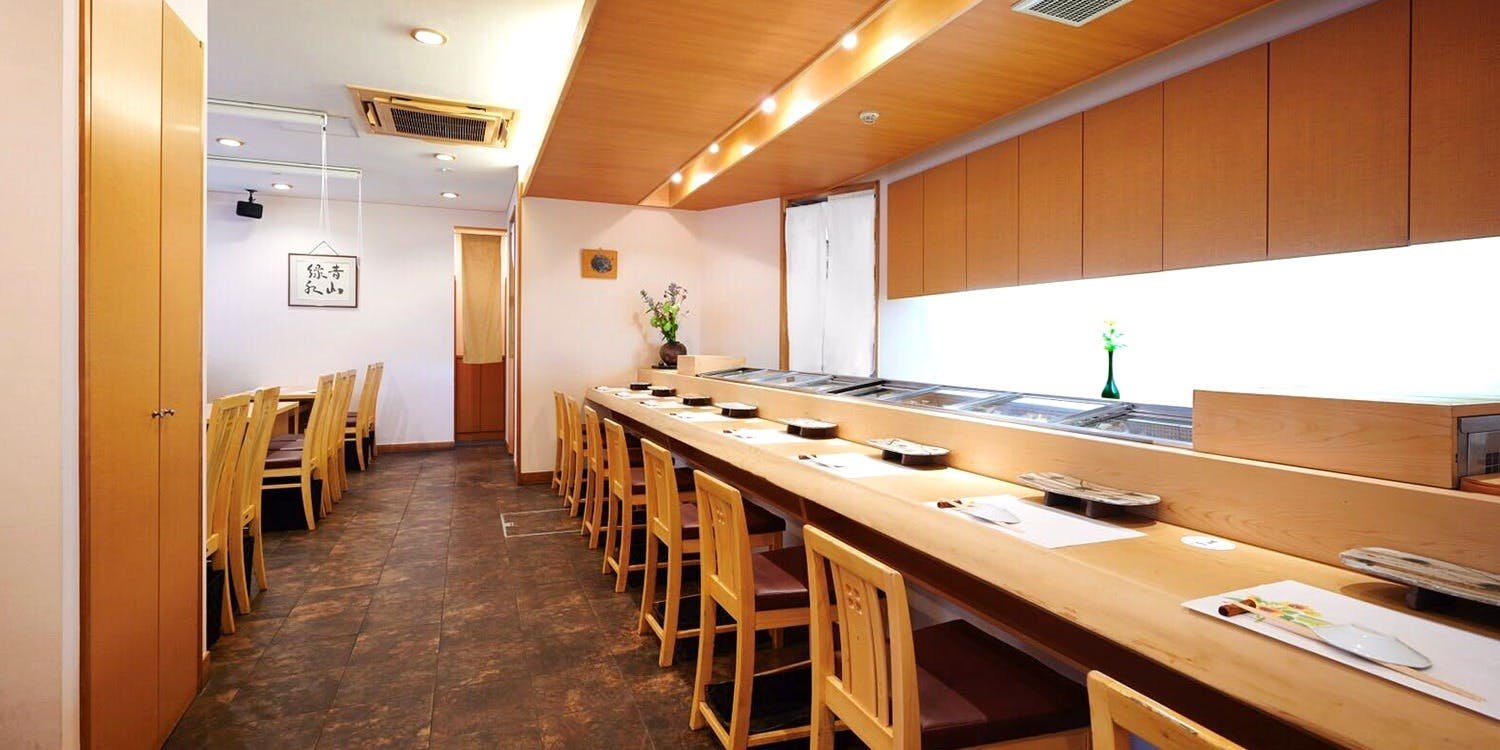
Cozy izakaya atmosphere.