
LA BISBOCCIA places Tokyo Italian dining in its larger, convivial register: pasta, wine, and a multi-course rhythm built for a long evening rather than a quick tasting counter. Its Tabelog 100 Italian Tokyo 2025 selection, 100-seat scale, sommelier service, and Ebisu-Hiroo address put it in the city’s established Italian category, with a price band that signals occasion dining.
Pearl is the En Primeur Club membership app — saves, bookings, and concierge access live there. Same editors, same standards.
- Address
- Japan, 〒150-0013 Tokyo, Shibuya, Ebisu, 2 Chome−36−13 Hiroo Mtr Building, 1F
- Phone
- +81 3-3449-1470
- Website
- labisboccia.tokyo
 Saves & bookings on Pearl
The approach to serious Italian dining in Tokyo often splits between two formats: compact chef-led counters with Japanese tasting-menu discipline, and larger trattoria-ristorante rooms where the evening develops through antipasti, pasta, main courses, wine, and conversation. LA BISBOCCIA belongs to the second camp. The draw is not a whispered counter ritual, but the older pleasure of a dining room with enough scale for celebrations, regulars, and bottles opened across a long table.
That matters in Tokyo, where Italian cooking has been absorbed into the city’s high-precision restaurant culture without losing its appetite for generosity. Ebisu and Hiroo sit naturally inside that story: residential money, embassy traffic, wine drinkers, and diners who do not need every serious meal to arrive as a fixed dégustation. The restaurant’s Tabelog 100 Italian Tokyo 2025 selection places it among the city’s recognized Italian addresses, while its 2021 and 2023 appearances point to sustained local relevance rather than a single-season spike.
A Tokyo Italian meal built around progression, not performance
The useful way to read this restaurant is through sequence. Tokyo’s luxury dining often compresses pleasure into timed courses and chef-facing choreography; the Italian room works differently. A meal can open with shared plates, move into pasta as the emotional center, then stretch into meat, wine, and dessert without the pressure of a counter clock. That arc is why the restaurant fits group dinners and celebrations more naturally than the city’s smaller tasting-menu rooms.
The listed categories, Italian, wine bar, and pasta, are more revealing than they first appear. They describe a format where the meal is not only food-led but cellar-led, and where pasta is not a side note between luxury ingredients. Sommelier availability reinforces the point: the progression can be shaped through bottles and pairings rather than treated as an afterthought. In Tokyo’s Italian category, that is a meaningful distinction, especially for diners who want the ease of à la carte-style pacing without giving up the seriousness of a recognized restaurant.
100-seat scale also changes the experience. Many high-demand Tokyo restaurants derive prestige from scarcity, but larger rooms carry a different kind of confidence: the kitchen has to manage rhythm, temperature, wine service, and party dynamics across a broader floor. That scale makes the restaurant feel closer to the Italian social model than to the Japanese micro-counter model. For readers comparing styles, that difference is more useful than another generic claim about refinement.
Where it sits in Tokyo's Italian and occasion-dining scene
Tokyo’s European dining scene is not a single lane. French rooms such as Alternative occupy a different register, often more tasting-menu coded, while sushi and yakitori remain built around specialist counters and shorter ingredient-focused arcs. Even among comparison venues, the contrast is clear: Toritama belongs to a yakitori grammar, Sushi Akira to sushi discipline, and Amandier to another mode of Western dining. LA BISBOCCIA is better understood as an Italian room for diners who want the meal to expand rather than narrow.
That positioning also explains the price signal. At JPY 20,000 to JPY 29,999 for dinner, the restaurant sits in Tokyo’s occasion tier, not the casual pasta bracket. The value question is therefore not whether it competes with neighborhood trattorie; it competes with other long-evening choices in which wine, pacing, service, and atmosphere carry as much weight as the plate. For travelers planning a Tokyo dining week, it works as a counterpoint to tighter specialist formats such as 124. KAGURAZAKA (Yakitori), 12/10 Shinjuku ten, or . 鮪と炭火焼き うお炭 秋葉原店.
The room is also more adult than family-default. Children under 16 are restricted on weekdays, with Saturday and public-holiday rules easing the policy. That detail says something about the expected cadence: dinners are built for longer sittings, wine, and celebration rather than stroller logistics. Private rooms are not part of the offer, but private use is available, a useful distinction for larger occasions that need the room’s energy rather than enclosure.
How to place it in a wider Tokyo itinerary
For a first Tokyo trip, the temptation is to make every meal hyper-specific: sushi one night, ramen the next, a counter kappo after that. The better itinerary leaves space for restaurants that show how Tokyo absorbs foreign cuisines and makes them local through service standards, ingredient discipline, and audience expectation. Italian cooking has had decades to settle into the city, and this kind of room shows the mature version: less novelty, more continuity.
Use it as the European anchor in a week otherwise built around Japanese formats. Pair it with specialist Japanese meals, casual daytime stops such as 2D Cafe or 3 Chome no Curry Ya San, and one or two regional excursions if the trip extends beyond the capital, from -Grilled beef Sukiyaki- KAMAKURA TANUKIAN 鎌倉 たぬき庵 in Kamakura to [ki:] in Kyoto.cafe in Osaka.know in Kumamoto, (Shoku) Vietnam in Kawasaki, and [Curry Senmon Ten] Maruyama Kyoju. in Sapporo. For readers extending the Japanese-food thread abroad, Jōdo Saké Bar in Los Angeles and Onigiri Time in Pasadena show how different the translation becomes outside Japan.
For broader planning, use Our full Tokyo restaurants guide to balance this dinner against counters, casual rooms, and specialist kitchens. The surrounding trip infrastructure matters too: Our full Tokyo hotels guide helps anchor the stay by neighborhood, while Our full Tokyo bars guide, Our full Tokyo wineries guide, and Our full Tokyo experiences guide round out evenings that do not end at the final course.
Cuisine Context
Comparable venues at a glance for context.
| Venue | Cuisine | Price | Notes |
|---|---|---|---|
| LA BISBOCCIAThis venue — the venue you are viewing | Authentic High-End Italian Trattoria | $$$ | Not listed |
| ristorante scintilla | Modern Italian Fine Dining | $$$ | Meguro |
| Ristorantino Rubero | Modern Italian in a Meguro vintage house | $$$ | Shinagawa |
| SAVOY Azabujuban | Modern Neapolitan Pizza | $$$ | Minato |
| Pizzeria Bella Napoli | Neapolitan Pizza | $$$ | Kōtō |
| MANSALVA | Seasonal Modern Italian | $$$ | Shibuya |
Recognition history
Dated appearances from independent guides and award organizations, with the underlying list record or original source where available.
Tabelog 100 #73 · No. 73
Tabelog · Tabelog 100 - Italian - TOKYO - 2025











At a Glance
- Lively
- Rustic
- Classic
- Energetic
- Elegant
- Date Night
- Business Dinner
- Group Dining
- Celebration
- Special Occasion
- After Work
- Wine Cellar
- Private Dining
- Standalone
- Design Destination
- Extensive Wine List
- Sommelier Led
- Natural Wine
- Local Sourcing
- Natural Wine
Current opening hours
- Monday
- 5:30–11 PM
- Tuesday
- 5:30–11 PM
- Wednesday
- 5:30–11 PM
- Thursday
- 5:30–11 PM
- Friday
- 5:30–11 PM
- Saturday
- 5:30–11 PM
- Sunday
- Closed
Hours can change for holidays and private events. Last verified .
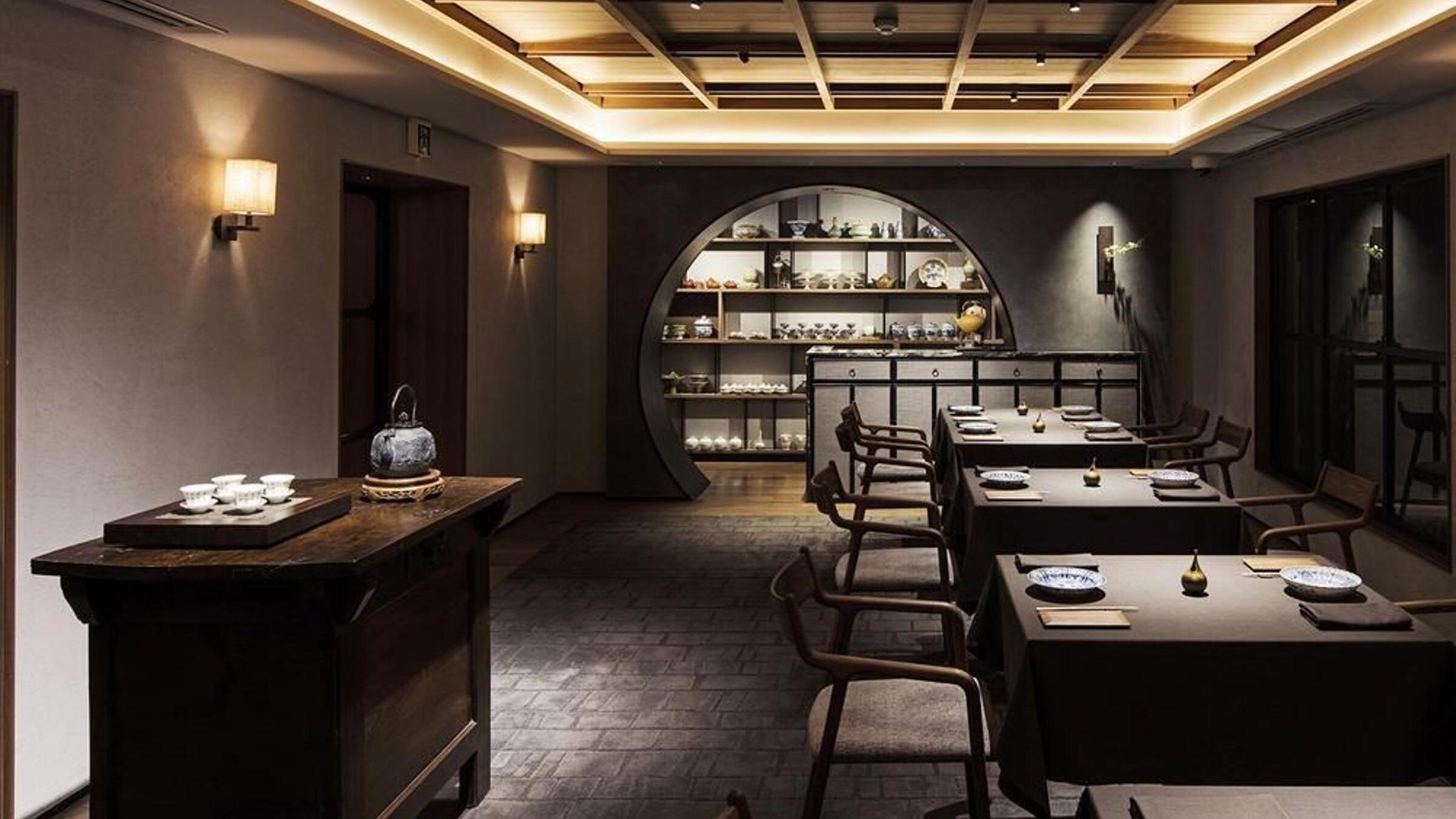
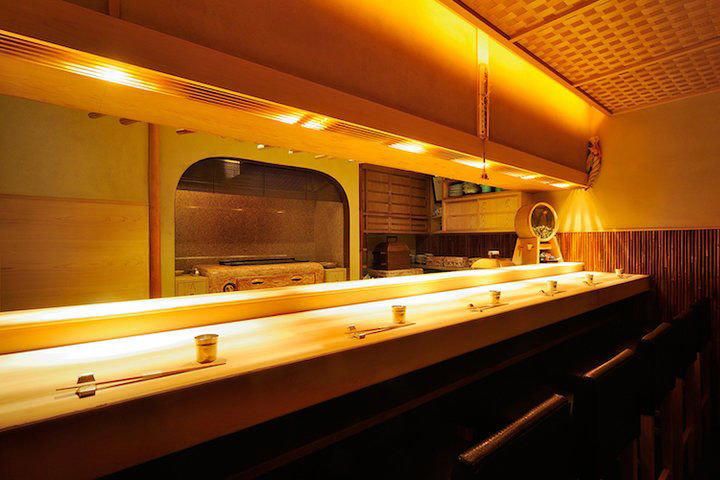
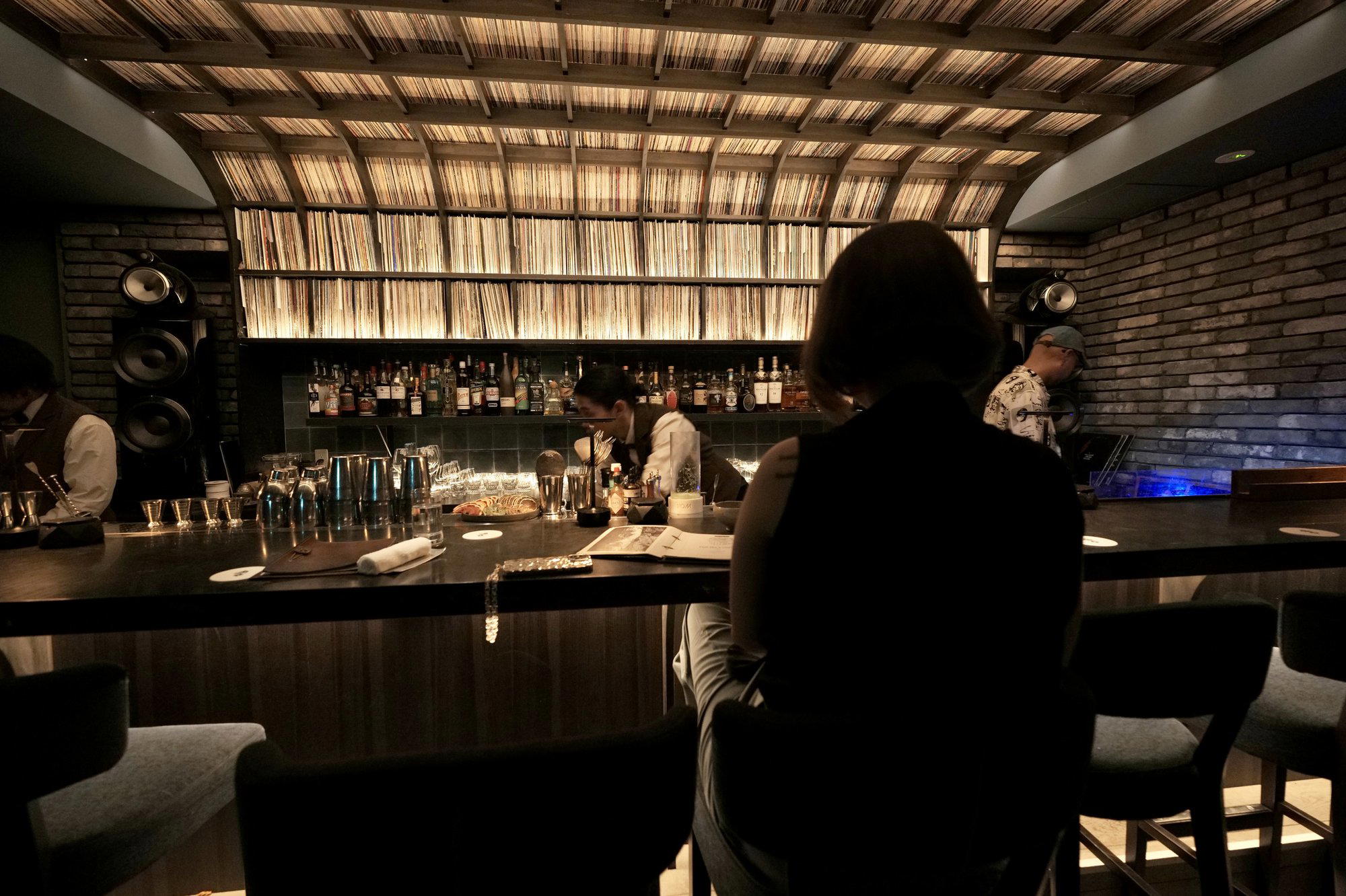
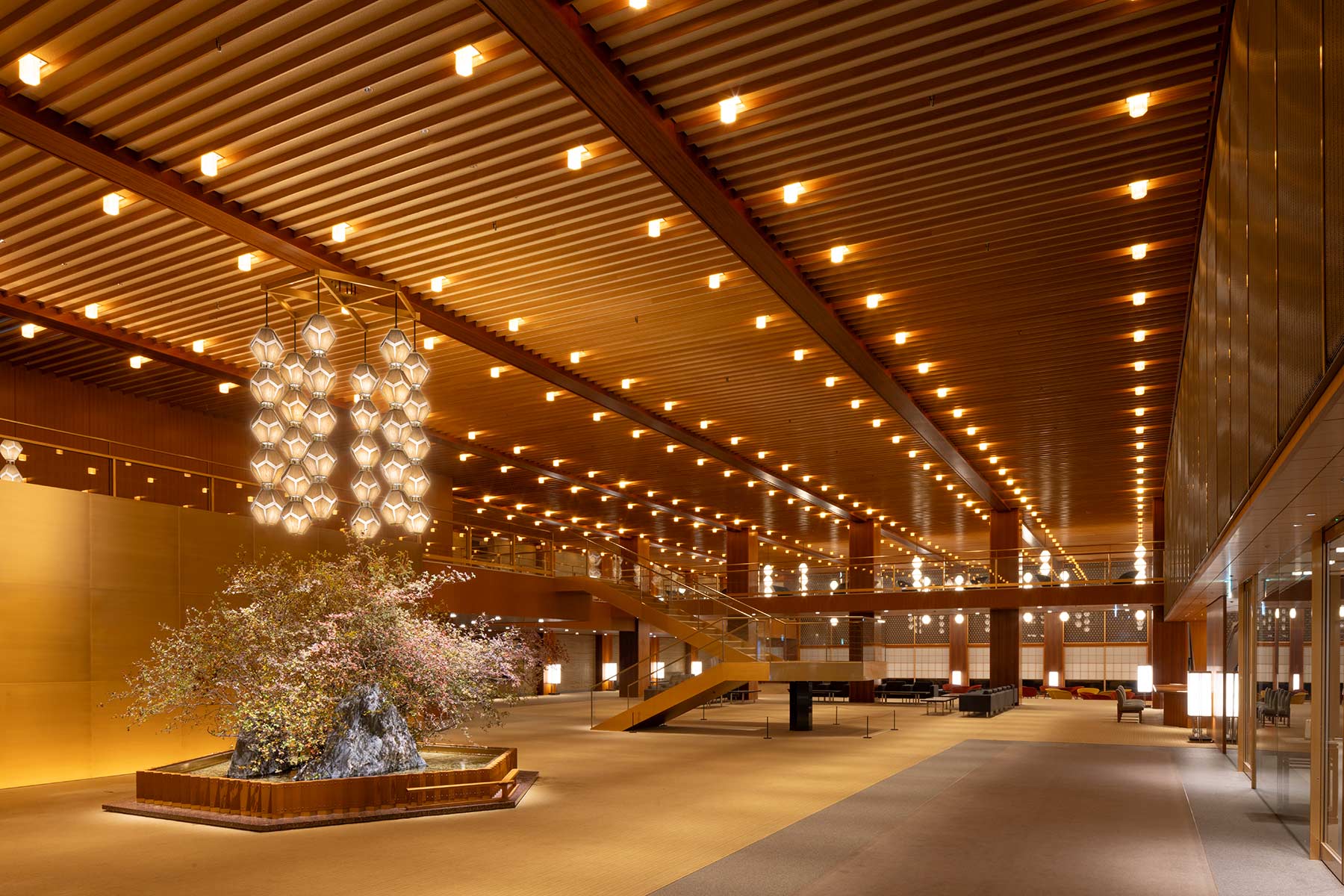
Warm and bustling with a rustic, European trattoria feel: greenery at the entrance, a bar leading into a large, high-ceilinged dining room, energetic but polished service, and lighting suited to relaxed but upscale dinners rather than quiet conversation.