Our verdict
In Kushiro, Hokkaido's seafood-rich port city, 素伸 occupies a quiet address on Yanagimachi that rewards those who seek out the city's more considered dining rooms. The restaurant draws directly from one of Japan's most productive fishing coasts, where crab, salmon, and sea urchin define the regional table. Kushiro's cold Pacific waters produce ingredients that set the sourcing context before a single dish arrives.

Pearl is the En Primeur Club membership app, where members save venues, book tables and use the concierge.
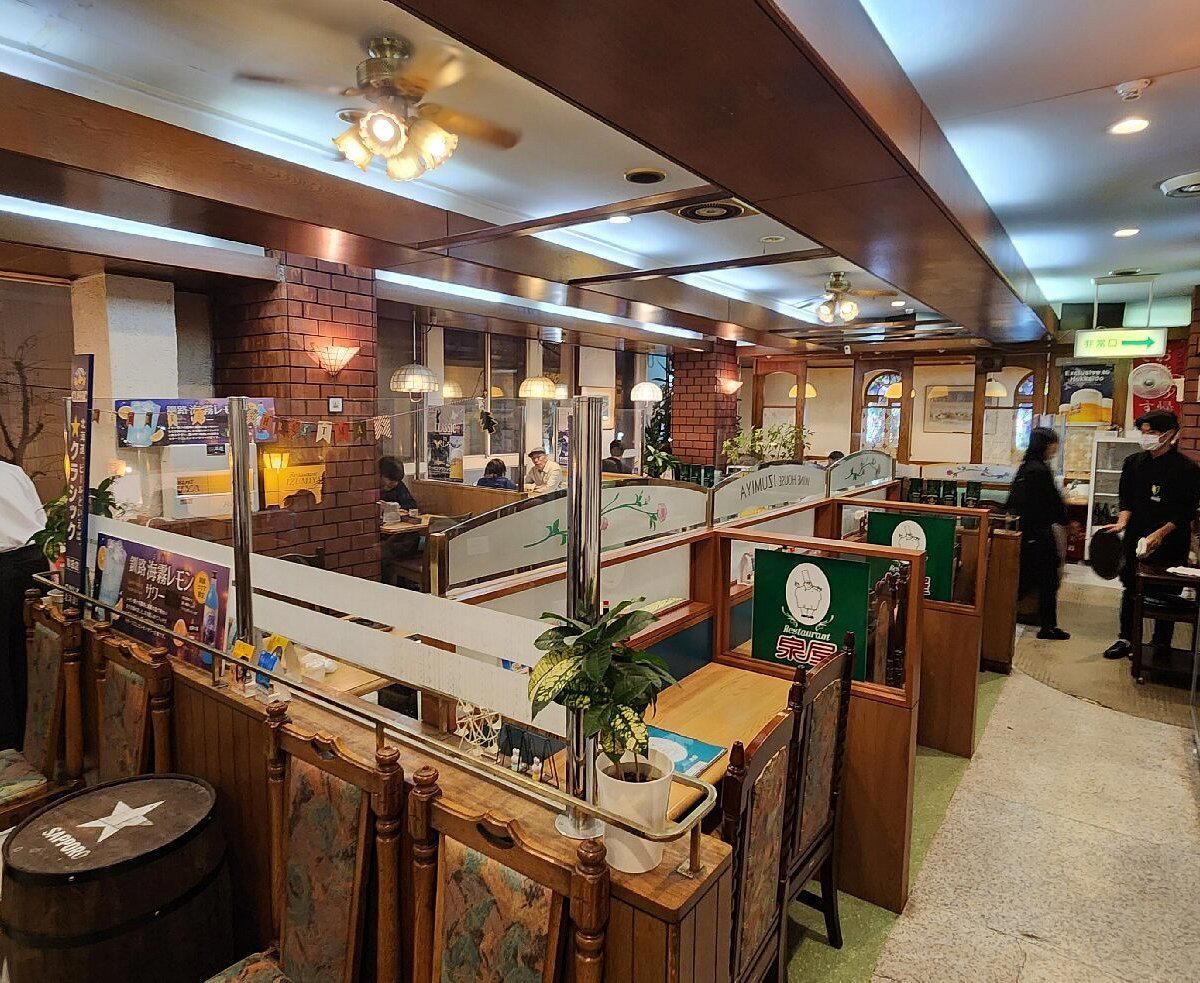
The menu
What to order
- Scallop omakase
- Local white fish selection
- Uni from Kushiro waters
What Kushiro's Waters Put on the Table
Hokkaido's eastern coastline generates some of Japan's most closely watched seafood harvests. The Oyashio Current, sweeping cold and nutrient-dense down from the Bering Sea, collides with warmer Pacific water just off Kushiro's shore, producing a fishing ground that supplies Hokkaido snow crab, Pacific saury, salmon, and the uni that ends up at counters from Ginza to San Francisco. For restaurants in the city itself, the supply chain is remarkably short: the port operates as both the source and the setting. Dining in Kushiro, in other words, carries a geographic argument that few Japanese cities can match for immediacy.
素伸 sits at 10-12 Yanagimachi, a quietly residential block that places it away from the tourist-facing izakaya strip closer to the waterfront. That distance is part of a pattern visible across Japan's regional cities: the restaurants drawing on the most direct ingredient relationships tend not to announce themselves with signage or central addresses. The journey to the door is, in itself, a filtering mechanism. Those who find it are generally not arriving by accident. For broader orientation across Kushiro's dining options, our full Kushiro restaurants guide maps the city's notable rooms by neighbourhood and format.
The Sourcing Context That Shapes a Menu
Regional Japanese cooking at this latitude operates under a set of natural constraints that function as editorial direction for any kitchen committed to the seasons. Kushiro's fishing calendar is specific: snow crab season runs from roughly November through March under strict quotas managed by Hokkaido's prefectural fisheries agency. Salmon returns peak in autumn. Shishamo smelt, a fish so associated with this stretch of coastline that it carries near-protected cultural status, appears in late autumn in a form that bears almost no relation to the roe-stuffed versions sold in urban supermarkets. A kitchen working within these rhythms doesn't build a fixed menu so much as it responds to what the port delivered that morning.
This sourcing model, hyper-local, seasonally bound, tied to a specific fishing community, sits at the opposite end of the spectrum from the ambitious multi-regional sourcing programs that define restaurants like HAJIME in Osaka or the precision French techniques applied at Le Bernardin in New York City. It is also, increasingly, what a particular cohort of Japanese diners seeks out: the meal that could only happen in this place, on this day. Comparable thinking governs rooms like Gion Sasaki in Kyoto, where the seasonal kaiseki calendar bends to what Kyoto's immediate markets offer, and Goh in Fukuoka, which draws tightly on Kyushu's fishing and farming networks.
Placing 素伸 Within Hokkaido's Dining Scene
Hokkaido's restaurant geography divides fairly cleanly between Sapporo, which now sustains a credible fine-dining tier, as evidenced by rooms like aki nagao in Sapporo, and the regional cities further east, where the cooking tends to be less formally structured but more directly connected to production. Kushiro falls firmly in the latter category. The city functions as a working port and a gateway to the Akan-Mashu National Park wetlands, and its dining culture reflects both identities: pragmatic, ingredient-led, and oriented toward the people who actually live and fish here rather than toward a visiting expense-account clientele.
素伸's address on Yanagimachi fits that register. Hokkaido's eastern dining rooms, in general, don't operate on the booking-weeks-in-advance model that governs counters like Harutaka in Tokyo, where omakase seats at the top of the market can require months of advance planning. But that relative accessibility doesn't signal lower sourcing standards: it reflects a different relationship between kitchen and community. The same pattern appears at Ajidocoro in Yubari District and affetto akita in Akita, where regional provenance carries more weight than metropolitan credential.
Reading the Menu Through the Port
Any menu at a serious Kushiro restaurant should be read as a document of the fishing calendar rather than as a list of permanent offerings. The city's most direct peer in this regard is Aji Arai in Oita, another regional Japanese city where the kitchen's identity is inseparable from what the local waters yield. Across Japan, this pattern of port-to-plate specificity has grown more visible as diners in Osaka, Tokyo, and Kyoto increasingly travel to regional cities specifically to access ingredients at their source rather than in filtered, shipped form.
For context on how this approach plays out at a Western cooking register, the sourcing discipline at Lazy Bear in San Francisco and the hyper-local framing at akordu in Nara offer useful comparative lenses: different traditions, but the same underlying argument that geography should be legible on the plate. What distinguishes Kushiro's version of this argument is the sheer volume and quality of what the sea provides: few production environments in Japan are as productive, as closely monitored, or as tightly connected to the restaurants that use them.
Other Japanese regional rooms navigating similar territory include Amaki in Aichi, Amegen in Saga, and Akakichi in Imabari, each of which has built a kitchen identity around a specific coastal or agricultural supply. 素伸's Yanagimachi address places it squarely in that company.
Planning a Visit
Kushiro is accessible by direct flight from Tokyo's Haneda Airport in approximately 90 minutes, or by train from Sapporo on the Kushiro Limited Express, a journey of around three and a half hours that cuts through some of Hokkaido's most open terrain. The city's dining rooms tend to operate on tighter schedules than urban equivalents, and given the small-scale format typical of this type of regional Japanese restaurant, contacting 素伸 in advance is sensible, particularly during the November-to-March crab season when local demand peaks. Yanagimachi is a short taxi or walk from central Kushiro. Visitors arriving specifically for the seafood calendar should consider pairing the visit with a meal at 天ぷら彩, Kushiro's tempura-focused room, which approaches the same regional ingredient pool through a different technique. For wider Hokkaido dining context across formats and price tiers, Abon in Ashiya and anchoa in Kanagawa represent the kind of serious regional cooking that forms a useful frame of reference before traveling east.
Frequently asked questions
Is 素伸 a family-friendly restaurant?
素伸 is located in Yanagimachi, Kushiro's established dining quarter, and reads as a considered sit-down restaurant rather than a casual family venue. Hokkaido's serious regional seafood rooms at this address type tend to prioritise quiet service rhythms over high-energy family formats. Families with older children who appreciate fresh Hokkaido seafood will find more common ground than those with young children expecting informal surroundings.
Where is ç´ä¼¸ located?
ç´ä¼¸ is located at 10-12 Yanagimachi, Kushiro, Hokkaido 085-0037, Japan, Kushiro.
Do I need a reservation for ç´ä¼¸?
Reservations are recommended for ç´ä¼¸ in Kushiro. Confirm current policy via the venue's official channels.
What's the signature at ç´ä¼¸?
ç´ä¼¸ is best approached by focusing on the core concept and signature offerings.
In Context: Similar Options
| Venue | Cuisine | Price | Awards | Notes |
|---|---|---|---|---|
| ç´ä¼¸This venue (the venue you are viewing) | Kushiro Omakase | $50–100 | Not listed | Not listed |
| HAJIME | Avant-Garde Japanese Fine Dining | $300–500 | 3 Michelin Stars · World's 50 Best #83 | French, Innovative |
| Harutaka | Edo-Style Omakase Sushi | $200–300 | 3 Michelin Stars · World's 50 Best #76 | Sushi |
| L'Effervescence | Modern French with Japanese Influences | $200–300 | 3 Michelin Stars · World's 50 Best #69 | French |
| RyuGin | Modern Kaiseki | $500+ | 3 Michelin Stars · World's 50 Best #41 | Kaiseki, Japanese |
| Crony | Modern French with Japanese Influences | $150–200 | 2 Michelin Stars · World's 50 Best #34 | Innovative, French |
Continue exploring
More in Kushiro
Restaurants in Kushiro
All restaurants in Kushiro →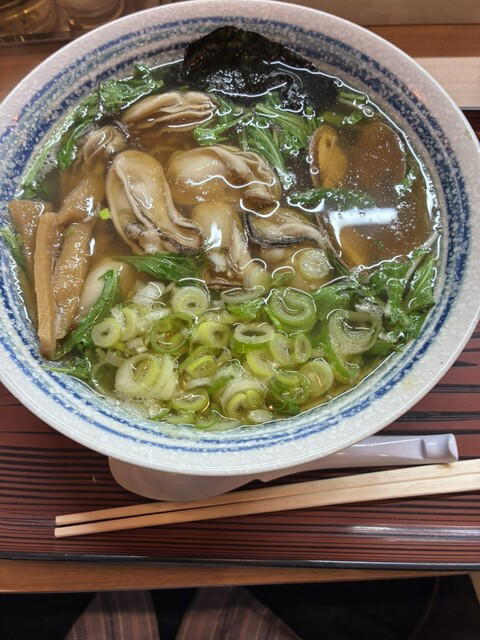
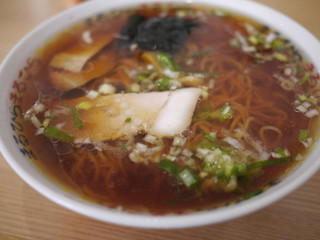
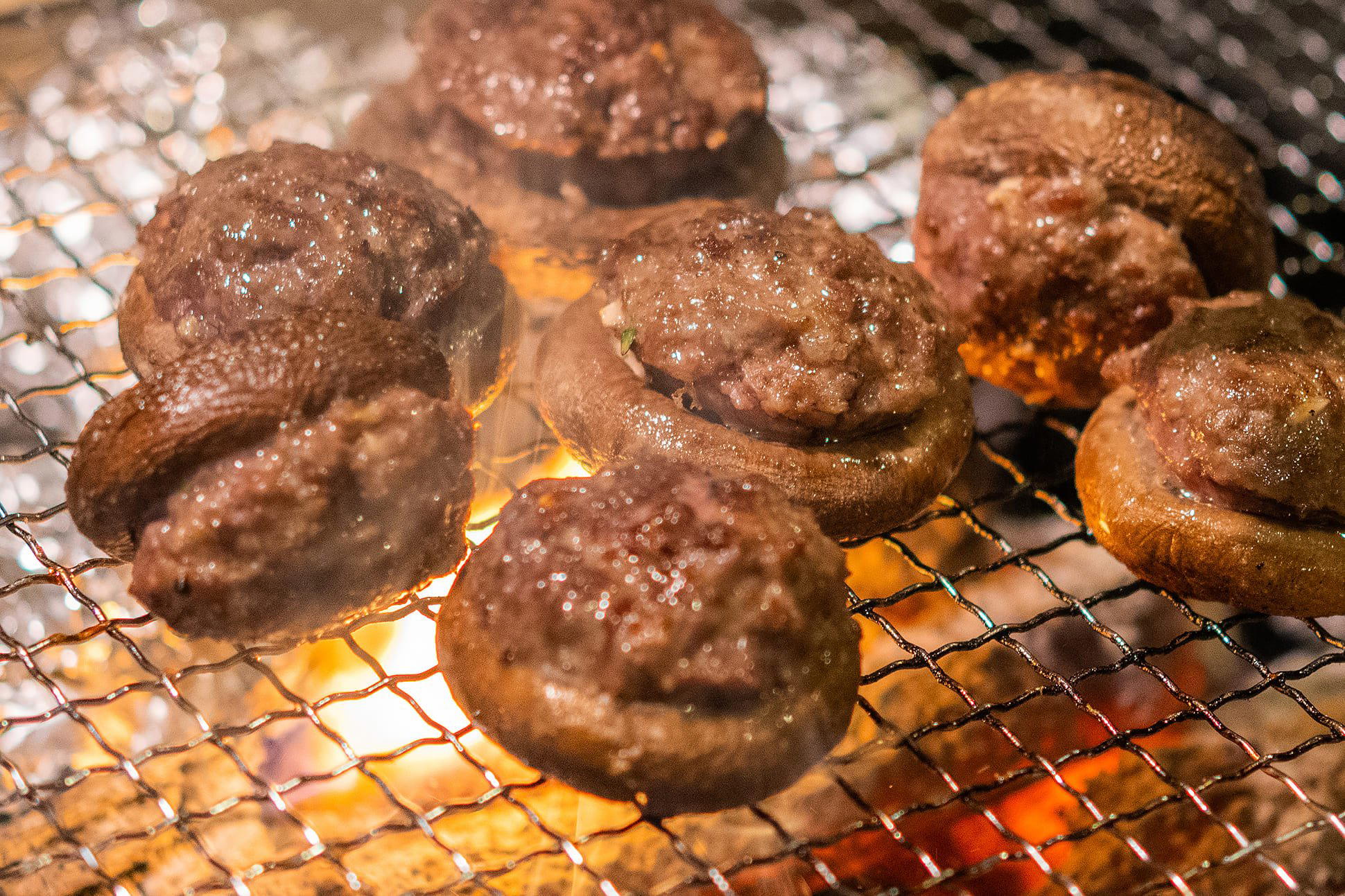
Hotels in Kushiro
Browse all →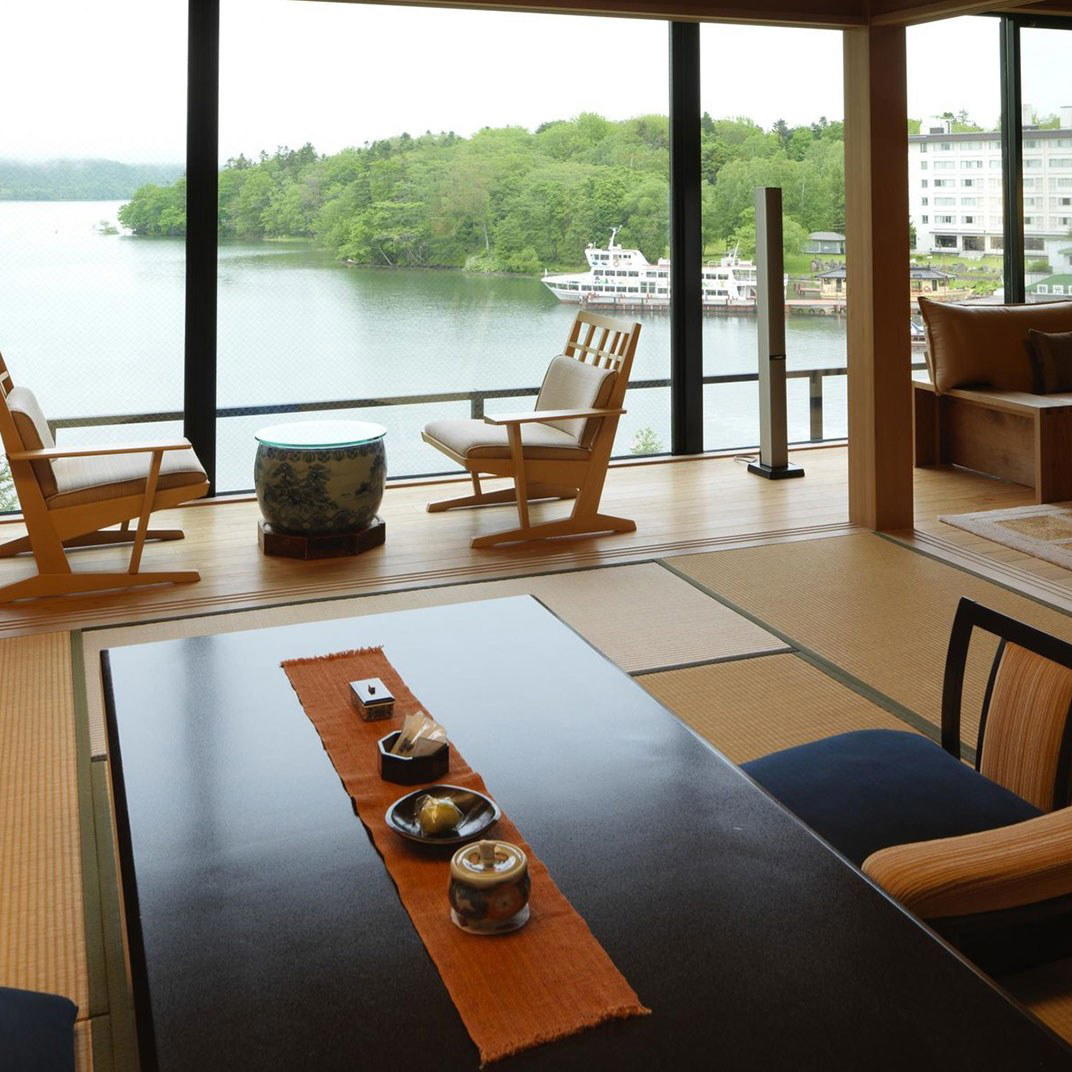
Details
- Elegant
- Intimate
- Classic
- Date Night
- Special Occasion
- Business Dinner
- Chefs Counter
- Open Kitchen
- Sake Program
- Local Sourcing
- Sustainable Seafood
- Omakase
- Counter Dining
- Sake
- Beer
Warm, minimalist interior with soft lighting and a focus on the chef's counter experience; traditional Japanese aesthetic with modern refinement.