
Winter sharpens Hokkaido’s ramen appetite, and Ramen Maruhira belongs to the plainspoken end of that culture: small room, counter focus, early-day rhythm, and a Tabelog 100 Ramen HOKKAIDO 2025 selection. Its appeal is less about spectacle than format discipline: a compact ramen shop where seating, pace, and regional noodle culture do the work.
Pearl is the En Primeur Club membership app — saves, bookings, and concierge access live there. Same editors, same standards.
- Address
- 北海道釧路市浦見8-1-13
- Phone
- +81154417233
- Website
- tabelog.com
 Saves & bookings on Pearl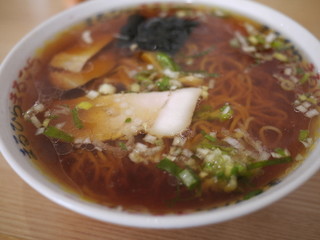
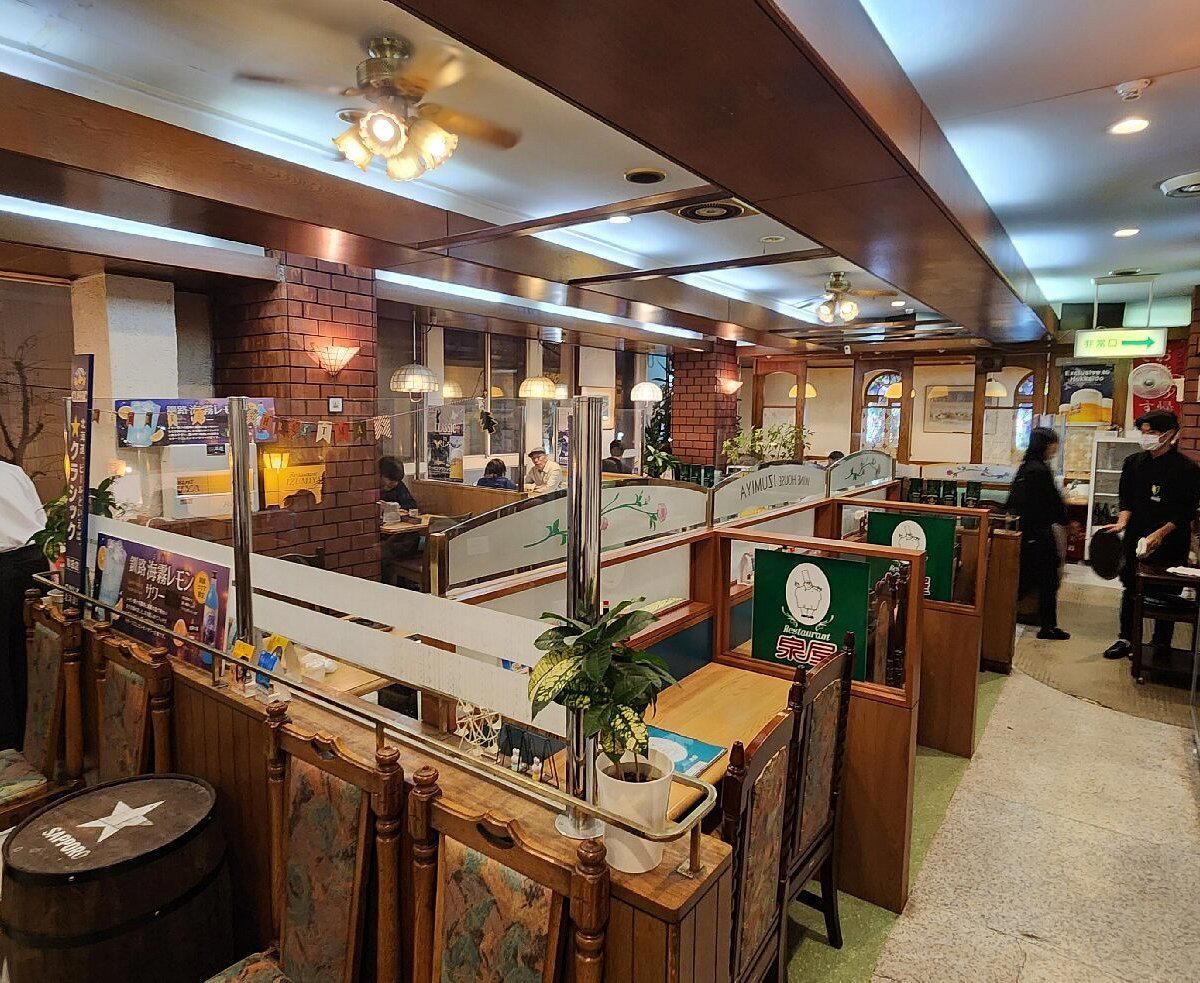
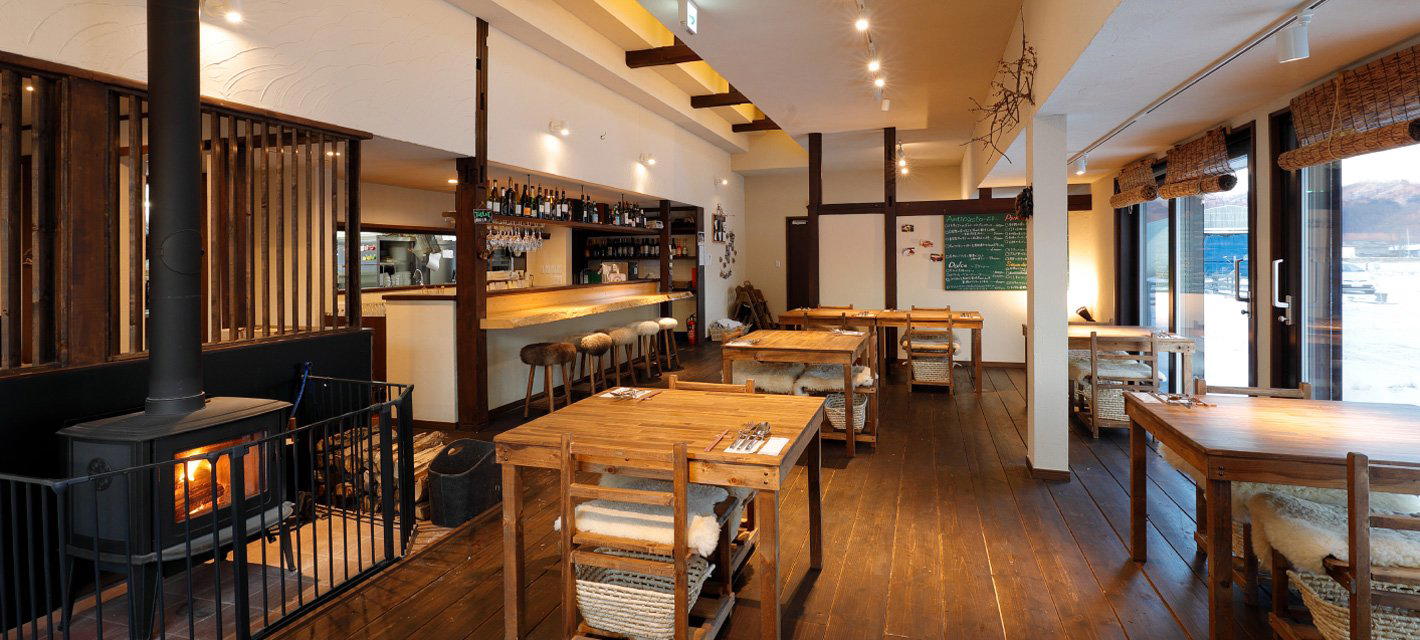
A serious Hokkaido ramen shop often explains itself before the bowl arrives. The cues are practical: a counter for solo diners, tables for small groups, tatami seating that keeps the room from feeling purely transactional, and a service rhythm shaped by noodles rather than lingering. Ramen Maruhira follows that older grammar. The compact, functional, legible room has 22 seats split across an 8-seat counter, small tables, and tatami seating. In a ramen culture often reduced to broth taxonomy, the physical container matters: it determines turnover, solo comfort, and whether families can enter without compromise.
Hokkaido ramen is usually framed through Sapporo miso, Asahikawa shoyu, and Hakodate shio, but the prefecture’s ramen map is broader. Kushiro’s tradition has its own place, typically lighter and brisker than the heavy butter-and-corn stereotype outsiders attach to the island. Ramen Maruhira’s Tabelog 100 Ramen HOKKAIDO 2025 selection places it inside a curated prefectural field, not a tourist checklist. For travelers using Sapporo as a base, the serious Hokkaido ramen conversation does not stop at the city limits.
A compact room built around ramen's older pace
The counter is the clearest signal. Eight seats place the shop in the lineage of ramen rooms built for individual diners and short, focused meals. Tables and tatami broaden the audience without changing the cadence. This is not a contemporary ramen bar borrowing cocktail-room lighting or chef’s-counter theater; it is everyday regional Japan, where efficiency and comfort share the room.
That layout also shows why ramen recognition differs from fine dining recognition. A ramen shop does not need a tasting-menu arc, named-chef narrative, or wine program to matter. It needs consistency, a room that works under pressure, and a style clear enough for repeat local use. The Tabelog 100 designation is useful because it filters for specialist appeal within Hokkaido rather than general restaurant polish. The listing’s 3.60 score is a strong signal in Tabelog’s ramen ecosystem, where small differences carry weight among frequent users.
Here, design is not decoration. Counter seating gives solo diners a frictionless meal. Tatami makes the shop less severe than a pure stool-and-bowl operation. Non-smoking status reflects the modern comfort baseline in small Japanese dining rooms, especially where families and early-day eating overlap. These details shape who can use the space and how it behaves when demand builds.
Hokkaido ramen beyond the Sapporo shorthand
Travelers planning around Sapporo often treat the capital as the whole ramen story. That misses how Hokkaido’s size and climate produced distinct local eating patterns. Sapporo’s ramen culture rewards density: stations, shopping districts, late-night corridors, and shops competing within walking distance. Elsewhere, ramen often behaves more like a local institution, tied to daylight hours, driving routes, neighborhood habit, and repeat customers who know the tempo.
Ramen Maruhira belongs to that second pattern. Its Tabelog 100 Ramen HOKKAIDO selections in both 2024 and 2025 give it a stronger editorial signal than a casual stop, yet the structure stays modest: counter, tables, tatami, no private rooms, and no private-use format. That combination is the point. Hokkaido ramen credibility often comes from shops with a narrow operational frame and clear expectations.
Compared with out-of-metro reference points such as Ramen Kobo Uoichi, where the listed budget is JPY 1,000 to JPY 1,999, Maruhira occupies a leaner bracket. That matters beyond cost. Lower-priced ramen rooms reward decisiveness: arrive ready to eat, accept the rhythm, and do not treat the meal as a long social reservation. In a prefecture where winter travel and rail schedules can turn dining into logistics, that clarity has value.
Readers building a Hokkaido food itinerary should place this kind of shop beside, not beneath, the Sapporo circuit. For city-based planning, Our full Sapporo restaurants guide maps the denser urban field, including specialist casual rooms such as 175°DENO Tantanmen Sapporo kitaguchi ten, curry addresses like [Curry Senmon Ten] Maruyama Kyoju., Ajanta Indo Curry Ten, and Ajanta Sohonke, plus destination cooking at Aigues Vives. The contrast helps: Sapporo offers concentration, while wider Hokkaido rewards travelers who follow regional specificity.
How to read the room before committing the detour
The strongest reason to track this shop is not luxury. It is evidence. A Tabelog 100 Ramen HOKKAIDO 2025 selection, repeat inclusion from 2024, a 22-seat room, and a format for solo diners, friends, and children point to a ramen address with local working logic rather than a destination built for visitors. The closing condition tied to noodles running out reinforces that reading: production sets the limit, not a late service window for stragglers.
That makes Maruhira a sharper fit for travelers who care about regional ramen as a living format. The room supports several use cases without diluting the meal: counter for speed, tables for pairs, tatami for families. It is less suited to those seeking a long dining event or chef-led performance. The value lies in seeing how a small Hokkaido ramen shop organizes demand through space.
For broader trip architecture, pair ramen research with the city’s other categories rather than treating noodles as a standalone obsession. Our full Sapporo hotels guide helps anchor overnight planning, while Our full Sapporo bars guide, Our full Sapporo wineries guide, and Our full Sapporo experiences guide widen the itinerary beyond bowls. Elsewhere in Japan and abroad, the same editorial lens applies to focused formats, from -Grilled beef Sukiyaki- KAMAKURA TANUKIAN 鎌倉 たぬき庵 in Kamakura and. 鮪と炭火焼き うお炭 秋葉原店 in Tokyo to.cafe in Osaka.know in Kumamoto, (Shoku) Vietnam in Kawasaki, [ki:] in Kyoto, Jōdo Saké Bar in Los Angeles, and Onigiri Time in Pasadena. The lesson is simple: small formats reveal seriousness through constraints.
Comparable Spots
Comparable venues at a glance for context.
| Venue | Cuisine | Price | Notes |
|---|---|---|---|
| Ramen MaruhiraThis venue — the venue you are viewing | Traditional Kushiro-style ramen | $ | Not listed |
| Soup Curry & Dining Suage+ (suage+ 本店) | Hokkaido Soup Curry | $$ | Susukino, Chuo Ward |
| Keyaki (けやき) | Sapporo Miso Ramen | $$ | Susukino |
| Menya Takahashi | Tsukemen & ramen shop | $ | Toyohira |
| Hot Spice Shop Hood Dog | Soup curry and hot dog diner | $ | Chūō |
| Garyu Menbu Hien | Sapporo chicken & seafood ramen | $ | Toyohira |
Recognition history
Dated appearances from independent guides and award organizations, with the underlying list record or original source where available.
Tabelog 100 #94 · No. 94
Tabelog · Tabelog 100 - Ramen - HOKKAIDO - 2025
Continue exploring
More in Sapporo
At a Glance
- Cozy
- Classic
- Solo
- Family
- Casual Hangout
- Group Dining
- After Work
- Standalone
- Street Scene
A simple, old-school neighborhood ramen shop with counter seats and small tables plus a tatami area, non-smoking, and a relaxed, friendly feel that works for solo diners and families at breakfast and lunch.