
Our verdict
Robata to Wine K belongs to Kushiro’s charcoal-grill tradition, where the city’s port identity matters as much as the cooking format. The draw is not ceremony for its own sake but the directness of robatayaki: seasonal Hokkaido ingredients meeting live fire, with wine giving the room a more contemporary register than a standard grill counter.

Pearl is the En Primeur Club membership app, where members save venues, book tables and use the concierge.
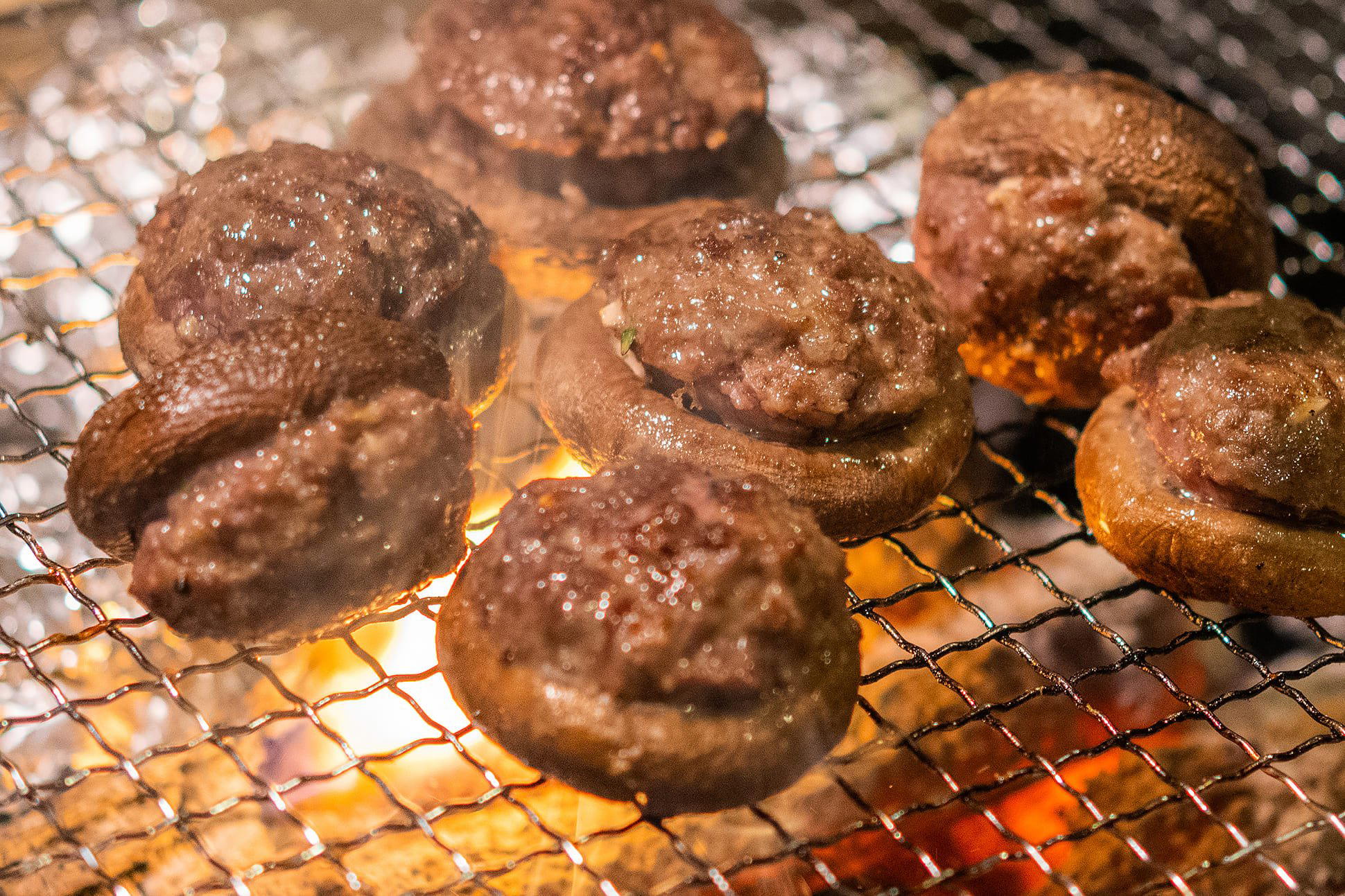
Charcoal sets Kushiro’s dinner rhythm. The city’s food culture is tied to cold-water seafood, market habits, and the unfussy authority of the grill; robatayaki suits that temperament because cooking stays visible and ingredients stay close to source. At Robata to Wine K, the point is the meeting of two registers: old Hokkaido fireside format and wine-led drinking that makes the meal feel less nostalgic set piece than current Kushiro table.
That matters in a port city. Kushiro is not built around long tasting-menu theatre or dining rooms that ask guests to decode every plate. Its stronger language is direct: shellfish, fish, vegetables, meat, heat, smoke, and timing. Robatayaki turns those fundamentals into a format, with the grill as kitchen and focal point. Wine shifts the frame without erasing local grammar. Instead of forcing Hokkaido ingredients into a metropolitan template, it gives charcoal another pace: glass, grill, repeat.
Kushiro's robatayaki logic starts with sourcing, not performance
Robatayaki is often flattened into “Japanese grill” in English, but in eastern Hokkaido it has sharper identity. The format grew from practical hearth cooking, then became a restaurant language where the cook’s heat control is visible and the ingredient remains legible. Kushiro’s Pacific-side position gives it a natural advantage. Its dining culture is shaped by fisheries, cold climate, and eating close to the supply chain, so a robata room here reads differently from a polished hotel interpretation in a larger city.
Robata to Wine K signals where that tradition is heading. The name places wine beside the grill, showing that current regional dining need not choose between preservation and adaptation. Charcoal cooking can stay plain-spoken while the drinks program broadens beyond beer, shochu, and sake. In a city where seafood often leads, wine changes how a meal moves, especially when grilled fat, smoke, salt, and sweetness need acidity rather than weight.
Sourcing is the stronger reason to pay attention. Hokkaido restaurants often trade on origin, but robatayaki makes origin harder to disguise. A grill exposes freshness, cut, moisture, and timing; it gives less cover than heavy sauce or elaborate plating. That suits Kushiro. The city’s seafood and produce reputation is not decorative context, but the engine of the meal. A good robata experience depends on knowing when to intervene and when to stop.
Wine changes the pace of a charcoal counter in eastern Hokkaido
The wine-and-robata pairing reflects a broader shift in Japanese regional dining. Outside Japan’s largest dining centers, ambitious restaurants increasingly work with local foodways rather than importing urban luxury codes wholesale. The result can be more persuasive: a familiar format sharpened by better drinks, tighter sourcing, or a more selective room. Robata to Wine K sits in that lane. It is not trying to turn Kushiro into a big-city facsimile; it works from a Kushiro format and adds a drinking structure suited to smoke and seafood.
For travelers, the distinction is useful. A standard izakaya can be excellent, but its range often spreads across categories. A robatayaki specialist narrows the question to fire and ingredient. Wine narrows it again toward balance: char, saline flavors, grilled vegetables, and richer proteins all behave differently beside wine than beside highballs or lager. That does not make the meal formal. It makes the sequence more deliberate.
Kushiro’s restaurant map rewards specificity. A traveler building a food itinerary might put a noodle stop, a tempura counter, or another focused Japanese table in separate categories from Robata to Wine K. Robatayaki occupies its own lane because the meal is built around heat rather than broth, batter, or knife work. For broader planning, Our full Kushiro restaurants guide is the natural starting point, while Our full Kushiro hotels guide, Our full Kushiro bars guide, Our full Kushiro wineries guide, and Our full Kushiro experiences guide help separate dinner from the rest of the trip.
How to read the room before you plan dinner
Expect a charcoal-led meal in Kushiro, not scripted luxury performance. That appeals to travelers who want a regional restaurant with a clear point of view, especially when the trip already includes market visits, seafood counters, or road travel across eastern Hokkaido. The room’s value is how it connects place and method: port-city ingredient culture, a deeply rooted grill format, and a wine frame that keeps the meal current.
There is national context. Across Japan, live-fire dining has split into yakiniku built around meat cuts, yakitori built around skewered chicken, kappo-style counters where charcoal is one technique among many, and robatayaki where the hearth remains central. Travelers comparing formats can look at unnamed hotel-framed robatayaki rooms, regional charcoal counters, and fire-and-drink venues in other cities to see how charcoal, seafood, and beverage programs travel across dining cultures. Those references clarify why Kushiro’s version should be judged by locality and restraint rather than spectacle.
For an extended Japan dining map, separate categories instead of ranking them against each other. Beef-focused cooking, café culture, regional Japanese dining, Vietnamese cooking, curry specialization, Kyoto dining, or meat-centric restaurants all serve different purposes from Robata to Wine K. Robatayaki in Kushiro is narrower and more place-bound: it asks whether ingredient, fire, and drink are aligned.
The editorial case for Robata to Wine K is specific. It belongs on a Kushiro itinerary when dinner should express the city’s source-driven food culture without becoming a museum piece. The wine signal gives the old hearth format a contemporary edge, while robatayaki keeps the meal grounded in what eastern Hokkaido does with unusual confidence: letting cold-climate ingredients meet heat with minimal distraction.
Frequently asked questions
Can I bring kids to Robata to Wine K?
Robata to Wine K in Kushiro is built around a charcoal grill rather than a children’s format. Families can weigh that against the pace and setting before booking.
What is the atmosphere like at Robata to Wine K?
The atmosphere follows the robatayaki format: charcoal-led, kitchen-centred, and shaped by grilled food rather than formal tasting-menu choreography. In Kushiro, that gives Robata to Wine K a grounded dining room feel.
What kind of recognition has Robata to Wine K received?
Robata to Wine K was ranked No. 1 in the 2026 Japan Times Destination Restaurants selection for Robatayaki in Hokkaido.
What type of food is Robata to Wine K known for?
Robata to Wine K serves Robatayaki cuisine.
Where is Robata to Wine K located?
Kushiro.
Should I book Robata to Wine K in advance?
Advance planning makes sense for Robata to Wine K in Kushiro, especially if the visit is for an evening meal in a robatayaki setting. The restaurant sits firmly in Kushiro’s local dining territory, where specific nights can draw both regulars and travelers.
Comparable Venues Nearby
Comparable venues nearby, for context on price, style, and recognition.
| Venue | Cuisine | Price | Awards | Notes |
|---|---|---|---|---|
| Robata to Wine KThis venue (the venue you are viewing) | French-inspired Robatayaki | Not listed | Not listed | Not listed |
| 天ぷら彩 | Tempura Sai | Not listed | Not listed | Kawakamicho |
| 民芸喫茶 ポロンノ | Ainu Traditional Cuisine | Not listed | Not listed | 阿寒湖アイヌコタン |
| 紀伸 | Kushiro Omakase | $50–100 | Not listed | Kushiro |
| ラーメン亭「十五夜」 | Japanese Ramen | $10–20 | Not listed | Kushiro |
| Ramen Kobo Uoichi | Kushiro seafood ramen | $10–20 | Tabelog 100 #97 | Saiwaicho |
Recognition history
Dated appearances from independent guides and award organizations, with the underlying list record or original source where available.
The Japan Times Destination Restaurants Destination Restaurants Selection #1
The Japan Times Destination Restaurants
Continue exploring
More in Kushiro
Restaurants in Kushiro
All restaurants in Kushiro →
Hotels in Kushiro
Browse all →
Robata to Wine K
The wine
- Extensive wine list
- Sommelier-led
- Sake program
Details
- Romantic
- Scenic
- Intimate
- Sophisticated
- Cozy
- Date Night
- Special Occasion
- Business Dinner
- Panoramic View
- Standalone
- Sake Program
- Extensive Wine List
- Sommelier Led
- Local Sourcing
- Waterfront
- A La Carte
- Wine
- Sake
A refined, destination-style dining room with a strong emphasis on ocean-sunset views, creating a romantic and memorable atmosphere.