
Our verdict
ファームレストラン クオーレ sits in Shiranuka District on Hokkaido's eastern coast, where the logic of farm-to-table is not a marketing concept but a geographic fact. The surrounding pastures and cold-water coastline define what arrives on the plate, placing this restaurant inside a small category of rural Hokkaido dining rooms where provenance is the entire argument for the meal.

Pearl is the En Primeur Club membership app, where members save venues, book tables and use the concierge.
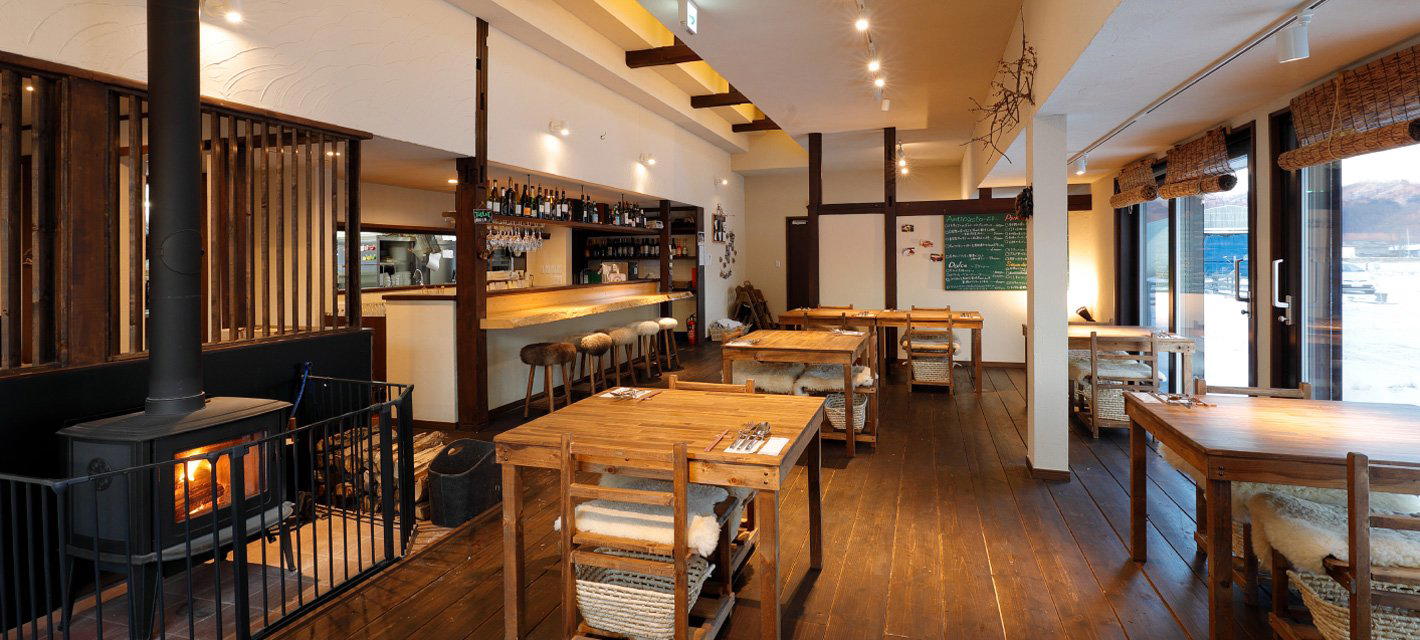
The menu
What to order
- Milk Lamb À Roast
- All Milk Lamb Course
- Lamb Offal Course
Where Hokkaido's Eastern Coast Defines the Plate
Hokkaido's eastern interior is not where most visitors to Japan think to eat. The prefectural dining conversation defaults to Sapporo, see 夕佳亭山乃 for a sense of that city's ryotei register, or to the famous counters of Tokyo and Osaka. But the Shiranuka District, running along the Pacific coast southeast of Kushiro, represents something different: a landscape where the conditions for serious ingredient sourcing are simply written into the geography. Cold, nutrient-rich coastal waters, vast dairy pastures, and an agricultural calendar largely undisturbed by urban pressure create a sourcing context that urban restaurants cannot manufacture. Our full Shiranuka District restaurants guide places this in broader regional context.
ファームレストラン クオーレ, Farm Restaurant Cuore, takes its position in Charo, a small settlement within Shiranuka, and operates inside the tradition of farm-anchored dining that has been gaining critical attention across rural Japan. The name itself signals the premise: this is not a restaurant that sources from farms as a point of difference. The farm relationship is structural, the foundation on which everything else is built.
The Sourcing Logic of Rural Hokkaido
To understand why a farm restaurant in this part of Hokkaido carries weight, it helps to understand what the region actually produces. Hokkaido accounts for roughly a quarter of Japan's total agricultural output, but the eastern districts, Kushiro, Nemuro, and the coastline stretching through Shiranuka, skew heavily toward dairy, beef, and cold-water seafood. Pacific saury, Hokkaido scallops, and kelp from these waters carry a provenance that commands premium prices at Tsukiji and its successor market. The beef and dairy cattle raised on these pastures feed on grass that grows in short, intense summers, producing milk with fat profiles that chefs in Tokyo and Kyoto pay considerable attention to.
A farm restaurant operating inside that supply chain occupies a position that urban fine-dining venues can only approximate. At places like HAJIME in Osaka or Gion Sasaki in Kyoto, sourcing from Hokkaido is a deliberate procurement decision, often highlighted on menus as a credential. Here, the procurement decision is simply: walk outside. That geographic compression changes the nature of the meal in ways that no amount of careful logistics can fully replicate.
Farm Restaurants as a Category in Japanese Dining
The farm restaurant format in Japan sits in a distinct tier below kaiseki and well below the omakase counters that dominate international coverage of Japanese cuisine, venues like Harutaka in Tokyo or Goh in Fukuoka. But the format is not simply casual by default. At its most considered, the farm restaurant operates as a disciplined expression of a single agricultural context: the menu is constrained by what the land and surrounding waters are producing at any given point in the season, and that constraint produces a kind of editorial rigour that can be harder to achieve in a city kitchen with unlimited supplier access.
This is the tradition ファームレストラン クオーレ inhabits. The dining room does not need the credentialing architecture of urban Japanese fine dining, the Michelin stars pursued by akordu in Nara or the multi-course innovation of Atomix in New York City, because its authority derives from a different source: proximity to production, and the discipline to let that proximity speak.
Seasonal Rhythm and What It Means for Timing
Hokkaido's seasons are more compressed and more dramatic than those of Honshu. Winter arrives earlier and harder, and the agricultural and fishing calendars pivot accordingly. For a farm restaurant in Shiranuka District, summer and early autumn represent the period of maximum ingredient density: dairy production peaks, the coastal fishery is active, and the short growing season reaches its fullest expression. Visitors planning around ingredient quality should weight that period accordingly.
That seasonal specificity places ファームレストラン クオーレ in a different planning category from year-round urban restaurants. The experience is not uniform across months; the menu's content shifts with the production calendar rather than with a chef's decision to rotate dishes. This is the operational logic that farm restaurants in regions like Provence or rural Piedmont have long practiced, and which Japan's rural dining scene has developed its own version of, often with a directness and ingredient clarity that European analogues sometimes smooth over with technique.
For comparison, consider what seasonal anchoring looks like when applied at the highest urban level: Le Bernardin in New York City manages seasonal sourcing through meticulous supplier networks across multiple continents. A farm restaurant in eastern Hokkaido achieves a version of the same discipline through geographic constraint alone.
Placing Cuore in the Regional Picture
Shiranuka District is not a dining destination in the conventional sense. There is no cluster of restaurants, no culinary neighbourhood to walk between. Venues like Bistro Ange in Toyohashi or Denko Sekka in Hiroshima operate inside urban dining ecosystems with multiple alternatives nearby. In Shiranuka, the farm restaurant is typically the destination itself, which changes the reader's planning calculus entirely.
Access from Kushiro, the nearest substantial city, requires road travel; Shiranuka is not served by the Hokkaido Shinkansen, and Kushiro itself sits at the end of a long rail journey from Sapporo. Visitors combining this area with broader eastern Hokkaido travel, Akan, the Kushiro wetlands, or the Nemuro peninsula, are better positioned logistically than those treating it as a standalone day trip from the island's western hubs. Accommodation in the district is limited, and planning around a meal here requires treating the region as an itinerary anchor rather than an add-on.
That friction, for the right traveller, is part of the argument. The restaurants of rural Japan that carry genuine authority, the kind found at 湖畔荘 in Takashima or 羽根屋 in Nishikawa Machi, tend to reward deliberate travel rather than opportunistic visits.
Planning Your Visit
Travellers should verify operational details locally on arrival in the Kushiro area, or through Hokkaido regional tourism contacts before travel. Given the rural location, confirming availability before making the journey is a practical necessity, not a formality. The address is Charo, Shiranuka, Shiranuka District, Hokkaido 088-0300.
Frequently asked questions
Is ファームレストラン クオーレ good for families?
Farm restaurants in rural Hokkaido, including the Shiranuka District setting of Cuore, tend toward informal table-service formats with dairy-forward, produce-driven menus, a structure that suits families reasonably well. The absence of a formal dress code or tasting-menu rigidity typical of urban Japanese dining removes friction for groups with children. That said, the remote location in Charo, Shiranuka requires planning: there are no adjacent attractions to fill time around a meal, so it works best for families already travelling through eastern Hokkaido rather than those making a standalone trip.
What's the vibe at ファームレストラン クオーレ?
Cuore sits in Charo, a small settlement within Shiranuka District on Hokkaido's Pacific coast, a location that sets the register immediately. This is quiet, working-agricultural country, not a polished dining precinct, and the farm restaurant format reflects that: the pace is unhurried, the surroundings functional rather than decorative, and the focus sits squarely on what the land and sea nearby produce. Expect the atmosphere of a rural lunch destination rather than an evening dining event.
How far is ファームレストラン クオーレ from major Hokkaido cities, and is it worth the journey from, say, Kushiro?
Cuore's address places it in Charo, Shiranuka District, a location roughly 40 kilometres west of Kushiro along the Pacific coast, making Kushiro the closest meaningful transport hub for visitors arriving by train or air. The drive from Kushiro takes under an hour, which is manageable as a half-day excursion. For travellers already routing through eastern Hokkaido's agricultural interior, the detour is logical; for those based in Sapporo, it requires a dedicated trip east.
What do people recommend at ファームレストラン クオーレ?
What the Shiranuka District context makes clear is that the region produces dairy, beef, and Pacific seafood at a scale that defines Hokkaido's agricultural identity, Hokkaido accounts for roughly a quarter of Japan's total food production, and farm restaurants in this area typically anchor their menus to whichever of those categories the property prioritises. Visiting in summer or early autumn gives the widest range of produce before the Hokkaido winter compresses the growing calendar.
A Quick Peer Check
Comparable venues nearby, for context on price, style, and recognition.
| Venue | Cuisine | Price | Notes |
|---|---|---|---|
| ファームレストラン クオーレThis venue (the venue you are viewing) | Farm-to-Table Lamb Tasting Menu | $100–150 | Not listed |
| とらふぐ亭 渋谷店 | Tiger Pufferfish (Tora Fugu) Specialist | Not listed | Shibuya |
| Kikukawa (うなぎ四代目菊川) | Traditional Japanese Unagi (Grilled Eel) | $30–50 | Narita Airport Terminal 2 |
| Chikuyotei (竹葉亭) | Traditional Edomae Unagi and Kaiseki | $30–50 | Ginza |
| Meiji no Yakata | Yoshoku (Japanese-Western Fusion) | Not listed | Nikko Fudoson Park |
| のれん/ Noren Akakura Sushi | Authentic Japanese Sushi with European Flair | Not listed | Akakura |
Recognition history
Dated appearances from independent guides and award organizations, with the underlying list record or original source where available.
The Japan Times Destination Restaurants Destination Restaurants Selection #1
The Japan Times Destination Restaurants
Continue exploring
More in Shiranuka
Restaurants in Shiranuka
Browse all →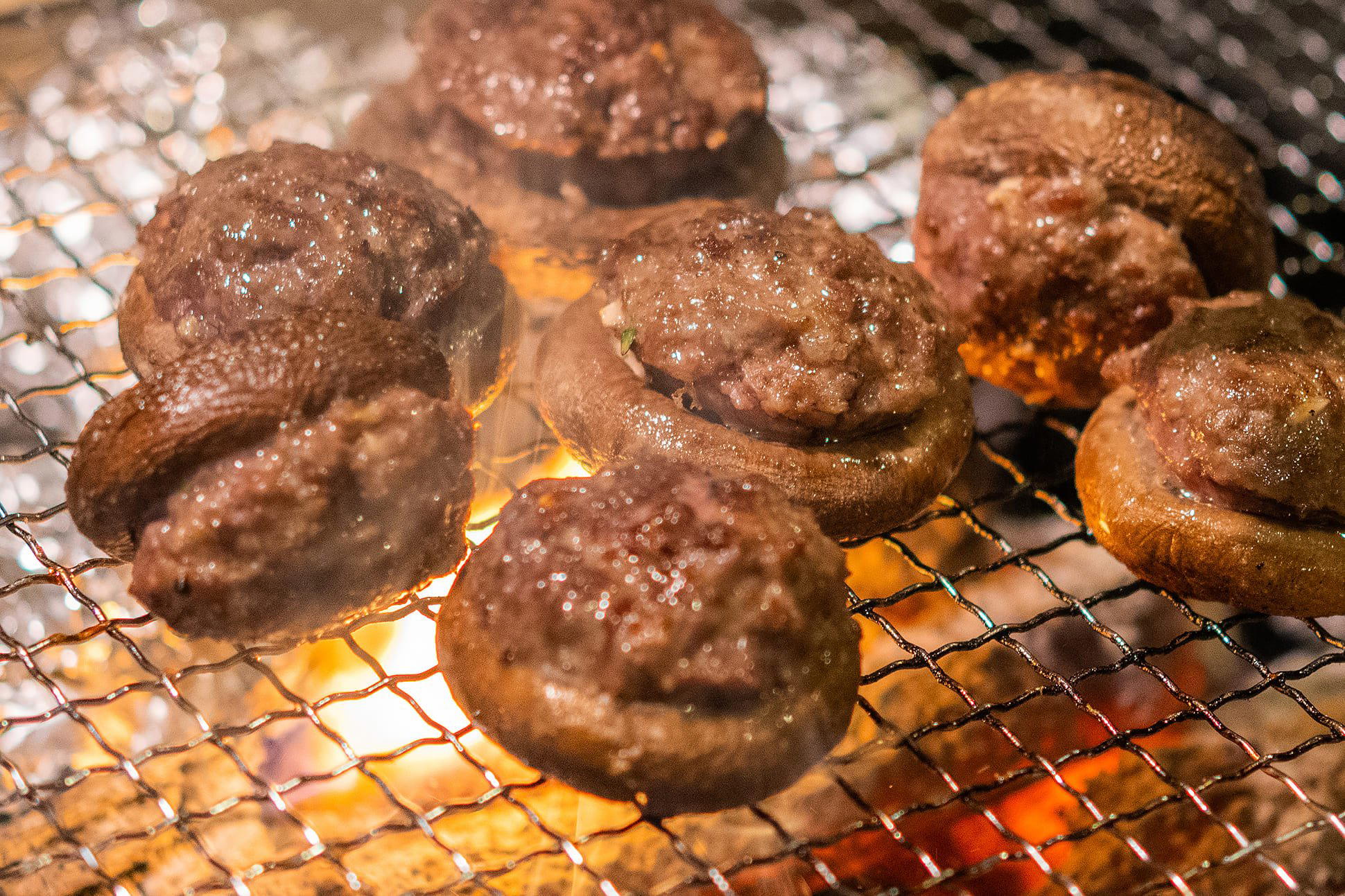
Hotels in Shiranuka
Browse all →
Details
- Rustic
- Elegant
- Intimate
- Special Occasion
- Celebration
- Date Night
- Open Kitchen
- Standalone
- Farm To Table
- Local Sourcing
- Organic
- Tasting Menu
- Prix Fixe
- Organic Focus
Current opening hours
- Monday
- Closed
- Tuesday
- Closed
- Wednesday
- 12–3 PM
- Thursday
- 12–3 PM
- Friday
- 12–3 PM, 6–9 PM
- Saturday
- 12–3 PM, 6–9 PM
- Sunday
- 12–3 PM
Hours can change for holidays and private events. Hours as of .
Intimate farm-to-table setting with rustic elegance, showcasing the pastoral heritage of the Shiranuka region and the farm's direct connection to the kitchen.