
Kushiro’s ramen culture reads differently from Sapporo’s miso-heavy orbit: it is port-city food, shaped by seafood, early hours, and compact counters. Ramen Kobo Uoichi fits that register with fish-sauce ramen, a 17-seat format, Tabelog 100 Ramen Hokkaido selections in 2024 and 2025, and prices kept in the everyday JPY 1,000 to JPY 1,999 band.
Pearl is the En Primeur Club membership app — saves, bookings, and concierge access live there. Same editors, same standards.
- Address
- 13 Chome-1 Saiwaicho, Kushiro, Hokkaido 085-0017, Japan
- Phone
- +81 154-23-4541
- Website
- 946daisuki.michikusa.jp
- Directions
- Get directions
 Saves & bookings on Pearl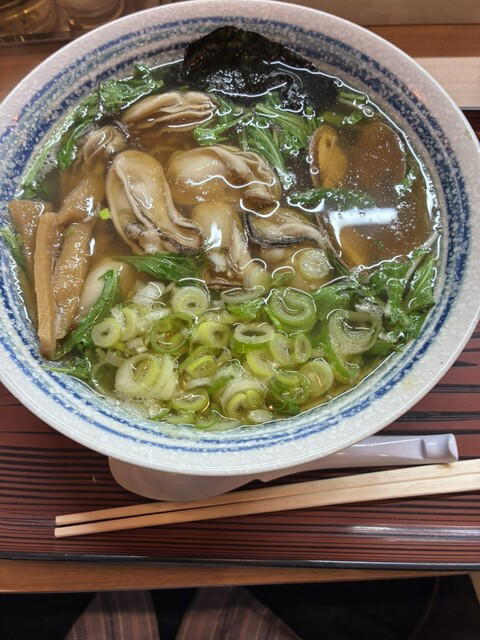
Approaching Kushiro’s market district in the morning, the ramen cue is not neon or late-night noise but the working rhythm of a port city: short hours, quick turnover, and a counter built for people who know exactly what they came to eat. Inside that frame, Ramen Kobo Uoichi belongs to a Hokkaido ramen conversation that is broader than the Sapporo shorthand. Kushiro has its own logic, lighter in structure and closer to the sea, and this shop’s fish-sauce ramen places the bowl firmly in local maritime territory rather than in the heavier butter-corn-miso imagery often exported from the island.
Fish sauce puts Kushiro's port identity in the bowl
Hokkaido ramen is often discussed as a cold-weather category, but Kushiro complicates that reading. The city’s food culture is tied to fishing, markets, and the eastern edge of the island, where seafood is not garnish but baseline. Fish sauce ramen makes sense here because it turns coastal supply into seasoning structure: salinity, fermentation, and seafood umami do the work that pork fat or miso density might do elsewhere. That ingredient choice is the editorial point. It gives the bowl a Kushiro address before the street address is even considered.
Ramen Kobo Uoichi has earned selection for Tabelog 100 Ramen Hokkaido in both 2024 and 2025, a useful signal in a region where ramen is not a side category. The 2025 listing places it within a statewide field rather than a local-only circuit, and its Tabelog score of 3.61 supports the same reading: this is not luxury dining, but it is a documented specialist address in a crowded ramen prefecture. The price band, JPY 1,000 to JPY 1,999, keeps it in ramen’s daily-food economy even as the recognition places it on a traveler’s map.
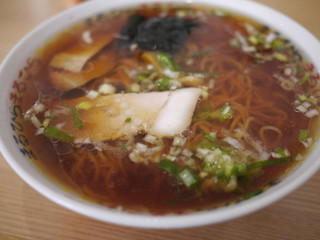
The menu identity is anchored by gyoshou ramen, fish-sauce ramen from the port city of Kushiro. Kaki ramen, an oyster ramen, adds another seafood-led option without shifting the format into a seafood restaurant masquerading as ramen. Those details matter because Japanese regional ramen is often built from small, repeatable distinctions: broth weight, tare, noodle style, and local ingredients. Here the sourcing signal is direct. The bowl reads through Kushiro’s marine pantry rather than through generic Hokkaido abundance.
A compact counter format, closer to market eating than destination dining
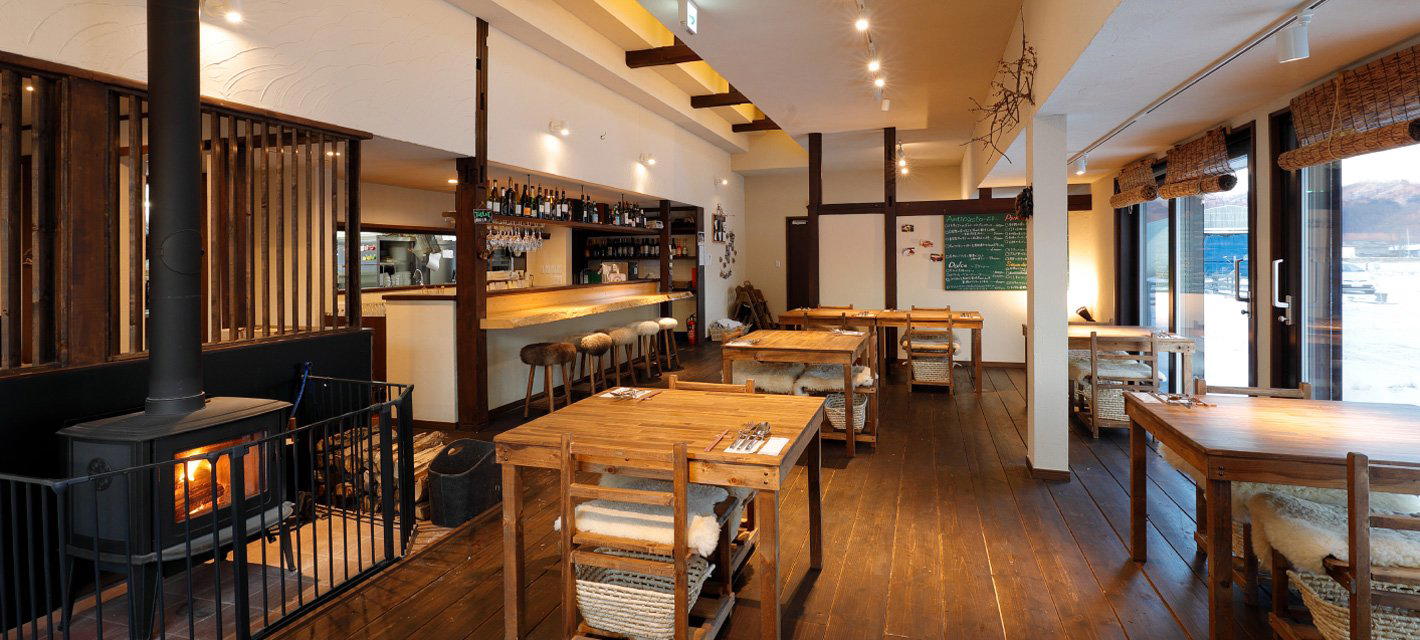
The room is small enough to shape the meal. There are 17 seats, with 11 at the counter and one table seating six, so the experience is closer to a working ramen counter than a drawn-out restaurant sitting. Reservations are unavailable, and the stated schedule runs daytime only, with a Wednesday closure and the practical caveat that soup can run out before closing. That operating rhythm tells the reader as much as any adjective could: the shop is built around batch production and demand, not leisurely table management.
That format suits solo dining and small groups. Counter seating changes how ramen is consumed: less ceremony, faster decision-making, and a direct view of a kitchen built around repetition. In Kushiro, where travelers may be structuring a day around markets, trains, or the waterfront, the daytime ramen model is more useful than a dinner reservation. Payment is cash-only across cards, electronic money, and QR systems, so the planning burden is light but specific. Bring yen, arrive with flexibility, and treat the meal as part of the city’s daytime food circuit.
Its location inside Kushiro Tancho Market also matters. Market ramen is a different proposition from a stand-alone destination counter in a nightlife district. It sits near produce, seafood, and the commuter flow around Kushiro Station, which is listed as the nearest station at roughly 297 meters. Parking is available through the market’s small lot and shared parking with nearby Washo Market, making it more accessible than many urban ramen counters for travelers moving by car across eastern Hokkaido.
Where it fits in Kushiro's dining map
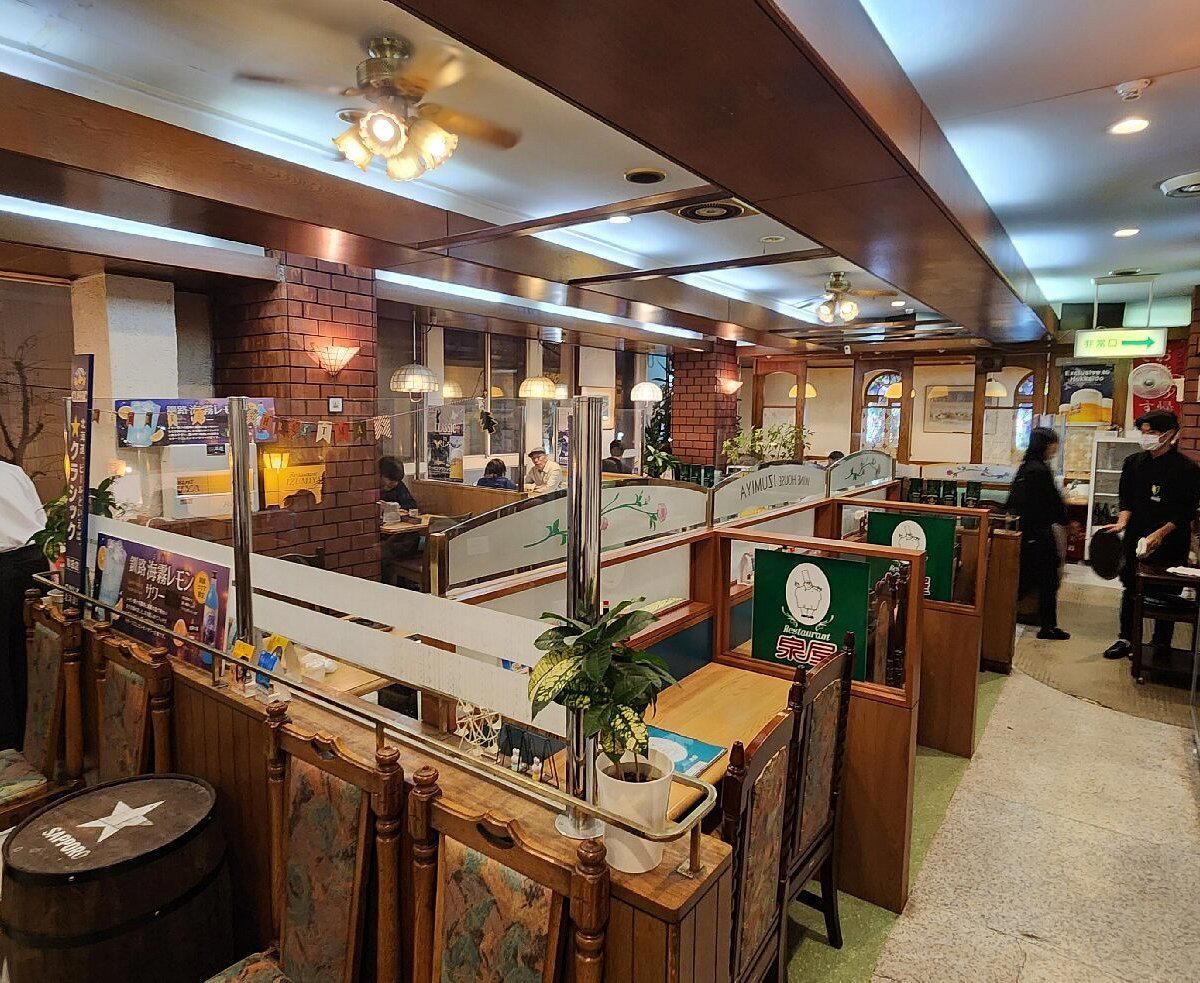
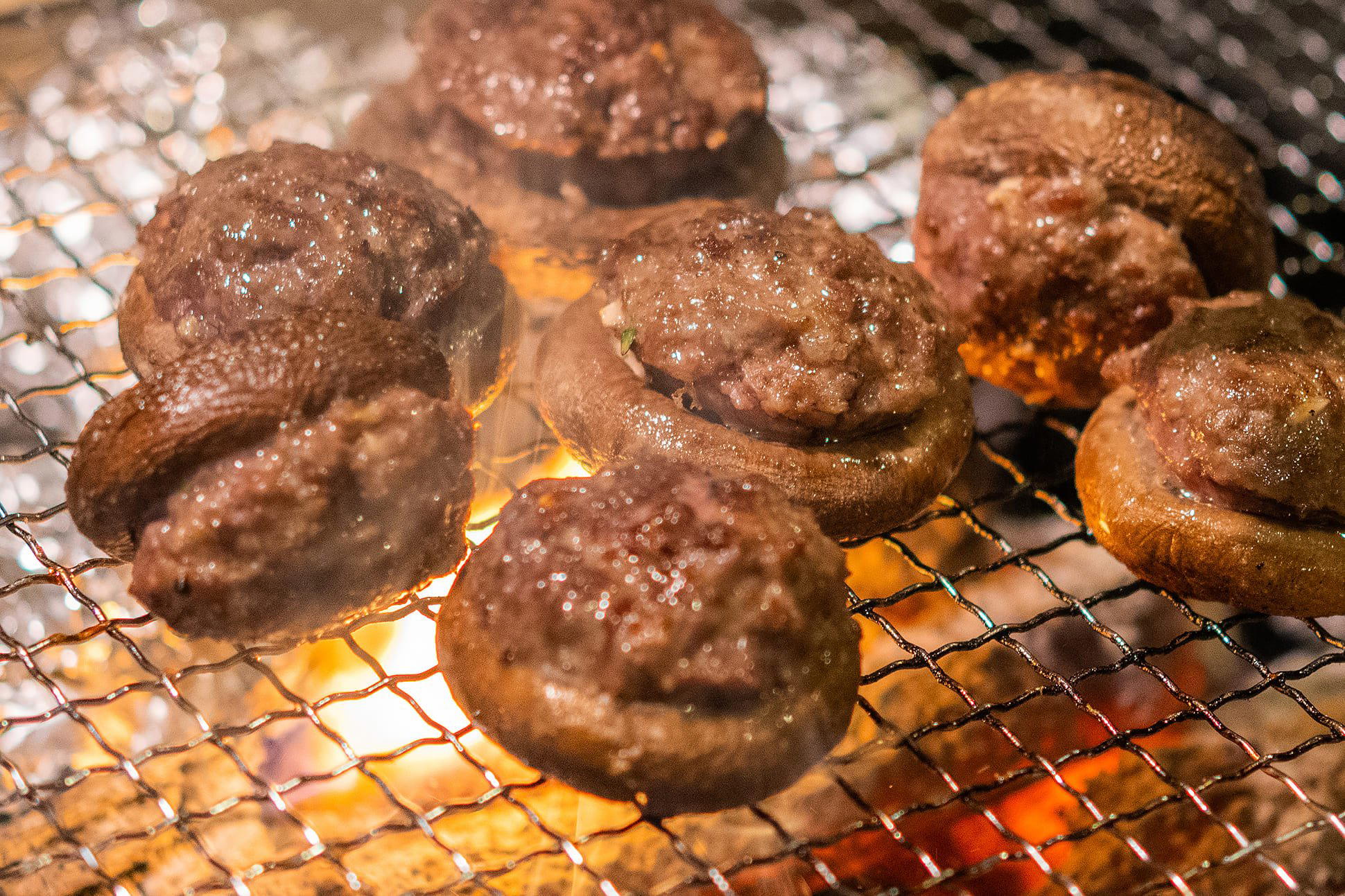
Kushiro’s restaurant scene is strongest when it stays close to fire, fish, and local utility. Robatayaki is the city’s better-known dining language, and Robata to Wine K (Robatayaki) points to that grilled, hearth-led side of the city. Ramen Kobo Uoichi offers the parallel daytime version: seafood depth translated into broth, served at a price that keeps the meal casual. For a short stay, that contrast is useful. One format gives the city through smoke and charcoal; the other through tare, stock, and noodles.
Within Kushiro, restaurants such as 天ぷら彩 and 紀伸 suggest a city with more range than a single seafood-market stereotype. Even so, the strongest local meals tend to keep ingredients in view. The restaurant’s appeal is not that it dresses ramen up, but that it lets the city’s port identity set the seasoning. That is a more persuasive reason to go than rarity or hype.
The editorial case is clear: choose it when the day calls for a compact, seafood-led Kushiro meal rather than a long restaurant booking. The awards history gives confidence, the counter format keeps expectations grounded, and the price makes it easy to fold into a broader food day. For broader planning, use Our full Kushiro restaurants guide alongside Our full Kushiro hotels guide, Our full Kushiro bars guide, Our full Kushiro wineries guide, and Our full Kushiro experiences guide.
Readers building a wider Japan itinerary can also compare how regional specialism appears in different formats: -Grilled beef Sukiyaki- KAMAKURA TANUKIAN 鎌倉 たぬき庵 in Kamakura. 鮪と炭火焼き うお炭 秋葉原店 in Tokyo.cafe in Osaka.know in Kumamoto, (Shoku) Vietnam in Kawasaki, [Curry Senmon Ten] Maruyama Kyoju. in Sapporo, [ki:] in Kyoto, #肉といえば松田 奈良本店 in Kashihara, Jōdo Saké Bar in Los Angeles, and Onigiri Time in Pasadena.
Side-by-Side Snapshot
Comparable venues by cuisine and price in the same metro.
| Venue | Cuisine | Price | Notes |
|---|---|---|---|
| Ramen Kobo Uoichi | Kushiro seafood ramen | $ | Saiwaicho |
| 民芸喫茶 ポロンノ | Ainu Traditional Cuisine | $$ | 阿寒湖アイヌコタン |
| ラーメン亭「十五夜」 | Japanese Ramen | $ | Kushiro |
| Robata to Wine K | French-inspired Robatayaki | $$$ | Yonemachi |
| 天ぷら彩 | Tempura Sai | $$$ | Kawakamicho |
| 紀伸 | Kushiro Omakase | $$$ | Kushiro |
Recognition history
Dated appearances from independent guides and award organizations, with the underlying list record or original source where available.
Tabelog 100 #97 · No. 97
Tabelog · Tabelog 100 - Ramen - HOKKAIDO - 2025
At a Glance
- Lively
- Cozy
- Solo
- Casual Hangout
- Family
- After Work
- Standalone
- Local Sourcing
- Sustainable Seafood
Current opening hours
- Monday
- 9 AM–3 PM
- Tuesday
- 9 AM–3 PM
- Wednesday
- Closed
- Thursday
- 9 AM–3 PM
- Friday
- 9 AM–3 PM
- Saturday
- 9 AM–3 PM
- Sunday
- 9 AM–3 PM
Hours can change for holidays and private events. Last verified .
A compact ramen shop inside Kushiro Tancho Market with counter-focused seating, a casual market bustle, and a direct, no-frills atmosphere centered on quick bowls of steaming seafood ramen.