サラマンジェフ occupies a quiet address in Fukui's Central district, inside a city that has earned serious attention from Japan's regional dining circuit. For travellers making the journey to Fukui, where the concentration of thoughtful, independently operated restaurants rivals prefectures with far higher profiles, it represents one of the addresses worth planning around before arrival.
Pearl is the En Primeur Club membership app — saves, bookings, and concierge access live there. Same editors, same standards.
- Address
- Japan, 〒910-0006 Fukui, Central, 1 Chome−19−1 玉村第一ビル
- Phone
- +81776250151
- Website
- salleamanger.online
- Directions
- Get directions
 Saves & bookings on Pearl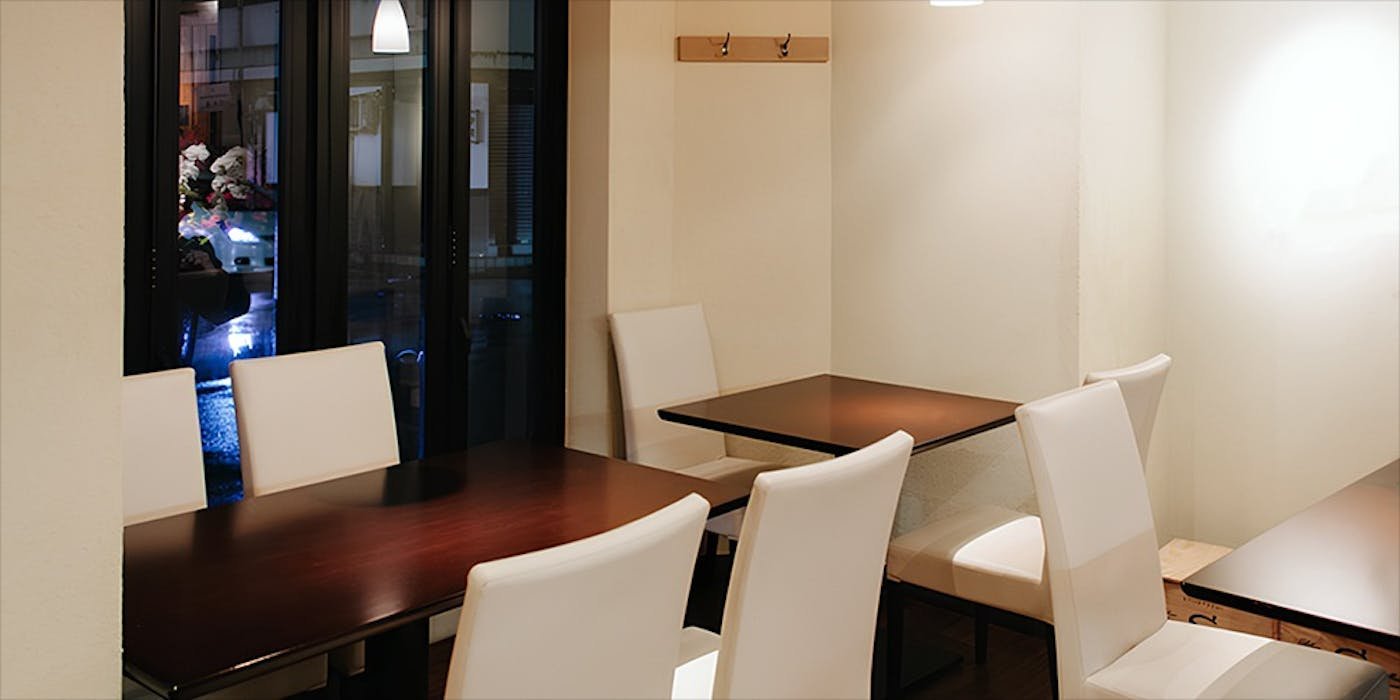
Fukui's Dining Circuit and Where サラマンジェフ Sits Within It
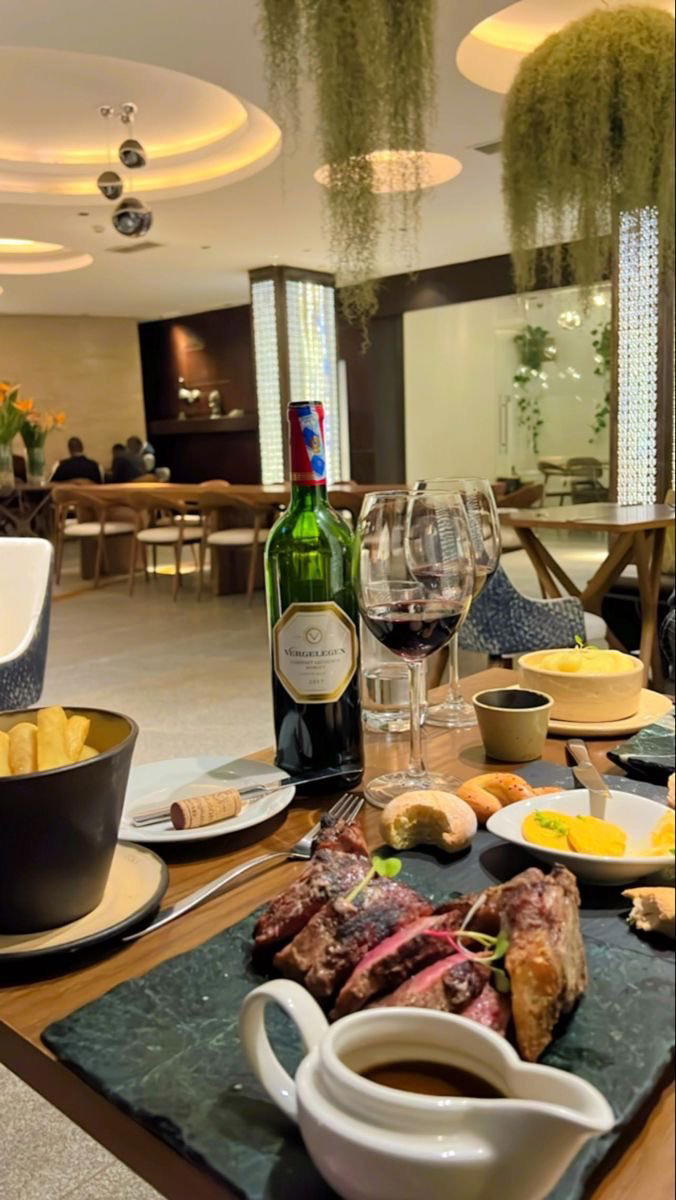
サラマンジェフ is a restaurant in Fukui, Japan, serving French Bistro with Japanese Western Influences. Cities like Kanazawa and Kyoto absorbed most of the international attention, while prefectural capitals a short train ride away built quiet, technically serious restaurant scenes that rarely appeared in the same breath. Fukui is one of those cities: a place where local seafood sourcing is notable by any measure, where the population's expectations of quality are high, and where independently operated restaurants have remained the dominant format long after chain dining colonised comparable mid-sized cities elsewhere in Honshu. サラマンジェフ holds an address in the Central district, at 1 Chome-19-1 in the 玉村第一ビル building, inside this specific local context. The city is not an afterthought for serious diners in the Chubu and Hokuriku regions; it is a destination with its own logic.
The address itself signals something about how the city's dining economy works. Fukui's restaurant concentration in the Central area reflects a walkable, neighbourhood-anchored dining culture rather than the sprawling hospitality corridors found in Tokyo or Osaka. The building location puts サラマンジェフ within reach of the city's transit infrastructure, relevant for visitors arriving via the Hokuriku Shinkansen link that has improved access to the region considerably in recent years.
The Booking Question: Planning Around a Low-Profile Address
In a city like Fukui, the restaurants that matter most operationally are often the hardest to approach from abroad. This is a structural feature of Japan's regional dining circuit rather than a problem distinctive to any single address. Smaller independents frequently lack English-language booking infrastructure, maintain no overseas reservation platforms, and operate on assumptions of local walk-in familiarity or telephone-based booking in Japanese. That pattern applies across much of the Fukui Central dining corridor.
For サラマンジェフ specifically, The practical implication is that planning should begin early, ideally through a hotel concierge service in Fukui or via a Japan-specialist travel contact who can make direct inquiries on your behalf. This is not unusual for the category. Comparable independent restaurants in similarly sized regional Japanese cities, including addresses like 一本木 仲川製 in Nanao and 湖隣庵 in Takashima, often operate on the same low-visibility, high-quality model. The absence of digital infrastructure does not reflect on the restaurant's standing within its local market; it reflects the preferences of a particular generation of Japanese restaurateurs who built their clientele through direct relationships rather than platform visibility.
Travellers who have built itineraries around Japan's more accessible fine dining addresses, such as HAJIME in Osaka or Harutaka in Tokyo, will find the process of engaging with a Fukui independent requires a different set of logistics. The reward, consistently across this tier of Japanese regional dining, is a room where the clientele is almost entirely local, the sourcing is tightly regional, and the format has not been adjusted for overseas visitor expectations.
Fukui at the Table: What the Regional Context Suggests
Fukui Prefecture's contribution to Japanese cuisine is built on specific ingredients rather than a single format. The prefecture is the primary source of Echizen crab, among the more prized winter seafood categories in Japan, with a season running roughly from November through March. Fukui's fish markets draw buyers from across the country during this window. The prefecture also supplies significant quantities of Echizen soba, made from local buckwheat, alongside rice, sake, and lacquerware that give Fukui its distinct material culture. Any serious restaurant operating in the Central district will be working within this sourcing geography whether the cuisine format is Japanese or otherwise.
Within Fukui's dining set, the city supports a range of formats worth understanding before arrival. Kaikatei represents the Chinese dining strand, while Sushi Jubei covers the sushi counter format and Miyazaki sits within the broader restaurant range. The city also holds addresses including 寿司濱 and 御料理 一乃, each with distinct positioning within the local competitive set. サラマンジェフ exists alongside these rather than above them in any verifiable hierarchy, though its placement in the Central district suggests an alignment with the dining-focused rather than casual end of the local market.
For regional comparison, Fukui's dining density sits in a productive middle tier when measured against comparable Hokuriku and San'in cities. It does not have the critical mass of Kanazawa or the density of Kyoto's Gion corridor, where addresses like Gion Sasaki operate with sustained international recognition. It also does not have the isolation of smaller prefectural capitals where a single restaurant absorbs all serious-dining demand. Fukui supports genuine choice, which means the visitor's decision about which address to prioritise matters.
Getting There and Timing the Visit
Fukui Station is the practical anchor for visitors to the Central district. The Hokuriku Shinkansen extension, which reached Fukuiken in early 2024, reduced journey times from Tokyo considerably and from Kanazawa to under thirty minutes. Osaka and Kyoto connections exist via conventional limited express services on the Thunderbird route, though that service pattern has been adjusted following the Shinkansen extension. For visitors building a wider Hokuriku itinerary, Fukui now sits more logically within a multi-city sequence that might include 古代山乃 in Sapporo at the northern end or extend south toward Nara's independent dining scene, where akordu in Nara has built a distinct position.
Seasonal timing matters for Fukui more than for most Japanese cities. The Echizen crab season pulls serious food travellers to the prefecture between November and March, and restaurant availability during peak crab months compresses significantly. Visitors planning around that window should treat booking timelines as longer than they would for comparable urban Japanese addresses. Outside the crab season, summer and autumn visits offer a quieter version of the city with less pressure on table availability across the Fukui dining set.
Practical Notes for the Visit
The physical address, 1 Chome-19-1, 玉村第一ビル, Fukui Central, gives a precise starting point for in-person inquiry or for a local contact to make advance arrangements. Visitors can plan around the restaurant's recommended reservations and smart casual dress code, with pricing at about $75 per person. For those who have navigated comparable regional dining across Japan, including addresses like Goh in Fukuoka, 庄羽屋 in Nishikawa Machi, or internationally at Le Bernardin in New York and Atomix in New York City, the operational model here will be familiar even if the specific infrastructure differs. The approach is the same: commit early, use trusted local contacts, and treat the booking process as part of the experience rather than a barrier to it. Birdland in Sakai and akordu in Nara represent comparable regional independents where the same advance planning logic applies.
Fast Comparison
Comparable venues nearby, for context on price, style, and recognition.
| Venue | Cuisine | Price | Notes |
|---|---|---|---|
| サラマンジェフThis venue — the venue you are viewing | French Bistro with Japanese Western Influences | $$$ | Not listed |
| ル・ディアマンローズ | Refined Seasonal French | $$$ | Kamogawara |
| ル・ジャルダン | Authentic French with Fukui local ingredients | $$$$ | Bunkyo |
| 紋や | Local Fukui Japanese Kaiseki | $$$ | Chuo |
| 滝の川 | Echizen Crab Seafood | $$$ | Echizen Town |
| Europe Ken Souhonten | Yoshoku / Sauce Katsudon | $ | Fukui Castle Ruins Daimyomachi |
Continue exploring
More in Fukui
Restaurants in Fukui
Browse all →
At a Glance
- Intimate
- Cozy
- Elegant
- Date Night
- Special Occasion
- Open Kitchen
- Chefs Counter
- Local Sourcing
Current opening hours
- Monday
- 11:30 AM–2 PM, 6–10 PM
- Tuesday
- 11:30 AM–2 PM, 6–10 PM
- Wednesday
- 11:30 AM–2 PM, 6–10 PM
- Thursday
- 11:30 AM–2 PM, 6–10 PM
- Friday
- 11:30 AM–2 PM, 6–10 PM
- Saturday
- 11:30 AM–2 PM, 6–10 PM
- Sunday
- Closed
Hours can change for holidays and private events. Last verified .
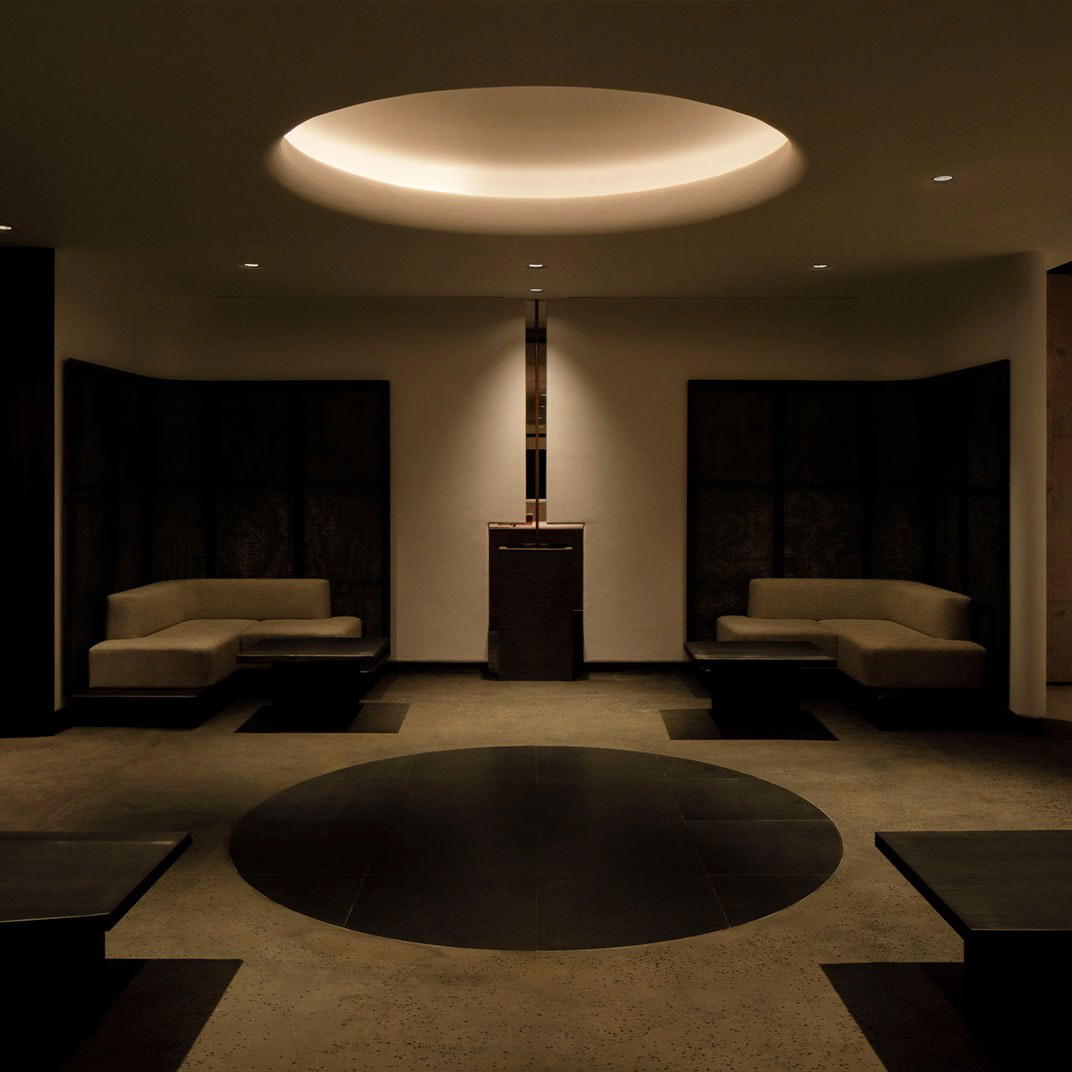
Intimate open kitchen and counter seating create a relaxed atmosphere for enjoying Japanese-style Western cuisine without pretense.