
Kyouya places Fukui soba in a serious regional frame rather than treating it as a quick noodle stop. Its selection for Tabelog 100 - Soba - WEST - 2025, compact 32-seat format, private rooms, take-out option, and sake-leaning drinks list make it useful for travelers reading Fukui through buckwheat, local dining habits, and the city’s quieter craft-food circuit.
Pearl is the En Primeur Club membership app — saves, bookings, and concierge access live there. Same editors, same standards.
- Address
- 2 Chome-936-2 Wadanaka, Fukui, 918-8236, Japan
- Phone
- +81 776-25-1662
- Website
- kyouya-soba.com
 Saves & bookings on Pearl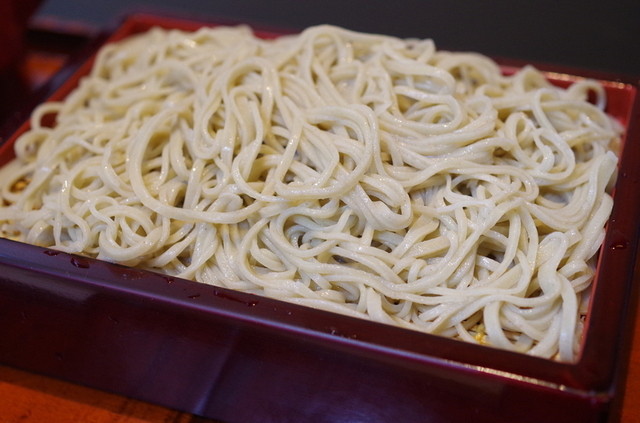
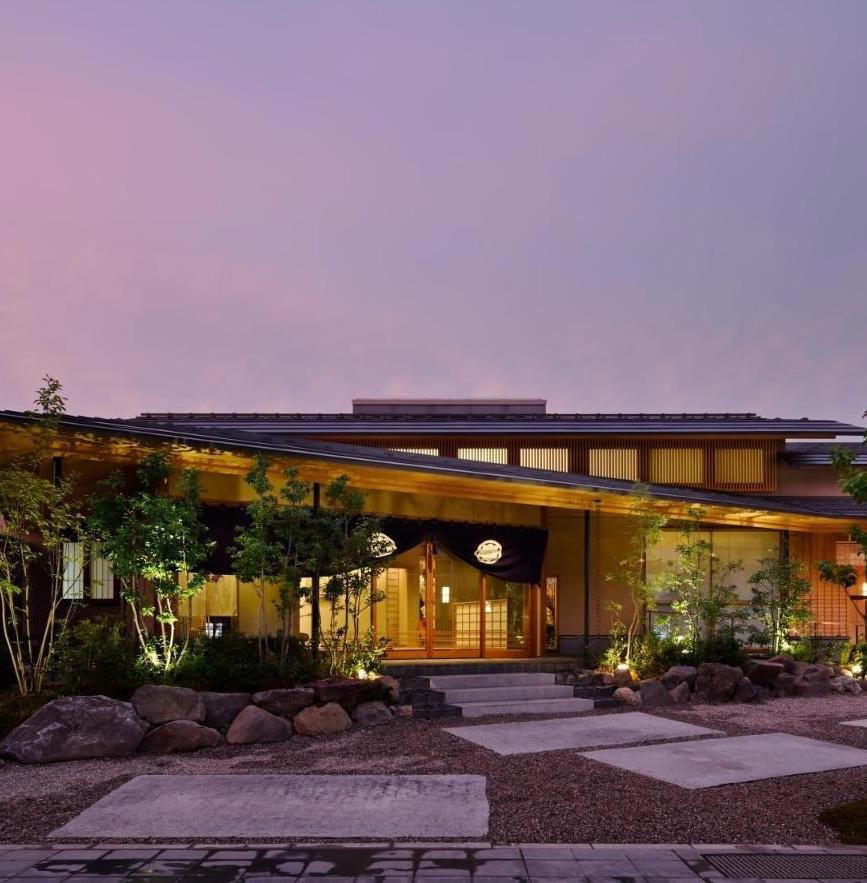
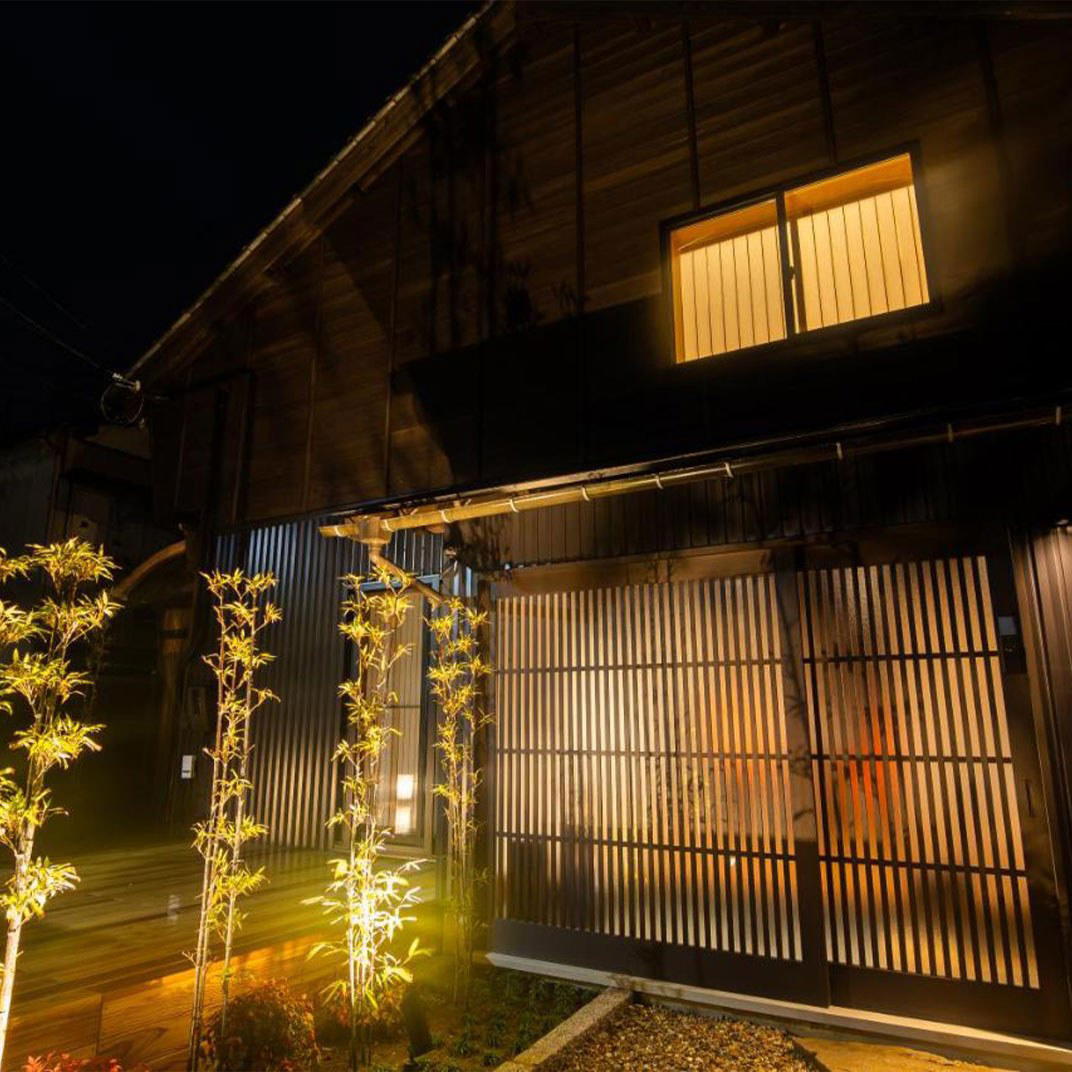
Approach Fukui soba with the expectations used for sushi counters or tempura bars and the category starts to make more sense: small rooms, short service windows, strong opinions about texture, and a close relationship between grain, water, and season. Kyouya belongs to that tradition in a residential part of Wadanaka, where the meal is less about spectacle than calibration. The setting is described as a house restaurant with counter seating, private rooms, and a no-smoking policy, a format that suits soba because the food rewards focus rather than ceremony.
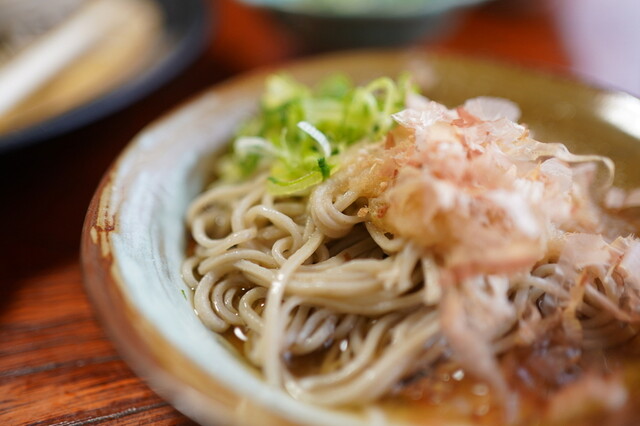
Fukui’s food identity often gets flattened into winter crab or sauce katsudon, but buckwheat is one of the prefecture’s more revealing staples. Soba here sits at the intersection of farming, milling, water quality, and everyday dining. That matters for a traveler because the difference between an ordinary noodle shop and a serious soba house is not decoration; it is the handling of a crop with a short aromatic life and a dough that punishes carelessness. Kyouya’s inclusion in Tabelog 100 - Soba - WEST - 2025 places it in a competitive western Japan soba cohort rather than a purely local comfort-food bracket.
Fukui soba is a grain story before it is a noodle story
Good soba begins before the kitchen. Buckwheat has no gluten structure to hide behind, so milling, hydration, cutting, and timing shape the final result more visibly than in wheat noodles. In Hokuriku, colder weather and rural eating patterns have long supported soba as a practical food, but the serious houses treat that practicality with precision. The point is not luxury in the urban tasting-menu sense. The point is restraint: a short menu, a narrow margin for error, and a room where the kitchen’s discipline is easier to read than its decoration.
That sourcing angle is why soba can be a more useful Fukui meal than another generic regional set. The noodle carries the agricultural character of the area, while the accompaniments reveal how local Japanese dining balances grain, broth, condiment, and drink. Kyouya’s drinks listing includes sake and shochu, with particular attention to sake, which aligns the meal with the broader Hokuriku habit of pairing clean, grain-led food with rice-based drinking rather than heavy sauces or long courses.
Within Fukui, the useful comparison is not only other soba rooms but the range of regional anchors. Amida Soba Fuku no I gives travelers another soba reference point, while Bouyourou (Crab Kaiseki) speaks to the prefecture’s seafood and winter-kitchen prestige. Europe Ken Souhonten sits in the sauce-katsudon conversation, a more populist counterweight to soba’s quiet exactitude. Read together, these meals show a city whose dining culture is not built around a single luxury register.
A compact room, a serious award signal, and a local rather than theatrical rhythm
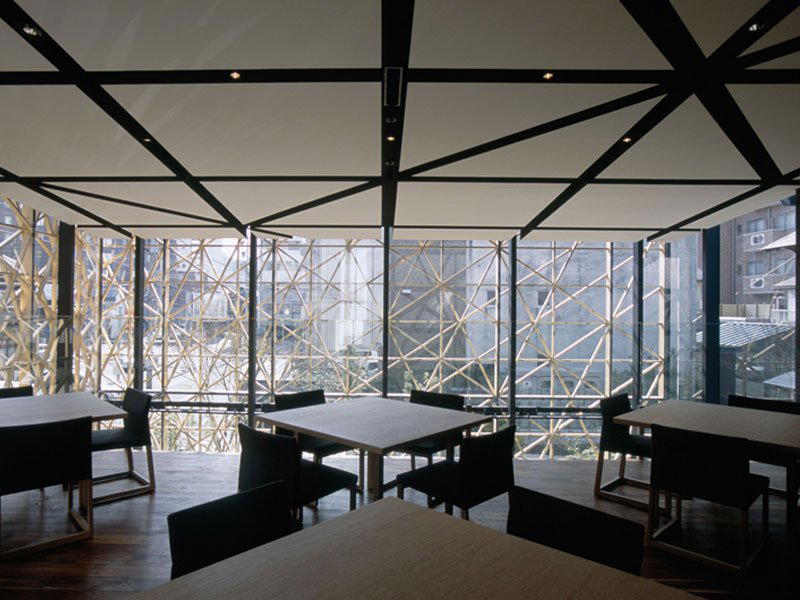
The 32-seat layout gives the place a useful middle scale: not a tiny counter that turns every seat into a performance, not a large dining room where soba becomes cafeteria food. Counter seats, table seating, tatami rooms, and one box seat allow different uses without changing the basic premise. Private rooms and children-welcome policies make it workable for families, while the award signal keeps it relevant for diners mapping Japan through specialist categories rather than Michelin-style fine dining alone.
The Tabelog 100 selection matters because soba is a category where national tourists can misread modest surroundings as modest ambition. Western Japan’s soba field is broad, and a 2025 selection gives an external marker that the cooking belongs in a curated regional conversation. It is not the same kind of signal as a French tasting-menu star, and it should not be treated that way. It says something more specific: among specialist soba restaurants in western Japan, this address has enough consistency and category relevance to merit attention.
Broader Fukui table can then branch in several directions. Kaikatei (Chinese) shows how non-Japanese formats fit into the city’s dining mix, while Korean Chubo Senara widens the map beyond regional staples. For planning across categories, keep Our full Fukui restaurants guide close, then pair it with Our full Fukui hotels guide, Our full Fukui bars guide, Our full Fukui wineries guide, and Our full Fukui experiences guide if the trip is being built as more than a meal-by-meal itinerary.
How to place it in a wider Japan itinerary
Kyouya makes the strongest case for travelers who treat soba as a craft category, not a convenience lunch. It is also useful for those comparing regional Japanese formats: the restraint of buckwheat noodles in Fukui, the meat-and-warishita grammar of -Grilled beef Sukiyaki- KAMAKURA TANUKIAN 鎌倉 たぬき庵 in Kamakura, the urban izakaya pull of. 鮪と炭火焼き うお炭 秋葉原店 in Tokyo, and the café register of.cafe in Osaka. The point is not to rank them against one another. The point is to notice how format changes what counts as skill.
That comparison extends beyond the obvious tourist circuit..know in Kumamoto, (Shoku) Vietnam in Kawasaki, and [Curry Senmon Ten] Maruyama Kyoju. in Sapporo each pull travelers toward different everyday-food languages: café, Vietnamese cooking, and curry specialization. Even outside Japan, the Japanese dining diaspora can sharpen the lens, from Jōdo Saké Bar in Los Angeles to Onigiri Time in Pasadena. Against that larger map, Fukui soba reads as a quiet but exacting form of regional literacy.
The practical judgment is clear: come for a focused soba meal rather than a long, performative dinner. The restaurant’s take-out option, private rooms, non-smoking policy, and family-friendly setup make it less precious than its award listing might suggest, while the specialist recognition keeps it from being just another noodle stop. In Fukui, that balance is the appeal: local grain, disciplined format, and enough structure to reward a detour without demanding an entire evening.
In Context: Similar Options
Comparable venues by cuisine and price in the same metro.
| Venue | Cuisine | Price | Notes |
|---|---|---|---|
| KyouyaThis venue — the venue you are viewing | Traditional Handmade Soba | $ | Not listed |
| 寿司政 | japanese | Not listed | Fukui |
| Europe Ken Souhonten | Yoshoku / Sauce Katsudon | $ | Fukui Castle Ruins Daimyomachi |
| サンドウィッチ&コーヒー トレモロ | Sandwich & Coffee Cafe | $$ | 越前開発 |
| çå µè¡ | japanese | Not listed | Fukui |
| 料亭 開花亭 | Seasonal Kaiseki | $$$$ | central Fukui |
Recognition history
Dated appearances from independent guides and award organizations, with the underlying list record or original source where available.
Tabelog 100 #98 · No. 98
Tabelog · Tabelog 100 - Soba - WEST - 2025
Continue exploring
More in Fukui
Restaurants in Fukui
Browse all →
At a Glance
- Cozy
- Classic
- Rustic
- Solo
- Family
- Casual Hangout
- Group Dining
- Standalone
- Historic Building
- Local Sourcing
Current opening hours
- Monday
- 11 AM–3 PM
- Tuesday
- Closed
- Wednesday
- 11 AM–3 PM
- Thursday
- 11 AM–3 PM
- Friday
- 11 AM–3 PM
- Saturday
- 11 AM–3 PM, 5–8 PM
- Sunday
- 11 AM–3 PM, 5–8 PM
Hours can change for holidays and private events. Last verified .
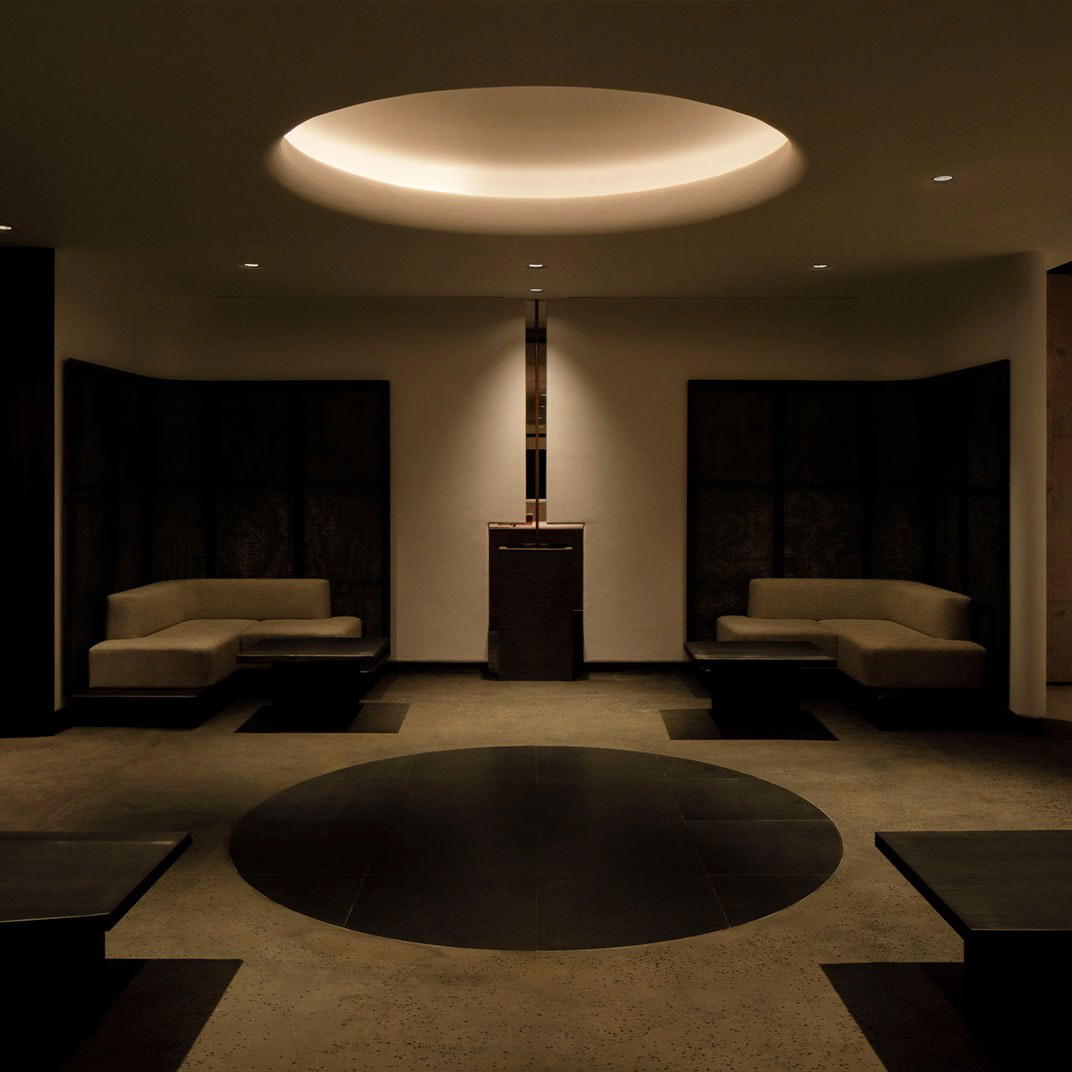
A calm, traditional soba shop atmosphere with a classic Japanese interior and a focus on local ingredients and regional craft rather than a modern or lively dining scene.