Located in Chuo Ward, Sapporo, 鮨処 ふる里 sits within a city whose dining scene has grown significantly more demanding in recent years. Booking logistics and format details remain tightly held, which itself signals the kind of restaurant this is: one that operates on local knowledge and word-of-mouth. Visitors planning ahead will want to approach this one through trusted local channels.
Pearl is the En Primeur Club membership app — saves, bookings, and concierge access live there. Same editors, same standards.
- Address
- Japan, 〒064-0802 Hokkaido, Sapporo, Chuo Ward, Minami 2 Jonishi, 25 Chome−1−22 和喜智
- Phone
- +81116403768
- Website
- sushisai-wakichi.com
- Directions
- Get directions
 Saves & bookings on Pearl
Sapporo's Quiet Counters and What They Tell You
鮨菜 和喜智 is a Traditional Japanese Kaiseki restaurant in Sapporo's Chuo Ward, with a price tier of 3. There is a particular type of Japanese restaurant that resists easy documentation. In Sapporo, these venues are not rare, they represent a distinct stratum of the city's dining culture, one that predates review platforms and has never needed them. 鮨処 ふる里, addressed at Minami 2 Jonishi in Chuo Ward, belongs to this category. What little is publicly known about it is largely structural: it exists, it has an address, and it operates in a part of Sapporo where serious eating is a neighbourhood expectation rather than a tourist draw.
Chuo Ward is Sapporo's culinary centre of gravity. The area runs from the Susukino entertainment district up through the grid streets around Odori, and it contains the highest concentration of reservation-only counters, standing soba shops, and serious sushi operations in the city. Venues like Arima (Sushi) and Hanakoji Sawada (Kaiseki) anchor the upper tier of this district, alongside counter-format operations that serve regulars almost exclusively. 鮨処 ふる里 occupies similar urban coordinates, both literally and culturally.
The Booking Problem, and What It Reveals
The editorial angle on 鮨菜 和喜智 is, necessarily, the logistics. No booking link, no published hours, no listed phone number: this is not an accident. In Japan's counter-dining culture, this kind of opacity is a deliberate posture. The restaurant exists at the end of a referral chain, not a search engine query.
Across Japan's tighter dining tiers, this model is consistent. Counter sushi operations in Tokyo's Ginza, kaiseki rooms in Kyoto's Gion, and serious ramen shops in regional cities frequently communicate availability through returning customers, hotel concierge networks, or chef-to-chef referrals. Venues like Harutaka in Tokyo and Gion Sasaki in Kyoto sit in ecosystems where the booking process itself is a form of curation. The same logic applies in Sapporo.
For visitors, the practical implication is clear: do not arrive without a plan. A concierge at a Sapporo hotel with established local relationships is one reliable route to any venue operating in this format. Failing that, a Japanese-speaking contact with local dining knowledge can often surface availability where a foreign visitor's cold approach cannot. The Minami 2 Jonishi address in Chuo Ward is walkable from central Sapporo's main axes, but proximity to the venue does not substitute for an introduction to it.
Sapporo as a Dining City: The Context That Matters
Understanding why a place like 鮨処 ふる里 exists requires understanding what Sapporo has become as a food destination. Hokkaido's produce, snow crab, uni, dairy, cold-water fish, has made the island a credible rival to Tokyo and Osaka as a sourcing ground for serious Japanese cooking. The city's sushi counters, in particular, benefit from proximity to some of the country's most prized seafood, and Sapporo's dining scene has absorbed that advantage without necessarily broadcasting it internationally.
Venues like Higebozu and Hidetaka represent the city's more visible dining operations, while aki nagao occupies a different register altogether. Taken together, these venues confirm that Sapporo supports a layered dining culture, one with internationally recognised names at the leading and referral-only operations at its quieter core. 鮨処 ふる里 appears to sit in the latter group.
Japan's regional cities have also benefited from the broader dispersal of serious dining talent away from Tokyo and Osaka over the past decade. Operations like Goh in Fukuoka, affetto akita in Akita, and akordu in Nara demonstrate that regional venues can sustain serious cooking at a level that competes with major city peers. Sapporo fits squarely into this pattern, and venues that operate without public-facing profiles often represent one deeply local expression of that quality.
What the Address Tells You About Placement
The Minami 2 Jonishi location in Chuo Ward places 鮨処 ふる里 in one of the denser blocks of Sapporo's central dining district. The numbered grid system that defines Sapporo's city centre, running south and west from the Odori axis, means addresses in this zone are legible to anyone familiar with the city's layout, but not necessarily to first-time visitors. The 25-chome designation places the venue toward the western reaches of this grid, in a quieter corridor than the more trafficked restaurant streets closer to the main transport hubs.
This physical placement is consistent with how many counter-format restaurants in Japanese cities situate themselves: accessible by local knowledge, not by foot traffic. Venues that rely on regulars do not require commercial visibility. They require only that the people who know about them can find them again.
Planning a Visit: What You Need to Know
Given the absence of a public booking interface, anyone planning around 鮨処 ふる里 should build in significant lead time and multiple contact strategies. Sapporo's dining scene is competitive for reservation slots in the upper tiers, particularly during winter crab season (roughly November through March), when demand for Hokkaido's snow crab at source peaks sharply. The shoulder seasons, late spring and early autumn, tend to offer more availability across the city's tighter dining operations, though this varies by venue.
Visitors already planning Japan itineraries that include serious dining at venues like HAJIME in Osaka, Le Bernardin in New York City, or Lazy Bear in San Francisco will recognise the planning posture required: treat the booking as a logistical task with the same seriousness as the meal itself. For venues that do not publish their own contact details, this means working through intermediaries rather than direct outreach.
Additional regional context from venues like Ajidocoro in Yubari District, Aji Arai in Oita, Akakichi in Imabari, and Abon in Ashiya underscores a consistent pattern across Japan's regional dining circuit: the venues with the least digital presence often carry strong local credibility.
Comparison Snapshot
Comparable venues nearby, for context on price, style, and recognition.
| Venue | Cuisine | Price | Notes |
|---|---|---|---|
| 鮨菜 和喜智This venue — the venue you are viewing | Traditional Japanese Kaiseki | $$$ | Not listed |
| Susukino Yakiniku Kiraku | Japanese Yakiniku BBQ | $$$ | Chūō |
| Sapporo Kanihonke (札幌かに本家 すすきの店) | Hokkaido Crab Specialty | $$$ | Susukino |
| Teppan | Japanese Teppanyaki | $$$ | Chūō |
| Akatsuki | Traditional Edomae Sushi Omakase | $$$$ | Chūō |
| Sushi Saikou | Hokkaido Omakase | $$$ | Chūō |
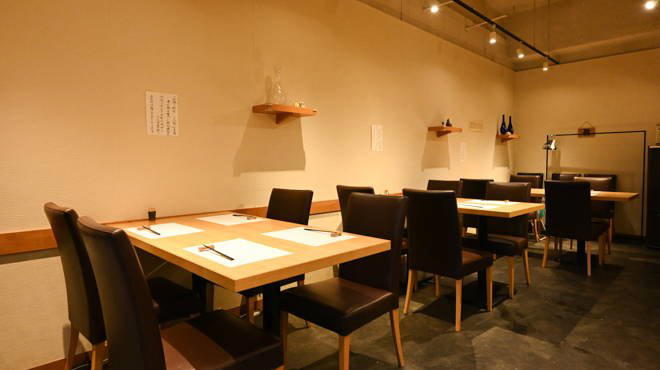
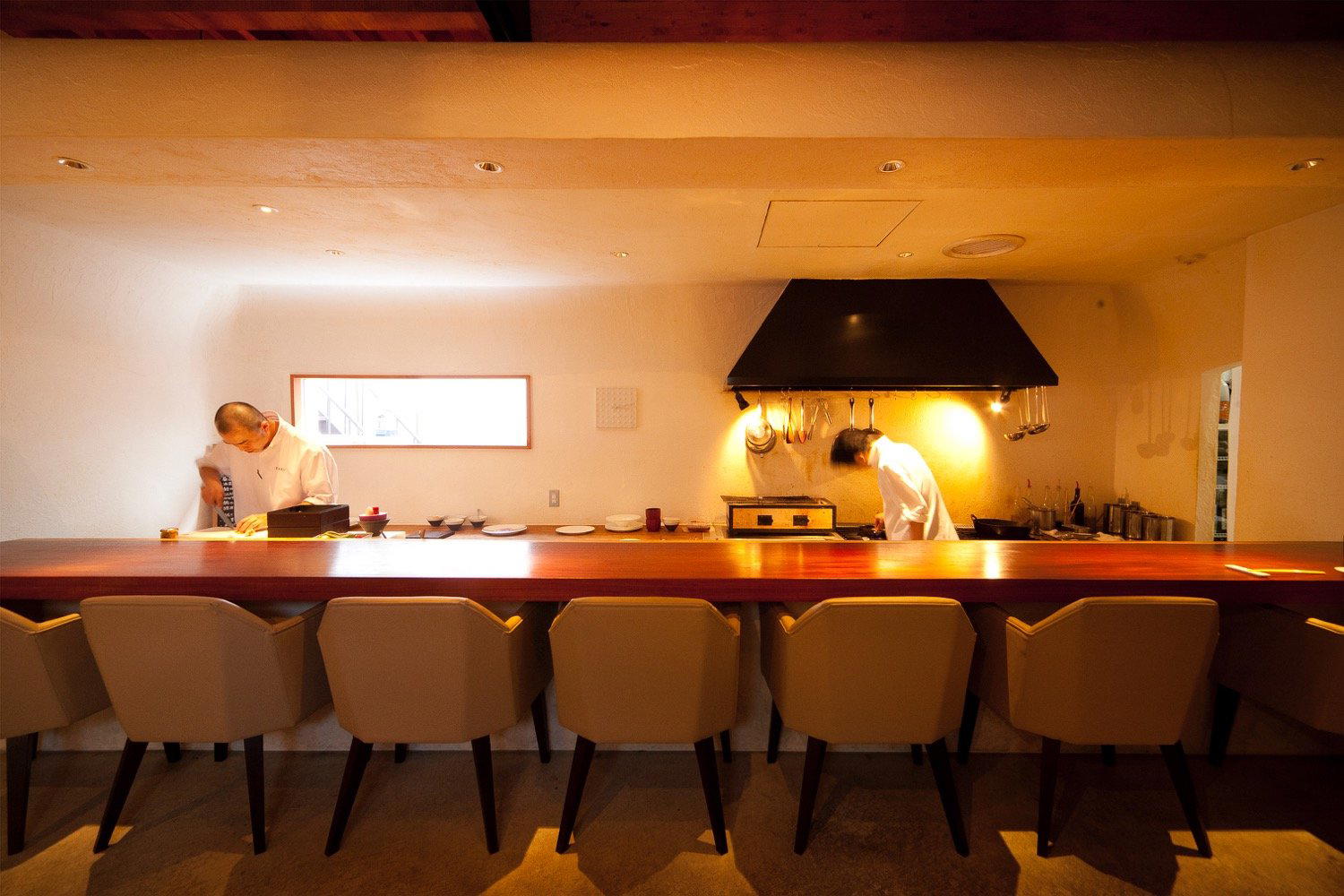
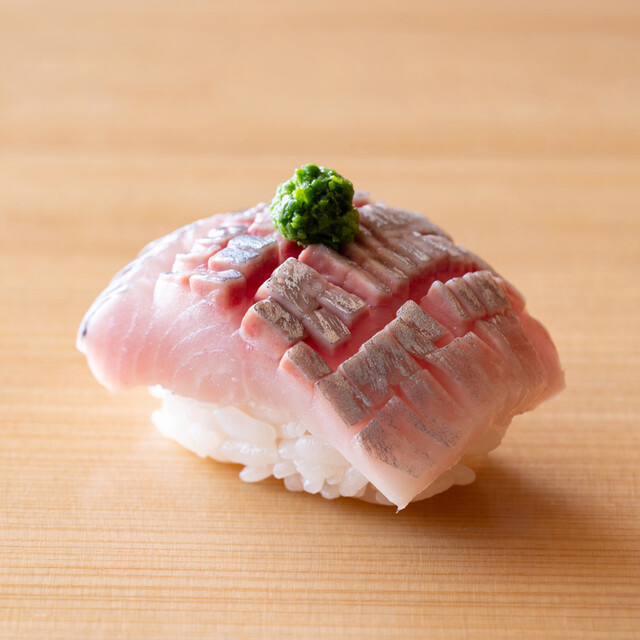

At a Glance
- Elegant
- Scenic
- Romantic
- Date Night
- Special Occasion
- Business Dinner
- Open Kitchen
- Sake Program
- Local Sourcing
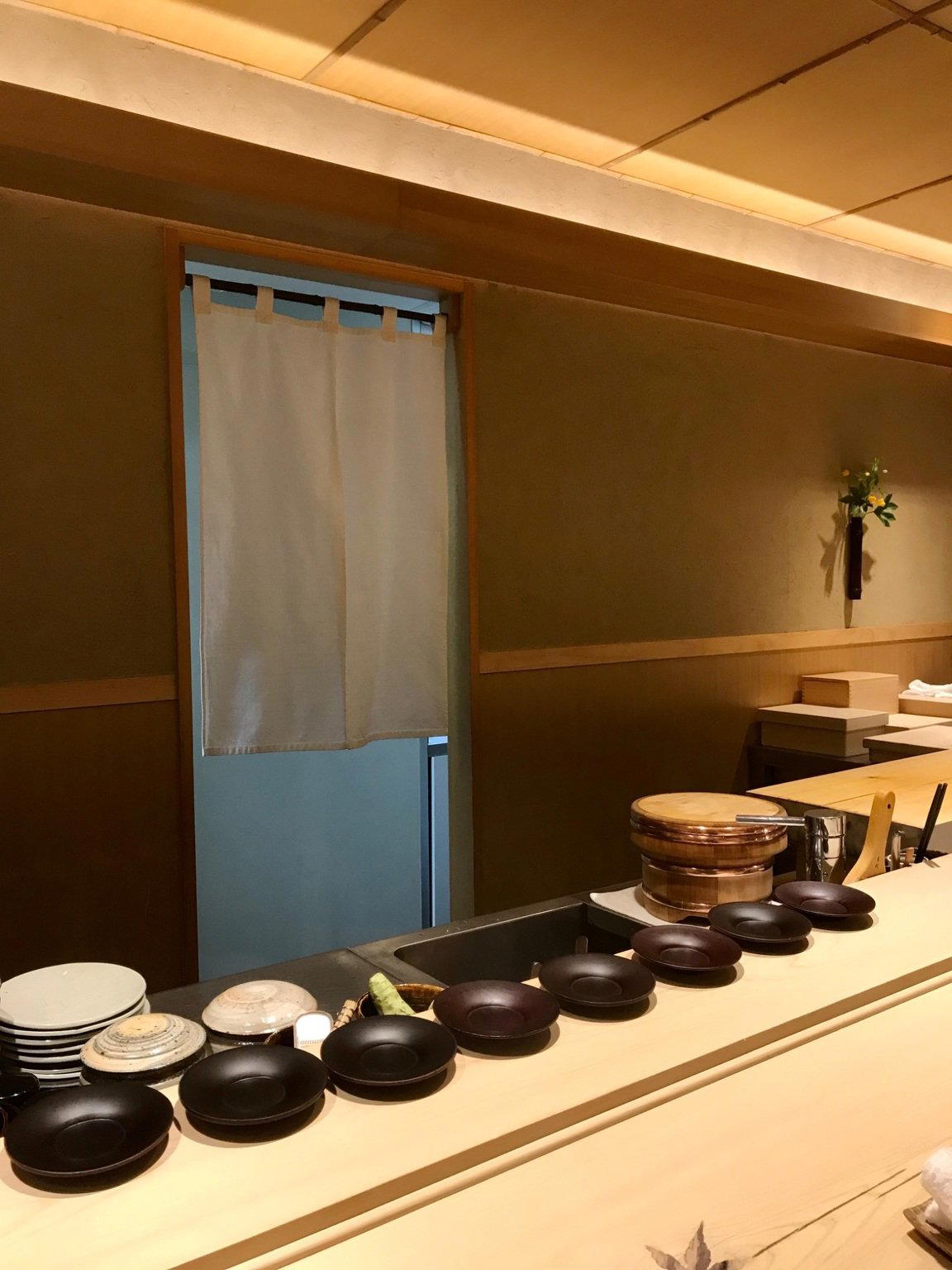
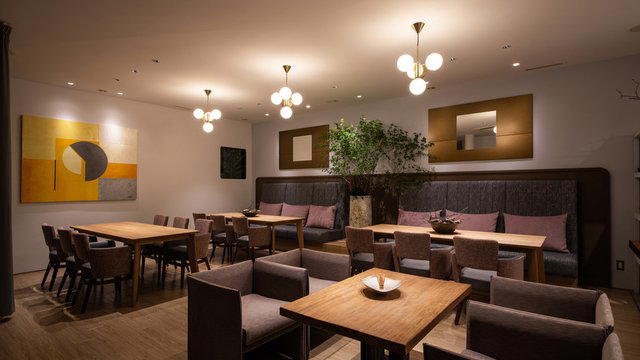
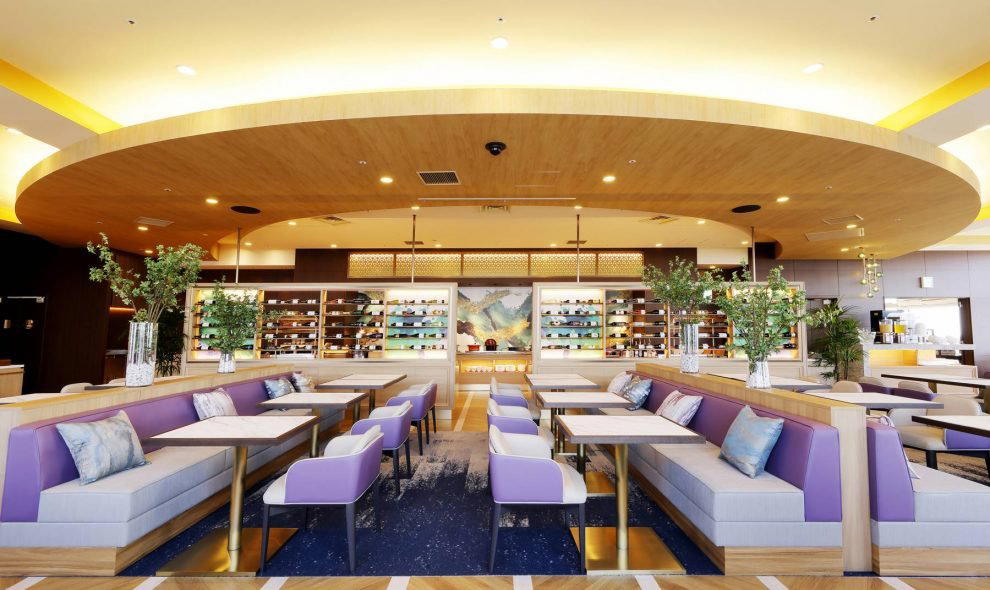
Refined and understated with warm lighting and traditional Japanese aesthetic elements creating an intimate dining atmosphere.